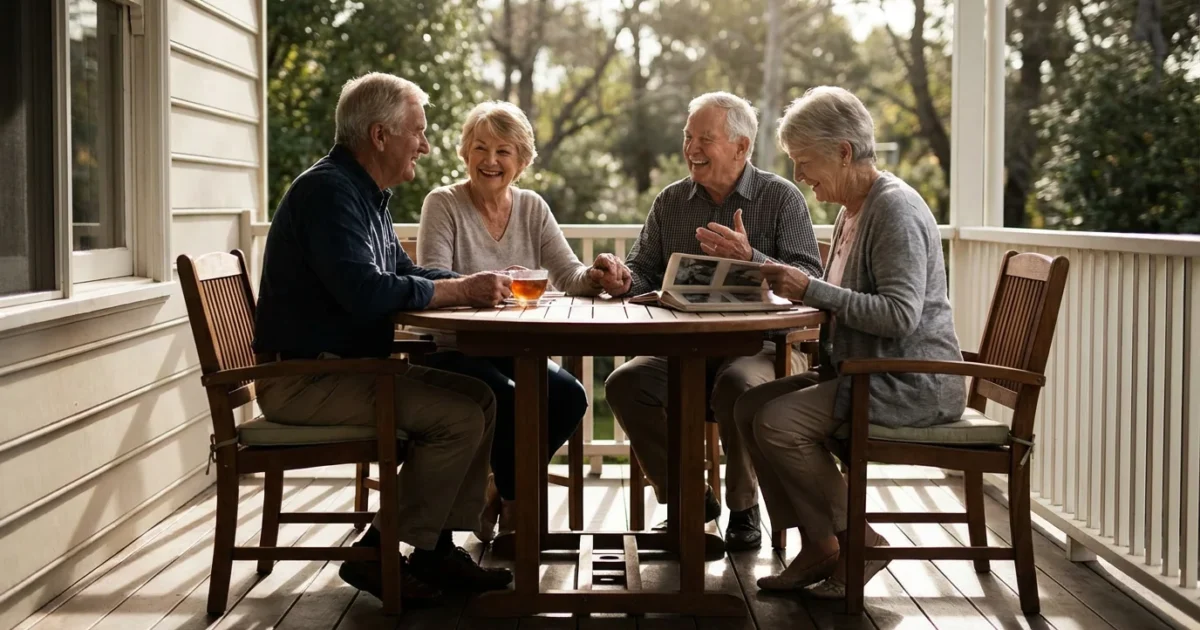
Staying connected with others is a fundamental human need. For seniors, these social bonds play a particularly critical role in maintaining overall health and well-being. Isolation can subtly erode both mental and physical health, making proactive social engagement a powerful tool in your health strategy. You possess the ability to cultivate and strengthen your social network, directly influencing your quality of life.
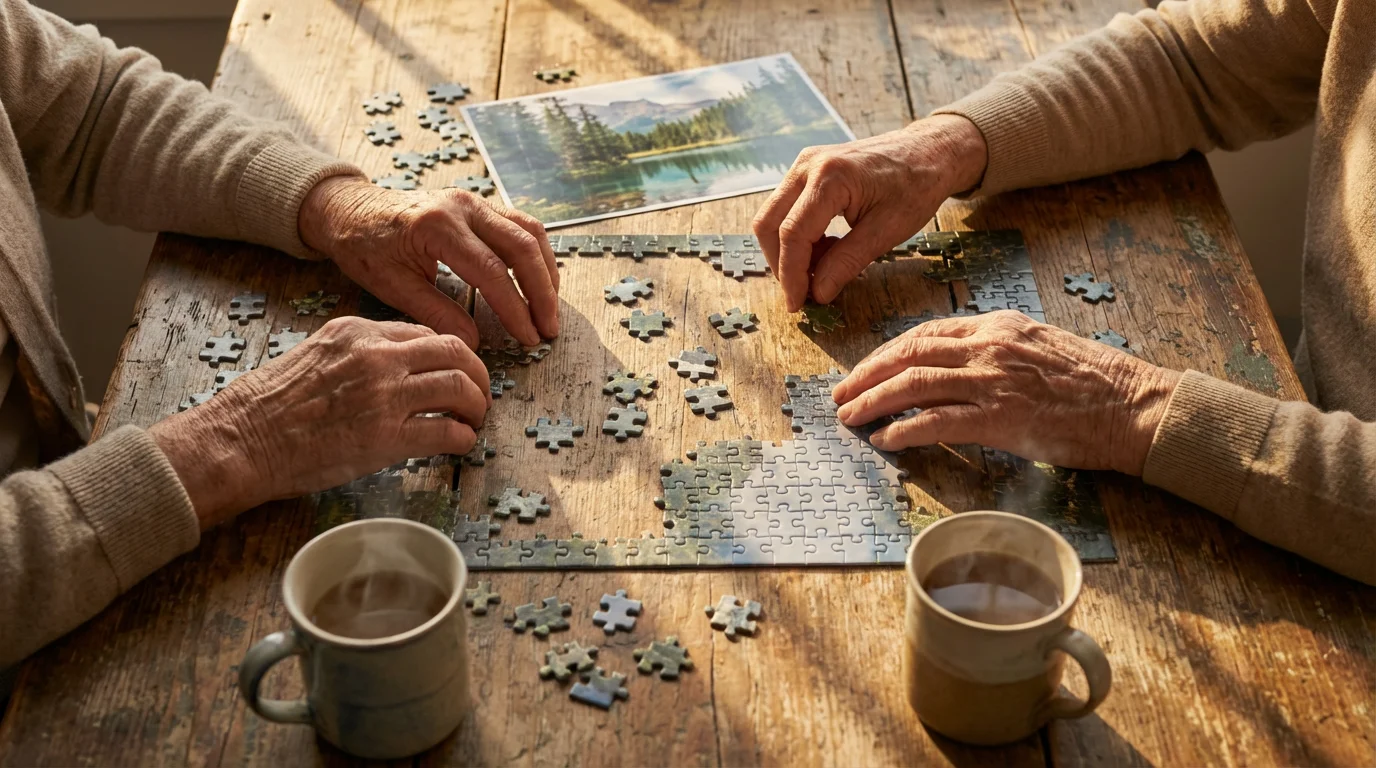
The Profound Impact of Social Connection on Well-being
Human beings are inherently social creatures. From the earliest days of our species, group cohesion provided safety, shared resources, and collective knowledge. This hardwired need for connection remains just as vital in your senior years. Social interaction extends far beyond simply “feeling good,” it forms a cornerstone of your overall health and longevity.
You can think of social connection as another pillar of wellness, alongside balanced nutrition and regular physical activity. Strong social ties contribute significantly to your mental, emotional, and even physical resilience. They offer a buffer against life’s stresses, providing a sense of belonging and purpose that supports a healthier aging process. Engaging with others keeps your mind stimulated, your emotions regulated, and your spirits lifted.
Research consistently highlights the power of social engagement. Studies show individuals with robust social networks often experience improved health outcomes and a higher quality of life. This demonstrates that investing in your relationships is a direct investment in your long-term health. Prioritizing these connections empowers you to take charge of your well-being in a meaningful way.
Understanding Social Isolation and Its Risks
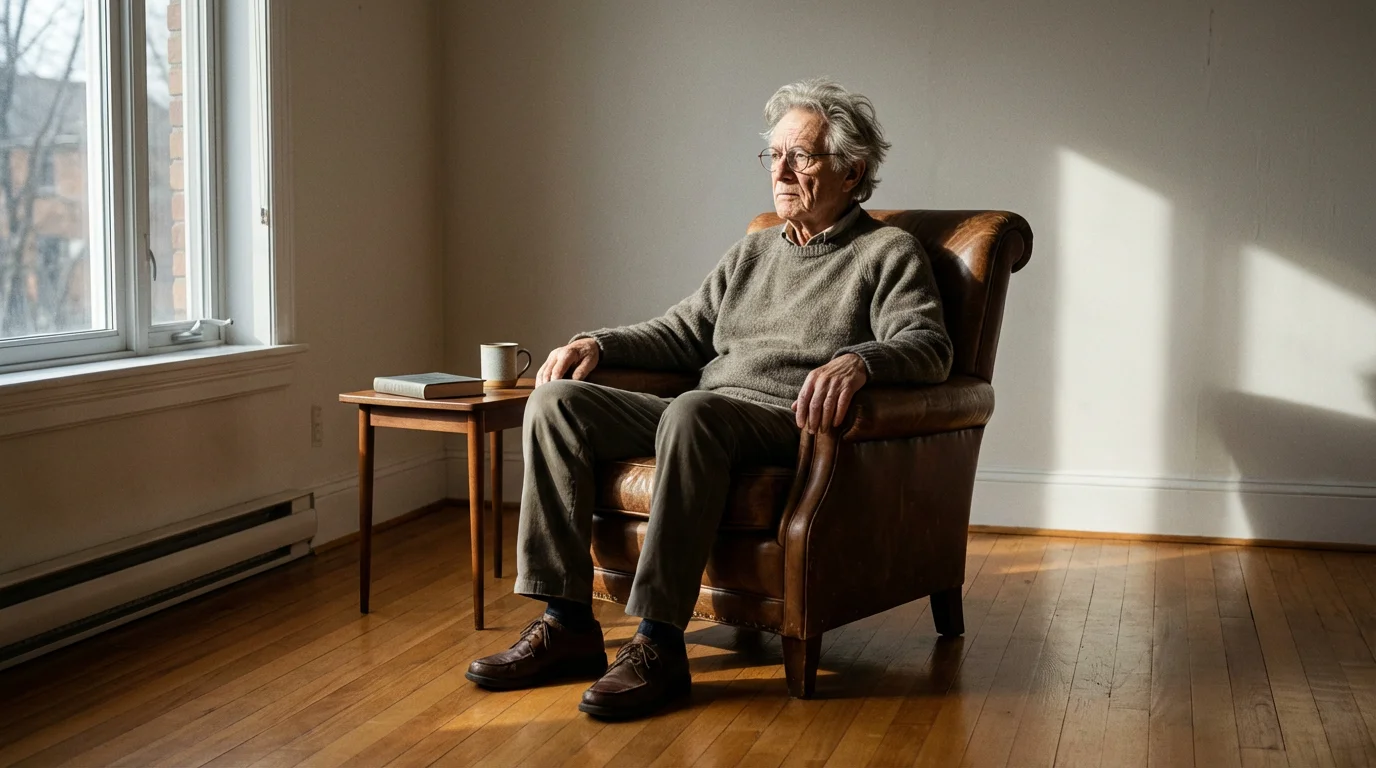
While often used interchangeably, social isolation and loneliness are distinct. Loneliness describes the distressing feeling of being alone or separated, a subjective emotional state. Social isolation, in contrast, refers to a lack of social contact, an objective absence of interaction with others. You can feel lonely even when surrounded by people, and you can be socially isolated without feeling lonely, though the two often coexist.
The risks associated with `Social Isolation` extend far beyond emotional discomfort. The National Institute on Aging (NIA) explains that social isolation and loneliness pose significant public health risks, increasing the likelihood of various health problems in older adults. These risks affect both your mental and physical health, creating a cycle that can be challenging to break without proactive steps.
Consider the cumulative impact of reduced social interaction. Over time, chronic social isolation can lead to serious health complications. Recognizing these dangers helps you understand the urgency of fostering and maintaining your social connections. You actively mitigate these risks by engaging with your community and loved ones.
Specific dangers of social isolation include:
- Increased risk of depression and anxiety: A lack of meaningful connection can lead to feelings of sadness, hopelessness, and worry.
- Higher risk of cognitive decline: Social engagement provides mental stimulation vital for brain health. Isolation can contribute to a faster decline in memory and other cognitive functions, even increasing the risk of dementia.
- Poorer physical health outcomes: Isolated individuals often have weaker immune systems, increased inflammation, and higher rates of cardiovascular disease.
- Higher mortality rates: Research indicates that the health risks of prolonged social isolation can be comparable to those of smoking, obesity, and physical inactivity.
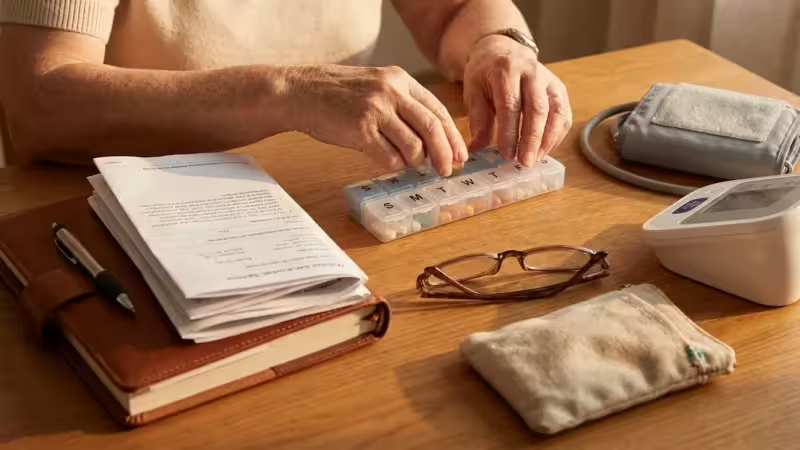
- Difficulty managing chronic conditions: Without social support, you may find it harder to adhere to medication schedules, attend appointments, or maintain healthy habits.
- Increased emergency room visits: Isolated seniors may delay seeking care, leading to more severe conditions when they finally receive medical attention.

How Social Bonds Strengthen Your Mental Health
Strong social connections serve as powerful protective factors for your `Mental Health`. Engaging with others helps mitigate the risks associated with aging, promoting a more positive and resilient mindset. You directly influence your emotional well-being by cultivating meaningful relationships.
Regular social interaction offers consistent mental stimulation, which is crucial for cognitive vitality. When you engage in conversations, solve problems with others, or learn new things in a group setting, you challenge your brain in beneficial ways. This consistent mental exercise helps keep your memory sharper, enhances your problem-solving skills, and supports overall brain health. The stimulation derived from social activity acts as a safeguard against cognitive decline, allowing you to maintain mental acuity longer.
Moreover, social relationships provide essential emotional support, helping you navigate life’s challenges. Sharing experiences, thoughts, and feelings with trusted friends and family reduces feelings of loneliness and provides a sense of belonging. Knowing you have someone to talk to during difficult times, or to celebrate successes with, significantly boosts your mood and emotional resilience. This support network offers comfort and reassurance, reducing stress and fostering a more optimistic outlook on life.
The positive feedback from social interactions also enhances your self-esteem and sense of purpose. Contributing to a group, whether through volunteering, sharing expertise, or simply participating in activities, reinforces your value and importance. This sense of contribution can be incredibly empowering, combating feelings of irrelevance that some seniors may experience. Ultimately, robust social bonds empower you to lead a more fulfilling and mentally healthy life.
Key mental health benefits from social bonds include:
- Reduced risk of depression and anxiety.
- Improved cognitive function, including memory and processing speed.
- Enhanced mood and emotional stability.
- Increased feelings of purpose and meaning.
- Better coping mechanisms for stress and grief.
- Greater overall life satisfaction.
Physical Health Benefits Beyond Mental Well-being
The positive influence of social connection extends remarkably to your physical health, demonstrating a powerful mind-body link. You might not immediately connect your friendships to your blood pressure, but scientific evidence shows a clear relationship. Strong social ties contribute significantly to a healthier body, complementing your mental and emotional well-being.
Practicing mindfulness and meditation can also help manage the stress that impacts physical health.
Individuals with robust social networks often exhibit lower rates of chronic diseases. For instance, studies have found that socially connected people tend to have lower blood pressure and reduced risk of heart disease. The support and positive interactions from friends and family can alleviate stress, which is a known contributor to cardiovascular problems. This reduction in stress helps your body function more efficiently, from your heart to your immune system.
Furthermore, social engagement can lead to healthier lifestyle choices. When you have friends who encourage walks, healthy eating, or participation in group activities, you are more likely to adopt these beneficial habits yourself. A strong social circle can motivate you to stay physically active, manage your diet better, and adhere to medical advice. This collective encouragement acts as a powerful force for maintaining your health. The Centers for Disease Control and Prevention (CDC) highlights that older adults with strong social support often report better overall health and longer lifespans.
Moreover, social connection is linked to a stronger immune system. Research suggests that people with more diverse social ties are less susceptible to common illnesses like the flu. Your body’s ability to fight off infections improves when you feel connected and supported. Improved sleep quality also frequently accompanies higher levels of social engagement, further bolstering your immune function and overall physical recovery. You create a comprehensive shield for your health by nurturing your relationships.
Significant physical health benefits of social connection:
- Lower risk of cardiovascular disease and high blood pressure.
- Stronger immune system, leading to fewer illnesses.
- Increased physical activity and adherence to exercise routines.
- Better sleep quality.
- Improved pain management and tolerance.
- Faster recovery from illness or surgery.
- Longer lifespan.
Practical Strategies to Boost Your Social Life
You can actively enhance your social life and combat `Social Isolation` through a variety of practical strategies. Taking intentional steps to connect with others directly improves your well-being. Start with small, manageable actions, then gradually expand your social circle and activities.
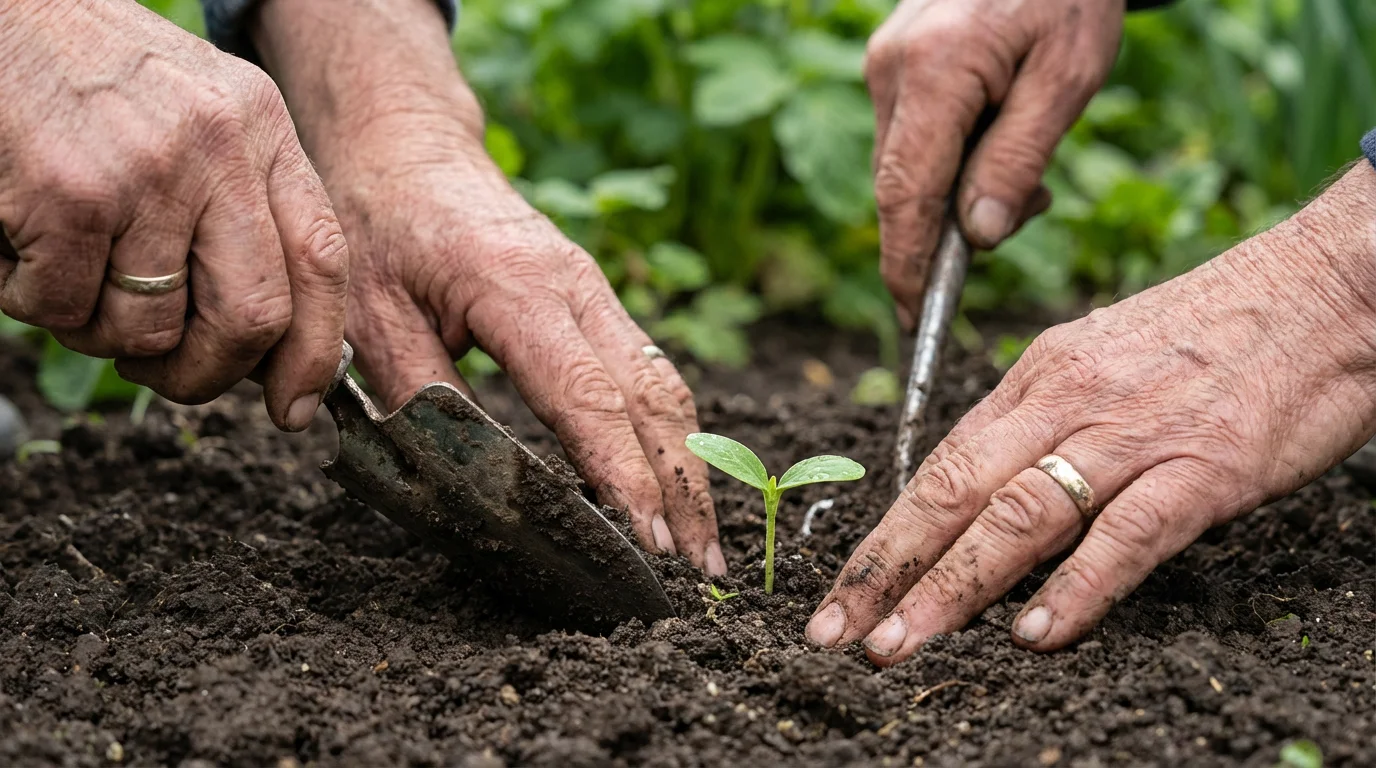
Engaging in local clubs or exploring the joys of gardening is another rewarding way to build community with neighbors.
For those seeking daily interaction, the benefits of pet ownership can provide consistent companionship and a sense of routine.
Many seniors find that participating in active sports like pickleball offers a fun way to meet people and stay fit.
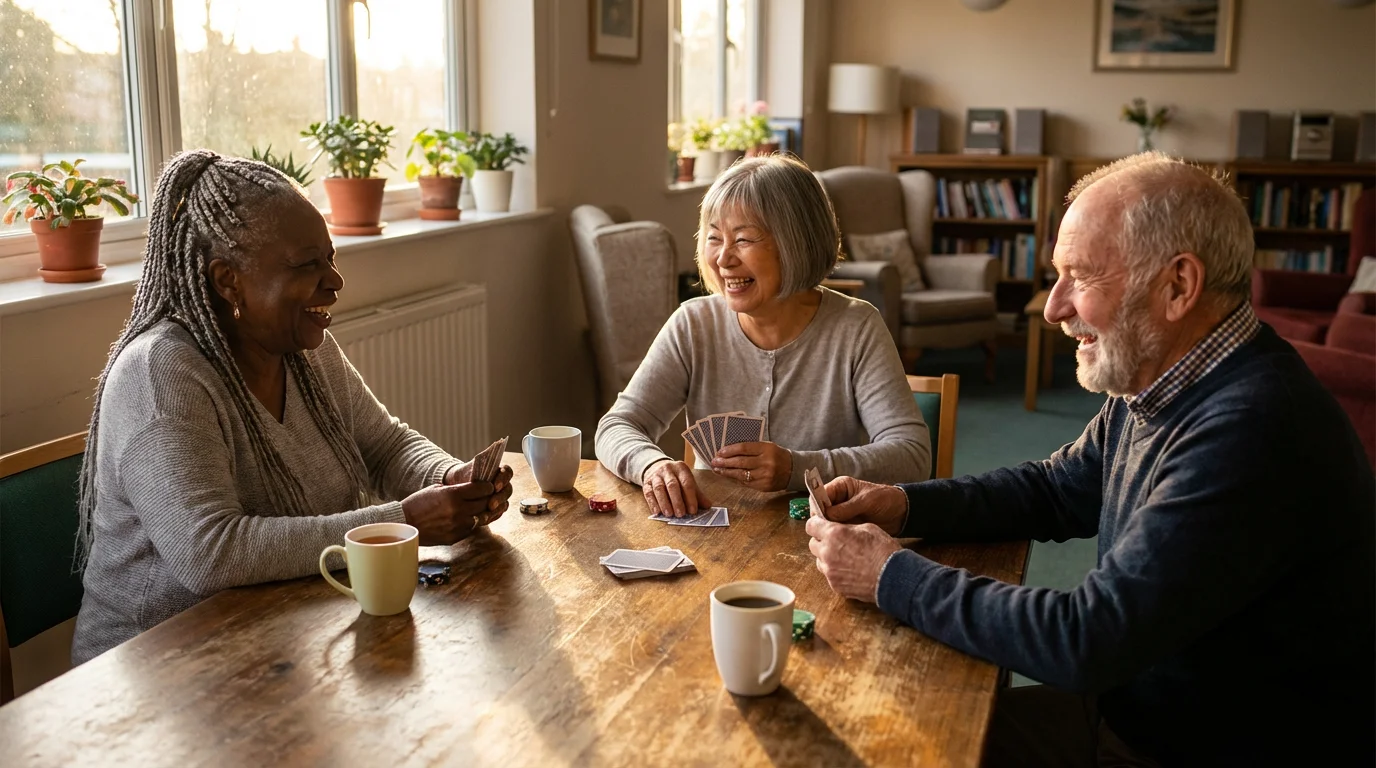
Consider joining community groups or clubs that align with your interests. Your local senior center often provides a wealth of `Senior Activities`, from card games and book clubs to exercise classes and dance lessons. Libraries, community colleges, and religious organizations also offer opportunities for learning and social engagement. Exploring these avenues allows you to meet like-minded individuals and build new friendships around shared passions. Participating in these groups offers a structured way to interact regularly, giving you something to look forward to each week.
Volunteering is another excellent way to expand your social network while contributing meaningfully to your community. Whether you choose to help at a local hospital, an animal shelter, a school, or a food bank, volunteering connects you with people who share your values. It provides a sense of purpose and opens doors to new relationships based on collaborative effort. You not only receive social benefits, but also experience the profound satisfaction of making a difference.
Making an effort to connect with neighbors, friends, and family regularly can also significantly improve your social well-being. This might involve inviting a neighbor for coffee, scheduling regular phone calls or video chats with distant relatives, or planning weekly outings with friends. Even simple gestures, like a wave and a brief chat with someone in your building or on your street, can foster a sense of community. Pet ownership can also reduce feelings of loneliness, as pets provide companionship and often encourage owners to interact with others during walks or at pet stores.
Practical steps to combat loneliness and isolation:
- Join a club or group: Look for activities at senior centers, libraries, or community organizations that match your hobbies, such as gardening, reading, or crafts.
- Volunteer your time: Offer your skills to a local charity, school, or non-profit. This creates new connections and a sense of purpose.
- Take a class: Enroll in an adult education course, whether it is for a new language, art, or technology. Learning with others fosters camaraderie.
- Connect with family and friends: Schedule regular phone calls, video chats, or in-person visits. Make these interactions a consistent part of your routine.
- Engage with neighbors: Strike up conversations, offer assistance, or participate in neighborhood events.
- Consider pet ownership: A pet can provide companionship and encourage social interactions with other pet owners.

Embracing Technology for Connection
In today’s digital age, technology offers powerful new avenues for maintaining and building social connections, particularly if mobility or distance presents challenges. You can bridge geographical gaps and access a world of social opportunities right from your home. Embracing digital tools empowers you to stay connected and combat `Social Isolation` effectively.
In addition to video calls, platforms like social media for seniors help you join digital communities and keep up with family updates.
Modern gadgets can make it simple to bridge the gap with loved ones using basic technology tips for seniors.
Learning to navigate social media is a fantastic way to bridge the distance with friends and family members.
Video calling platforms are perhaps the most impactful technological tool for seniors. Services like Zoom, Skype, or FaceTime allow you to see and hear loved ones in real-time, recreating a sense of in-person interaction. Regular video calls with children, grandchildren, and friends can significantly reduce feelings of distance and loneliness. Many senior-friendly tablets and smartphones simplify these calls, making them accessible even for those new to technology.
Beyond one-on-one communication, online interest groups and forums provide platforms for connecting with people who share your specific hobbies or passions. Whether you enjoy gardening, cooking, history, or a particular craft, an online community likely exists. These digital spaces allow you to share knowledge, ask questions, and form friendships based on common interests, regardless of location. You might find a virtual book club, a knitting circle, or a discussion group focused on local events.
Social media, used mindfully, can also be a tool for connection. Platforms like Facebook allow you to keep up with family and friends, see photos, and participate in group discussions. You can join private family groups or community pages to stay informed and engaged. However, use social media with caution, prioritizing privacy and managing screen time. Learning new technology skills itself can be a social activity, with many community centers and libraries offering free courses or workshops designed for seniors.
Technology tools for enhancing social connection:
- Video Calling Apps: Use FaceTime, Zoom, or Skype for face-to-face conversations with family and friends.
- Email and Messaging Apps: Stay in touch with written communication, sharing updates, photos, and news.
- Online Interest Groups: Join forums, Facebook groups, or dedicated websites for hobbies like gardening, cooking, or gaming.
- Virtual Classes and Events: Participate in online exercise classes, lectures, or workshops offered by libraries, universities, or senior centers.
- Social Media (with caution): Connect with friends and family on platforms like Facebook, prioritizing privacy and positive interactions.
Finding Community Resources and Support
Accessing local community resources can significantly bolster your social network and provide avenues for meaningful engagement. You do not have to navigate the journey of combating `Social Isolation` alone; many organizations and programs exist to support you. Knowing where to look helps you find tailored opportunities that meet your specific needs and interests.
If communication becomes a barrier, proactively addressing hearing loss ensures you can remain an active participant in group settings.
Your local senior center is often the primary hub for senior activities and support. These centers offer a wide range of programs, including social gatherings, educational workshops, fitness classes, and meal services. They provide a safe and welcoming environment where you can meet new people, learn new skills, and participate in organized events. Many centers also offer transportation services, making attendance more accessible for you.
Religious organizations, such as churches, synagogues, or mosques, frequently offer robust social programs for their senior members and the wider community. These may include social clubs, volunteer opportunities, Bible studies, potlucks, and outreach programs. These groups often provide a strong sense of community and shared values, fostering deep and supportive relationships. You can find both spiritual and social nourishment within these organizations.
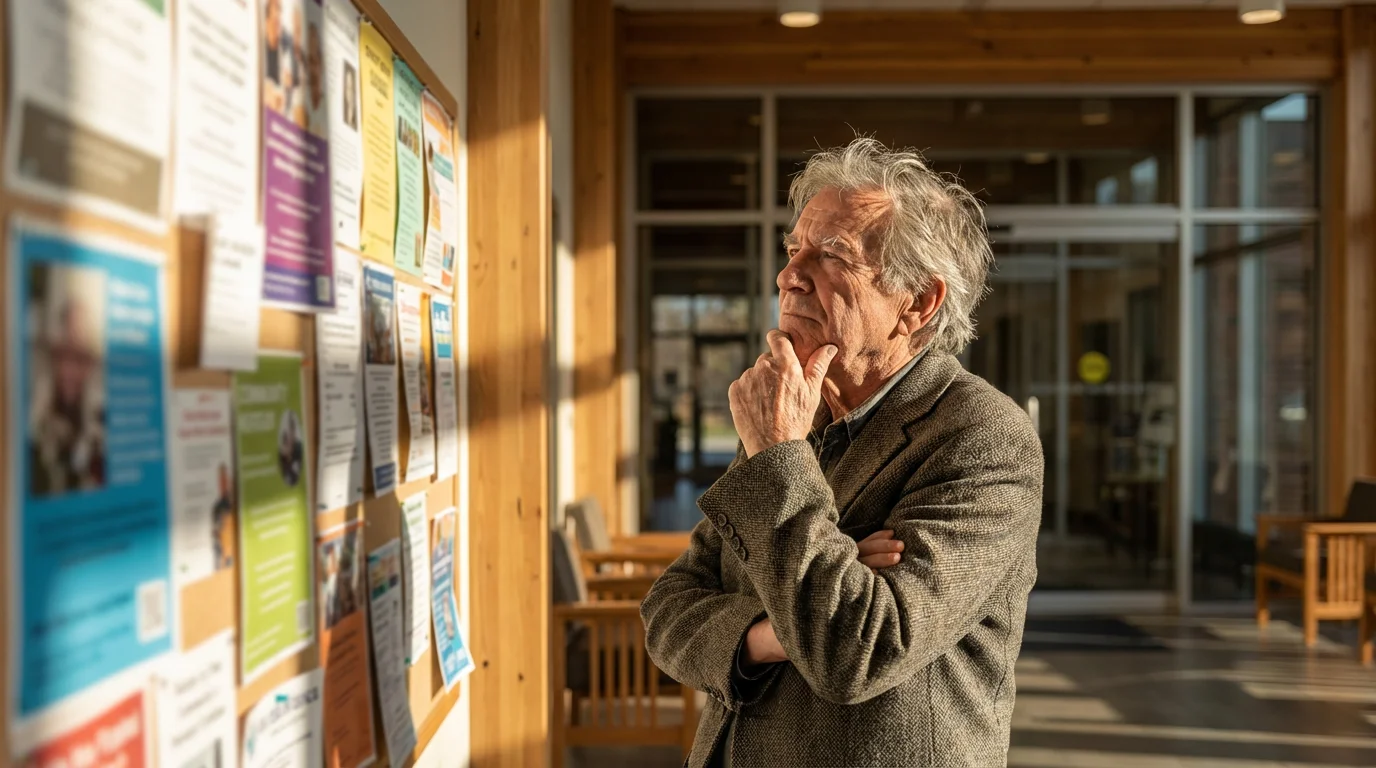
Public libraries are another invaluable resource, offering more than just books. Many libraries host senior-focused events, book clubs, technology workshops, and discussion groups. They provide a welcoming public space where you can connect with others, learn new things, and engage in cultural activities. Libraries often have bulletin boards listing other local community events, helping you discover even more opportunities. Additionally, Area Agencies on Aging (AAAs) serve as excellent starting points for finding local resources, providing information on everything from transportation to elder care services and social programs. The National Council on Aging (NCOA) offers resources that can help you locate these agencies.
Community resources to explore for social connection:
- Senior Centers: Offer various activities, classes, meals, and social events tailored for older adults.
- Religious Organizations: Provide social clubs, volunteer opportunities, and community events within a faith-based setting.
- Public Libraries: Host book clubs, workshops, lectures, and provide a public space for connection.
- Area Agencies on Aging (AAAs): Connect you with local services, programs, and social opportunities.
- Community Colleges: Offer continuing education courses, often at reduced rates for seniors, providing intellectual and social engagement.
- Local Parks and Recreation Departments: Organize senior-specific fitness classes, walking groups, and outdoor activities.
An ounce of prevention is worth a pound of cure. Nurturing your social connections now can prevent feelings of isolation later.

When to Seek Professional Help
While proactive social engagement is a powerful preventative measure against `Mental Health` challenges, you may sometimes need professional support. Recognizing the signs that indicate a need for professional help is crucial for your overall well-being. It empowers you to seek intervention before symptoms become more severe.
If you experience persistent feelings of sadness, hopelessness, or emptiness that last for more than a few weeks, these could be signs of depression. Other indicators include a loss of interest in activities you once enjoyed, significant changes in appetite or sleep patterns, pervasive fatigue, or difficulty concentrating. You may also notice an increased desire to withdraw from social situations, even those you typically enjoy. These are not simply normal parts of aging; they warrant attention.
Similarly, if you find yourself constantly worrying, feeling agitated, or experiencing panic attacks, you might be dealing with anxiety. Chronic `Social Isolation` can exacerbate these feelings, creating a vicious cycle. If these emotions disrupt your daily life or make it difficult to function, speaking with a healthcare professional becomes essential. Your doctor can assess your symptoms, rule out underlying medical conditions, and recommend appropriate next steps.
Always consult with your healthcare provider if you are concerned about your mental health or experiencing symptoms of depression or anxiety. Your doctor can guide you to mental health specialists, such as therapists or psychiatrists, who can offer tailored support and treatment options. Medicare plans often cover mental health services, including therapy and psychiatric care, ensuring you have access to the help you need. Taking this step demonstrates strength and a commitment to your health. You deserve to live a life filled with purpose and connection, and professional support can help you achieve that.
Frequently Asked Questions
What is the difference between social isolation and loneliness?
Social isolation describes an objective lack of social contact, meaning you have few interactions with others. Loneliness, in contrast, is the subjective, distressing feeling of being alone or disconnected from others. You can be socially isolated without feeling lonely, or feel lonely even when surrounded by people.
Can social interaction really impact physical health?
Yes, absolutely. Strong social connections are linked to numerous physical health benefits, including lower blood pressure, a stronger immune system, reduced risk of heart disease, and even a longer lifespan. Social engagement encourages healthier lifestyle choices and provides emotional support that mitigates stress, benefiting your physical well-being.
I am shy, how can I start meeting new people?
Start small and choose activities you genuinely enjoy. Begin with low-pressure environments like a local library’s book club, a gentle exercise class, or volunteering for a cause you care about. Focus on engaging in the activity itself, and natural conversations will often follow. Remember, most people appreciate genuine interaction, so a simple “hello” or comment about the activity can open doors.
Are online connections as good as in-person ones?
Online connections serve as a valuable complement to in-person interactions, especially for bridging distances or overcoming mobility challenges. They provide mental stimulation and emotional support. However, research suggests that a balance of both online and in-person connections offers the most comprehensive benefits for mental and physical health. Prioritize in-person interactions when possible, but embrace technology to maintain relationships.
How can I help an isolated senior I know?
Reach out consistently, offering specific invitations rather than general ones. For example, say, “Can I pick you up for coffee next Tuesday at 10 AM?” rather than “Let’s get together sometime.” Listen actively, involve them in shared activities, and help them explore community resources. Be patient and understanding, as breaking patterns of isolation can take time and consistent effort.
Does Medicare cover mental health services?
Yes, Medicare Part B covers many outpatient mental health services, including visits with psychiatrists, psychologists, clinical social workers, and other mental health professionals. It also covers diagnostic tests and partial hospitalization programs. Medicare Part A covers inpatient mental health care. Always check with your specific Medicare plan for details on coverage, costs, and approved providers. Medicare.gov provides comprehensive information on mental health benefits.
Disclaimer: This article is for informational purposes only and does not constitute medical advice. The information provided is not intended to diagnose, treat, cure, or prevent any disease. Always consult with your healthcare provider before making any changes to your diet, exercise routine, medications, or health regimen. If you’re experiencing a medical emergency, call 911 immediately.



Leave a Reply