
Maintaining strong health as you age involves understanding key nutrients. Vitamin D stands out as particularly vital for seniors. It impacts your bones, immune system, and overall well-being. This guide helps you grasp why this “sunshine vitamin” is so important and how you can ensure you get enough.

Understanding Vitamin D: What It Is and Why Seniors Need It
Vitamin D is a fat-soluble vitamin crucial for many bodily functions. Unlike other vitamins, your body can produce it when your skin exposes itself to sunlight. However, various factors, especially age, reduce this natural production.
If deficiency has led to muscle weakness, you can still find ways of staying active with limited mobility to rebuild your strength safely.
While focusing on specific nutrients, remember that staying properly hydrated is another fundamental pillar of health for older adults.
For seniors, adequate Vitamin D levels support a range of health outcomes. It functions more like a hormone than a vitamin, playing a significant role in mineral metabolism and immune function. Prioritizing your Vitamin D intake directly supports a healthier aging process.

The Critical Role of Vitamin D in Bone Health
You hear about Vitamin D and bone health together for a good reason. This nutrient is absolutely essential for calcium absorption in your gut. Without enough Vitamin D, your body struggles to absorb calcium, regardless of how much calcium you consume.
In addition to strengthening your bones internally, you can further protect yourself by creating a safer living space to reduce environmental trip hazards.
Poor calcium absorption directly weakens bones, increasing your risk of conditions like osteoporosis. Osteoporosis makes bones brittle and more prone to fractures, a serious concern for seniors. Research consistently shows a strong link between sufficient Vitamin D and reduced fracture risk. The National Institute on Aging explains that calcium and Vitamin D work together to build and maintain strong bones.
Here is how Vitamin D supports your bone health:
- Enhances Calcium Absorption: It enables your intestines to absorb calcium from the foods you eat.
- Regulates Phosphate Levels: Vitamin D helps maintain healthy levels of phosphate, another mineral vital for bone formation.
- Supports Bone Mineralization: Optimal levels contribute to the proper mineralization of your bones, making them dense and strong.
- Reduces Fracture Risk: Adequate Vitamin D helps prevent bone loss and reduces the likelihood of falls and fractures.

Beyond Bones: Other Health Benefits of Vitamin D
While its role in bone health is prominent, Vitamin D offers widespread benefits for your entire body. Emerging research continually uncovers its impact on various physiological processes. Many seniors find these additional benefits compelling reasons to prioritize their Vitamin D intake.
Proper vitamin levels have also been linked to improved sleep quality, which is essential to get a better night’s rest as you age.
These are some key areas where Vitamin D plays a crucial role:
- Immune System Support: Vitamin D modulates your immune response, helping your body fight off infections and illnesses. Studies suggest it can reduce the risk of respiratory infections.
- Muscle Function and Balance: Adequate Vitamin D levels support muscle strength, which can improve balance and reduce your risk of falls. Falls represent a significant health concern for older adults.
- Mood Regulation: Some research links low Vitamin D levels to mood disorders, including depression. Maintaining healthy levels may contribute to better mental well-being.
- Cardiovascular Health: While more research is needed, some studies indicate a potential association between Vitamin D and a reduced risk of cardiovascular diseases. The American Heart Association continues to research this connection.
- Cognitive Function: A growing body of evidence suggests Vitamin D may play a role in cognitive health, with some studies exploring its potential connection to memory and brain function.

Understanding Vitamin D Deficiency in Older Adults
Many factors contribute to a higher risk of Vitamin D deficiency in seniors. Your skin’s ability to synthesize Vitamin D from sunlight decreases significantly with age. Furthermore, older adults often spend less time outdoors or use more sunscreen, further limiting sun exposure. This combination makes understanding deficiency critical.
Addressing a deficiency is often a core component of managing chronic pain and improving your overall quality of life.
Common causes of Vitamin D deficiency in seniors include:
- Reduced Sun Exposure: Spending more time indoors, wearing protective clothing, or having darker skin reduces natural Vitamin D production.
- Decreased Skin Synthesis: As you age, your skin becomes less efficient at converting sunlight into Vitamin D.
- Dietary Limitations: A diet lacking Vitamin D-rich foods contributes to lower levels.
- Impaired Absorption: Certain medical conditions, such as Crohn’s disease or celiac disease, can hinder the absorption of fat-soluble vitamins, including Vitamin D.
- Kidney Function: Your kidneys convert Vitamin D into its active form. Declining kidney function with age can impair this conversion.
- Medications: Some medications, like certain anticonvulsants and corticosteroids, can interfere with Vitamin D metabolism.
Symptoms of Vitamin D deficiency can be subtle and easily overlooked. You might experience persistent fatigue, muscle weakness, or bone pain. Severe deficiency can lead to more serious conditions like osteomalacia, which causes softening of the bones. Recognizing these signs early allows for timely intervention.

How Much Vitamin D Should Seniors Take Daily?
Determining the right amount of Vitamin D is a common question, especially for older adults. Official recommendations provide a helpful starting point, but your individual needs may vary. Always discuss your specific dosage with your healthcare provider.
The National Academy of Medicine (formerly the Institute of Medicine) provides recommended daily allowances (RDAs) for Vitamin D. For adults aged 70 and under, the RDA is 600 International Units (IU) per day. For adults over 70, the RDA increases slightly to 800 IU per day. Many experts believe these recommendations are conservative, particularly for seniors. Some healthcare providers recommend higher daily intakes, often ranging from 1,000 to 2,000 IU, especially if you have known deficiency or limited sun exposure.
It is equally important to understand the Upper Limit (UL) for Vitamin D. The UL for adults is 4,000 IU per day. Consuming excessively high doses of Vitamin D can lead to toxicity, although this is rare from diet and sun exposure alone. Toxicity primarily occurs from over-supplementation. Symptoms of Vitamin D toxicity include nausea, vomiting, weakness, frequent urination, and in severe cases, kidney problems. Always adhere to your doctor’s advice regarding dosage.

Getting Your Vitamin D: Natural Sources
Your body can acquire Vitamin D from sunlight exposure and certain foods. Understanding these natural sources helps you maximize your intake before considering supplements. Integrate these options into your daily routine for optimal benefit.
Sunlight Exposure
Your skin naturally produces Vitamin D when exposed to ultraviolet B (UVB) rays from the sun. This is the most efficient natural way to get Vitamin D. However, several factors affect how much Vitamin D your body makes:
- Time of Day: Midday sun (10 AM to 3 PM) provides the most UVB rays.
- Season: UVB rays are stronger during summer months and weaker in winter, especially in northern latitudes.
- Skin Tone: Darker skin tones require more sun exposure to produce the same amount of Vitamin D as lighter skin tones.
- Age: As mentioned, your skin becomes less efficient at Vitamin D synthesis with age.
- Sunscreen: Sunscreen, while vital for skin protection, blocks UVB rays and thus Vitamin D production.
Aim for 10-30 minutes of midday sun exposure several times a week without sunscreen, if your skin tolerates it and your doctor approves. Always balance Vitamin D production with the risk of skin damage and cancer. Consult your dermatologist for personalized advice on safe sun exposure.
Food Sources of Vitamin D
While fewer foods naturally contain significant amounts of Vitamin D, you can still boost your intake through diet. Incorporating these foods helps you maintain healthy levels. What are good food sources of vitamin d? Here are some excellent options:
- Fatty Fish: Salmon, mackerel, tuna, and sardines are among the best dietary sources. A 3.5-ounce serving of cooked salmon can provide over 500 IU of Vitamin D.
- Cod Liver Oil: This traditional supplement is packed with Vitamin D, often containing over 1,300 IU per teaspoon.
- Fortified Foods: Many common foods are fortified with Vitamin D.
- Milk (dairy and non-dairy alternatives like almond or soy milk)
- Orange juice
- Cereals
- Yogurt
Check the nutrition labels for Vitamin D content.
- Egg Yolks: While not as high as fatty fish, egg yolks contain a modest amount of Vitamin D, around 40 IU per large egg.
- Mushrooms: Some mushrooms, especially those exposed to UV light, contain Vitamin D2. Wild mushrooms or UV-treated varieties often have higher levels.
Vitamin D Supplements for Seniors
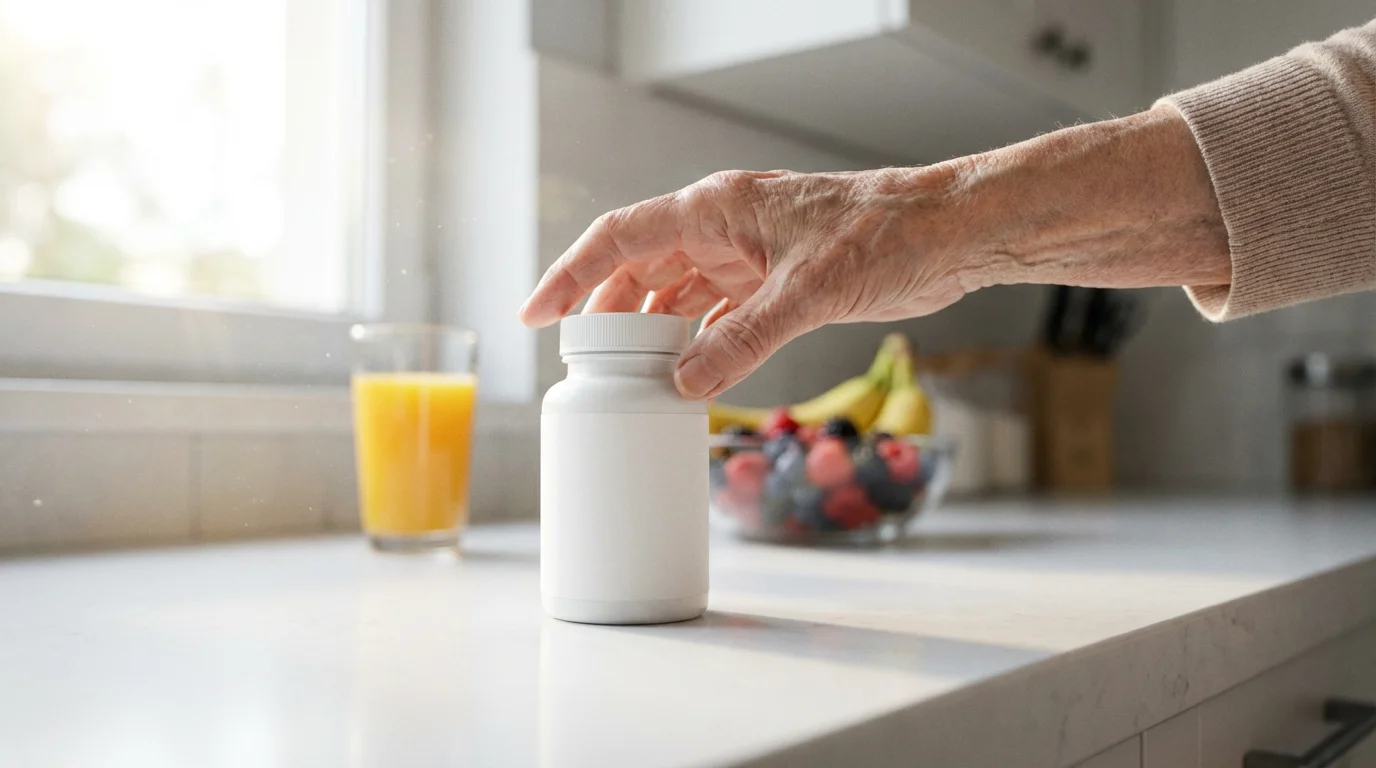
For many seniors, achieving adequate Vitamin D levels through sun exposure and diet alone proves challenging. This makes Vitamin D supplements a practical and often necessary solution. They help bridge the gap and ensure you meet your daily needs.
Organizing your supplements alongside your daily prescriptions is an important part of medication management for seniors to ensure safety.
When choosing a Vitamin D supplement, you typically encounter two forms:
- Vitamin D2 (Ergocalciferol): This form comes from plant sources and is often used in fortified foods.
- Vitamin D3 (Cholecalciferol): This form is produced in your skin from sunlight and found in animal products. Many experts consider D3 more effective at raising blood levels of Vitamin D.
Most healthcare providers recommend Vitamin D3 supplements due to their superior absorption and efficacy. Always look for reputable brands that undergo third-party testing to ensure purity and potency. You want to ensure the product label accurately reflects the contents.
Consider these tips when taking supplements:
- Take with Food: Since Vitamin D is fat-soluble, taking your supplement with a meal containing some fat can enhance absorption.
- Consistency is Key: Take your supplement regularly as directed to maintain steady levels.
- Monitor Your Levels: Work with your doctor to periodically check your Vitamin D blood levels to adjust your dosage as needed.
- Avoid Over-Supplementation: Stick to the dosage recommended by your healthcare provider to prevent potential toxicity.
Vitamin D Testing: When and Why?
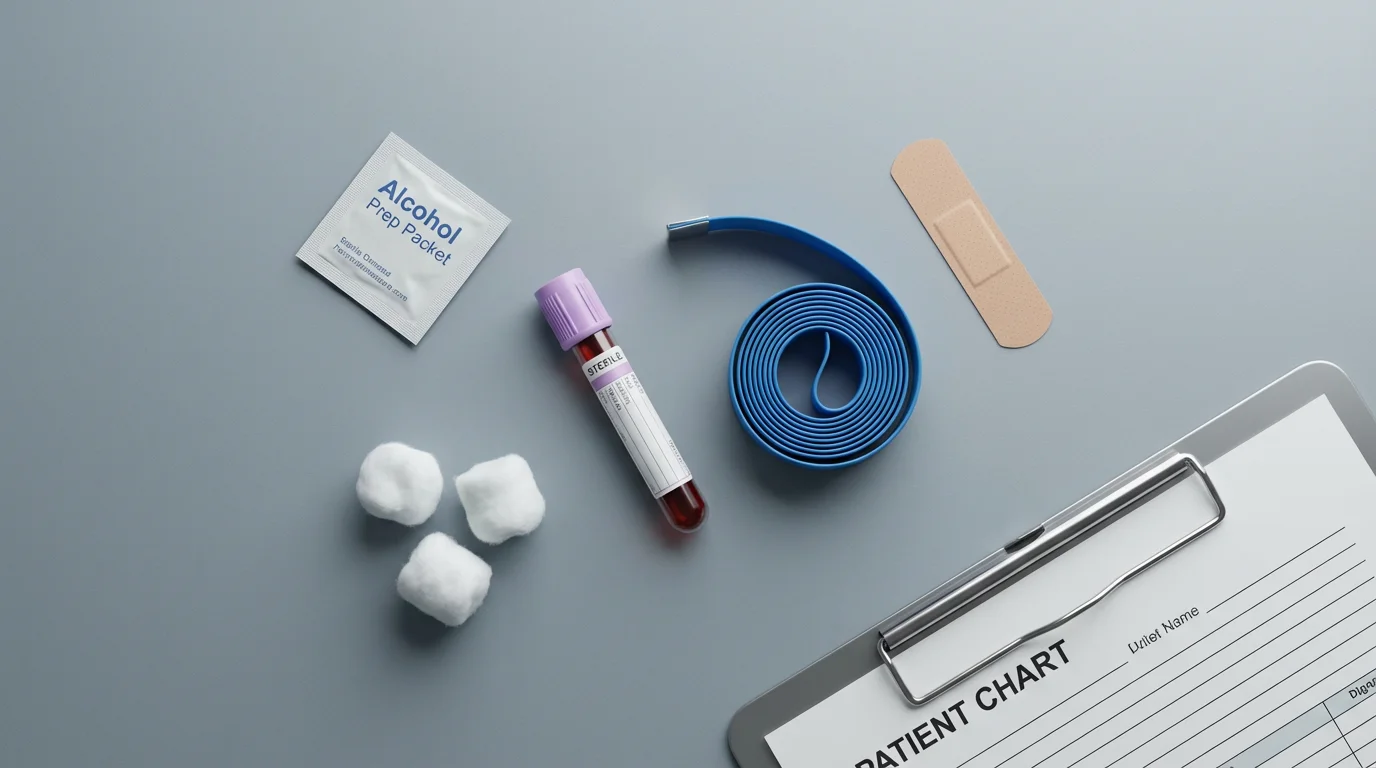
A simple blood test accurately measures your Vitamin D levels. This test, often called a 25-hydroxyvitamin D test, reveals whether your levels are sufficient, insufficient, or deficient. It provides concrete data to guide your supplementation strategy.
Your doctor might recommend a Vitamin D test if you:
- Exhibit symptoms of deficiency, such as bone pain or fatigue.
- Have a history of osteoporosis or frequent fractures.
- Have conditions that affect fat absorption, like Crohn’s disease or celiac disease.
- Take medications known to interfere with Vitamin D metabolism.
- Have limited sun exposure, especially if you live in a northern climate or spend most of your time indoors.
- Are over 60, as age is a major risk factor for deficiency.
Understanding your Vitamin D numbers empowers you to take appropriate action. Optimal levels generally fall between 30-50 ng/mL (nanograms per milliliter). Levels below 20 ng/mL indicate deficiency. Your doctor will interpret your results and provide personalized recommendations for dosage and monitoring. This personalized approach ensures you receive the right amount of Vitamin D for your health needs.

When to See Your Doctor About Vitamin D
Your healthcare provider is your best resource for personalized health advice, especially concerning supplements and nutrient levels. Do not attempt to self-diagnose or treat a Vitamin D deficiency. Timely consultation ensures safe and effective management of your health.
To make the most of your visit, use a doctor’s appointment checklist to ensure you discuss your Vitamin D levels and supplement needs.
When discussing your levels with a professional, it’s helpful to be prepared for your appointment with a clear list of questions.
You should consult your doctor if you:
- Suspect a Deficiency: If you experience symptoms like persistent fatigue, muscle weakness, bone pain, or frequent infections, discuss Vitamin D testing with your doctor.
- Plan to Start Supplements: Before beginning any Vitamin D supplement regimen, especially high-dose supplements, get medical advice. Your doctor can recommend the correct dosage based on your needs and existing health conditions.
- Take Other Medications: Discuss all your current medications with your doctor or pharmacist. Some drugs can interact with Vitamin D or affect its absorption.
- Have Underlying Health Conditions: Kidney disease, liver disease, certain malabsorption disorders, or hyperparathyroidism can impact Vitamin D metabolism. Your doctor needs to consider these conditions.
- Experience Side Effects: If you experience any unusual symptoms after starting a Vitamin D supplement, such as nausea, vomiting, frequent urination, or confusion, seek medical attention immediately. These could be signs of excessive Vitamin D intake.
Regular check-ups with your healthcare provider provide opportunities to discuss your nutritional status and overall health. They help you stay ahead of potential deficiencies and optimize your well-being.

Navigating Supplements and Your Medications
Taking Vitamin D supplements responsibly involves understanding potential interactions with your current medications. Many seniors take multiple prescriptions, making this consideration particularly important. Always inform your doctor and pharmacist about all supplements you take.
Certain medications can affect Vitamin D levels or interact with Vitamin D supplements:
- Steroids: Corticosteroids like prednisone can reduce calcium absorption and interfere with Vitamin D metabolism.
- Weight-loss Drugs: Medications such as orlistat can decrease the absorption of fat-soluble vitamins, including Vitamin D.
- Cholesterol-Lowering Drugs: Cholestyramine and colestipol can also reduce Vitamin D absorption.
- Anti-seizure Medications: Phenytoin and phenobarbital can increase the metabolism of Vitamin D in the liver, leading to lower levels.
- Diuretics: Thiazide diuretics (like hydrochlorothiazide) can increase calcium levels in the blood, and taking high doses of Vitamin D concurrently might lead to dangerously high calcium.
Your healthcare team can review your medication list and advise you on potential interactions. They may suggest adjusting dosages or timing your supplements differently. Never change your medication regimen or supplement intake without consulting your doctor first. Proactive communication helps you avoid adverse effects and ensures you benefit safely from your Vitamin D supplement.
Frequently Asked Questions
Is Vitamin D deficiency common in older adults?
Yes, Vitamin D deficiency is very common in older adults. Factors like reduced sun exposure, decreased skin efficiency in synthesizing Vitamin D, and certain medical conditions or medications all contribute to this higher risk among seniors. Many adults over 60 should discuss their Vitamin D status with a doctor.
Can I get too much Vitamin D from sun exposure or food?
It is extremely unlikely to get too much Vitamin D from sun exposure or food sources alone. Your body regulates Vitamin D production from sunlight efficiently. Toxicity almost always occurs from over-supplementation with high-dose Vitamin D supplements, especially without medical guidance.
How long does it take for Vitamin D supplements to work?
If you are deficient, it typically takes several weeks to a few months of consistent supplementation to raise your Vitamin D levels into the healthy range. Your doctor can retest your levels after a specific period, usually 2-3 months, to assess the effectiveness of your supplement regimen.
Do I need to take calcium with my Vitamin D supplement?
Vitamin D is crucial for calcium absorption, so they work together for bone health. Many seniors benefit from adequate calcium intake alongside Vitamin D. Discuss your calcium intake with your doctor. They can advise whether you need a calcium supplement or if you get enough through your diet, based on your individual needs.
What is the difference between Vitamin D2 and D3?
Vitamin D2 (ergocalciferol) comes from plant sources, like some fortified foods. Vitamin D3 (cholecalciferol) is the form your body produces from sun exposure and is found in animal-based foods. Most experts and healthcare providers recommend Vitamin D3 supplements because the body typically absorbs and utilizes it more effectively.
Disclaimer: This article is for informational purposes only and does not constitute medical advice. The information provided is not intended to diagnose, treat, cure, or prevent any disease. Always consult with your healthcare provider before making any changes to your diet, exercise routine, medications, or health regimen. If you’re experiencing a medical emergency, call 911 immediately.









[…] your circulatory health involves maintaining overall nutritional balance, including understanding the role of vitamin D in senior […]