
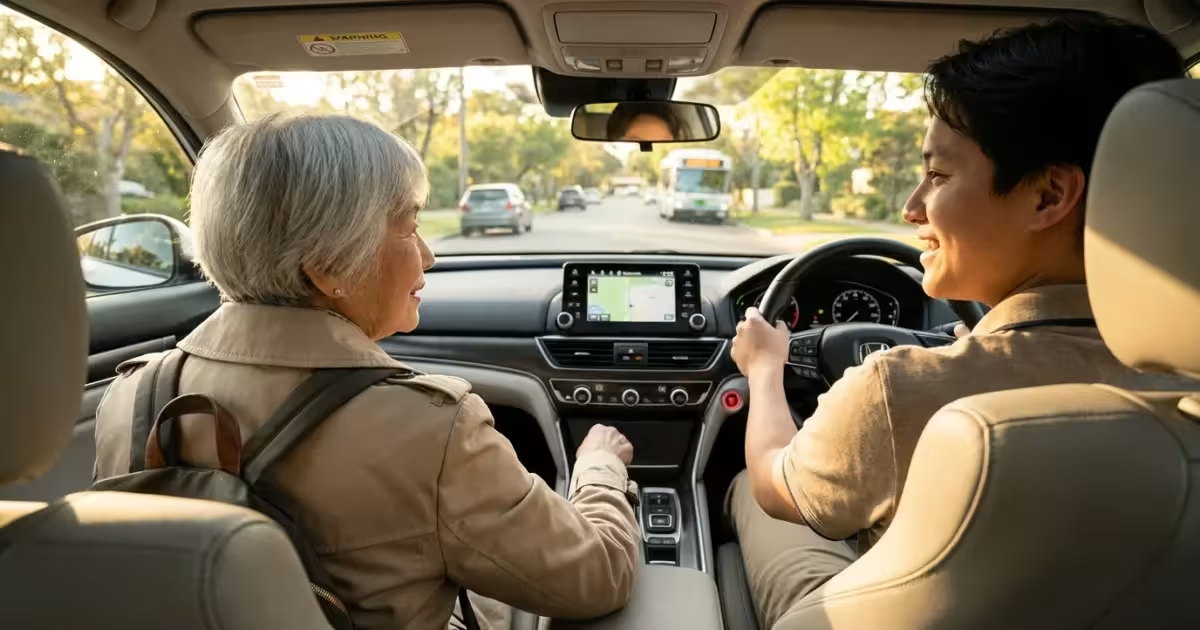
Maintaining your independence often means ensuring you can get where you need to go, when you need to go. Reliable transportation empowers you to stay connected with your community, access healthcare, pursue hobbies, and manage daily responsibilities. As life evolves, your transportation needs and abilities might change. It is smart to explore the many available options for senior transportation that support your independent lifestyle.
Finding the right transportation solution can feel overwhelming, but a wide array of choices exist beyond personal driving. This article will guide you through understanding these options, evaluating your needs, and making informed decisions to keep you comfortably and safely on the move. We explore everything from public transit to specialized senior services and modern ride-sharing.

The Importance of Independent Mobility
Independent mobility plays a crucial role in maintaining your quality of life as a senior. The ability to travel independently directly impacts your access to essential services and your social well-being. Consider the profound impact reliable transportation has on your daily life.
Finding ways to get out and stay connected is also one of the most effective strategies for dealing with loneliness and maintaining your mental well-being.
If you are walking to local bus stops, choosing the right walking aid can help you stay stable and confident while in transit.
Being able to get to doctor appointments, grocery stores, and pharmacies ensures you manage your health and household efficiently. Furthermore, transportation helps you participate in social activities, visit friends and family, and engage in community events. Studies show that maintaining social connections significantly contributes to mental and emotional health in older adults.
When you lose access to reliable transportation, you may experience feelings of isolation, reduced physical activity, and challenges in managing daily tasks. Proactively addressing transportation needs empowers you to retain control over your schedule and lifestyle. You gain the freedom to choose your activities and continue living life on your terms.

Evaluating Your Current Transportation Needs and Abilities
The first step in finding the best senior transportation solution involves a frank assessment of your current situation. Think about your daily routines, your comfort levels, and any changes in your physical or cognitive abilities. This honest evaluation helps you identify suitable alternatives before an urgent need arises.
If joint discomfort makes getting in and out of vehicles difficult, finding effective ways of managing arthritis pain can dramatically improve your transit experience.
Even if you are driving less, it is important to continue staying active with limited mobility to maintain the strength needed for independent travel.
Assessing Your Driving Skills
If you currently drive, regularly evaluate your driving skills. Ask yourself the following questions:
If you do continue to drive, it is highly recommended to stay prepared for unexpected roadside delays by creating a senior emergency kit for your vehicle.
- Do you feel comfortable driving at night or in adverse weather conditions?
- Are you experiencing difficulty seeing road signs or reacting quickly to unexpected situations?
- Have you had any close calls or minor accidents recently?
- Do family members or friends express concerns about your driving?
Many states offer senior driving courses that help refresh your skills and provide an objective assessment. Consulting your doctor about how medications, vision changes, or medical conditions might affect your driving ability is also wise.
Considering Alternatives
Even if you still drive, exploring alternative transportation options provides a backup plan. Unexpected car troubles, medical appointments requiring sedation, or personal preference shifts can make alternative transportation invaluable. Creating a diverse transportation strategy strengthens your independence.
For those looking to transition from daily driving to leisure travel, exploring RV travel for seniors offers an incredibly flexible way to see the country independently.
Involving Family in Discussions
It can be helpful to discuss your transportation plans with trusted family members or friends. They might offer insights, support, or even help coordinate rides. Open communication ensures everyone understands your needs and helps you explore solutions collaboratively.

Public Transportation: A Cost-Effective Option
Public transportation systems, including buses, subways, and light rail, offer a reliable and often affordable way to get around. Many urban and suburban areas feature extensive public transit networks designed to serve a broad population. This can be an excellent senior transportation option, especially if you live near stops or stations.
Taking the bus or subway can also be a wonderful, low-stress way to reach the starting points of local senior-friendly walking tours without the hassle of parking.
While buses are great for local errands, train travel for seniors provides a comfortable alternative for longer independent trips.
Understanding Accessibility Features
Modern public transit vehicles prioritize accessibility. Buses often feature kneeling capabilities, allowing the bus to lower closer to the curb for easier boarding. Ramps or lifts accommodate wheelchairs and mobility scooters. Designated priority seating is available for seniors and individuals with disabilities. Familiarize yourself with these features to enhance your comfort and safety.
Senior Discounts and Passes
Most public transportation agencies offer significant discounts for seniors. You can often purchase special senior passes or ride at a reduced fare during off-peak hours. Check your local transit authority’s website or visit their customer service center to learn about eligibility requirements and how to apply for these benefits. These discounts can make public transit an incredibly cost-effective choice.
These savings can often be stacked with other travel discounts for seniors to make visiting far-off family or vacation destinations very budget-friendly.
Planning Your Routes
Navigating public transportation can seem daunting initially, but numerous tools simplify the process. Use online trip planners, available on most transit agency websites, or smartphone apps like Google Maps. These tools provide real-time schedules, route information, and estimated travel times. Practice taking a route during off-peak hours to build confidence before relying on it for important appointments.
For those who plan to navigate transit systems alone, reviewing practical solo senior travel safety tips can provide extra confidence during your journeys.
When using public transit, consider these practical tips:
- **Plan ahead:** Check schedules and potential delays before you leave.
- **Carry identification:** Have your senior ID or transit pass readily available.
- **Stay visible:** Wear bright clothing, especially if walking to a stop during dawn or dusk.
- **Travel with a companion:** If you are new to a route, consider taking your first few trips with a friend or family member.
Public transit offers freedom without the responsibilities of driving, parking, or vehicle maintenance. It also provides opportunities for social interaction and light physical activity.
Senior-Specific Transportation Programs
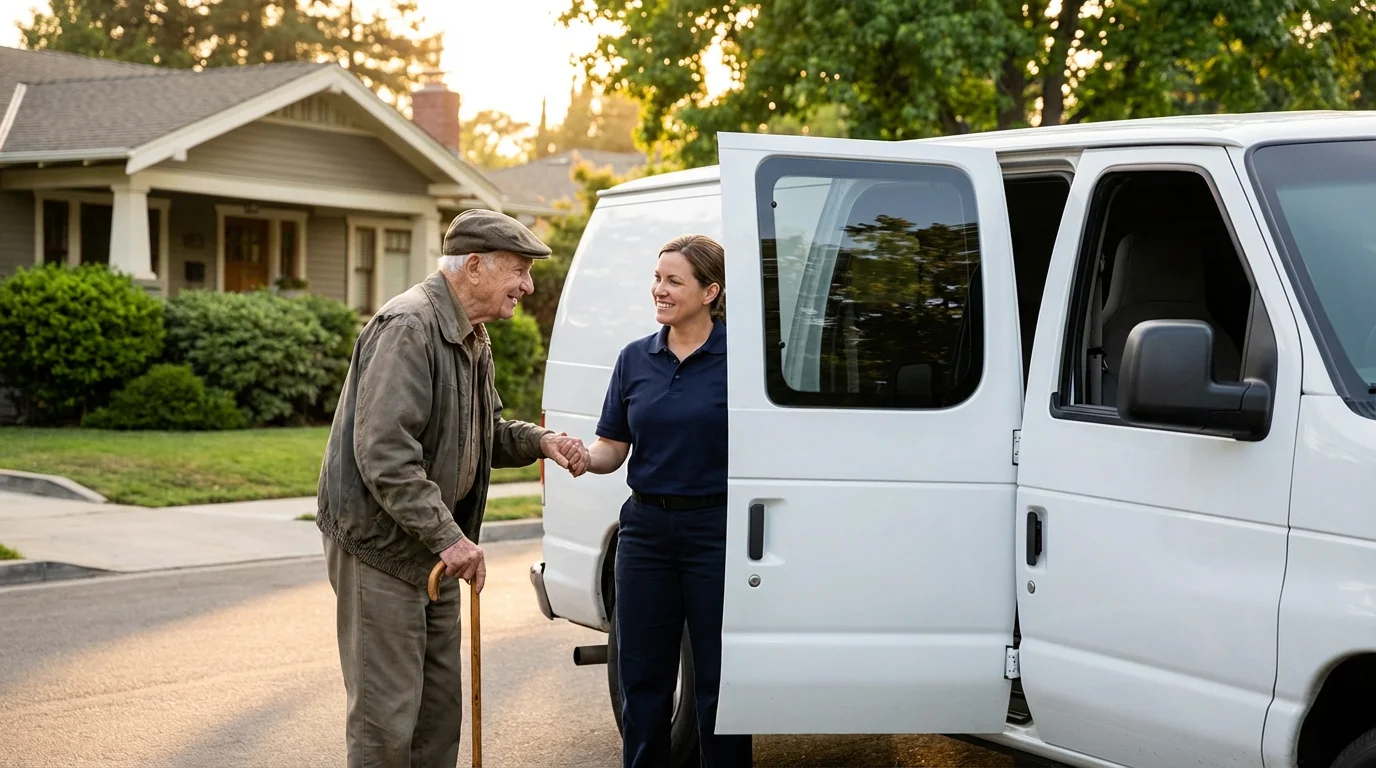
Many communities and organizations provide specialized transportation services tailored to seniors. These programs bridge gaps where public transportation is limited or inconvenient, offering door-to-door or curb-to-curb service. Exploring these can provide reliable senior transportation precisely when you need it.
Paratransit Services
The Americans with Disabilities Act (ADA) mandates paratransit services for individuals whose disabilities prevent them from using fixed-route public transportation. Paratransit operates on a reservation basis, often using smaller vans or buses to pick you up and drop you off at specific locations. Eligibility requirements vary, but typically involve an application process and assessment. These services often charge a small fare, comparable to public transit fares.
Local Senior Centers and Non-Profit Services
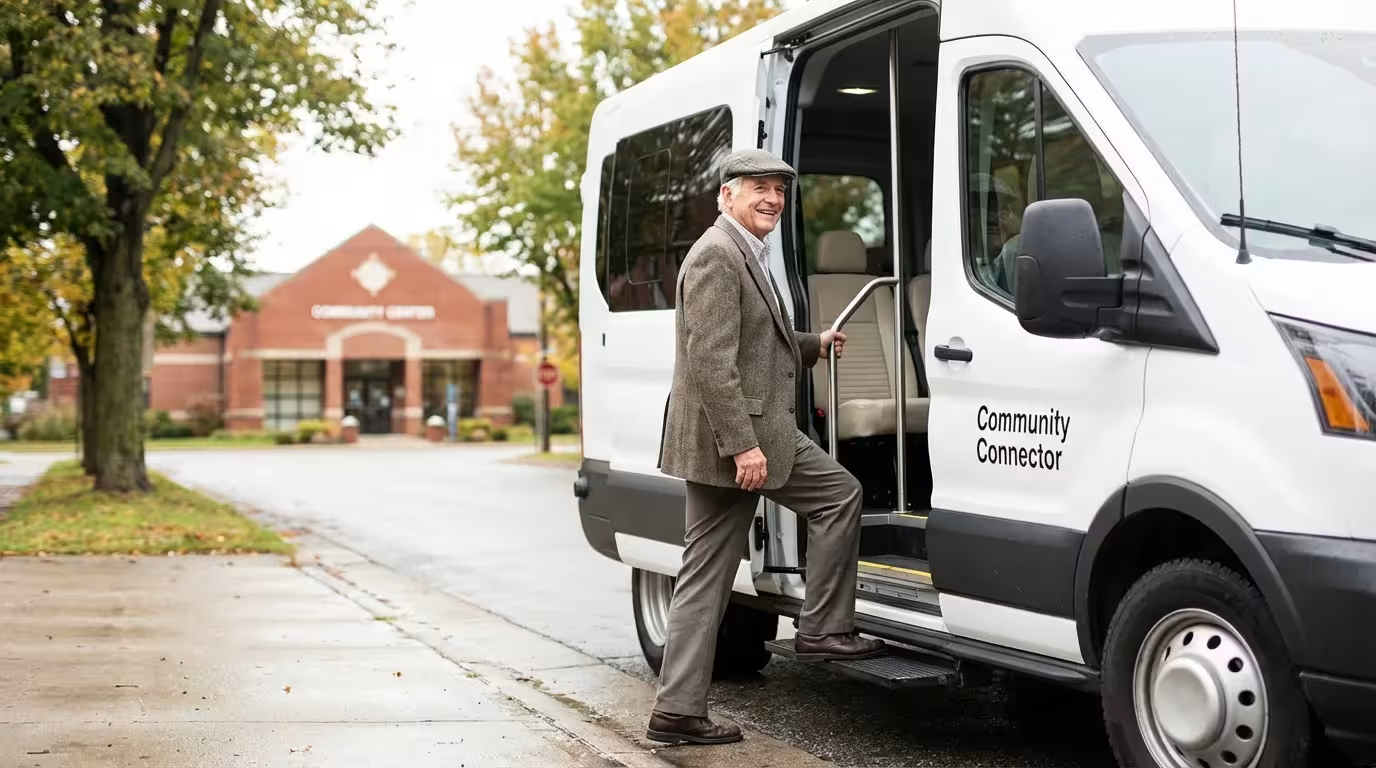
Your local senior center is an excellent resource for finding transportation assistance. Many centers operate their own shuttle services for trips to the center, local grocery stores, or medical appointments. Non-profit organizations and religious groups also frequently offer volunteer-driven transportation programs. These services often rely on community support and volunteers, sometimes asking for a small donation per ride.
Volunteer Driver Programs
Volunteer driver programs connect seniors with vetted volunteers who provide rides. These programs are particularly valuable in areas with limited public transit. The drivers use their own vehicles, offering a more personal and flexible service. Organizations like religious institutions, area agencies on aging, and independent non-profits often administer these programs. You might need to register in advance and request rides several days ahead of time.
How to Find Reliable Senior Transportation
Locating these specialized services requires a bit of research. Start by contacting your local Area Agency on Aging, often found through the Eldercare Locator. This national service helps you find local resources for seniors. Other avenues include:
- Calling your city or county transportation department.
- Visiting your local senior center.
- Checking community bulletin boards or local newspapers.
- Asking your healthcare provider for recommendations.
These programs often have waitlists or specific eligibility criteria, so inquire early to understand your options.
“An ounce of prevention is worth a pound of cure.” Planning your transportation solutions before you desperately need them offers peace of mind and greater independence.

Ride-Sharing and Taxi Services: Convenience at Your Fingertips
For spontaneous trips or when specific senior programs are unavailable, ride-sharing apps and traditional taxi services offer convenient, on-demand transportation. These services provide flexibility and direct door-to-door service, making them popular choices for many seniors. This offers yet another reliable senior transportation solution.
Ride-Sharing Services (e.g., Uber, Lyft)
Ride-sharing apps like Uber and Lyft connect you with private drivers through a smartphone application. You request a ride, specify your destination, and a driver picks you up.
Pros:
- **On-demand availability:** Rides are often available within minutes.
- **Door-to-door service:** Drivers pick you up and drop you off exactly where you need to go.
- **Transparent pricing:** The app shows your fare estimate before you confirm the ride.
- **Cashless payments:** Payments process automatically through the app, linked to a credit card or digital wallet.
Cons:
- **Requires a smartphone and app literacy:** This can be a barrier for some.
- **Surge pricing:** Fares can increase during peak hours or bad weather.
- **Driver vetting varies:** While companies conduct background checks, you are still riding with an unknown individual.
- **Potential for accessibility challenges:** While some services offer wheelchair-accessible vehicles, they are not always readily available in all areas.
**Cost Estimate:** Fares vary widely by city, time of day, and distance. A typical short ride might cost $8-$15, with longer rides or surge pricing increasing that significantly. Some services offer “Assist” options with drivers trained to help seniors, though availability can be limited.
Traditional Taxi Services
Taxi services offer a familiar alternative. You can call a taxi company directly, hail a cab on the street in some areas, or use a taxi stand.
Pros:
- **No smartphone required:** You can call by phone.
- **Professional drivers:** Taxis are typically driven by licensed professionals.
- **Cash or card payment:** More payment flexibility than ride-sharing apps.
Cons:
- **Availability:** Taxis might be less readily available in suburban or rural areas.
- **Cost:** Often slightly more expensive than standard ride-sharing, especially for shorter distances.
- **Booking process:** You might experience longer wait times, especially during peak hours.
**Cost Estimate:** Taxi fares generally start with a base fee (e.g., $3-$5) plus a per-mile charge (e.g., $2-$3 per mile). A 5-mile ride could easily cost $15-$25.
Tips for Using Ride-Sharing and Taxi Services Safely
Regardless of which service you choose, prioritize your safety:
- **Confirm your ride:** For ride-sharing, verify the driver’s name, car make/model, and license plate number match the app’s information before getting in.
- **Share your trip:** Many apps allow you to share your trip details with a trusted contact.
- **Inform the driver:** Let the driver know if you need extra time to get in or out of the vehicle.
- **Keep your phone charged:** Ensure your phone has enough battery to call for help if needed.
- **Carry a phone:** Always have a fully charged cell phone with you.

Personal Drivers and Family Support
For highly personalized transportation, or when navigating complex schedules, a personal driver or coordinated family support can be ideal. These options provide a high degree of comfort and flexibility, often offering door-through-door assistance.
Hiring a Private Driver
Hiring a private driver offers the ultimate convenience. This could involve an individual you employ directly or a service through a specialized agency. Private drivers can assist with shopping, errands, and medical appointments, often offering a more personal touch.
Considerations for hiring:
- **Vetting:** Conduct thorough background checks, verify driving records, and check references. If using an agency, confirm their screening processes.
- **Insurance:** Ensure the driver has adequate insurance coverage, and clarify responsibilities in case of an accident.
- **Compatibility:** Look for someone you trust and feel comfortable with, as they will be a regular presence in your life.
- **Contract:** Establish clear expectations regarding schedule, duties, and payment in a written agreement.
**Cost Estimate:** Hiring a private driver or using a professional senior transportation service can range from $25 to $50 per hour, depending on your location and the level of service required. Full-time drivers naturally incur higher costs.
Coordinating Rides with Family and Friends
Many seniors rely on family members or close friends for transportation. This can be a wonderful way to maintain connections and receive help from people you trust.
Tips for effective coordination:
- **Communicate openly:** Clearly express your needs and availability to your support network.
- **Provide advance notice:** Give family and friends ample warning for ride requests.
- **Be flexible:** Understand that family and friends have their own schedules.
- **Offer to contribute:** If possible, offer to cover gas costs or contribute to vehicle maintenance.
- **Create a schedule:** A shared online calendar or a simple written schedule can help manage requests and commitments.
Family support works best with clear communication and mutual respect. Avoid making assumptions or placing undue burdens on your loved ones. Regular discussions help manage expectations and prevent misunderstandings.

Planning for the Future: Preparing for Transportation Changes
Proactive planning for transportation ensures you maintain independence and peace of mind as your needs evolve. It involves financial foresight, creating a robust transportation plan, and staying open to new technologies. Thinking ahead prevents frantic searches during times of immediate need.
Financial Planning for Transportation Costs
Transportation, regardless of the method, comes with costs. Budgeting for these expenses is a crucial aspect of independent living.
- **Estimate costs:** Research the potential costs of various options in your area, including public transit passes, paratransit fares, ride-sharing, or private driver services.
- **Allocate funds:** Set aside a dedicated portion of your budget for transportation.
- **Explore assistance programs:** Investigate whether you qualify for financial assistance programs for seniors that cover transportation expenses. Medicaid, for example, often provides non-emergency medical transportation.
Creating a Comprehensive Transportation Plan
Develop a multi-faceted transportation strategy rather than relying on a single option. A robust plan includes:
- **Primary option:** Your preferred mode of transport (e.g., family support, ride-sharing).
- **Secondary option:** A reliable backup (e.g., senior center shuttle, taxi).
- **Emergency option:** A plan for unexpected situations (e.g., a friend to call, emergency medical transport).
This tiered approach ensures you always have a way to get where you need to go. Review and update your plan annually or whenever your circumstances change.
Exploring New Technologies
Technology constantly introduces new transportation solutions. Stay informed about developments that could benefit you.
- **Mobility apps:** Many apps specialize in connecting seniors with rides, some even offering simplified interfaces.
- **Autonomous vehicles:** While not yet mainstream for everyday senior use, self-driving cars represent a future possibility for enhancing mobility.
- **Subscription services:** Some companies offer subscription-based ride services that could provide cost savings for frequent travelers.
Embrace learning about these innovations, as they may offer future avenues for independent travel.
What Transportation Options Are Available for Seniors?
Seniors have a diverse range of transportation options, each with unique benefits and considerations. Understanding this full spectrum allows you to choose the best fit for your lifestyle and needs. The goal is to identify solutions that maintain your independence and connectivity safely.
Here is a summary of the primary senior transportation options:
- **Public Transportation:** Buses, subways, and light rail systems often provide senior discounts and accessible features. This is a cost-effective choice in areas with good public transit infrastructure.
- **Paratransit Services:** ADA-mandated, door-to-door services for individuals unable to use fixed-route public transportation. Eligibility requirements apply.
- **Senior Center Shuttles and Non-Profit Programs:** Many local senior centers, community organizations, and volunteer groups offer scheduled rides for appointments, errands, and social activities.
- **Volunteer Driver Programs:** These programs connect seniors with vetted volunteer drivers for personalized rides, often requiring advance booking.
- **Ride-Sharing Services:** Apps like Uber and Lyft offer on-demand, door-to-door transportation via smartphone. They provide convenience but require technological literacy.
- **Traditional Taxi Services:** Readily available in many areas, taxis provide direct transport. You can call them by phone, making them accessible without a smartphone.
- **Hired Private Drivers:** For highly personalized and flexible service, you can employ a private driver directly or through an agency. This option provides significant convenience and assistance.
- **Family and Friend Support:** Relying on your personal network for rides strengthens social bonds and provides trusted assistance. Clear communication and mutual respect are vital for success.
By understanding these options, you can create a comprehensive plan that ensures you remain mobile and connected, no matter your circumstances. Reviewing these choices regularly helps you adapt your transportation strategy as your needs change.
Frequently Asked Questions
What transportation options are available for seniors if I stop driving?
Many reliable options exist if you decide to stop driving. These include public transportation with senior discounts and accessible features, paratransit services for those with mobility challenges, and local senior transportation programs run by community centers or non-profits. Ride-sharing apps like Uber and Lyft, as well as traditional taxi services, also provide on-demand door-to-door transport. Additionally, you can coordinate rides with family and friends or consider hiring a private driver for personalized service.
How can I find reliable senior transportation services in my area?
To find reliable senior transportation, start by contacting your local Area Agency on Aging, which you can locate through the Eldercare Locator website. Your local senior center, city or county transportation department, and community non-profits are also excellent resources. They often provide information on paratransit, volunteer driver programs, and local shuttle services specifically for seniors. Asking your healthcare provider or trusted neighbors for recommendations can also be helpful.
Are there financial assistance programs for senior transportation?
Yes, several programs can help with transportation costs. Many public transit systems offer reduced fares or free passes for seniors. Paratransit services typically charge a lower fare than standard taxi services. Medicaid often covers non-emergency medical transportation for eligible individuals. Additionally, some community organizations and charities provide subsidies or free rides for seniors with limited income. Contact your local Area Agency on Aging or social services department to learn about specific programs available in your region.
What should I consider when choosing a ride-sharing service or taxi?
When choosing between ride-sharing and taxis, consider several factors. Ride-sharing services like Uber or Lyft offer on-demand convenience and transparent pricing through an app, but they require smartphone literacy. Taxis allow you to call by phone and use professional drivers, but availability might be less consistent outside urban areas. For safety, always confirm the driver’s identity and vehicle details for ride-sharing, and consider sharing your trip status with a trusted contact. Assess your comfort with technology and your need for immediate availability.
How can I talk to my family about my transportation needs?
Approach the conversation openly and honestly. Express your desire to maintain independence and explain your transportation needs or concerns. Suggest working together to explore options. For example, you might say, “I want to make sure I can always get to my appointments safely, and I’d like to plan how we can manage that together.” Provide advance notice for any ride requests, and offer to contribute towards gas or vehicle maintenance if possible. Clear communication helps set expectations and ensures everyone feels heard and respected.
Disclaimer: This article is for informational purposes only. Home modifications, safety equipment, and services mentioned may vary in availability and suitability for individual circumstances. For significant home modifications, consult with qualified professionals. For health-related safety concerns, consult with healthcare providers.









Leave a Reply