

Embarking on a new adventure does not require a plane ticket or a long drive. Imagine gliding through breathtaking landscapes, relaxing in comfort, and leaving the stress of navigation behind. Train travel offers seniors an unparalleled opportunity to explore, unwind, and create lasting memories. It is a journey as much about the destination as it is about the delightful experience along the way.
While many enjoy the rails, senior-friendly cruises are another fantastic way to see the world without the stress of flying.
Train journeys remove many common travel hurdles. You avoid airport security lines and the constant need to pull over for breaks. Instead, you enjoy spacious seating, walk around freely, and connect with fellow travelers. This guide explores how train travel can be your next best adventure, focusing on practicality, comfort, and accessibility.

Why Choose Train Travel for Your Next Adventure?
Train travel offers a unique blend of convenience, comfort, and scenic beauty, making it an excellent choice for senior trips. It provides a more relaxed pace compared to other modes of transport, allowing you to truly savor the journey. You can sit back, observe the world passing by, and avoid the fatigue often associated with long-distance travel.
For those who enjoy a different kind of independence on the road, RV travel for seniors provides another way to explore vast landscapes at your own pace.
The benefits extend beyond relaxation. Many trains offer excellent accessibility features, which are crucial for travelers with mobility considerations. You gain the freedom to move, stretch, and even enjoy a meal in the dining car, all while traveling to your destination. This method significantly reduces travel-related stress.
- Comfort and Space: Enjoy wider seats, ample legroom, and the ability to stand and walk around.
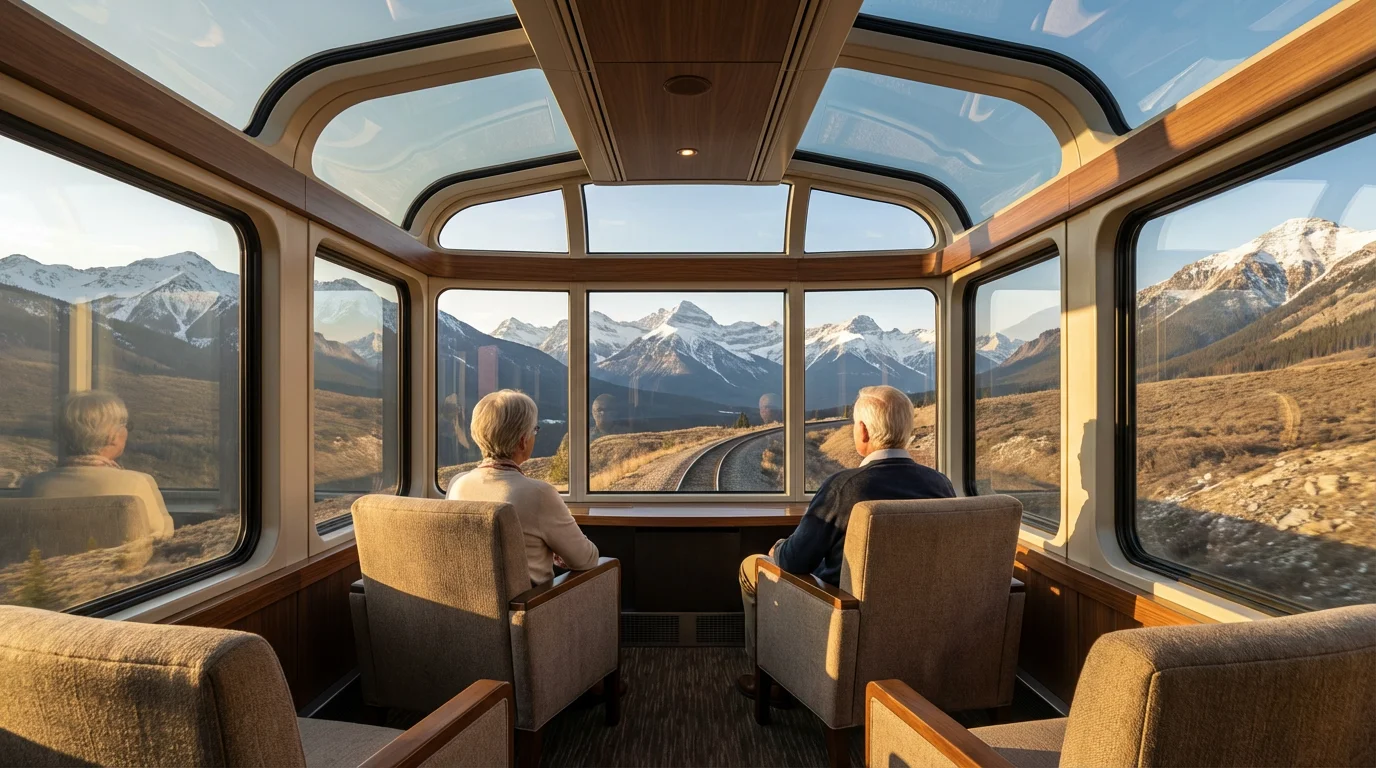
- Scenic Views: Large windows offer continuous, unobstructed views of diverse landscapes, from coastlines to mountains.
- Reduced Stress: No traffic jams, no airport security hassles, and no worries about navigation.
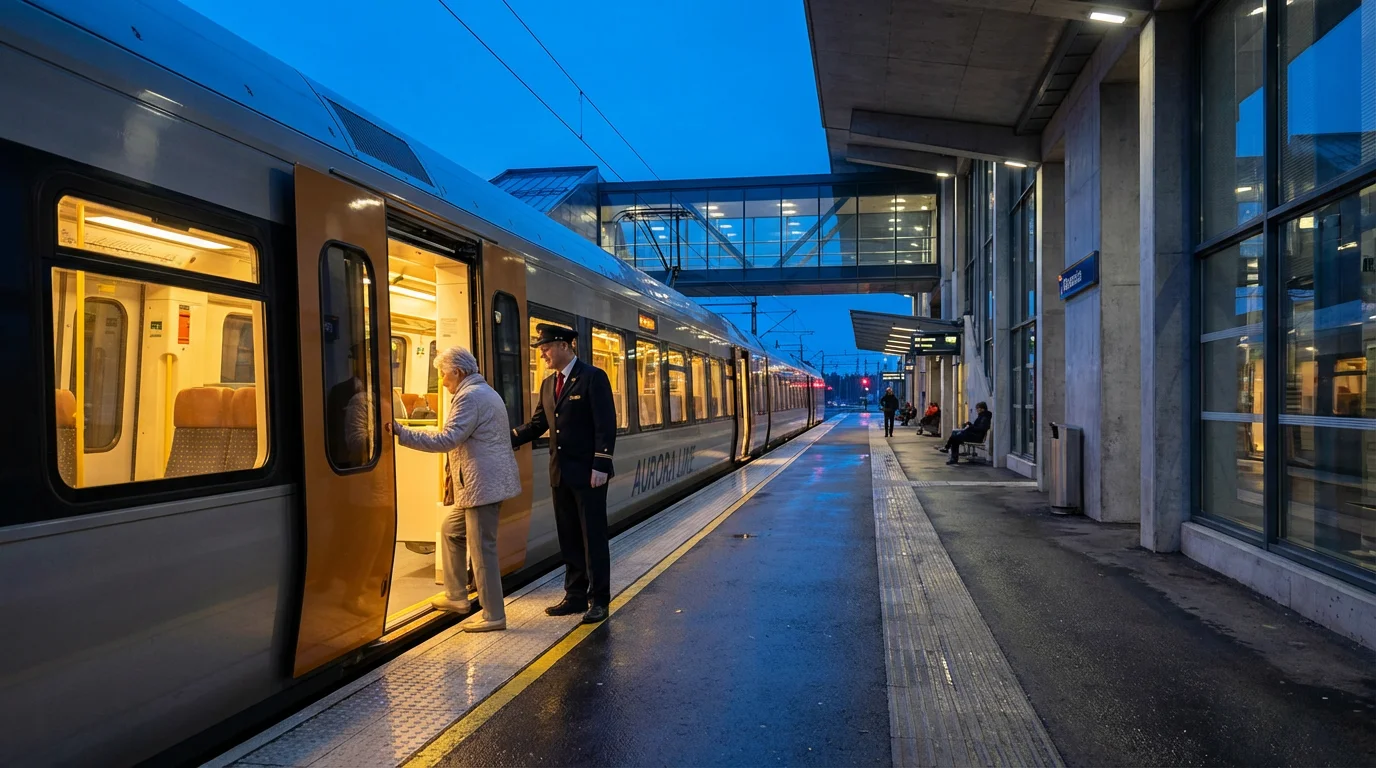
- Accessibility: Many train services provide assistance for boarding, accessible seating, and restrooms. This makes accessible trains a real option for many.
- Environmental Benefits: Train travel generally boasts a lower carbon footprint than flying or driving, aligning with eco-conscious values.

Planning Your Accessible Train Journey
Successful train travel begins with thoughtful planning. Consider your desired destination, the length of the journey, and your personal comfort requirements. Booking in advance, especially for popular routes or during peak seasons, secures your preferred accommodations and often provides better pricing.
Consider complementing your arrival with senior-friendly walking tours to get an intimate look at your destination’s highlights.
When selecting a route, balance the desire for scenic beauty with practical considerations like connection times and station accessibility. Researching the specific train line and its offerings helps ensure a smooth experience. For example, Amtrak, a primary long-distance passenger rail service in North America, offers various services and accessibility options.
Booking Tips and Senior Savings
You can often find significant discounts for seniors. Many train operators, including Amtrak, offer special fares for travelers aged 62 or 65 and older. Always inquire about these reductions when booking your train tickets. Joining loyalty programs can also lead to future savings and perks.
Here is how seniors can save money on train tickets:
- Senior Discounts: Check with the train operator directly. Amtrak, for instance, offers a 10% discount on most fares for travelers aged 65 and over. You can find details on their official website, Amtrak.com.
- Advance Purchase: Buying tickets well in advance, especially for popular routes, typically results in lower fares.
- Off-Peak Travel: Traveling during weekdays or outside major holiday periods can reduce costs significantly.
- Flexible Dates: If your schedule allows, playing with travel dates can reveal cheaper options.
- Rail Passes: For extended trips or multiple journeys, a rail pass can offer substantial savings.
- AARP Membership: AARP members often receive additional discounts on travel, including train fares. Visit AARP Travel for more information on available benefits.
Ensuring Accessibility
Accessible trains prioritize your comfort and ease of movement. Inform the train company about any specific mobility needs you have when booking. This allows them to prepare staff assistance, provide accessible seating, or ensure a wheelchair-accessible compartment.
- Wheelchair Accessibility: Most modern trains provide spaces for wheelchairs, accessible restrooms, and ramps or lifts for boarding.
- Assistance: Train staff can help with boarding, luggage, and navigating the train. Request this assistance when you book your ticket or upon arrival at the station.
- Seating Preferences: Ask for seats near restrooms or exits, or those with extra legroom, if these features enhance your comfort.
Top Scenic Train Routes for Senior Travelers
North America boasts an incredible array of scenic train routes perfect for senior travelers. These journeys often highlight stunning natural beauty that is inaccessible by car or plane. What are the best train routes for seniors? The answer often depends on your interest in landscapes, history, or specific regions. Each route offers a unique perspective on the country’s diverse topography and culture.
These rail journeys can also be paired with senior-friendly glamping experiences for those who want to stay immersed in nature after reaching their destination.
Here are some of the best train routes for seniors, offering breathtaking views and memorable experiences:
- California Zephyr (Chicago to San Francisco): This iconic route crosses the Rocky Mountains and the Sierra Nevadas, offering unparalleled vistas. You will see deserts, canyons, and vibrant cityscapes. It is a journey of true American grandeur.
- Coast Starlight (Seattle to Los Angeles): Traveling along the Pacific coastline, this route showcases dramatic ocean views, lush forests, and fertile valleys. The observation car is a highlight, providing panoramic windows for optimal viewing.
- Empire Builder (Chicago to Seattle/Portland): Follow in the footsteps of pioneers, traversing through the northern plains and mountains. This route offers stunning views of Glacier National Park and the magnificent Columbia River Gorge.
- Alaska Railroad (Anchorage to Fairbanks): Experience the rugged beauty of Alaska, passing through wilderness, past glaciers, and alongside majestic mountains. This route is especially popular for wildlife viewing during summer months.
- Adirondack (New York City to Montreal): This route offers a delightful journey through the Hudson Valley and the Adirondack Mountains. It provides picturesque views of forests, lakes, and charming small towns, with a glimpse into Canadian culture at its terminus.
- Blue Ridge Scenic Railway (Georgia): A shorter, more leisurely option, this railway offers seasonal excursions through the Appalachian foothills. It is perfect for a day trip, especially during autumn foliage.
For those considering international train travel, Europe’s extensive rail network provides effortless connections between countries and cities. Options like Eurail passes allow flexible exploration, offering another fantastic option for senior trips abroad.

Essential Packing and Preparation for Your Train Trip
Packing smart ensures a comfortable and stress-free train journey. Unlike air travel, trains often have more generous luggage policies, allowing you to bring a bit more. However, ease of handling remains paramount. Focus on what you will need readily accessible during the journey and what can be stored overhead or in designated luggage areas.
Packing comfortable shoes is essential if you plan to enjoy some senior-friendly hiking during any of your destination stopovers.
Consider your personal comfort and any specific health needs. Medications, comfortable clothing, and items for entertainment are high on the list. A small carry-on bag with essentials for the ride keeps everything you need at your fingertips without constant trips to larger luggage.
Your Train Travel Packing Checklist:
- Comfortable Clothing: Layers work best, allowing you to adjust to temperature changes on the train.
- Medications: Pack all prescriptions in your carry-on, along with a copy of your prescriptions and your doctor’s contact information.
- Snacks and Drinks: While trains often have dining cars, bringing your favorite snacks and a reusable water bottle saves money and ensures you have what you like.
- Entertainment: Books, e-readers, crossword puzzles, or downloaded movies/podcasts keep you occupied during longer stretches.
- Neck Pillow and Eye Mask: These items greatly enhance comfort for naps or overnight travel.
- Headphones: Essential for enjoying your entertainment without disturbing others.
- Power Bank: Keep your electronic devices charged, as outlets can be limited or inconvenient.
- Small Carry-On: A backpack or small duffel bag for items you need during the journey is invaluable.
- Travel Documents: Keep your tickets, ID, and any reservation confirmations easily accessible.

Enhancing Your Onboard Experience
Train travel offers unique opportunities to enhance your journey beyond simply reaching a destination. Maximizing your onboard experience involves exploring the train’s amenities, interacting with fellow travelers, and truly appreciating the passing scenery. Many long-distance trains feature specialized cars designed for comfort and enjoyment.
Planning these trips as affordable weekend getaways allows you to experience these amenities without a major time commitment.
Take advantage of dining cars, observation cars, and lounge areas. These spaces are designed for relaxation and socializing. Consider upgrading to a sleeper car for overnight journeys. This provides a private, comfortable space for rest, turning travel time into a luxurious part of your vacation.
Making the Most of Your Journey:
- Visit the Observation Car: These cars often feature floor-to-ceiling windows and dome views, providing the best vantage points for scenic routes.
- Dine in the Dining Car: Enjoy a hot meal and converse with other passengers. It is a classic train travel experience.
- Explore the Train: Take short walks through the cars. This helps with circulation and allows you to discover different areas of the train.
- Engage with Staff: Train attendants are a valuable resource for information about the route, amenities, and assistance.
- Socialize: Train travel fosters a friendly atmosphere. Strike up conversations with fellow travelers, share stories, and make new friends.
- Utilize Wi-Fi (if available): Many trains offer Wi-Fi, allowing you to stay connected or stream content. However, signal strength can vary in remote areas.
“The world is a book, and those who do not travel read only one page.” — Saint Augustine
This timeless wisdom truly applies to the rich experience of train travel, where every mile unfolds a new chapter.
Health, Safety, and Mobility on the Rails
Addressing health, safety, and mobility concerns ensures a worry-free and enjoyable train journey for seniors. Train companies understand these needs and often have protocols in place to assist passengers. Proactive planning and communication are key to a smooth trip.
Prioritize your well-being throughout the journey. Staying hydrated, moving regularly, and managing medications are crucial. Train environments are generally safe, but remaining aware of your surroundings, both at stations and on board, is always good practice. Travel insurance is also a smart consideration for any senior trip, covering potential medical emergencies or trip interruptions.
Staying Healthy and Safe:
- Medication Management: Keep all essential medications in your carry-on bag, along with a list of your prescriptions and dosages. Set reminders to take them as scheduled.
- Stay Hydrated: Drink plenty of water. The dry air on trains can lead to dehydration.
- Move Regularly: Stand up and walk the aisles periodically to prevent stiffness and improve circulation. Simple stretches can also help.
- Mobility Assistance: Do not hesitate to request help from train staff for boarding, de-boarding, or moving luggage. They are there to assist you.
- Personal Safety: Keep valuables secure and within sight. Be aware of your surroundings, especially in busy stations.
- Travel Insurance: Consider comprehensive travel insurance that covers medical emergencies, trip cancellations, and lost luggage. This provides peace of mind.
- Health Preparedness: Consult your doctor before travel, especially for longer journeys or if you have specific health conditions. The CDC Travelers’ Health website also offers valuable guidance for specific destinations.

Solo or Group: Finding Your Perfect Travel Companion
Train travel caters beautifully to both solo adventurers and those who prefer the camaraderie of a group. Your choice depends on your personal travel style, desired level of independence, and budget. Both options offer distinct advantages for senior trips, ensuring a fulfilling experience.
Solo train travel provides unparalleled freedom and opportunities for self-reflection. You set your own pace, choose your own activities, and meet new people on your terms. For those seeking companionship and structured itineraries, group tours offer a stress-free way to explore with like-minded individuals. They often handle all the logistics, allowing you to simply enjoy the journey.
Solo Train Travel:
- Freedom and Flexibility: You control your schedule, making spontaneous decisions about stops or activities.
- Self-Discovery: Enjoy quiet moments, reflect, and engage in personal interests without compromise.
- Meeting New People: Solo travelers often find it easier to strike up conversations with others, both on the train and at destinations.
- Budget Control: You make all spending decisions, tailoring the trip to your financial preferences.
Group Train Tours:
- Companionship: Travel with a group of peers, fostering friendships and shared experiences.
- Logistics Handled: Tour operators manage accommodations, transfers, and activities, reducing your planning burden.
- Safety and Support: Group tours often provide a sense of security and readily available assistance.
- Expert Guides: Benefit from the knowledge of experienced guides who enhance your understanding of destinations.
- Example: Organizations like Road Scholar offer educational group tours, many of which incorporate scenic train journeys as part of their enriching itineraries.
Frequently Asked Questions
Are train stations generally accessible for seniors with mobility issues?
Most major train stations in North America and Europe offer accessible facilities, including ramps, elevators, and accessible restrooms. It is always best to check the specific station information and notify the train operator of any mobility needs when booking. This allows staff to provide assistance upon arrival and departure.
Can I bring my own food and drinks on a train?
Yes, you can bring your own food and non-alcoholic beverages on most trains. This is a great way to save money and ensure you have snacks and meals you enjoy. Many long-distance trains also feature dining cars or snack bars if you prefer to purchase items on board.
What is the luggage allowance for train travel?
Train luggage allowances are typically more generous than airline restrictions. For example, Amtrak generally allows two personal items and two carry-on bags per passenger, plus additional checked baggage for a fee on certain routes. Always confirm the specific luggage policy with your chosen train operator, as policies can vary.
Is Wi-Fi available on trains?
Many modern trains offer Wi-Fi service, especially on shorter routes or within certain regions. However, service quality can vary, particularly when traveling through remote or mountainous areas. Do not rely solely on train Wi-Fi for critical communication or entertainment; consider downloading content beforehand.
Disclaimer: This article is for informational purposes only. Travel conditions, prices, and policies change frequently. We encourage readers to verify current information directly with travel providers, check travel advisories, and consult with healthcare providers about any health concerns before traveling.








Leave a Reply