
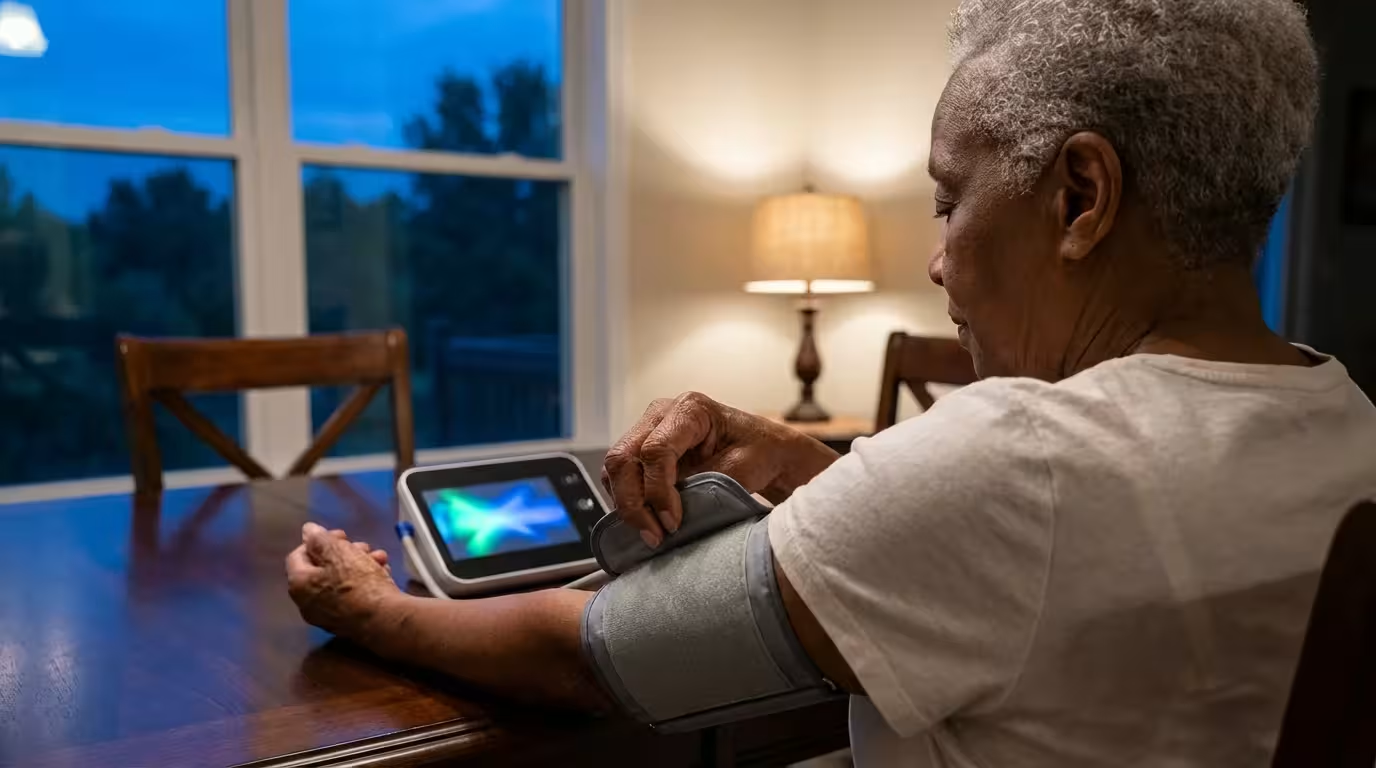
Monitoring your Blood Pressure empowers you to safeguard your Heart Health as you age. High blood pressure, also known as Hypertension, often presents no symptoms, earning its reputation as a “silent killer.” For seniors, understanding and actively managing blood pressure becomes even more critical.
This comprehensive guide helps you understand what blood pressure numbers mean, identifies a healthy blood pressure range for seniors, and shows you how to monitor blood pressure at home effectively. Taking charge of your blood pressure now helps you maintain vitality and reduce your risk of serious health complications.

What Exactly is Blood Pressure?
Blood pressure measures the force your blood exerts against the walls of your arteries as your heart pumps. Think of your circulatory system like a plumbing network. Your heart acts as the pump, and your arteries are the pipes. The pressure inside these pipes changes with each heartbeat.
You see two numbers when measuring blood pressure: systolic and diastolic. The top number, systolic pressure, measures the pressure in your arteries when your heart beats. The bottom number, diastolic pressure, measures the pressure in your arteries between beats, when your heart rests.
Both numbers provide crucial information about your heart health. Consistent elevated readings indicate your heart works too hard, potentially damaging arteries over time. Understanding these numbers forms the first step in managing your overall well-being.

Understanding Healthy Blood Pressure Ranges for Seniors
What constitutes a healthy blood pressure range for seniors often sparks questions. While general guidelines exist, individual health conditions, age, and medical history influence optimal targets. Always consult your healthcare provider for personalized recommendations.
Additionally, supporting your circulatory health involves maintaining overall nutritional balance, including understanding the role of vitamin D in senior well-being.
The American Heart Association (AHA) and other major health organizations provide clear categories for blood pressure readings. These guidelines help both patients and doctors identify when intervention may be necessary. Consistent monitoring reveals patterns vital for diagnosis and treatment.
| Blood Pressure Category | Systolic (Top Number) | Diastolic (Bottom Number) |
|---|---|---|
| Normal | Less than 120 mm Hg | Less than 80 mm Hg |
| Elevated | 120-129 mm Hg | Less than 80 mm Hg |
| Hypertension Stage 1 | 130-139 mm Hg | 80-89 mm Hg |
| Hypertension Stage 2 | 140 mm Hg or higher | 90 mm Hg or higher |
| Hypertensive Crisis (Emergency) | Higher than 180 mm Hg | Higher than 120 mm Hg |
For many seniors, healthcare providers might aim for slightly different targets based on their overall health and other conditions. For example, a doctor might accept a slightly higher reading for an individual with multiple chronic conditions compared to someone in otherwise excellent health. Discuss your specific targets with your doctor.
Hypertension: The Silent Threat to Your Health
Hypertension, or high blood pressure, frequently develops without noticeable symptoms. This makes regular screening and monitoring essential, particularly for seniors. Over 70% of Americans aged 65 and older have hypertension, according to the CDC, making it a prevalent concern in this age group.
For those already managing diabetes as a senior, keeping blood pressure within a healthy range is especially critical to prevent compounding health issues.
Untreated hypertension significantly increases your risk for severe health problems. The constant high pressure damages artery walls, making them less elastic and more prone to plaque buildup. This damage impacts numerous organs throughout your body.
Potential health consequences of uncontrolled hypertension include:
- Heart Attack and Stroke: Damaged arteries can lead to blood clots, blocking blood flow to the heart or brain.
- Heart Failure: The heart works harder to pump blood against high pressure, eventually weakening and becoming less efficient.
- Kidney Disease: High blood pressure damages the tiny blood vessels in the kidneys, impairing their ability to filter waste.
- Vision Loss: Delicate blood vessels in the eyes can suffer damage, potentially leading to retinopathy or blindness.
- Dementia: Reduced blood flow to the brain, caused by damaged vessels, contributes to cognitive decline and vascular dementia.
- Peripheral Artery Disease: Narrowed arteries in the legs and arms reduce blood flow to the extremities.
Recognizing the risks empowers you to take proactive steps. Early detection and consistent management prevent or delay many of these serious complications, protecting your quality of life.
Monitoring Your Blood Pressure at Home for Accuracy
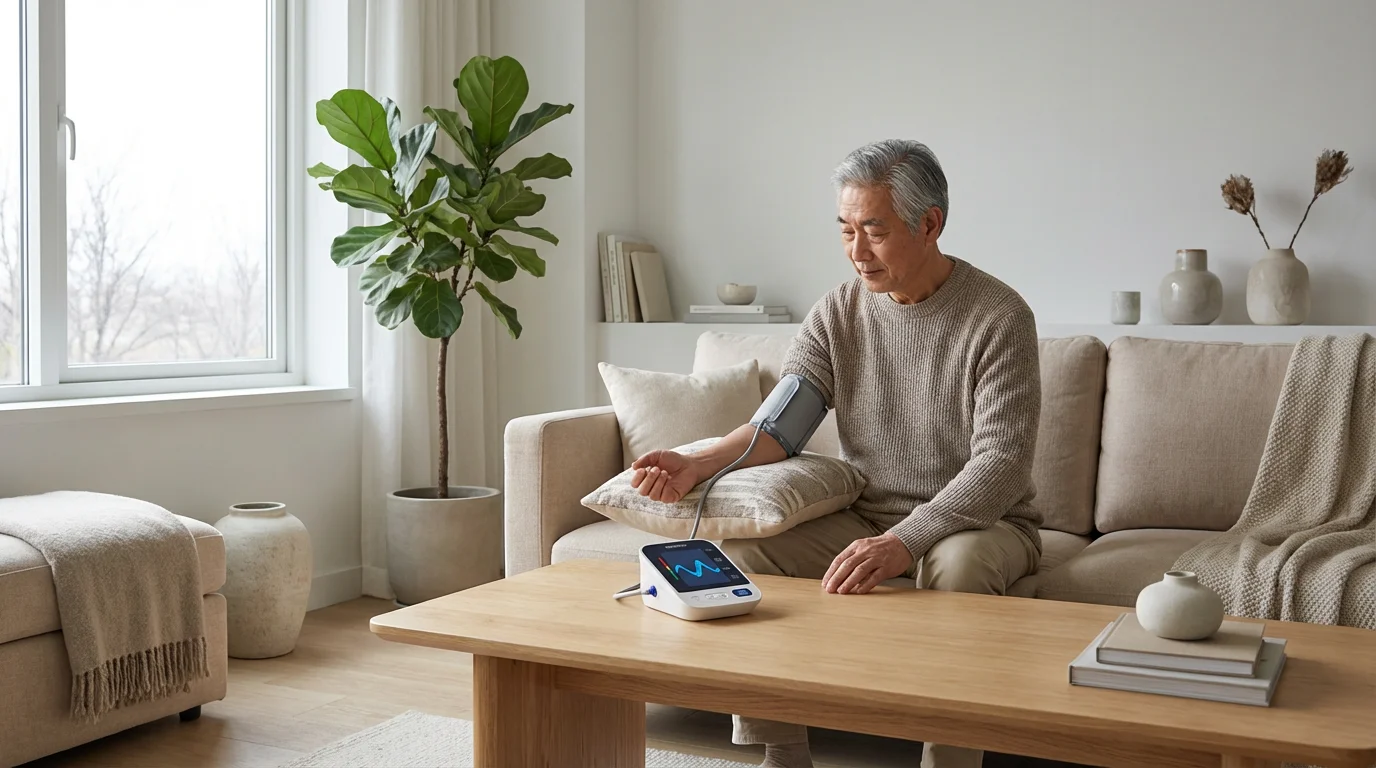
Home blood pressure monitoring provides invaluable data for both you and your doctor. It offers a more accurate picture of your blood pressure trends throughout the day, away from the potential “white coat syndrome” effect that elevates readings in a clinical setting. Learning how to monitor blood pressure at home correctly ensures reliable results.
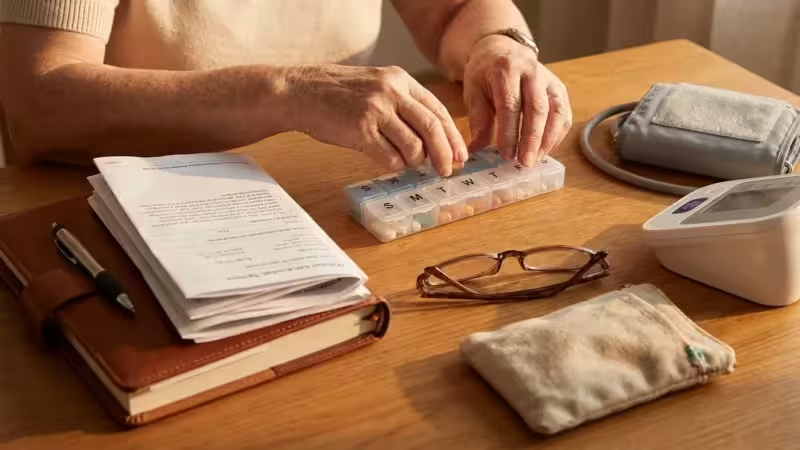
Choose an automatic, upper-arm cuff monitor validated for accuracy. Ensure the cuff fits correctly, as an ill-fitting cuff yields inaccurate readings. Measure your arm circumference and select a cuff size that matches. Your doctor or pharmacist can help you choose the right device.
Steps for Accurate Home Blood Pressure Monitoring:
- Prepare Properly: Avoid caffeine, exercise, and smoking for at least 30 minutes before your measurement. Empty your bladder.
- Rest Before Reading: Sit quietly for 5 minutes before taking your blood pressure. Rest your back against a chair and keep your feet flat on the floor, uncrossed.
- Position Your Arm Correctly: Rest your arm on a table with the cuff at heart level. Place the cuff directly on your bare skin, not over clothing.
- Take Multiple Readings: Take two or three readings a minute apart. Record all your results, including the date and time.
- Be Consistent: Take your blood pressure at the same times each day, such as in the morning before medication and in the evening.
- Keep a Log: Maintain a detailed log of your readings. Share this log with your healthcare provider at your appointments.
Bringing your home readings to appointments gives your doctor valuable insight. This helps them assess the effectiveness of any treatment plans and make informed adjustments. You become an active participant in your heart health management.

Empowering Lifestyle Changes to Manage Blood Pressure
You hold significant power to influence your blood pressure through daily choices. Lifestyle modifications often form the first line of defense against hypertension, or they can significantly enhance the effectiveness of medication. Implementing these changes requires commitment, yet the benefits for your overall health are immense.
Quality rest is equally crucial for cardiovascular health, so understanding how to improve rest by separating fact from fiction in myths about senior sleep can pay huge health dividends.
If traditional workouts are challenging, you can explore ways of staying active with limited mobility to keep your cardiovascular system strong.
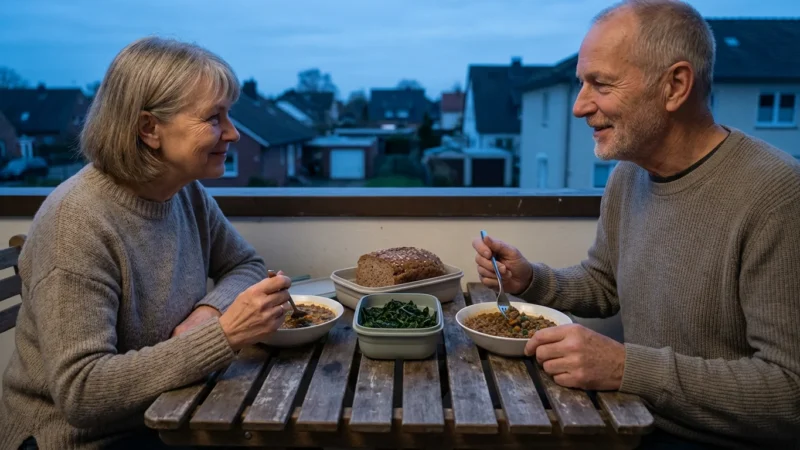
Adopting balanced healthy eating habits is one of the most effective ways to support your heart and blood vessels naturally.
Additionally, staying properly hydrated plays a vital role in maintaining optimal blood volume and support overall heart function.
Effective Lifestyle Strategies:
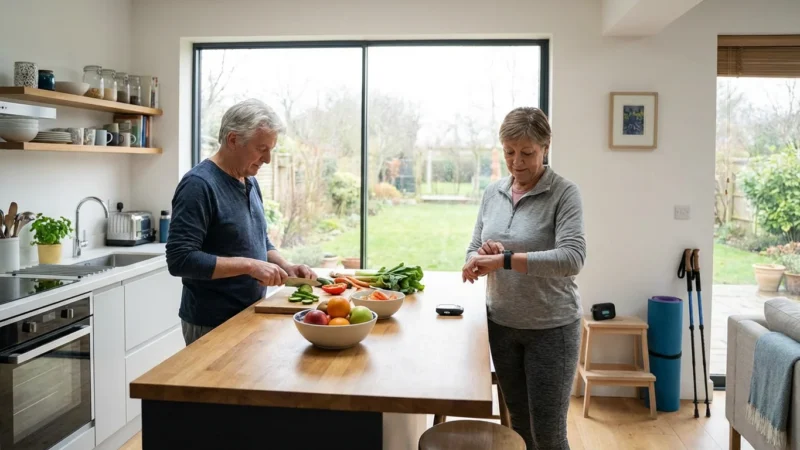
- Embrace a Heart-Healthy Diet: Adopt eating patterns rich in fruits, vegetables, whole grains, lean proteins, and low-fat dairy. The Dietary Approaches to Stop Hypertension (DASH) diet provides an excellent framework. Limit saturated and trans fats, cholesterol, and added sugars.
- Reduce Sodium Intake: Excessive sodium causes your body to retain fluid, increasing blood pressure. Aim for less than 2,300 milligrams (mg) of sodium per day, and ideally less than 1,500 mg if you have high blood pressure. Read food labels carefully.
- Engage in Regular Physical Activity: Aim for at least 150 minutes of moderate-intensity aerobic activity, such as brisk walking, swimming, or cycling, each week. Incorporate strength training exercises twice a week. Even short bursts of activity accumulate throughout the day.
- Maintain a Healthy Weight: Losing even a small amount of weight significantly lowers blood pressure. Consult your doctor or a registered dietitian to develop a personalized weight management plan.
- Manage Stress: Chronic stress elevates blood pressure. Practice relaxation techniques like deep breathing, meditation, yoga, or spending time in nature. Hobbies you enjoy also reduce stress.
- Limit Alcohol Consumption: Moderate alcohol intake means up to one drink per day for women and up to two drinks per day for men. Exceeding these limits can raise blood pressure.
- Quit Smoking: Smoking damages artery walls and increases blood pressure. Quitting smoking provides immediate and long-term benefits for your Heart Health and overall well-being. Support is available to help you quit.
“Take care of your body. It’s the only place you have to live.” — Jim Rohn
These lifestyle changes offer cumulative benefits. You may see improvements in your blood pressure readings, increased energy levels, and enhanced mood. Start small, make sustainable changes, and celebrate your progress.

Working Effectively with Your Healthcare Provider
Your healthcare provider serves as your most important partner in managing your blood pressure and maintaining your heart health. Regular communication and honest discussions about your health ensure you receive the best care. Do not hesitate to ask questions and voice concerns.
Reviewing a checklist for preparing for a doctor’s appointment ensures you organize your questions and cover all your concerns during your visit.
It is also essential to consult your pharmacist about potential drug interactions when starting any new blood pressure treatment.
If medication is prescribed, learning practical methods for saving on prescription costs can help ease the financial burden of managing your condition.
Reviewing a practical checklist for preparing for a doctor’s appointment beforehand can help you get the most out of your medical visits.
Maximizing Your Appointments:
- Prepare Your Questions: Write down any questions or concerns you have before your appointment.
- Share Your Home Readings: Bring your blood pressure log, noting any unusual readings or symptoms.
- Discuss Medications: Understand why you take each medication, its dosage, potential side effects, and how to take it correctly. Ask about generic alternatives for potential savings.
- Review Lifestyle Habits: Be open about your diet, exercise routine, and stress levels. Your doctor can offer tailored advice.
- Understand Your Treatment Plan: Ensure you understand your blood pressure targets and the steps you need to take to reach them.
- Consider Telehealth: For routine follow-ups or medication adjustments, telehealth appointments offer convenience. Discuss this option with your provider.
Building a strong relationship with your doctor empowers you to make informed decisions. They guide you through medical options, interpret your data, and help you navigate the complexities of managing chronic conditions like Hypertension.
When to See a Doctor About Your Blood Pressure
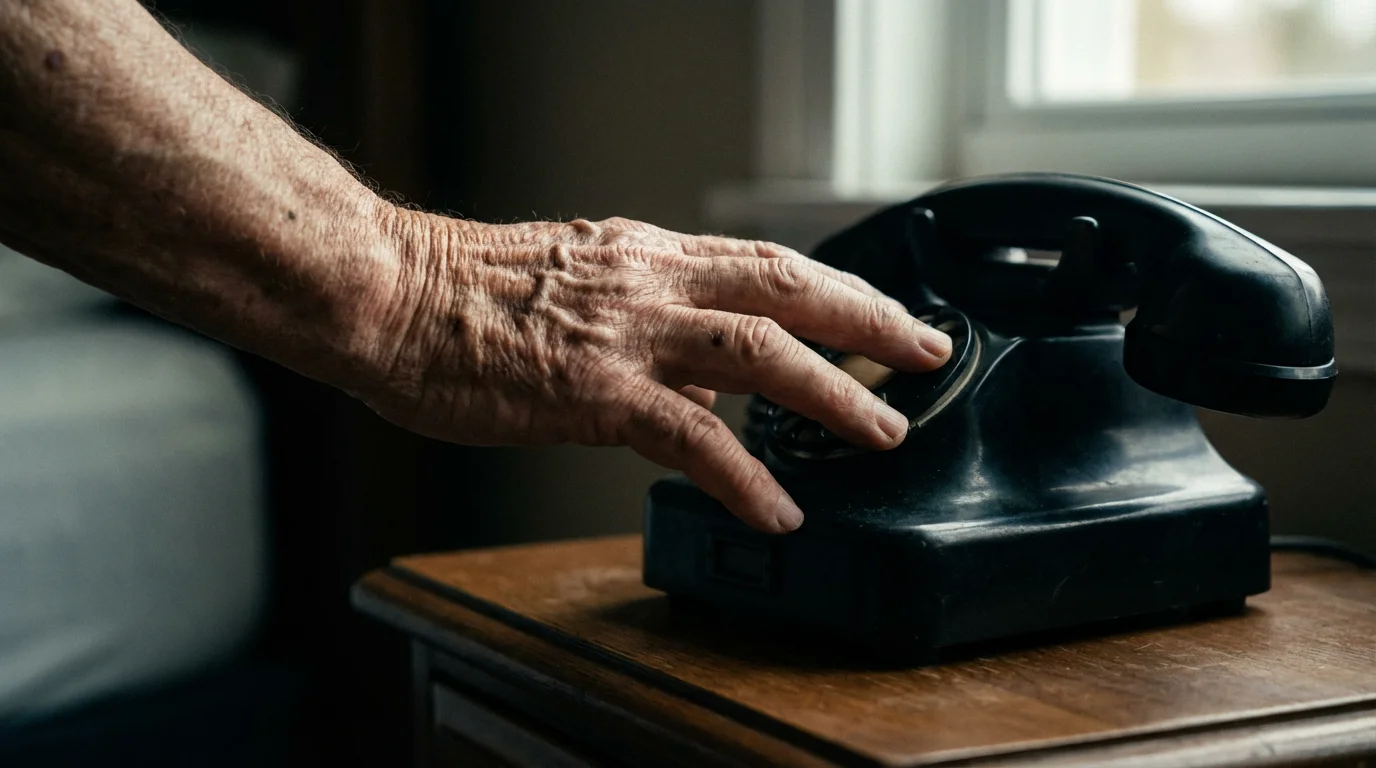
Regular check-ups naturally involve blood pressure monitoring. However, certain situations warrant an immediate call to your doctor or even emergency medical attention. Recognizing these signs helps you act quickly and protect your health.
Call Your Doctor If You Experience:
- Consistently High Readings: If your home blood pressure readings are consistently 130/80 mm Hg or higher, even without symptoms, contact your doctor. They will assess your readings and determine if a change in lifestyle or medication is needed.
- Unusual Symptoms with High Readings: If you experience symptoms like frequent headaches, dizziness, nosebleeds, or shortness of breath alongside high blood pressure readings, seek medical advice promptly.
- Side Effects from Medication: If you start a new blood pressure medication or increase a dosage and experience troubling side effects, inform your doctor. They may adjust your prescription.
- Concerns About Your Treatment Plan: If you have questions about your medication, diet, or exercise plan, or feel your current regimen is not working, schedule a discussion with your healthcare provider.
Seek Emergency Medical Attention (Call 911) If You Experience:
- Sudden, Severe Headache: Especially if accompanied by vision changes or numbness.
- Chest Pain: A classic sign of a heart attack.
- Shortness of Breath: Difficulty breathing or a feeling of suffocation.
- Weakness or Numbness: Particularly on one side of your body.
- Difficulty Speaking or Vision Changes: These can indicate a stroke.
- Blood Pressure Reading of 180/120 mm Hg or Higher: This constitutes a hypertensive crisis. Do not wait for symptoms. Seek immediate medical help.
Never delay seeking emergency care for severe symptoms. Swift action saves lives and minimizes long-term damage during a health crisis. Trust your instincts and prioritize your well-being.

Navigating Prescription Drug Savings and Insurance
Managing blood pressure often involves ongoing medication, and the costs associated with prescriptions can be a concern for seniors. Understanding your options for prescription drug savings and how your insurance, like Medicare, functions provides significant financial relief.
Strategies for Saving on Prescriptions:
- Understand Your Medicare Part D Plan: If you have Medicare, Part D covers prescription drugs. Review your plan annually during the open enrollment period to ensure it still meets your needs and offers the best coverage for your medications. Compare plans on Medicare.gov.
- Ask About Generic Medications: Generic drugs contain the same active ingredients and work identically to their brand-name counterparts, but often cost significantly less. Always ask your doctor if a generic option exists for your blood pressure medication.
- Compare Pharmacy Prices: Prices for the same medication vary widely between pharmacies. Use online tools or call around to find the best prices.
- Look for Patient Assistance Programs: Many pharmaceutical companies offer patient assistance programs for individuals who meet certain income criteria. Nonprofit organizations also provide support.
- Consider 90-Day Supplies: Many insurance plans offer cost savings when you fill prescriptions for a 90-day supply through mail-order pharmacies or certain retail pharmacies.
- Use Discount Cards: Prescription discount cards are widely available and can provide savings, sometimes even beating your insurance copay.
Being proactive about prescription costs empowers you to adhere to your treatment plan without financial strain. Explore these options and discuss them with your doctor or pharmacist to find the most cost-effective solutions for your Medicare-covered medications.

Taking Charge of Your Heart Health Journey
Understanding your blood pressure and actively managing it represents a powerful commitment to your long-term health. You possess the knowledge and tools to impact your heart health significantly. Consistent monitoring, informed lifestyle choices, and open communication with your healthcare provider form the cornerstone of this journey.
Remember, small, consistent steps yield substantial benefits over time. Each healthy meal, every walk, and every accurate blood pressure reading contributes to a healthier, more vibrant you. Empower yourself through information and action, and enjoy the many years ahead with robust Heart Health.
Frequently Asked Questions
What is a healthy blood pressure range for seniors?
For most healthy adults, including many seniors, a normal blood pressure reading is less than 120/80 mm Hg. However, your healthcare provider may recommend a slightly different target based on your individual health profile, existing medical conditions, and age. Always consult your doctor for your personalized target range.
How often should I check my blood pressure at home?
If you have high blood pressure, your doctor might recommend checking it once or twice daily. If your blood pressure is normal, occasional checks, perhaps once a week or month, suffice to monitor trends. Always follow your doctor’s specific recommendations for frequency.
Can blood pressure fluctuate during the day?
Yes, blood pressure naturally fluctuates throughout the day due to factors like activity, stress, diet, and medication timing. This is why consistent measurement at the same times each day provides the most valuable data. Significant, sudden fluctuations, however, warrant a call to your doctor.
What foods should I limit to lower my blood pressure?
To help lower your blood pressure, limit foods high in sodium, saturated fats, and trans fats. This includes processed foods, fast food, canned soups, cured meats, and many baked goods. Focus instead on fresh fruits, vegetables, whole grains, and lean proteins.
Is it possible to lower blood pressure without medication?
For some individuals with elevated blood pressure or early-stage hypertension, lifestyle changes alone can effectively lower blood pressure. These changes include a heart-healthy diet, regular exercise, maintaining a healthy weight, stress management, and limiting alcohol. Your doctor will advise if medication is necessary in your case.
What is “white coat syndrome” and how does it affect readings?
“White coat syndrome” describes temporary blood pressure elevation when measured in a clinical setting, often due to anxiety or stress. Home blood pressure monitoring helps differentiate between true hypertension and this situational elevation, providing a more accurate picture of your typical readings.
Disclaimer: This article is for informational purposes only and does not constitute medical advice. The information provided is not intended to diagnose, treat, cure, or prevent any disease. Always consult with your healthcare provider before making any changes to your diet, exercise routine, medications, or health regimen. If you’re experiencing a medical emergency, call 911 immediately.






Leave a Reply