
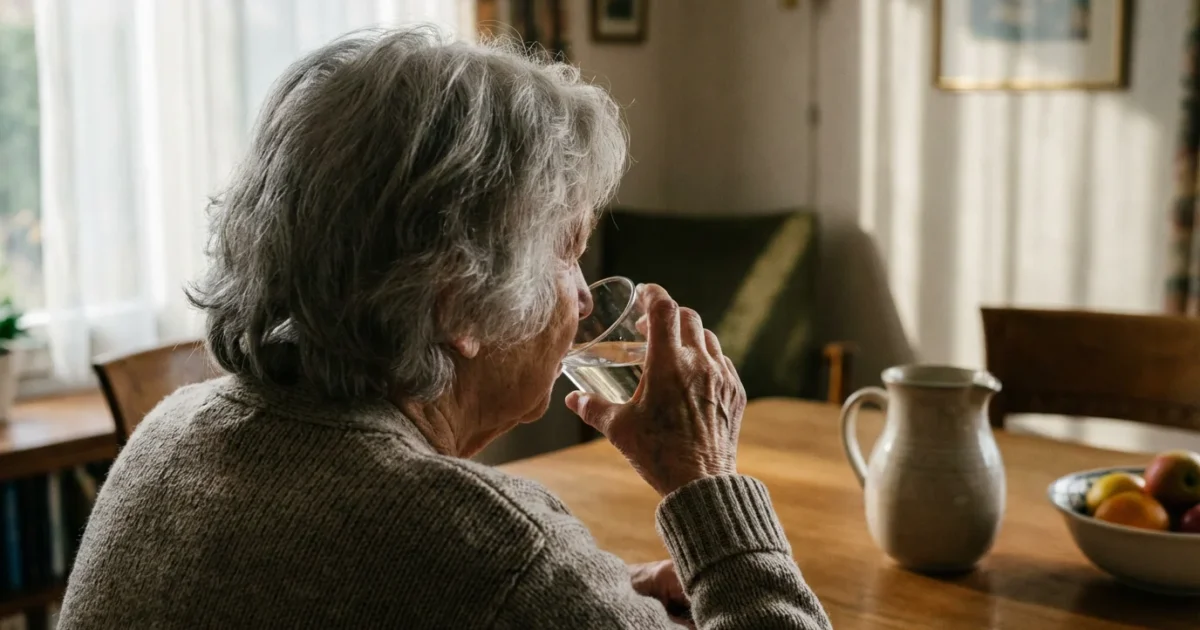
Maintaining optimal health as you age requires proactive steps, and among the most fundamental is staying properly hydrated. While often overlooked, adequate fluid intake supports every bodily function, from organ performance to cognitive sharpness. For seniors, the risks associated with insufficient hydration are significantly elevated, making a conscious effort to drink enough water an essential part of your daily wellness routine. Understanding your body’s changing needs and implementing simple strategies can empower you to take charge of this vital aspect of your health.
Maintaining a safe environment is equally important, so consider reviewing our guide on fall prevention at home to minimize risks associated with dehydration-induced lightheadedness.
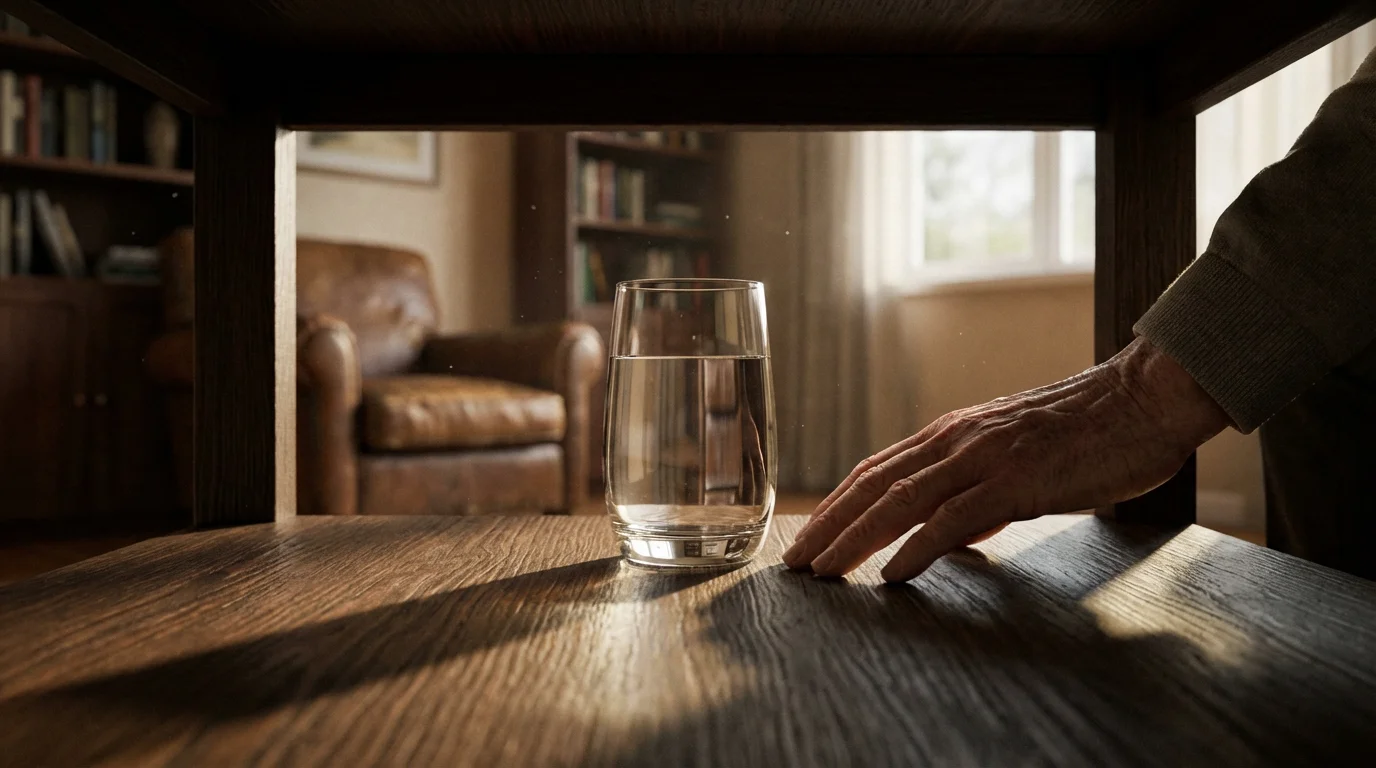
Understanding Senior Hydration: Why It Matters More Now
As we age, our bodies undergo natural physiological changes that increase the risk of dehydration. These changes mean that what worked for hydration in your younger years may not be sufficient now. You must adapt your approach to maintain proper fluid balance.
Proper fluid management is also a critical component of managing diabetes as a senior to help regulate blood sugar levels.
Several factors contribute to this increased vulnerability. Your body’s total water content naturally decreases with age, impacting how efficiently your body stores and utilizes fluids. Furthermore, your thirst sensation can diminish, meaning you may not feel thirsty even when your body urgently needs water. This reduced thirst mechanism is a significant silent threat to senior hydration.
Kidney function also changes, affecting your body’s ability to conserve water and concentrate urine. This means your kidneys may excrete more water than necessary, further contributing to fluid loss. According to the National Institute on Aging, older adults often experience a decreased ability to detect thirst, making proactive hydration crucial.
Additionally, mobility issues can make it harder to access water regularly, and some cognitive changes might lead to forgetting to drink. You may also intentionally restrict fluids due to concerns about incontinence. Recognizing these age-related factors empowers you to be more proactive in your hydration efforts.

Recognizing the Red Flags: Dehydration Symptoms in Seniors
Dehydration symptoms in older adults can often be subtle, mimicking other age-related conditions or simply being dismissed as normal aging. Early recognition is key to preventing more severe health complications. Do not wait until you feel extremely thirsty to act.
Common signs of mild to moderate dehydration include:
- Increased thirst, though this can be unreliable in seniors.
- Dry mouth or sticky saliva.
- Reduced urine output or darker urine color.
- Fatigue or feeling unusually tired.
- Lightheadedness or dizziness, especially when standing up.
- Muscle cramps.
- Headaches.
More severe dehydration can manifest with more alarming symptoms. These indicate a medical emergency requiring immediate attention. Watch for:
- Extreme thirst.
- Low blood pressure (hypotension).
- Rapid heart rate.
- Confusion or disorientation.
- Irritability or extreme lethargy.
- Sunken eyes.
- Lack of sweating.
- Fever.
Understanding these signs helps you or a caregiver intervene promptly. Remember, if you suspect severe dehydration, seek medical help without delay.

How Much Water Do You Really Need?: Setting Your Daily Water Intake Goals
The age-old advice of “eight glasses a day” serves as a general guideline, but your individual fluid needs can vary. Factors like activity level, climate, health conditions, and medications all play a role in determining how much water seniors should drink daily. You need a personalized approach to your water intake.
A good starting point for many healthy seniors is around 6-8 glasses (approximately 48-64 ounces) of water or other hydrating fluids daily. This recommendation aligns with general health guidelines for maintaining fluid balance. However, if you live in a hot climate, engage in physical activity, or have certain health conditions, you might need more. Conversely, some medical conditions, like congestive heart failure or kidney disease, might require fluid restriction, so always consult your doctor.
Consider these points when setting your personal hydration goal:
- Listen to your body, within reason: While the thirst mechanism may be blunted, pay attention to subtle cues like dry mouth.
- Monitor urine color: Pale yellow urine generally indicates good hydration. Darker urine suggests you need more fluids.
- Account for activity: Increase fluid intake during and after exercise.
- Factor in climate: Hot or humid weather increases fluid loss through sweat.
- Discuss with your doctor: Always get personalized advice, especially if you have chronic conditions or take multiple medications.
Proactive and consistent water intake, rather than reactive drinking when thirsty, is a hallmark of good senior hydration.
Beyond Water: Hydrating Foods and Beverages
While water is the best choice for hydration, you can also meet a significant portion of your daily fluid needs through other hydrating foods and beverages. These options can add variety and essential nutrients to your diet, making senior hydration more enjoyable and accessible.
Staying hydrated is just one part of a restful night; learn more by debunking common myths about senior sleep to improve your overall recovery.
Combining high-water foods with broader healthy eating habits for seniors ensures you receive all the essential vitamins your body needs.
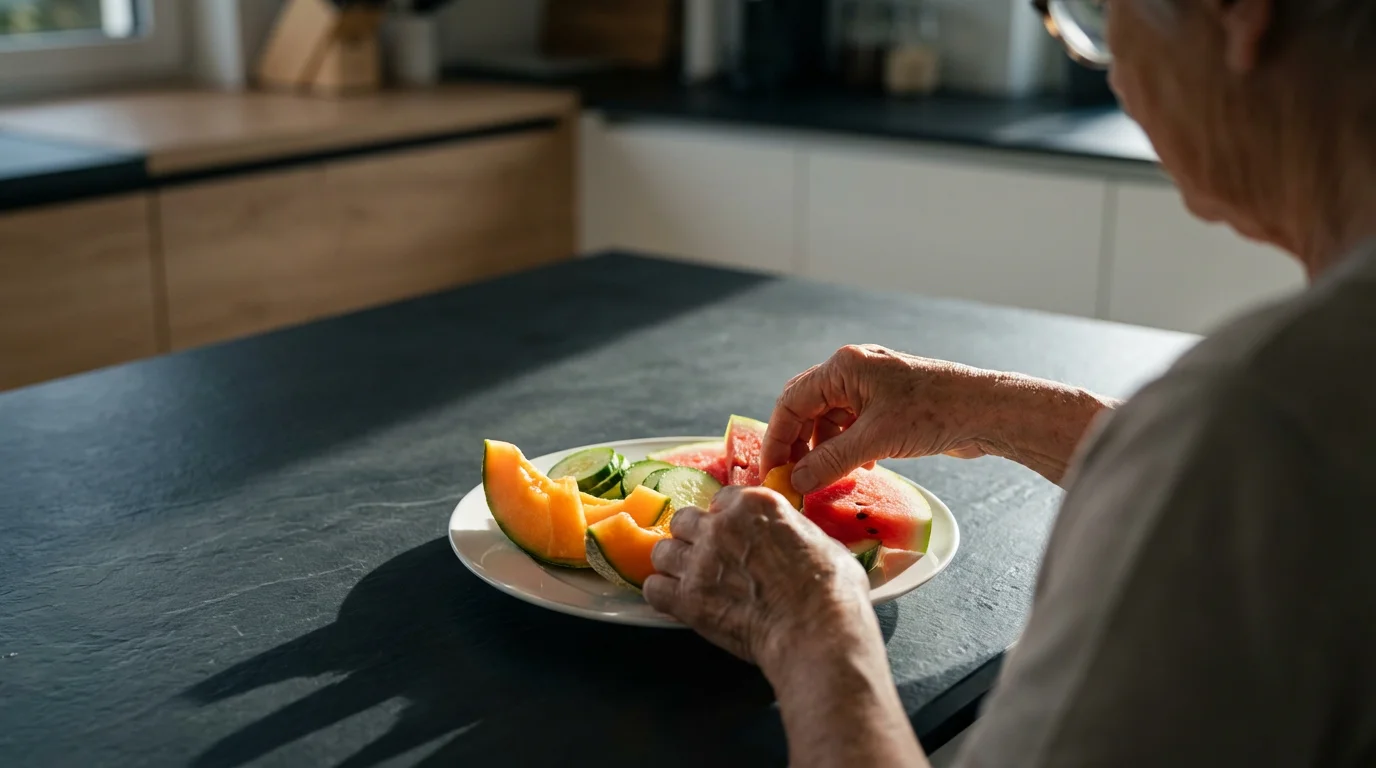
Many fruits and vegetables boast high water content, contributing significantly to your overall fluid intake. Incorporating these into meals and snacks helps you stay hydrated naturally.
Consider these excellent hydrating food choices:
- Fruits: Watermelon (92% water), strawberries (91%), cantaloupe (90%), peaches (89%), oranges (88%), grapefruit (88%).
- Vegetables: Cucumber (95% water), lettuce (95%), celery (95%), tomatoes (94%), bell peppers (92%), spinach (91%).
Smoothies made with water, fruit, and yogurt offer another delicious way to hydrate and get nutrients. Similarly, broths and clear soups provide fluids and electrolytes, which are crucial for maintaining fluid balance.
For beverages, plain water should remain your primary choice. However, other options can contribute positively to your fluid intake:
- Decaffeinated tea or coffee (in moderation).
- Diluted fruit juice (to reduce sugar intake).
- Milk or plant-based milk alternatives.
- Sports drinks for electrolyte replacement during intense activity or illness, but use them cautiously due to sugar content. Consult your doctor first.
Avoid excessive consumption of sugary sodas, energy drinks, and alcoholic beverages, as these can contribute to dehydration or offer little nutritional value.
Smart Strategies for Staying Hydrated Daily
Building consistent habits is essential for maintaining optimal senior hydration. Integrating fluid intake seamlessly into your daily routine makes it less of a chore and more of a natural part of your day. You can develop effective strategies to ensure you meet your hydration goals.
While focusing on physical health, don’t forget that the benefits of social connection can also encourage healthy habits like drinking more water during social gatherings.
Here are actionable tips to help you stay hydrated:
- Keep water accessible: Always have a glass or bottle of water within arm’s reach. Place bottles in frequently used rooms, like next to your favorite chair or by your bed.
- Set reminders: Use alarms on your phone or smart device to prompt you to drink at regular intervals. Many apps can also track your water intake.
- Drink throughout the day: Instead of drinking large amounts at once, sip water consistently. Drink a glass of water upon waking, before each meal, and before bedtime.
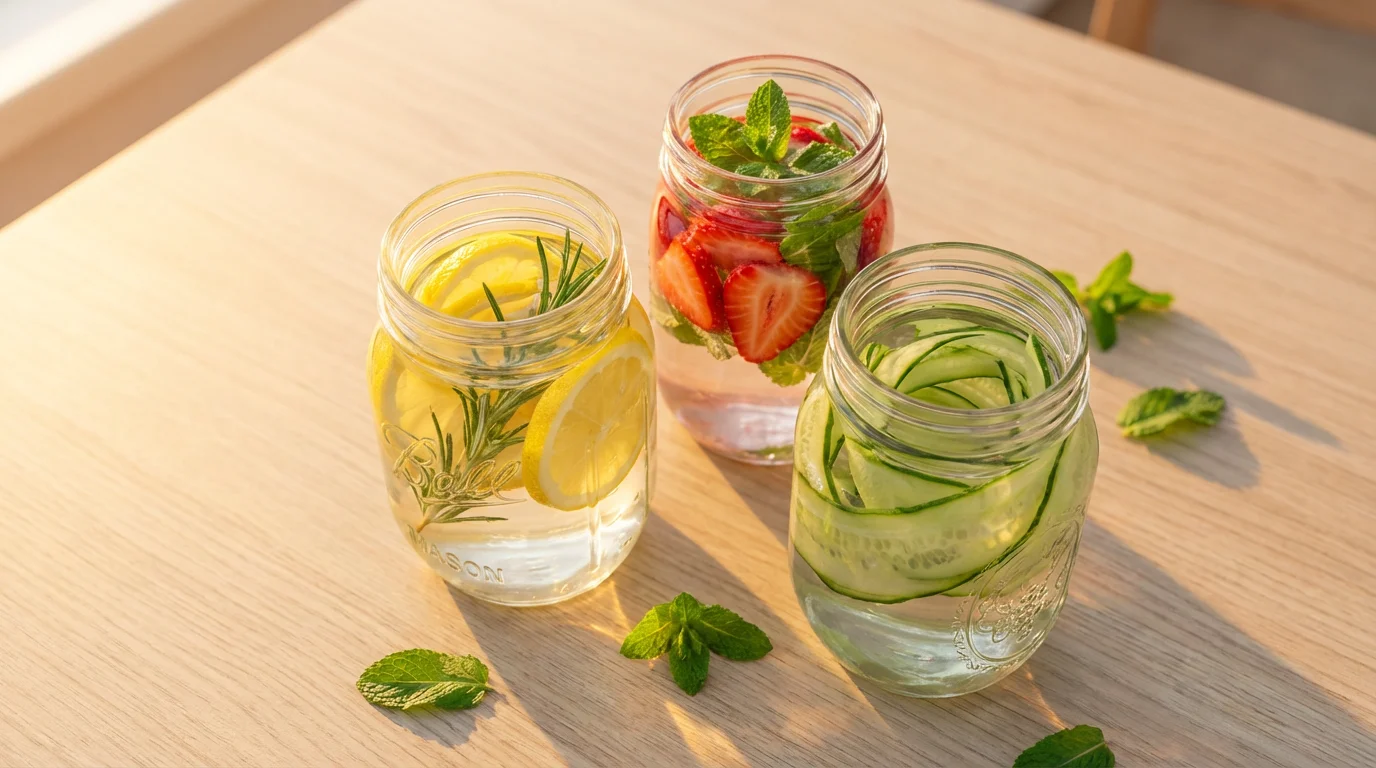
- Make it flavorful: If plain water bores you, add slices of lemon, lime, cucumber, mint, or berries for a natural flavor boost.
- Incorporate hydrating foods: Choose fruits and vegetables with high water content for snacks and meals, as discussed earlier.
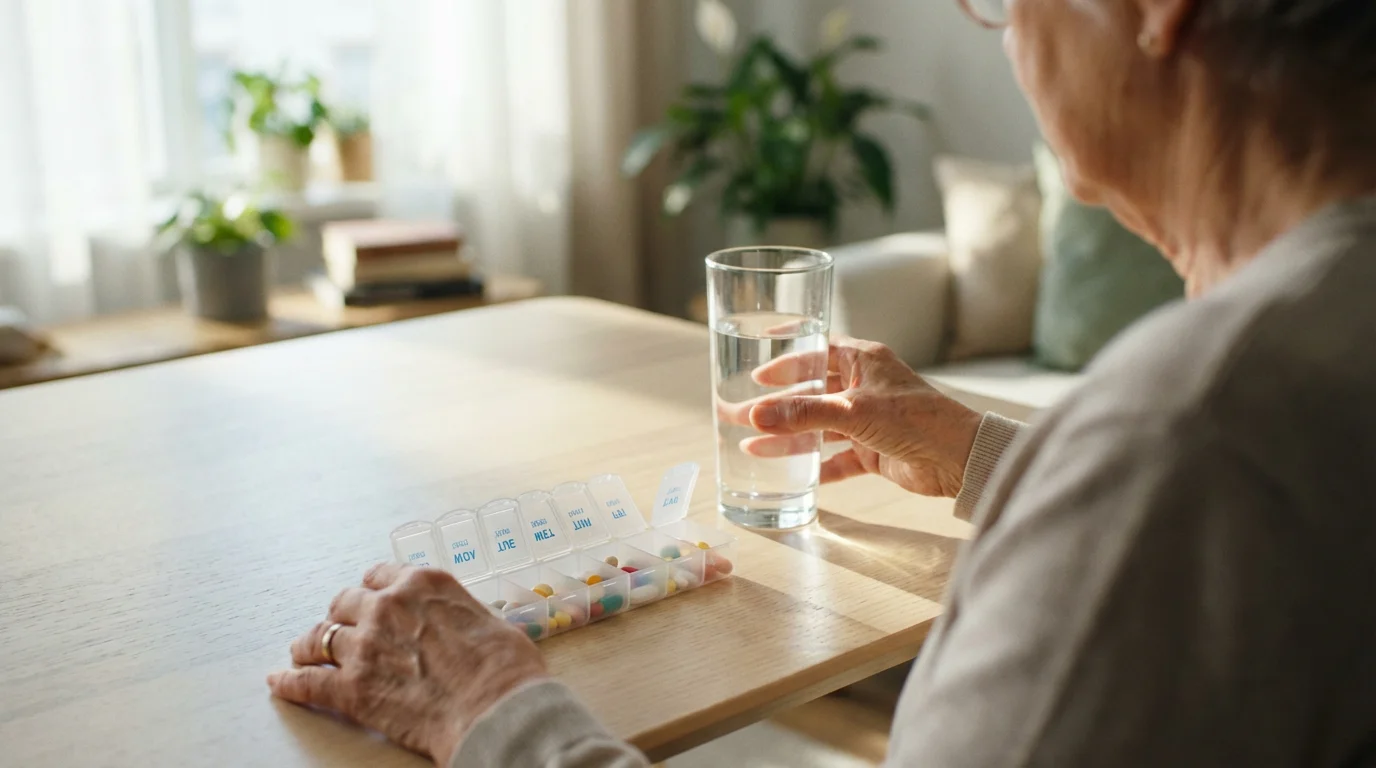
- Hydrate around medication times: Take your medications with a full glass of water. This ensures you’re hydrating and helps medications work effectively.
- Use a marked water bottle: A bottle with hourly markings can visually guide your intake throughout the day.
“Take care of your body. It’s the only place you have to live.”
These simple adjustments to your routine can significantly improve your fluid intake. Consistency is key; make hydration a habit, not an afterthought.
Medications and Hydration: What You Need to Know
Many common medications taken by seniors can impact fluid balance and increase the risk of dehydration. Understanding these interactions empowers you to take proactive steps and discuss potential risks with your healthcare provider. Your medication regimen directly affects your hydration needs.
If you are managing other health concerns, exploring pain management strategies for seniors can help you reduce reliance on certain medications that may cause dehydration.
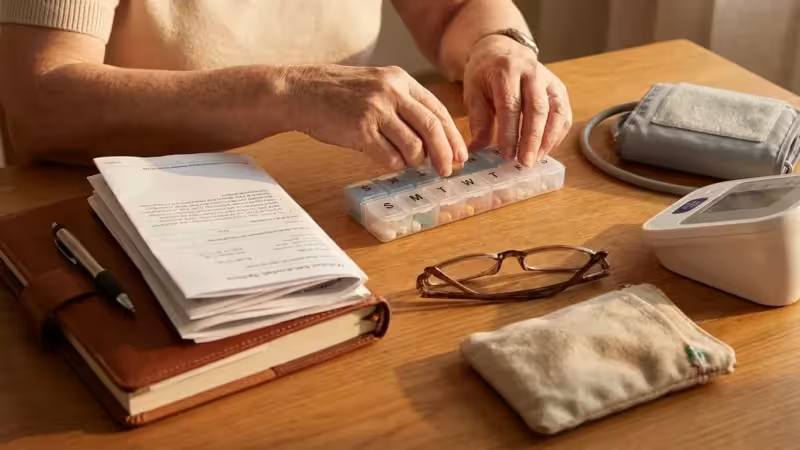
Utilizing effective medication management techniques can help you remember both your pills and your water intake throughout the day.
Diuretics, often called “water pills,” are frequently prescribed for high blood pressure (hypertension) or heart failure. These medications increase urine output, leading to fluid loss. If you take diuretics, your doctor might recommend increasing your fluid intake to compensate, or they might adjust your medication or dosage.
Other medications can also contribute to dehydration:
- Laxatives: Overuse can cause significant fluid loss through increased bowel movements.
- Antihistamines: Used for allergies, these can have a drying effect, contributing to dry mouth and decreased thirst.
- Antidepressants and antipsychotics: Some can cause dry mouth, reducing the desire to drink.
- Blood pressure medications (beyond diuretics): Certain types, like ACE inhibitors, can alter kidney function and fluid regulation.
Additionally, some medications can increase sweating, fever, or vomiting, all of which accelerate fluid loss. You should always review your medication list with your doctor or pharmacist. Ask about potential side effects related to fluid balance and discuss any necessary adjustments to your hydration strategy. Never stop or change medications without consulting your healthcare provider.

When to Seek Medical Attention for Dehydration
While mild dehydration often resolves with increased fluid intake, severe dehydration constitutes a medical emergency. Knowing when to seek professional medical help is crucial for your health and safety. Do not hesitate to contact your doctor or emergency services if you suspect severe dehydration.
Seek immediate medical attention if you or someone you care for exhibits any of the following severe dehydration symptoms:
- Extreme thirst.
- Dizziness or fainting spells.
- Confusion, disorientation, or difficulty speaking.
- Rapid or weak pulse.
- Low blood pressure.
- Inability to keep fluids down due to vomiting.
- Lack of urine output for 8-12 hours.
- Seizures.
- Loss of consciousness.
Even if symptoms are less severe but you cannot maintain fluid intake, or if you have underlying health conditions like heart failure, kidney disease, or diabetes, contact your doctor. They can assess your condition, provide appropriate medical advice, and recommend rehydration strategies, which might include intravenous (IV) fluids in a hospital setting. The CDC provides guidelines on recognizing and preventing dehydration, emphasizing the importance of timely intervention.
Prompt medical care can prevent serious complications such as heat stroke, kidney failure, or hypovolemic shock, which is a dangerous drop in blood volume. Your health depends on recognizing these warning signs and acting swiftly.
Hydration Challenges and Solutions for Caregivers
Caregivers play a critical role in ensuring older adults stay adequately hydrated, especially for those with cognitive impairments, mobility issues, or chronic illnesses. Recognizing and overcoming common hydration challenges requires patience, observation, and proactive strategies. You can make a significant difference in a loved one’s health.
Common challenges caregivers face include:
- Resistance to drinking: Some seniors may refuse fluids due to discomfort, fear of incontinence, or a lack of thirst sensation.
- Cognitive impairment: Individuals with dementia may forget to drink or not understand the importance of hydration.
- Physical limitations: Difficulty holding cups, reaching for drinks, or using straws can impede fluid intake.
- Medical conditions: Specific illnesses or medications can impact fluid needs or make drinking uncomfortable.
Caregivers can implement several solutions to address these issues effectively. These practical tips can help ensure consistent fluid intake.
Consider these caregiver strategies:
- Offer fluids frequently: Provide small amounts of fluid every hour or two, rather than relying on large drinks at meal times.
- Incorporate favorite beverages: Offer options like diluted juice, decaffeinated tea, milkshakes, or flavored water to encourage drinking.
- Provide hydrating snacks: Offer popsicles, gelatin, fruit slices, or soup throughout the day.
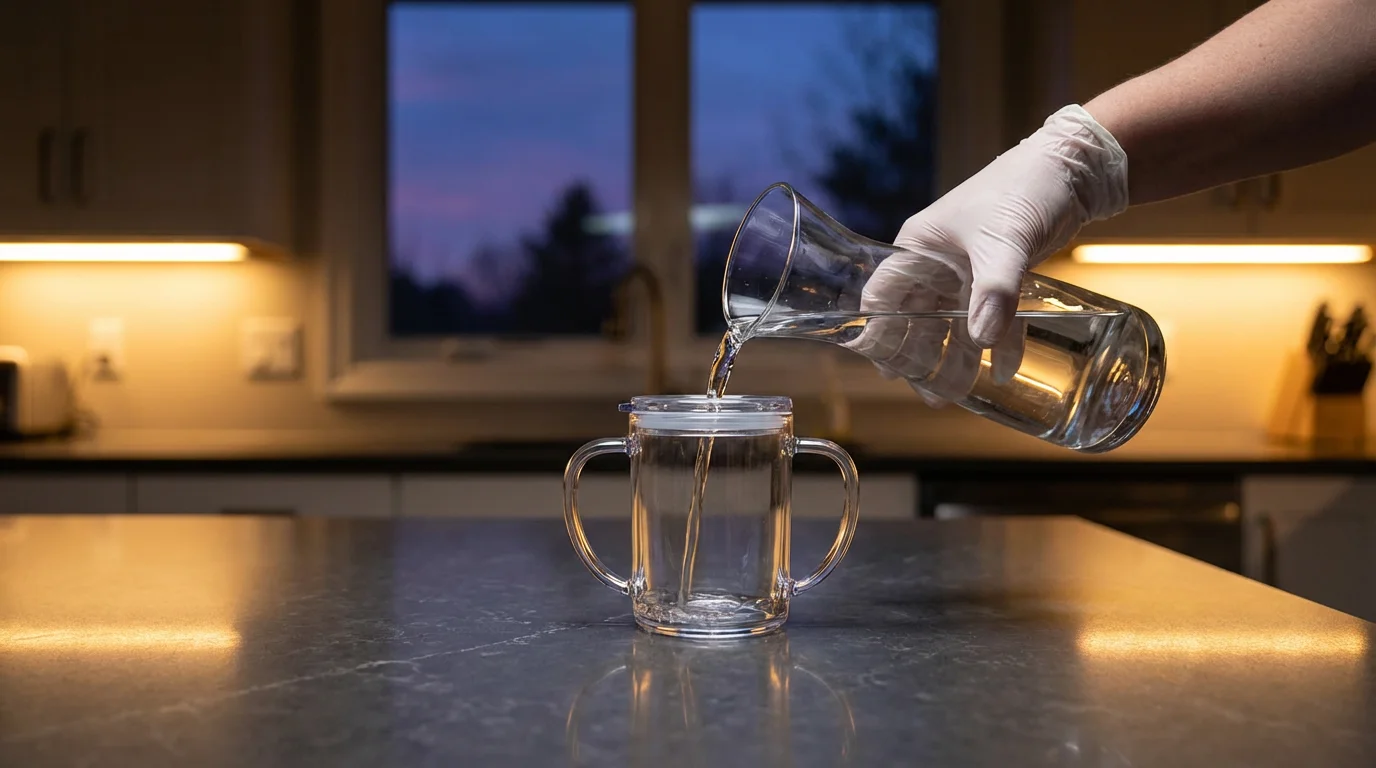
- Make it accessible: Ensure drinks are always within reach and easy to open. Use adaptive cups or straws if needed.
- Set a schedule: Establish a routine for drinking, perhaps linking it to daily activities like taking medication or watching a favorite show.
- Monitor intake and output: Keep a simple log of how much fluid is consumed and monitor urine output to track hydration levels.
- Lead by example: Drink water yourself to encourage your loved one to do the same.
- Consult healthcare professionals: Discuss specific hydration needs or challenges with their doctor or a registered dietitian. They can offer tailored advice.
Proactive monitoring and creative approaches are essential for caregivers to safeguard the hydration status of seniors.
Frequently Asked Questions
How much water should seniors drink daily?
Many healthy seniors should aim for 6-8 glasses (approximately 48-64 ounces) of water or other hydrating fluids per day. This amount can vary based on individual factors like activity level, climate, and health conditions. Always consult your doctor for personalized recommendations, especially if you have chronic conditions or take medications.
What are the common dehydration symptoms in older adults?
Common symptoms of mild to moderate dehydration include dry mouth, increased thirst (though this can be unreliable in seniors), fatigue, reduced urine output, lightheadedness, and headaches. More severe symptoms requiring immediate medical attention include confusion, rapid heart rate, low blood pressure, and extreme lethargy.
Why is hydration important for seniors more than younger adults?
Seniors are at higher risk of dehydration due to several age-related changes. These include a decreased sense of thirst, reduced total body water content, changes in kidney function impacting water conservation, and potential side effects from medications. Proactive hydration prevents serious health complications.
Can I get enough fluids from foods?
Yes, hydrating foods contribute significantly to your daily fluid intake. Many fruits like watermelon, strawberries, and oranges, and vegetables like cucumber, lettuce, and celery, have very high water content. Incorporating these into your diet helps you stay hydrated alongside drinking water and other beverages.
What drinks should seniors avoid for hydration?
Seniors should limit or avoid excessive consumption of sugary sodas, energy drinks, and alcoholic beverages. These drinks can sometimes contribute to dehydration, offer little nutritional value, or interfere with medications. Decaffeinated teas, diluted juices, and plain water remain the best choices.
When should I worry about dark urine?
Dark yellow or amber-colored urine often indicates that you are not drinking enough fluids and are dehydrated. You should increase your water intake. If your urine remains dark despite drinking more, or if it is accompanied by other concerning symptoms like pain or fever, consult your doctor.
Disclaimer: This article is for informational purposes only and does not constitute medical advice. The information provided is not intended to diagnose, treat, cure, or prevent any disease. Always consult with your healthcare provider before making any changes to your diet, exercise routine, medications, or health regimen. If you’re experiencing a medical emergency, call 911 immediately.






Leave a Reply