
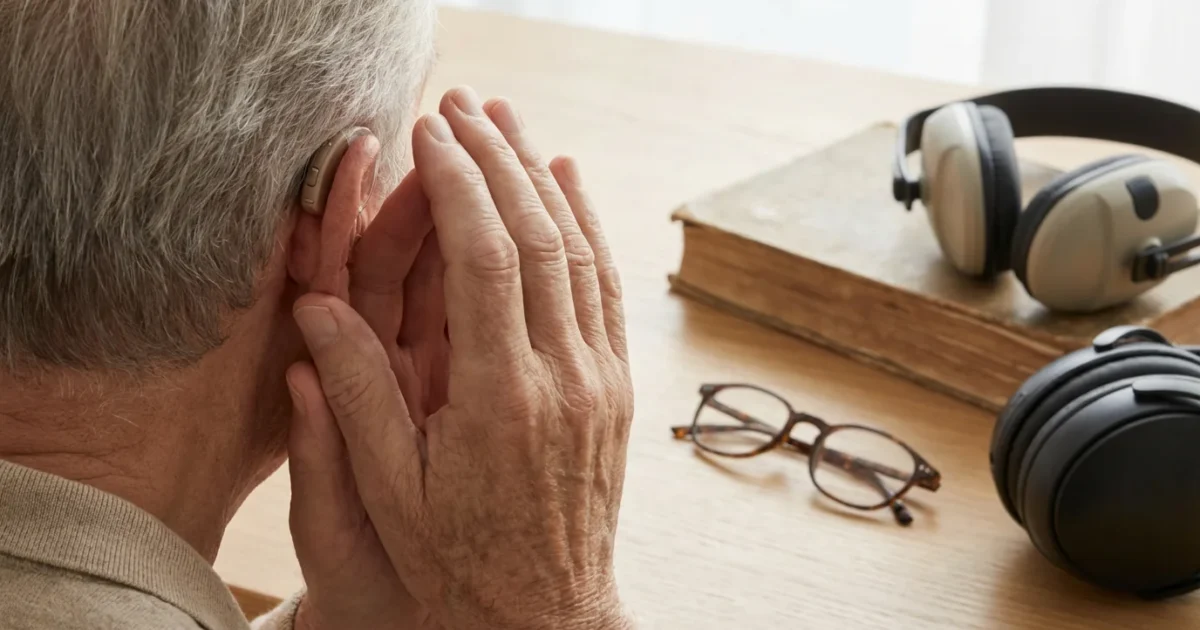
As you age, changes in your body often include your senses. Hearing loss affects a significant portion of the senior population, yet many people delay seeking help. Ignoring hearing changes can impact your daily interactions, personal safety, and overall well-being. Understanding hearing loss, recognizing its symptoms, and exploring treatment and prevention options empowers you to maintain your independence and a vibrant social life.
While focusing on your auditory health, don’t forget the importance of regular eye exams to ensure all your senses are sharp.
This comprehensive guide will help you identify the signs of hearing loss, navigate the available solutions, and take proactive steps to protect your hearing for years to come. You deserve to hear clearly and stay connected to the world around you.

The Impact of Hearing Loss on Daily Life
Hearing loss is more than just difficulty understanding conversations; it significantly affects your quality of life. Left unaddressed, it can lead to a range of challenges that impact your independence and social connections. Recognizing these potential impacts motivates you to seek timely help.
To help combat the mental fatigue that comes from straining to hear, discovering the benefits of mindfulness and meditation can offer relief and improve your focus.
If you are looking for guidance on how to manage these changes, exploring professional advice and coping with hearing loss can provide you with valuable tools and support.
Consider how clear hearing contributes to your daily safety and engagement:
- Communication Challenges: You might struggle to follow conversations, especially in noisy environments or on the phone. This can make social gatherings frustrating and isolating, leading to withdrawal from activities you once enjoyed. Family members may notice you frequently ask for repetition.
- Increased Safety Risks: Your ability to hear important warning sounds decreases. You might miss doorbells, smoke alarms, approaching vehicles, or emergency sirens. This poses a serious risk to your safety, especially if you live alone.
- Cognitive Strain: Your brain works harder to process incomplete auditory information. This constant strain can be exhausting and may contribute to cognitive fatigue. Studies suggest a link between untreated hearing loss and an increased risk of cognitive decline.
- Emotional Well-being: Frustration, anxiety, and even depression can arise from the inability to communicate effectively. You might feel embarrassed or reluctant to participate, impacting your self-esteem and overall mental health.
- Reduced Independence: If you cannot hear important information from doctors, bank tellers, or service providers, managing your daily affairs becomes more challenging. This reliance on others can erode your sense of independence.
Addressing your hearing loss means more than just hearing better; it means reclaiming your active role in life and maintaining your autonomy.
Recognizing the Symptoms of Hearing Loss
Many people experience gradual hearing loss, making it difficult to pinpoint exactly when it started. Often, family members or friends notice the signs before the individual does. Understanding “How do I know if I have hearing loss?” involves paying attention to subtle, persistent changes in your auditory experiences.
Because auditory fatigue can cause you to retreat from social gatherings, finding healthy ways of dealing with loneliness is essential for preserving your emotional well-being.
Be aware of these common indicators that you might be experiencing hearing loss:
- Difficulty Understanding Speech: You frequently ask people to repeat themselves. Voices may sound mumbled, especially women’s and children’s voices. This is particularly noticeable in crowded places or noisy restaurants.
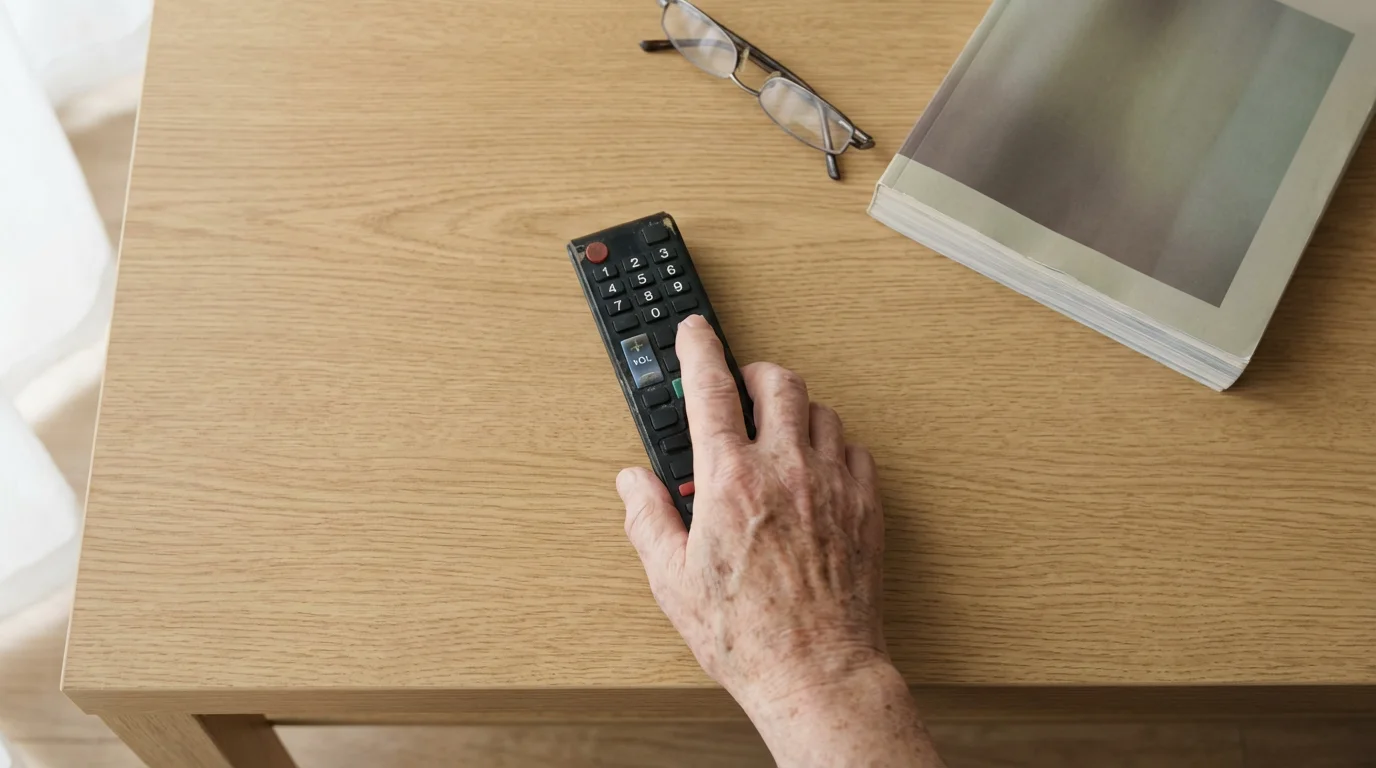
- Increasing TV or Radio Volume: You turn up the television or radio to a level that others find too loud. This constant adjustment often signals a need for auditory assistance.
- Trouble Hearing on the Phone: Conversations over the phone become challenging, even with volume boosted. You might prefer video calls or avoid phone calls altogether.
- Missing High-Pitched Sounds: You might not hear the doorbell, a bird singing, or the car’s turn signal clicking. These are often the first frequencies to be affected by age-related hearing loss.
- Difficulty Following Group Conversations: Keeping track of multiple speakers in a group setting becomes overwhelming. You may find yourself nodding along without truly understanding the discussion.
- Ringing or Buzzing in Your Ears (Tinnitus): While not always indicative of hearing loss, tinnitus often accompanies it. This persistent sound can interfere with your ability to focus and hear external noises.
- Feeling Fatigued After Social Interactions: The constant effort to hear and understand can be mentally draining, leaving you exhausted after social events.
If you recognize several of these symptoms, take proactive steps. Early intervention offers the best outcomes for managing hearing loss and preventing further complications.
When to See a Doctor: Getting a Professional Diagnosis
If you suspect you have hearing loss based on the symptoms above, you should schedule an appointment with your doctor. A primary care physician can perform an initial screening and refer you to a specialist. The appropriate specialist for hearing loss is usually an audiologist, a healthcare professional trained to diagnose and treat hearing and balance disorders.
If you need help traveling to your clinical checkups, research local senior transportation options to find safe and reliable ways to attend your appointments.
Since hearing is closely linked to stability, following fall prevention tips can further protect your physical safety at home.
Do not delay seeking professional help. Addressing hearing loss early can significantly improve your quality of life and potentially slow the progression of some types of hearing decline. Ignoring it can lead to further challenges and isolation.
What to expect during a professional hearing evaluation:
- Medical History Review: The audiologist will ask about your general health, medications, and specific concerns regarding your hearing. They will inquire about your exposure to loud noises and any family history of hearing loss.
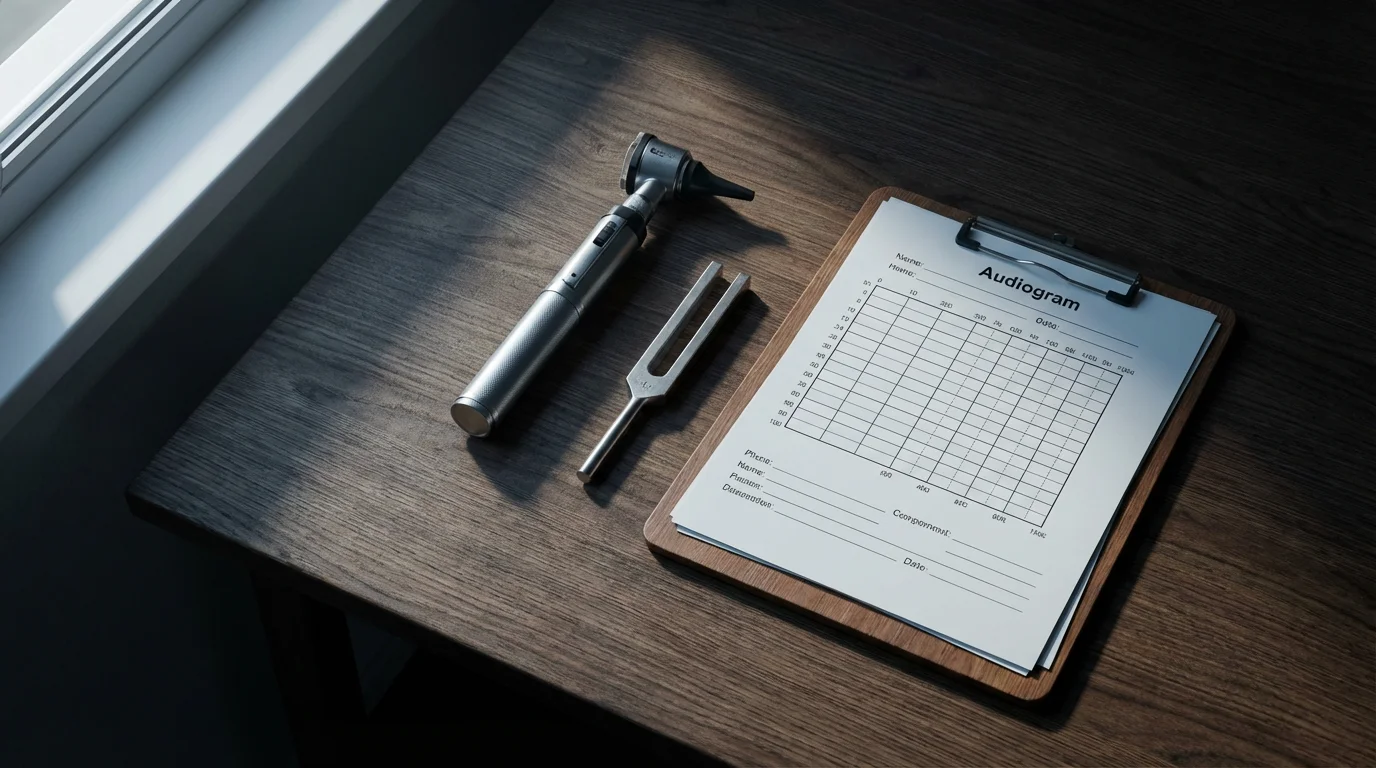
- Physical Examination: They will examine your ears using an otoscope to check for blockages, earwax buildup, or structural issues in the ear canal or eardrum.
- Hearing Tests: A series of tests will measure your ability to hear sounds at different pitches and volumes. These may include:
- Pure-Tone Audiometry: You will wear headphones and indicate when you hear tones at various frequencies and intensities.
- Speech Audiometry: You will listen to spoken words and repeat them back to assess your ability to understand speech in quiet and noisy environments.
- Tympanometry: This test measures middle ear function and checks for fluid, eardrum perforations, or ossicular chain problems.
- Results and Recommendations: The audiologist will explain your audiogram results and discuss the type and degree of your hearing loss. They will then recommend appropriate solutions, which might include hearing aids, assistive listening devices, or referrals to other medical specialists if underlying conditions are identified.
The cost for a comprehensive audiological evaluation typically ranges from $100 to $250. Some insurance plans, including certain Medicare Advantage plans, may cover a portion of this cost. Confirm coverage with your insurance provider beforehand.
Understanding Types of Hearing Loss
Hearing loss is not a single condition; different types exist, each with distinct causes and treatment approaches. Understanding your specific type of hearing loss helps you and your audiologist choose the most effective management strategy.
Since optimal blood flow is necessary to keep your inner ear functioning well, understanding your blood pressure and maintaining healthy readings is another important part of sensory care.
Maintaining healthy eating habits supports the overall vascular health necessary for optimal sensory function.
It is also helpful to understand how drug interactions might affect your auditory system or interact with medications prescribed for ear health.
The three main categories of hearing loss include:
- Sensorineural Hearing Loss: This is the most common type, often referred to as “nerve deafness.” It occurs when there is damage to the inner ear (cochlea) or the auditory nerve.
- Causes: Aging (presbycusis), prolonged exposure to loud noise, genetic factors, certain medications (ototoxic drugs), head trauma, or some diseases.
- Characteristics: Sounds may seem muffled, and you struggle to understand speech, especially in noisy environments. It is usually permanent.
- Treatment: Primarily managed with hearing aids or cochlear implants in severe cases.
- Conductive Hearing Loss: This type of hearing loss occurs when sound waves cannot travel effectively through the outer or middle ear to the inner ear.
- Causes: Earwax buildup, middle ear infections, fluid in the middle ear, eardrum perforation, otosclerosis (abnormal bone growth in the middle ear), or foreign objects in the ear canal.
- Characteristics: Sounds may be softer, but speech clarity is often less affected than with sensorineural loss. It often responds well to medical treatment.
- Treatment: Often treatable with medication or surgery to correct the underlying issue. Hearing aids can also be effective if medical treatment is not possible or fully successful.
- Mixed Hearing Loss: This combines elements of both sensorineural and conductive hearing loss. You may have damage to both the outer/middle ear and the inner ear/auditory nerve.
- Causes: A combination of factors, such as age-related nerve damage along with chronic middle ear infections.
- Characteristics: Symptoms will reflect both types, presenting as both reduced sound volume and difficulty with clarity.
- Treatment: A combination of medical/surgical intervention for the conductive component and hearing aids for the sensorineural component.
A professional diagnosis accurately identifies your specific type of hearing loss, guiding you toward the most appropriate and effective solutions for your unique situation.

Treatment Options for Hearing Loss
Once an audiologist diagnoses your hearing loss, they will discuss various treatment options tailored to your specific needs and the type of hearing loss you experience. Your treatment plan aims to improve your hearing, enhance communication, and increase your overall quality of life.
Additionally, keeping your body’s cells and tissues properly nourished by staying hydrated plays a simple but vital role in overall neurological and vascular function.
If medical treatments or ear-related prescriptions are recommended, learning strategies for saving on prescription costs can help you manage your healthcare budget.
If your treatment includes medications for ear-related conditions, consider saving on prescription costs to keep your healthcare affordable.
Beyond medical interventions, there are many practical resources for coping with hearing loss that can help you adjust to these changes and maintain your lifestyle.
The primary treatment options for hearing loss include:
- Hearing Aids: For most cases of sensorineural hearing loss, hearing aids serve as the most common and effective solution. These small electronic devices amplify sound, making it easier for you to hear and understand speech. Modern hearing aids offer advanced features, discretion, and customization.
- Assistive Listening Devices (ALDs): These devices work with or without hearing aids to improve hearing in specific situations. They include amplified telephones, personal FM systems, and TV listening devices. ALDs are excellent tools for overcoming particular communication challenges.
- Cochlear Implants: For individuals with severe to profound sensorineural hearing loss who receive limited benefit from traditional hearing aids, a cochlear implant may be an option. This surgical device bypasses damaged parts of the inner ear and directly stimulates the auditory nerve.
- Bone-Anchored Hearing Systems (BAHS): These systems are a solution for certain types of conductive hearing loss, mixed hearing loss, or single-sided deafness. A small titanium implant is placed in the bone behind the ear, and a sound processor transmits vibrations directly to the inner ear.
- Medication and Surgery: For conductive hearing loss, medical treatments or surgical procedures can often restore hearing. Examples include:
- Antibiotics for ear infections.
- Surgery to remove earwax blockages.
- Eardrum repair.
- Procedures to address issues like otosclerosis.
- Cerumen (Earwax) Removal: A simple and common treatment for temporary conductive hearing loss caused by excessive earwax buildup. A doctor or audiologist can safely remove it.
Your audiologist helps you understand the benefits and considerations of each option. They guide you in choosing the best path forward to optimize your hearing and communication abilities.
Choosing the Right Hearing Aids
Selecting hearing aids involves more than simply picking a device; it means finding a solution that fits your specific hearing needs, lifestyle, and budget. With the wide array of options available, knowing “What are the best hearing aid options available?” requires understanding the different types and features.
Types of Hearing Aids:
Hearing aids come in various styles, each with its own advantages:
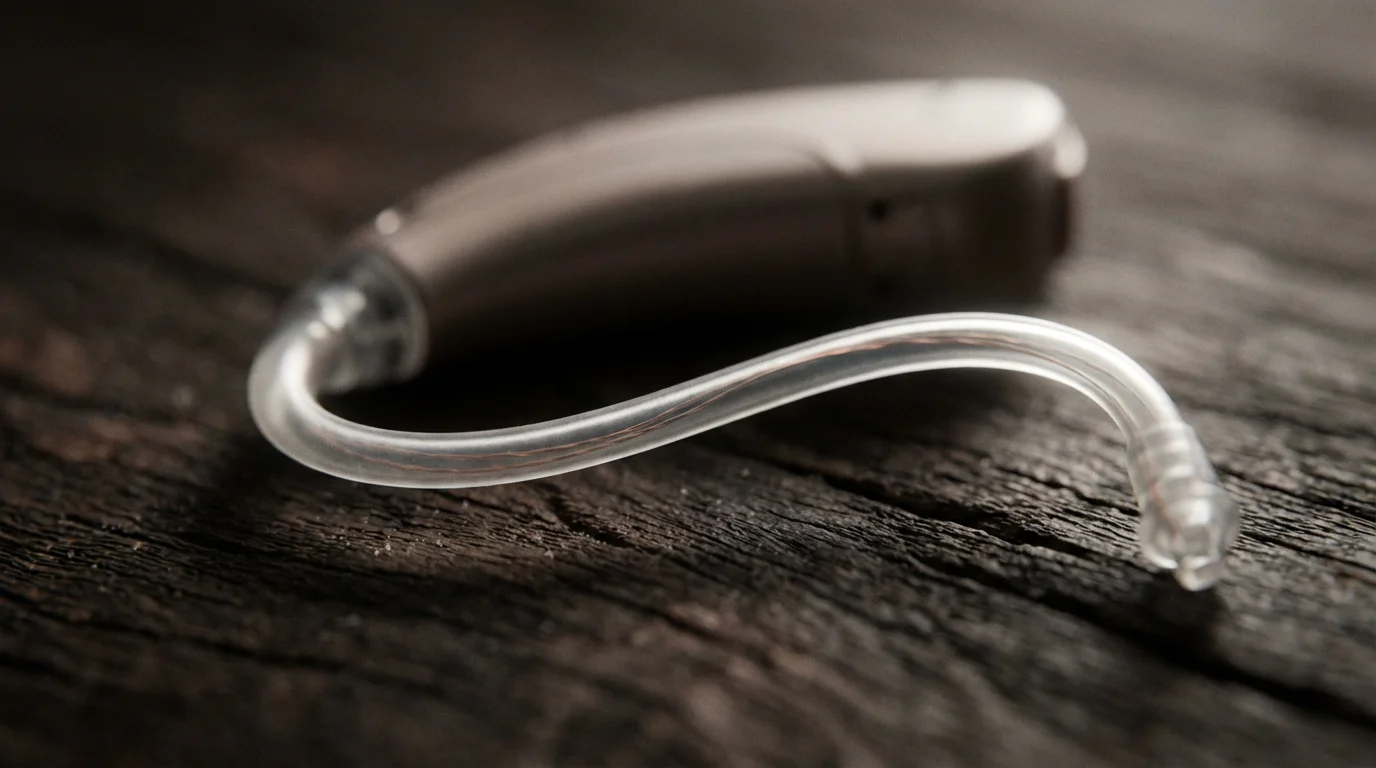
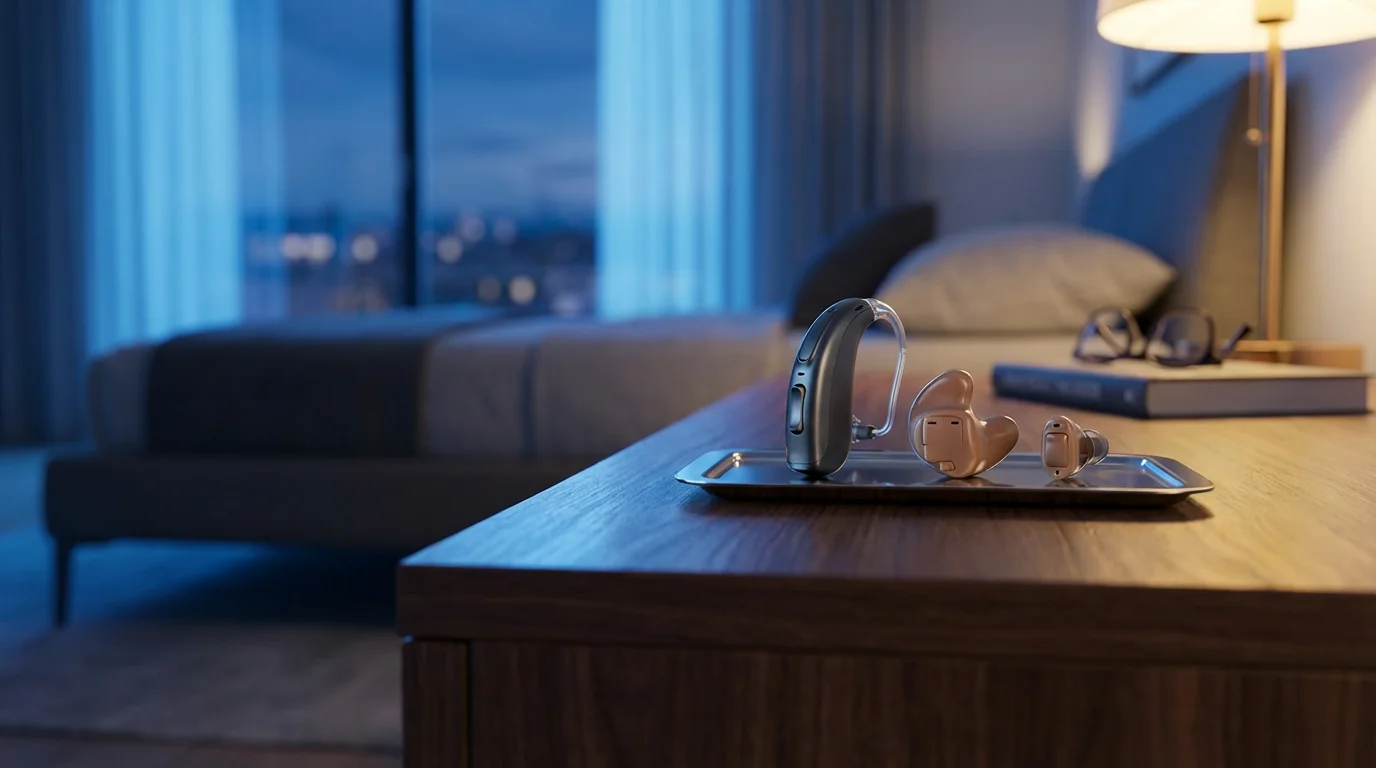
- Behind-the-Ear (BTE): These devices sit behind the ear, with a tube connecting to a custom earpiece or dome in the ear canal. BTEs are durable, powerful, and easy to handle, suitable for all types of hearing loss.
- Receiver-in-Canal (RIC) or Receiver-in-the-Ear (RITE): Similar to BTEs, but the speaker (receiver) is placed directly in the ear canal, connected by a thin wire. RICs are popular for their discreet size, comfortable fit, and excellent sound quality, suitable for mild to severe hearing loss.
- In-the-Ear (ITE): These custom-made devices fit directly into the outer ear bowl. ITEs are easy to handle and offer a longer battery life, suitable for mild to severe hearing loss.
- In-the-Canal (ITC): Custom-made to fit partly into the ear canal, making them less visible than ITEs. They are suitable for mild to moderately severe hearing loss.
- Completely-in-Canal (CIC): These are the smallest and most discreet hearing aids, fitting entirely within the ear canal. While nearly invisible, their small size can make them challenging to handle and limit battery life or features. They suit mild to moderate hearing loss.
- Over-the-Counter (OTC) Hearing Aids: Recent regulations allow for direct purchase of OTC hearing aids for adults with perceived mild to moderate hearing loss. These are typically less expensive and do not require a professional fitting. While offering accessibility, always consider a professional assessment to ensure they match your needs.
Key Features to Consider:
- Noise Reduction: Advanced processing helps filter background noise, making speech clearer in challenging environments.
- Directional Microphones: These focus on sounds coming from the front, improving speech understanding in noisy settings.
- Rechargeable Batteries: Eliminate the need for frequent battery changes, offering convenience.
- Bluetooth Connectivity: Allows direct streaming of audio from smartphones, TVs, and other devices.
- Telecoil (T-coil): Helps you hear better in public venues equipped with hearing loop systems (e.g., theaters, places of worship) and on compatible telephones.
- Remote Control/App Compatibility: Adjust settings easily from your smartphone or a separate remote.
Cost and Budgeting:
Hearing aids represent a significant investment, with costs varying widely based on technology level, features, and professional services included. A pair of new hearing aids can range from:
- Basic Models: $1,000 – $3,000 per pair. These offer fundamental amplification and may have limited noise reduction.
- Mid-Range Models: $3,000 – $5,000 per pair. These include more advanced features like better noise reduction and some connectivity options.
- Premium Models: $5,000 – $8,000+ per pair. These provide the most sophisticated technology, comprehensive noise management, full connectivity, and advanced customization.
- OTC Hearing Aids: Generally range from $200 – $1,500 per pair.
Remember that the cost often includes fitting, adjustments, and follow-up care for a period. Original Medicare does not typically cover hearing aids, but some Medicare Advantage plans may offer benefits. Investigate your insurance coverage and consider financing options or payment plans offered by clinics.
“An ounce of prevention is worth a pound of cure.”
Choosing the right hearing aid involves a collaborative process with your audiologist. They assess your hearing, discuss your lifestyle, and help you trial devices to find the best fit and performance for your individual needs. Do not rush this important decision.

Beyond Hearing Aids: Other Assistive Technologies
While hearing aids are the cornerstone of hearing loss treatment, many other assistive listening devices (ALDs) and technologies can significantly enhance your communication and safety in daily life. These tools work with or without hearing aids to address specific challenges.
Consider these valuable assistive technologies:
- Personal FM Systems: These systems consist of a microphone for the speaker and a receiver for you. They transmit sound directly, reducing background noise and improving clarity in classrooms, meetings, or noisy restaurants.
- Amplified Telephones and Cell Phone Accessories: Specially designed phones offer increased volume, clearer sound, and sometimes visual alerts for incoming calls. Some cell phones and accessories provide direct audio streaming to hearing aids or offer amplified sound for calls.
- Captioning Devices:
- CaptionCall/CapTel Phones: These phones display real-time captions of your telephone conversations, allowing you to read what the other person says. Eligibility for these services often requires a certified hearing loss.
- Live Captioning Apps: Many smartphone apps can transcribe live conversations, providing visual text in real time.
- TV Streamers: These devices wirelessly send sound from your television directly to your hearing aids or a separate headset, improving TV listening without disturbing others.
- Alerting Devices: These specialized devices use visual signals (flashing lights) or vibrating alerts to notify you of important sounds you might miss.
- Alarm Clocks: Wake you with flashing lights or a vibrating pad placed under your pillow.
- Doorbell and Phone Ringers: Flash lights or vibrate when the doorbell rings or the phone receives a call.
- Smoke and Carbon Monoxide Detectors: Offer visual alerts in addition to loud alarms, ensuring your safety in emergencies.
- Personal Sound Amplification Products (PSAPs): These electronic devices amplify sounds for non-hearing-impaired consumers in specific listening situations (e.g., bird watching). They are not medical devices and are not regulated as hearing aids, making them generally less expensive. While they can offer some amplification, they lack the sophisticated processing and customization of true hearing aids. Use them with caution and do not rely on them for diagnosed hearing loss.
Integrating these technologies into your daily routine can dramatically reduce frustration, improve your understanding, and boost your confidence in various situations. Discuss these options with your audiologist or a hearing technology specialist.

Preventing Further Hearing Damage
While age-related hearing loss is a natural process for many, you can take significant steps to prevent further damage and preserve your remaining hearing. Protecting your ears from excessive noise remains the most critical preventative measure.
Implement these strategies to safeguard your hearing health:
- Limit Exposure to Loud Noise: Prolonged or repeated exposure to sounds above 85 decibels (dB) can damage your inner ear. This level includes many everyday sounds like heavy city traffic (85 dB), motorcycles (90 dB), and live concerts (100+ dB).
- Wear Hearing Protection: Use earplugs or earmuffs when engaging in noisy activities.
- For Recreational Noise: Wear earplugs when attending concerts, sporting events, using power tools, mowing the lawn, or riding motorcycles. Foam earplugs are inexpensive and effective.
- For Occupational Noise: If your job involves loud machinery, ensure you use proper hearing protection provided by your employer.
- Lower the Volume: When listening to music through headphones or earbuds, keep the volume at a moderate level. As a rule of thumb, if others can hear your music or if you cannot hear someone speaking to you, the volume is too high.
- Take Hearing Breaks: If you are in a noisy environment, step away for a few minutes every hour to give your ears a rest.
- Be Aware of Ototoxic Medications: Certain medications can damage your hearing. Discuss potential side effects with your doctor and pharmacist, especially if you are on long-term medication. Common ototoxic drugs include some antibiotics, chemotherapy drugs, and high doses of aspirin or NSAIDs.
- Manage Chronic Health Conditions: Conditions like high blood pressure, diabetes, and heart disease can impact blood flow to the inner ear, potentially affecting hearing. Effectively managing these conditions contributes to overall senior health, including auditory health.
- Regular Hearing Check-ups: Schedule routine hearing screenings, especially if you have risk factors for hearing loss. Early detection allows for timely intervention and better outcomes. The National Institute on Aging offers valuable resources on age-related hearing loss.
Taking these preventative measures helps you enjoy good hearing for as long as possible and minimizes the progression of any existing hearing loss.

Coping Strategies and Communication Tips
Living with hearing loss requires adjustment, both for you and for those around you. Implementing effective coping strategies and improving communication techniques can significantly reduce frustration and enhance your daily interactions. These practical tips empower you to navigate conversations and stay engaged.
Tips for Individuals with Hearing Loss:
- Position Yourself Strategically:
- Face the speaker directly to utilize visual cues like lip-reading and facial expressions.
- Choose quieter environments for conversations whenever possible.
- Sit with your back to windows or bright lights to avoid glare on the speaker’s face.
- Be Assertive and Inform Others:
- Politely inform people that you have hearing loss and need them to speak clearly, not necessarily louder.
- Ask people to rephrase rather than just repeat.
- Suggest moving to a quieter spot if the environment is too noisy.
- Use Assistive Devices Consistently: Wear your hearing aids daily, even in quiet environments, to allow your brain to adapt to amplified sounds. Maximize the benefits of any other ALDs you have.
- Practice Active Listening: Focus fully on the speaker, minimize distractions, and confirm your understanding by briefly summarizing what you heard.
- Take Breaks: Listening with hearing loss can be fatiguing. Allow yourself periods of quiet to recharge, especially after demanding social situations.
Tips for Family Members and Friends:
If you are an adult child helping a parent with hearing loss, these strategies will improve your interactions:
- Get Their Attention First: Before speaking, say their name or gently touch their arm to ensure they are ready to listen.
- Face Them Directly and Maintain Eye Contact: This allows them to see your lips and facial expressions.
- Speak Clearly, Not Necessarily Louder: Enunciate your words, speak at a moderate pace, and pause between sentences. Shouting can distort sound and make it harder to understand.
- Rephrase, Don’t Just Repeat: If they do not understand, try using different words or simplifying your sentence rather than repeating the exact same phrase.
- Reduce Background Noise: Turn off the TV or radio, or move to a quieter room for important conversations.
- Be Patient: Understanding takes extra effort for someone with hearing loss. Avoid becoming frustrated, which can make them withdraw further.
- Encourage Professional Help: Gently encourage your loved one to get their hearing checked and explore treatment options. Offer to accompany them to appointments.
Effective communication is a two-way street. By employing these strategies, you foster clearer understanding, strengthen relationships, and help maintain independence and social engagement for everyone involved.
Frequently Asked Questions
How often should seniors get their hearing checked?
Experts recommend that adults over 50 have a baseline hearing screening, and then regular checks every one to three years, or sooner if you notice changes in your hearing. Early detection allows for more effective management and preserves communication abilities.
Can hearing loss affect cognitive function?
Yes, research suggests a connection between untreated hearing loss and an increased risk of cognitive decline and dementia. When your brain constantly strains to interpret sounds, it may divert resources from other cognitive processes. Addressing hearing loss can help mitigate these risks.
Are over-the-counter (OTC) hearing aids a good option?
OTC hearing aids offer a more accessible and affordable option for adults with perceived mild to moderate hearing loss. You purchase them directly without a prescription or a professional fitting. While convenient, consult with an audiologist to confirm your hearing loss level and ensure OTC devices meet your specific needs. They are not suitable for severe hearing loss.
Does Medicare cover hearing aids?
Original Medicare (Parts A and B) generally does not cover hearing aids or routine hearing exams. Some Medicare Advantage (Part C) plans may offer benefits for hearing aids, exams, and fittings. Review your specific plan’s benefits or consult with your plan administrator for coverage details.
Disclaimer: This article is for informational purposes only. Home modifications, safety equipment, and services mentioned may vary in availability and suitability for individual circumstances. For significant home modifications, consult with qualified professionals. For health-related safety concerns, consult with healthcare providers.







Leave a Reply