

Your vision plays a vital role in maintaining independence, enjoying hobbies, and navigating the world around you. As you age, your eyes undergo natural changes. These changes mean that prioritizing your Eye Health becomes increasingly important. Regular Eye Exams offer a powerful tool to protect your precious Senior Vision and detect potential issues early.
You may think your vision is fine if you can read or drive without apparent difficulty, but many serious eye conditions develop without noticeable symptoms in their early stages. A comprehensive eye exam can uncover these hidden threats, preserving your sight and quality of life.

Why Your Vision Changes with Age
Aging naturally brings various changes to your eyes and vision. The lens inside your eye can become less flexible, making it harder to focus on close-up objects, a common condition called presbyopia. This often leads to needing reading glasses or bifocals.
Maintaining your sight also allows you to enjoy the benefits of social connection, which is vital for your mental wellbeing as you age.
Vision isn’t the only sense that shifts over time; coping with hearing loss is another common aspect of aging that requires regular professional check-ups.
Other structures in your eye also change. The muscles controlling your pupils may weaken, making it more challenging for your eyes to adjust to different light levels. You might notice increased sensitivity to glare or need brighter lighting for daily tasks. These are normal parts of the aging process, but they underscore the need for vigilance in eye care.
More Than Just Glasses: What a Comprehensive Eye Exam Checks For
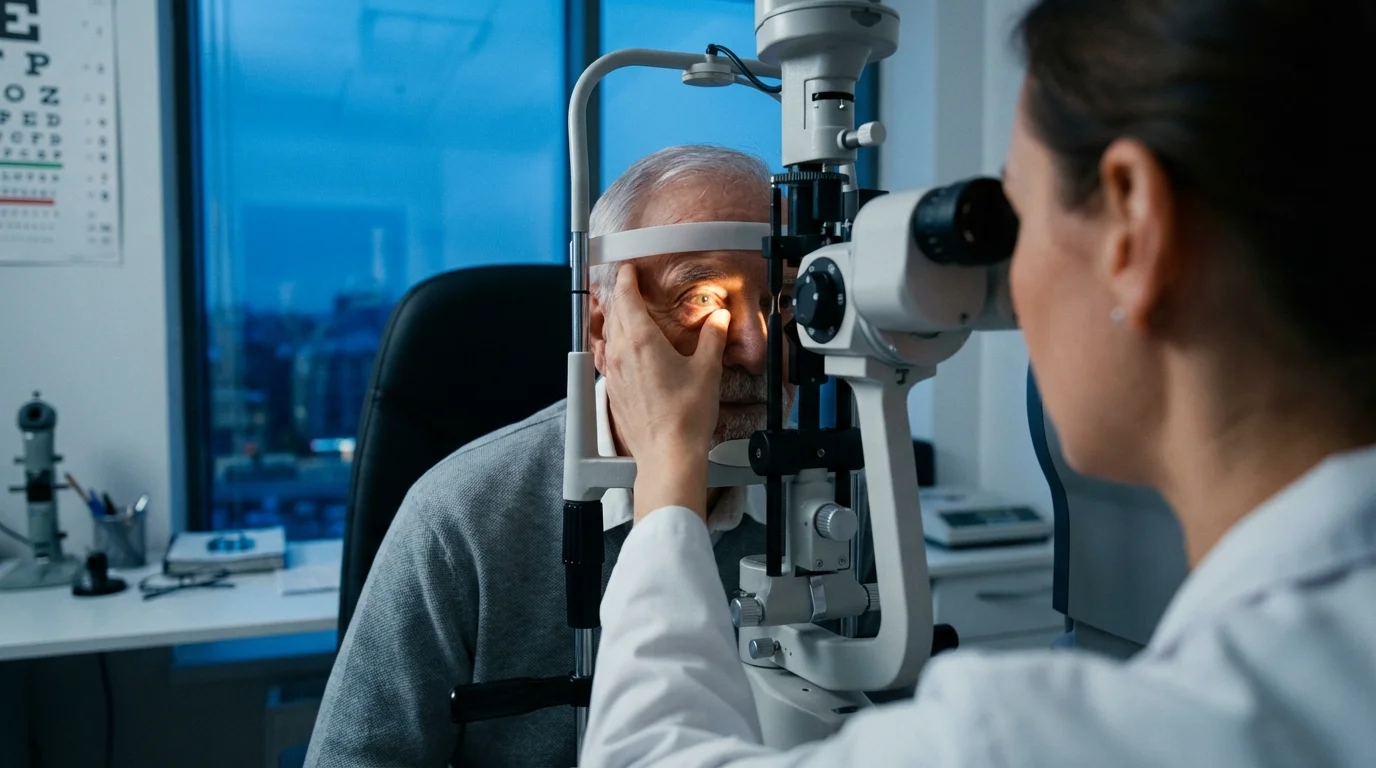
Many people associate eye exams solely with updating eyeglass prescriptions. However, a comprehensive eye exam goes far beyond determining if you need new lenses. It is a critical health screening that evaluates the overall health of your eyes, looking for signs of disease that could lead to vision loss if left untreated.
During an eye exam, your optometrist or ophthalmologist examines the various components of your eye. They check your visual acuity, eye muscle movement, peripheral vision, and the pressure within your eyes. This thorough assessment helps identify early indicators of serious conditions before you even notice symptoms.
Common Age-Related Eye Conditions
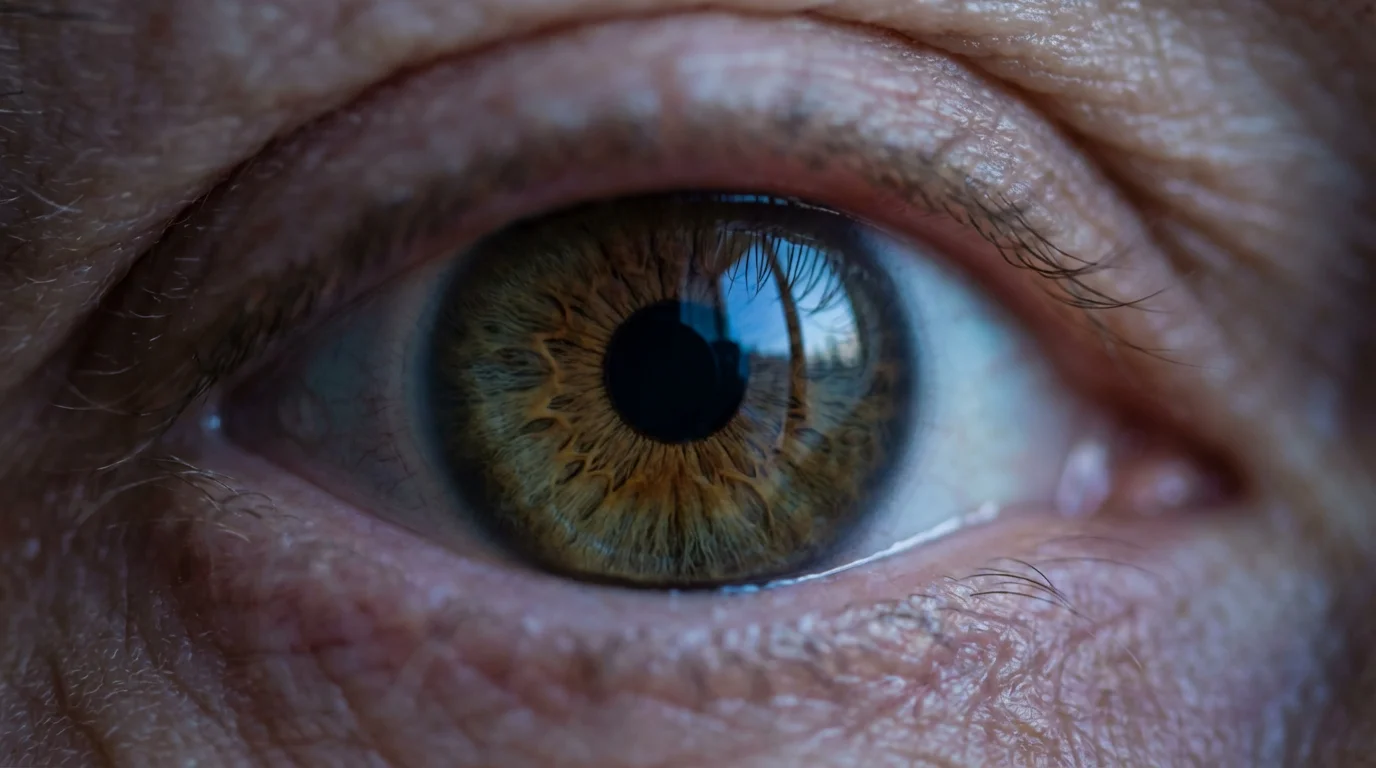
Understanding potential threats to your Senior Vision empowers you to take proactive steps. Several eye conditions become more prevalent as you age. Early detection through regular Eye Exams is crucial for effective management and preserving your sight.
Furthermore, staying properly hydrated is a simple, daily habit that can help manage the persistent irritation caused by dry eye syndrome.
To support your ocular health, consider how healthy eating on a budget can still provide the essential antioxidants needed to slow the progression of conditions like AMD.
Here are some of the most common age-related eye conditions:
- Cataracts: The clouding of the eye’s natural lens, leading to blurred vision, glare, and faded colors. Cataracts are very common among seniors and are treatable with surgery.
- Glaucoma: A group of diseases that damage the optic nerve, often due to high pressure inside the eye. It can lead to irreversible vision loss, often without early symptoms. Early detection prevents significant damage.
- Age-Related Macular Degeneration (AMD): This condition affects the macula, the part of the retina responsible for sharp, central vision. AMD can make it difficult to read, recognize faces, or see fine details.
- Diabetic Retinopathy: A complication of diabetes where high blood sugar levels damage the blood vessels in the retina. It can lead to vision loss or blindness if not managed effectively.
- Dry Eye Syndrome: Occurs when your eyes do not produce enough tears or when the tears evaporate too quickly. Symptoms include stinging, burning, redness, and a gritty feeling.
Your eye doctor monitors for these and other conditions, providing guidance on prevention and treatment options. This is precisely why are regular eye exams important for seniors.

How Often Should Seniors Have Eye Exams?
The frequency of your eye exams depends on several factors, including your age, overall health, and family history of eye conditions. Generally, healthcare professionals recommend that adults aged 60 and older have a comprehensive dilated eye exam annually. This recommendation comes from leading health organizations to ensure consistent monitoring of your Eye Health.
For individuals with existing chronic conditions such as diabetes or hypertension, or those with a family history of glaucoma or AMD, more frequent exams may be necessary. Your eye care professional determines the best schedule for your specific needs. Do not skip these appointments, even if your vision seems stable, as many serious eye diseases progress silently.
“An ounce of prevention is worth a pound of cure.”
What to Expect During Your Eye Exam
A comprehensive eye exam involves several tests to evaluate various aspects of your vision and eye health. Knowing what to expect can help ease any concerns you might have. The process is typically straightforward and non-invasive.
Here are key components of a comprehensive eye exam:
- Visual Acuity Test: You read letters on a chart to measure your vision at various distances.
- Visual Field Test: This checks your peripheral (side) vision, helping detect conditions like glaucoma or stroke-related vision loss.
- Tonometry: Measures the pressure inside your eye, a key indicator for glaucoma. This often involves a puff of air or a gentle touch with a tool.
- Pupil Dilation: Eye drops enlarge your pupils, allowing the doctor to get a clear view of the retina and optic nerve at the back of your eye. This part is crucial for detecting diseases like AMD, diabetic retinopathy, and glaucoma.
- Slit-Lamp Examination: A microscope allows the doctor to examine the front and back of your eye for any abnormalities or signs of disease.
- Ophthalmoscopy: The doctor uses a special lens to inspect the retina, optic nerve, and blood vessels at the back of your eye.
These tests provide a thorough assessment of your Senior Vision, offering peace of mind or early intervention if needed.

Preparing for Your Eye Exam
A little preparation ensures you get the most out of your appointment. Taking these steps helps your eye doctor provide the most accurate assessment of your Eye Health.
- Gather Your Information: Bring a list of all medications you currently take, including dosages, and any supplements. Include your medical history and family history of eye conditions.
- Update Your Symptoms: Note any changes in your vision or any eye-related concerns you have experienced since your last visit. This includes blurred vision, dry eyes, floaters, or light sensitivity.
- Bring Your Eyewear: Take all your current glasses, including reading glasses and sunglasses, and contact lenses if you wear them.
- Arrange for Transportation: If your pupils will be dilated, your vision will be blurry and light-sensitive for several hours. You will need someone to drive you home.
- Prepare Questions: Write down any questions you have for your eye doctor beforehand. This ensures you remember everything you want to ask.

Understanding Your Vision Benefits: Medicare and Beyond
Navigating healthcare coverage for eye care can feel complex, especially with Medicare. Original Medicare (Parts A and B) generally does not cover routine eye exams for eyeglasses or contact lenses. However, it does cover medically necessary eye care. This includes diagnostic tests and treatment for eye diseases and conditions like glaucoma, cataracts, and diabetic retinopathy. Medicare Part B covers these services.
Additionally, many patients look for ways to save on prescription costs when managing chronic eye conditions that require daily medications.
If you are considering changing your health coverage, it is helpful to review your options during the Medicare Open Enrollment Period.
For routine vision care, you might consider enrolling in a Medicare Advantage Plan (Part C). These plans, offered by private insurance companies approved by Medicare, often include benefits like routine eye exams, eyeglasses, and contact lenses. You can explore these options and compare plans on Medicare.gov to find coverage that fits your needs.
Other options for vision coverage include employer-sponsored retiree plans or standalone vision insurance policies. Understand your plan’s specific benefits and coverage limits before your appointment. This preparation helps you avoid unexpected costs for your Eye Exams.

Protecting Your Vision Between Exams
While regular Eye Exams are paramount, you can also take daily steps to safeguard your Eye Health. These proactive measures complement your professional eye care and contribute to overall wellness. The National Institute on Aging offers excellent resources on maintaining eye health.
For non-urgent questions about minor eye symptoms, you might consider the benefits of telehealth to connect with your specialist quickly.
Here are practical tips for protecting your vision:
- Eat an Eye-Healthy Diet: Consume foods rich in antioxidants, omega-3 fatty acids, and vitamins C and E. Include leafy green vegetables, colorful fruits, fish like salmon, and nuts.
- Wear UV-Protective Sunglasses: Protect your eyes from harmful ultraviolet (UV) rays, which contribute to cataracts and macular degeneration. Choose sunglasses that block 99% or 100% of UVA and UVB radiation.
- Manage Chronic Conditions: Effectively control conditions like diabetes and high blood pressure, as they significantly impact eye health. Work with your doctor to keep these conditions in check.
- Quit Smoking: Smoking dramatically increases your risk for cataracts, macular degeneration, and optic nerve damage. Quitting is one of the best things you can do for your eye health.
- Maintain a Healthy Weight: Obesity increases the risk of developing diabetes and other systemic diseases that can lead to vision problems.
- Give Your Eyes a Rest: If you spend a lot of time on computers or reading, follow the 20-20-20 rule: every 20 minutes, look away from your screen at an object 20 feet away for at least 20 seconds.
- Practice Good Hygiene: Wash your hands thoroughly before touching your eyes or handling contact lenses to prevent infections.
These habits empower you to actively participate in maintaining your vision long-term.
When to Seek Urgent Eye Care
While routine eye exams handle preventive care, certain symptoms require immediate medical attention. Do not delay seeing an eye care professional if you experience any of these sudden changes. Prompt treatment often prevents permanent vision loss.
Preserving your sight is a critical component of your personal safety and home security.
- Sudden vision loss in one or both eyes
- Sudden onset of flashes of light, new floaters, or a “curtain” over your vision
- Sudden severe eye pain
- Redness in the eye accompanied by pain or changes in vision
- Double vision
- Any injury to the eye
- Sudden onset of light sensitivity
If you experience any of these symptoms, contact your eye doctor or seek emergency medical care immediately. Do not wait for your next scheduled Eye Exam.
Frequently Asked Questions
Why are regular eye exams important for seniors?
Regular eye exams are crucial for seniors because many serious eye conditions, such as glaucoma, cataracts, and age-related macular degeneration, often develop without early symptoms. Catching these conditions early allows for timely treatment, which can prevent irreversible vision loss and protect your quality of life. An eye exam does more than check for new glasses, it provides a comprehensive health check for your eyes.
How often should seniors have eye exams?
Healthcare professionals generally recommend that adults aged 60 and older undergo a comprehensive dilated eye exam annually. If you have chronic health conditions like diabetes or high blood pressure, or a family history of specific eye diseases, your eye doctor may advise more frequent examinations. Always follow your eye care professional’s personalized recommendations.
Does Medicare cover routine eye exams?
Original Medicare (Parts A and B) typically does not cover routine eye exams for eyeglasses or contact lenses. However, it does cover medically necessary eye care, including diagnostic tests and treatment for eye diseases like glaucoma, cataracts, and diabetic retinopathy. Many Medicare Advantage Plans (Part C) include benefits for routine eye exams, eyeglasses, and contacts. Review your specific plan details or visit Medicare.gov for more information.
What are the warning signs of a serious eye problem in seniors?
Warning signs of a serious eye problem include sudden vision loss, flashes of light, new or increased floaters, a “curtain” or shadow over your vision, sudden severe eye pain, double vision, or any injury to the eye. If you experience any of these symptoms, seek immediate medical attention from an eye care professional.
What can I do to protect my vision daily?
Protecting your vision daily involves several proactive steps. Eat an eye-healthy diet rich in leafy greens and omega-3s, wear UV-protective sunglasses outdoors, manage chronic conditions like diabetes and high blood pressure, and quit smoking. Also, give your eyes regular breaks during screen time and practice good eye hygiene. These habits significantly support your long-term eye health.
Disclaimer: This article is for informational purposes only and does not constitute medical advice. The information provided is not intended to diagnose, treat, cure, or prevent any disease. Always consult with your healthcare provider before making any changes to your diet, exercise routine, medications, or health regimen. If you’re experiencing a medical emergency, call 911 immediately.








Leave a Reply