

Staying active is vital for your health and well-being, especially as you age. Even with limited mobility, you possess many ways to engage in beneficial physical activity. You do not need to let physical limitations prevent you from enjoying the numerous advantages of regular movement. This article provides practical, actionable insights and adaptable exercise options designed to help you maintain strength, flexibility, and independence.
To support your fitness goals, it is also helpful to pair movement with healthy eating habits that provide the nutrients needed for muscle repair and energy.

Understanding Limited Mobility and Its Impact
Limited mobility refers to any restriction in your ability to move freely and easily. This can stem from various factors commonly experienced by seniors. Conditions like arthritis, osteoporosis, joint pain, muscle weakness, or neurological disorders frequently contribute to movement challenges. Understanding the root cause of your limitations helps you choose the most appropriate and safe exercise routines.
Living with limited mobility can significantly impact your daily life. It often leads to reduced independence, increased risk of falls, and a decline in overall physical and mental health. The National Institute on Aging (NIA) emphasizes the importance of physical activity for older adults, even those with health conditions. Regular movement prevents further decline, maintains functional abilities, and improves your quality of life.
Benefits of Staying Active with Limited Mobility
Engaging in regular physical activity, even modified exercises, offers profound benefits. You strengthen muscles, improve joint flexibility, and enhance cardiovascular health. These improvements contribute directly to your ability to perform daily tasks with greater ease and less pain. Physical activity also helps manage chronic conditions like diabetes, heart disease, and high blood pressure.
Many find that hobbies such as senior-friendly gardening provide a natural way to incorporate gentle movement and flexibility into your week.
If discomfort is a barrier to your movement, exploring strategies to manage chronic pain can help make these exercises more accessible and enjoyable.
Beyond the physical, exercise significantly boosts your mental and emotional well-being. It reduces symptoms of depression and anxiety, improves cognitive function, and enhances your mood. Many seniors also find that staying active fosters social connections, especially when participating in group fitness classes. A consistent exercise routine builds confidence and fosters a sense of accomplishment, empowering you to take charge of your health. The Centers for Disease Control and Prevention (CDC) provides extensive resources on healthy aging, highlighting how physical activity improves balance and reduces fall risk for older adults.

Getting Started Safely: Key Considerations
Prioritizing safety is paramount when you begin or modify an exercise program, especially with limited mobility. Always consult your doctor before starting any new fitness routine. Your healthcare provider can assess your current health, identify any specific limitations or risks, and recommend appropriate activities. They may also suggest working with a physical therapist to learn proper form and receive personalized exercise plans.
For those who need extra stability to begin, choosing the right walking aid can help you navigate your exercise space safely.
Listen to your body during exercise. It communicates when you are pushing too hard. Stop immediately if you experience sharp pain, dizziness, chest pain, or severe shortness of breath. Hydration is also crucial; drink water before, during, and after your workouts. Ensure your exercise environment is safe, clear of obstacles, and offers stable support if needed.
- Consult your doctor: Obtain medical clearance before starting new exercises.
- Start slowly: Begin with short durations and low intensity, gradually increasing as you gain strength.
- Listen to your body: Pay attention to pain or discomfort and stop if necessary.
- Hydrate: Drink water before, during, and after your activity.
- Wear appropriate footwear: Choose supportive, non-slip shoes.
- Use proper form: Incorrect form can lead to injury. Consider a physical therapist for guidance.
- Exercise in a safe environment: Ensure good lighting and clear pathways.
Chair Exercises: Your Foundation for Movement
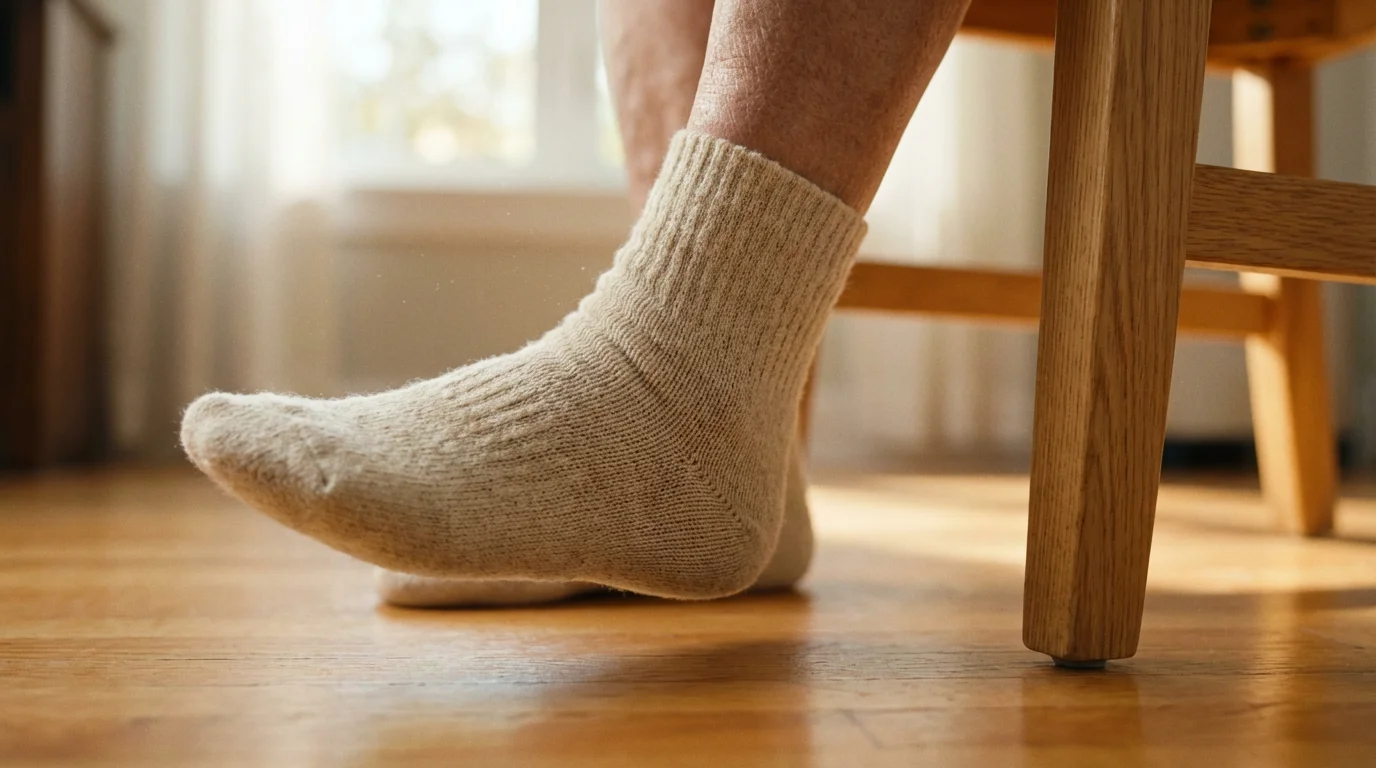
Chair exercises offer an excellent starting point for seniors with limited mobility or those seeking low-impact options. These routines allow you to perform movements while seated, minimizing stress on joints and reducing fall risk. Many of the best chair exercises for seniors effectively target major muscle groups, improving strength, flexibility, and circulation. You can use a sturdy chair without arms for most exercises to allow for a full range of motion.
Upper Body Chair Exercises
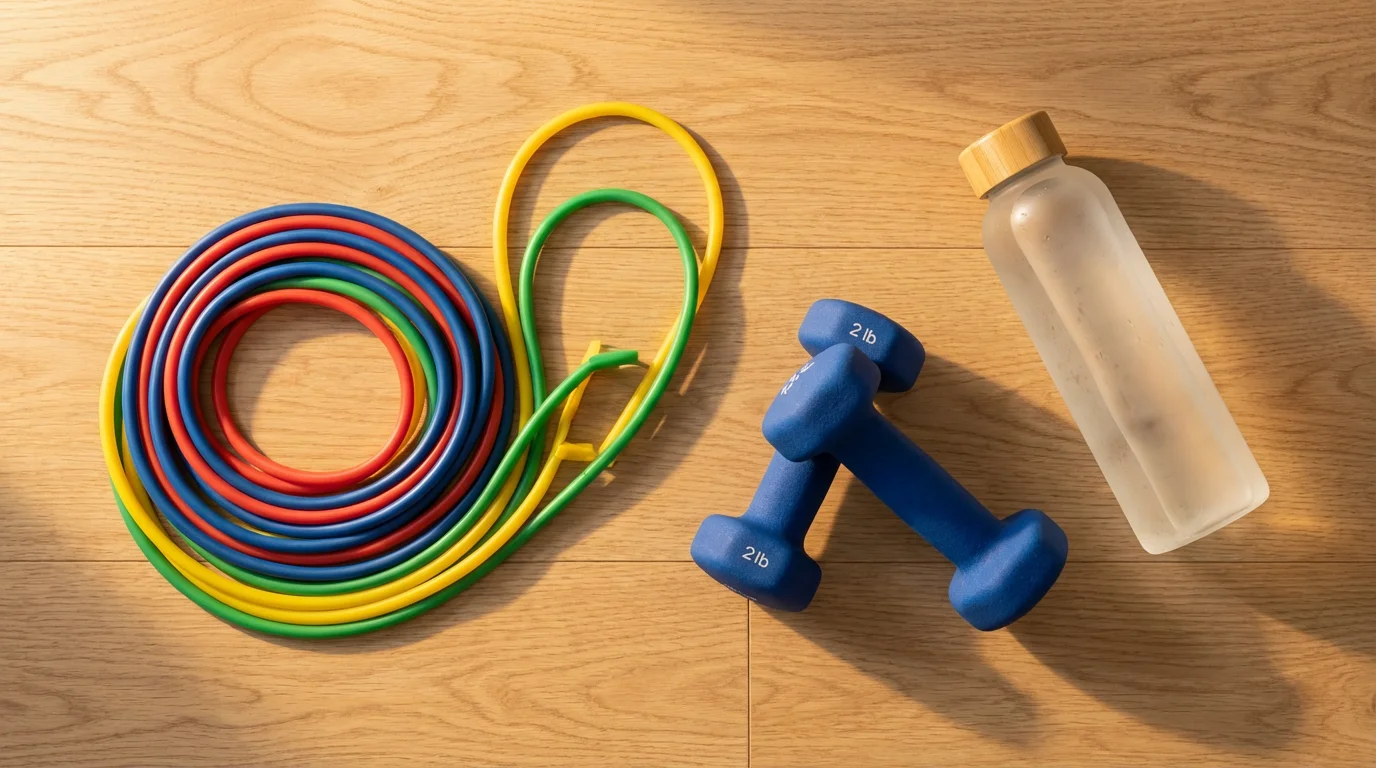
These exercises help strengthen your arms, shoulders, and back muscles. You can use light hand weights, resistance bands, or even water bottles for added challenge.
- Bicep Curls: Sit tall, feet flat. Hold weights with palms facing up. Slowly bend elbows, bringing weights towards shoulders. Lower with control. Perform 8-12 repetitions.
- Overhead Press: Sit tall, feet flat. Hold weights at shoulder height, palms forward. Slowly press weights straight up until arms are extended but not locked. Lower slowly. Perform 8-12 repetitions.
- Arm Raises: Sit tall. Extend arms straight out to the sides, parallel to the floor, or raise them slowly in front of you. Lower with control. Perform 8-12 repetitions.
- Shoulder Rolls: Sit tall. Roll your shoulders forward in a circular motion, then backward. This releases tension. Perform 10-15 repetitions in each direction.
- Chest Squeeze: Sit tall. Bring palms together in front of your chest, pressing firmly. Hold for 5-10 seconds, then release. This activates chest muscles. Repeat 5-8 times.
Lower Body Chair Exercises
Strengthening your legs and glutes improves stability and makes walking and standing easier. These movements can also enhance circulation in your lower extremities.
- Knee Extensions: Sit tall, feet flat. Slowly extend one leg straight out in front of you, flexing your quad muscle. Hold briefly, then slowly lower. Alternate legs. Perform 8-12 repetitions per leg.
- Ankle Rotations: Sit with feet off the floor if possible, or perform with heels on the floor. Rotate your ankles in circles, both clockwise and counterclockwise. Perform 10-15 repetitions per ankle.
- Heel Raises: Sit tall, feet flat. Lift your heels off the floor, keeping toes down. Hold, then lower. This strengthens calf muscles. Perform 10-15 repetitions.
- Toe Taps: Sit tall, feet flat. Lift your toes off the floor, keeping heels down. Hold, then lower. This strengthens shin muscles. Perform 10-15 repetitions.
- Marching in Place: Sit tall. Lift one knee towards your chest, then lower. Alternate legs, simulating a march. Continue for 30-60 seconds. This improves circulation and leg strength.
Core and Flexibility Chair Exercises
A strong core supports your spine and improves balance. Flexibility exercises enhance range of motion and reduce stiffness.
- Seated Torso Twists: Sit tall, feet flat. Gently twist your upper body to one side, using your core. Hold briefly, then return to center and twist to the other side. Perform 5-8 repetitions per side.
- Side Bends: Sit tall. Lean gently to one side, reaching your hand towards the floor, then return to center. Alternate sides. Feel the stretch along your side. Perform 5-8 repetitions per side.
- Neck Tilts: Slowly tilt your head to bring your ear towards your shoulder. Hold gently, then return to center and tilt to the other side. Perform 3-5 repetitions per side.
- Seated Cat-Cow: Place hands on knees. For “cat,” round your back, tuck your chin, and pull your belly button towards your spine. For “cow,” arch your back, lift your chest, and look slightly up. Alternate slowly. Perform 5-8 repetitions.
Adaptive Standing and Support Exercises
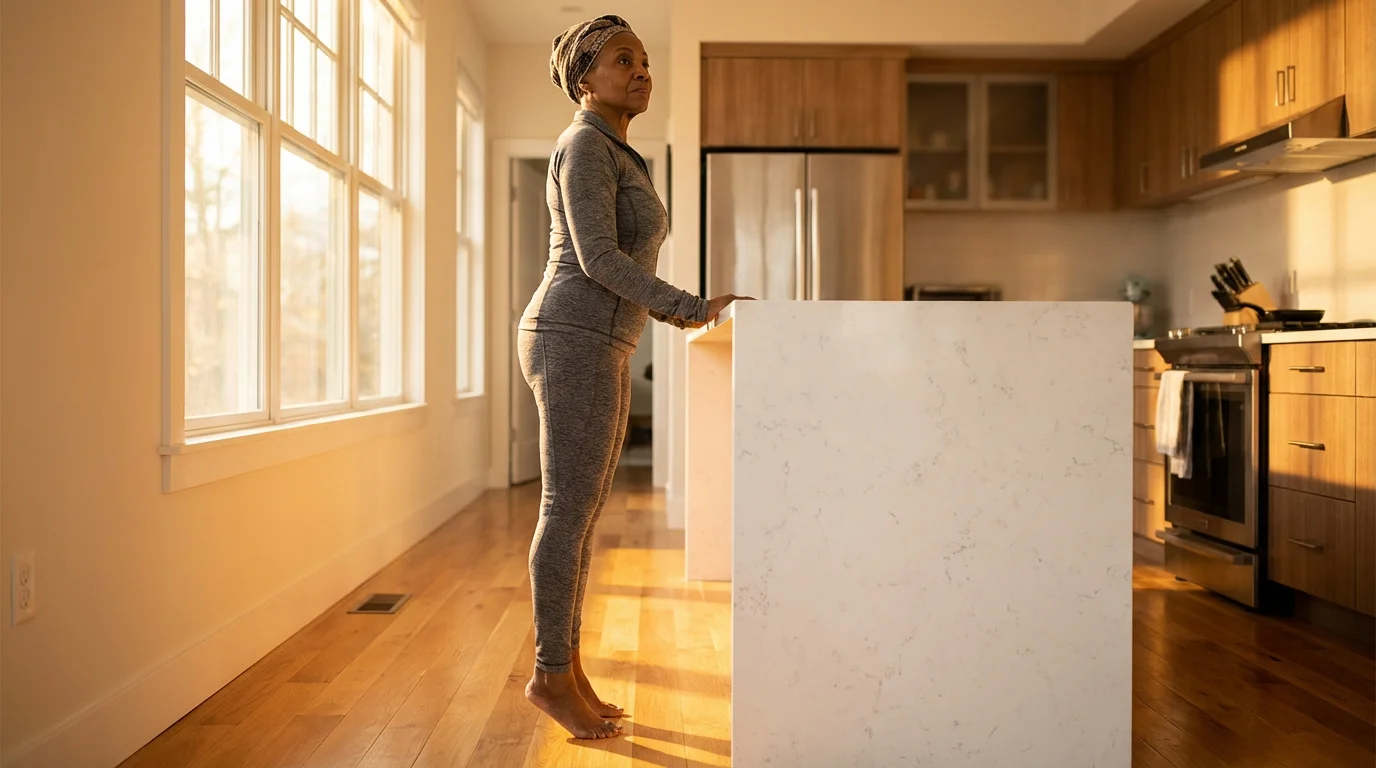
If you can stand with assistance or use a sturdy object for support, incorporating standing exercises significantly enhances your senior fitness routine. These movements build strength and improve balance, which directly reduces your risk of falls. Always use a stable support like a kitchen counter, a sturdy chair back, or a grab bar. Ensure your footwear provides good grip.
- Assisted Squats: Stand facing a counter or sturdy chair, holding on for support. Slowly bend your knees as if sitting back into a chair, keeping your back straight. Lower as far as comfortable, then slowly stand back up. Perform 8-12 repetitions.
- Wall Push-ups: Stand an arm’s length from a wall, placing hands shoulder-width apart on the wall. Lean towards the wall, bending your elbows, then push back until arms are straight. This strengthens your chest and arms. Perform 8-12 repetitions.
- Leg Swings (Forward and Backward): Stand holding onto support. Gently swing one leg forward and backward, keeping your core stable and hip open. Keep the swing controlled. Perform 10-15 repetitions per leg.
- Leg Swings (Side-to-Side): Stand holding onto support. Gently swing one leg out to the side and then across your body, maintaining balance. Keep the movement controlled. Perform 10-15 repetitions per leg.
- Calf Raises: Stand holding onto support. Slowly lift yourself onto the balls of your feet, raising your heels. Hold briefly, then lower with control. This strengthens calf muscles. Perform 10-15 repetitions.

Low-Impact Aerobics for Limited Mobility
Aerobic exercise strengthens your heart and lungs, improves stamina, and helps manage your weight. When you have limited mobility, low-impact options are crucial. They provide cardiovascular benefits without putting excessive stress on your joints. Finding how seniors can exercise with limited mobility often involves creative adaptations of traditional activities.
For those with a bit more stamina, senior-friendly hiking on flat, well-maintained paths is another excellent low-impact aerobic option.
- Seated Marching or “Cycling”: While seated, lift your knees alternately as if marching, or make circular motions with your feet as if pedaling a bicycle. This elevates your heart rate and improves circulation. Continue for 5-10 minutes, gradually increasing duration.
- Water Walking or Aerobics: The buoyancy of water reduces body weight, making movement easier and less painful for joints. Many community centers and gyms offer senior water aerobics classes. The resistance of the water also helps build strength.
- Chair Aerobics Videos: Numerous online resources offer guided chair aerobics classes. These videos provide structured routines that vary in intensity, allowing you to follow along at your own pace.
- Gentle Walking (with aids if needed): If you can walk, even for short distances, use a walker or cane for stability. Start with short durations, such as 5-10 minutes, and gradually increase your distance and time. Walking outdoors or indoors on a treadmill (with support) offers excellent cardiovascular benefits.
Flexibility and Balance Activities
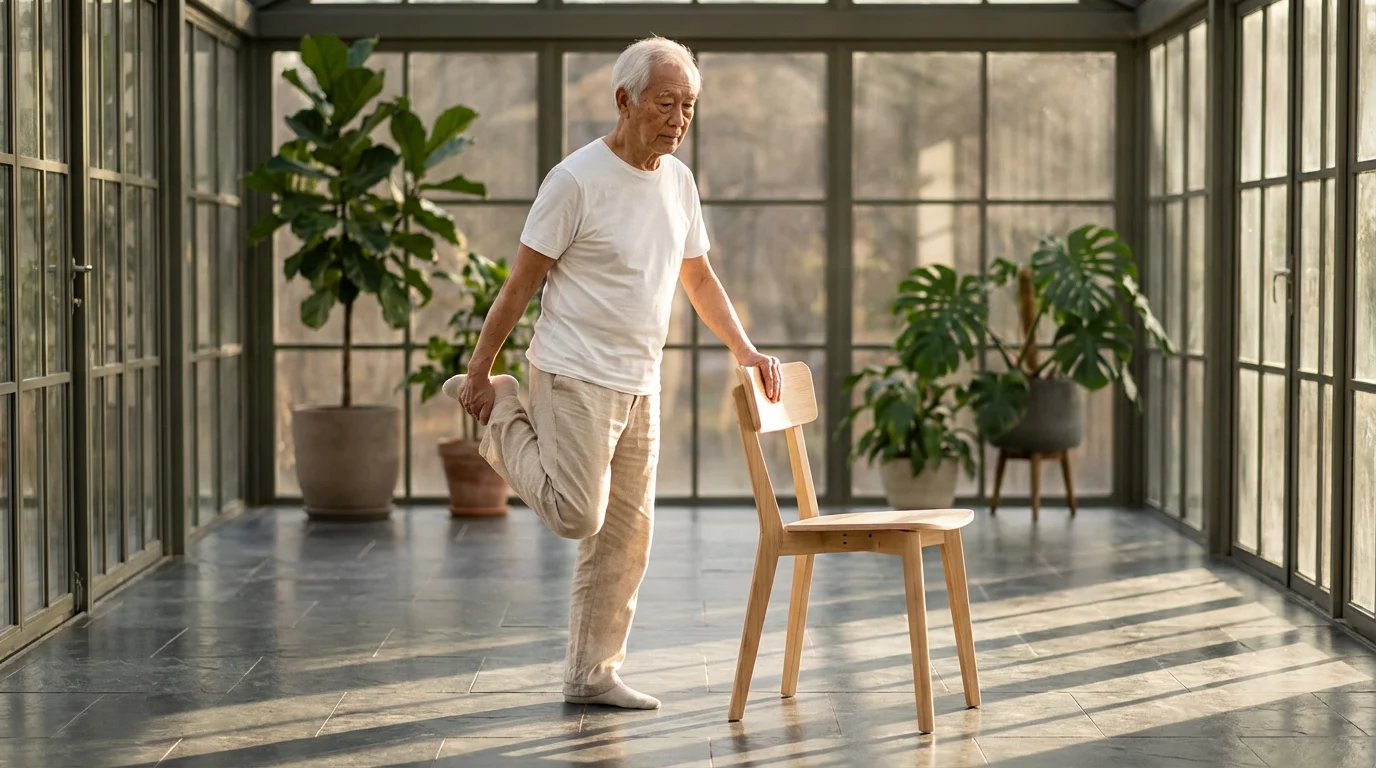
Improving flexibility enhances your range of motion and reduces muscle stiffness. Balance training, often overlooked, directly addresses fall prevention, a major concern for individuals with limited mobility. Incorporate these movements into your routine several times a week.
Stretching Exercises (Seated or Supported)
Hold each stretch for 15-30 seconds, breathing deeply. Do not bounce or stretch into pain.
- Hamstring Stretch: Sit at the edge of your chair. Extend one leg straight out with your heel on the floor and toes pointing up. Lean forward gently from your hips until you feel a stretch in the back of your thigh. Keep your back straight.
- Triceps Stretch: Sit tall. Raise one arm overhead, bend your elbow, and let your hand fall behind your head. Use your other hand to gently push the elbow of the stretched arm further back.
- Figure-Four Stretch (Seated): Sit tall. Cross one ankle over the opposite knee. Gently press down on the crossed knee while keeping your back straight, feeling the stretch in your hip and glute.
- Side Neck Stretch: Sit tall. Gently tilt your head to one side, bringing your ear towards your shoulder. Use your hand to lightly assist the stretch if comfortable. Repeat on the other side.
Balance Training (with support)
Always have a sturdy chair, wall, or counter nearby for support.
- Standing on One Leg (Assisted): Hold onto a support. Slowly lift one foot off the ground, balancing on the other leg. Hold for 5-10 seconds, then switch legs. Gradually increase hold time as your balance improves.
- Heel-to-Toe Walk (Assisted): Hold onto a support. Place the heel of one foot directly in front of the toes of the other foot, as if walking on a tightrope. Take small, controlled steps.
- Tai Chi or Gentle Yoga: These practices combine slow, deliberate movements with deep breathing and mindfulness. They significantly improve balance, flexibility, and coordination. Many senior centers and community programs offer adaptive classes.

Integrating Activity into Your Daily Routine
Making exercise a consistent habit involves more than just scheduled workouts. Look for opportunities to move throughout your day. Even small bursts of activity accumulate and contribute to your overall health. These simple changes help improve your senior fitness level.
- Take “Movement Breaks”: If you sit for long periods, set a timer to stand up, stretch, or do a few chair exercises every hour.
- Incorporate Activity into Chores: March in place while doing dishes, do calf raises while waiting for the kettle to boil, or stretch while folding laundry.
- Use the Stairs (if safe): If you have stairs and can navigate them safely with assistance, use them instead of an elevator when possible.
- Garden or Yard Work (adapted): Use tools with long handles, kneel on a pad, or do seated gardening to enjoy light physical activity outdoors.
- Walk While Talking: If you are on the phone, walk around your home or do some seated marching.
- Park Further Away: When driving, park a little further from the entrance to increase your walking distance, ensuring a safe, level path.

When to Consult Your Healthcare Provider
While staying active is highly beneficial, you must recognize when to seek professional medical advice. Your healthcare provider guides your exercise journey, especially with limited mobility. Promptly contact your doctor if you experience any of the following symptoms during or after physical activity:
- New or worsening pain: Especially joint pain, muscle pain that doesn’t subside, or chest pain.
- Dizziness or lightheadedness: These can indicate underlying issues or overexertion.
- Unusual shortness of breath: Beyond typical exercise-induced breathing changes.
- Swelling or numbness: In any limbs or joints.
- Changes in gait or balance: A noticeable decline in your ability to walk or maintain balance.
- Persistent fatigue: Feeling unusually tired even after adequate rest.
- Any new symptoms that concern you: Trust your instincts about your body.
Regular check-ups with your doctor ensure your exercise plan remains appropriate for your evolving health needs. They can also connect you with specialists, such as physical therapists, who provide tailored guidance for your specific mobility challenges. Medicare.gov offers resources to help you understand your coverage for physical therapy and other rehabilitative services.
Frequently Asked Questions
What types of exercise are best for seniors with very limited mobility?
For seniors with very limited mobility, chair exercises are often the best starting point. These include seated arm raises, bicep curls, knee extensions, and ankle rotations. Water aerobics can also be highly beneficial as the buoyancy of water reduces stress on joints. Gentle stretches and breathing exercises performed while seated also maintain flexibility and promote relaxation.
How often should seniors with limited mobility exercise?
You should aim for at least 150 minutes of moderate-intensity aerobic activity per week, along with muscle-strengthening activities two or more days a week, as recommended by the CDC. For those with limited mobility, this can be broken down into shorter, more frequent sessions, such as 10-15 minutes multiple times a day. Consistency is more important than intensity initially.
Can chair exercises really improve my strength and balance?
Yes, absolutely. Regular chair exercises build muscle strength, particularly in your arms, legs, and core. Strengthening these muscles directly contributes to improved balance and stability, making daily movements safer and easier. For instance, seated knee extensions strengthen your quadriceps, essential for standing and walking. Incorporating core twists while seated also enhances trunk stability, which is vital for balance.
What if I experience pain during exercise?
You should stop the exercise immediately if you feel sharp or increasing pain. Discomfort is normal when muscles are working, but sharp pain indicates a potential problem. Rest and apply ice if needed. Consult your healthcare provider before continuing your exercise routine if the pain persists or worsens. They can assess the cause and recommend safe modifications or alternative activities.
Are there any specific exercises to avoid with limited mobility?
Avoid exercises that put excessive strain on compromised joints, involve rapid changes in direction, or have a high risk of falls. High-impact activities like running or jumping should generally be avoided. You should also avoid movements that cause pain. Always prioritize exercises that can be performed safely and comfortably, ideally under the guidance of a physical therapist or healthcare professional who understands your specific limitations.
Where can I find adaptive exercise classes for seniors?
Many community centers, senior centers, YMCAs, and local gyms offer adaptive exercise classes specifically for seniors, including chair yoga, water aerobics, and balance classes. Online platforms and streaming services also provide numerous guided workout videos tailored for individuals with limited mobility. Your healthcare provider or physical therapist may also recommend local resources or specialized programs.
Staying active with limited mobility is entirely achievable and immensely rewarding. By adopting an adaptive approach to exercise, you maintain your physical and mental health, enhance your independence, and improve your overall quality of life. Start small, stay consistent, and always prioritize your safety by consulting your healthcare provider.
Disclaimer: This article is for informational purposes only and does not constitute medical advice. The information provided is not intended to diagnose, treat, cure, or prevent any disease. Always consult with your healthcare provider before making any changes to your diet, exercise routine, medications, or health regimen. If you’re experiencing a medical emergency, call 911 immediately.









Leave a Reply