
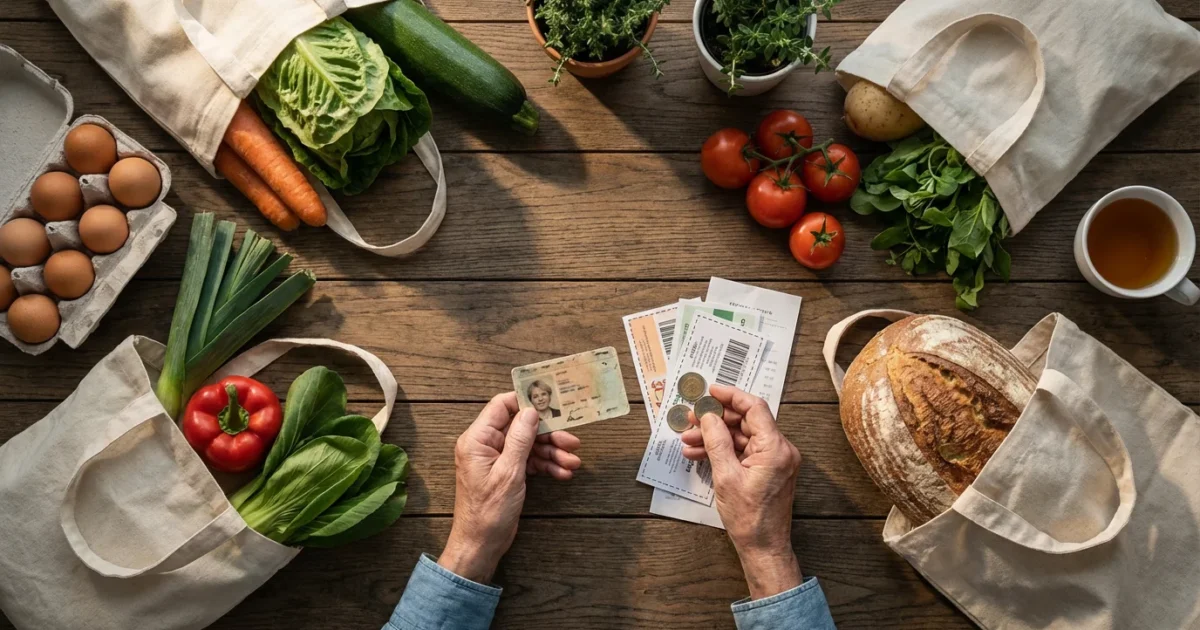
Saving money on groceries significantly impacts your monthly budget, especially when you live on a fixed income. Many seniors overlook the valuable discounts available to them right at their local supermarket. By strategically using these offers and combining them with smart shopping habits, you can stretch your food budget further and keep more money in your pocket. This guide reveals how to uncover and maximize senior discounts at grocery stores, providing practical steps to reduce your food expenses immediately.
In addition to daily expenses, exploring homeowners insurance discounts can provide substantial yearly savings for your household.
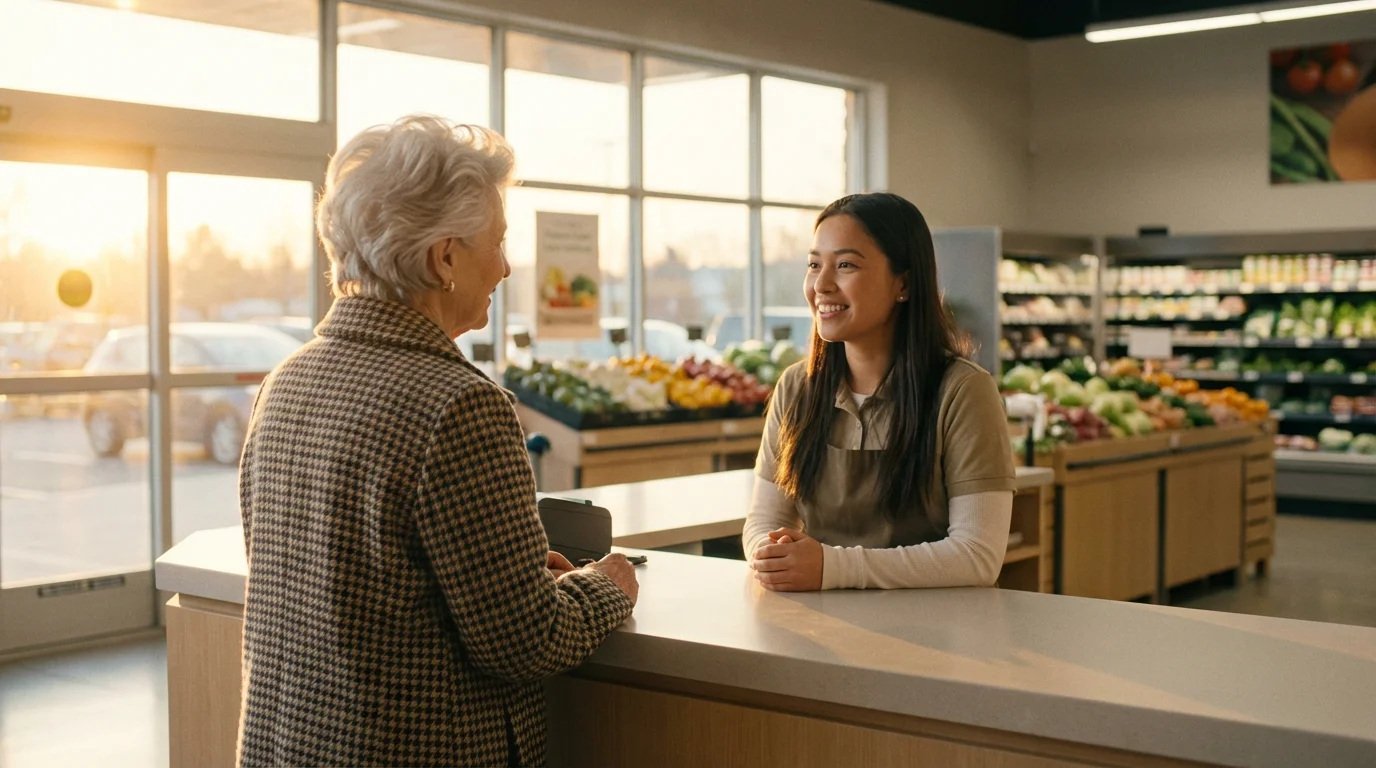
Uncovering Senior Grocery Discounts: Your First Steps
Many grocery stores offer specific discounts for senior shoppers, but these often go unadvertised. Stores rely on you asking about them. Taking the initiative to inquire directly is your most effective strategy for finding these savings. You might discover an immediate reduction in your grocery bill just by asking.
If you are looking for even larger ways to reduce your overhead, you might also qualify to lower your property taxes through local senior exemptions.
Here are the primary ways to find out about senior discounts at your preferred grocery stores:
- Ask Directly at Customer Service: Approach the customer service desk at your local supermarket. Politely ask if they offer a senior discount, what the eligibility requirements are, and on which days it applies. Store employees are the best source for current and accurate information.
- Look for Store Signage: While less common, some stores may post small signs near the entrance, at the customer service desk, or in weekly flyers advertising senior discount days. Keep an eye out for these notices during your shopping trips.
- Check Store Websites and Weekly Ads: Visit the website of your favorite grocery store chains. Many sites feature a “specials” or “discounts” section. Also, review their weekly digital or printed flyers; senior discounts sometimes appear there.
- Join Loyalty Programs: Enroll in any available loyalty or rewards programs offered by the grocery store. Even if a direct senior discount is not available, these programs often provide personalized coupons and savings based on your shopping habits.
Remember, policies vary significantly by chain and even by individual store location. A store in one town might offer a 10% senior discount on Tuesdays, while another location of the same chain might not offer one at all. Always confirm the details with your local store.

How Senior Discounts Work at Grocery Stores
Senior discounts typically come in a few common forms, each with specific requirements. Understanding these mechanics helps you plan your shopping trips effectively and ensures you receive the intended savings. These discounts aim to make your food budget more manageable.
While optimizing your grocery spending, consider checking your eligibility for Medicare savings programs to further ease your financial burden.
While you are optimizing your food budget, you can also apply similar strategies to save on prescription costs to lower your overall health expenses.
Common types of senior grocery discounts include:
- Percentage Off Your Total Bill: This is the most prevalent type. Many stores offer a fixed percentage off your entire purchase on specific days. For example, you might receive 5% or 10% off your bill every Tuesday. If your typical grocery bill is $100, a 10% discount saves you $10 instantly.
- Fixed Dollar Amount Off: Less common, some stores may offer a set dollar amount off your total purchase if it meets a certain threshold. For instance, you could get $5 off a purchase of $50 or more.
- Discounts on Specific Items or Departments: Some grocery stores might offer senior discounts on particular categories, such as produce, bakery items, or non-perishable goods. This type of discount encourages you to explore different store sections for savings.
- Double Discount Days: A few stores might offer a senior discount in addition to other promotions on certain days, effectively giving you double savings. This makes strategic shopping even more rewarding.
Eligibility for senior discounts almost always requires you to be a certain age, commonly 55, 60, or 65 years old. You will usually need to show a valid photo ID, such as a driver’s license, at checkout to verify your age. Make sure to have your ID ready to ensure a smooth transaction and claim your discount without delay.

Maximizing Your Senior Grocery Savings
Simply knowing about senior discounts is a good start, but actively using them requires strategic planning. You can significantly reduce your food expenses by combining these discounts with smart shopping behaviors. Every dollar saved on groceries frees up funds for other important needs or for your savings.
Saving money on essentials like food can free up more of your budget for leisure activities and travel discounts.
Consider these strategies to maximize your senior grocery savings:
- Shop on Discount Days: If your local store offers a senior discount only on Tuesdays, make that your primary grocery shopping day. Consolidating your purchases to these specific days ensures you always receive the percentage off. For example, if you save 10% on a $150 weekly grocery bill by shopping on a senior discount day, that is a $15 savings each week, totaling approximately $60 per month.
- Combine with Sales and Coupons: Senior discounts often stack with existing store sales and manufacturer coupons. Before your shopping trip, review the weekly ad for sale items and clip any relevant coupons. Apply these savings first, then receive your senior discount on the reduced total. This layering of discounts can lead to substantial savings.
- Plan Your Meals: Create a meal plan for the week based on what is on sale and what you need. This prevents impulse purchases and ensures you buy only what you will use. A well-planned shopping list helps you stick to your budget and avoid food waste.
- Shop at Stores with the Best Senior Deals: If multiple grocery stores in your area offer senior discounts, compare their policies. One store might offer a 5% discount every day, while another provides 10% on a specific day. Choose the store that gives you the most significant overall savings for your typical shopping basket.
“A penny saved is a penny earned.”
This timeless wisdom applies perfectly to grocery shopping. Each small saving accumulates into a larger financial benefit over time. By consistently employing these strategies, you empower yourself to manage your food budget more effectively.
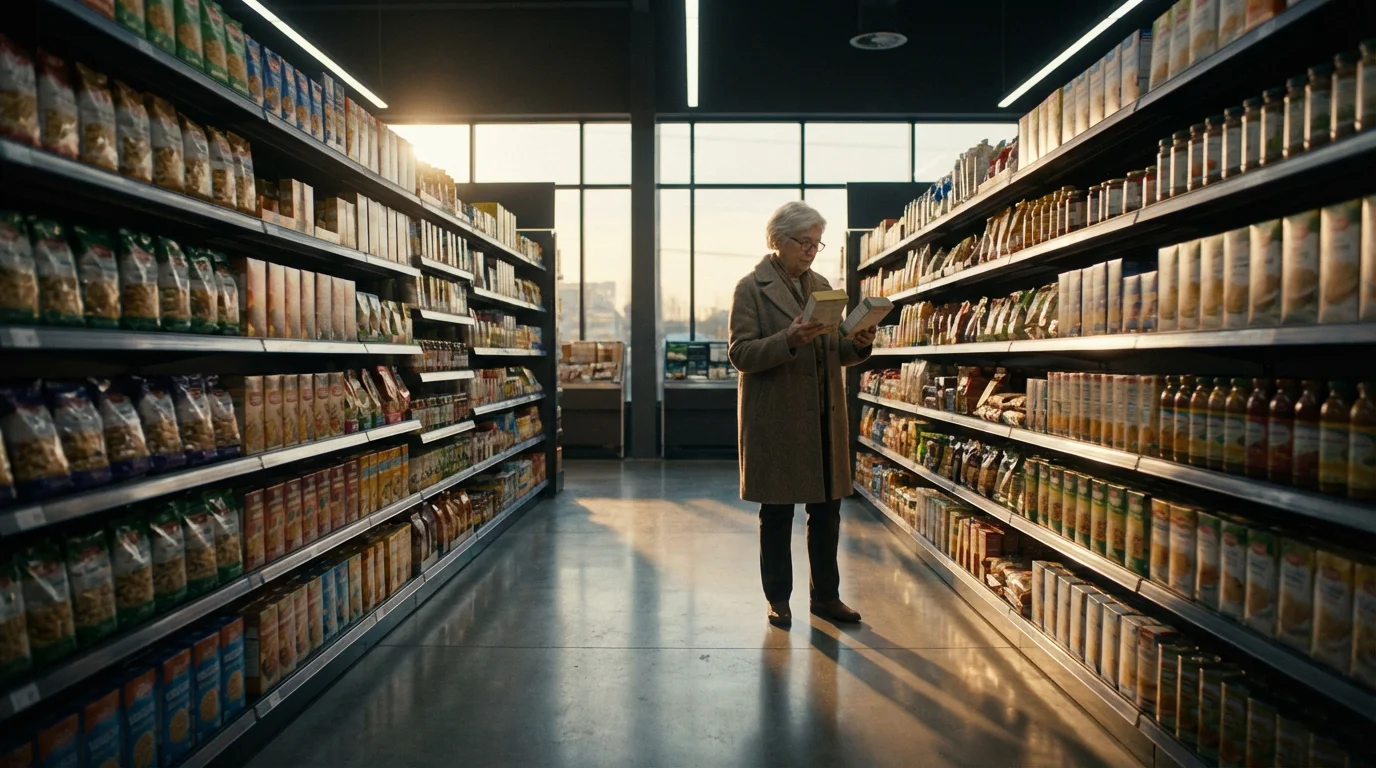
Beyond Senior Discounts: Smart Shopping Strategies
While senior discounts provide excellent direct savings, they represent only one component of a comprehensive grocery savings plan. Incorporating broader smart shopping strategies can further reduce your food budget, regardless of specific discount availability. These habits help you make informed decisions every time you shop.
Another effective way to lower your monthly costs is to research budget-friendly cell phone plans tailored for retirees.
Implement these general strategies to lower your grocery costs:
- Buy Store Brands: Generic or store-brand products often cost significantly less than national brands while offering comparable quality. Switching to store brands for staples like pasta, rice, canned goods, and dairy can reduce your bill by 15-20% easily. For instance, a store-brand cereal might cost $2.50 versus a national brand at $4.00, saving you $1.50 per box.
- Purchase In-Season Produce: Fruits and vegetables are more abundant and less expensive when they are in season. Buying seasonal produce not only saves you money but also ensures fresher, tastier ingredients. Check local farmers’ markets for even better deals on seasonal items.
- Compare Unit Prices: Always look at the unit price (price per ounce, per pound, etc.) displayed on shelf tags. This helps you determine which size or brand offers the best value, regardless of the package price. A larger package is not always the most cost-effective option.
- Limit Pre-Packaged and Prepared Foods: Convenience foods, such as pre-cut vegetables, pre-made meals, and single-serving snacks, carry a significant price premium. Preparing meals from scratch using whole ingredients costs much less over time.
- Avoid Shopping While Hungry: Shopping on an empty stomach often leads to impulse purchases and buying more than you need. Eat a snack or meal before heading to the grocery store to stick to your list and avoid tempting, unnecessary items.
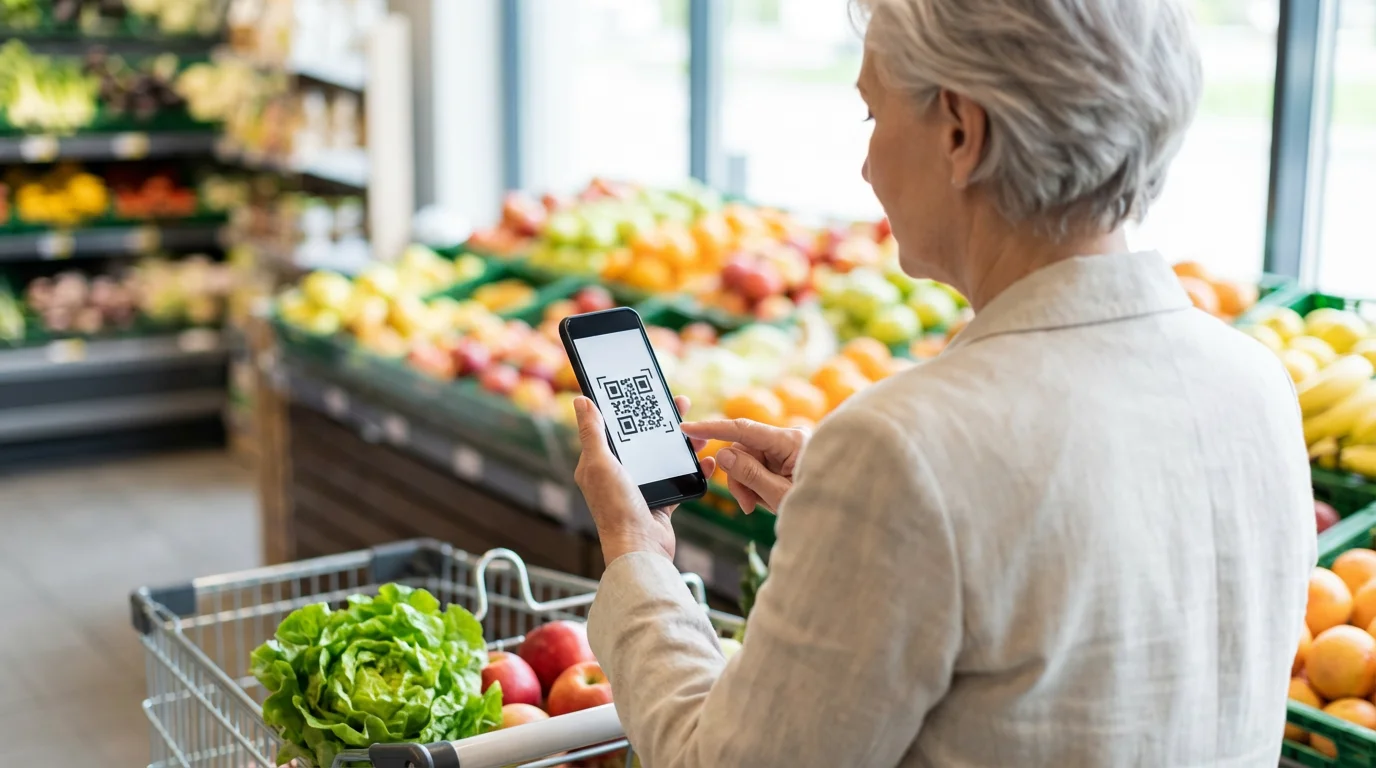
Leveraging Loyalty Programs and Apps for Deeper Savings
Modern grocery shopping offers numerous digital tools and loyalty programs that enhance your savings. Many stores integrate personalized offers directly into their apps, making it easier to find and redeem deals. Enrolling in these programs can yield substantial benefits beyond traditional senior discounts.
As you navigate modern digital savings tools, it is vital to stay informed about protecting yourself from financial scams that can compromise your security.
Beyond store-specific tools, using senior-friendly financial apps can help you track your total spending and identify further areas for savings.
Utilize these tools to boost your grocery savings:
- Store Loyalty Cards: Sign up for every grocery store loyalty program you frequent. These cards unlock sale prices, accumulate points for future discounts, and often provide access to exclusive member-only promotions. For example, a loyalty program might give you $0.10 off per gallon of gas for every $100 you spend on groceries.
- Grocery Store Apps: Download your favorite grocery store’s app. Many apps offer digital coupons that you can “clip” and apply directly at checkout. They also provide personalized offers based on your past purchases and allow you to build shopping lists. Some apps even alert you to specific senior discount days or terms.
- Coupon Apps and Websites: Explore coupon apps like Ibotta or websites that offer digital coupons, such as Coupons.com. You can often find significant savings on a wide range of products. Always check if these can be combined with senior discounts for maximum impact.
- Cash Back Programs: Consider using a credit card that offers cash back rewards on grocery purchases. Some cards provide 2-5% cash back on groceries, adding another layer of savings to your budget. Ensure you pay off your balance in full each month to avoid interest charges.
These digital tools empower you to take a proactive approach to saving. Regular use of apps and loyalty programs can easily shave another 5-15% off your weekly grocery bill.

Government Programs and Assistance for Food Costs
For seniors facing significant challenges in affording groceries, several government and non-profit programs offer vital assistance. These resources provide a crucial safety net, ensuring you have access to nutritious food. Do not hesitate to explore these options if your food budget remains tight.
In addition to food assistance, it is worth exploring Medicare savings programs to see if you qualify for help with healthcare premiums.
Key programs and resources include:
- Supplemental Nutrition Assistance Program (SNAP): SNAP, formerly known food stamps, provides eligible low-income individuals and families with funds to purchase food. Many seniors qualify for SNAP benefits. The benefits are loaded onto an Electronic Benefit Transfer (EBT) card, which works like a debit card at most grocery stores. You can find more information and check your eligibility through official state SNAP websites or by visiting USA.gov Benefits.
- Senior Farmers’ Market Nutrition Program (SFMNP): This program provides low-income seniors with coupons to purchase fresh, unprepared, locally grown fruits, vegetables, honey, and herbs at farmers’ markets, roadside stands, and community supported agriculture (CSA) programs. This supports both your health and local agriculture.
- Commodity Supplemental Food Program (CSFP): CSFP provides nutritious, USDA-approved foods to low-income seniors. Participants receive a monthly package of food, which may include cheese, milk, juice, cereal, pasta, and canned fruits and vegetables.
- Local Food Banks and Pantries: Most communities have local food banks and pantries that offer free groceries to those in need. These organizations are often supported by community donations and government grants. Searching online for “food banks near me” or contacting your local senior center can connect you to these resources.
- NCOA Benefits CheckUp: The National Council on Aging (NCOA) offers a free, confidential online service called Benefits CheckUp. This tool helps you find and enroll in federal, state, and local programs that can help pay for food, medicine, utilities, and more. Visit NCOA Benefits CheckUp to explore your eligibility.
These programs exist to support your well-being. Applying for and utilizing them is a smart financial decision that ensures you maintain a healthy diet without undue financial strain.

Avoiding Grocery Store Scams and Overspending
While seeking discounts and savings, remain vigilant against scams and common traps that can lead to overspending. Scammers often target vulnerable populations, and clever marketing tactics can easily inflate your grocery bill. Protecting your money means being informed and exercising caution.
Protecting your finances also involves staying safe from scams that specifically target the senior community through deceptive offers.
Be aware of these potential pitfalls:
- Coupon Scams: Be wary of “too good to be true” coupons found online or received via unofficial channels. Fake coupons can be designed to steal your personal information or may simply be rejected at the register, causing embarrassment. Stick to legitimate sources like store apps, official store websites, or reputable coupon sites. The FTC offers resources on avoiding common scams; visit FTC Scam Alerts for more information.
- “Buy One, Get One Free” (BOGO) Traps: BOGO deals are excellent if you genuinely need two of the item and will use both before they expire. However, they can lead to overspending on items you only need one of, or to food waste if you cannot consume the second item. Calculate if the BOGO is truly a good deal for your specific needs.
- End-Cap and Checkout Lane Impulse Buys: Grocery stores strategically place tempting, often expensive, items at the ends of aisles (end-caps) and near the checkout registers. These are designed to encourage impulse purchases. Stick to your shopping list to avoid these unplanned additions to your cart.
- Unit Price Deception: Always double-check unit prices, especially on items with unusual packaging or sizes. Sometimes a “family size” package might have a higher unit price than two smaller packages.
Your awareness is your best defense. A quick review of your cart before checkout can prevent many unnecessary purchases and protect your budget from clever marketing.

Actionable Steps to Cut Your Food Budget Today
Reducing your grocery expenses does not require drastic changes overnight. You can start with small, consistent actions that add up to significant savings over time. Implement these practical steps on your very next shopping trip.
Here is a plan to start saving immediately:
- Identify Your Senior Discount Day: Call or visit the customer service desk at your primary grocery store today. Ask if they offer a senior discount, what the age requirement is, and on which day(s) it applies. Mark this day on your calendar.
- Start a Shopping List and Meal Plan: Before your next grocery run, take 15-20 minutes to plan your meals for the week. List every ingredient you need. Do not deviate from this list once you are in the store.
- Check Weekly Ads and Digital Coupons: Spend another 10-15 minutes reviewing your store’s weekly ad and clipping any digital coupons through their app or website. Match these sales with items on your shopping list.
- Compare Store Brand Alternatives: On your next trip, identify 3-5 items you regularly buy (e.g., canned vegetables, pasta, coffee). Purchase the store-brand equivalent for these items. You will likely save 20-30% on these specific products.
- Track Your Savings: Keep a running tally of your savings each week by noting your senior discount amount and any coupon savings. Seeing these numbers grow will motivate you to continue these smart habits. Aim to save at least $20-50 per month by combining discounts and smart strategies.
By taking these tangible steps, you gain control over your food budget, making your money work harder for you. This proactive approach ensures you consistently find and utilize every available opportunity to save.
Frequently Asked Questions
Saving money on groceries often brings up specific questions about how discounts work and what resources are available. These answers address common concerns seniors have about stretching their food budget.
What is the typical age requirement for senior grocery discounts?
Most grocery stores offering senior discounts set the age requirement at 55, 60, or 65 years old. The exact age varies by store and location, so always confirm with your specific supermarket’s customer service desk.
Do senior discounts usually apply to all items in the store?
Generally, senior discounts apply to your entire grocery purchase. However, some stores may exclude specific items, such as tobacco, alcohol, gift cards, pharmacy prescriptions, or lottery tickets. Always ask about any exclusions when inquiring about the discount policy.
Can I combine senior discounts with manufacturer coupons?
Yes, in most cases, you can combine senior discounts with manufacturer coupons. You typically apply the coupons first, reducing your subtotal, and then the senior discount applies to that new, lower total. This layering strategy maximizes your overall savings.
How can I find out about local food assistance programs beyond grocery store discounts?
You can find local food assistance programs, such as food banks, senior meal programs, and government benefits like SNAP, by contacting your local Area Agency on Aging, senior center, or by using online tools like NCOA’s Benefits CheckUp. These resources can provide comprehensive support.
What if my preferred grocery store does not offer a senior discount?
If your favorite store does not offer a senior discount, you can still save significantly by focusing on other strategies. These include utilizing their loyalty program, shopping sales, using coupons, buying store brands, and planning meals carefully. Consider exploring other nearby grocery stores that might have senior discount programs if convenience allows.
Should I carry my ID just for a senior discount?
Yes, you should always carry a valid photo ID, such as a driver’s license, when you plan to use a senior discount. Store clerks will almost certainly ask to verify your age at checkout. Having your ID ready ensures a smooth and quick transaction without any delays.
Disclaimer: This article is for informational purposes only and does not constitute financial, tax, or legal advice. Discounts, programs, and savings opportunities may vary by location and are subject to change. We encourage readers to verify current offers and consult with qualified financial professionals for personalized advice.









Leave a Reply