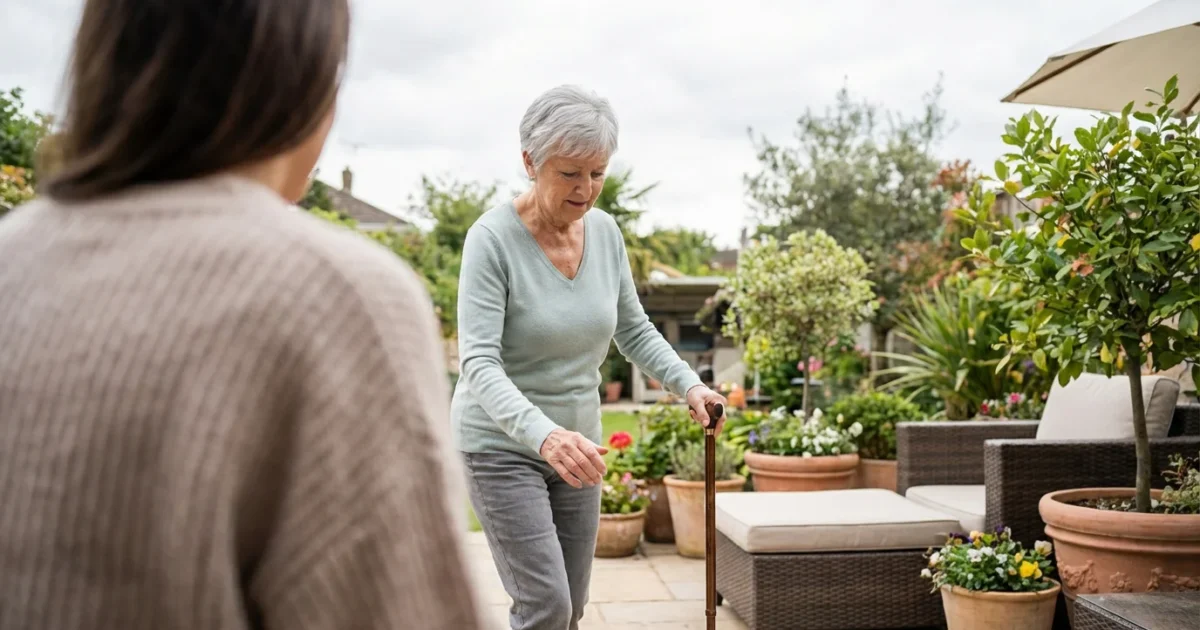
You probably think about your bones when you experience a fall or a sudden ache, but proactive bone health is a cornerstone of healthy aging. As you navigate your senior years, understanding and preventing osteoporosis becomes increasingly important. This condition weakens your bones, making them fragile and significantly raising your risk of fractures from even minor incidents. Taking charge of your bone health now empowers you to maintain independence and vitality.
This article provides practical, actionable insights into osteoporosis, from identifying its risk factors to implementing effective prevention strategies. You will learn about the role of nutrition, exercise, and medical monitoring in maintaining strong bones. Equipping yourself with this knowledge helps you protect your skeletal system and enjoy a more active, confident future.
What is Osteoporosis and Why Does It Matter for Seniors?
Osteoporosis is a condition that causes bones to become weak and brittle. The word “osteoporosis” literally means “porous bone.” This means your bones develop small holes and thin out, losing their density and strength. You might not notice any symptoms until a fracture occurs, often from a fall that would not typically cause a break in healthy bones.
If balance is a concern, choosing the right walking aid can provide the support you need to maintain mobility and peace of mind.
To secure your environment, decluttering your home is a practical first step to eliminate hidden hazards that cause dangerous falls.
Since most fractures are caused by accidents around the house, proactive fall prevention at home is an essential step to keep you safe and independent.
This condition significantly impacts seniors. Roughly 10 million Americans have osteoporosis, and another 44 million have low bone density (osteopenia), placing them at increased risk. The National Institute on Aging highlights that about one in two women and up to one in four men aged 50 and older will break a bone due to osteoporosis. These fractures most commonly occur in the hip, spine, and wrist.
Hip fractures, in particular, pose a severe threat to your independence and quality of life. They often require surgery, extended rehabilitation, and can lead to long-term disability or even a loss of mobility. Vertebral fractures in the spine can cause severe back pain, height loss, and a stooped posture. Understanding this condition and taking preventive steps helps you avoid these debilitating outcomes.

Identifying Your Risk: What Are the Risk Factors for Osteoporosis?
Several factors increase your likelihood of developing osteoporosis. While you cannot change some of these risks, you can actively manage others. Knowing your individual risk profile empowers you to take targeted preventive measures.
Additionally, effectively managing diabetes as a senior is essential, as poorly controlled blood sugar can negatively affect bone quality over time.
Key risk factors for osteoporosis include:
- Age: Your bones naturally lose density as you age, especially after menopause for women.
- Gender: Women are more prone to osteoporosis than men. This is primarily due to hormonal changes during menopause, when estrogen levels drop sharply.
- Family History: If a parent or sibling had osteoporosis, especially a hip fracture, your risk increases.
- Body Frame Size: Small, thin individuals have less bone mass to draw from as they age.
- Hormone Levels:
- Reduced Estrogen: Common in postmenopausal women.
- Reduced Testosterone: Can occur in men as they age.
- Thyroid Problems: Too much thyroid hormone can lead to bone loss.
- Other Gland Issues: Overactive parathyroid or adrenal glands contribute to bone loss.
- Dietary Factors:
- Low Calcium Intake: A lifelong lack of calcium plays a major role in osteoporosis development.
- Eating Disorders: Severely restricting food intake weakens bones in both men and women.
- Bariatric Surgery: Some weight-loss surgeries reduce the area available for nutrient absorption, including calcium.
- Medical Conditions: Certain conditions increase your risk, such as celiac disease, inflammatory bowel disease, kidney or liver disease, cancer, multiple myeloma, and rheumatoid arthritis.
- Medications: Long-term use of corticosteroids (e.g., prednisone), some anti-seizure medications, proton pump inhibitors, and certain selective serotonin reuptake inhibitors (SSRIs) can weaken bones. Always discuss potential side effects with your doctor.
- Lifestyle Choices:
- Sedentary Lifestyle: Lack of regular weight-bearing exercise weakens bones.
- Excessive Alcohol Consumption: More than two alcoholic drinks a day increases risk.
- Smoking: Tobacco use contributes to weaker bones.
You can discuss these risk factors with your healthcare provider. They help you understand which factors apply to your situation and guide you toward the most effective prevention strategies.
Understanding Bone Density: The Silent Threat
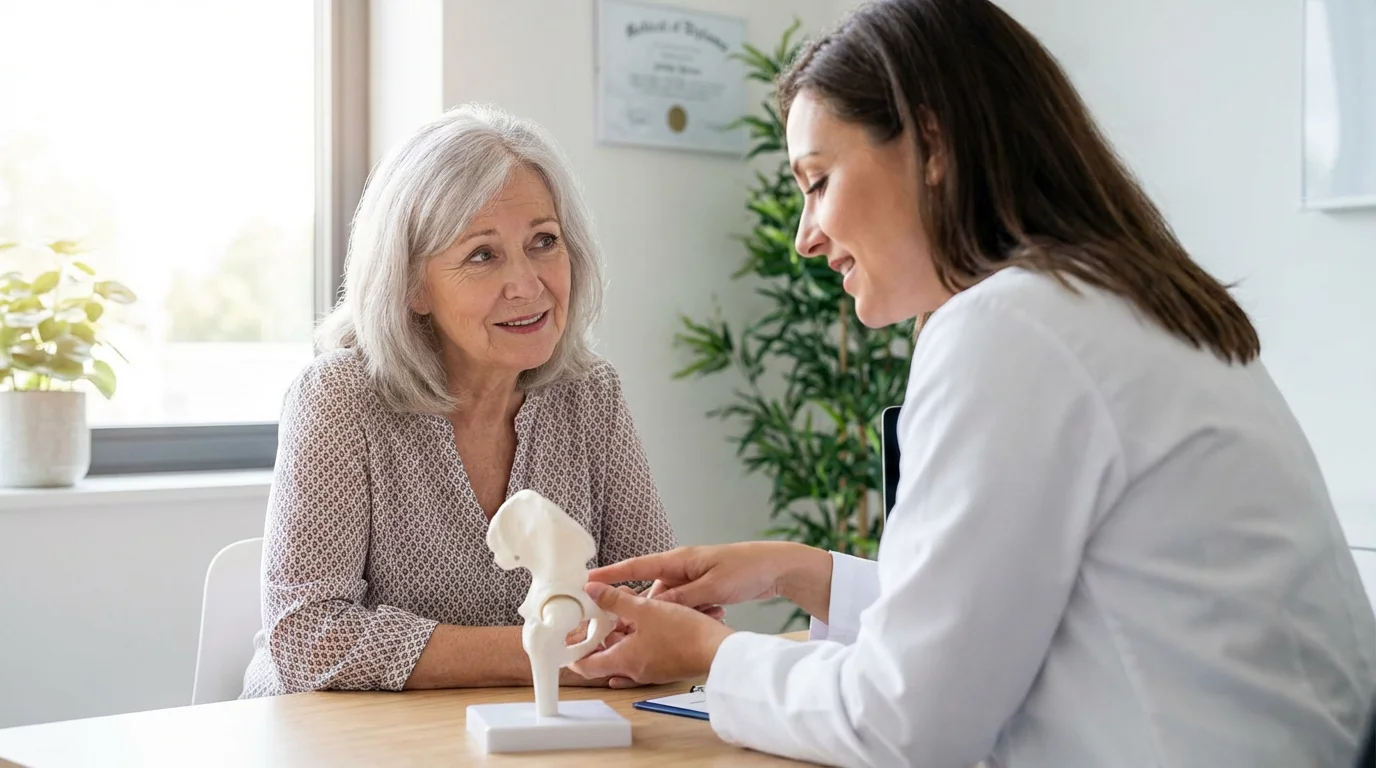
Osteoporosis often remains undetected until a fracture occurs because it has no obvious symptoms in its early stages. This makes understanding your bone density crucial for early intervention. Your bone density measures the amount of bone mineral in your bones, indicating their strength and health.
Doctors typically assess bone density using a test called a DXA scan, which stands for dual-energy X-ray absorptiometry. This quick, non-invasive scan uses very low-dose X-rays to measure bone mineral content at specific sites, usually your hip and spine. The results are reported as a T-score, comparing your bone density to that of a healthy young adult.
- T-score of -1.0 or above: Normal bone density.
- T-score between -1.0 and -2.5: Osteopenia, meaning you have lower than normal bone density, placing you at increased risk for osteoporosis.
- T-score of -2.5 or below: Osteoporosis, indicating significantly weakened bones.
The National Osteoporosis Foundation recommends bone density testing for all women aged 65 and older and men aged 70 and older. If you have significant risk factors, your doctor might recommend earlier screening. Regular monitoring of your bone density allows your healthcare provider to track changes over time and adjust your prevention or treatment plan as needed.

Building Stronger Bones: Lifestyle Strategies for Prevention
Preventing osteoporosis involves a combination of smart lifestyle choices and, when necessary, medical intervention. You hold significant power in protecting your bones through your daily habits. Focusing on nutrition and exercise forms the foundation of strong bone health.
While focusing on calcium, don’t overlook the importance of staying hydrated to support joint lubrication and overall cellular health.
Nutritional Pillars: Calcium Intake and Vitamin D
Your diet plays a fundamental role in maintaining strong bones. Adequate calcium intake and sufficient vitamin D are essential for bone health at any age, especially as you get older. Calcium provides the structural components of your bones, while vitamin D helps your body absorb calcium effectively.
Meeting your nutrient goals doesn’t have to be expensive, as you can easily plan nutritious meals on a budget that are packed with bone-building calcium.
Recommended Daily Calcium Intake for Seniors:
- Women 51 and older: 1,200 milligrams (mg) per day.
- Men 71 and older: 1,200 mg per day.
- Men 51-70: 1,000 mg per day.
The best way to get calcium is through your diet. Excellent dietary sources of calcium include:
- Dairy products: Milk, yogurt, cheese (low-fat options are also good).
- Dark green leafy vegetables: Kale, broccoli, spinach.
- Calcium-fortified foods: Orange juice, cereals, plant-based milks.
- Canned salmon with bones and sardines.
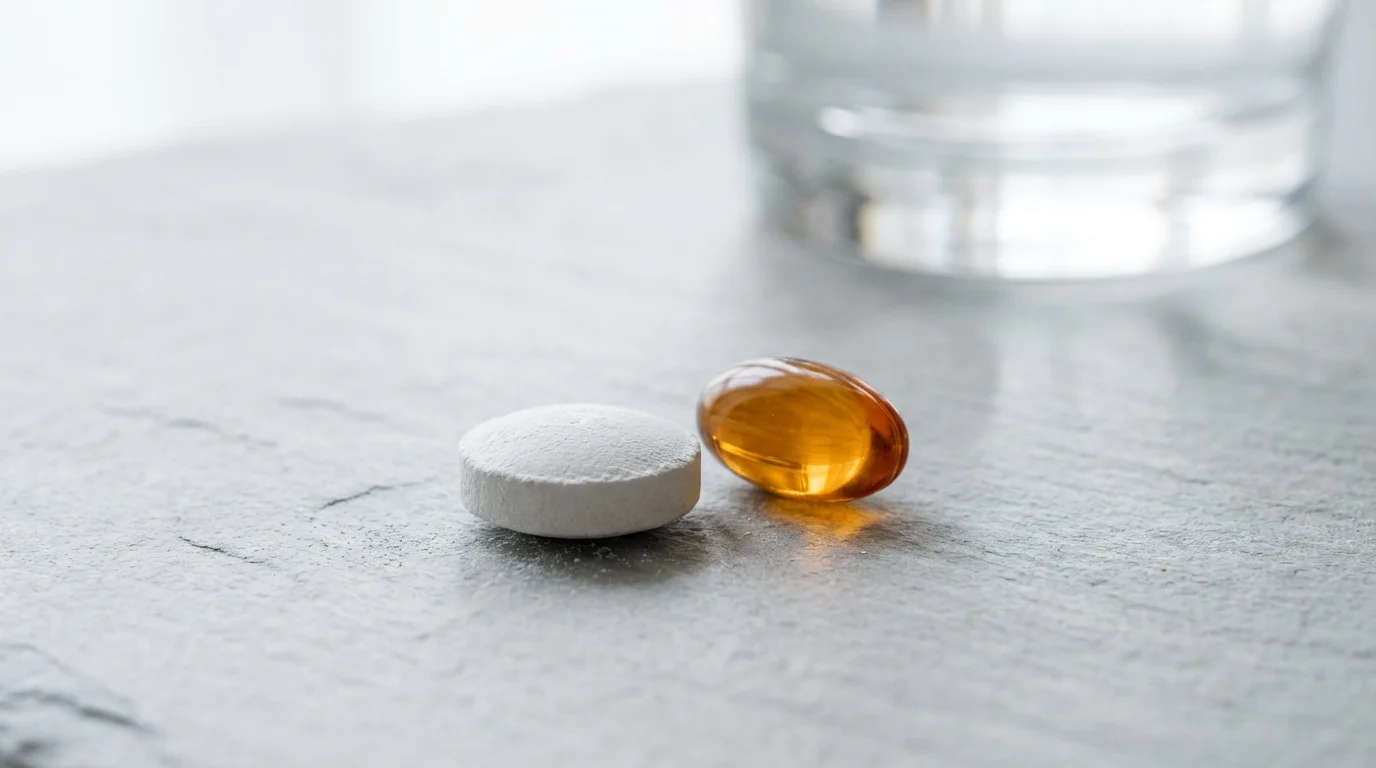
If you struggle to meet your calcium needs through diet alone, your doctor might recommend a calcium supplement. However, high doses of calcium supplements can carry risks, so always discuss this with your healthcare provider first. Your doctor helps determine the right amount and type of supplement for your individual needs.
Vitamin D is equally vital for bone health:
- It helps your body absorb calcium from the foods you eat.
- It plays a role in bone mineralization.
Recommended Daily Vitamin D Intake for Seniors:
- Adults 51 and older: 600-800 International Units (IU) per day, though some experts suggest higher amounts.
Sources of vitamin D include:
- Sunlight exposure: Your skin produces vitamin D when exposed to sunlight, but this can be less efficient as you age, and sun exposure carries skin cancer risks.
- Fatty fish: Salmon, tuna, mackerel.
- Fortified foods: Milk, cereals, orange juice.
- Supplements: Often recommended for seniors, especially those with limited sun exposure or dietary intake.
Work with your doctor to determine your vitamin D levels and the appropriate dosage for supplementation. You can have your vitamin D levels checked with a simple blood test.
“You can take steps to keep your bones healthy, protect them from weakening, and reduce your risk of fractures. Eating a healthy diet and getting regular exercise are key, no matter your age.”
The Power of Movement: Exercise for Bone Health
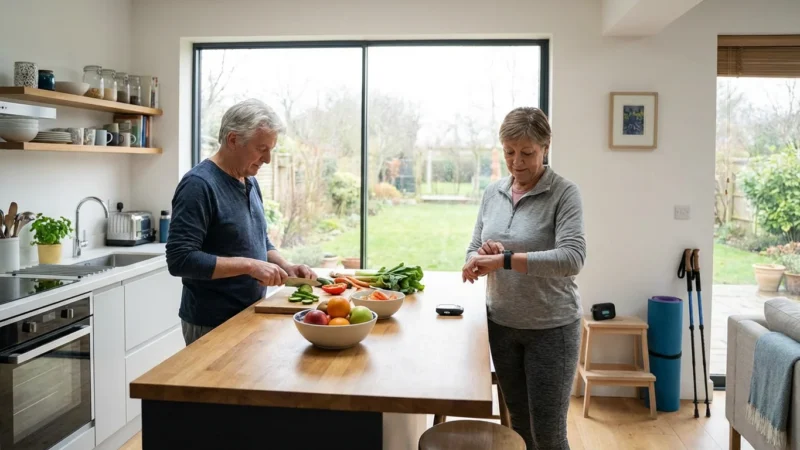
Physical activity is not just good for your heart and muscles, it is also crucial for building and maintaining strong bones. Weight-bearing and muscle-strengthening exercises stimulate bone growth and help improve your balance, reducing your risk of falls.
The National Institute on Aging recommends two main types of exercise for bone health:
- Weight-Bearing Exercises: These are activities where you support your body weight against gravity, which stresses your bones and stimulates them to grow stronger. Examples include:
- Walking, jogging, or running (if appropriate for your fitness level).
- Dancing.
- Hiking.
- Stair climbing.
- Playing tennis or other sports.
- Muscle-Strengthening Exercises: These activities work your muscles, which in turn pull on your bones and strengthen them. Examples include:
- Lifting weights (free weights, resistance bands, or weight machines).
- Bodyweight exercises like push-ups, squats, or lunges (modified as needed).
- Gardening, digging, or lifting.
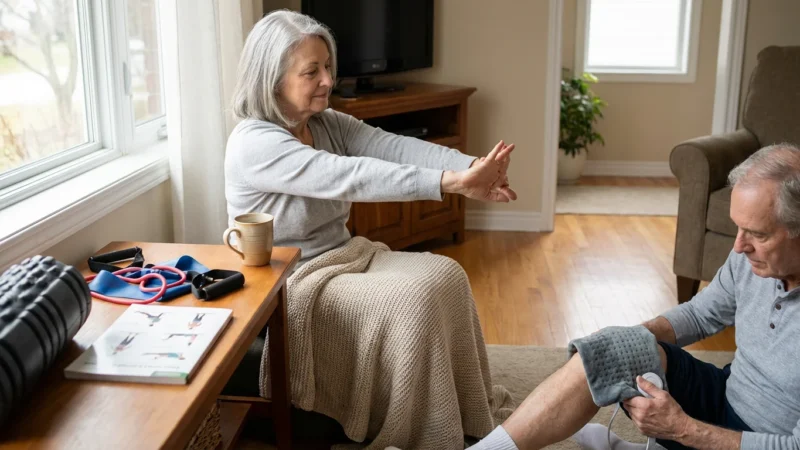
Aim for at least 30 minutes of moderate-intensity weight-bearing exercise most days of the week, and incorporate muscle-strengthening exercises 2-3 times per week. Always consult your doctor before starting any new exercise program, especially if you have pre-existing health conditions or have already been diagnosed with osteoporosis. They can help you develop a safe and effective routine.
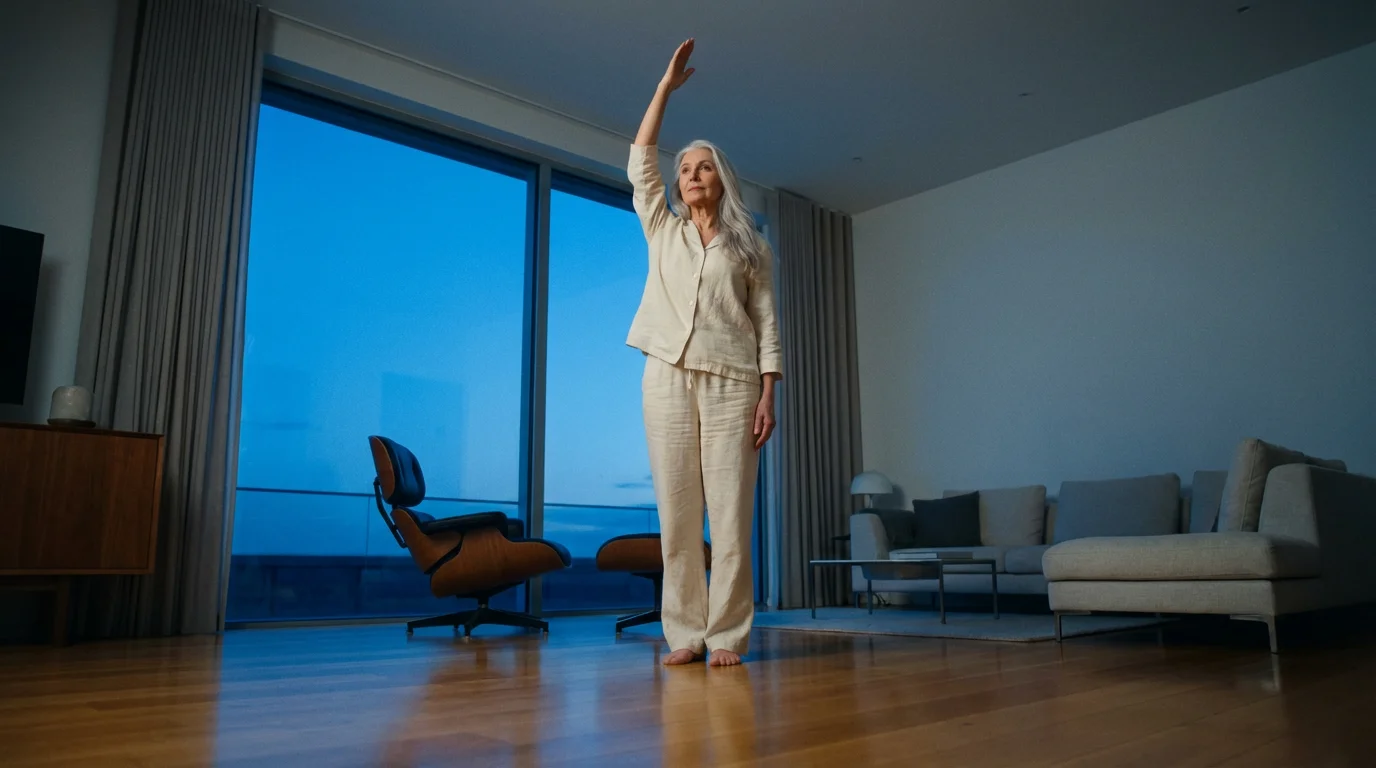
In addition to these, balance exercises are important for fall prevention. Activities like Tai Chi, yoga, or simply standing on one leg (holding onto support if needed) improve stability and coordination, reducing your risk of bone-breaking falls.
Medical Interventions and Monitoring
While lifestyle changes are critical, sometimes they are not enough to prevent or manage osteoporosis, particularly if you have significant bone loss. Your doctor might recommend medications to slow bone loss or rebuild bone tissue. These treatments are often part of a comprehensive plan that includes diet and exercise.
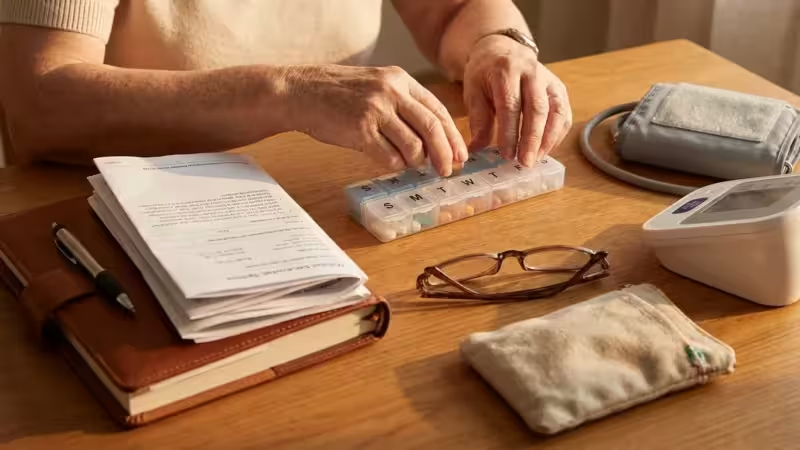
When balancing bone density prescriptions with other daily pills, careful medication management becomes vital for preventing adverse effects.
Common types of medications for osteoporosis include:
- Bisphosphonates: These are the most common medications prescribed. They slow down bone breakdown, preserving bone density. Examples include alendronate (Fosamax), risedronate (Actonel), ibandronate (Boniva), and zoledronic acid (Reclast).
- Denosumab (Prolia): This is an injection given twice a year. It works by targeting a protein involved in bone breakdown.
- Teriparatide (Forteo) and Abaloparatide (Tymlos): These are parathyroid hormone analogs that stimulate new bone formation, effectively rebuilding bone. They are typically reserved for individuals with severe osteoporosis.
- Romosozumab (Evenity): This medication has a dual effect, increasing bone formation and decreasing bone breakdown. It is also for severe cases.
- Estrogen Therapy: For some postmenopausal women, estrogen therapy can help maintain bone density, but it also carries potential risks, so your doctor will carefully consider its appropriateness.
Your doctor will consider your bone density, fracture risk, other medical conditions, and lifestyle when recommending a treatment. Regular follow-up appointments and bone density scans are essential to monitor the effectiveness of your treatment plan. This ensures your medication is working as intended and helps your doctor make any necessary adjustments.

When to See a Doctor for Bone Health
Proactive engagement with your healthcare provider is key to managing your bone health. Do not wait for a fracture to occur before discussing osteoporosis. Schedule an appointment with your doctor to discuss your bone health if any of the following apply to you:
- You are a woman over 65 or a man over 70. These are general guidelines for routine bone density screening.
- You have experienced an early menopause (before age 45).
- You have a family history of osteoporosis, particularly hip fractures in a parent.
- You have been taking corticosteroids for an extended period, or other medications known to affect bone density.
- You have a medical condition associated with osteoporosis, such as rheumatoid arthritis, celiac disease, or an overactive thyroid.
- You have experienced a fracture from a minor fall or trauma. This is a significant red flag for weakened bones.
- You have noticed a loss of height or developed a stooped posture. These can be signs of vertebral compression fractures.
Your doctor will conduct a thorough assessment, review your medical history and risk factors, and determine if a bone density scan (DXA) is appropriate for you. They will then help you create a personalized plan for prevention or treatment.

Living Well with Osteoporosis
Receiving an osteoporosis diagnosis does not mean you must stop living an active life. Instead, it means you need to adopt strategies to live safely and minimize your risk of fractures. Managing osteoporosis effectively involves a combination of medication adherence, lifestyle adjustments, and fall prevention.
Here are actionable steps you can take:
- Adhere to Your Treatment Plan: Take all prescribed medications exactly as directed by your doctor. Do not stop or adjust dosages without consulting them.
- Prioritize Fall Prevention:
- Identify and remove trip hazards in your home, like loose rugs or clutter.
- Ensure adequate lighting, especially on stairs.
- Install grab bars in bathrooms and use a non-slip bath mat.
- Wear supportive, low-heeled shoes with non-skid soles.
- Talk to your doctor about vision checks and medication reviews, as some medications can cause dizziness.
- Maintain a Bone-Healthy Diet: Continue to focus on adequate calcium intake and vitamin D through diet and supplements as recommended by your doctor. The Academy of Nutrition and Dietetics provides further insights into healthy eating for bone health.
- Engage in Safe Exercise: Continue weight-bearing and muscle-strengthening exercises, but modify them to be safe. Avoid high-impact activities, bending forward from the waist, or twisting your spine, which could increase fracture risk. Consider working with a physical therapist to develop a safe exercise routine.
- Quit Smoking and Limit Alcohol: If you smoke, quitting improves bone density and overall health. Limit alcohol consumption to no more than one drink per day for women and two for men.
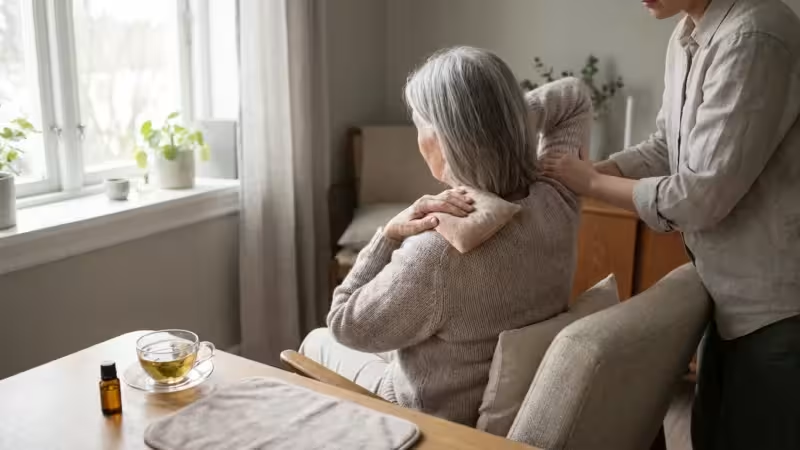
- Manage Pain: If you experience pain from fractures or bone changes, discuss pain management strategies with your doctor. This might include physical therapy, heat/cold therapy, or pain medications.
- Educate Yourself: Learn as much as you can about your condition. Resources from organizations like the National Institute on Aging offer reliable information.
You can maintain a good quality of life and reduce your fracture risk by actively managing osteoporosis. Consistent effort and collaboration with your healthcare team are essential for success.
Frequently Asked Questions
Does osteoporosis only affect women?
While osteoporosis is more common in women, especially after menopause, men can also develop the condition. Approximately one in four men over 50 will experience an osteoporosis-related fracture. Risk factors for men include age, low testosterone levels, certain medical conditions, and lifestyle choices.
Can I reverse osteoporosis once I have it?
You cannot fully reverse osteoporosis, but you can significantly slow its progression and, in some cases, improve bone density. Medications can help rebuild bone, and lifestyle changes like adequate calcium and vitamin D intake, along with weight-bearing exercise, are crucial for maintaining existing bone mass and preventing further loss. The goal is to reduce your fracture risk.
Are there any natural remedies for osteoporosis?
No “natural remedies” can cure osteoporosis or fully replace proven medical treatments. However, natural approaches like maintaining a diet rich in calcium and vitamin D and engaging in regular weight-bearing exercise are fundamental to preventing and managing the condition. Always discuss any supplements or alternative therapies with your doctor to ensure they are safe and effective in conjunction with your prescribed care.
What is the difference between osteopenia and osteoporosis?
Osteopenia is a precursor to osteoporosis. It means you have lower than normal bone density, but it is not yet severe enough to be classified as osteoporosis. Think of osteopenia as a warning sign. It indicates you have an increased risk of developing osteoporosis if you do not take preventive measures. Both conditions are diagnosed with a DXA scan.
Is it safe to exercise if I have osteoporosis?
Yes, exercise is generally safe and highly recommended for individuals with osteoporosis, but it requires careful planning. You should avoid high-impact activities, sudden twisting movements, or exercises that involve bending forward from the waist, as these can increase fracture risk. Focus on gentle weight-bearing activities, muscle strengthening, and balance exercises. Always consult your doctor or a physical therapist to design a safe and effective exercise program tailored to your specific condition.
How often do I need a bone density test?
The frequency of bone density tests depends on your age, risk factors, and whether you are receiving treatment for osteoporosis. Generally, women over 65 and men over 70 should have a baseline DXA scan. If you have osteopenia or osteoporosis, your doctor might recommend follow-up scans every one to two years to monitor bone density changes and assess treatment effectiveness. Your healthcare provider determines the best schedule for you.
Disclaimer: This article is for informational purposes only and does not constitute medical advice. The information provided is not intended to diagnose, treat, cure, or prevent any disease. Always consult with your healthcare provider before making any changes to your diet, exercise routine, medications, or health regimen. If you’re experiencing a medical emergency, call 911 immediately.




Leave a Reply