
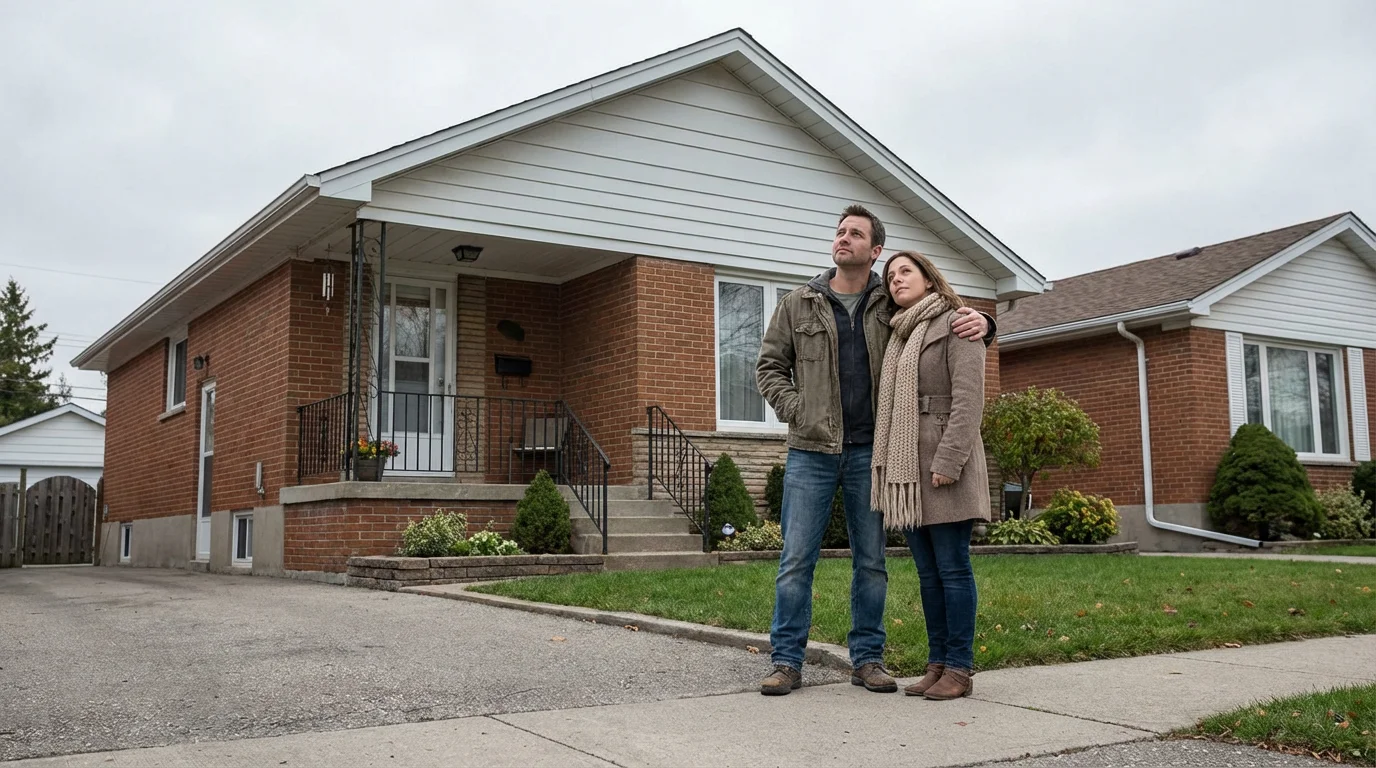
For many seniors, your home represents your largest asset, often holding significant equity. As you navigate retirement on a fixed income, accessing that wealth can seem challenging without selling your cherished home. A reverse mortgage offers a potential solution, allowing you to convert a portion of your home equity into accessible cash. This financial tool can provide valuable retirement income, but it comes with distinct advantages and dangers you must understand completely.
While exploring these equity options, it is also critical to stay informed about financial scams targeting seniors to ensure your home remains secure.
This article will guide you through the intricacies of reverse mortgages, explain how they work, detail the eligibility criteria, and transparently lay out both the benefits and potential drawbacks. You will gain practical, actionable insights to help determine if a reverse mortgage aligns with your financial goals, empowering you to make an informed decision for your financial future.
What Exactly is a Reverse Mortgage?
A reverse mortgage is a specialized loan designed for homeowners, typically seniors, that allows you to convert a portion of your home equity into cash. Unlike a traditional mortgage where you make monthly payments to a lender, with a reverse mortgage, the lender pays you. The loan amount accumulates interest over time, and repayment generally becomes due when the last borrower moves out, sells the home, or passes away. You retain ownership and the title to your home throughout the life of the loan.
By freeing up cash from your home, you can preserve other retirement assets and potentially explore low-risk retirement investments to grow your overall wealth.
The most common type of reverse mortgage is the Home Equity Conversion Mortgage, or HECM, which the Federal Housing Administration (FHA) insures. This government backing provides a layer of protection for both borrowers and lenders, making HECMs a widely recognized and utilized option. Understanding the core mechanics is crucial for making smart financial choices.
Let’s clarify some key terms:
- Home Equity: This is the portion of your home that you truly own. You calculate it by subtracting your outstanding mortgage balance from your home’s current market value.
- Loan Advances: These are the payments you receive from the lender. You can receive them as a lump sum, monthly payments, or a line of credit.
- Loan Balance: This is the total amount you owe. It includes the principal loan advances, accrued interest, and any mortgage insurance premiums or fees. The loan balance grows over time.
- Non-Recourse Loan: A crucial feature of FHA-insured HECMs, this means that you or your heirs will never owe more than the value of your home when the loan becomes due. If the loan balance exceeds the home’s value, the FHA insurance covers the difference.
You access the value you have built up in your home, turning it into liquid funds without the obligation of selling your property. This can be a significant advantage for those who wish to age in place.

Eligibility Requirements for a Reverse Mortgage
Before you consider a reverse mortgage, you must meet specific criteria. These requirements ensure that the loan is suitable for your situation and that you understand your responsibilities. Meeting these benchmarks is the first step toward accessing your home equity.
For those who do not meet these criteria, refinancing your mortgage in retirement may be a more suitable alternative to lower your monthly obligations.
For a Home Equity Conversion Mortgage (HECM), the most common type of reverse mortgage, you generally need to meet these requirements:
- Age Requirement: The youngest borrower on the title must be at least 62 years old.
- Home Equity: You must own your home outright or have a significant amount of equity in it. If you have an existing mortgage, you will use the reverse mortgage funds to pay it off first.
- Primary Residence: The home must be your primary residence, meaning you live there for more than half the year. Vacation homes or investment properties do not qualify.
- Financial Counseling: You must complete a mandatory counseling session with an independent, HUD-approved counseling agency. This session helps you understand the pros, cons, costs, and alternatives of a reverse mortgage. This step protects you, ensuring you are fully informed before making a commitment.
- Property Type: Eligible properties include single-family homes, 2-4 unit properties (if you occupy one unit), FHA-approved condominiums, and manufactured homes that meet specific FHA guidelines.
Even if you meet all these criteria, lenders will also assess your financial capacity to continue paying property taxes, homeowner’s insurance, and home maintenance. They may require a financial assessment to ensure you can meet these ongoing obligations, which are critical to maintaining the loan. If you cannot meet these obligations, the loan could become due, potentially leading to foreclosure.

How You Receive Your Funds: Payment Options
One of the flexible aspects of a reverse mortgage is the variety of ways you can receive your funds. You can choose the payment method that best suits your financial needs and lifestyle. Each option has unique benefits and implications for how you manage your money.
To better track your loan advances and organize your budget, using senior-friendly financial apps can help you manage your retirement funds with ease.
The amount you can borrow depends on several factors, including your age, the current interest rates, and your home’s appraised value (up to the FHA lending limit, which for 2024 is $1,149,825). The older you are and the more equity you have, the more funds you generally qualify to receive.
Here are the primary payment options available for HECMs:
- Lump Sum: You receive all available funds in a single, one-time payment at closing. This option often comes with a fixed interest rate. It’s suitable if you need a large sum of money immediately, perhaps to pay off an existing mortgage, clear high-interest debt, or cover a major expense.
- Tenure Payments: You receive equal monthly payments for as long as you live in your home as your primary residence. This option provides a steady, predictable income stream for life, making it useful for supplementing retirement income.
- Term Payments: You receive equal monthly payments for a fixed period, which you choose. This can be beneficial if you need a specific income boost for a set number of years, for example, until another income source begins.
- Line of Credit: You can draw funds as needed, up to a specified limit. The unused portion of your line of credit grows over time, which can provide a significant advantage as it accrues interest at the same rate as the loan. This option offers maximum flexibility for unexpected expenses or to supplement income sporadically.
- Modified Tenure or Modified Term: These options combine a line of credit with either tenure or term payments. You receive some monthly payments and keep a portion available as a line of credit, offering a balance of consistent income and flexibility.
It is important to remember that for all payment options, the loan balance grows over time with interest and any accrued fees. This means the amount of equity remaining for your heirs decreases.
Here is a quick comparison of the main payment options:
| Payment Option | Description | Best For | Key Feature |
|---|---|---|---|
| Lump Sum | Single, large payment at closing. | Immediate large financial need (e.g., paying off existing mortgage, major repairs). | Fixed interest rate. |
| Tenure Payments | Fixed monthly payments for life. | Consistent, lifelong income supplement. | Guaranteed income for as long as you live in the home. |
| Term Payments | Fixed monthly payments for a set period. | Specific financial need over a defined timeframe (e.g., bridging an income gap). | Predictable payments for a fixed duration. |
| Line of Credit | Draw funds as needed, up to a limit. | Financial flexibility, emergency fund, covering irregular expenses. | Unused portion grows over time, acting as a growing reserve. |

The Advantages of a Reverse Mortgage for Seniors
A reverse mortgage can offer compelling benefits for seniors seeking to enhance their financial stability and maintain their desired lifestyle. Understanding these advantages helps you see how this tool might fit into your broader retirement plan. Many people find that a reverse mortgage offers peace of mind and greater financial control.
Before undertaking major home modifications, starting with a simple project like decluttering your home can make your living space immediately safer and more comfortable.
If you plan to age in place, it is also highly beneficial to invest in quality home security for seniors to keep your property safe and secure.
While enjoying this tax-free cash flow, you should also leverage other financial strategies, such as identifying key tax deductions for seniors to keep more money in your pocket.
Here are the primary advantages:
- Access Tax-Free Cash from Home Equity: The funds you receive from a reverse mortgage are generally tax-free. They are considered loan proceeds, not income. This can significantly boost your available cash without increasing your taxable income, a crucial benefit for those on fixed incomes. You might access $150,000 from your home equity, using $50,000 to pay off a lingering car loan and saving the remaining $100,000 as a line of credit for future needs.
- No Monthly Mortgage Payments: This is arguably the most attractive feature. Once you get a reverse mortgage, you no longer make monthly principal and interest payments on your home. This can free up hundreds or even thousands of dollars in your monthly budget, which you can then allocate to living expenses, healthcare, or leisure. For instance, if your current mortgage payment is $1,200 per month, eliminating that expense could provide $14,400 in additional annual cash flow. Remember, you remain responsible for property taxes, homeowner’s insurance, and home maintenance.
- Stay in Your Home: A reverse mortgage allows you to age in place, remaining in the home and community you love. You retain the title and ownership of your property. This is invaluable for many seniors who cherish their independence and local connections, avoiding the disruption and cost of moving.
- Non-Recourse Loan Feature: As mentioned, FHA-insured HECMs are non-recourse loans. This means that if your home’s value declines and the loan balance exceeds its market value when the loan becomes due, your heirs will never owe more than the home is worth. The FHA insurance covers any deficit, protecting your estate and your family from additional debt.
- Financial Flexibility: You can use the funds from a reverse mortgage for virtually any purpose. Many seniors use it to:
- Supplement retirement income, providing an additional $500 to $1,500 per month.
- Pay off existing debts, such as a traditional mortgage, credit card balances, or medical bills, reducing financial stress.
- Cover unexpected medical expenses or long-term care costs.
- Fund home repairs or modifications that allow for safer aging in place.
- Create a financial safety net, particularly with a growing line of credit.
For example, accessing a $75,000 line of credit could cover unexpected medical bills not fully covered by Medicare, preventing you from draining your savings.
- Retirement Income Strategy: Some financial advisors recommend using a reverse mortgage strategically. You can establish a line of credit and draw from it during market downturns, allowing your investment portfolio to recover without needing to sell assets at a loss. This protects your principal and helps your retirement savings last longer.
The ability to access home equity without sacrificing ownership or incurring new monthly payments provides a powerful tool for enhancing financial security in your senior years.

Understanding the Dangers and Disadvantages
While reverse mortgages offer significant benefits, they also carry potential dangers and disadvantages that you must consider carefully. Acknowledging these risks is vital for a comprehensive understanding and an informed decision. Ignoring these pitfalls could lead to unexpected financial strain or complications for your estate.
Here are the key disadvantages and dangers associated with reverse mortgages:
- High Costs and Fees: Reverse mortgages often come with substantial upfront costs and ongoing fees. These can significantly reduce the amount of cash you receive. Common costs include:
- Origination Fee: This fee covers the lender’s administrative expenses. It can be up to 2% of the first $200,000 of your home’s value, plus 1% of the amount over $200,000, capped at $6,000.
- Mortgage Insurance Premium (MIP): You pay an upfront MIP equal to 2% of your home’s appraised value (up to the FHA lending limit) at closing. You also pay an annual MIP of 0.5% of the outstanding loan balance. This insurance protects the lender and ensures the non-recourse feature.
- Closing Costs: These are similar to a traditional mortgage and can include appraisal fees ($400-$600), title insurance, recording fees, and other third-party charges, often totaling several thousand dollars.
These combined costs can mean that if you only need a small amount of money, a reverse mortgage might not be cost-effective.
- Growing Loan Balance and Depleted Equity: Unlike traditional mortgages, your loan balance grows over time as interest accrues on the amount you’ve received, plus any associated fees and insurance premiums. This means that over years, the amount you owe can become substantial, significantly reducing the amount of equity remaining in your home for your heirs. If you take out a reverse mortgage and live for another 20 years, the compounded interest could mean your heirs receive a much smaller inheritance from the home’s sale.
- Risk of Foreclosure: Although you no longer make monthly mortgage payments, you are still responsible for paying property taxes, homeowner’s insurance premiums, and maintaining your home. Failing to meet these obligations can lead to default and potentially foreclosure. Many seniors underestimate the ongoing cost of these responsibilities. For instance, if your annual property taxes are $4,000 and your insurance is $1,500, you need $5,500 each year to cover these, separate from the reverse mortgage.
- Impact on Government Benefits: While reverse mortgage proceeds are generally tax-free, they can impact your eligibility for certain means-tested government benefits like Medicaid or Supplemental Security Income (SSI). If you receive a large lump sum or accumulate significant cash in your bank account, it could push you over asset limits for these programs. It is crucial to consult with a benefits specialist or financial advisor to understand potential impacts.
- Complexity and Potential for Scams: Reverse mortgages are complex financial products. While mandatory counseling helps, some individuals may still find the terms difficult to fully grasp. Unfortunately, seniors can also be targets of unscrupulous lenders or scammers who push them into reverse mortgages they don’t need, often to fund unnecessary home repairs or investments. Always approach with caution and rely on trusted resources. You can find reliable information and approved counselors through the Consumer Financial Protection Bureau (CFPB).
- Less Financial Flexibility Later: Once you convert your equity into a reverse mortgage, that asset is largely tied up. If unforeseen needs arise years down the line, and you have exhausted your reverse mortgage funds, you have fewer options to access additional home equity. You cannot get another HECM on the same property.
Carefully weigh these disadvantages against the advantages. A reverse mortgage is a significant financial decision with long-term consequences.

Key Considerations Before Applying
Taking out a reverse mortgage is a major financial decision with long-term implications. Before you proceed with an application, you must thoroughly evaluate your circumstances and understand all aspects of the loan. Thoughtful consideration at this stage protects your financial well-being.
Here are critical considerations:
- Mandatory Counseling: The FHA requires all prospective HECM borrowers to attend an independent counseling session. This session is not a sales pitch. A HUD-approved counselor explains how reverse mortgages work, discusses the costs, explores alternatives, and helps you determine if a reverse mortgage is right for your specific situation. This unbiased advice is invaluable. You can find a list of approved counseling agencies on the CFPB website.
- Understand All Costs and Fees: Do not just focus on the cash you receive. Fully comprehend the origination fees, closing costs, and ongoing mortgage insurance premiums. Ask for a detailed breakdown of every charge. Remember these costs reduce your net proceeds and increase your loan balance.
- Long-Term Financial Planning: How does a reverse mortgage fit into your overall retirement strategy? Will it genuinely improve your financial security, or could it create new problems? Consider your longevity, potential future healthcare costs, and your desire to leave an inheritance. If your primary goal is to leave the maximum possible inheritance, a reverse mortgage might not align with that objective.
- Impact on Heirs: While a reverse mortgage is non-recourse, meaning your heirs won’t inherit debt, it will reduce or eliminate the equity they might otherwise inherit from your home. Discuss your plans with your family so they understand the implications. When the loan becomes due, your heirs will have the option to pay off the loan and keep the home or sell the home to satisfy the debt.
- Alternatives to Consider: Before committing to a reverse mortgage, explore other ways to access funds or reduce expenses.
- Downsizing: Selling your current home and moving to a smaller, less expensive property can free up significant cash and reduce ongoing costs.
- Home Equity Loan or HELOC: If you can afford monthly payments and have good credit, a traditional home equity loan or line of credit might offer lower fees and preserve more equity.
- Government Assistance Programs: Programs like Medicaid, SNAP, or local utility assistance can help reduce your expenses without tapping into home equity. Resources like NCOA Benefits CheckUp can help you find available programs.
- Selling Assets: If you have other investments or assets, selling them might be a less costly way to generate cash.
- Home Maintenance and Property Taxes: Reiterate your ongoing responsibility for these critical expenses. Failing to keep up with them can lead to default, even if you are receiving monthly payments from the reverse mortgage. Lenders may require an “LTV set-aside” from your loan proceeds to cover these future costs if your financial assessment indicates potential difficulty.
Your financial advisor can help you crunch the numbers and model different scenarios to illustrate the long-term impact.

Common Reverse Mortgage Myths Debunked
Misinformation and outdated perceptions often surround reverse mortgages. Addressing these myths helps you gain a clearer, more accurate understanding of what this financial product truly entails. Separating fact from fiction empowers you to make a decision based on reality, not fear or misunderstanding.
Here are some of the most common reverse mortgage myths, and the facts that debunk them:
- Myth 1: The bank owns your home.
- Fact: You retain the title and ownership of your home. You remain the homeowner, just as you would with a traditional mortgage. The reverse mortgage is a lien against your property, similar to any other mortgage. You are responsible for paying property taxes, homeowner’s insurance, and maintaining the home.
- Myth 2: You can be kicked out of your home.
- Fact: As long as you fulfill the loan terms, you cannot be forced out of your home. This means continuing to pay property taxes and homeowner’s insurance, maintaining the property, and living in it as your primary residence. If you fail to meet these obligations, the loan could become due, potentially leading to foreclosure.
- Myth 3: Reverse mortgages are only for desperate situations.
- Fact: While some seniors use reverse mortgages in times of financial hardship, many use them as a strategic financial planning tool. They can be used to supplement retirement income, create a line of credit for emergencies, pay off an existing mortgage, or protect investment portfolios during market downturns. It is a tool, not solely a last resort.
- Myth 4: Your heirs are responsible for the debt.
- Fact: FHA-insured HECMs are non-recourse loans. This means your heirs will never owe more than the home is worth, regardless of the outstanding loan balance. They can choose to pay off the loan (typically the lesser of the outstanding balance or 95% of the appraised value) to keep the home, or they can sell the home to satisfy the debt. Any remaining equity goes to the estate. If the home sells for less than the loan balance, FHA insurance covers the difference.
- Myth 5: You give up control of your home.
- Fact: You maintain control over your home. You decide on repairs, renovations, and if and when to sell. You live in it, enjoy it, and make all the decisions about it, within the bounds of keeping it well-maintained as required by the loan agreement.
- Myth 6: The interest rates are excessively high.
- Fact: Reverse mortgage interest rates are comparable to those on traditional mortgages. However, because the interest accrues on the loan balance over time without monthly payments, the total amount owed can grow significantly. It is the compounding effect, rather than inherently higher rates, that often leads to a larger balance.
Understanding these truths allows you to approach the decision with confidence and a clear perspective.
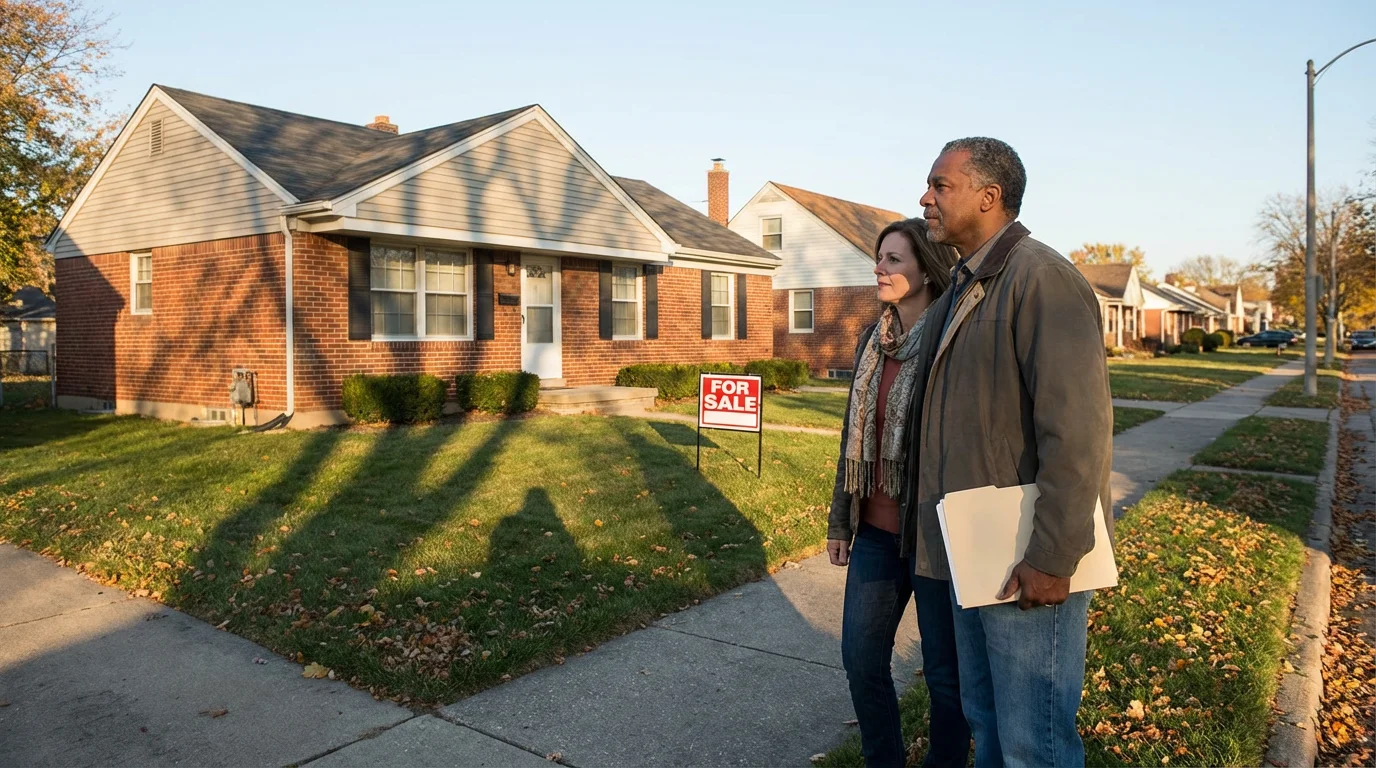
Navigating the Application Process and Finding a Lender
Once you have thoroughly considered the pros and cons and decided a reverse mortgage might be suitable, understanding the application process is the next step. This process involves several key stages, each designed to protect you and ensure you make an informed choice. Finding a reputable lender is paramount to a positive experience.
Follow these steps to navigate the application:
- Complete Mandatory Counseling: Before you can apply, you must attend a counseling session with a HUD-approved reverse mortgage counselor. This session is legally required and designed to educate you without pressure. The counselor provides a list of approved lenders, discusses alternatives, and issues a certificate of completion, which is necessary for the application.
- Shop for Lenders: Do not just accept the first offer you receive. Contact several HUD-approved lenders and compare their loan terms, interest rates, fees, and overall costs. Ask for a “Loan Estimate” from each lender, which provides a detailed breakdown of all costs. This allows you to compare offers apples-to-apples. Resources like AARP Money offer guidance on how to evaluate different lenders and their offerings.
- Submit Your Application: Once you choose a lender, you will complete a formal application. You will need to provide financial documentation, including income statements, bank statements, and information about your property.
- Home Appraisal: The lender will order an independent appraisal of your home to determine its market value. This value, along with your age and current interest rates, dictates the amount of money you can borrow.
- Underwriting and Approval: The lender’s underwriter reviews all your documentation, the appraisal, and your financial assessment to determine if you meet all eligibility requirements. They will verify your ability to continue paying property taxes and insurance.
- Closing: If approved, you will attend a closing, similar to a traditional mortgage closing. You will sign numerous documents, and the funds will be disbursed according to the payment option you selected. Be sure to review every document carefully and ask questions if anything is unclear. You often have a three-day right of rescission after closing, allowing you to cancel the loan if you change your mind.
Throughout this process, do not hesitate to ask questions. A reputable lender will gladly explain every detail. Work closely with your counselor and, if you have one, your financial advisor, to ensure you understand each step and its implications.
Frequently Asked Questions
This section addresses common questions seniors have about reverse mortgages, providing concise and clear answers to help clarify any remaining uncertainties.
What happens to my reverse mortgage if I die?
When the last surviving borrower dies, the loan becomes due. Your heirs typically have several options. They can pay off the loan (the lesser of the outstanding balance or 95% of the home’s appraised value) to keep the home, sell the home to satisfy the debt, or allow the lender to foreclose. Because HECMs are non-recourse, your heirs are never personally liable for any debt exceeding the home’s value.
Do I still pay property taxes and insurance with a reverse mortgage?
Yes, absolutely. You remain responsible for paying property taxes, homeowner’s insurance premiums, and maintaining your home. Failing to keep up with these obligations can lead to default and potentially foreclosure, even if you are receiving payments from the reverse mortgage.
Can I get a reverse mortgage if I still have an existing mortgage?
Yes, you can. One of the primary uses of a reverse mortgage is to pay off an existing mortgage. You will use the funds from the reverse mortgage to clear your current mortgage balance, eliminating those monthly principal and interest payments. The remaining funds are then available to you according to your chosen payment option.
How much money can I get from a reverse mortgage?
The amount of money you can receive depends on several factors: your age (the older you are, the more you generally qualify for), your home’s appraised value (up to the FHA lending limit, which is $1,149,825 for 2024), and current interest rates. The younger the borrower, the lower the amount you typically qualify for. A HUD-approved counselor or lender can provide a personalized estimate.
Is a reverse mortgage right for everyone?
No, a reverse mortgage is not suitable for everyone. It is a complex financial product with significant costs and implications for your estate. It may be a good option if you need to access home equity for income or debt repayment, want to remain in your home, and are comfortable with the loan balance growing over time. It may be less suitable if you plan to move soon, need only a small amount of cash, or prioritize leaving maximum equity to your heirs.
Can the interest rate change on a reverse mortgage?
Many HECMs come with an adjustable interest rate, which means the rate can fluctuate over the life of the loan, causing your loan balance to grow more quickly or slowly. Some lenders offer HECMs with a fixed interest rate, typically only if you take the maximum amount as a lump sum at closing. You will discuss interest rate options during your mandatory counseling session and with potential lenders.
Disclaimer: This article is for informational purposes only and does not constitute financial, tax, or legal advice. Discounts, programs, and savings opportunities may vary by location and are subject to change. We encourage readers to verify current offers and consult with qualified financial professionals for personalized advice.









Leave a Reply