
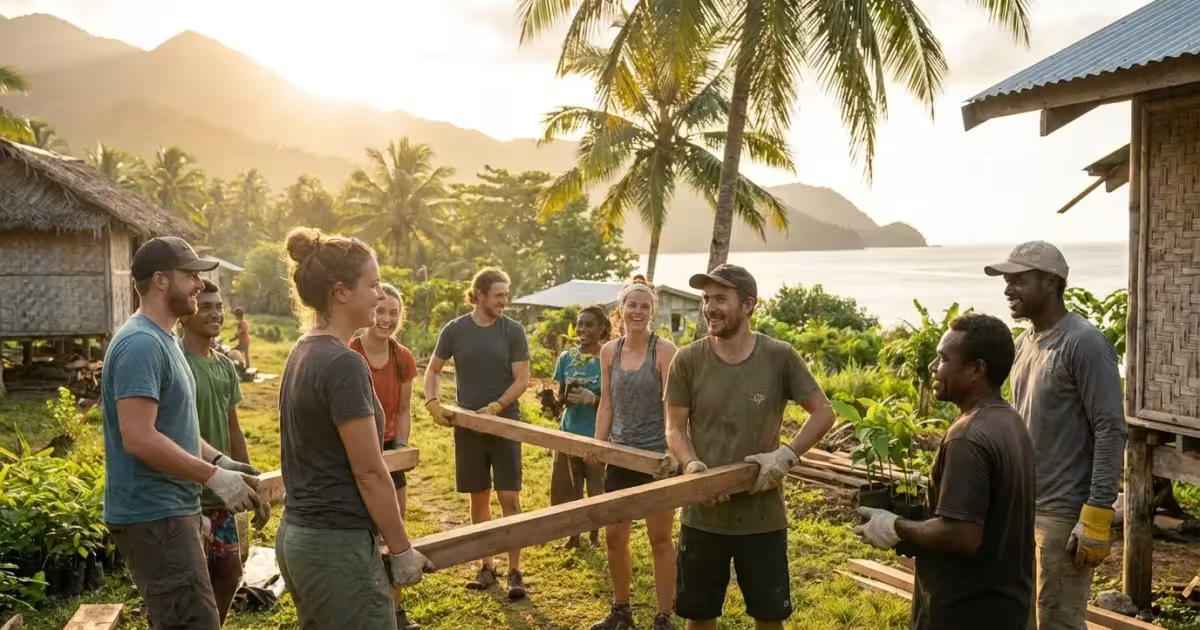
Imagine exploring a vibrant new culture, experiencing breathtaking landscapes, and at the same time, contributing meaningfully to a cause you care about. This is the essence of a volunteering vacation, a powerful way to blend your desire for travel with the deep satisfaction of giving back. For seniors, these trips offer an unparalleled opportunity to leverage a lifetime of experience, wisdom, and free time into impactful adventures. You do not just see the world, you become a part of its betterment.
Many seniors find retirement opens doors to new passions, including the chance to travel more extensively. Volunteering vacations elevate this experience, transforming a simple getaway into a purpose-driven journey. You connect with local communities, learn new skills, and create unforgettable memories, all while contributing to a global good. This approach to travel offers profound personal fulfillment, a chance to expand your horizons, and an active way to engage with the world.
Why Volunteer Vacations Resonate with Seniors
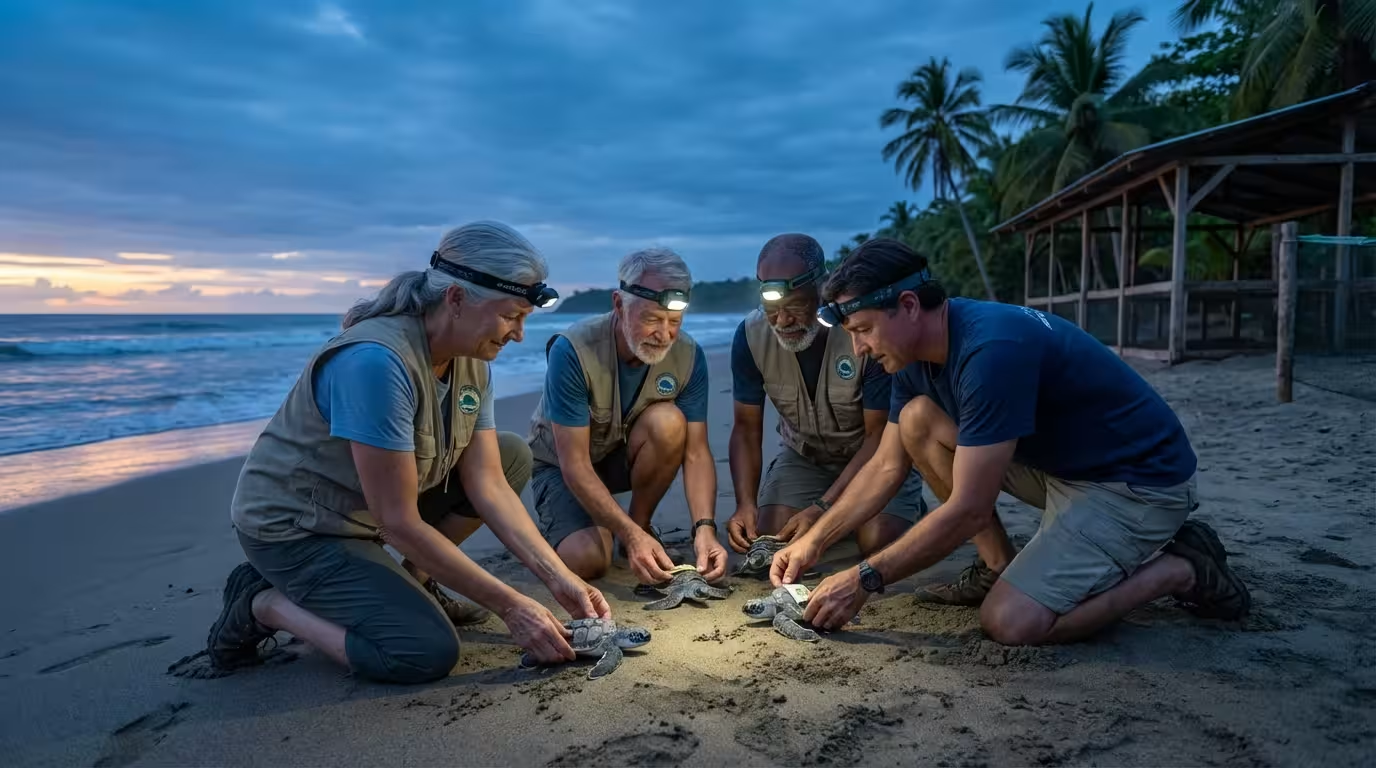
Senior volunteers bring invaluable assets to any project. Your rich life experiences, diverse skill sets, and often, your genuine desire to make a difference are highly sought after by organizations worldwide. Many programs specifically design opportunities for active older adults, recognizing their unique contributions. These trips offer more than just a destination, they provide a sense of purpose and renewed energy.
If you want to prepare intellectually for your trip, exploring free online courses is a wonderful way to build your skills beforehand.
To document your journey and capture the impact you are making, learning some basic tips on photography for seniors is highly recommended.
Embracing a volunteer vacation allows you to continue learning and growing. You might acquire new practical skills, delve into a different culture more deeply than a typical tourist, or even pick up a new language. This engagement helps keep your mind sharp and your spirit vibrant. It is a proactive choice for a fulfilling retirement, fostering both personal well-being and global connection.
Benefits of Volunteering While Traveling
The advantages of combining service with travel extend far beyond the immediate impact of your work. You gain personal growth, cultural immersion, and a renewed sense of purpose. Research indicates that volunteering contributes positively to mental and physical well-being, enhancing life satisfaction and reducing feelings of isolation. Your engagement directly benefits communities and your own health.
To maximize your travel funds for these rewarding experiences, consider adopting budget-friendly travel strategies that keep your overall expenses manageable.
If you plan to extend your stay before or after your project, taking advantage of travel discounts for seniors can keep your overall expenses low.
The world is a book, and those who do not travel read only one page.
Adding a chapter of service makes that book even richer. Here are specific benefits you can expect from these enriching experiences:
- Deep Cultural Immersion: You live and work alongside locals, gaining authentic insights into their daily lives, traditions, and challenges, far beyond what a standard tour offers. This intimate connection fosters genuine understanding.
- Sense of Purpose and Fulfillment: Direct contribution to a meaningful cause provides profound satisfaction and a sense of accomplishment. You clearly see the positive impact of your efforts, which can be incredibly motivating.
- Expanded Social Connections: You meet like-minded volunteers from around the globe and forge friendships with community members. This network enriches your travel experience and often lasts long after your trip concludes.
- Physical and Mental Stimulation: Engaging in new activities and environments keeps your body active and your mind sharp. Many programs offer a blend of physical tasks and intellectual engagement, promoting overall wellness.
- Skill Development and Sharing: You can apply your existing professional or life skills in new contexts, or learn entirely new ones. Many organizations welcome professionals from various backgrounds to share their expertise, making your contribution even more valuable.
- Affordable Travel Opportunities: While not always free, many volunteer programs offer lower costs than traditional vacations, often covering accommodation and meals in exchange for your service. This can make international travel more accessible.
Diverse Opportunities: Where Seniors Can Volunteer While Traveling
The range of volunteer vacations available for senior volunteers is vast, catering to virtually every interest and capability. Whether you prefer light administrative work or more hands-on environmental projects, an option exists for you. Consider your passions, physical comfort levels, and desired travel experience when exploring possibilities. You have a lifetime of skills ready to be shared.
If you are focusing your search on historic destinations across the ocean, our comprehensive European travel planning guide offers valuable advice for a smooth trip.
Many programs offer flexible schedules and tasks, making them accessible for different mobility levels. You can contribute your time and energy in various sectors, both domestically and internationally. Think about what truly excites you and where your skills might be most impactful, then seek out programs that align with those interests.
Environmental and Conservation Projects
Contribute to preserving natural beauty and wildlife. These roles often involve working outdoors, but many programs also need administrative support or educational outreach. Programs exist worldwide, from coastal cleanups to wildlife rehabilitation centers, offering diverse ways to protect our planet.
Many conservation volunteers also love visiting accessible national parks to experience protected wilderness areas firsthand during their downtime.
Many environmental programs are set near beautiful parks, making it easy to enjoy senior-friendly hiking trails during your downtime.
- Wildlife Conservation: Assist at animal sanctuaries, research centers, or in marine conservation efforts. Tasks might include feeding animals, monitoring habitats, data collection, or educating visitors about local fauna.
- Sustainable Agriculture: Help on organic farms or eco-villages, learning about sustainable practices while contributing to food production. You can assist with planting, harvesting, or farm maintenance.
- Park and Trail Maintenance: Volunteer for trail construction, erosion control, invasive species removal, or campground hosting at scenic parks. Many tasks are suitable for various fitness levels.
Education and Community Development
Share your knowledge and experience with communities in need. These roles often involve direct interaction with people and can be incredibly rewarding. Your life experience is a huge asset here, providing valuable perspectives and mentorship.
Sharing agricultural skills or helping community gardens is a natural fit for those who already love the therapeutic joys of gardening at home.
- Teaching English: Many programs seek native English speakers to teach in schools or community centers, particularly in non-English speaking countries. Your patience and experience make you an excellent educator.
- Mentorship and Skill Training: Offer expertise in business, healthcare, or trades to help local entrepreneurs or community members develop new skills. You can empower individuals through knowledge transfer.
- Infrastructure Support: Assist with light building or renovation projects for schools, homes, or community centers. These roles can range from painting to organizing supplies, accommodating various physical abilities.
- Cultural Exchange Programs: Participate in initiatives focused on sharing traditions, arts, and crafts, fostering understanding and connection between diverse cultures.
Healthcare and Humanitarian Aid
For those with medical backgrounds or a strong desire to assist in health-related initiatives, these programs offer critical support. Even without a medical background, you can find supportive administrative or logistical roles, making a difference in peoples’ lives.
Providing aid can be emotionally intense, making it helpful to practice mindfulness and meditation to maintain your own well-being during your service.
- Medical Missions: If you are a retired healthcare professional, your skills are invaluable in underserved areas. Non-medical volunteers can assist with logistics, patient registration, or administrative support, ensuring smooth operations.
- Elder Care: Volunteer at senior centers or residential facilities, offering companionship, leading activities, or providing general support to other seniors. This builds meaningful connections.
- Disaster Relief Support: Assist communities in recovery efforts after natural disasters, providing various forms of aid. Roles can include sorting donations, community outreach, or basic structural assistance.
Cultural and Historical Preservation
If history, art, or archaeology captivate you, consider programs that help preserve cultural heritage. These can be less physically demanding and highly intellectually stimulating, allowing you to engage with the past while shaping the future.
If you love learning about local history but prefer a guided pace, participating in senior-friendly walking tours is another great way to immerse yourself in local culture.
- Museums and Archives: Help catalog artifacts, conduct research, or guide visitors in historical sites and museums. Your attention to detail and knowledge can be a great asset.
- Archaeological Field Work: Participate in archaeological digs, often requiring careful, meticulous tasks like cleaning artifacts, mapping sites, or recording data, rather than heavy labor.
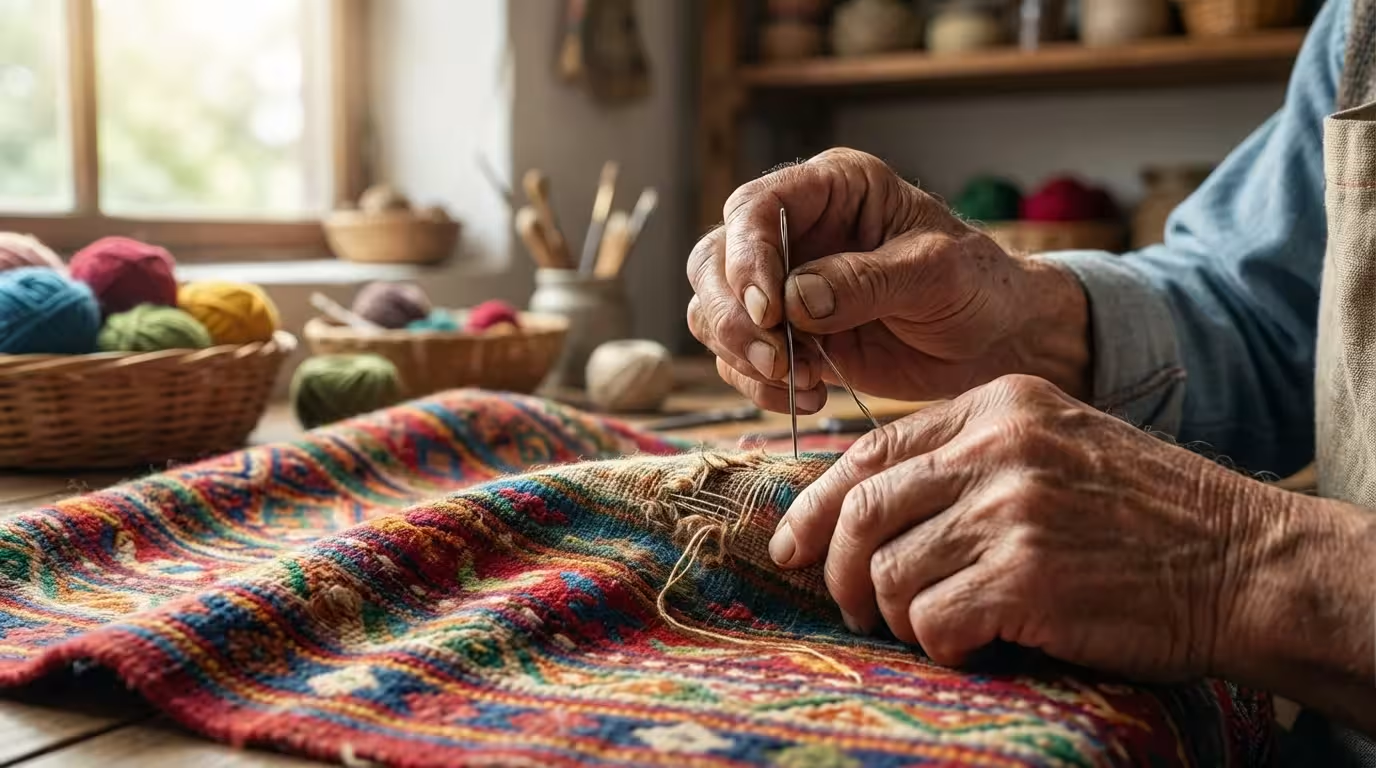
- Arts and Crafts Preservation: Support local artisans, help preserve traditional crafts, or teach creative skills to community groups, ensuring cultural legacies endure.

Planning Your Purposeful Journey: Key Considerations
A successful volunteer vacation requires thoughtful planning, especially as a senior traveler. Focus on matching your interests and abilities with the right program. Consider the duration, intensity, and location of the project carefully. Starting your research early provides ample time to compare options and prepare effectively. This proactive approach leads to a more fulfilling trip.
If a long-term volunteering trip feels too demanding initially, you can start small with affordable weekend getaways to test your travel readiness and stamina.
If you plan to embark on this journey alone, reviewing specialized solo travel safety tips can boost your confidence and ensure a worry-free experience.
Ensure the program aligns with your personal goals, whether that is learning a new skill, contributing to a specific cause, or experiencing a particular culture. Communication with the program organizers is paramount to address any questions or concerns you might have regarding accommodation, daily tasks, or support systems. Do not hesitate to ask detailed questions about daily life on the trip.
- Define Your Goals: What do you hope to achieve during your volunteer vacation? Do you want to learn, teach, explore, or simply help? Your motivation will guide your choices and help you find the most suitable program.
- Assess Your Abilities: Honestly evaluate your physical condition, mobility, and energy levels. Many programs offer roles with varying physical demands, so match your comfort level. Do not push yourself beyond what feels right.
- Research Destinations and Causes: Consider locations that intrigue you and causes that resonate with your values. Do you prefer urban or rural settings, domestic or international travel? Focus on areas where your contribution feels most meaningful.
- Determine Your Availability and Budget: Volunteer trips can range from a few days to several months. Establish how much time and money you can realistically commit, including travel and program fees.
- Inquire About Program Inclusions: Understand what the program fee covers, such as accommodation, meals, local transportation, insurance, and cultural activities. Clarify what expenses you will need to cover independently.
- Read Reviews and Testimonials: Look for feedback from past participants, especially other senior volunteers, to gauge their experiences and program quality. Independent reviews often provide valuable insights.

Finding Reputable Volunteer Programs
Selecting a credible and impactful volunteer organization is crucial for a rewarding experience. The market includes a wide array of programs, so vetting them thoroughly ensures your time and money contribute to genuine needs. Look for transparency, established track records, and positive community relationships. A reputable program values its volunteers and the communities it serves.
Prioritize organizations that clearly outline their mission, project goals, and how they utilize volunteer contributions. A reputable program should also provide comprehensive pre-departure information and robust in-country support. You want to partner with an organization that prioritizes your safety and effectiveness, and demonstrates a real commitment to sustainable development.
Organizations Known for Senior Volunteer Programs:
- Road Scholar: Known for educational travel, Road Scholar also offers service-learning programs that combine volunteering with cultural immersion, specifically designed for older adults. Their programs focus on learning and engaging deeply with local cultures.
- Global Volunteers: This organization focuses on human and economic development, offering programs in dozens of countries with clear project descriptions and a commitment to long-term impact. They emphasize sustainable partnerships with communities.
- Cross-Cultural Solutions: Offers programs focused on health, education, and child development in various locations, often featuring cultural immersion activities and local language instruction. Their approach emphasizes cultural sensitivity and direct community engagement.
- Habitat for Humanity Global Village: Participate in home-building projects in communities worldwide. While physically engaging, various tasks accommodate different skill sets and energy levels, from construction to meal preparation.
- World Wide Opportunities on Organic Farms (WWOOF): A network of organic farms offering food and accommodation in exchange for volunteer help. This can be a very immersive and budget-friendly option for those interested in agriculture.

Managing Costs and Funding Your Adventure
While the reward of giving back is priceless, volunteer vacations do come with financial considerations. Costs can range significantly, from covering just your flights and personal expenses to paying program fees that include accommodation, meals, and in-country support. Understanding these expenses upfront helps you budget effectively and avoid surprises.
Many programs are structured to be more affordable than traditional tours, but they are rarely free. Factor in travel insurance, visa costs, vaccinations, and personal spending. Look for options that offer transparency in their pricing structure, ensuring you know exactly what your money covers and where it goes.
Tips for Budgeting and Funding:
- Research Program Fees Thoroughly: Understand what is included and what is extra. Some programs include flights, while most expect you to arrange your own. Compare several programs to get a clear picture of typical costs.
- Seek Scholarship Opportunities: Some organizations and foundations offer grants or scholarships specifically for senior volunteers, or for volunteering in particular fields. AARP, for instance, sometimes offers travel-related benefits or advice.
- Consider Domestic Programs: Volunteering closer to home often reduces travel costs significantly, making the experience more accessible. You save on international flights and potentially visa fees.
- Fundraise: Many volunteers use personal fundraising pages or engage their social networks to help cover trip expenses, especially for longer, more impactful projects. Explain your cause and inspire others to contribute.
- Travel During Off-Peak Seasons: Flights and accommodation can be cheaper during less popular travel times, potentially lowering your overall trip cost. You also avoid crowds.
- Choose Longer Stays: Sometimes, the per-day cost decreases with longer commitments, as initial setup fees are amortized over more days. This can offer greater value for your investment.

Health, Safety, and Travel Insurance for Senior Volunteers
Your well-being is paramount when embarking on a volunteer vacation. Seniors need to pay particular attention to health preparations, safety protocols, and comprehensive travel insurance. Taking proactive steps ensures a worry-free and enjoyable experience, allowing you to focus on your service.
Consult your doctor well in advance of your trip to discuss required vaccinations, any necessary medications, and how your itinerary might impact your health. Be open about your mobility needs and any health conditions with your chosen program, allowing them to make appropriate accommodations. Preparation minimizes risks and maximizes enjoyment.
Essential Health and Safety Steps:
- Consult Your Doctor: Get a thorough check-up and discuss your travel plans. Inquire about recommended vaccinations, preventative medications (like anti-malarials), and how to manage existing conditions abroad. The CDC Travelers’ Health website offers comprehensive, country-specific health advice.
- Review Travel Advisories: Check the U.S. State Department Travel website for safety and security information for your destination. Stay informed about local conditions, political stability, and any alerts.
- Obtain Comprehensive Travel Insurance: Ensure your policy covers medical emergencies, medical evacuation, trip interruption, and cancellation. Look for policies specifically designed for senior travelers, which may offer higher age limits or coverage for pre-existing conditions. Many reputable providers offer these specialized plans.
- Pack a Comprehensive First-Aid Kit: Include all prescription medications (with copies of prescriptions), over-the-counter remedies for common ailments, and any personal health items you regularly use. Do not forget motion sickness medication if needed.
- Stay Hydrated and Practice Good Hygiene: These simple measures are critical, especially in unfamiliar environments. Drink only bottled or purified water and wash your hands frequently.
- Communicate with Program Staff: Inform your program leaders about any health or mobility concerns. They are there to support you and can often adjust tasks or provide assistance, ensuring your comfort and safety.
- Share Your Itinerary: Provide your family or trusted contacts with your travel details, including flight information, accommodation, and program contacts. Establish a regular check-in schedule for peace of mind.

Solo Versus Group Volunteer Trips
The choice between traveling solo or joining a group for your volunteer vacation depends largely on your personal preferences and comfort level. Both options offer distinct advantages for senior volunteers, allowing for different levels of independence and social interaction.
Solo travel can provide greater flexibility and independence, allowing you to tailor your experience precisely. Group trips, conversely, offer built-in companionship, structured support, and often a reduced planning burden. Consider what kind of social interaction and logistical support you desire, then pick the option that best suits your travel style.
Solo Volunteering:
- Pros: Maximum flexibility in choosing projects and managing your schedule, heightened independence, opportunities for deeper personal reflection, and the chance to challenge yourself in new ways.
- Cons: Requires more personal planning and responsibility, potentially higher safety considerations in unfamiliar territories, and less immediate social support from fellow volunteers.
- Best For: Independent seniors comfortable navigating new places alone, those seeking specific, niche volunteer roles, or experienced solo travelers who thrive on self-reliance.
Group Volunteer Trips:
- Pros: Built-in community and social interaction from day one, comprehensive logistical support (transport, meals, accommodation often arranged), enhanced safety in numbers, and pre-planned cultural activities that enrich the experience.
- Cons: Less flexibility in itinerary, may involve compromising on certain preferences or group decisions, and group dynamics are a factor that can vary between trips.
- Best For: Seniors new to volunteer travel, those seeking companionship and a structured experience, or individuals who appreciate having all major arrangements handled, allowing them to focus on the service.
Packing Smart for Your Volunteer Trip
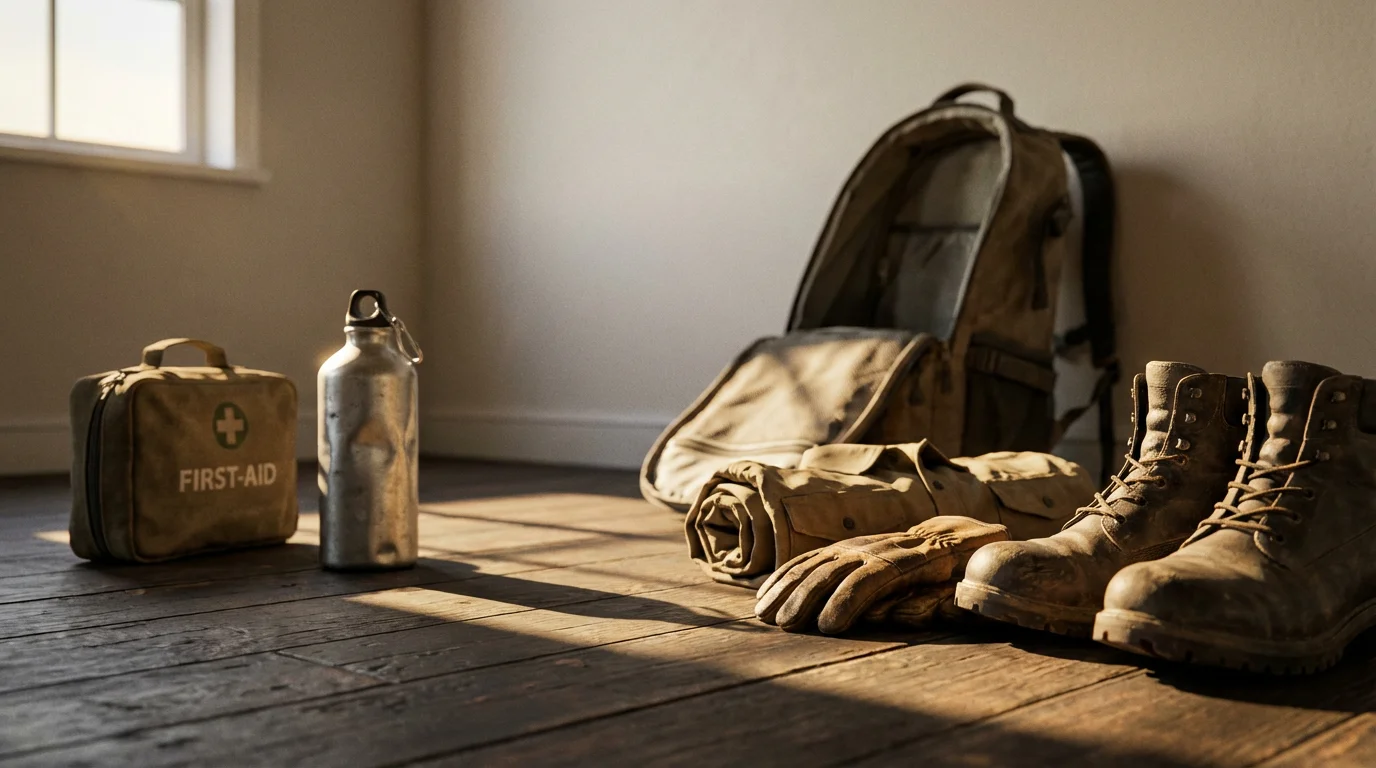
Packing efficiently is essential for any trip, but especially for a volunteer vacation where you might be engaged in various activities, potentially in diverse climates. Focus on practical, versatile items that are durable and comfortable. Think layers, utility, and essentials, leaving unnecessary luxuries at home to ensure you are well-prepared for your tasks.
Check the specific packing list provided by your volunteer organization, as they often have requirements based on the project and destination. Remember to include items that address personal comfort, health, and safety. A well-packed bag contributes significantly to a stress-free experience, allowing you to focus on your impactful work.
Essential Packing List:
- Comfortable, Durable Clothing: Pack layers suitable for varying temperatures, breathable fabrics, and items you do not mind getting dirty. Include long sleeves and pants for sun protection or cultural modesty, as appropriate for your destination.
- Sturdy, Closed-Toe Shoes: Essential for safety and comfort, especially if your volunteer work involves walking, light labor, or uneven terrain. Consider waterproof options or a second pair for rotation.
- Personal First-Aid Kit: Include all prescription medications (with copies of prescriptions), pain relievers, bandages, antiseptic wipes, insect repellent, and any personal care items you regularly use.
- Sun Protection: A wide-brimmed hat, sunglasses, and high-SPF sunscreen are crucial, especially for outdoor projects. Sunburn can quickly dampen your enthusiasm.
- Reusable Water Bottle: Stay hydrated and reduce plastic waste. Consider a water filter bottle if clean water access is a concern, ensuring safe drinking water.
- Small Backpack or Daypack: Useful for daily excursions, carrying water, snacks, personal items to your volunteer site, or small purchases.
- Basic Toiletries and Hand Sanitizer: Even if accommodation is provided, having your own familiar items is comforting. Hand sanitizer is invaluable for maintaining hygiene on the go.
- Adapter and Portable Charger: Ensure your electronics can be charged, especially if you are in a remote area or have limited access to power outlets. Power banks are excellent for phone charging.
- Copies of Important Documents: Keep digital and physical copies of your passport, visa, insurance, and emergency contacts separate from the originals. This protects you in case of loss or theft.
- Headlamp or Flashlight: Invaluable for early mornings, evenings, or if electricity is unreliable in your accommodation or project site.
Frequently Asked Questions
Are volunteer vacations only for younger travelers?
Absolutely not. Volunteer vacations are an excellent option for seniors, offering unique opportunities to combine travel with meaningful service. Many organizations actively seek senior volunteers for their experience, wisdom, and dedication. Programs cater to a wide range of physical abilities and interests, ensuring there is a suitable option for nearly everyone, regardless of age. Your life experiences are highly valued in these settings.
How much do volunteer vacations typically cost?
The cost of a volunteer vacation varies significantly based on the program, destination, duration, and what is included. Some programs are free, requiring only your travel expenses, while others can cost thousands of dollars, covering accommodation, food, in-country transportation, and program fees. Factors like international flights, visas, and personal spending money also contribute to the overall cost. Always research programs carefully to understand all expenses involved before committing.
What kind of support is provided to senior volunteers?
Reputable volunteer organizations prioritize the safety and well-being of all participants, including seniors. They often provide extensive support, such as comprehensive pre-trip orientation, accessible in-country coordinators, clear emergency protocols, and assistance with logistics like accommodation and local transportation. Many programs also offer flexibility in tasks to accommodate varying mobility levels, ensuring a comfortable, impactful, and safe experience for all senior volunteers.
Do I need special skills or experience to volunteer?
While some specialized volunteer roles may require specific professional skills, many volunteer vacations welcome individuals with no prior experience. Organizations often value life experience, enthusiasm, and a genuine willingness to learn and contribute. Tasks can range from general labor, administrative support, and teaching English, to caring for animals or assisting with cultural preservation. Always check the program’s specific requirements, but do not assume you lack the necessary qualifications; your passion to help is often the most important asset.
Embarking on a volunteering vacation offers a transformative way to engage with the world in your senior years. You not only enrich your own life with adventure and new perspectives, but you also leave a positive, lasting mark on the communities and causes you serve. This purposeful travel blends discovery with contribution, creating memories that resonate deeply. Plan your adventure, embrace the opportunity, and experience the profound joy of giving back while exploring our incredible planet.
Disclaimer: This article is for informational purposes only. Travel conditions, prices, and policies change frequently. We encourage readers to verify current information directly with travel providers, check travel advisories, and consult with healthcare providers about any health concerns before traveling.



Leave a Reply