
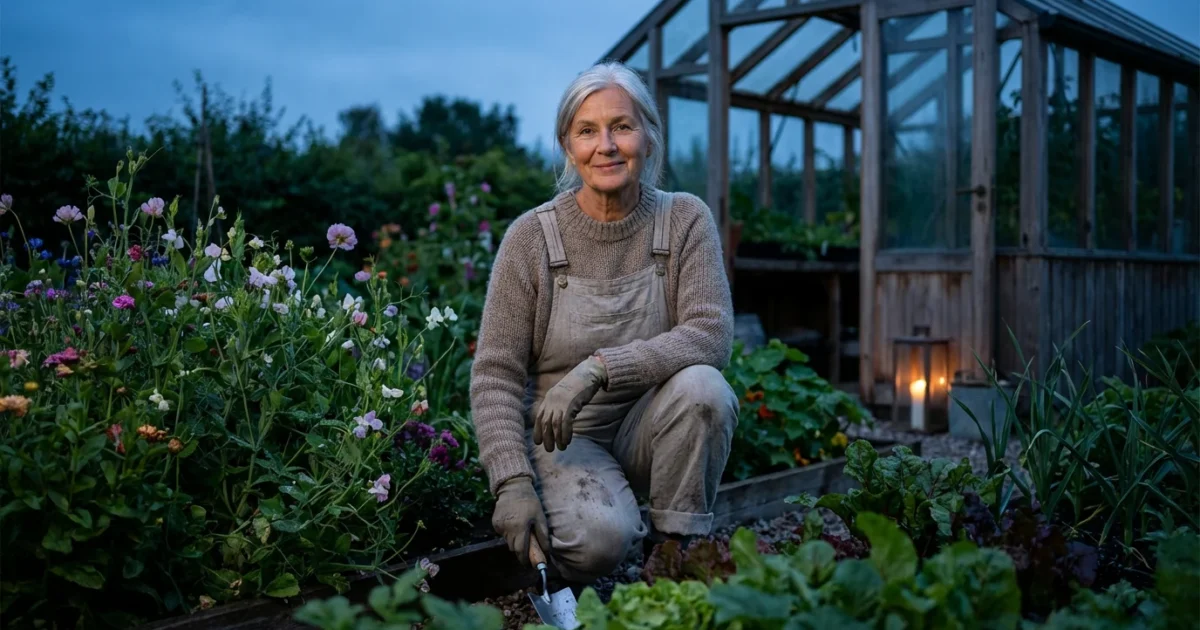
Embrace the vibrant world of gardening, a hobby offering endless rewards for seniors. This fulfilling activity provides physical exercise, mental stimulation, and a deep connection to nature. Whether you possess a sprawling yard or a small balcony, gardening adapts to your lifestyle, bringing beauty and purpose to your daily routine. You can discover immense satisfaction in nurturing life, watching it grow, and enjoying the fruits of your labor.
A garden also provides a wonderful setting for those who appreciate the benefits of pet ownership and companionship.
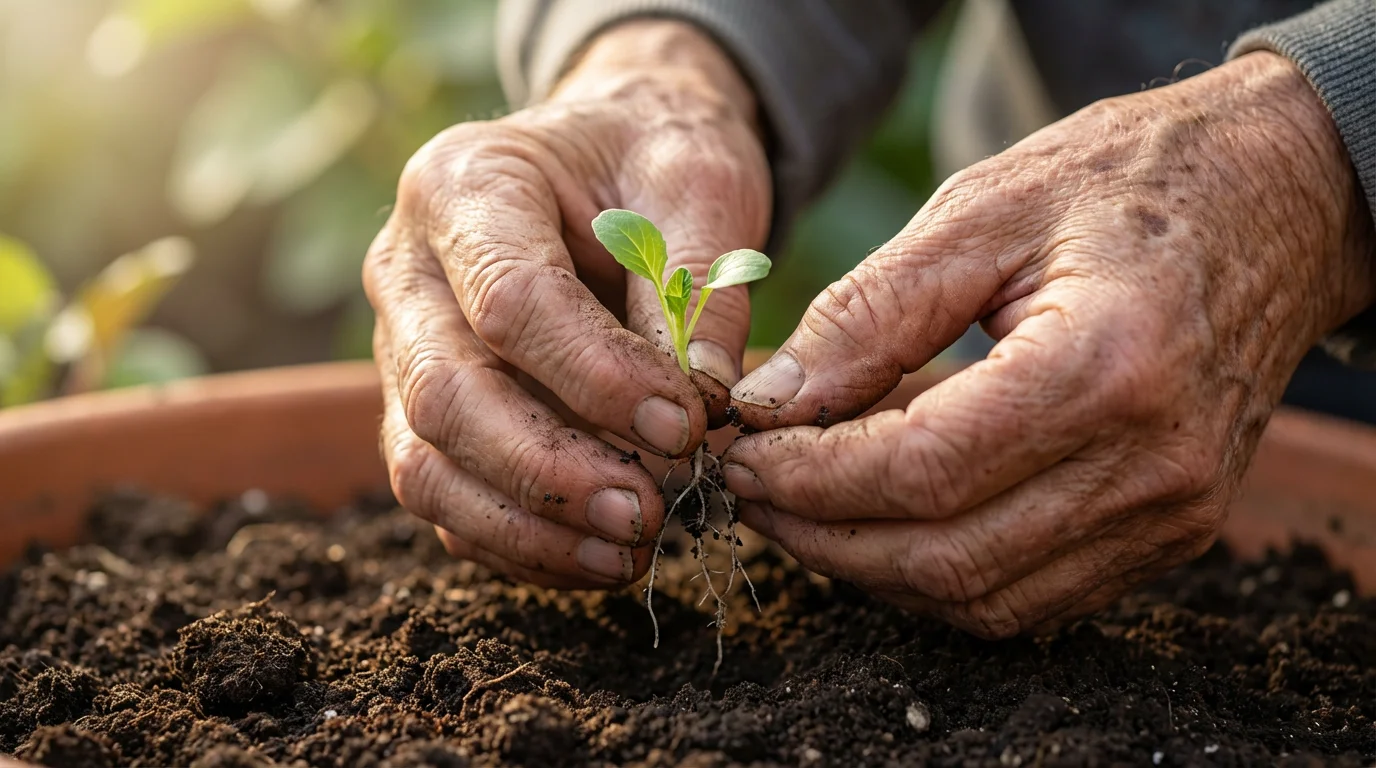
Unearthing the Benefits of Gardening for Seniors
Gardening offers much more than beautiful flowers or fresh produce. It delivers a powerful combination of physical, mental, and emotional advantages. Engaging with the earth provides a holistic approach to well-being, making it an ideal `Senior Hobby` for promoting a fulfilling retirement. You gain tangible rewards while enriching your daily life.
Physical Vitality Through Outdoor Activities
Consider `Gardening` a gentle, yet highly effective form of exercise. Activities like digging, planting, weeding, and watering engage various muscle groups without high impact, making it suitable for most fitness levels. This continuous, moderate movement improves flexibility, strengthens muscles, and enhances balance, significantly reducing the risk of falls. Just 30 minutes of gardening can burn calories and boost cardiovascular health, contributing significantly to your overall fitness. Regular exposure to sunlight, particularly when gardening outdoors, also helps your body produce essential Vitamin D, vital for bone health, mood regulation, and immune function. You experience improved physical stamina and a greater sense of well-being.
Mental Well-being and Cognitive Boost
The tranquility of a garden fosters peace and mindfulness, acting as a natural stress reliever. Focusing on the task at hand, whether pruning a rose or watering seedlings, redirects your thoughts from daily worries and anxieties. This meditative quality significantly reduces stress hormones and promotes relaxation. Furthermore, gardening stimulates cognitive functions. You plan garden layouts, remember specific plant needs, learn new techniques, and solve small problems like pest identification, keeping your brain active and engaged. A study published in the Journal of Environmental Horticulture found that regular gardening can improve cognitive function in older adults, highlighting its role as a beneficial `Outdoor Activity` for maintaining mental sharpness and delaying cognitive decline.
Fostering Connection and Purpose
Cultivating a garden instills a profound sense of purpose and accomplishment. You nurture life from seed to harvest, creating something tangible and beautiful through your own efforts. Watching seeds sprout, plants flourish, and flowers bloom provides immense satisfaction and a daily reason to engage with the world. This rewarding experience combats feelings of isolation, often a concern in retirement, and contributes to overall happiness and life satisfaction. Many seniors also find deep community through gardening, whether sharing tips with neighbors, joining a local garden club, or participating in a community plot. These connections enrich your social life, creating shared experiences, fostering new friendships, and building a supportive network.
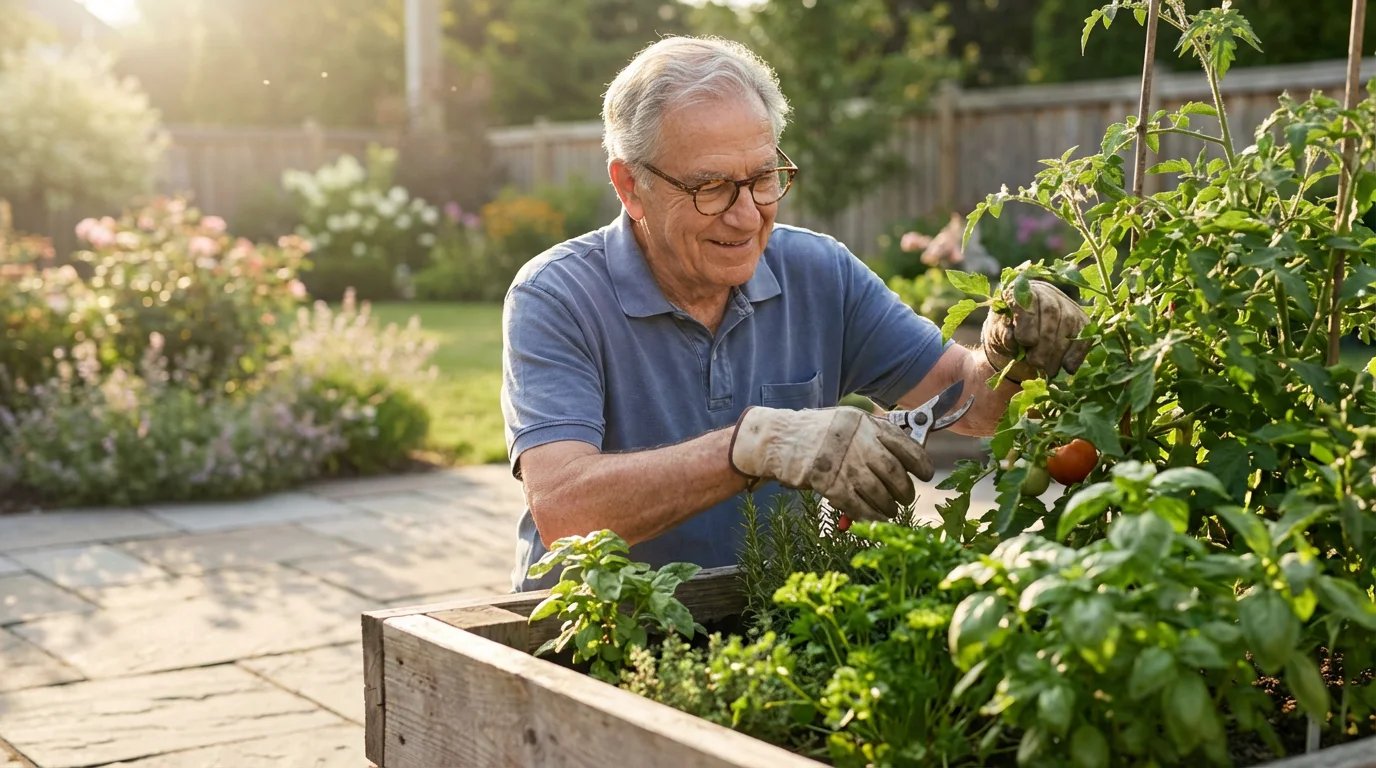
Adapting Gardening Techniques for Comfort and Accessibility
You can enjoy gardening regardless of physical limitations. Many innovative products and practices make `Gardening` accessible and comfortable for everyone. Focus on methods that reduce strain and accommodate your unique needs. This ensures your hobby remains a source of joy, not discomfort. You maintain independence and prolong your active participation in this rewarding pursuit.
Elevated Gardening Solutions
Raised garden beds prove incredibly popular among senior gardeners for good reason. They lift the soil to a comfortable height, minimizing the need for bending and kneeling, which can strain backs and knees. You can customize the bed height to suit your preferences, whether you prefer to work while sitting on a stool or standing upright. Similarly, container gardening offers exceptional flexibility. Place pots on elevated stands, sturdy tables, or even windowsills, bringing your plants to an easily accessible level. You can easily move containers to optimize sunlight, protect plants from harsh weather, or rearrange your garden space, a practical solution for smaller spaces or changing mobility. Consider materials like wood, composite, or even galvanized metal for long-lasting raised beds.
Ergonomic Tools and Supportive Gear
Invest in tools specifically designed to reduce strain and enhance comfort. Look for lightweight tools made from durable materials like aluminum, titanium, or high-quality plastics, which offer strength without cumbersome weight. Crucially, choose tools with ergonomic handles. These handles are shaped to fit your hand naturally, distributing pressure evenly and reducing stress on joints, particularly beneficial if you experience arthritis or reduced grip strength. Long-handled tools prevent excessive bending, protecting your back and knees during tasks like weeding or raking. Consider a sturdy kneeling pad or a garden stool with armrests to provide support when you need to get closer to your plants. These adaptations are key to `how can seniors adapt gardening techniques?` to maintain comfort and safety, preventing fatigue and injury.
Recommended Ergonomic Gardening Tools:
- Lightweight Trowels and Hand Forks: Choose those with comfortable, non-slip grips and a durable head.
- Long-Handled Cultivators or Hoes: Reduce bending for weeding and aerating soil in beds.
- Bypass Pruners: Look for spring-loaded models designed for easy cutting with less hand strain.
- Garden Kneelers with Handles: Provide cushioning for your knees and assist with standing up, offering dual functionality.
- Rolling Garden Seats: Allow you to move around your garden while seated, greatly reducing fatigue during prolonged tasks.
- Reacher/Grabber Tools: Extend your reach for light pruning or picking fruit without overstretching.
- Padded Gloves: Protect your hands and improve grip, making tools easier to hold.
Vertical Gardening and Smart Layouts
Vertical gardening maximizes space and brings plants to an accessible height, often creating stunning visual displays. Utilize wall-mounted planters, tiered shelving units, or hanging baskets. This method works wonderfully for herbs, strawberries, leafy greens, and many small flowering plants, transforming even a small patio into a lush garden. When designing your garden layout, plan for wide, level pathways paved with smooth, non-slip materials to ensure easy navigation with a walker, cane, or wheelchair if necessary. Place frequently tended plants closer to your home, seating areas, or main pathways. A well-thought-out design greatly enhances your gardening experience, ensuring it remains an enjoyable `Outdoor Activity` that you can access and manage with ease.
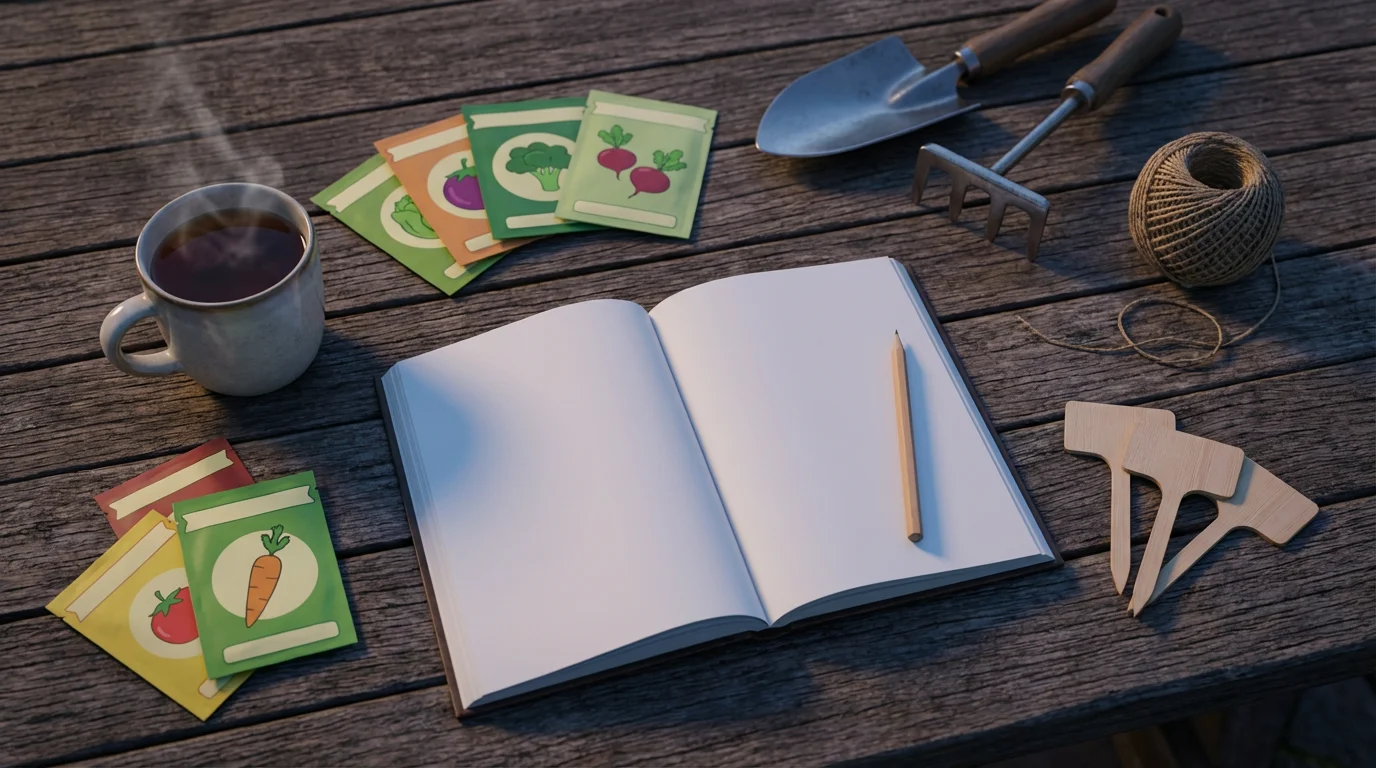
Starting Your Garden: Essential Planning and Setup
Embarking on your gardening journey begins with thoughtful planning. A clear vision and some basic preparation set you up for success. You create an inviting and manageable space that brings you joy for seasons to come. Begin with understanding your environment and selecting the right plant companions to thrive in your chosen spot. This foundational knowledge makes all the difference.
Choosing the Right Location
Sunlight is the most crucial factor for the majority of plants. Observe your potential garden area throughout the day to understand its sun exposure patterns. Most vegetables, fruits, and flowering plants require at least 6-8 hours of direct sunlight daily. Some herbs and leafy greens tolerate partial shade, offering flexibility. Ensure easy access to a reliable water source. A nearby hose bib or a well-placed rain barrel simplifies watering, especially if you have mobility considerations. Think about convenience and aesthetics: locate your garden near a door, patio, or favorite seating area so you can easily step out, tend to it, and enjoy its beauty frequently.
Preparing Your Soil for Success
Healthy soil forms the foundation of a thriving garden. Good soil provides essential nutrients, proper aeration for roots, and adequate drainage to prevent waterlogging. Consider getting your soil tested to understand its composition and pH levels. You can purchase simple home testing kits or send a sample to your local agricultural extension office for a detailed analysis. Amend your soil by incorporating ample organic matter like compost, aged manure, or peat moss. This improves fertility, enhances soil structure, and encourages beneficial microbial activity, giving your plants the best possible start. Well-drained, nutrient-rich soil is essential for robust plant growth and resilience.
Selecting Easy-to-Grow Plants for Beginners
Start your `Gardening` adventure with resilient plants known for being forgiving and productive. This approach builds confidence and provides early success, motivating you to continue. Choose plants that naturally suit your local climate, sun conditions, and available space. Focus on varieties that require minimal pruning, staking, or specialized care. Starting with seeds can be a rewarding and cost-effective option for many plants. However, purchasing small plant starts or seedlings offers immediate gratification and often a higher initial success rate, as you skip the delicate germination phase. Look for plants labeled as “easy to grow” or “low maintenance” at your local nursery.
Beginner-Friendly Plants for Seniors:
- Herbs: Mint, basil, rosemary, thyme, chives, oregano. These are incredibly versatile, thrive in pots, and are often very fragrant, adding sensory enjoyment.
- Leafy Greens: Lettuce (especially loose-leaf varieties), spinach, kale, Swiss chard. They grow quickly, provide continuous harvests, and are excellent for containers or small beds.
- Root Vegetables: Radishes, carrots (choose shorter, wider varieties for raised beds or containers with loose soil).
- Bush Beans: Produce abundant yields without needing complex trellises or supports.
- Cherry Tomatoes: Many compact varieties are prolific and easy to grow in large containers or raised beds, offering sweet, accessible fruit.
- Marigolds and Zinnias: Bright, cheerful annual flowers that attract pollinators, are very hardy, and require minimal deadheading.
- Impatiens: Perfect for shady spots, offering continuous bursts of vibrant color with relatively low care.
- Succulents: Extremely low-maintenance, require minimal watering, and thrive in bright, indirect light, ideal for indoor or outdoor containers.
Budgeting for Your Gardening Adventure
`Gardening` does not need to be an expensive undertaking. You can start small and expand gradually. Begin with a few pots, some packets of seeds, and a bag of quality potting mix. Basic hand tools are a good initial investment, and you can add more specialized items as your needs evolve. Look for sales at local nurseries, hardware stores, or even online retailers. Many experienced gardeners are happy to share extra seeds, plant divisions, or cuttings, fostering a wonderful sense of community and reducing costs. Consider composting kitchen scraps and yard waste to create your own free, nutrient-rich soil amendments, significantly reducing your ongoing expenses for fertilizers and soil. Repurpose household items like old tires or plastic containers as planters for an eco-friendly and budget-conscious approach.
Tools of the Trade: Smart Choices for Senior Gardeners
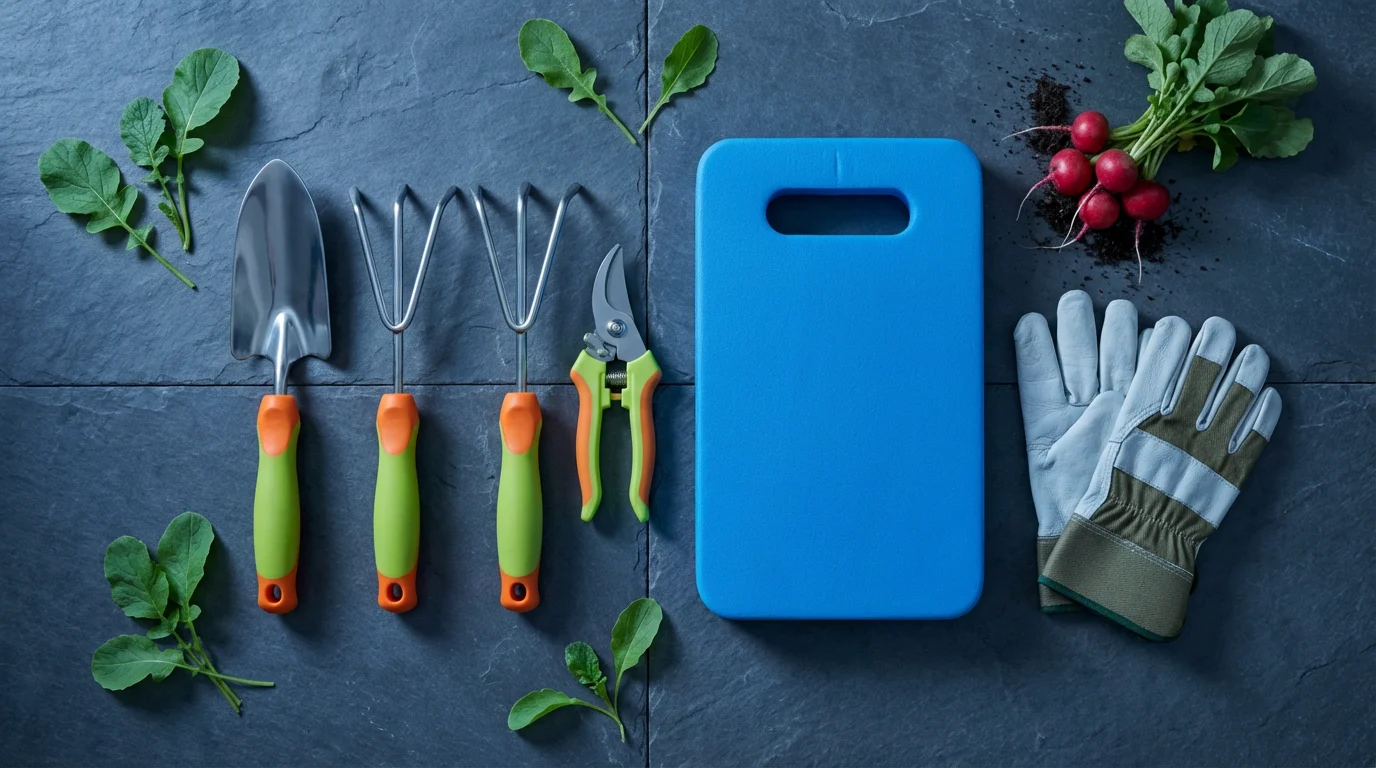
Equipping yourself with the right `Gardening` tools makes all the difference in comfort and enjoyment. Smart tool choices minimize physical strain and maximize efficiency. You invest in your well-being, ensuring every moment spent in your garden is a pleasure rather than a chore. Prioritize ergonomic design, ease of use, and durability when selecting your equipment to support your `Senior Hobby` effectively.
Investing in Lightweight and Ergonomic Tools
Heavy tools quickly lead to fatigue and potential injury, especially during prolonged `Outdoor Activities`. Opt for lightweight versions made from materials like aluminum, carbon steel, or high-grade plastics. These materials offer robust strength without cumbersome weight. Crucially, choose tools with ergonomic handles. These handles are shaped to fit your hand naturally, distributing pressure evenly across your palm and fingers, which significantly reduces stress on joints and wrists. Look for padded or soft-grip handles to enhance comfort, particularly beneficial if you experience arthritis or hand weakness. A good grip prevents slipping and allows for greater control, making tasks safer and more effective.
Extended Reach and Leverage
Long-handled tools are a game-changer for senior gardeners. They allow you to tend to plants, weed beds, and cultivate soil without excessive bending, reaching, or kneeling. A long-handled hoe or cultivator helps with weeding from a standing position, protecting your back. Extended pruners with telescoping handles let you trim high branches or reach into dense shrubs without climbing on stools or ladders, reducing fall risks. Tools designed with leverage mechanisms, such as ratchet-action or gear-assisted pruners, require significantly less hand strength to make cuts, making them ideal for those with weakened grip or hand pain. These tools truly demonstrate `how can seniors adapt gardening techniques?` for efficiency and safety.
Automating for Convenience
Consider integrating smart solutions to reduce manual labor and ensure your plants receive consistent care. Automatic watering systems, like drip irrigation or soaker hoses, deliver water directly and slowly to plant roots, minimizing waste from evaporation and ensuring deep hydration. Timers connected to your watering system mean you never forget to water, even during hot summer months or when you are away. These systems free up your time and energy, letting you enjoy your garden’s beauty without the constant chore of hand-watering. Additionally, self-watering planters contain a reservoir that provides a steady supply of moisture to the plant’s roots, requiring less frequent refilling. These conveniences allow you to maintain a flourishing garden with less physical exertion, making your hobby more sustainable.
Essential Tools for a Comfortable Garden Experience:
- Lightweight Trowel and Hand Fork: For planting seedlings, transplanting small plants, and gentle weeding.
- Ergonomic Hand Pruners: Choose bypass pruners for clean cuts on live stems, ideally with a comfortable, spring-loaded action.
- Long-Handled Hoe or Cultivator: For efficient weeding and breaking up soil in larger beds without bending.
- Garden Kneeler with Handles: Offers thick cushioning for your knees and sturdy handles to assist you in standing up or kneeling down.
- Watering Can with a Long Spout or Soaker Hose System: For targeted, efficient watering that reaches plant bases without splashing.
- Garden Gloves: Select durable, flexible gloves with good grip to protect your hands from thorns, dirt, and blisters.
- Rolling Garden Seat or Stool: Provides a comfortable place to sit while working at ground level or raised beds, reducing strain on your legs and back.
- Seed Sowers/Dispensers: For easy and precise planting of small seeds without fumbling.

Cultivating Success: Year-Round Gardening Tips
Maintaining a thriving garden requires consistent care and attention to detail. You learn to observe your plants, understand their individual needs, and respond accordingly throughout the seasons. This continuous learning makes `Gardening` an engaging and dynamic `Senior Hobby`, offering new discoveries each year. Mastering these basic principles ensures a beautiful and productive space throughout the year, regardless of the climate.
Mindful Watering Practices
Proper watering is critical for plant health, yet often misunderstood. Overwatering can suffocate roots by depriving them of oxygen, while underwatering leads to wilting and stunted growth. Feel the soil moisture level about an inch or two deep before watering; if it feels dry, it is time to water. Water deeply and thoroughly at the base of the plant, encouraging roots to grow deeper and become more resilient. Avoid frequent, shallow watering. Water in the early morning to minimize evaporation and allow foliage to dry before evening, which helps prevent fungal diseases. Consider using a rain gauge to monitor natural rainfall, helping you conserve water and prevent overwatering. Different plants have different water requirements, so learn what your specific plants need.
Effective Weeding Strategies
Weeds compete aggressively with your cultivated plants for water, nutrients, and sunlight, hindering their growth. Regular, gentle weeding keeps them in check and prevents them from establishing deep root systems. Early detection is key; pull weeds when they are small and the soil is moist, as their roots are less established and easier to remove. Use a weeding fork or hoe to loosen the soil around stubborn weeds, making extraction simpler. Applying a generous layer of mulch, such as wood chips, straw, shredded leaves, or even landscape fabric, effectively suppresses weed growth, conserves soil moisture, and adds valuable nutrients as it breaks down over time. Mulching significantly reduces the physical effort required for weeding, allowing you more time to enjoy your garden.
Natural Pest and Disease Management
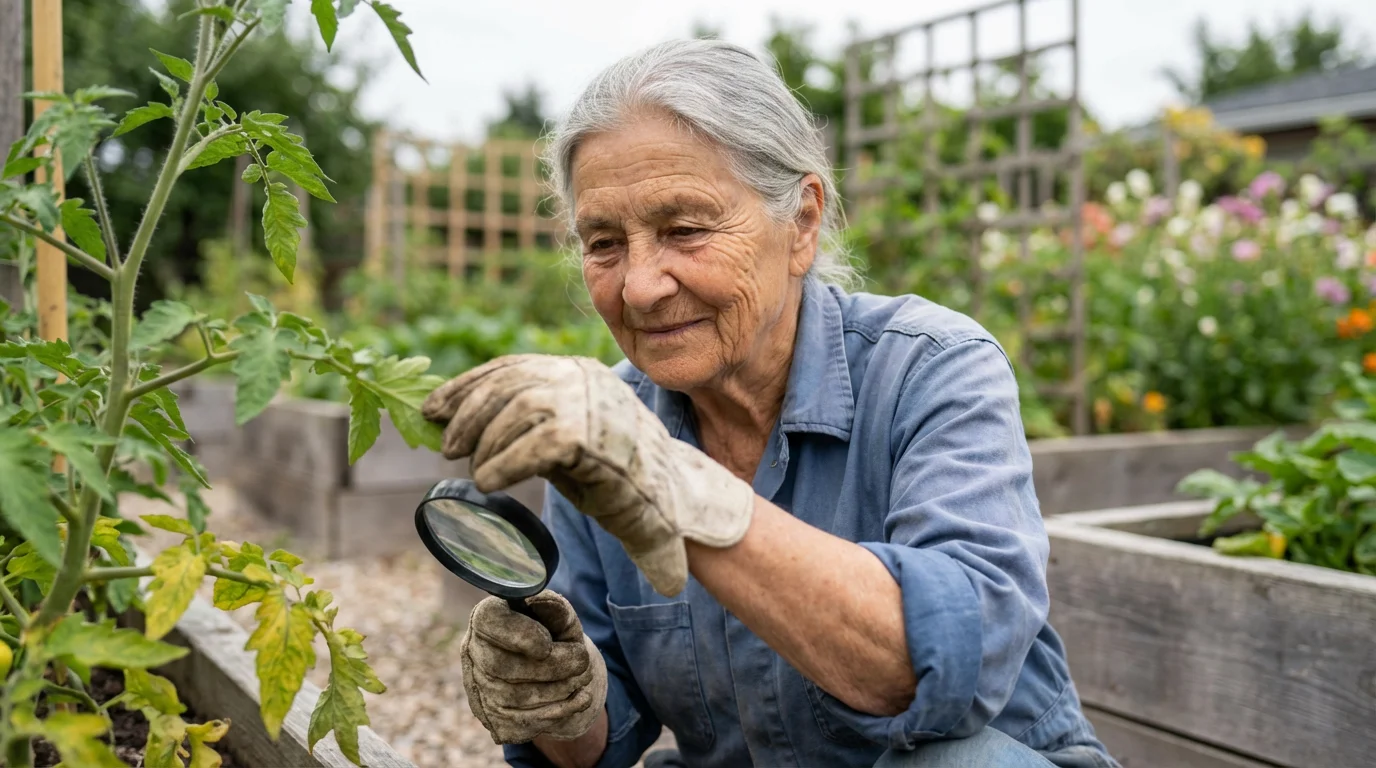
Healthy plants naturally resist pests and diseases, so focus on providing optimal growing conditions. Inspect your plants regularly for any signs of trouble, like chewed leaves, discolored spots, sticky residues, or visible insects. Address issues promptly to prevent them from spreading. Encourage beneficial insects like ladybugs, lacewings, and praying mantises, which prey on common garden pests such as aphids and mites. Use organic pest control methods as a first line of defense, such as a strong spray of water to dislodge pests, insecticidal soap, or neem oil spray. Ensure good air circulation around your plants through proper spacing and occasional pruning of dense foliage, as this helps deter fungal diseases. Remove any affected plant parts immediately to prevent further spread of disease or infestation.
Embracing Indoor Gardening for Colder Months
When outdoor `Outdoor Activities` become challenging or impossible due to colder weather, bring your `Gardening` passion indoors. Grow a variety of herbs like basil, parsley, cilantro, and chives on a sunny windowsill or under a simple grow light. Many compact vegetable varieties, such as dwarf tomatoes, small peppers, or even microgreens, thrive indoors and provide fresh produce year-round. Consider growing flowering houseplants such as African violets, orchids, or peace lilies, which add vibrant color and life to your home environment. Indoor gardening keeps your skills sharp, allows you to experiment with different plants, and provides a continuous connection to nature, extending the joys of your hobby well beyond the traditional growing season. You can even start seeds indoors for your spring garden, giving them a head start.
Beyond Your Backyard: Exploring Community Gardening and Resources
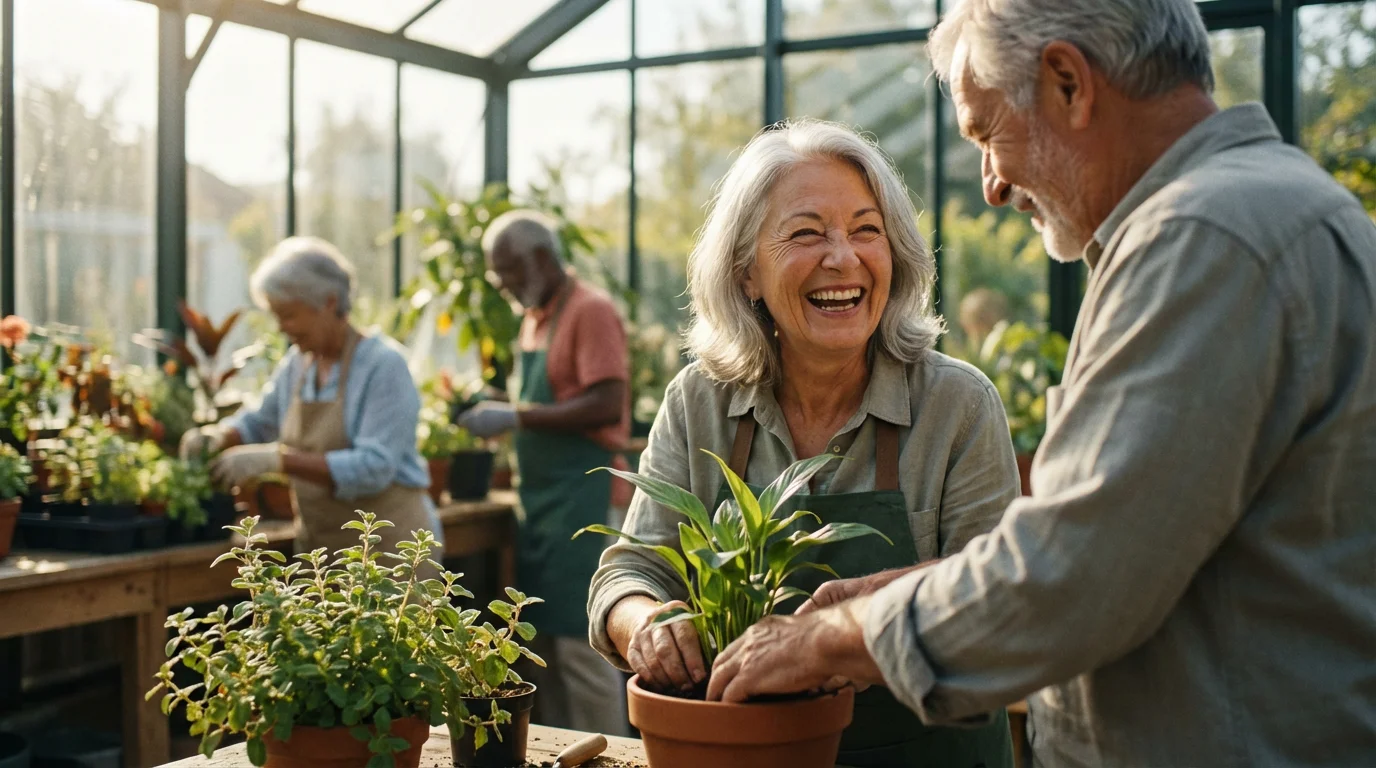
Your `Gardening` journey can extend beyond your personal plot. Engaging with local communities and resources enriches your experience and offers new learning opportunities. You connect with fellow enthusiasts, share knowledge, and contribute to broader green initiatives. Explore these avenues to deepen your appreciation for nature and nurture your `Senior Hobby` in a collaborative setting. Community involvement can add a significant social dimension to your gardening efforts.
Discovering Community Gardens
Community gardens provide shared plots where individuals or groups cultivate plants, offering a fantastic opportunity for social interaction, learning from experienced gardeners, and accessing land if you do not have your own. Many cities and towns offer community garden programs, which typically involve renting a small plot for a season. This provides you with access to shared tools, water, and often expert advice from coordinators or seasoned plot holders. This communal approach makes gardening an accessible, affordable, and highly social `Outdoor Activity`, allowing you to grow food or flowers alongside neighbors and build strong community bonds. You learn about local growing conditions and share in the successes of a collective effort.
Joining Garden Clubs and Workshops
Local garden clubs offer a wealth of knowledge, support, and camaraderie. Members typically meet regularly to discuss gardening topics, share plant cuttings, exchange seeds, and organize educational events or garden tours. These clubs often host guest speakers, practical demonstrations, and field trips to local nurseries or botanical gardens, broadening your horticultural horizons. Look for workshops at botanical gardens, local nurseries, community centers, or agricultural extension offices. These structured learning environments provide practical skills and insights, ranging from composting techniques and soil health to growing specific plant varieties or managing common pests. Many organizations offer discounts for seniors, making lifelong learning more affordable and accessible for your `Senior Hobby`.
Benefits of Community Gardening and Clubs:
- Shared Knowledge: Learn invaluable tips and tricks from seasoned gardeners and horticultural experts.
- Social Connection: Meet like-minded individuals, build new friendships, and reduce feelings of isolation.
- Resource Access: Utilize shared tools, communal water sources, and sometimes even seeds or plant starts, reducing personal investment costs.
- Expanded Growing Space: Ideal if you lack a large yard, sunny spot at home, or prefer a smaller, manageable plot.
- Sense of Purpose: Contribute to a community green space, help others learn, and foster a beautiful environment for everyone.
- Access to Expertise: Benefit from organized talks, workshops, and experienced mentors.
Exploring Public Gardens and Arboretums
Visit public botanical gardens, arboretums, and even well-maintained local parks to draw inspiration and enjoy the beauty of expertly curated landscapes. These destinations showcase diverse plant collections, innovative garden designs, and often provide peaceful walking paths, perfect for gentle `Outdoor Activities`. You can observe how various plants thrive in different conditions, gather ideas for your own garden, and appreciate the artistry of landscape architecture. Many national parks also feature impressive natural landscapes, specific plant ecosystems, and sometimes historic gardens, connecting you with broader natural beauty. For inspiration on various `Outdoor Activities` and exploring the country’s natural wonders, consider visiting your nearest National Park. The National Park Service website lists locations and attractions, including those with significant botanical interest or stunning natural floral displays, offering a wider appreciation for the plant world.
Sharing Your Harvest and Knowledge
One of the great joys of gardening involves sharing your bounty. Offer excess produce, cut flowers, or extra plant starts to neighbors, friends, or local food banks. This act of generosity strengthens community bonds, combats food waste, and spreads the goodness of fresh, homegrown food. Your efforts become a gift to others. Beyond produce, share your gardening successes and challenges with others. Mentoring new gardeners, participating in plant swaps, or simply exchanging tips provides a wonderful way to give back and deepen your own understanding of the craft. Your experience and wisdom become a valuable resource for aspiring green thumbs, creating a legacy of green growth and community spirit.
Common Gardening Challenges and Simple Solutions
Even seasoned gardeners encounter obstacles. You learn to view challenges as opportunities for growth and problem-solving, enhancing your expertise. Approaching these issues with patience and an informed perspective ensures your `Gardening` journey remains enjoyable and productive. Here are some common hurdles and practical solutions to keep your `Senior Hobby` thriving, even when faced with unexpected setbacks.
Dealing with Pests and Diseases
Pests and diseases are a natural, albeit unwelcome, part of gardening. The first step involves accurately identifying the specific problem. Look for signs like chewed leaves, discolored spots, stunted growth, or visible insects. Many common pests, such as aphids or spider mites, are easily dislodged with a strong spray of water from a hose. For larger infestations or more persistent pests, organic solutions like insecticidal soap, neem oil spray, or introducing beneficial insects (like ladybugs) can be highly effective. Preventative measures, such as proper plant spacing for good air circulation, planting disease-resistant varieties, and maintaining good garden hygiene, significantly reduce occurrences. Remove and discard any affected plant parts immediately to prevent further spread of disease or infestation.
Managing Weather Variability
Weather is an uncontrollable factor, but you can prepare your garden to withstand its extremes. In colder climates, use row covers, cloches, or blankets to protect tender plants from unexpected frost, especially during early spring or late autumn. For hot spells, increase watering frequency, particularly in the early morning or late evening, to minimize evaporation. Provide shade for heat-sensitive plants using shade cloths, temporary umbrellas, or by strategically planting taller companion plants to offer natural protection. Container gardens offer the distinct advantage of mobility; you can easily move them indoors or to a more protected area during severe weather, such as heavy rain, hail, or strong winds, making your `Outdoor Activities` more resilient and adaptable.
Overcoming Physical Limitations
Your body might not always cooperate as it once did, but this does not mean you must abandon `Gardening`. Listen to your body and take frequent, short breaks before fatigue sets in. Stretch before and after gardening to warm up and cool down muscles, improving flexibility and preventing stiffness. Utilize the ergonomic tools, raised beds, and rolling garden seats discussed earlier to minimize strain. If a task feels too strenuous or causes discomfort, do not hesitate to ask for help from a family member, friend, or even a local teenager looking for odd jobs. Embrace adaptive strategies that make your hobby sustainable and enjoyable for years to come. Remember, `how can seniors adapt gardening techniques?` is a question with many practical answers focused on comfort, safety, and continued engagement.
Troubleshooting Common Garden Issues:
- Wilting Plants: Check soil moisture. If too dry, water deeply. If too wet, improve drainage or consider repotting.
- Yellowing Leaves: Often indicates a nutrient deficiency (feed with compost or balanced fertilizer) or an issue with watering (either too much or too little).
- Holes in Leaves: Inspect carefully for pests on both the top and underside of leaves. Hand-pick larger insects or use organic sprays.
- Lack of Flowers/Fruit: Ensure adequate sunlight (most fruiting plants need full sun), proper pollination (attract bees with diverse flowers), and balanced nutrients (avoid too much nitrogen, which promotes leafy growth).
- Slow Growth: Verify soil quality, ensure plants receive appropriate sunlight, and check watering practices. Consider a balanced liquid fertilizer to provide a gentle nutrient boost.
- Powdery Mildew: Ensure good air circulation, avoid overhead watering, and consider organic fungicides like a baking soda solution.
Frequently Asked Questions
What are the primary health benefits of gardening for seniors?
Gardening provides numerous health benefits, including low-impact physical activity that improves strength, flexibility, and balance. It also reduces stress, boosts mood, and offers valuable exposure to Vitamin D. The cognitive engagement required for planning and nurturing plants helps maintain mental sharpness.
How can seniors with limited mobility enjoy gardening?
Seniors with limited mobility can adapt gardening to their needs. Raised garden beds, container gardening on patios, and vertical gardens minimize bending and stooping. Ergonomic tools with long handles and padded grips reduce strain. Consider adding comfortable seating in your garden space for easy breaks and elevated work surfaces, allowing you to participate fully and comfortably.
What are some easy-to-grow plants for beginner senior gardeners?
Beginner senior gardeners can find success with many resilient plants. Herbs like mint, basil, and rosemary thrive in pots and require minimal care. Vegetables such as lettuce, radishes, cherry tomatoes, and bush beans offer satisfying yields with straightforward cultivation. For vibrant flowers, marigolds, zinnias, and impatiens provide continuous color with very little fuss.
Is gardening an expensive hobby?
Gardening can be as affordable or as elaborate as you choose. Start with basic tools, seeds, and soil. Many community gardens offer shared resources, reducing individual costs. You can also repurpose household items for containers and create your own compost to reduce expenses significantly. Focusing on native plants further lowers maintenance and water needs, saving money in the long run and benefiting local ecosystems.
Where can seniors find gardening communities or support?
Local resources offer great support. Check with your community center, botanical gardens, or local nurseries for gardening clubs, workshops, and educational programs. Community gardens provide shared spaces and opportunities to connect with fellow enthusiasts, fostering a sense of camaraderie. Online forums and social media groups also offer advice and a platform for sharing experiences with other gardeners.
Gardening offers a rich tapestry of experiences, from the quiet contemplation of sowing seeds to the vibrant reward of harvest. It empowers you to stay active, engaged, and connected to the natural world. You discover profound satisfaction that comes from nurturing life and watching it flourish under your care. Embrace this wonderful `Senior Hobby`, adapt it to your comfort, and allow its therapeutic rhythm to bring joy and vitality to your retirement years. Your green thumb awaits its next adventure.
Disclaimer: This article is for informational purposes only. Travel conditions, prices, and policies change frequently. We encourage readers to verify current information directly with travel providers, check travel advisories, and consult with healthcare providers about any health concerns before traveling.








Leave a Reply