

Owning a pet can enrich your life in countless ways, offering companionship, purpose, and even health benefits. Many seniors consider bringing a furry, feathered, or finned friend into their home, and for good reason. A pet provides a warm presence, consistent routine, and an endless source of joy.
Maintaining healthy eating habits is equally important to ensure you have the energy required for daily pet care.
This guide explores the practical advantages of pet ownership for seniors, helping you understand how an animal companion can enhance your daily life and improve your well-being. We also discuss important considerations for choosing the right pet and managing their care, ensuring a successful and rewarding experience for both you and your new friend.

The Unmatched Value of Animal Companionship
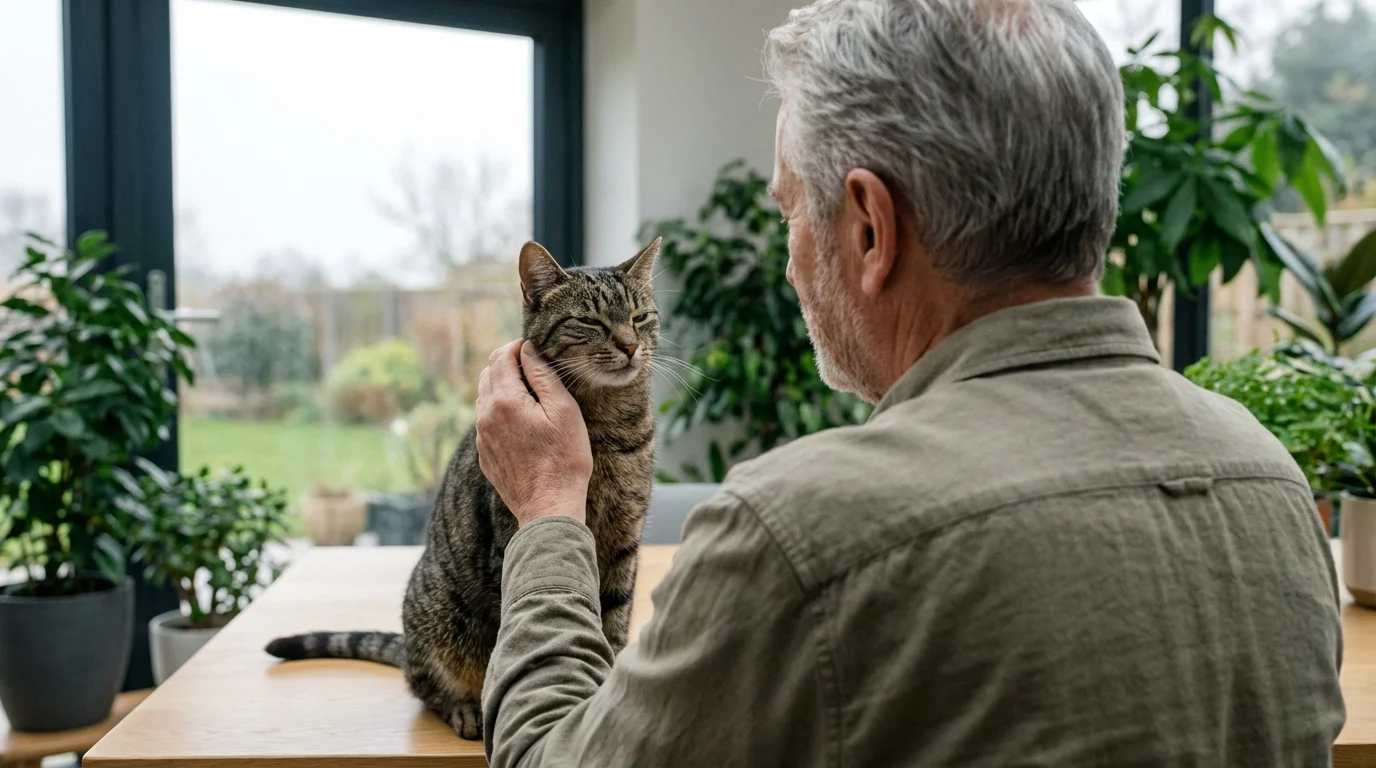
Pets fill a unique role in our lives, offering unconditional love and a constant presence. For seniors, this companionship combats feelings of loneliness and isolation, which can impact overall health. An animal companion provides a listening ear, a comforting purr, or an enthusiastic tail wag, making every day feel a little brighter.
Having a pet creates a sense of purpose. Knowing a creature depends on you for food, comfort, and care gives structure to your day and reinforces your importance. This daily routine, centered around caring for another living being, can significantly boost your morale and engagement with life. Many seniors find profound joy in the simple acts of feeding, petting, or talking to their animal friends.
“A dog is the only thing on earth that loves you more than he loves himself.”
Boosting Your Physical and Mental Well-being
Pet ownership brings tangible benefits to your physical and mental health. Engaging with a pet encourages activity, reduces stress, and offers mental stimulation. These positive effects contribute to a higher quality of life for seniors.
Research consistently demonstrates the health advantages of having a pet:
- Increased Physical Activity: Dogs require regular walks, which gets you outdoors and moving. Even playing with a cat or a bird encourages gentle movement and interaction, contributing to better flexibility and circulation. This regular, low-impact exercise supports cardiovascular health.
- Reduced Stress and Anxiety: Petting an animal releases oxytocin, a hormone associated with bonding and well-being, while simultaneously lowering cortisol, the stress hormone. This can lead to decreased blood pressure and a calmer state of mind.
- Lower Blood Pressure: Studies indicate that pet owners often exhibit lower blood pressure and cholesterol levels. The relaxing effect of interacting with pets contributes to these positive health outcomes.
- Enhanced Social Connections: Walking a dog often leads to conversations with other pet owners or neighbors, fostering new friendships and community engagement. Pets act as social bridges, making it easier to connect with others.
- Cognitive Stimulation: Remembering feeding times, scheduling vet appointments, and responding to your pet’s needs keeps your mind active. Training a new pet or teaching an old one new tricks also provides excellent mental exercise.
The National Institute on Aging highlights how social engagement and purposeful activities contribute significantly to overall health in older adults. Pet ownership naturally provides both of these crucial elements, supporting a vibrant and active senior health journey.

Choosing the Right Pet for Your Lifestyle
Selecting the right pet is crucial for a successful long-term relationship. Consider your current lifestyle, living situation, and physical capabilities to ensure a good match. The ideal pet complements your daily routine without creating undue stress.
If you aren’t ready for a physical pet but enjoy nature, birdwatching for beginners is an excellent way to connect with wildlife from your window.
Here are key factors to consider when choosing an animal companion:
- Energy Level: Do you enjoy daily walks, or do you prefer a companion that is content with indoor play and cuddling? A high-energy dog like a Border Collie might not suit a sedentary lifestyle, while a senior cat or a small, calm dog breed could be perfect.
- Size: Smaller pets generally require less space and are easier to handle, especially if you have mobility challenges. A large dog can be difficult to manage on a leash or lift for vet visits.
- Grooming Needs: Some breeds require daily brushing or regular professional grooming, adding to both time and cost. Consider short-haired breeds or pets with minimal grooming needs if you have limited dexterity or budget.
- Lifespan: A young puppy or kitten could live for 15-20 years. Consider adopting an older pet who is already house-trained and past the demanding puppy/kitten phase. Senior pets often bring a calm demeanor and a grateful heart to their new homes.
- Temperament: Look for a pet with a gentle, calm disposition. Many shelters and rescue organizations specialize in matching seniors with suitable animal companions, often performing temperament tests to ensure a good fit.
- Your Living Situation: Does your apartment building or homeowner’s association have pet restrictions? Consider these rules regarding size, breed, or number of pets before committing.
Think about different types of animal companions. Cats offer independent companionship, often content with indoor life and less demanding of your physical energy. Small dogs provide cuddles and motivation for short walks. Birds offer cheerful sounds and require less direct physical interaction. Fish can provide a calming, visual presence without much hands-on care.

Understanding the Responsibilities of Pet Care
Owning a pet comes with significant responsibilities, impacting your time, energy, and finances. Understanding these commitments upfront helps you prepare for the joys and challenges of pet ownership. Pet ownership involves consistent care and attention to ensure your animal companion thrives.
As part of your overall safety planning, ensure you include pet-specific supplies when preparing emergency kits for your household.
Key responsibilities include:
- Daily Feeding and Water: Consistent feeding schedules and access to fresh water are fundamental. Consider automatic feeders if you struggle with remembering mealtimes or have limited mobility.
- Grooming: Regular brushing, nail trims, and occasional baths keep your pet healthy and comfortable. Some breeds require more intensive grooming.
- Exercise and Play: All pets need some form of exercise and mental stimulation. This might involve daily walks for a dog, interactive play sessions for a cat, or providing toys and perches for a bird.
- Litter Box/Waste Management: Maintaining a clean environment for your pet is essential. Regularly cleaning litter boxes or picking up after a dog ensures hygiene and prevents odors.
- Veterinary Care: Regular check-ups, vaccinations, and prompt attention to any health issues are critical. Preventative care saves money and prevents serious illnesses in the long run.
- Socialization: Especially for dogs, proper socialization helps them interact positively with other animals and people. Even indoor cats benefit from safe enrichment activities.
- Training: Basic obedience training for dogs enhances their behavior and makes them better companions. It also strengthens the bond between you and your pet.

Financial Planning for Pet Ownership
Pets are wonderful companions, but they also represent a financial commitment. Planning for these expenses ensures you can provide quality care without financial strain. Being prepared for both routine and unexpected costs prevents difficult situations down the road.
Here’s an overview of potential costs associated with pet ownership:
- Initial Costs:
- Adoption Fee: Typically ranges from $50 to $300 for shelter pets, often including spaying/neutering, vaccinations, and microchipping.
- Supplies: Food and water bowls, leash, collar, bed, crate, toys, litter box, litter. Expect to spend $100 to $300 initially, depending on the pet.
- First Vet Visit: A comprehensive check-up, possibly more vaccinations or deworming, can cost $50 to $150.
- Ongoing Monthly/Annual Costs:
- Food: $20 to $100 per month, varying by pet size, type, and diet quality.
- Litter (for cats): $15 to $30 per month.
- Routine Vet Care: Annual check-ups, preventative medications (flea, tick, heartworm) can average $200 to $500 annually.
- Grooming: $0 for self-grooming to $50 to $100 per professional session, depending on the breed and frequency.
- Toys and Treats: $10 to $30 per month.
- Pet Insurance (Optional): $20 to $70 per month, helps cover unexpected veterinary emergencies.
- Potential Unexpected Costs:
- Emergency Vet Visits: Injuries or sudden illnesses can result in bills ranging from hundreds to thousands of dollars.
- Special Diets or Medications: If your pet develops a chronic condition, specialized food or ongoing medication can add significant monthly expenses.
- Pet Sitters/Boarding: If you travel, these services can cost $25 to $75 per day.
- Dog Walkers: If you need assistance, a dog walker might charge $15 to $30 per walk.
Consider setting aside a small emergency fund specifically for your pet’s unexpected needs. This proactive approach ensures you can always provide the best care.

Adapting Your Home for a Pet’s Safety and Comfort
Just as you might make modifications for your own safety, preparing your home for a pet ensures their well-being and prevents accidents. A safe environment protects your new companion from hazards and offers them comfort. These adjustments also contribute to your peace of mind.
Consider these home adaptations for your pet:
- Eliminate Hazards:
- Toxic Plants: Remove houseplants toxic to pets or place them out of reach. Research common household plants to identify potential dangers.
- Chemicals and Medications: Store all cleaning supplies, medications, and harmful substances in secure, inaccessible cabinets. Child-proof locks can work for curious pets too.
- Small Objects: Pick up small items like coins, rubber bands, or loose change that a pet could swallow, especially puppies or kittens.
- Electrical Cords: Secure or cover loose electrical cords to prevent chewing, which can cause electrical shock or fire hazards.
- Create Safe Spaces:
- Designated Rest Area: Provide a comfortable bed, crate, or perch where your pet can feel secure and relax. This should be in a quiet, draft-free area.
- Food and Water Station: Place food and water bowls in an easily accessible but out-of-the-way location. Consider elevated bowls for larger dogs or pets with joint issues, making eating more comfortable.
- Litter Box Placement: For cats, place the litter box in a private, easily reachable spot. Ensure it has low sides if your cat has mobility challenges.
- Ensure Accessibility and Comfort:
- Non-Slip Surfaces: Place non-slip mats or rugs on slippery floors, especially near food and water bowls or high-traffic areas. This helps prevent falls for both you and your pet.
- Pet Gates: Use pet gates to restrict access to certain rooms or areas, especially for puppies or if you need to keep a pet away from stairs.
- Ramps or Steps: For pets who struggle to get onto furniture or into bed, consider pet ramps or steps. These reduce strain on their joints and make interaction easier.
These adaptations create a nurturing environment where your pet can thrive and you can enjoy their company without constant worry.
Managing Pet Care with Physical Limitations
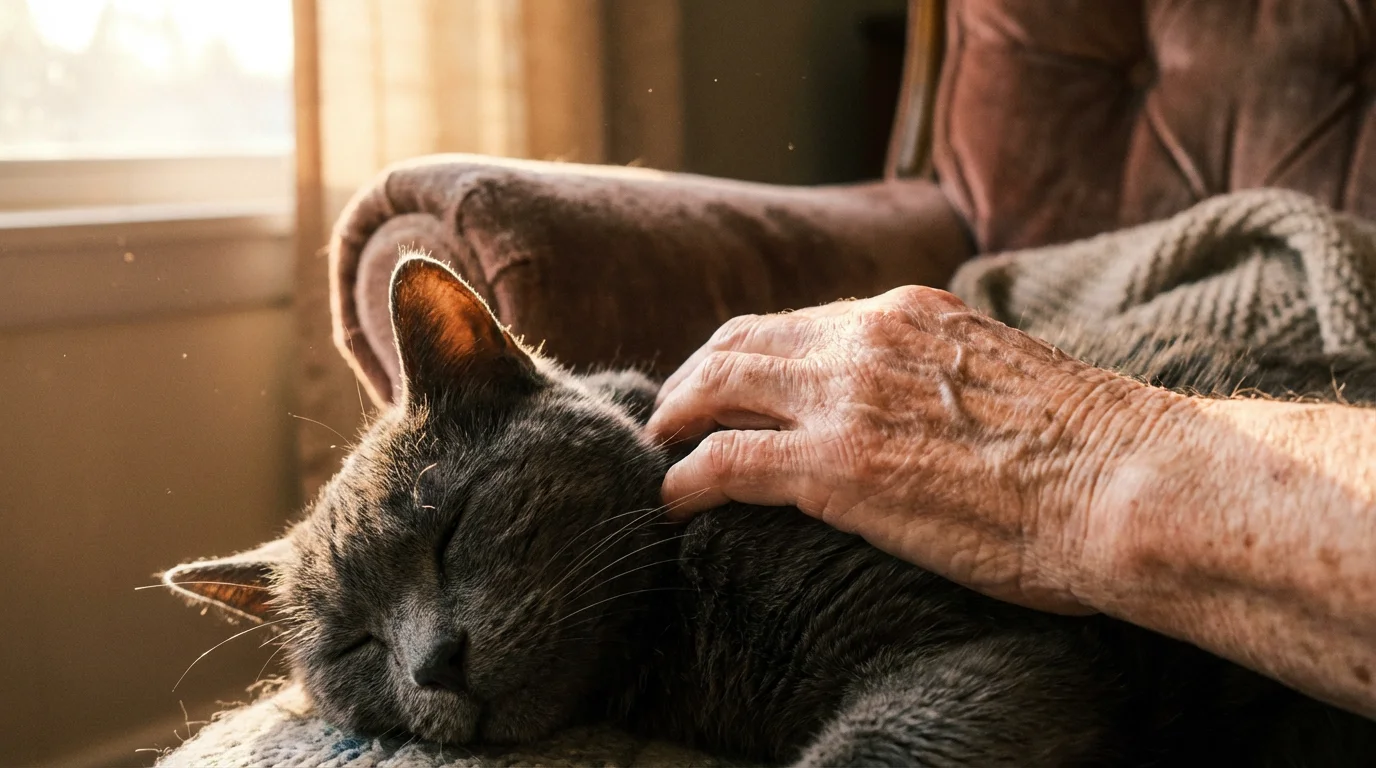
Physical limitations do not necessarily prevent you from enjoying the benefits of pet ownership. Many tools, services, and community resources exist to help you manage pet care effectively. Focus on finding solutions that bridge any gaps in your capabilities, allowing you to maintain your independence while caring for your animal friend.
Consider these strategies and resources:
- Assistive Tools:
- Long-Handled Scoopers: These make cleaning litter boxes or picking up outdoor waste much easier, reducing the need to bend or stoop.
- Automatic Feeders/Waterers: Program these devices to dispense food and fresh water at set times, ensuring your pet is fed even if you have an off day or forget.
- Grooming Mitts: Easier to hold and use than traditional brushes, these help with regular grooming, especially for pets with short to medium coats.
- Hands-Free Leashes: Wearable leashes allow you to walk a dog without needing to grip a handle, freeing your hands and potentially improving balance.
- Hiring Help:
- Dog Walkers: If daily walks become too challenging, hire a local dog walker. Rates typically range from $15 to $30 per walk.
- Pet Sitters: For longer trips or when you need assistance with feeding and general care, a pet sitter can come to your home. Daily rates are usually $20 to $75.
- Mobile Groomers: Some groomers offer home visits, eliminating the need to transport your pet to a salon. This service often costs slightly more than traditional grooming, averaging $70 to $120 per session.
- Professional Cleaners: If pet messes become overwhelming, a cleaning service can help manage household hygiene. Standard cleaning services typically charge $75 to $150 per visit, depending on the size of your home and the scope of work.
- Community and Family Support:
- Family and Friends: Don’t hesitate to ask family members or trusted friends for occasional help with pet care tasks, especially during periods of illness or recovery.
- Pet-Friendly Volunteer Programs: Some animal shelters or senior centers offer volunteer programs that pair seniors with volunteers who can help with pet care tasks.
- Pet Food Banks: If you face financial hardship, local pet food banks can help cover the cost of pet food, easing your budget.
Remember, asking for help demonstrates responsibility, not weakness. These resources ensure your pet receives the best care while you continue to enjoy their company.

When to Seek Professional Pet Care Advice
Knowing when to consult professionals for your pet’s health and behavior is a key part of responsible pet ownership. Early intervention often leads to better outcomes and prevents minor issues from escalating. Do not hesitate to reach out for expert guidance when you notice changes or have concerns.
You should seek professional advice in these situations:
- Health Changes:
- Sudden Illness or Injury: Any acute symptoms like vomiting, diarrhea, limping, lethargy, or loss of appetite warrant immediate veterinary attention.
- Chronic Conditions: If your pet develops ongoing health issues like arthritis, diabetes, or kidney disease, regular veterinary management is essential. Your vet can advise on medication, diet, and lifestyle adjustments.
- Changes in Behavior or Appetite: A sudden decrease in appetite, increased thirst, aggression, or unusual hiding can signal an underlying health problem. Always consult your vet first.
- Behavioral Issues:
- Aggression: If your pet displays aggression towards people or other animals, consult a veterinarian to rule out pain or illness, then seek advice from a certified professional dog trainer or veterinary behaviorist.
- Destructive Behavior: Excessive chewing, scratching furniture, or house-soiling problems require professional guidance. A trainer can help identify the root cause and implement corrective strategies.
- Anxiety or Phobias: Pets experiencing separation anxiety, fear of loud noises, or other phobias can benefit from a professional behaviorist’s assessment and treatment plan.
- General Pet Care Questions:
- Nutrition: Your veterinarian can provide personalized dietary recommendations based on your pet’s age, breed, and health status.
- Preventative Care: Discuss appropriate vaccination schedules, parasite prevention, and dental care with your vet to keep your pet healthy.
- End-of-Life Care: When your pet reaches old age, your vet offers guidance on managing their comfort, quality of life, and compassionate end-of-life decisions.
Your veterinarian acts as your primary resource for all aspects of your pet’s health. Do not delay in seeking their expertise when concerns arise.

Exploring Alternatives to Full-Time Pet Ownership
Full-time pet ownership may not suit everyone’s circumstances, but you can still experience the joy of animal interaction. Many alternatives allow you to enjoy the benefits of animal companionship without the full commitment. These options offer flexibility and connection.
Consider these ways to engage with animals without owning a pet:
- Fostering Animals: Shelters often need temporary homes for animals awaiting adoption. Fostering provides a loving environment for a pet and gives you the opportunity to enjoy their company for a limited time. This arrangement offers a rewarding experience without a lifelong commitment.
- Volunteering at Animal Shelters or Rescues: Dedicate a few hours a week to help care for animals in need. Tasks might include walking dogs, playing with cats, cleaning enclosures, or assisting with adoption events. This provides direct interaction and contributes to a good cause.
- Pet-Sitting for Friends, Family, or Neighbors: Offer to care for pets when their owners are away. This allows you to enjoy a pet’s presence in your home for short periods, experiencing the routines and affection without the long-term responsibility.
- Visiting Pet Stores with Adoption Events: Many local pet stores host adoption days where you can interact with various animals from local shelters. This offers an opportunity for cuddles and play without any obligation.
- Therapy Animal Programs: Some facilities, such as nursing homes or hospitals, welcome visits from certified therapy animals. If you have a well-behaved pet, you could explore getting them certified. If not, you might be able to volunteer to participate or simply enjoy the visits when they occur.
- Robotic Pets: Advances in technology have created lifelike robotic pets that respond to touch and voice, offering companionship and interaction without the demands of live animal care. These can be a wonderful option for those with severe allergies or physical limitations.
These alternatives provide valuable ways to connect with animals, allowing you to enjoy their companionship on your terms.

Making the Decision: Is a Pet Right for You?
Deciding whether to welcome a pet into your life is a personal choice that requires careful thought. Weighing the benefits against the responsibilities ensures you make an informed decision that enhances your well-being and provides a loving home for an animal. This commitment should feel empowering, not overwhelming.
Ask yourself these questions as you make your decision:
- Can I physically provide the necessary care, or can I arrange for assistance?
- Does my lifestyle accommodate the daily routine a pet requires?
- Am I prepared for the financial commitment, including unexpected veterinary costs?
- Do I have a support system (family, friends, or professional services) to help when needed?
- Am I ready for a long-term commitment, or would a temporary arrangement like fostering be better?
Honest answers to these questions will guide you toward the best choice. Remember, the goal is to enhance your life with companionship, not to add undue stress. If full-time ownership feels right, prepare to open your home and heart to a new, loving companion.
Frequently Asked Questions
What are the primary benefits of pets for seniors?
Pets offer invaluable companionship, reducing feelings of loneliness and isolation. They also encourage physical activity, help lower stress levels, and provide a sense of purpose and routine, all contributing to improved mental and physical well-being. The unconditional love from an animal companion significantly enhances daily life.
How do I choose the right pet if I have mobility issues?
Consider a calm, older pet that requires less intense exercise, such as a senior cat or a small, low-energy dog breed. Look for pets that are already house-trained and have a gentle temperament. You can also explore assistive tools like long-handled scoops and automatic feeders, or hire help like dog walkers, to manage care tasks.
What are the typical costs associated with pet ownership for seniors?
Initial costs, including adoption fees and supplies, can range from $150 to $600. Ongoing monthly expenses for food, litter, and routine care typically fall between $50 and $200. It is crucial to budget for potential unexpected costs like emergency vet visits, which can be hundreds or even thousands of dollars.
Are there alternatives to full-time pet ownership for seniors?
Yes, many options exist. You can foster animals from local shelters, volunteer at animal rescues, or pet-sit for friends and family. Robotic pets also offer companionship without the responsibilities of live animal care. These alternatives allow you to enjoy animal interaction without a long-term commitment.
What if I can no longer care for my pet?
If your circumstances change, immediately explore options. Contact the shelter or rescue organization you adopted from; many have policies to take pets back. You can also work with reputable breed-specific rescues, or reach out to trusted friends and family. Discussing a contingency plan with loved ones in advance can provide peace of mind.
Disclaimer: This article is for informational purposes only. Home modifications, safety equipment, and services mentioned may vary in availability and suitability for individual circumstances. For significant home modifications, consult with qualified professionals. For health-related safety concerns, consult with healthcare providers.








Leave a Reply