
Embracing solo travel opens a world of possibilities, offering unparalleled freedom and personal growth. For seniors, this journey often presents a unique opportunity to rediscover passions, explore new horizons at your own pace, and forge unforgettable memories. Traveling alone allows you to design your itinerary precisely as you wish, catering to your interests and comfort levels without compromise.
If you are new to the idea of traveling by yourself, starting with affordable weekend getaways can be an excellent way to build your confidence.
While some travelers find comfort and independence in senior-friendly cruises, others prefer the complete autonomy of traveling entirely alone.
Many seniors initially hesitate about solo adventures, often citing safety concerns or the perceived loneliness of traveling without a companion. However, with careful planning and smart strategies, you can navigate the world confidently and enjoyably. This comprehensive guide provides practical advice and actionable steps to help you embark on a safe, fulfilling, and enriching solo travel experience.

Why Travel Solo as a Senior?
The decision to travel alone brings numerous benefits, especially during your senior years. It empowers you to take control of your travel narrative, making every decision from where to eat to which museum to visit. You set the schedule, choosing to linger longer in places you love or move on when you feel ready.
Furthermore, the solitude of solo journeys allows you to practice the benefits of mindfulness as you immerse yourself in new environments.
Participating in senior-friendly walking tours is another wonderful way to see a new city safely while maintaining your independence.
For those who prefer a mobile home base, RV travel for seniors offers a unique way to explore while keeping all your comforts close at hand.
Many seniors discover a profound sense of independence and self-reliance through solo journeys. This experience builds confidence, reminding you of your capabilities and adaptability. It eliminates the need to compromise on activities or dining choices, ensuring your trip perfectly aligns with your desires. Moreover, traveling alone often makes you more approachable, opening doors to meeting new people and forming unexpected connections along the way.

Laying the Foundation: Essential Pre-Trip Planning
Thorough planning forms the cornerstone of a successful solo trip, especially when prioritizing senior safety. Begin by researching your destination extensively, understanding local customs, safety advisories, and transportation options. Consider the timing of your trip, aiming for off-peak seasons to avoid crowds and potentially secure better deals.
If your travels take you overseas, consult an Europe travel planning guide to handle international transit and local customs effectively.
Medical preparedness is paramount. Schedule a check-up with your doctor before booking any trips, discussing your travel plans and any necessary vaccinations or medications. The CDC Travelers’ Health website provides comprehensive guidance on health considerations for various destinations, helping you prepare for specific health risks. Always carry a detailed list of your medications, dosages, and any allergies.
<
Travel Insurance: Your Peace of Mind
Investing in comprehensive travel insurance is a non-negotiable step for solo senior travelers. Look for policies that cover medical emergencies, trip cancellations, lost luggage, and emergency evacuation. Compare providers carefully, ensuring the policy adequately addresses pre-existing conditions and offers robust coverage specific to your needs.
Many policies offer specific benefits for seniors, sometimes including higher medical limits or concierge services. Understand the claims process and keep all policy documents accessible. AARP Travel offers resources and plans tailored to senior travelers, providing options that can protect your investment and well-being.
Choosing Safe and Comfortable Accommodations
Your choice of accommodation significantly impacts your safety and enjoyment. Opt for reputable hotels, guesthouses, or established rental services with positive reviews, particularly from other solo travelers. Read recent guest feedback to gauge safety, cleanliness, and neighborhood characteristics.
- Location Matters: Select accommodations in well-lit, centrally located areas with easy access to public transport and attractions. Avoid isolated or overly quiet neighborhoods, especially if arriving late.
- Security Features: Look for properties with 24-hour reception, secure entry systems, and in-room safes. Inquire about key card access to floors or surveillance in common areas.
- Accessibility: If mobility is a concern, confirm accessibility features like elevators, grab bars, and walk-in showers during booking. Specify your needs when making reservations.
- Check-in Times: Plan to arrive at your accommodation during daylight hours. This allows you to orient yourself, inspect the room, and address any issues while staff are readily available.

Prioritizing Your Safety on the Road
Maintaining awareness and taking proactive steps significantly enhances your senior safety while traveling alone. This involves smart choices about your belongings, interactions, and daily movements. Trust your instincts and always prioritize your well-being over politeness if a situation feels uncomfortable.
Beyond physical safety, staying vigilant against financial scams targeting seniors is crucial when navigating unfamiliar tourist areas or using public Wi-Fi.
Peace of mind starts at home, so ensuring proper home security for seniors is a crucial first step before any long trip.
Personal Safety and Situational Awareness
Being alert to your surroundings remains your best defense. Avoid displaying expensive jewelry or electronics that might attract unwanted attention. Keep your wallet, phone, and passport secure and out of sight. Consider using a money belt or a cross-body bag that is difficult to snatch.
- Share Your Itinerary: Provide a trusted family member or friend with your full itinerary, including flight details, accommodation addresses, and daily plans. Check in with them regularly.
- Stay Visible: Opt for well-lit, populated areas, especially when walking at night. If possible, avoid walking alone after dark.
- Blend In: Try to dress appropriately for the local culture to avoid standing out as a tourist. Research local customs regarding attire before you go.
- Learn Basic Phrases: Knowing a few key phrases in the local language, such as “hello,” “thank you,” “help,” and “where is the police?” can be incredibly useful.
- Emergency Contacts: Program local emergency numbers into your phone. Carry a small card with these numbers and your primary contact information written down in case your phone is lost or out of battery.
Secure Your Valuables and Documents
Protecting your passport, money, and credit cards requires vigilance. Do not carry all your cash or all your credit cards in one place. Distribute them among different pockets, a money belt, and your locked luggage. Make photocopies or take digital photos of all important documents.
“The world is a book, and those who do not travel read only one page.” — Saint Augustine
When in your hotel room, use the in-room safe for valuables. If a safe is unavailable, secure items in your luggage with a lock. Never leave your belongings unattended in public spaces, even for a moment. This proactive approach helps prevent incidents and ensures you have essential documents if the unexpected occurs.

Smart Packing and Essential Documents
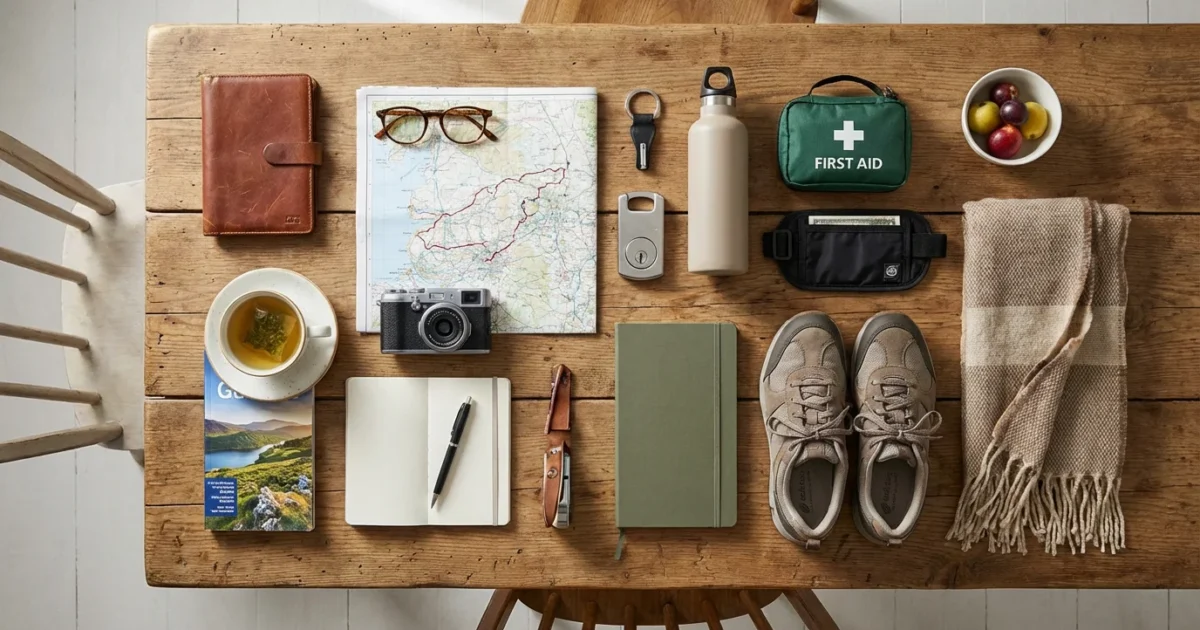
Efficient packing contributes to a stress-free trip, especially for Solo Travel. Pack light to ease mobility, but ensure you have everything necessary for comfort and safety. Choose versatile clothing items that you can mix and match.
If your solo adventure includes nature, consider visiting accessible national parks for seniors that offer well-maintained paths and senior-friendly amenities.
Beyond clothing and gear, learning how to prepare an emergency kit is a vital part of staying safe on any solo journey.
Packing Smart: What to Bring
- Comfortable Footwear: You will likely do a lot of walking, so comfortable, broken-in shoes are essential.
- Layered Clothing: Pack layers to adapt to varying temperatures throughout the day and evening.
- Small First-Aid Kit: Include bandages, antiseptic wipes, pain relievers, and any personal medications.
- Universal Adapter: If traveling internationally, a universal power adapter is crucial for charging devices.
- Reusable Water Bottle: Stay hydrated and reduce plastic waste.
- Daypack: A small, secure backpack for daily excursions, carrying essentials like water, snacks, and a light jacket.
Key Documents and Copies
Organize your documents well before departure. This includes your passport, visa (if required), driver’s license, travel insurance policy, and flight/accommodation confirmations. Keep these originals secure and readily accessible, but separate from copies.
Create digital and physical copies of all essential documents. Store digital copies on a cloud service and email them to yourself and a trusted contact. Keep physical copies in a separate bag from the originals. This ensures you have backups if the originals are lost or stolen, a crucial precaution for how can seniors travel safely alone?

Staying Connected and Navigating Independently
Staying connected with loved ones and having reliable navigation tools are vital aspects of senior safety and enjoyment when you Travel Alone. Technology offers numerous solutions to keep you informed and secure, reducing the feeling of isolation.
Mobile Phones and Communication
Before you depart, ensure your mobile phone is unlocked if you plan to use a local SIM card, or confirm your provider offers an affordable international roaming plan. A local SIM card often provides cheaper data and call rates, making it easier to stay in touch and access information. Consider carrying a portable power bank to keep your devices charged throughout the day.
Regular communication with family or friends back home provides peace of mind for both you and them. Schedule specific times to check in, even if just a quick message. This also acts as a safety measure, as someone will notice if you miss a scheduled check-in. This proactive step addresses important solo travel precautions.
Navigation Tools and Apps
Reliable navigation helps you explore confidently. Download offline maps of your destination using apps like Google Maps or Maps.me. This allows you to navigate without an internet connection, saving data and ensuring you do not get lost in areas with poor service.
- GPS Devices: A dedicated GPS device can be a reliable alternative or backup to your phone.
- Public Transport Apps: Many cities offer apps for their public transportation systems, providing real-time schedules and route planning.
- Ride-Sharing Apps: For convenience and safety, consider using reputable ride-sharing apps like Uber or Lyft where available. Confirm the driver and vehicle before entering.
- Local Maps: Always carry a physical map as a backup, especially in areas where phone battery or signal might be unreliable.

Embracing the Solo Experience: Connections and Freedom
Solo travel for seniors offers a profound sense of freedom, but it does not mean you must always be alone. Actively seeking out opportunities for social interaction enhances the experience, allowing you to meet fellow travelers and locals. Engaging with others can enrich your understanding of the culture and create lasting memories.
To ease into social situations, consider joining senior-friendly walking tours to meet like-minded explorers while staying active.
Meeting Fellow Travelers and Locals
Be open to conversations. Many tour groups, classes, and communal dining experiences cater to individuals, providing natural opportunities to connect. Consider staying in smaller, more intimate guesthouses where interaction with hosts and other guests is common. Even a simple “hello” can lead to engaging conversations.
Organizations like Road Scholar specialize in educational travel for older adults, often with a significant number of solo participants. Their structured programs offer built-in companionship and guided experiences, ideal for those seeking both adventure and community. Many cruises also offer solo traveler meet-ups and designated dining tables.
Hobbies and Leisure Activities
Utilize your free time to delve into hobbies or discover new interests. Whether it is photography, journaling, sketching, or simply reading a book in a scenic spot, solo travel provides the perfect setting for personal pursuits. This independence allows you to tailor your leisure activities precisely to your desires, leading to deeply satisfying moments.
Look for local workshops or classes. A cooking class, an art workshop, or a language immersion course offers a fun way to learn something new while meeting local people. TripAdvisor often lists local activities and experiences that cater to various interests, providing opportunities to engage meaningfully with your destination.

Budgeting for Your Solo Adventure
Smart budgeting ensures your solo travel experience remains enjoyable and stress-free. Planning your finances in advance helps you allocate funds wisely, covering everything from transportation to daily expenses without unexpected surprises. This careful approach makes traveling alone more accessible and sustainable.
Managing Expenses and Finding Deals
Start by creating a detailed budget that includes transportation, accommodation, food, activities, and a contingency fund for emergencies. Track your spending throughout your trip to stay within your limits. Look for senior discounts on everything from flights and trains to museum admissions. Many organizations like AAA Travel and AARP offer valuable discounts to their members.
Consider travel during the shoulder seasons (spring and fall) when prices for flights and hotels are typically lower, and destinations are less crowded. Eating like a local, often in smaller cafes or markets, can significantly reduce food costs compared to tourist-heavy restaurants. Explore free attractions such as parks, public gardens, and walking tours.
Transportation Options for Solo Seniors
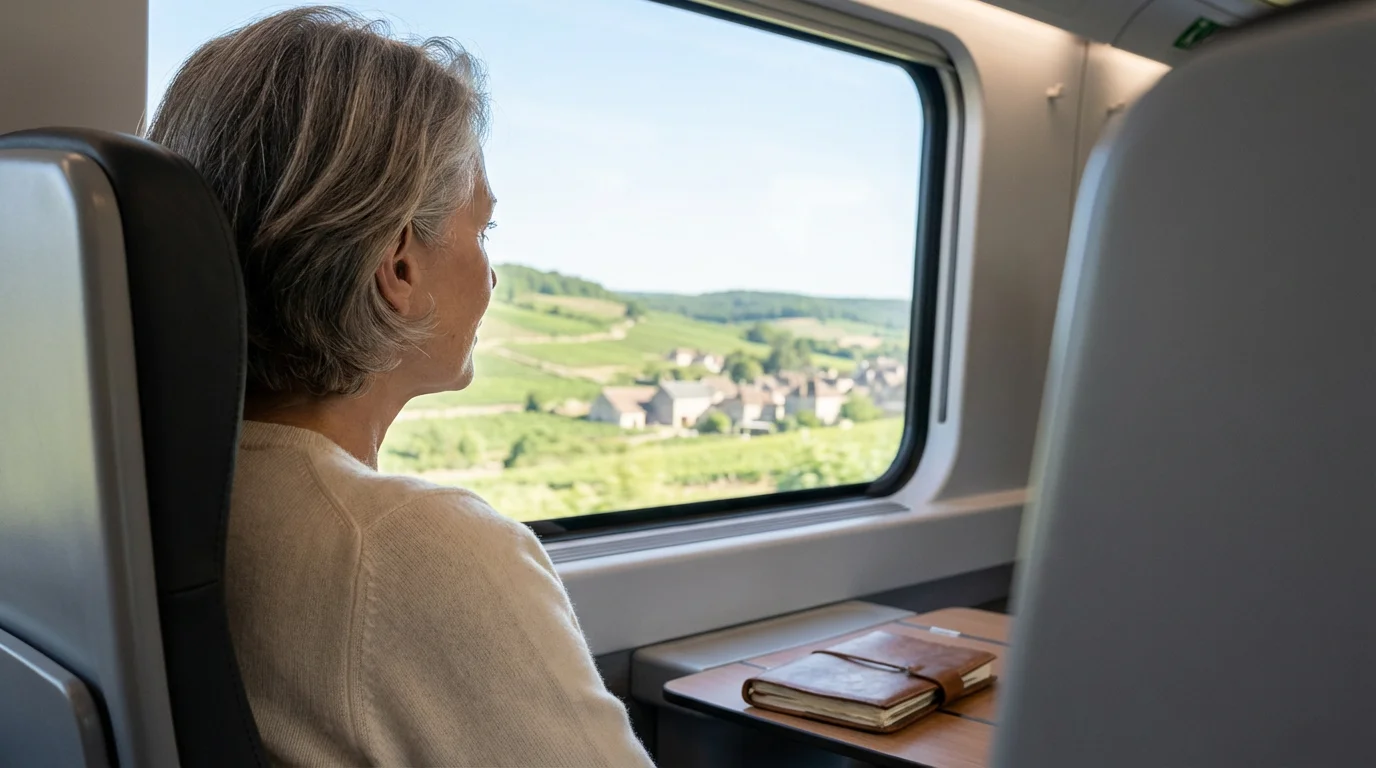
Choosing the right transportation impacts both your budget and your overall experience. For longer distances, trains like those offered by Amtrak in the U.S., provide a comfortable and scenic way to travel, often with senior discounts. Buses are generally the most economical option for intercity travel.
Within cities, public transportation, including subways and buses, offers an affordable way to get around. Many cities also have senior passes or discounts. Taxis and ride-sharing services provide convenience, especially when carrying luggage or traveling at night, but they come at a higher cost. Plan your routes in advance to minimize expensive last-minute rides.
Solo-Friendly Destinations for Seniors
Many destinations around the world welcome solo travelers, offering a balance of safety, cultural enrichment, and easy navigation. When considering where to go, look for places with robust infrastructure, low crime rates, and plenty of activities that appeal to individual explorers. This makes the question, how can seniors travel safely alone?, easier to answer.
Top Destinations for Solo Explorers
Europe consistently ranks high for solo senior travel due to its excellent public transport, rich history, and relatively safe environments. Countries like Italy, Spain, and Portugal offer charming cities, delicious cuisine, and a friendly atmosphere. Cruise lines also offer fantastic solo opportunities, with many ships designed for easy navigation and social interaction, as highlighted by Cruise Critic reviews.
- National Parks (USA): Enjoy nature’s grandeur at your own pace. National Park Service sites offer accessible trails and visitor centers for guidance.
- River Cruises (Europe): Relaxed pace, all-inclusive, and often smaller groups, providing built-in social opportunities without feeling overwhelmed.
- Iceland: Known for its stunning landscapes and low crime rate, offering unique natural wonders and a welcoming atmosphere for individual adventurers.
- Canada: Vast, safe, and friendly, with diverse experiences from vibrant cities to breathtaking wilderness.
- Japan: A highly organized, safe country with incredible culture, efficient public transport, and respect for solo visitors.
Consider organized tours specifically designed for seniors if you prefer a structured itinerary with the security of a group, even while traveling alone. These tours often handle all logistics, from accommodation to activities, allowing you to focus purely on enjoyment. Many tour operators cater specifically to the solo senior traveler, ensuring a comfortable and engaging experience.
Frequently Asked Questions
What are the most important solo travel precautions for seniors?
The most important solo travel precautions include sharing your itinerary with a trusted contact, purchasing comprehensive travel insurance, carrying copies of all important documents, staying aware of your surroundings, and ensuring your mobile phone is set up for international use. Always trust your intuition and avoid situations that feel unsafe.
How can seniors travel safely alone, especially regarding health concerns?
Seniors can travel safely alone by consulting their doctor before the trip for a health check-up and necessary vaccinations. Carry all prescribed medications in their original containers, along with a doctor’s note and a list of your medical history and allergies. Choose accommodations with good access to medical facilities and ensure your travel insurance covers medical emergencies and evacuations.
Is solo travel lonely for seniors, and how can I meet people?
Solo travel does not have to be lonely. Many seniors find it an opportunity for deeper personal reflection. To meet people, consider joining organized tours, staying in guesthouses with communal areas, taking local classes (like cooking or language), participating in guided walks, or using apps designed for travelers to connect. Being open and friendly often leads to wonderful interactions.
What budget considerations are unique to solo senior travel?
Solo senior travelers often face a “single supplement” fee for accommodation, as rooms are typically priced for two. To mitigate this, look for hotels that waive the supplement, consider hostels with private rooms, or choose tour operators that cater to solo travelers. Also, factor in the cost of individual transport and meals, as you won’t split expenses with a companion. Leveraging senior discounts extensively helps manage these costs.

Final Thoughts on Solo Exploration
Solo senior travel offers an incredible opportunity for personal growth, exploration, and self-discovery. While planning and safety are crucial, do not let potential concerns overshadow the joy and freedom that await you. Many seniors successfully navigate the world independently, finding profound satisfaction in their chosen adventures.
Embrace the challenge, prepare thoroughly, and step out with confidence. The world is yours to explore, one memorable solo journey at a time. Your golden years are the perfect time to fulfill those long-held travel dreams, creating stories and experiences that will enrich your life for years to come.
Disclaimer: This article is for informational purposes only. Travel conditions, prices, and policies change frequently. We encourage readers to verify current information directly with travel providers, check travel advisories, and consult with healthcare providers about any health concerns before traveling.





Leave a Reply