
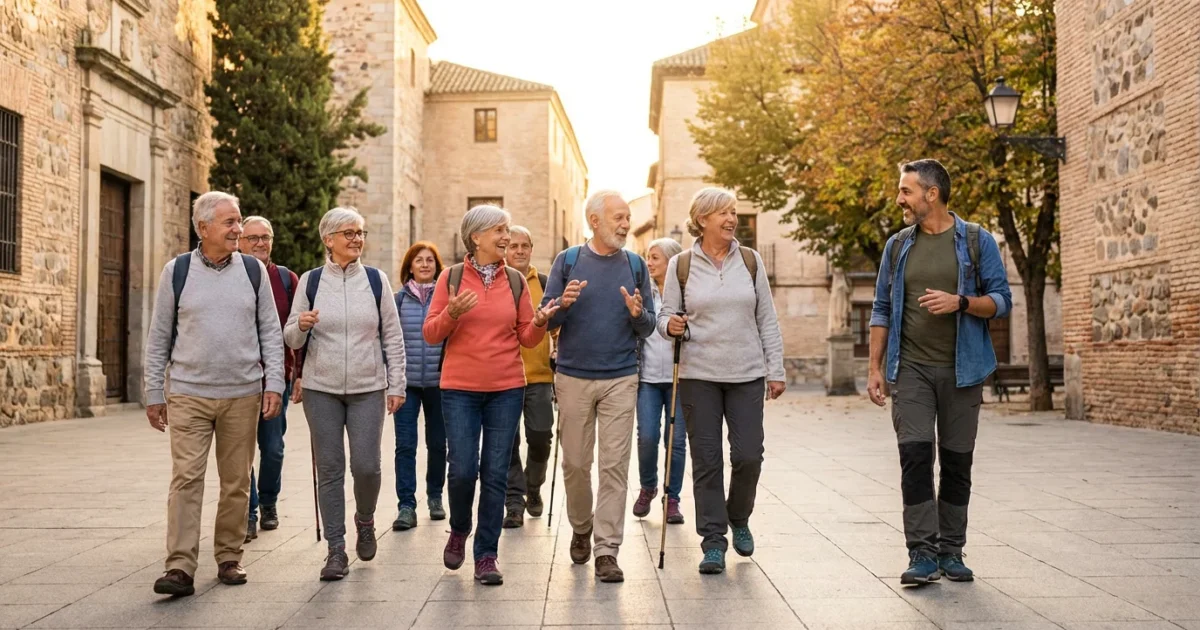
Embrace the joy of discovery and connect with the heart of a destination by exploring on foot. Walking tours offer a unique perspective, providing intimate access to a city’s culture, history, and hidden gems. For seniors, these engaging experiences combine light exercise with enriching education, making them an ideal way to travel and enjoy vibrant senior activities.
You can discover charming neighborhoods, historical landmarks, and local flavors at your own pace. This guide provides actionable insights and curated recommendations to help you find and enjoy the best senior-friendly walking tours, ensuring your next adventure is both memorable and comfortable.

Why Walking Tours Are Ideal for Seniors
Walking tours offer a fantastic blend of physical activity and cultural immersion, making them perfect senior activities. They keep you active without being overly strenuous, allowing you to engage with your surroundings in a deeply personal way. You experience the rhythm of a city up close, engaging all your senses.
Consider these key benefits:
- Gentle Exercise: Most walking tours involve moderate pacing, suitable for various fitness levels. You get your steps in, promoting cardiovascular health and mobility, without feeling rushed. This light exertion contributes positively to your overall well-being.
- Deep Immersion: Unlike bus tours, walking tours allow you to stop, observe details, interact with locals, and truly soak in the atmosphere of a place. You uncover hidden alleys, charming shops, and unique architectural details that you might otherwise miss.
- Social Connection: Many walking tours are small group experiences. This offers an excellent opportunity to meet fellow travelers, share stories, and build new friendships. Shared experiences often lead to lasting bonds.
- Educational Value: Knowledgeable guides bring history and culture to life with engaging narratives and fascinating anecdotes. You learn more than you ever could from a guidebook alone, gaining local insights and historical context.
- Stress-Free Navigation: A local expert handles all the navigation, logistics, and historical context. You simply follow along and enjoy the journey, free from the worry of getting lost or missing important sights.
“The world is a book, and those who do not travel read only one page.” — Saint Augustine

Choosing the Right Senior-Friendly Walking Tour
Selecting the perfect walking tour involves considering your personal preferences and physical capabilities. A well-chosen tour ensures maximum enjoyment and comfort. Focus on tours specifically designed with accessibility and a manageable pace in mind, allowing you to fully appreciate the experience.
Ask these questions when evaluating options:
- Pace and Duration: Look for tours explicitly described as “leisurely,” “gentle,” or “senior-friendly.” Many tours specify average walking speed and the total distance covered. Two to three hours is often an ideal duration for a comfortable experience, including breaks.
- Accessibility: Inquire about stairs, cobblestones, steep hills, or uneven terrain. Some companies offer tours on entirely flat routes or provide alternative paths. Ensure the tour accommodates any mobility aids you might use, confirming details beforehand.
- Group Size: Smaller groups, typically 8-15 people, offer a more personalized experience. You hear the guide better, ask questions more easily, and avoid feeling lost in a crowd. This also allows for more flexibility regarding pace.
- Tour Focus: Do you prefer history, art, food, architecture, or a general overview? Many city tours specialize, allowing you to tailor your experience to your interests. Choosing a focus ensures a more engaging experience for you.
- Rest Stops and Amenities: Confirm if the tour includes scheduled breaks for sitting, restrooms, or refreshments. This becomes particularly important for longer tours or for those who require frequent pauses.
- Reviews and Recommendations: Read reviews from other senior travelers on platforms like TripAdvisor. Pay attention to comments about pace, guide quality, and accessibility to gauge suitability.
What Are Good Walking Tour Companies for Seniors?
Several reputable companies and local operators excel at providing excellent walking tours suitable for seniors. Researching specific providers helps you identify options that prioritize comfort and enriching experiences. A good walking tour company understands the needs of an older demographic and caters to them effectively.
Consider these excellent choices:
- Road Scholar: This non-profit organization specializes in educational travel for adults, with many programs featuring extensive walking components. They clearly outline activity levels, ensuring you choose a trip that matches your mobility. Their programs combine learning with exploration, often in small groups. They often combine walks with lectures, cultural visits, and hands-on activities, making them comprehensive senior activities. You can explore their offerings at Road Scholar.
- Local Tour Operators: Many cities have independent tour companies offering themed walking tours. Search online for “[City Name] senior walking tours” or “[City Name] accessible tours.” These often provide intimate insights into local culture and can be highly personalized.
- Free Walking Tours (Tip-Based): Found in many major cities, these tours are led by passionate local guides. While “free,” tipping is expected and essential to support the guides. They are often flexible, but verify the pace and duration before joining to ensure they meet your needs.
- Specialty Tour Companies: Look for companies focusing on food tours, art walks, or historical narratives. These often provide small-group, expert-led tours for deeper dives into specific subjects, frequently at a comfortable pace.
- Cruise Line Excursions: Many cruise lines offer walking tours as shore excursions. These are often well-organized, with transportation to and from the port included. Confirm the activity level and duration before booking to ensure it aligns with your preferences.

Top Destinations for Accessible Walking Tours
Certain cities are particularly well-suited for exploration on foot, offering a wealth of attractions within walkable districts and often providing accessible infrastructure. These destinations balance historical charm with modern conveniences, making them ideal for walking tours and ensuring a pleasant experience.
Consider these highly recommended cities:
- Kyoto, Japan: Explore serene temples, traditional gardens, and geisha districts. Many areas, like the Gion district or Philosophers’ Path, are largely flat and offer beautiful, contemplative walks. Excellent public transport helps you get between areas effortlessly.
- Edinburgh, Scotland: While it has some hills, Edinburgh offers numerous flat walking tours through its historic Old Town and New Town. You can easily stroll through Princes Street Gardens, the Royal Mile (mostly downhill from the Castle), or explore the charming Dean Village, experiencing its rich history.
- Florence, Italy: The historic center of Florence is largely pedestrianized and relatively compact. You can comfortably walk between iconic sites like the Duomo, Uffizi Gallery, and Ponte Vecchio. Its flat core makes it very accessible for city tours, allowing for stress-free exploration.
- Seattle, USA: Enjoy walking tours through Pike Place Market, the waterfront, and various vibrant neighborhoods. Seattle offers a mix of urban exploration and scenic views, with many routes providing relatively flat terrain. Its robust public transportation, including light rail, assists in navigating between areas.
- Amsterdam, Netherlands: Famous for its flat landscape and extensive canal network, Amsterdam is a walker’s paradise. Explore charming bridges, historic canal houses, and world-class museums with ease. Many areas are car-free, enhancing the walking experience and making it exceptionally pedestrian-friendly.

Essential Planning Tips for Your Walking Adventure
Careful preparation ensures your walking tour is comfortable, safe, and enjoyable. Addressing potential concerns upfront allows you to fully immerse yourself in the experience. These practical steps help you prepare for a successful journey, minimizing unforeseen issues.
- Consult Your Doctor: Before embarking on any physically demanding trip, discuss your travel plans with your healthcare provider. Ensure you are fit for the activity level of your chosen tour and address any specific health considerations.
- Pack Appropriately:
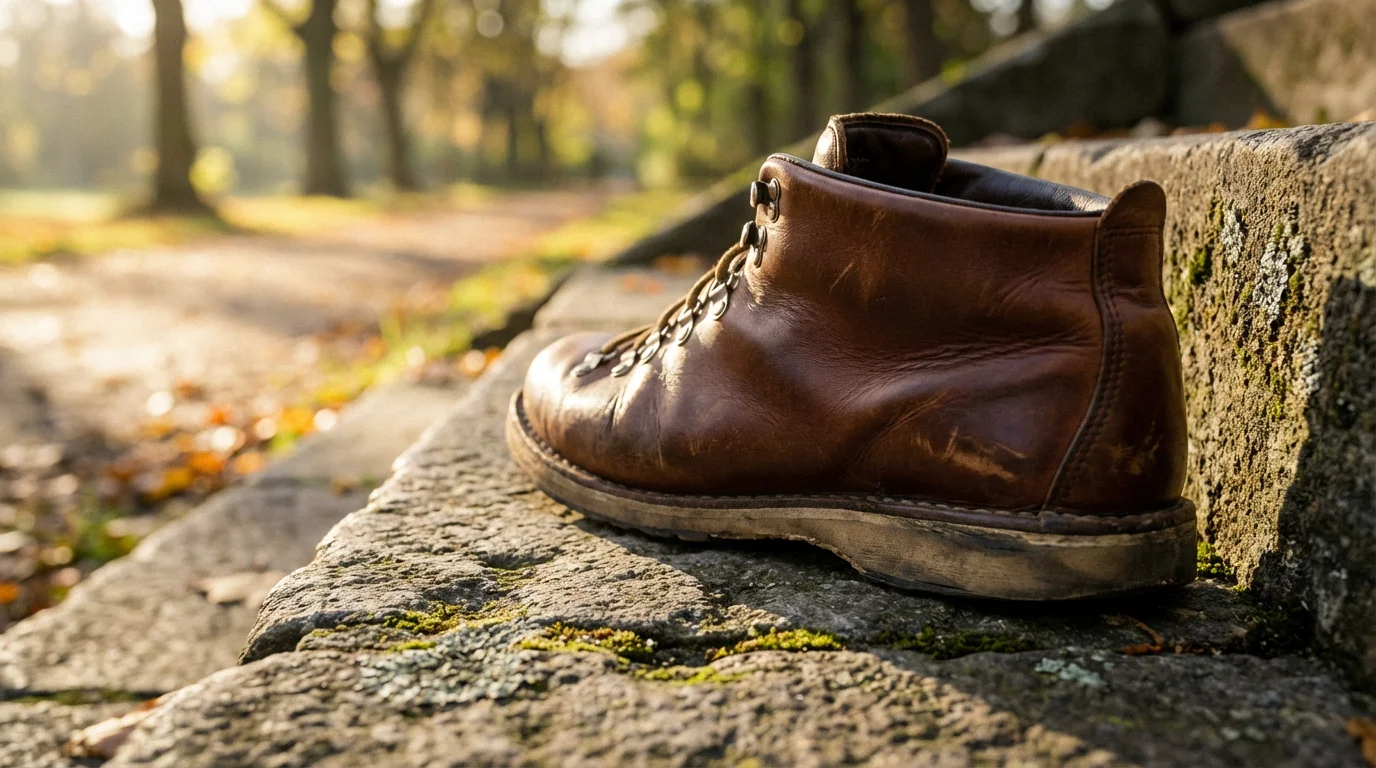
- Comfortable Footwear: This is paramount. Wear broken-in walking shoes with good arch support and cushioning. Ensure your shoes offer good traction, especially on potentially slick surfaces like cobblestones or wet pavement. Breaking them in well before your trip is essential to prevent blisters.
- Layered Clothing: Weather can change quickly. Layers allow you to adapt to temperature fluctuations throughout the day, ensuring comfort in varying conditions.
- Small Backpack: Carry essentials like water, snacks, medications, a light jacket, and any personal items. A comfortable backpack distributes weight evenly.
- Sun Protection: A wide-brimmed hat, sunglasses, and high-SPF sunscreen are crucial, even on cloudy days. Long sleeves and pants made of breathable fabric can also offer sun protection without making you overheat.
- Stay Hydrated: Carry a reusable water bottle and drink water frequently, especially in warm climates or during extended walks. Dehydration can quickly diminish your energy and enjoyment.
- Pace Yourself: Listen to your body. Do not feel compelled to keep up with faster walkers if it strains you. Communicate with your guide if you need to slow down or take a short break. Your comfort takes precedence.
- Bring Necessary Medications: Pack all prescription and over-the-counter medications you might need. Keep them easily accessible in your day pack, along with a list of your prescriptions.
- Consider Travel Insurance: Comprehensive travel insurance can cover medical emergencies, trip cancellations, and lost luggage. Review policies carefully to ensure they meet your specific needs, particularly for health coverage abroad. AARP Travel offers resources on travel insurance options.

Safety and Comfort on Your City Exploration
Prioritizing your safety and comfort allows you to relax and fully appreciate your surroundings. Simple precautions and smart choices significantly enhance your walking tour experience. You can navigate unfamiliar environments with confidence, focusing on the sights and sounds around you.
- Stay with the Group: Always remain within sight and earshot of your guide and group. If you need to stop for any reason, inform your guide so they know your whereabouts and can assist you.
- Mind Your Surroundings: Be aware of traffic, uneven sidewalks, and other pedestrians. In busy areas, keep an eye on your belongings to prevent pickpocketing and stay vigilant against potential hazards.
- Carry Identification and Emergency Contacts: Keep a copy of your passport, important phone numbers, and any medical information on your person. Share your itinerary with a trusted friend or family member before you leave.
- Utilize Public Restrooms: Take advantage of restroom breaks whenever available. Do not hesitate to ask your guide about the nearest facilities, as they typically know the most convenient locations.
- Snacks and Energy Boosts: Pack small, high-energy snacks like nuts, dried fruit, or granola bars. These can prevent energy slumps during longer tours and keep your blood sugar stable.
- Foot Care: Blisters can ruin a walking tour. Consider bringing moleskin, athletic tape, or band-aids for immediate relief if you feel a hot spot developing. Change socks if they become damp to prevent friction.

Maximizing Your Experience: Beyond the Tour
A walking tour often serves as an excellent introduction to a city. You can enhance your trip by planning additional activities that complement your guided exploration. These steps help you delve deeper into the local culture and create lasting memories, extending the value of your initial tour.
- Revisit Favorite Spots: Note down places that particularly captivated you during the tour. Return later for a more leisurely visit, perhaps for a meal or to explore a museum in depth without time constraints.
- Explore Independently: Use the knowledge gained from your guide to confidently explore other neighborhoods. Venture out on a solo walk, armed with newfound understanding of the city’s layout and history.
- Enjoy Local Cuisine: Ask your guide for recommendations on authentic local eateries. Dining out is a fantastic way to experience the culture beyond the tourist traps, savoring genuine local flavors.
- Connect with Locals: Engage with shopkeepers, artists, and residents. These interactions often provide the most genuine insights into daily life and local perspectives, enriching your understanding of the destination.
- Document Your Journey: Take photos, jot down notes, or keep a small travel journal. These mementos help you relive your experiences and share them with others, preserving the joy of your trip.
- Consider a Different Type of Tour: If you enjoyed your walking tour, you might explore other themed tours. For example, a food-tasting tour or a historical pub crawl can offer a new lens on the city, providing varied experiences.
Frequently Asked Questions
Are walking tours suitable for seniors with limited mobility?
Many tour companies offer “gentle” or “accessible” walking tours designed for individuals with limited mobility. Always check the tour description for details on pace, distance, and terrain. Contact the tour operator directly if you have specific concerns, such as the need for wheelchair access or frequent rest stops. These tours are often specifically designed to minimize physical strain, allowing you to focus on the experience.
What is the ideal length for a senior-friendly walking tour?
An ideal length for a senior-friendly walking tour typically ranges from 1.5 to 3 hours. This duration allows for comprehensive exploration without becoming overly tiring. Tours often include breaks, so consider how these are factored into the total time. Shorter tours are also widely available if you prefer a more concise experience.
Do I need to book walking tours in advance?
Booking in advance is highly recommended, especially for popular tours, small group experiences, or during peak travel seasons. This secures your spot and allows you to confirm all details, including meeting points and accessibility information. Spontaneous bookings are sometimes possible, but availability may be limited, particularly for highly sought-after tours.
How much should I tip a walking tour guide?
Tipping is customary for good service, particularly for free or tip-based tours. For paid tours, a tip of 10-20% of the tour price is a common guideline, depending on the length and quality of the experience. For free tours, consider tipping $10-20 per person for an excellent tour, adjusting based on your satisfaction and local customs.
What should I do if I get tired during a walking tour?
Communicate with your tour guide immediately if you feel tired or need a break. Reputable guides are prepared for such situations and can often suggest a shorter route, a place to rest, or directions back to your accommodation. Do not push yourself beyond your comfort level; your well-being is paramount, and guides are there to help ensure a positive experience for everyone.
Walking tours offer an enriching and accessible way to experience the world. They blend physical activity with cultural immersion, providing memorable senior activities. By choosing the right tour and preparing thoughtfully, you unlock unique perspectives and create lasting memories. Embrace the adventure and explore cities on foot, enjoying every step of your journey.
Disclaimer: This article is for informational purposes only. Travel conditions, prices, and policies change frequently. We encourage readers to verify current information directly with travel providers, check travel advisories, and consult with healthcare providers about any health concerns before traveling.






Leave a Reply