
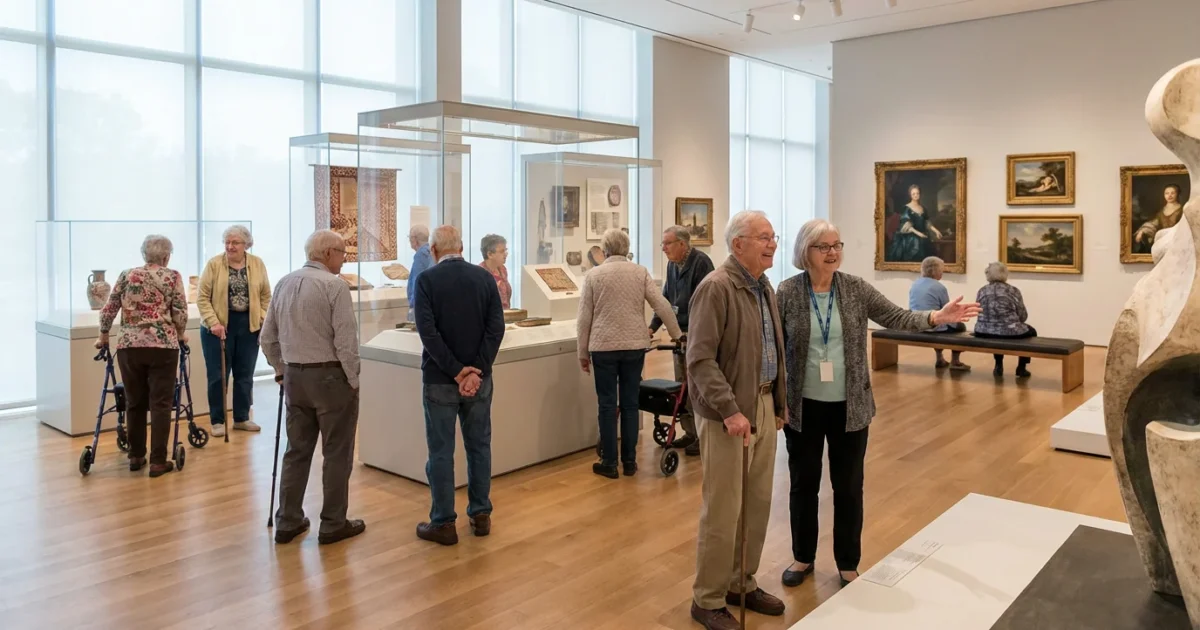
Your golden years offer a magnificent opportunity to immerse yourself in the world’s rich tapestry of art, history, and culture. Museums stand as gateways to discovery, sparking curiosity and providing boundless opportunities for learning. They invite you to explore ancient civilizations, marvel at artistic masterpieces, and uncover pivotal moments in human history. We guide you through making the most of these incredible cultural institutions, ensuring every visit is both enriching and comfortable.
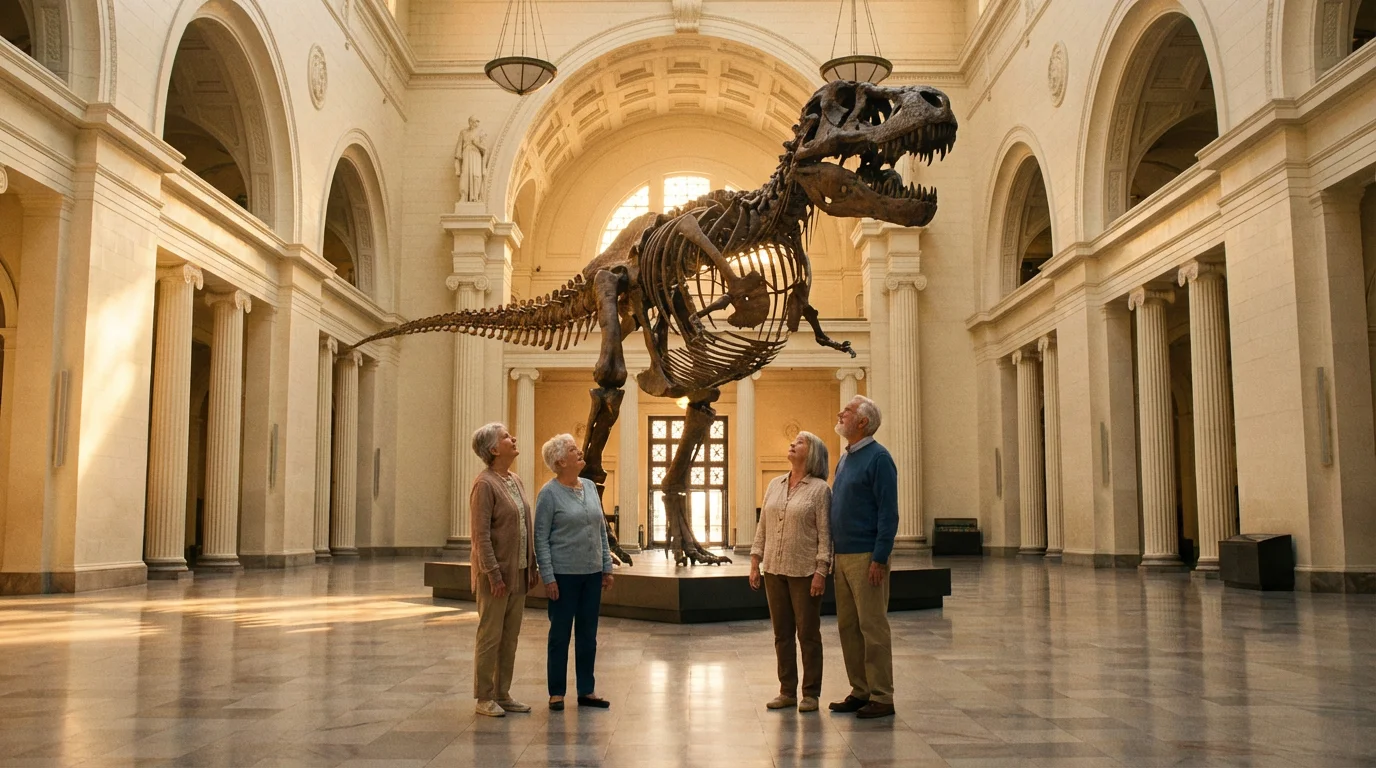
Unlocking Lifelong Learning and Cultural Joy
Museums offer a treasure trove of benefits, particularly for seniors. Engaging with exhibitions stimulates your mind, fostering cognitive health and keeping your intellect sharp. Each visit introduces you to new perspectives and expands your understanding of the world.
Beyond intellectual stimulation, museums provide a wonderful avenue for social connection. You can visit with friends, family, or join guided tours to meet fellow enthusiasts. The shared experience of discovery creates lasting memories and meaningful conversations.
Many seniors find museums to be places of peace and reflection, offering a quiet escape from daily routines. You gain opportunities for contemplation and personal enrichment. This blend of mental engagement and emotional satisfaction makes museums invaluable for enjoying life to the fullest.
Finding Value: Senior Discounts and Special Programs
Exploring the world of museums does not have to break your budget. Many institutions recognize the value seniors bring and offer attractive discounts. You can significantly reduce admission costs, making cultural exploration more accessible.
Here are key strategies for securing senior discounts:
- Check Websites First: Always visit the museum’s official website before your trip. Look for sections on “Admissions,” “Tickets,” or “Visitor Information” to find specific senior rates and age requirements. Ages commonly range from 60 to 65 and up.
- Inquire at the Ticket Counter: Sometimes, discounts exist but are not heavily advertised online. A polite inquiry at the ticket counter often reveals a senior rate. Always carry identification that verifies your age.
- Leverage Memberships: Organizations like AARP frequently partner with museums and cultural sites to provide member discounts. Your membership card could unlock additional savings.
- Consider Museum Memberships: If you plan multiple visits to a local museum, an annual membership often pays for itself. Many museums offer discounted senior memberships, which can include free admission, special exhibit previews, and gift shop discounts.
- Look for Free Admission Days/Hours: Some museums offer specific days or hours with free admission for all visitors, including seniors. This requires advance planning but offers substantial savings.
Beyond admission, inquire about discounts on guided tours, workshops, or even cafe purchases. Every dollar saved enhances your overall experience.
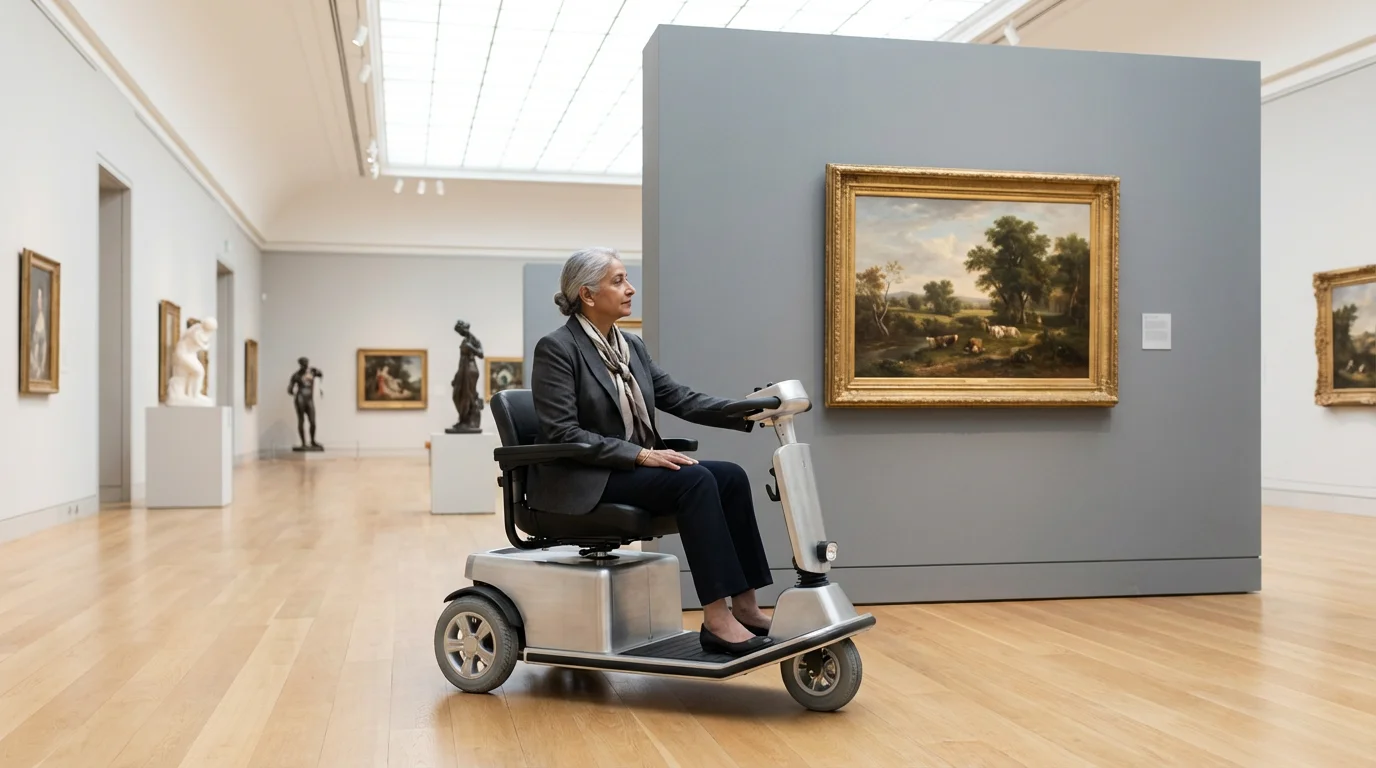
Navigating with Ease: Accessibility Features You Deserve
Comfort and ease of movement are paramount for an enjoyable museum visit. Many institutions prioritize accessibility, ensuring that all visitors, regardless of mobility or other needs, can fully experience their collections. You deserve a hassle-free and comfortable exploration.
When planning your visit, look for these vital accessibility features:
- Step-Free Access: Ensure the museum provides ramps or elevators to navigate different levels and entrances. This eliminates concerns about stairs and makes moving between exhibits seamless.
- Wheelchair and Scooter Availability: Many museums offer wheelchairs or mobility scooters for rent or loan, often free of charge. This allows you to conserve energy and move comfortably throughout larger spaces.
- Accessible Restrooms: Verify the availability of spacious, accessible restrooms equipped with grab bars. Locate these facilities on a museum map upon arrival.
- Seating and Rest Areas: Museums with ample benches and seating throughout their galleries allow you to rest periodically. Strategically placed seating ensures you can take breaks without missing out on exhibits.
- Accessible Parking and Drop-off Zones: Look for designated accessible parking spots close to entrances. Clearly marked drop-off zones also reduce the distance you need to walk.
- Quiet Spaces: Some museums offer dedicated quiet rooms or sensory-friendly hours. These can be particularly beneficial if you prefer a less stimulating environment.
- Large Print Guides and Audio Tours: These resources enhance the experience for visitors with visual impairments or those who prefer auditory learning. Inquire about their availability.
Always consult the museum’s website or contact them directly before your visit to confirm specific accessibility services. A quick phone call can ensure you receive the accommodations you need for a truly memorable experience. This proactive approach helps you address questions like “what are the most accessible museums?” directly and efficiently.
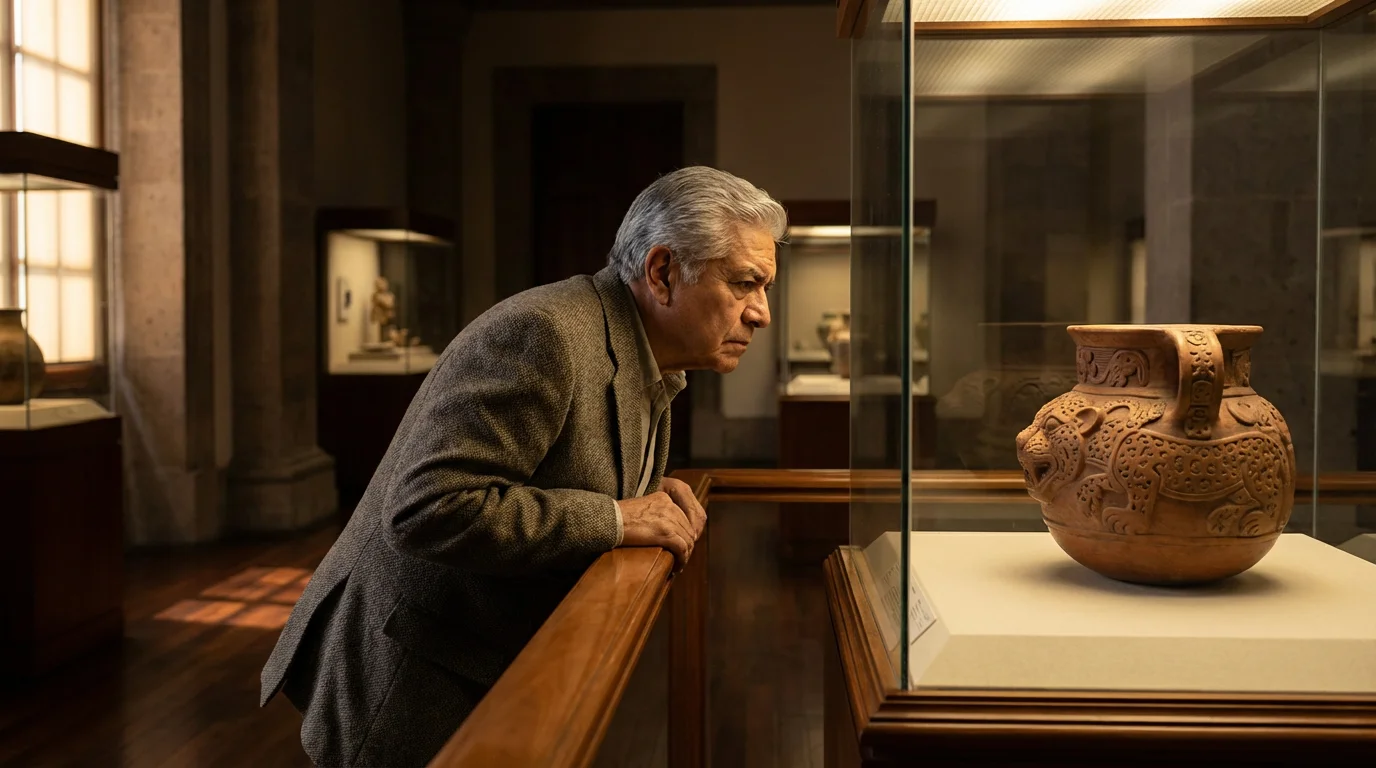
Exploring Diverse Worlds: Art, History, and Specialized Collections
Museums cater to every interest, offering a vast array of topics from ancient artifacts to contemporary art. You can tailor your visits to align perfectly with your passions, guaranteeing a deeply engaging experience. Discovering senior culture means exploring these varied institutions.
Consider these popular museum categories and what they offer:
- Art Museums: Immerse yourself in beauty, creativity, and human expression across centuries. From classical paintings to modern sculptures, art museums like the Metropolitan Museum of Art or the Art Institute of Chicago offer inspiring collections. They often feature serene environments, perfect for contemplative viewing.
- History Museums and Historical Sites: Step back in time and connect with the past. These institutions range from grand national museums, such as the Smithsonian’s National Museum of American History, to smaller local historical societies. They bring stories to life through artifacts, documents, and interactive exhibits. Many National Park Service sites also incorporate historical museums, offering a blend of nature and heritage.
- Natural History Museums: Explore the wonders of the natural world, from dinosaur skeletons to geological marvels and diverse ecosystems. Institutions like the Field Museum in Chicago or the American Museum of Natural History captivate with their scientific explorations and immersive displays.
- Science and Technology Museums: Engage your mind with interactive exhibits that demystify scientific principles and showcase technological advancements. These museums often feature hands-on displays perfect for all ages, promoting curiosity and understanding.
- Specialized Museums: Pursue niche interests at museums dedicated to specific subjects, such as maritime history, aviation, textiles, music, or even unique cultural practices. These focused collections provide deep dives into particular areas of knowledge.
When choosing, think about what truly ignites your curiosity. Do you prefer quiet reflection on a masterpiece, or do you enjoy interactive displays that bring history to life? Your preference guides you to the ideal museum experience.
The world is a book, and those who do not travel read only one page.

Crafting Your Perfect Museum Day: Practical Planning Tips
A well-planned museum visit enhances enjoyment and reduces stress. You can maximize your time and energy with a few simple strategies. Consider these practical tips for a seamless and satisfying day:
- Research and Prioritize: Before you go, browse the museum’s website. Identify key exhibits or galleries you most want to see. This helps you focus your visit and avoid feeling overwhelmed by the sheer volume of offerings.
- Choose Your Timing Wisely: Weekday mornings often offer fewer crowds than weekends or peak afternoon hours. Less crowded galleries allow for more relaxed viewing and easier navigation.
- Pace Yourself: Do not try to see everything in one go, especially in large museums. Plan for breaks, perhaps a coffee in the museum cafe or a moment on a bench. Divide your visit into manageable segments.
- Wear Comfortable Footwear: Museum floors can be hard, and you will do a lot of walking. Prioritize comfortable, supportive shoes to prevent fatigue.
- Pack Light: Carry only essentials: a small bag, water bottle, and any necessary medications. Many museums require larger bags to be checked.
- Consider Guided Tours: A docent-led tour can provide valuable insights and highlight key pieces you might otherwise miss. Many tours are senior-friendly in pace and content.
- Utilize Museum Maps: Grab a map upon arrival. It helps you navigate efficiently, locate restrooms, and find specific exhibits without unnecessary wandering.
- Hydrate and Snack: Carry a water bottle, if permitted, and consider a small, easily digestible snack. Many museums have cafes or restaurants for a more substantial break.
By implementing these tips, you ensure a comfortable and fulfilling exploration of senior culture, transforming a good visit into a great one.
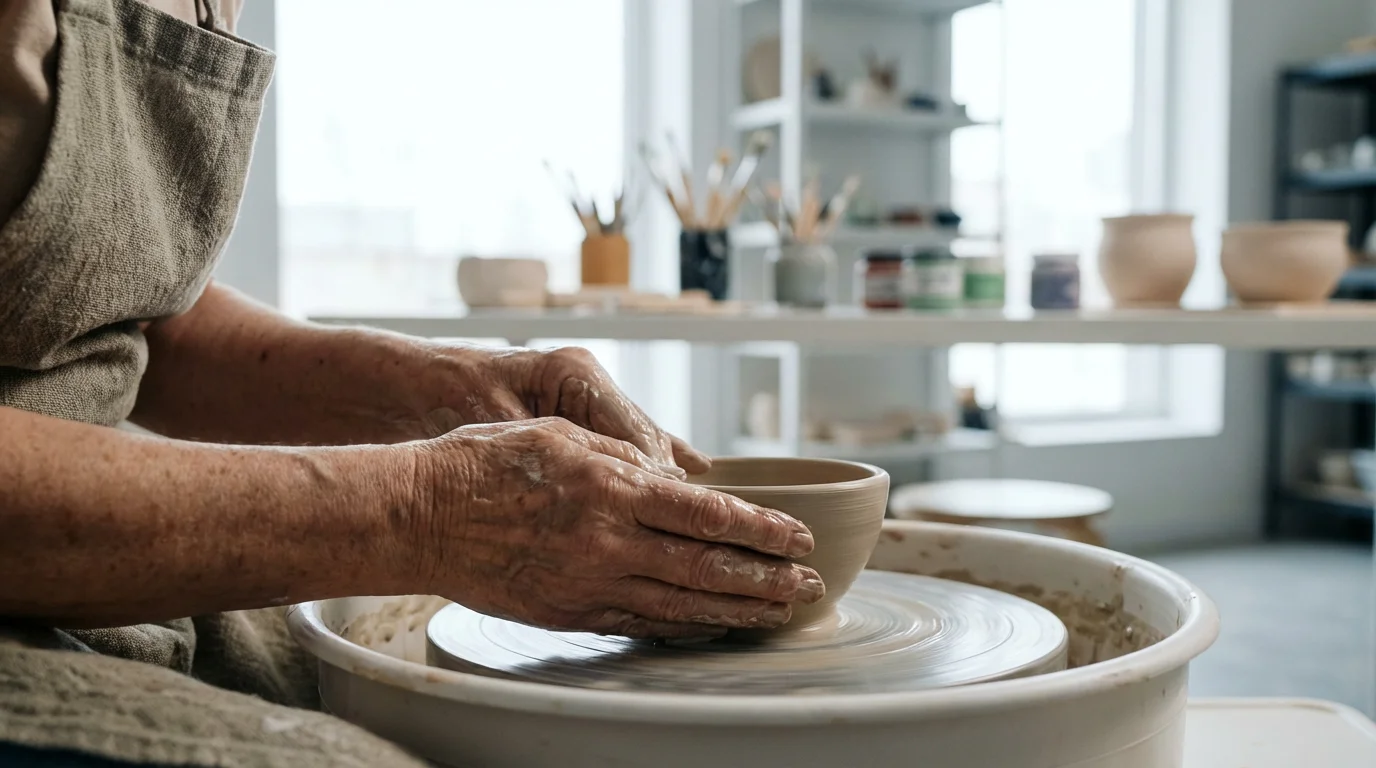
Engage Deeper: Beyond the Exhibits
Museums offer far more than static displays. You can enrich your experience and expand your knowledge by participating in the wide array of programs designed for deeper engagement. These opportunities provide unique insights and foster a stronger connection to the collections.
Explore these enriching activities:
- Lectures and Workshops: Many museums host expert-led lectures on current exhibitions, historical topics, or artistic movements. Workshops offer hands-on experiences, from painting classes to archival research. These programs often come with senior discounts.
- Film Screenings: Museums frequently present film series related to their collections or themes. This offers a different medium for cultural immersion and discussion.
- Book Clubs: Some institutions organize book clubs that explore literature relevant to their exhibits, fostering intellectual discussion and social interaction.
- Volunteer Opportunities: Consider volunteering at your favorite museum. You can contribute your skills, meet new people, and gain behind-the-scenes access. Roles range from greeting visitors to assisting with educational programs.
- Special Events and Galas: Keep an eye out for evening events, concerts, or galas. These provide a unique atmosphere and a chance to experience the museum in a new light.
Engaging in these programs transforms a passive visit into an active, participatory experience. You move beyond viewing and into understanding, creating a more profound connection with the art, history, and senior culture on display.
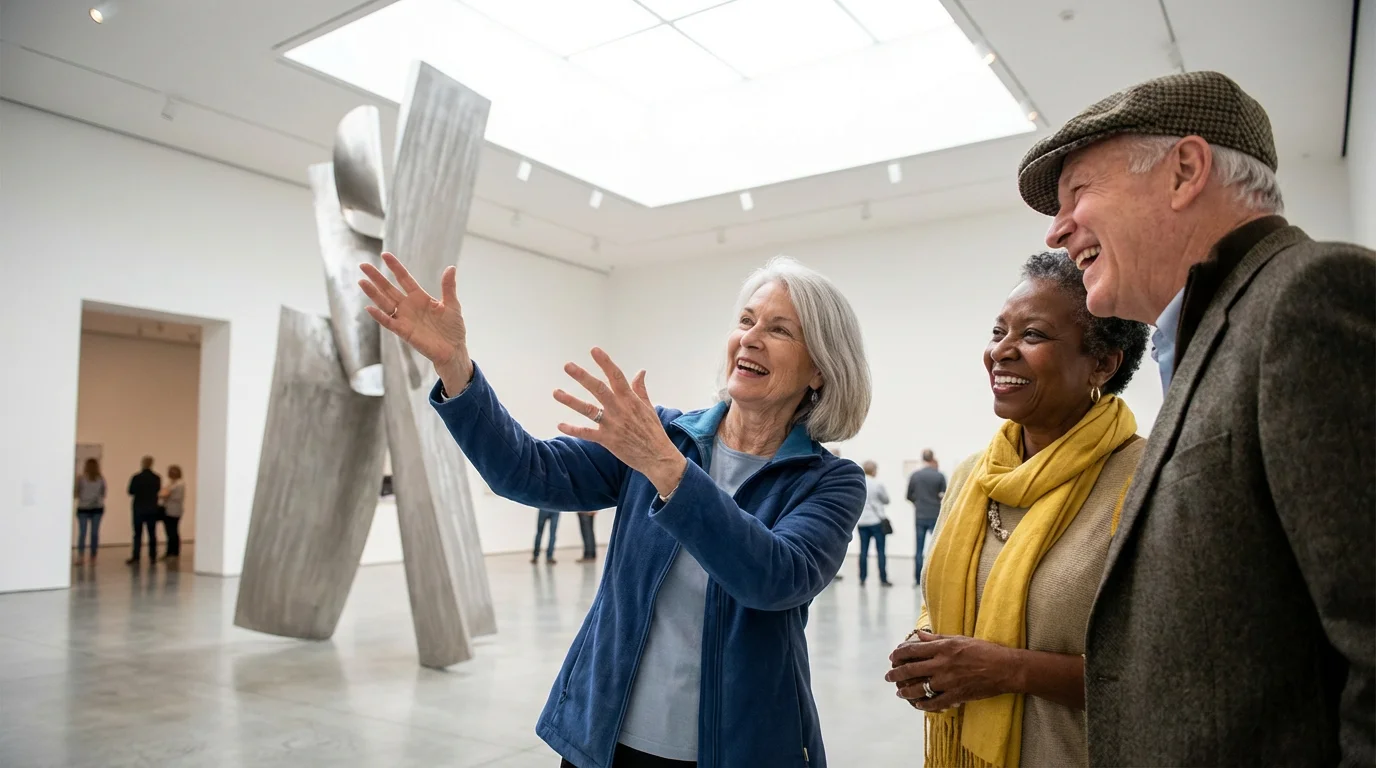
Making Connections: Solo or Group Museum Adventures
Whether you prefer solitude or camaraderie, museums accommodate both solo adventurers and group explorers. You have the flexibility to choose the style of visit that best suits your mood and preferences. Both approaches offer distinct advantages.
Solo Museum Adventures:
- Pace Yourself: You dictate your schedule, spending as much or as little time as you wish at each exhibit.
- Personal Reflection: Solo visits offer quiet moments for personal contemplation and a deeper connection with the art or artifacts.
- Uninterrupted Focus: You can concentrate fully on the information and aesthetics without distraction.
- Flexibility: Easily change your plans, extend your stay, or depart early without consulting others.
Solo travel for seniors, especially to museums, provides freedom and self-discovery. You experience the world on your own terms.
Group Museum Excursions:
- Shared Experience: Discussing exhibits with companions enriches the experience and offers diverse perspectives.
- Social Connection: Visiting with friends or family strengthens bonds and creates shared memories.
- Organized Travel: Many group tours and organized travel packages, such as those from Road Scholar, include museum visits, handling logistics like transportation and tickets.
- Enhanced Learning: Group tours often come with dedicated guides who provide expert commentary.
Joining a group, whether informal or organized, adds a social dimension to your museum visits. You combine cultural enrichment with community. Consider what you seek from your visit: deep personal immersion or lively shared discovery.

Integrating Museums into Your Next Grand Travel Plan
Museums serve as perfect anchors for any travel itinerary, whether you embark on a grand adventure or a local staycation. You can weave these cultural gems seamlessly into your plans, enriching your overall journey.
Consider these ideas for incorporating museums into your travels:
- City Breaks: Major cities worldwide boast world-class museums. Plan a trip around visiting iconic institutions like the Louvre in Paris, the British Museum in London, or the Smithsonian museums in Washington D.C.
- Themed Road Trips: Design a road trip focused on a specific historical period or artistic movement. For instance, trace the path of the Civil Rights movement by visiting relevant historical sites and museums across the Southern states.
- Cruise Excursions: Many cruise lines offer shore excursions that include visits to prominent museums in port cities. This provides a convenient way to experience senior culture without complex logistics.
- Staycations and Local Exploration: Do not overlook the museums in your own backyard. Explore local art galleries, historical societies, and university collections. You might uncover hidden treasures close to home.
- Combining Interests: Pair museum visits with other hobbies. After exploring an exhibit on Impressionism, visit a botanical garden for inspiration. Or, after a history museum, visit a related historical park.
Remember to research travel safety and health considerations, especially for international travel. The CDC Travelers Health website provides valuable information. Integrating museums into your travel plans adds depth, learning, and cultural immersion, transforming a simple trip into an unforgettable journey.
Frequently Asked Questions
How do I find senior discounts for museums?
Many museums offer senior discounts, typically for visitors aged 60, 62, or 65 and older. Always check the museum’s official website under “Admissions” or “Tickets” before your visit. Major organizations like AARP often provide additional discounts or benefits for members at participating cultural institutions. Do not hesitate to ask at the ticket counter; carrying a valid ID with your birth date helps confirm eligibility.
What accessibility features should I look for in a museum?
Prioritize museums that clearly state their commitment to accessibility on their website. Look for features such as step-free access, ramps, elevators, accessible restrooms, and availability of wheelchairs or mobility scooters for rent or loan. Many museums also offer large-print guides, audio descriptions, quiet spaces, and accessible parking. Contact the museum directly before your visit to confirm specific accommodations for your needs.
Are museums good for solo senior travelers?
Museums provide an excellent environment for solo senior travelers. They offer a stimulating and safe space for independent exploration at your own pace. You can spend as much or as little time as you wish in front of an exhibit, engage with docents, or simply enjoy quiet contemplation. Many museums also have cafes and gift shops, allowing for breaks and opportunities to connect with others if desired. Solo visits offer unparalleled freedom and a chance for personal discovery.
How can I make a museum visit less tiring?
Plan your visit during off-peak hours to avoid crowds, which reduces stress and physical exertion. Wear comfortable shoes and take frequent breaks. Many museums offer benches and seating areas throughout their galleries. Consider visiting only a few key exhibits per trip rather than trying to see everything at once. Use mobility aids like a cane or walker if they provide comfort. Stay hydrated and bring a small, healthy snack if allowed.
Disclaimer: This article is for informational purposes only. Travel conditions, prices, and policies change frequently. We encourage readers to verify current information directly with travel providers, check travel advisories, and consult with healthcare providers about any health concerns before traveling.






Leave a Reply