
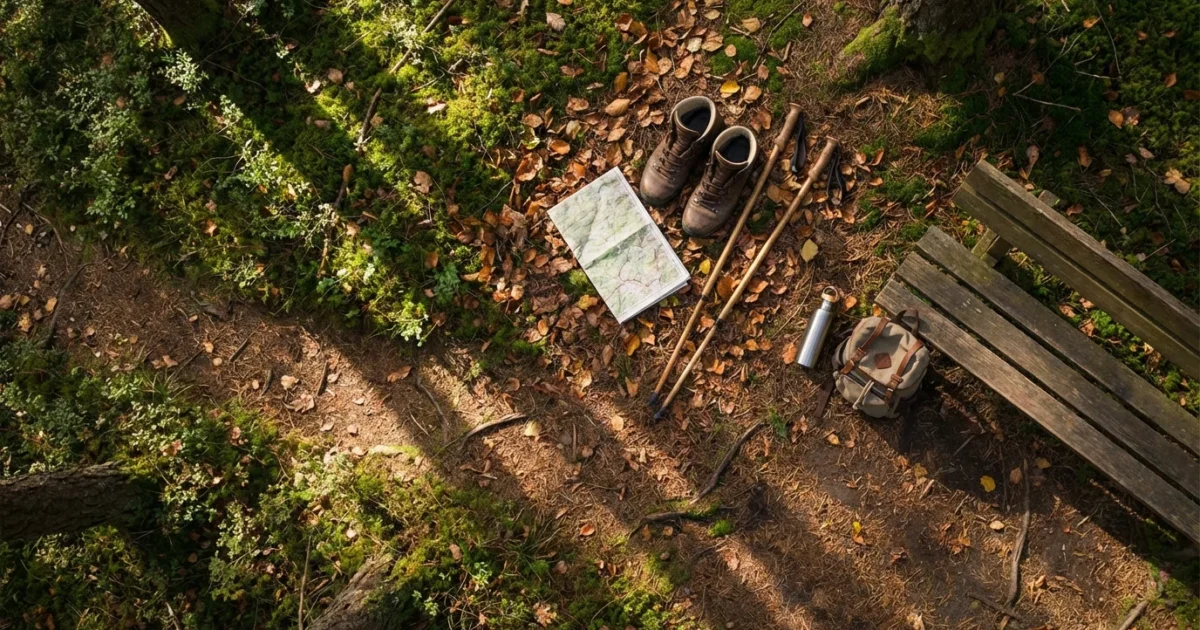
Embrace the call of the wild and discover the joy of hiking, regardless of your age or experience. Hiking offers a unique opportunity to connect with nature, improve your physical and mental well-being, and explore breathtaking landscapes. You can find trails suited for every ability, from gentle strolls on paved paths to more adventurous treks through stunning scenery. This guide provides actionable insights and practical advice to help you lace up your boots and hit the trails with confidence.
Benefits of Hiking for Seniors: Embrace the Outdoors
Hiking offers immense benefits for seniors, contributing significantly to a healthy and fulfilling lifestyle. Regular activity on nature trails enhances your physical fitness and sharpens your mental acuity. You can experience improvements in strength, balance, and mood through consistent outdoor exposure.
Consider these key advantages:
- Physical Health: Hiking strengthens muscles, improves cardiovascular health, and helps maintain healthy bone density. It is a low-impact exercise that benefits your joints when you choose appropriate trails. Studies indicate that regular walking, including hiking, reduces the risk of chronic diseases.
- Mental Well-being: Spending time in nature reduces stress, lowers anxiety levels, and combats feelings of loneliness. The fresh air and scenic views provide a powerful mood boost. Engaging with natural surroundings also enhances cognitive function and memory.
- Improved Balance and Mobility: Navigating varied terrain, even gentle paths, naturally improves your balance and coordination. This reduces the risk of falls, a significant concern for seniors, and helps you maintain independence.
- Social Connection: Hiking with friends, family, or organized groups fosters social interaction. Shared experiences on the trail create lasting memories and build community. Many seniors find group hikes an excellent way to meet like-minded individuals.
- Sense of Accomplishment: Completing a trail, even a short one, provides a rewarding sense of achievement. This boosts self-esteem and encourages further exploration. You will feel empowered by your capability to explore nature.
Hiking becomes more than just exercise; it transforms into a holistic activity that enriches your life. You gain physical strength, mental clarity, and a deeper connection to the natural world around you. This makes it an ideal activity for enjoying your free time.
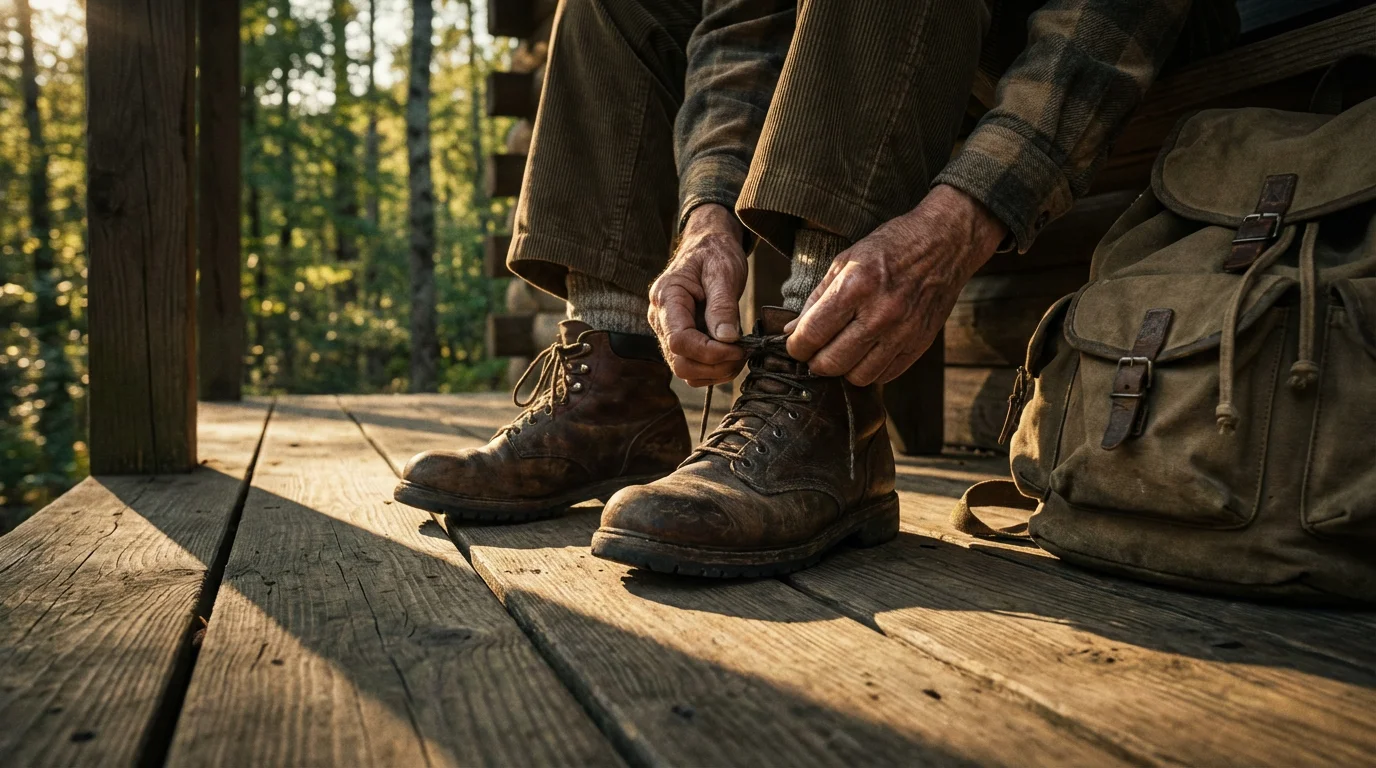
Preparing for Your Hiking Adventure: Health, Gear, and Mindset
Successful and enjoyable hiking trips begin with thorough preparation. You want to ensure your body is ready, your gear is appropriate, and your mindset is positive. Addressing these areas before you start hiking prevents discomfort and ensures a rewarding experience. This section helps you prepare effectively.
Consult Your Doctor
Always consult your healthcare provider before starting any new exercise regimen, especially if you have existing health conditions. Your doctor can assess your fitness level and recommend any specific precautions. Discuss the types of trails you plan to tackle.
Start Small and Build Up
Do not overcommit on your first outing. Begin with shorter, flatter walks and gradually increase your distance and elevation. Your body adapts over time, making longer hikes more enjoyable. Consistency in your walks builds endurance.
Train for the Trail
Incorporate exercises into your routine that mimic hiking movements. Focus on leg strength, core stability, and balance. Activities such as walking stairs, doing gentle squats, and practicing standing on one foot improve your trail readiness. You can also take brisk walks in your neighborhood.
Stay Hydrated and Nourished
Proper hydration is crucial, even before you hit the trail. Drink plenty of water in the days leading up to your hike. Pack easily digestible snacks, such as trail mix, fruit, or energy bars, to keep your energy levels steady during your hike.
Develop a Positive Mindset
Approach hiking with an adventurous spirit and a willingness to explore. Remind yourself that the goal is enjoyment and connection with nature, not necessarily speed or endurance records. Focus on the beauty around you.
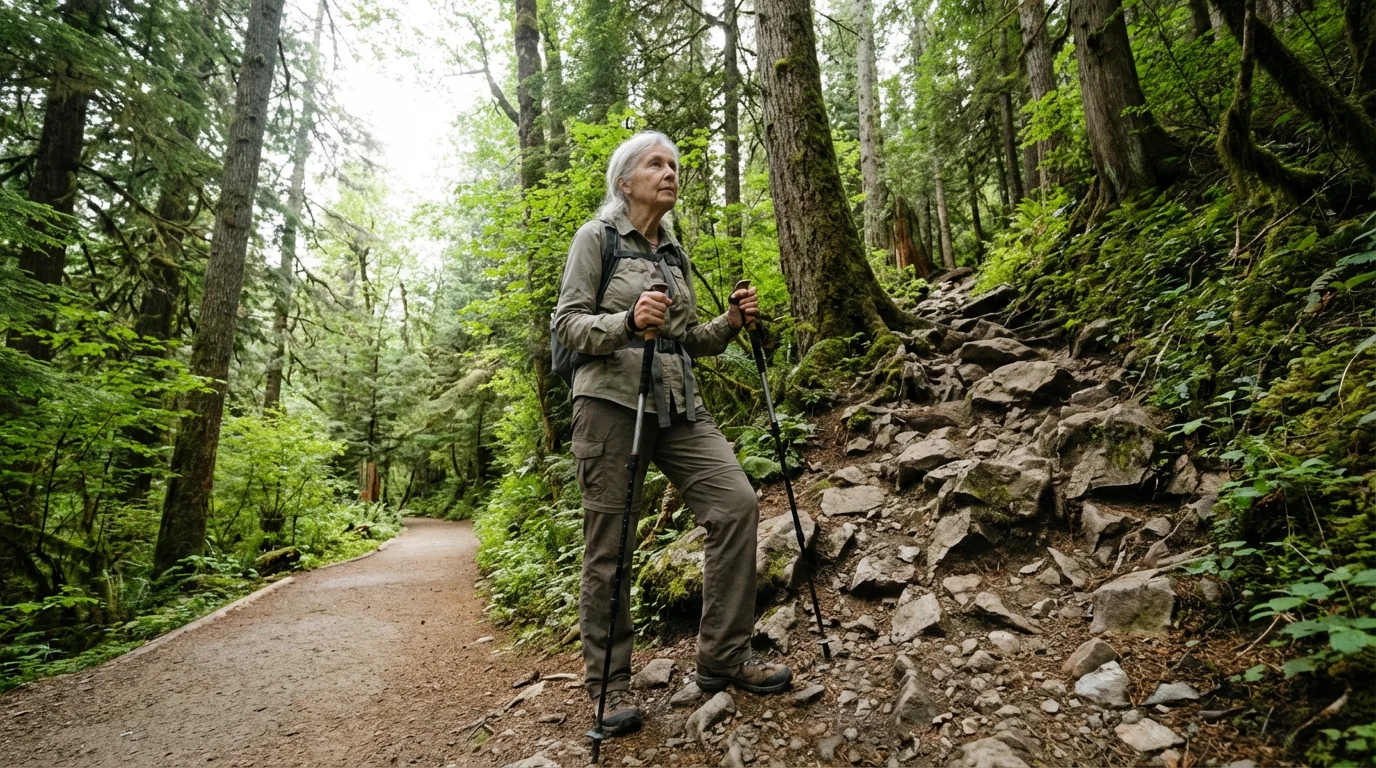
Choosing the Right Path: Understanding Trail Difficulty
Selecting the appropriate trail is the most important step for a successful senior hiking experience. Trails come in various difficulty levels, and understanding these classifications helps you choose paths that match your physical capabilities. You want to ensure a comfortable and enjoyable journey.
Accessible Trails (Easy/Paved)
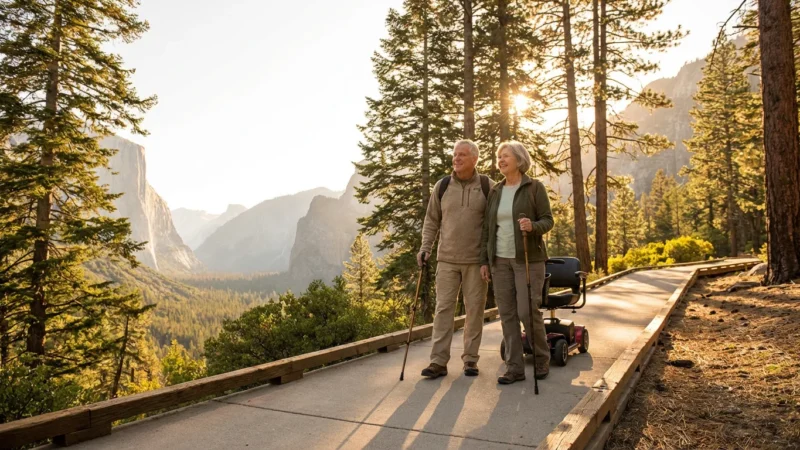
These trails offer the most gentle experience, often featuring paved surfaces, boardwalks, or finely crushed gravel. They typically have minimal elevation gain and are wide enough for comfortable walking, sometimes even accommodating wheelchairs or strollers. Accessible trails frequently include benches for resting.
- Who they are for: Individuals with limited mobility, those new to hiking, or anyone seeking a leisurely stroll.
- Examples: Many National Parks offer accessible paths to scenic viewpoints or short loops around visitor centers. State parks also feature paved nature walks.
Easy Trails (Gentle/Well-Maintained)
Easy trails are generally well-maintained dirt paths with gentle slopes and few obstacles like roots or rocks. They involve short distances, usually under 3 miles, and minimal elevation changes. These trails provide a natural experience without significant physical demands.
- Who they are for: Seniors with good general fitness who enjoy walking and want a bit more immersion in nature.
- Examples: Interpretive nature trails in local parks, many designated “easy” loops in regional parks, or shorter sections of longer trails.
Moderate Trails (Moderate Incline/Varied Terrain)
Moderate trails present more challenges, including longer distances (3-6 miles), steeper sections, and more varied terrain. You might encounter roots, rocks, or uneven surfaces. These trails require a higher level of fitness and good balance.
- Who they are for: Experienced senior hikers who regularly exercise and possess good stamina and stability.
- Considerations: Carry trekking poles for added stability. Be prepared for longer periods of sustained effort.
Always read trail descriptions carefully, checking the distance, elevation gain, and type of terrain. Online resources and park rangers provide valuable, up-to-date information. Do not hesitate to ask questions if you feel unsure about a trail’s suitability.
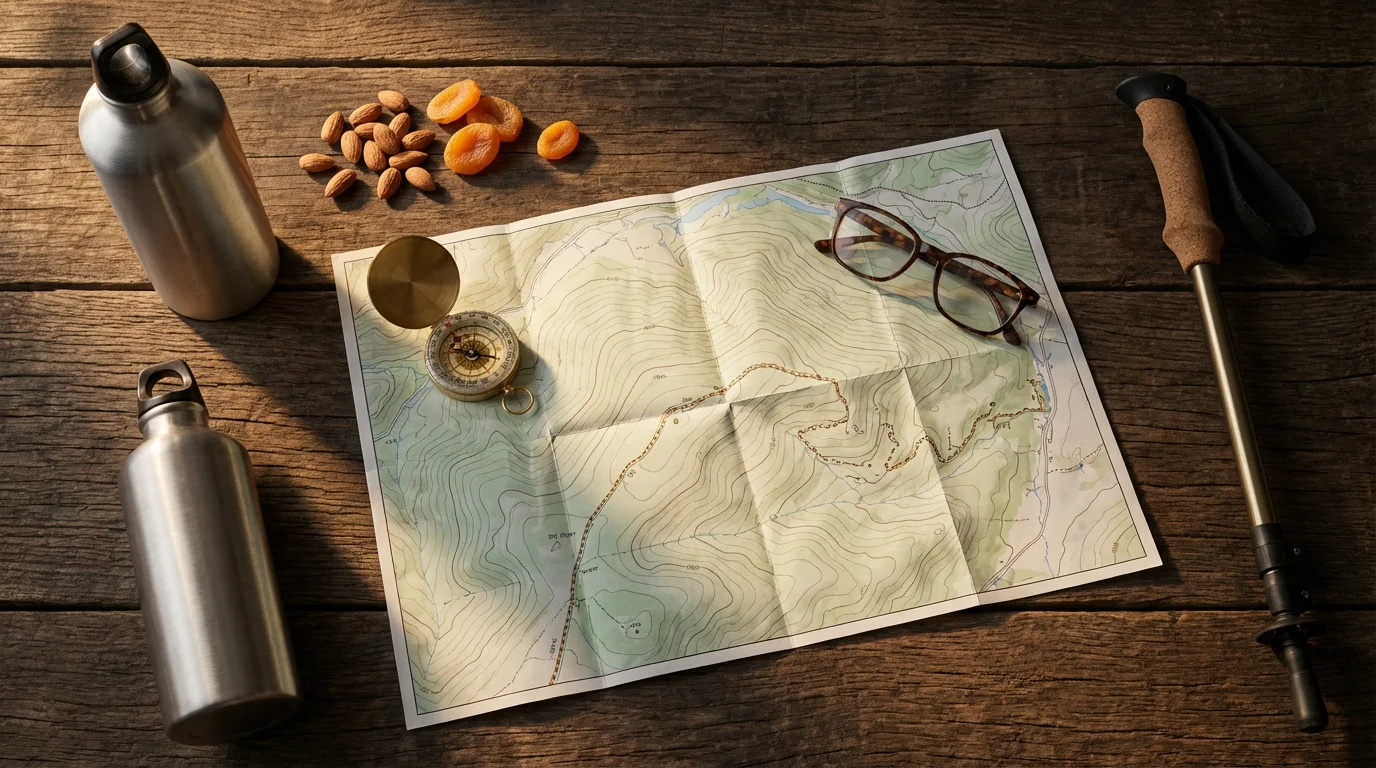
Top Senior-Friendly Hiking Destinations Across the US
The United States boasts an incredible array of senior-friendly hiking destinations, offering diverse landscapes and accessible trails. You can find stunning natural beauty, from towering mountains to serene coastal paths, all designed to accommodate various mobility levels. We highlight a few exceptional choices.
National Parks: Accessible Wonders
Many National Park Service sites excel at providing accessible and easy hiking options. They often feature paved paths, boardwalks, and well-graded trails to iconic viewpoints.
- Acadia National Park, Maine: Known for its historic carriage roads, which offer over 45 miles of wide, gravel paths with gentle grades. You can hike or bike these car-free routes, enjoying stunning coastal and forest views. The Ocean Path is another relatively flat, scenic option.
- Yellowstone National Park, Wyoming: Offers numerous boardwalk trails that wind through geyser basins, allowing close-up views of thermal features without challenging terrain. The Upper Geyser Basin and Grand Prismatic Spring areas are particularly accessible.
- Grand Canyon National Park, Arizona: While many trails are strenuous, the South Kaibab Trail (first mile to Ooh Aah Point) offers breathtaking views with a manageable incline for a turnaround hike. The Rim Trail provides miles of mostly paved, flat walking with incredible vistas.
State Parks: Local Gems
State parks often provide excellent local hiking opportunities that are less crowded than their national counterparts. They frequently feature well-maintained trails with clear signage. You can discover hidden natural beauty close to home.
- Florida State Parks: Many parks feature extensive boardwalks through cypress swamps, coastal dunes, or pine forests. These elevated paths protect sensitive ecosystems and provide easy, stable walking surfaces. Wakulla Springs State Park offers beautiful paved walks around its massive spring.
- California State Parks: From coastal bluffs to redwood forests, California’s state parks offer diverse easy trails. Big Basin Redwoods State Park (check current status post-fires) historically offered gentle paths among giant trees. Point Lobos State Natural Reserve provides stunning, relatively flat coastal loop trails.
Rail-Trails: Smooth Paths for Miles
Converted railway lines, known as rail-trails, offer some of the flattest and most consistently graded paths available. These multi-use trails are usually surfaced with crushed gravel or pavement, making them ideal for long, easy walks.
- Great Allegheny Passage (GAP), Pennsylvania/Maryland: While long, sections of this 150-mile trail are perfect for senior hikers. Its consistent, gentle grade follows rivers and valleys. You can enjoy shorter out-and-back segments from various trailheads.
- Virginia Creeper Trail, Virginia: This 34-mile trail offers a mostly downhill grade from Whitetop Mountain, but many flat sections are accessible from Damascus or Abingdon. It is perfect for an easy walk through scenic countryside.
“The National Park System preserves unimpaired the natural and cultural resources and values of the National Park System for the enjoyment, education, and inspiration of this and future generations.”
Remember to check the official park websites or AARP Travel for current conditions, accessibility information, and any necessary permits or reservations before your visit. Planning ahead ensures a smooth and enjoyable trip.
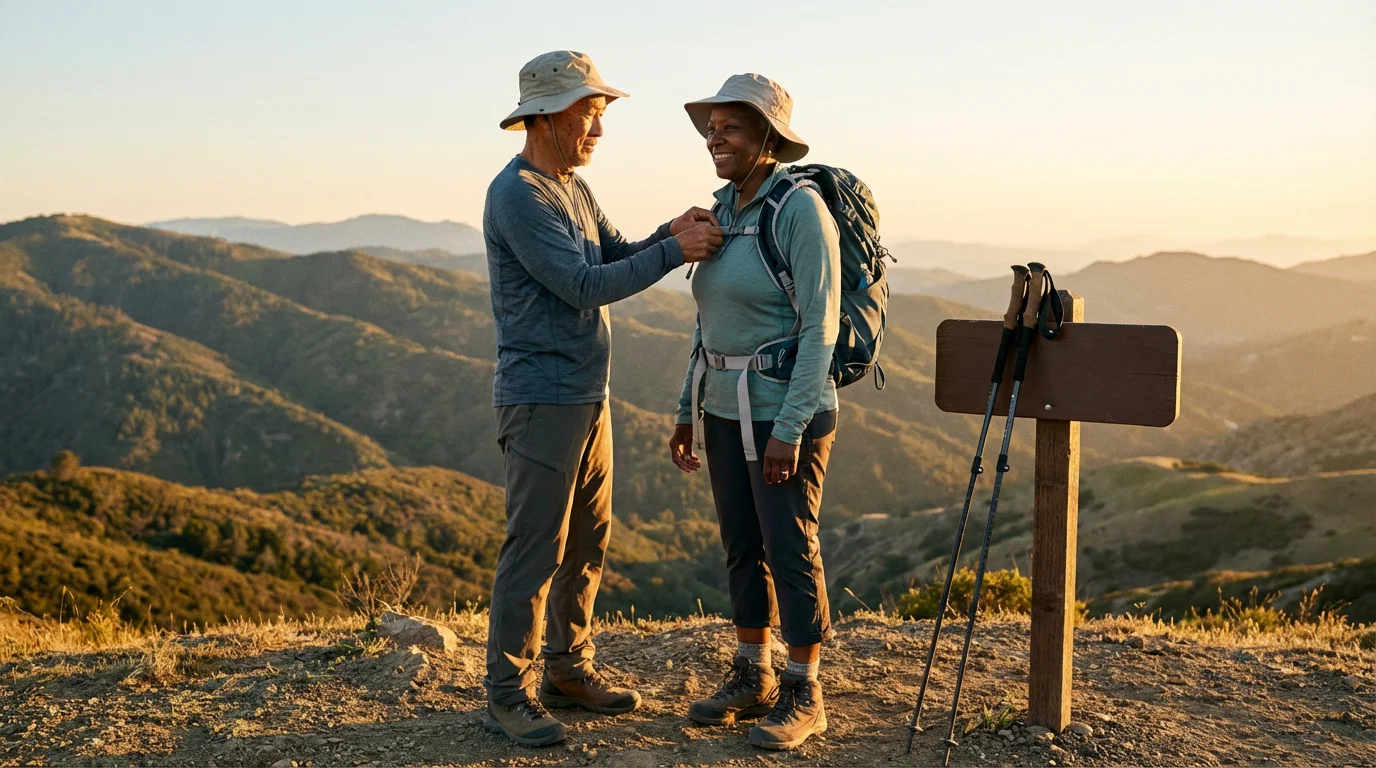
Essential Gear for a Comfortable and Safe Hike
Proper gear significantly enhances your hiking comfort and safety. You do not need expensive, specialized equipment for most senior-friendly trails, but a few key items make a big difference. Invest in quality essentials to enjoy your outdoor adventures.
Footwear
Your shoes are the most critical piece of equipment. Choose hiking shoes or sturdy walking shoes that offer good ankle support, excellent traction, and comfortable cushioning. Ensure they are broken in before your hike to prevent blisters.
- Hiking Shoes: Lightweight options are available. Look for good grip on varied surfaces.
- Walking Shoes: Ensure they have sufficient tread and support if you are sticking to paved or very smooth trails.
Clothing
Dress in layers, even on warm days. This allows you to adjust to changing temperatures and activity levels. Avoid cotton, which retains moisture and can make you cold; opt for moisture-wicking fabrics instead.
- Base Layer: Wicks sweat away from your body.
- Mid-Layer: Provides insulation, like a fleece jacket.
- Outer Layer: Protects against wind and rain, such as a lightweight waterproof shell.
Hydration and Nutrition
Always carry more water than you think you need. A reusable water bottle or a hydration bladder in your pack is essential. Pack energy-rich snacks to fuel your body.
- Water Bottle/Hydration Pack: Crucial for staying hydrated.
- Snacks: Nuts, dried fruit, granola bars provide sustained energy.
Backpack
A small, comfortable backpack holds your water, snacks, extra layers, and other essentials. Choose one with adjustable straps for a secure fit. This keeps your hands free.
Trekking Poles
Many seniors find trekking poles invaluable. They provide stability, reduce strain on knees, and improve balance on uneven terrain. They distribute weight and offer extra points of contact with the ground.
Safety and Navigation
Always carry a few safety items, even on short, familiar trails.
- First-Aid Kit: Include band-aids, antiseptic wipes, pain relievers, and any personal medications.
- Sun Protection: Hat, sunglasses, and sunscreen protect you from UV rays.
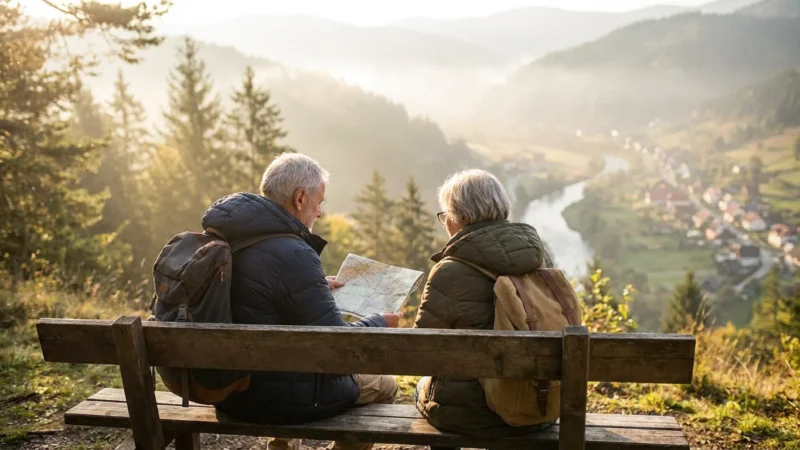
- Navigation: A fully charged phone (with downloaded maps), a whistle, and a physical map of the area are recommended.
Other Useful Items
- Insect Repellent: Especially important in wooded areas.
- Headlamp/Flashlight: Useful if your hike extends longer than planned.
- Small trash bag: Pack out everything you pack in.
Investing in the right gear ensures a safer and more enjoyable hiking experience for you.

Safety First: Navigating the Trails with Confidence
Prioritizing safety ensures that your hiking adventures remain enjoyable and free from unexpected incidents. You can navigate trails with confidence by implementing smart safety practices before and during your hike. Understanding potential risks empowers you to mitigate them effectively.
Share Your Plan
Always inform someone of your hiking plans, including your chosen trail, expected duration, and who you are hiking with. Give them an estimated return time. This ensures someone knows your whereabouts if an emergency arises.
Check Weather Conditions
Review the weather forecast for your hiking area before you leave. Conditions can change rapidly, especially in mountainous regions. Postpone your hike if severe weather, such as heavy rain, thunderstorms, or extreme heat, is predicted.
Stay on Marked Trails
Veering off marked paths can lead to getting lost, encountering dangerous wildlife, or damaging fragile ecosystems. Always follow trail markers and obey any posted signs. Trust the designated route.
Pace Yourself
Listen to your body. Hike at a comfortable pace that allows you to enjoy the scenery and converse easily. Take frequent breaks to rest, rehydrate, and snack. Do not push yourself beyond your comfort zone.
Hydrate and Fuel Regularly
Consistent hydration prevents dehydration, which can lead to fatigue and disorientation. Drink water even if you do not feel thirsty. Eat small snacks every hour or so to maintain energy levels.
Be Aware of Your Surroundings
Pay attention to the terrain, potential hazards, and any wildlife. Watch your footing to avoid trips and falls. If you encounter wildlife, observe from a distance and never approach them. The CDC Travelers Health provides excellent guidance on outdoor safety.
Carry a Fully Charged Phone
While you might seek to disconnect, a fully charged phone is an important safety tool for emergencies. Signal can be spotty, so do not rely solely on your phone for navigation. Consider a portable charger.
First Aid Preparedness
Knowing basic first aid helps you address minor injuries quickly. Your compact first aid kit should include essentials for cuts, scrapes, blisters, and insect bites. This prepares you for common trail mishaps.
Emergency Whistle
A whistle is lightweight and effective for signaling for help if you become lost or injured. Three short blasts are a universal distress signal. Keep it easily accessible.
By following these safety guidelines, you significantly reduce risks and enhance your ability to enjoy the tranquility and beauty of nature.
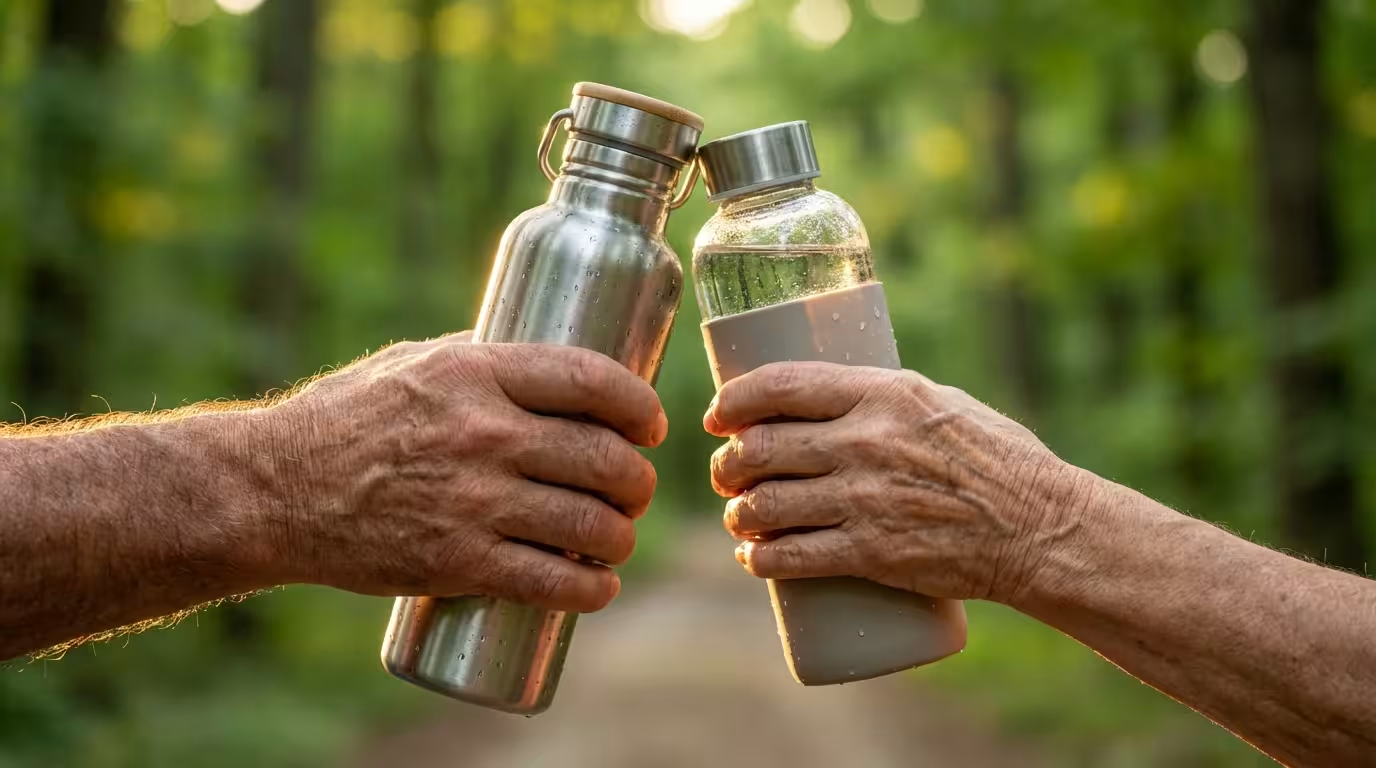
Making Hiking a Social Experience: Group Adventures and Tours
Hiking transforms into an even richer experience when shared with others. Group adventures offer companionship, shared stories, and an added layer of safety. You can find numerous opportunities to join organized hikes or participate in guided tours tailored for seniors.
Join Local Hiking Clubs
Many communities have hiking clubs specifically for seniors or groups with varying ability levels. These clubs organize regular outings, provide transportation, and ensure experienced leaders guide the group. You can discover new trails and build friendships.
Guided Walking Tours
Consider guided walking tours, especially when visiting new destinations. These tours often focus on history, nature, or local culture, providing an educational component alongside the physical activity. Guides know the area well and ensure appropriate pacing.
Senior-Specific Travel Programs
Organizations like Road Scholar offer educational travel programs that frequently include walking or light hiking as part of the itinerary. These trips cater to seniors, ensuring activities are well-paced and accommodations are comfortable. You can explore destinations globally with expert instructors.
National Park Ranger-Led Hikes
Many National Parks offer free ranger-led programs, including guided walks and hikes. These are often educational, focusing on the park’s ecology, geology, or history. They are typically accessible and move at a gentle pace. Check park schedules upon arrival.
Cruises with Hiking Excursions
Some cruises, particularly those in Alaska or other nature-rich regions, offer shore excursions that include guided nature walks or light hikes. This provides a convenient way to combine relaxation with active exploration. Research cruise itineraries on sites like Cruise Critic for these options.
Benefits of Group Hiking
- Safety in Numbers: Hiking with a group provides extra security, especially in unfamiliar territory.
- Navigation Support: Group leaders handle navigation, allowing you to focus on the scenery.
- Social Connection: Share experiences, laughter, and stories with fellow hikers.
- Motivation: The camaraderie of a group can keep you motivated and engaged.
- Expert Insights: Guides and experienced hikers often share valuable knowledge about flora, fauna, and local history.
Embrace the social side of hiking. It adds a wonderful dimension to your outdoor adventures, creating lasting memories and friendships.
Frequently Asked Questions
Can seniors with limited mobility still enjoy hiking?
Absolutely. Many parks and nature preserves offer accessible trails, boardwalks, and paved paths specifically designed for individuals with limited mobility. These trails are generally flat, wide, and may even accommodate wheelchairs or scooters, allowing you to enjoy nature comfortably. Focus on finding trails explicitly marked as “accessible” or “easy.”
What is the best time of year for seniors to go hiking?
Spring and fall generally offer the most comfortable hiking conditions for seniors. Temperatures are moderate, and humidity is lower. Summer can be suitable in cooler climates or during early morning hours, but avoid midday heat. Winter hiking is possible in milder regions, but requires appropriate gear and caution for icy conditions.
How can seniors prepare for hiking trips if they are new to it?
Start with short, regular walks in your neighborhood to build stamina. Gradually increase your distance and incorporate gentle inclines. Focus on strengthening leg muscles and improving balance through exercises. Consult your doctor for a health check-up and invest in comfortable, supportive hiking shoes before your first trail outing.
Are trekking poles really necessary for senior hikers?
While not always strictly “necessary” for all trails, trekking poles are highly recommended for most senior hikers. They significantly improve stability, reduce impact on knees and joints, and provide assistance on uneven terrain or gentle inclines. You will find they enhance your balance and overall hiking comfort.
What should seniors do if they encounter an emergency on the trail?
If an emergency arises, stay calm. If you have a cell signal, call emergency services (911 in the US) and provide your exact location if possible. Use an emergency whistle to signal for help (three short blasts repeated). If hiking with a group, stay together. Carry a first aid kit for minor injuries and know basic first aid.
Disclaimer: This article is for informational purposes only. Travel conditions, prices, and policies change frequently. We encourage readers to verify current information directly with travel providers, check travel advisories, and consult with healthcare providers about any health concerns before traveling.






Leave a Reply