
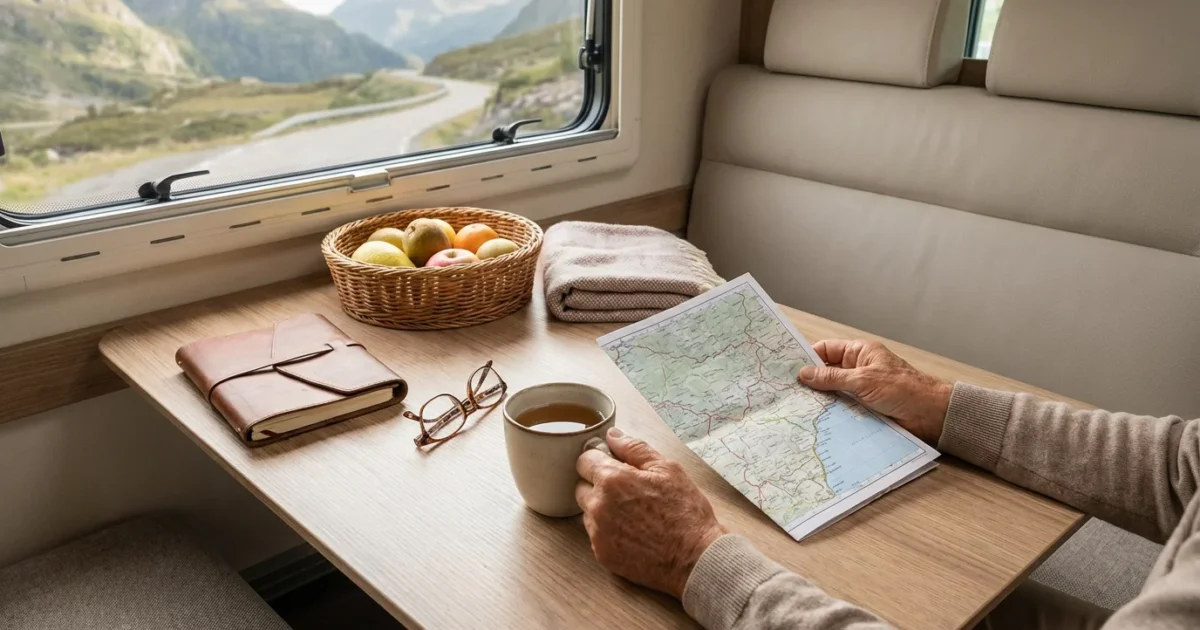
The open road calls, offering boundless adventure and the flexibility to explore at your own pace. RV travel provides an unparalleled sense of freedom, allowing you to carry your home comforts wherever your wanderlust takes you. For seniors, this lifestyle perfectly aligns with retirement goals, providing opportunities for extended trips, budget-friendly exploration, and connecting with nature and communities across the country.
Embrace a journey where every day brings a new horizon. You determine the itinerary, the stops, and the duration of your stay. This guide equips you with practical, actionable insights to confidently embark on your RV adventure, ensuring a memorable and comfortable experience tailored to your needs. Discover how to plan an RV road trip effectively, select the right vehicle, and navigate the practicalities of life on the move.
Why RV Travel Appeals to Seniors
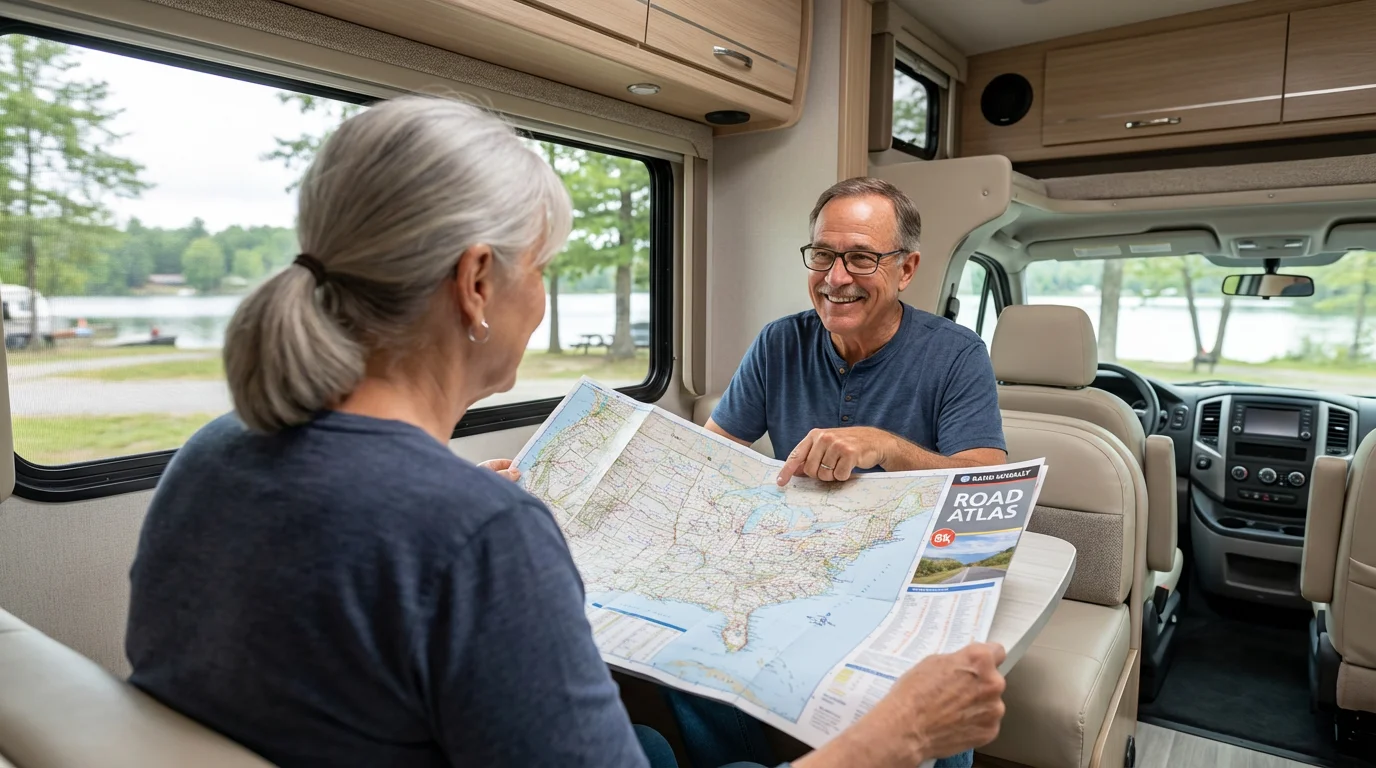
RV travel offers a unique blend of adventure and comfort, making it an ideal choice for seniors. You control your environment, bringing familiar amenities and personal space wherever you go. This eliminates the constant packing and unpacking associated with traditional hotel-based travel.
The flexibility of RVing allows you to adapt plans on the fly, accommodating weather changes or unexpected interests. You can linger longer in places you love or quickly move on if a location does not meet your expectations. This adaptability provides peace of mind and reduces travel stress significantly.
Consider the cost savings over time. While an initial investment exists, RV travel often becomes more economical for extended trips compared to flying, renting cars, and staying in hotels. You save on dining out by cooking your own meals and often find affordable or free campsites.
RVing also fosters a strong sense of community. Fellow RVers frequently share tips, stories, and even meals, creating a welcoming atmosphere. Many seniors form lasting friendships on the road, adding a rich social dimension to their travels.

Choosing Your Perfect RV: Types and Considerations
Selecting the right RV ensures comfort and suitability for your travel style and needs. A variety of options exist, each with distinct advantages. Carefully evaluate factors like size, drivability, amenities, and maintenance before making a decision.
Types of RVs:
- Class A Motorhomes: These resemble buses, offering spacious interiors, ample storage, and many amenities. They provide a comfortable, luxurious experience, but require confidence in driving a large vehicle. You will find separate living, kitchen, and sleeping areas.
- Class B Camper Vans: Built on van chassis, these are compact and easy to drive, fitting into standard parking spaces. They offer essential amenities, making them suitable for shorter trips or those who prioritize maneuverability. Their smaller size means less living space.
- Class C Motorhomes: Combining the ease of driving a van with more living space than a Class B, these feature an over-cab sleeping area. Class C RVs offer a good balance for many seniors, providing comfort without the intimidating size of a Class A.
- Travel Trailers and Fifth-Wheel Trailers: These require a separate tow vehicle. Travel trailers attach to a hitch, while fifth-wheel trailers connect to a special hitch in a truck bed. They offer significant living space and allow you to unhitch and use your tow vehicle for local exploration.
- Truck Campers: These units mount onto the bed of a pickup truck. Truck campers provide a compact, off-road capable option for adventurers who prefer simplicity and access to remote locations. They offer basic amenities.
Key Considerations for Seniors:
- Ease of Driving: Test drive different RV types. Consider smaller, more maneuverable options like Class B or C if you feel less confident with larger vehicles.
- Accessibility and Mobility: Look for RVs with wide doorways, minimal steps, and easily accessible bathrooms and beds. Some models offer lifts or ramps.
- Maintenance and Repair: Understand the maintenance requirements. Factor in the cost and effort of upkeep. Simpler models often mean less complexity.
- Storage Needs: Evaluate how much gear, clothing, and personal items you plan to bring. Ensure the RV offers sufficient storage space to avoid clutter.
- Budget: RV prices vary significantly, from tens of thousands to hundreds of thousands. Consider renting various types first to determine what works best for you before committing to a purchase.
- Fuel Efficiency: Larger RVs consume more fuel. Factor fuel costs into your overall travel budget. Smaller models or those with diesel engines often offer better mileage.
Planning Your RV Road Trip: From A to Z
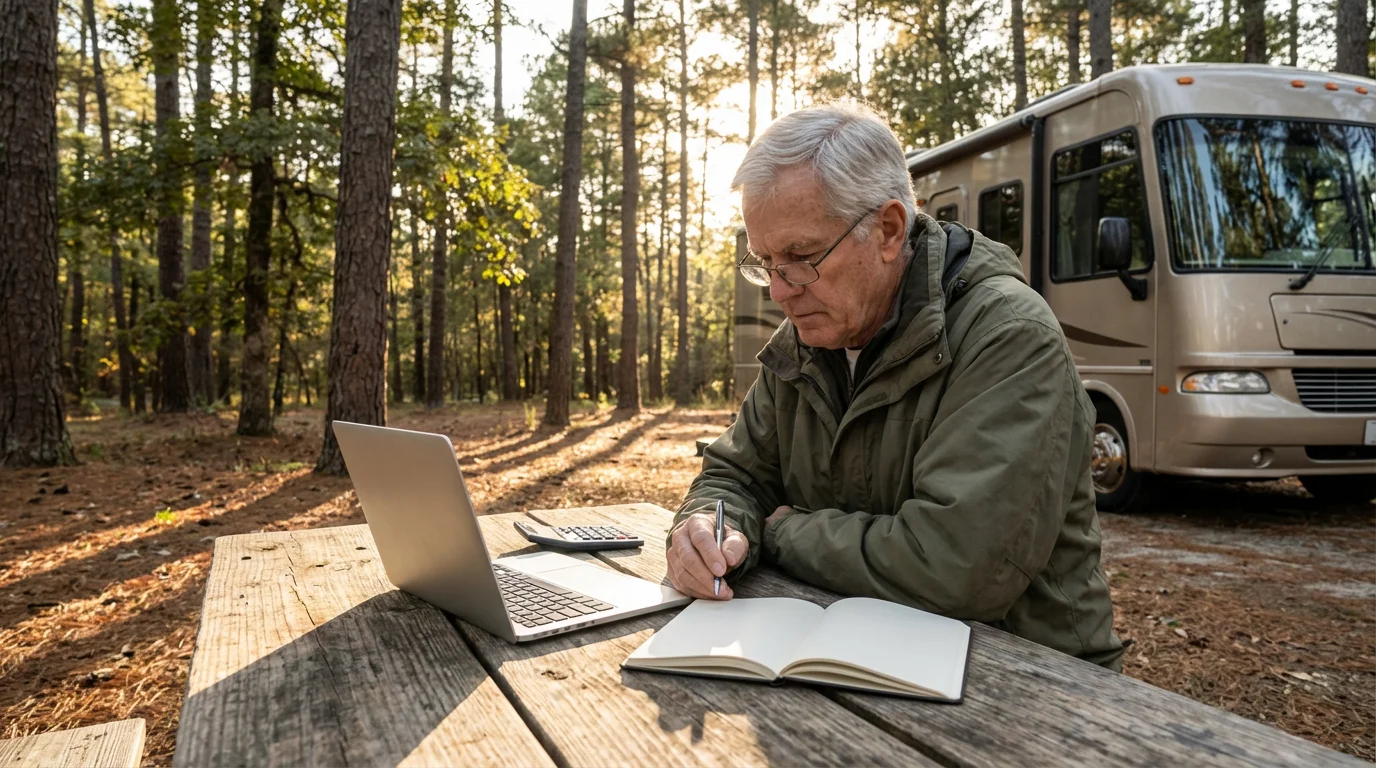
Effective planning transforms a good trip into an exceptional one. A well-organized itinerary minimizes stress and maximizes enjoyment, especially for how to plan an RV road trip. Begin with a clear vision of your desired experience.
Step-by-Step Planning Guide:
- Define Your Destination and Duration: Decide where you want to go and how long you plan to travel. Do you envision national parks, coastal drives, or historic towns? A clear destination helps structure your entire trip.
- Choose Your Route: Map out your journey, considering scenic routes versus fastest routes. Utilize online mapping tools and RV-specific navigation apps that account for vehicle size and weight restrictions. Factor in driving time and rest stops.
- Book Campgrounds and RV Parks: Popular destinations and peak seasons require advance reservations. Many campgrounds, especially those in national parks or popular tourist areas, fill up months ahead. The National Park Service website is an excellent resource for park-specific information.
- Prepare Your RV:
- Perform a thorough mechanical check: tires, brakes, fluid levels, lights.
- Test all appliances: refrigerator, stove, heater, air conditioner.
- Sanitize fresh water tanks and check wastewater systems.
- Stock essential supplies: first-aid kit, tools, emergency road kit.
- Pack Smart:
- Bring versatile clothing layers for varying weather.
- Pack non-perishable food items and cooking essentials.
- Include personal medications, toiletries, and comfortable walking shoes.
- Do not forget entertainment: books, games, or hobbies.
- Create a Daily Itinerary (Flexible): Plan your driving days, aiming for shorter distances to avoid fatigue, typically 4-6 hours. Schedule rest days for exploration and relaxation. Remember, flexibility is key in RV travel.
- Research Local Attractions and Activities: Look for senior-friendly activities, accessible trails, and cultural events at your destinations. TripAdvisor offers reviews and suggestions for various locations.
- Handle Mail and Pet Care: Arrange for mail forwarding or digital scanning services. If traveling with pets, research pet-friendly accommodations and activities.
Proactive planning ensures you address potential challenges before they arise, setting the stage for a smooth and enjoyable journey.

Budgeting for Your RV Adventure
Understanding the financial aspects of RV travel empowers you to manage costs effectively. RVing can be an affordable way to travel, especially for extended periods, but requires careful budgeting.
Key Budget Categories:
- RV Purchase or Rental: If buying, consider the upfront cost, depreciation, and potential financing. Rental costs vary by RV type, duration, and season, ranging from $100 to $400 per night.
- Fuel: This often represents a significant expense. Monitor gas prices using apps and plan routes to maximize fuel efficiency. Larger RVs typically get 6-10 miles per gallon.
- Campground Fees: Prices range from free (boondocking on public lands) to $70+ per night for luxury resorts with full hookups. Many state parks and national park campgrounds average $20-$50 per night.
- Food and Dining: Cooking your meals in the RV significantly reduces costs compared to eating out. Budget for groceries and occasional restaurant meals.
- Maintenance and Repairs: Set aside a contingency fund for unexpected repairs, tire issues, or routine maintenance. Even new RVs can experience minor issues.
- Insurance: RV insurance is mandatory. Costs vary based on RV type, coverage, and your driving record.
- Activities and Entertainment: Allocate funds for national park passes, museum admissions, tours, and other leisure activities. An America the Beautiful Senior Pass (National Parks & Federal Recreational Lands Pass) offers exceptional value.
Saving Money on the Road:
- Join RV Clubs: Organizations like Good Sam Club or Passport America offer discounts on campgrounds, fuel, and RV services. AARP also provides travel discounts for members. Visit AARP Travel for more information on available deals.
- Boondocking and Dry Camping: Utilize free campsites on public lands (Bureau of Land Management, National Forests) or in designated retail parking lots. This requires self-sufficiency regarding water, power, and waste.
- Cook Your Meals: Plan menus and grocery shop at local stores to save significantly on dining expenses.
- Travel Off-Season: Prices for campgrounds and attractions often decrease outside of peak travel times. Enjoy fewer crowds and better rates.
A realistic budget ensures your RV adventure remains enjoyable and financially sustainable.

Staying Healthy and Safe on the Road
Prioritizing your health and safety is paramount for an enjoyable RV experience. Proactive measures address common concerns and ensure peace of mind throughout your journey.
Health Considerations:
- Medication Management: Carry an ample supply of all prescription medications, plus copies of prescriptions. Keep medications in their original containers. Consider a travel-size cooler for temperature-sensitive drugs.
- Medical Information: Keep a list of your doctors, medical conditions, allergies, and emergency contacts readily accessible. Carry your insurance cards.
- Stay Active: Incorporate walking, stretching, or light exercise into your daily routine. Explore hiking trails in national parks or walk around campsites.
- Hydration and Nutrition: Drink plenty of water, especially in warmer climates. Maintain a balanced diet, utilizing your RV kitchen for healthy meals.
- Doctor Consultation: Consult your physician before embarking on a long trip. Discuss any concerns regarding travel, altitude, or specific activities. The CDC Travelers’ Health provides country-specific health information and recommendations for various regions.
- Rest: Avoid driver fatigue by taking frequent breaks and sharing driving responsibilities if possible. Aim for adequate sleep each night.
Safety on the Road and at Camp:
- Driving Safely: Drive defensively, maintain appropriate speeds, and be aware of your RV’s dimensions. Check mirrors frequently and be cautious when backing up.
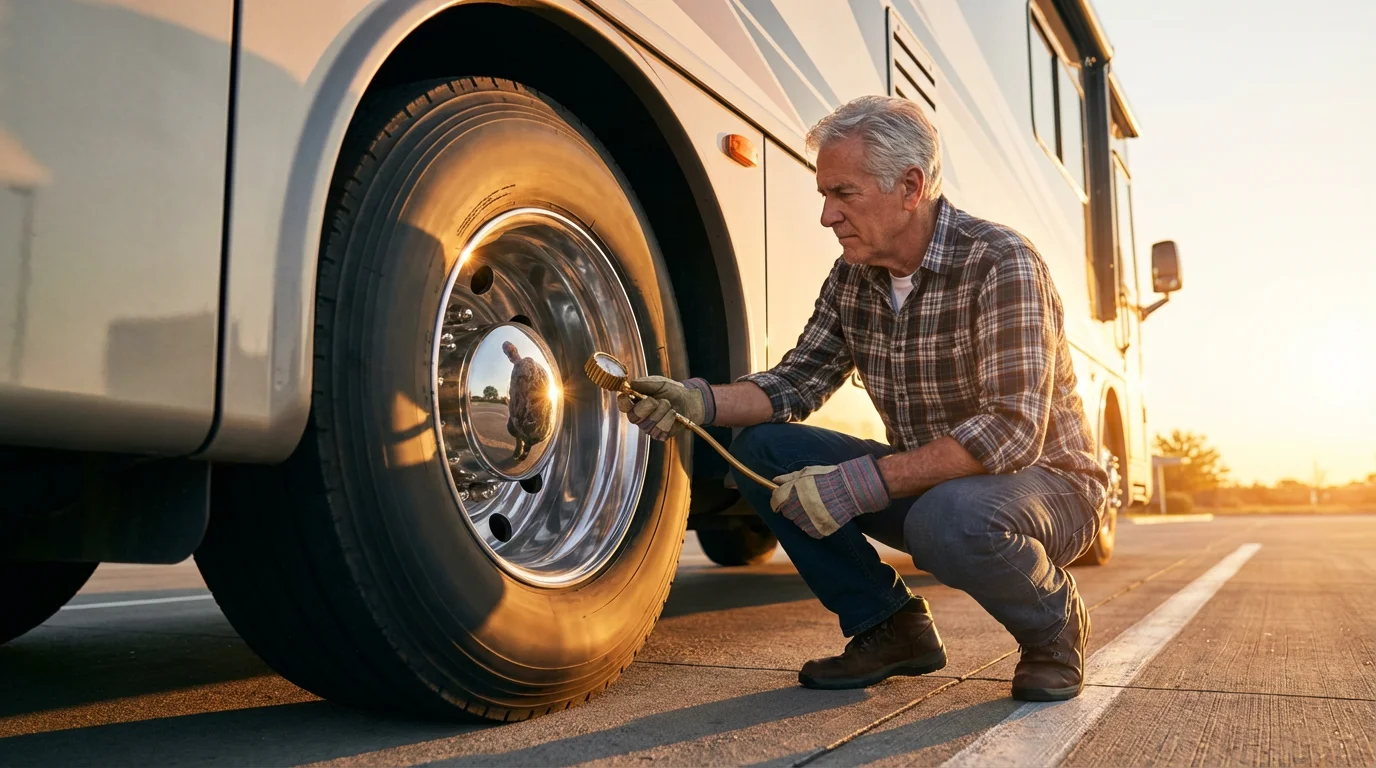
- RV Maintenance Checks: Regularly inspect tires, fluid levels, brakes, and lights. A well-maintained RV reduces the risk of breakdowns.
- Security at Campgrounds: Lock your RV doors and windows when leaving or retiring for the night. Do not leave valuables unsecured outside.
- Emergency Preparedness: Have a fully stocked emergency kit including a first-aid kit, flashlight, roadside assistance contacts, and a fire extinguisher. Know how to use your RV’s smoke and carbon monoxide detectors.
- Weather Awareness: Monitor local weather forecasts. Be prepared for sudden changes, especially when traveling through mountains or coastal areas. Have a plan for severe weather.
- Solo Travel Safety: If traveling alone, share your itinerary with a trusted friend or family member. Consider carrying a personal alarm and a satellite communication device for areas without cell service.
Taking these precautions allows you to focus on the joy of discovery without unnecessary worries.

Making the Most of Your RV Experience
RV travel offers endless possibilities for enjoyment and enrichment. Embrace the spontaneous moments and planned activities that make your journey truly unique.
Enriching Activities and Hobbies:
- Photography: Capture stunning landscapes, wildlife, and candid moments. RVing provides abundant opportunities for amateur and professional photographers alike.
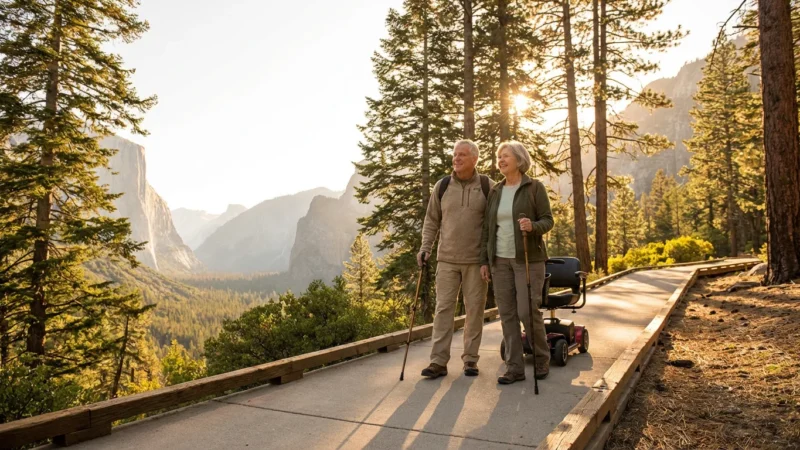
- Hiking and Nature Walks: Explore accessible trails in national and state parks. Many parks offer paved paths or boardwalks suitable for various mobility levels.
- Fishing and Boating: Many RV destinations feature lakes, rivers, or coastal access. Bring your gear or rent equipment locally for a relaxing day on the water.
- Stargazing: Away from city lights, many remote campgrounds offer incredible views of the night sky. Learn about constellations or simply marvel at the Milky Way.
- Local Culture and History: Visit small towns, historical sites, and local museums. Engage with communities and learn about their unique heritage.
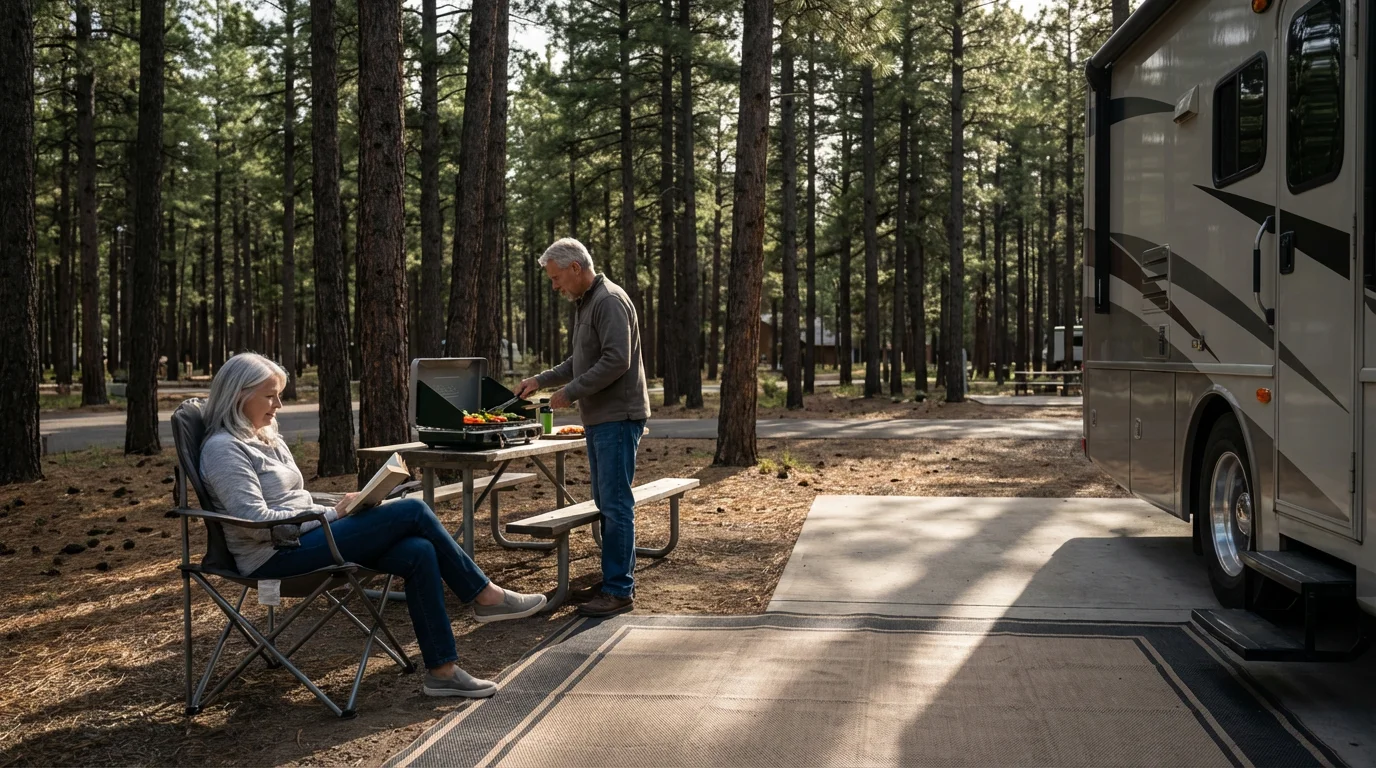
- Cooking and Grilling: Experiment with local ingredients in your RV kitchen or enjoy outdoor cooking. Many campsites provide picnic tables and fire rings for grilling.
- Socializing: Connect with fellow RVers at campgrounds. Share stories, tips, and even potluck meals. The RV community is known for its camaraderie.
- Reading and Relaxation: Find quiet spots to read, meditate, or simply enjoy the peace of your surroundings. RVing offers ample downtime.
Maximizing Your Enjoyment:
- Embrace Flexibility: Allow yourself to deviate from your planned itinerary. If you discover a charming town or a beautiful vista, take the time to explore it.
- Travel with Companions: Consider traveling with friends or family. This adds an extra layer of social interaction and often enhances the shared experience.
- Join Guided Tours: Even with an RV, participating in local guided tours can provide deeper insights into specific areas or attractions.
- Document Your Journey: Keep a travel journal, start a photo album, or create a blog. These mementos help you relive your adventures and share them with others.
- Stay Connected (or Disconnected): Use technology to stay in touch with loved ones, or choose to completely unplug and immerse yourself in your surroundings.
The true joy of RVing lies in the freedom to design your perfect getaway, however you define it.
Essential RV Travel Tips for Smooth Journeys
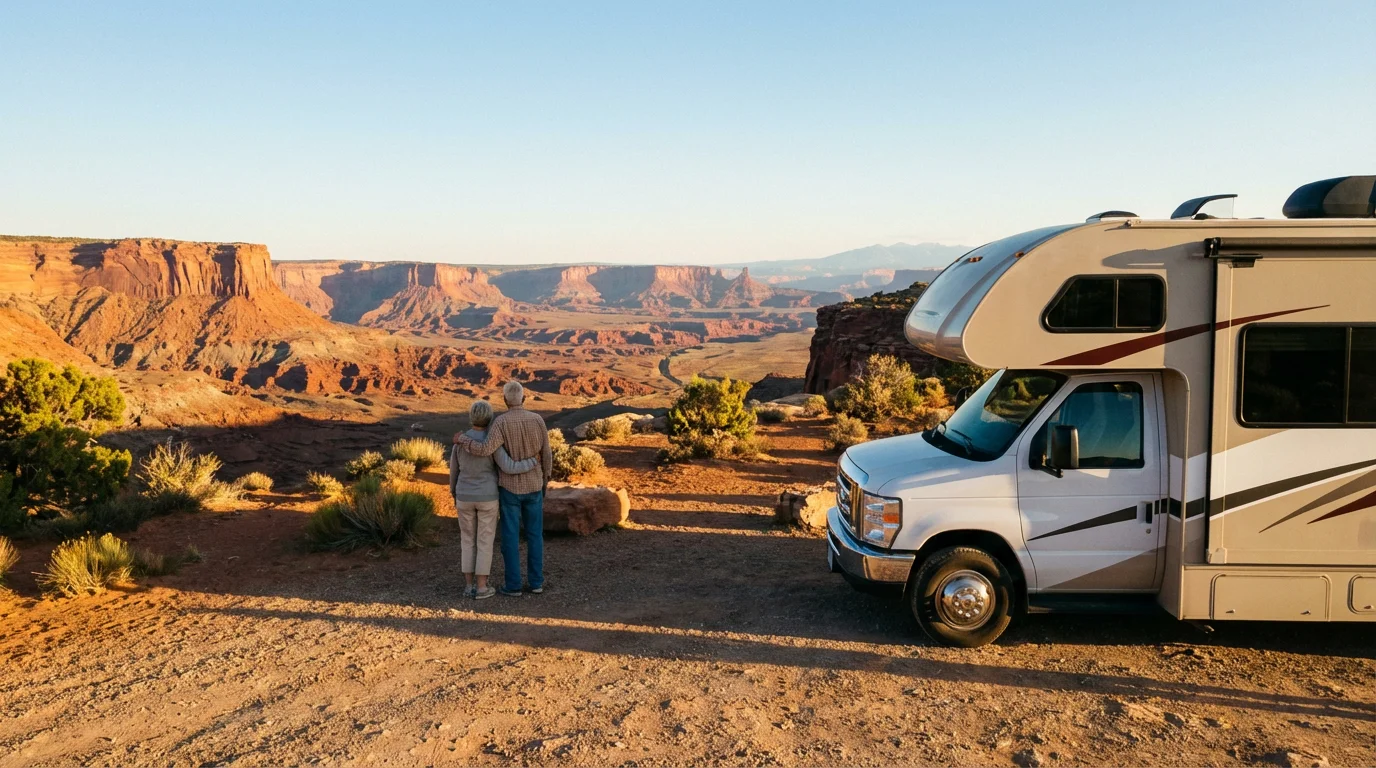
Navigating the nuances of RV life becomes easier with practical advice. These essential RV travel tips cover crucial aspects of life on the road, ensuring a smooth and enjoyable experience.
Before You Go:
- Practice Driving: If new to RVing, practice driving and backing up your vehicle in an empty parking lot. Understand its turning radius and blind spots.
- Weight Distribution: Distribute weight evenly in your RV to maintain stability and prevent swaying. Place heavy items low and centered.
- Create a Checklist: Develop a pre-departure checklist for both inside and outside the RV. This ensures you secure all items, close vents, and retract awnings before driving.
- Learn Your RV Systems: Understand how your water, electrical, and waste systems operate. Know how to hook up and unhook utilities efficiently.
On the Road:
- Drive Slower: RVs handle differently than cars. Drive at a comfortable speed, especially on winding roads or in inclement weather.
- Monitor Gauges: Keep an eye on your engine temperature, oil pressure, and fuel levels. Prevent small issues from becoming major problems.
- Use a Co-Pilot: A passenger can assist with navigation, spot potential hazards, and offer an extra set of eyes, especially for large vehicles.
- Plan Fuel Stops: RVs have lower fuel economy. Plan stops at larger gas stations with easy access for big vehicles.
- Take Breaks: Stop every couple of hours to stretch, walk around, and rest your eyes. This helps prevent driver fatigue.
At the Campsite:
- Level Your RV: Use leveling blocks to ensure your RV sits level. This helps appliances function correctly and provides a more comfortable living space.
- Hooking Up Utilities: Connect your water, sewer, and electrical lines in the correct order: sewer first, then water, then electricity. Disconnect in reverse.
- Respect Quiet Hours: Most campgrounds enforce quiet hours. Be mindful of your noise level, especially in the evenings and mornings.
- Leave No Trace: Adhere to Leave No Trace principles. Pack out everything you pack in, dispose of waste properly, and respect wildlife.
Applying these tips contributes significantly to a hassle-free RV adventure.
RV Parks and Campgrounds: Finding Your Home Away From Home
Selecting the right place to park your RV significantly enhances your travel experience. Options range from rustic solitude to resort-style amenities. Understanding your preferences guides your choices.
Types of RV Parks and Campgrounds:
- National and State Parks: These often offer scenic beauty, hiking trails, and ranger programs. Sites might have limited hookups (electricity only) or no hookups at all. They usually require reservations far in advance.
- Private RV Resorts: These provide extensive amenities like swimming pools, clubhouses, laundry facilities, and organized activities. They typically offer full hookups (water, sewer, electricity) and cater to longer stays. Prices are generally higher.
- KOA Campgrounds: Kampgrounds of America (KOA) is a popular chain offering consistent amenities across its locations. You find full hookups, Wi-Fi, and often a store and playground.
- County and City Parks: These often provide a good balance of amenities and affordability. They can be excellent options for exploring specific towns or regions.
- Boondocking/Dispersed Camping: This involves camping without hookups on public lands, such as those managed by the Bureau of Land Management (BLM) or the National Forests. It offers solitude and often incredible views, but requires self-sufficiency.
- Membership Campgrounds: Clubs like Thousand Trails or Passport America offer discounted or free stays at their network of parks, often requiring a membership fee.
Choosing the Right Spot:
- Amenities: Consider what is important to you. Do you need full hookups, Wi-Fi, laundry facilities, or a swimming pool?
- Location: Choose campgrounds close to attractions you wish to visit. Factor in driving time to and from your destinations.
- Accessibility: Look for sites with easy access, paved roads, and level pads. Confirm if the campground offers accessible facilities if needed.
- Reviews: Utilize apps and websites like Campground Reviews or iOverlander to read feedback from other RVers. These often provide valuable insights into site quality and services.
- Pet-Friendly: If traveling with a pet, confirm the campground’s pet policy and any restrictions.
- Booking: Always check cancellation policies and payment requirements before booking. Confirm your reservation, especially during peak season.
The ideal campsite enhances your overall RV travel experience. Researching your options thoroughly ensures you find the perfect match for your needs and preferences.
“The world is a book, and those who do not travel read only one page.” — Saint Augustine
Navigating Common Challenges and Solutions
Even the most seasoned RVers encounter occasional challenges. Anticipating these issues and knowing how to address them quickly ensures minor inconveniences do not derail your adventure.
Common RV Challenges and Solutions:
- Mechanical Breakdowns:
- Challenge: Flat tires, engine trouble, or appliance malfunctions.
- Solution: Purchase roadside assistance specifically for RVs. Conduct thorough pre-trip inspections. Learn basic troubleshooting for common issues. Carry a spare tire and essential tools.
- Navigation Difficulties:
- Challenge: Roads unsuitable for RVs, low bridges, or getting lost.
- Solution: Use RV-specific GPS systems or apps that account for vehicle height, weight, and length. Always cross-reference with a physical map. Scout tricky routes on foot or by car if possible.
- Weather Extremes:
- Challenge: Unexpected heavy rain, strong winds, extreme heat, or cold.
- Solution: Monitor weather forecasts closely. Have contingency plans to move to a safer location or hunker down. Ensure your RV is equipped for various climates with good insulation and proper heating/cooling systems.
- Connectivity Issues:
- Challenge: Limited or no cell service, unreliable campground Wi-Fi.
- Solution: Download maps and entertainment offline. Consider a cellular booster or a mobile hotspot with a reliable data plan. Embrace the opportunity to disconnect and enjoy nature.
- Limited Space and Clutter:
- Challenge: Small living areas can quickly become cluttered.
- Solution: Adopt a minimalist approach to packing. Utilize vertical storage, collapsible items, and multi-functional tools. Regularly declutter and organize.
- Finding Available Campsites:
- Challenge: Popular campgrounds fill up, especially during peak season or holidays.
- Solution: Book well in advance. Use campground apps to find last-minute availability. Have a list of backup campgrounds or boondocking locations. Be flexible with your travel dates.
- RV System Malfunctions:
- Challenge: Water leaks, electrical problems, or sewer blockages.
- Solution: Familiarize yourself with your RV’s plumbing and electrical systems. Carry basic repair supplies like duct tape, sealants, and fuses. Watch online tutorials for common fixes.
Addressing these challenges proactively or with a calm, prepared mindset allows you to maintain the freedom and enjoyment RV travel offers. Each challenge overcome becomes part of your rich travel story.
Frequently Asked Questions
How much does RV travel cost for seniors?
The cost of RV travel varies significantly based on your RV choice, travel style, and duration. You can expect monthly expenses to range from $1,500 to $5,000. This includes fuel (often $500-$1,000+ per month depending on travel distance and RV size), campground fees ($500-$1,500 for a mix of private and public sites), food, insurance, and maintenance. Renting an RV for a shorter trip can cost $100-$400 per night. Discounts through AARP Travel or RV clubs can help reduce expenses.
Do I need a special license to drive an RV?
Most recreational vehicles do not require a special license in the United States, meaning your standard driver’s license usually suffices. This applies to most Class A, B, and C motorhomes, as well as travel trailers. However, a few states require a non-commercial Class B or Class A license for RVs over a certain weight (e.g., 26,000 pounds) or length. Always check the specific Department of Motor Vehicles regulations for your home state and any states you plan to visit, as laws vary.
Is solo RV travel safe for seniors?
Solo RV travel is a safe and increasingly popular option for seniors. Many individuals, particularly women, successfully travel alone. Implement key safety practices: share your itinerary with trusted contacts, invest in a reliable cell phone or satellite communicator, keep your RV locked, and use common sense when choosing campsites. Joining online RV communities provides a support network and safety tips from experienced solo travelers.
What are the best RVs for seniors with mobility concerns?
The best RVs for seniors with mobility concerns prioritize accessibility and ease of use. Look for models with wider doorways, minimal steps at entrances, and spacious bathrooms. Some Class A and Class C motorhomes offer floor plans with fewer interior obstacles and larger showers. Consider features like grab bars, raised toilets, and beds that are easier to access. A compact Class B van might also work if equipped with assistive devices. Renting different types can help you determine the most comfortable and functional option.
How do I find RV-friendly campsites?
Finding RV-friendly campsites is easy with various resources. Online platforms and apps like Campendium, iOverlander, and The Dyrt provide extensive databases, reviews, and filtering options for amenities and RV size. Websites for the National Park Service, state parks, and private campground chains like KOA allow direct booking. Look for sites offering full hookups, level pads, and easy maneuvering. Membership clubs like Good Sam or Passport America also offer directories and discounts.
Disclaimer: This article is for informational purposes only. Travel conditions, prices, and policies change frequently. We encourage readers to verify current information directly with travel providers, check travel advisories, and consult with healthcare providers about any health concerns before traveling.






Leave a Reply