
Managing healthcare expenses becomes a top priority for many seniors, and prescription costs often represent a significant portion of those expenses. You work hard to make your retirement savings last, and every dollar you save on medication directly impacts your financial well-being. This comprehensive guide delivers practical, actionable strategies to reduce your medication expenses, helping you stretch your budget further.
You can effectively lower your drug prices and find cheaper medication without compromising your health. We will explore various avenues, from optimizing your insurance to utilizing discount programs, ensuring you have the tools to make informed decisions about your prescription costs.

Understanding Your Medicare Part D Plan
Your Medicare Part D plan provides critical coverage for prescription drugs. Understanding its structure helps you maximize benefits and minimize out-of-pocket expenses. These plans come with varying deductibles, co-pays, and formularies, which are lists of covered drugs.
Every year, you have an opportunity to review and change your Part D plan during the Annual Enrollment Period, typically from October 15 to December 7. Many seniors stick with their existing plans, but this can lead to missed savings. Your medications might change, or your plan’s formulary could alter, resulting in higher costs.
Key Steps to Optimize Your Part D Coverage:
- Review Your Plan Annually: Always check your current plan against others available in your area. Use the Medicare.gov Plan Finder tool. Enter your current medications, and the tool estimates your annual costs for different plans.
- Understand the Formulary: This is your plan’s list of covered drugs. Ensure all your current medications appear on the formulary. If a drug is not listed, you might pay full price or need an exception.
- Check Drug Tiers: Plans categorize drugs into tiers, with Tier 1 (generics) having the lowest co-pays and higher tiers (specialty drugs) having the highest. Knowing your drugs’ tiers helps predict your out-of-pocket costs.
- Calculate Total Costs: Do not just look at the premium. Consider the deductible, co-pays, co-insurance, and coverage gap (donut hole). Medicare.gov’s tool helps you see the estimated total annual cost for each plan, which can reveal significant differences. For example, a plan with a slightly higher premium might have lower co-pays for your specific medications, saving you hundreds of dollars over the year.
Many individuals save $300 to $500 annually simply by comparing plans and switching to one that better covers their specific medications. This proactive step provides one of the most substantial opportunities for medication savings.

Leveraging Prescription Discount Programs
Even with Medicare Part D, you might find certain prescription costs surprisingly high. Prescription discount cards and programs offer an excellent way to lower drug prices further, sometimes beating your insurance co-pay. These programs are free to use and widely available.
Popular discount card providers include GoodRx, SingleCare, and Optum Perks. You can access their services through their websites or mobile apps. Simply search for your medication, dosage, and location to compare prices at various local pharmacies.
How to Use Discount Programs Effectively:
- Always Compare: Before filling any prescription, check the price using a discount card program. Do this even if you have insurance. Sometimes the discount price is lower than your insurance co-pay, especially for generic drugs.
- Print or Show the Card: Present the digital or printed discount card to your pharmacist. They will process your prescription using the discount rather than your insurance. You cannot combine insurance with a discount card for a single prescription fill.
- Monitor Price Changes: Drug prices fluctuate. Check for the best price each time you fill a prescription, particularly for recurring medications.
For example, a generic cholesterol medication might cost you a $10 co-pay through your Part D plan. A discount card could offer the same medication for $4 at a different pharmacy. That is a $6 savings per prescription, totaling over $70 annually for a single medication.
| Medication Example | Average Insurance Co-pay | Average Discount Card Price | Potential Savings Per Fill |
|---|---|---|---|
| Generic Simvastatin (30-day supply) | $10.00 | $4.00 | $6.00 |
| Generic Metformin (30-day supply) | $8.00 | $3.50 | $4.50 |
| Generic Amoxicillin (7-day supply) | $12.00 | $6.00 | $6.00 |
As you see in the table, small savings accumulate quickly. Utilizing services like GoodRx becomes a habit that directly impacts your medication savings.

Exploring Patient Assistance Programs (PAPs)
For seniors taking expensive brand-name medications, patient assistance programs (PAPs) offer substantial relief. Pharmaceutical manufacturers sponsor these programs to provide free or low-cost medications to eligible individuals who cannot afford them. Eligibility typically depends on income, insurance status, and specific medical conditions.
These programs can be a lifesaver, covering costs that even robust Medicare plans might not fully address, especially if you hit the coverage gap or require a high-tier specialty drug. Do not assume you do not qualify; income limits can be surprisingly generous.
Finding and Applying for PAPs:
- Identify Eligible Medications: Start by listing your most expensive brand-name prescriptions.
- Research Manufacturer Programs: Many pharmaceutical companies list their PAPs on their official websites. Search for “[Drug Name] patient assistance program.”
- Utilize Resource Websites: Websites like RxAssist.org and NeedyMeds.org provide comprehensive databases of PAPs. You can search by drug name, manufacturer, or condition.
- Gather Documentation: You typically need proof of income, insurance information, and a prescription from your doctor. Your doctor’s office often helps with the application process, which can involve some paperwork.
For a medication costing $500 per month, a PAP could reduce your expense to $0, saving you $6,000 annually. This represents one of the most powerful strategies for medication savings for those with high-cost prescriptions.

Asking Your Doctor for Cost-Saving Strategies
Your doctor serves as your primary partner in managing your health, and they can also be a key ally in reducing your prescription costs. Many physicians understand the financial burdens patients face and can suggest therapeutic alternatives or prescribing strategies that save you money without compromising your treatment plan.
Open communication with your healthcare provider about medication costs empowers you to explore more affordable options. Do not hesitate to bring up concerns about drug prices during your appointment.
Cost-Saving Discussions with Your Doctor:
- Generic Alternatives: Always ask if a generic version of your prescribed medication is available. Generics contain the same active ingredients and work identically to brand-name drugs, but often cost 80% to 90% less. Switching from a $100 brand-name drug to a $15 generic saves you $85 per month, or over $1,000 annually.
- Pill Splitting: For some medications, your doctor might prescribe a higher-dose pill that you can safely cut in half. You buy half the number of pills for the same or similar price, effectively doubling your supply. For instance, a 90-day supply of a 20mg drug might cost $30. If your doctor prescribes 40mg pills to be split, you get 180 days of medication for a similar cost, saving $30 over three months. This strategy only works for certain drugs and requires your doctor’s explicit approval and guidance.
- Samples or Vouchers: If you are trying a new, expensive medication, ask your doctor for free samples or manufacturer coupons. These can help cover the initial cost while you evaluate its effectiveness or apply for a PAP.
- 90-Day Supplies: For maintenance medications you take long-term, request a 90-day supply instead of 30-day fills. Many insurance plans offer a lower co-pay per dose for 90-day prescriptions, especially through mail-order pharmacies. A typical example is paying $30 for a 30-day supply or $60 for a 90-day supply. The 90-day option saves you $30 over three months.
Proactive conversations with your doctor provide one of the simplest and most effective ways to lower your drug prices. They understand your health needs and can guide you toward cost-effective solutions.
Comparing Pharmacy Prices for Medication Savings
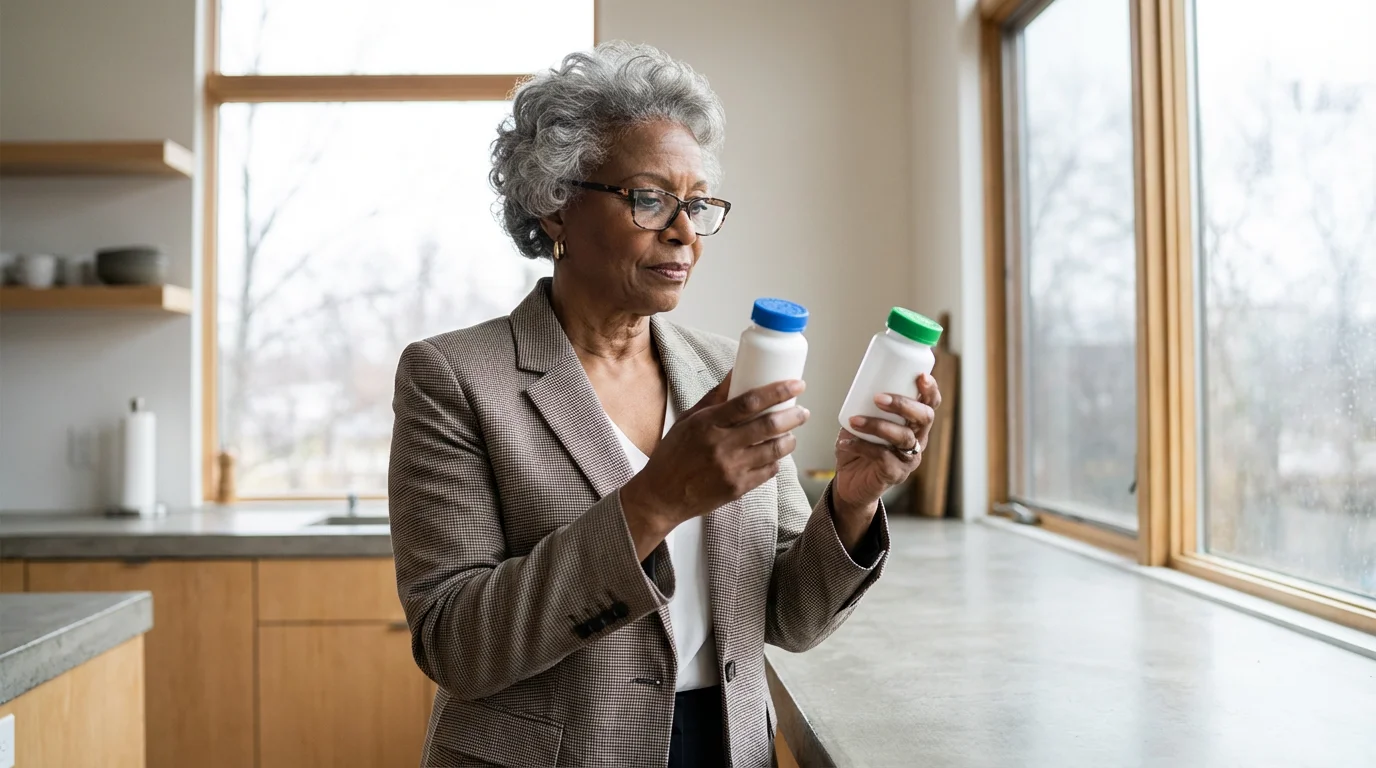
Just as grocery prices vary between stores, prescription drug prices can differ significantly from one pharmacy to another, even for the same medication. You might find a $50 difference for the same drug across pharmacies located only a few miles apart. This price variation provides a substantial opportunity for medication savings.
Do not assume your usual pharmacy offers the best deal. Always compare prices before you fill a new prescription or refill an existing one. This diligent comparison helps you find the cheapest medication available.
Strategies for Pharmacy Price Comparison:
- Call Around: The simplest method is to call local pharmacies and ask for the cash price of your medication. Specify the drug name, dosage, and quantity.
- Use Discount Card Websites/Apps: Tools like GoodRx.com or SingleCare.com allow you to enter your medication details and compare prices at various pharmacies in your area, including national chains and independent stores. This saves you time on phone calls.
- Check Warehouse Clubs: Pharmacies at warehouse clubs, such as Costco and Sam’s Club, often offer highly competitive prices, sometimes even to non-members for prescription drugs. It is worth checking their pricing.
- Consider Mail-Order Pharmacies: For maintenance medications, mail-order pharmacies often provide lower prices for 90-day supplies and convenience. Check if your Part D plan offers preferred mail-order options.
You can discover savings of $10 to $20 per prescription just by comparing prices among three or four local pharmacies. For multiple prescriptions, these savings multiply quickly, easily reaching $100 or more per month.

Investigating Government and Non-Profit Assistance Programs
Beyond Medicare Part D and manufacturer programs, several government and non-profit initiatives exist to help seniors manage their prescription costs. These programs target individuals with specific financial needs, providing crucial support.
Understanding and applying for these benefits requires some effort, but the potential financial relief can be immense. Do not leave money on the table; explore every available avenue for assistance.
Key Programs to Explore:
- Low Income Subsidy (LIS) or “Extra Help”: Medicare offers “Extra Help” to individuals with limited income and resources to help pay for Part D prescription drug costs. This program significantly reduces premiums, deductibles, co-insurance, and eliminates the coverage gap. You could save thousands of dollars annually if you qualify. Apply through the Social Security Administration (SSA.gov).
- State Pharmaceutical Assistance Programs (SPAPs): Many states operate their own programs to help residents with prescription drug costs. These programs often complement Medicare Part D or provide assistance to those who do not qualify for other benefits. Eligibility requirements vary by state. Contact your State Health Insurance Assistance Program (SHIP) for local information.
- BenefitsCheckUp: The National Council on Aging (NCOA) offers BenefitsCheckUp, a free online tool that helps you find federal, state, and private benefits programs, including those for prescription drugs. Enter some basic information, and it generates a personalized report of programs you might qualify for. This tool simplifies the search process significantly.
“An ounce of prevention is worth a pound of cure, and an ounce of diligent research can save you a fortune in healthcare costs.”
For individuals qualifying for Extra Help, monthly savings on Part D premiums and out-of-pocket drug costs can easily exceed $100 to $200. This translates to over $1,200 to $2,400 annually, providing substantial financial relief and improving your medication savings.

Smart Shopping for Over-the-Counter and Supplements
While often overlooked when discussing prescription costs, over-the-counter (OTC) medications and supplements contribute to your overall healthcare spending. Applying smart shopping strategies to these purchases also yields significant medication savings.
Treat OTC purchases with the same cost-conscious approach you apply to prescriptions. Every dollar saved on these items is a dollar that stays in your pocket.
Tips for Saving on OTC and Supplements:
- Choose Generic Store Brands: For common OTC medications like pain relievers, allergy medicines, and antacids, store brands typically contain the same active ingredients as their brand-name counterparts but cost significantly less. A generic bottle of ibuprofen might cost $5, while the brand-name version costs $12, a $7 difference.
- Buy in Bulk (Responsibly): For frequently used items, buying larger quantities can reduce the per-unit price. However, ensure you use them before their expiration date.
- Look for Sales and Coupons: Watch for weekly store sales and manufacturer coupons for both OTC drugs and supplements. Combine these with store loyalty programs for maximum savings.
- Consult Your Doctor: Before taking any new supplement, discuss it with your doctor. Some supplements offer little proven benefit, and your doctor can help you prioritize those that are genuinely necessary.
By consciously choosing store brands and utilizing sales, you can reduce your monthly OTC and supplement expenses by $15 to $30, adding another $180 to $360 to your annual medication savings.

Avoiding Prescription Drug Scams
Unfortunately, opportunities for savings sometimes attract scammers. Senior citizens often become targets for unscrupulous individuals attempting to profit from their need for affordable medication. You must stay vigilant to protect your finances and health.
Understanding common scam tactics helps you recognize and avoid them. Never fall victim to promises that sound too good to be true, particularly regarding drug prices.
Red Flags to Watch Out For:
- Unsolicited Offers: Be wary of phone calls, emails, or mailings offering deeply discounted prescriptions from unknown sources. Legitimate programs do not typically solicit this way.
- “No Prescription Needed” Claims: Any website or individual offering prescription drugs without requiring a valid prescription from your doctor is dangerous and illegal. You risk receiving counterfeit, contaminated, or incorrect medications.
- Suspicious Payment Methods: Scammers often demand payment via wire transfers, gift cards, or cryptocurrency, which are untraceable. Legitimate pharmacies accept standard credit cards or direct billing.
- Foreign Online Pharmacies: While some foreign pharmacies claim to offer lower prices, purchasing medications from unverified international sources carries significant risks. The drugs may not be regulated, could be fake, or might not contain the stated ingredients. Stick to pharmacies verified by your state’s board of pharmacy.
If you encounter a suspicious offer, report it to the Federal Trade Commission (FTC Scam Alerts). Protecting yourself from fraud ensures your money genuinely goes towards your health, not a scammer’s pocket.
Frequently Asked Questions
Can I use a prescription discount card with my Medicare Part D plan?
No, you cannot combine a prescription discount card with your Medicare Part D plan for the same purchase. You must choose one or the other. However, you should compare the discount card price to your Part D co-pay before buying. If the discount card offers a lower price, use it. Just remember that purchases made with a discount card do not count towards your Part D deductible or out-of-pocket maximum.
What is the “donut hole” in Medicare Part D, and how does it affect my costs?
The “donut hole,” or coverage gap, is a phase in your Part D coverage where you pay a higher percentage of your drug costs after your initial coverage limit is reached. In 2024, once you and your plan spend a certain amount on covered drugs, you enter the coverage gap. While in the donut hole, you pay 25% of the cost for both generic and brand-name drugs. You exit the donut hole once your out-of-pocket spending reaches a specific annual threshold, after which catastrophic coverage kicks in, and you pay a small co-pay or co-insurance for the rest of the year. Programs like Extra Help can eliminate or significantly reduce your costs in the donut hole.
Are generic drugs really as effective as brand-name drugs?
Yes, generic drugs are as safe and effective as their brand-name counterparts. The U.S. Food and Drug Administration (FDA) rigorously tests generic drugs to ensure they contain the same active ingredients, dosage, strength, quality, and intended use as the brand-name version. They work in the same way and provide the same clinical benefit. Choosing generics provides a straightforward and significant way to save money on prescriptions.
How often should I review my Medicare Part D plan?
You should review your Medicare Part D plan annually during the Annual Enrollment Period, which runs from October 15 to December 7. Your health needs or medications might change, and plans often alter their formularies and pricing structures yearly. An annual review ensures your plan remains the most cost-effective option for your current medication needs, potentially saving you hundreds of dollars.
What if I cannot afford my prescriptions even after trying these strategies?
If you still struggle with prescription costs after exploring these options, contact your State Health Insurance Assistance Program (SHIP) for personalized counseling. You can also re-evaluate your eligibility for Medicare’s “Extra Help” program or various Patient Assistance Programs, as income thresholds sometimes change. Do not give up; persistent searching and advocating for yourself can uncover further aid.
Taking control of your prescription costs empowers you to manage your finances more effectively. By actively engaging with your Medicare plan, utilizing discount cards, talking to your doctor, and exploring assistance programs, you can significantly reduce your drug expenses. Each small step you take contributes to greater medication savings and a more secure financial future.
Disclaimer: This article is for informational purposes only and does not constitute financial, tax, or legal advice. Discounts, programs, and savings opportunities may vary by location and are subject to change. We encourage readers to verify current offers and consult with qualified financial professionals for personalized advice.









Leave a Reply