
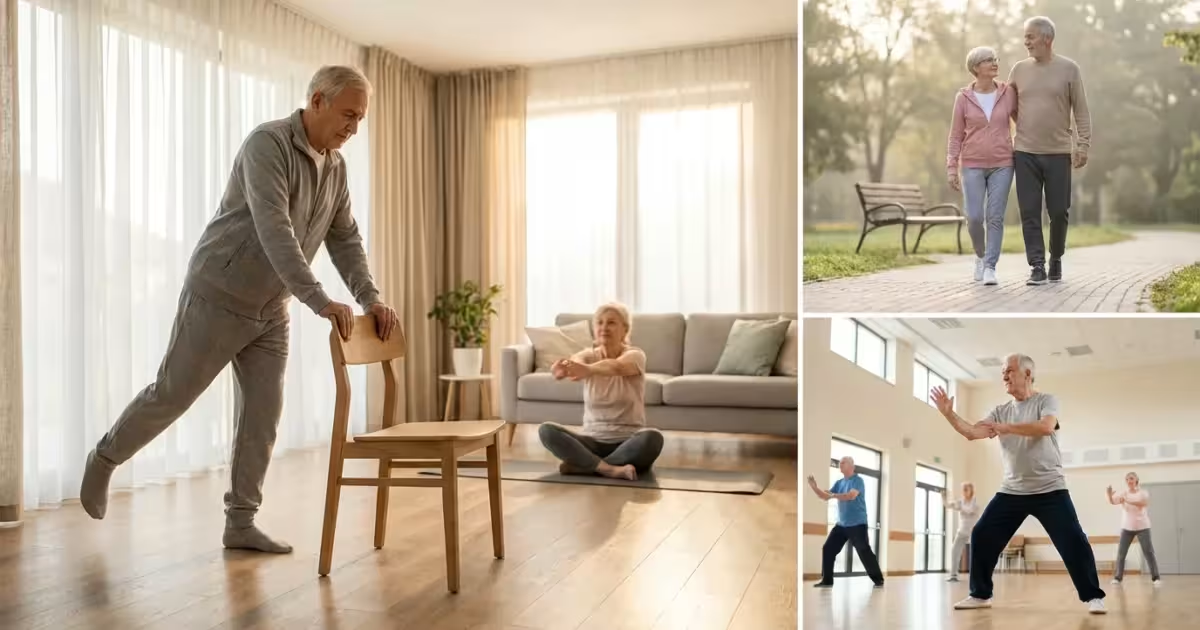
As you navigate life after 60, maintaining your independence and health becomes a top priority. A crucial aspect of this is good balance. Falls pose a significant risk for older adults, often leading to serious injuries, reduced mobility, and a loss of confidence. The good news is you possess the power to significantly reduce your fall risk through simple, effective balance exercises and lifestyle adjustments.
This article provides practical, actionable insights and easy-to-follow steps to help you improve your balance at home. You will discover how incorporating a few minutes of balance exercises into your daily routine can make a profound difference, strengthening your body and boosting your confidence.
Why Balance Matters for Seniors
Maintaining good balance keeps you steady on your feet, allowing you to move through your day with ease and confidence. After age 60, changes in your body can naturally affect your balance, increasing the potential for a fall. These changes include declines in muscle strength, flexibility, vision, and even your inner ear’s ability to sense motion.
Consider the statistics: one in four Americans aged 65 and older falls each year, according to the Centers for Disease Control and Prevention (CDC). These falls can result in hip fractures, head injuries, and other serious consequences. By actively working on your balance, you take a proactive step to protect your physical health and maintain your independent lifestyle.

Common Causes of Falls in Older Adults
Understanding the factors that contribute to falls empowers you to address them effectively. Falls rarely have a single cause. They often result from a combination of risk factors. Knowing these helps you target your prevention efforts, whether through exercise or environmental changes.
Key contributors to falls include:
- Physical changes: Weak leg muscles, poor balance, joint stiffness, and decreased flexibility all elevate your risk. Vision problems, such as cataracts or glaucoma, also make it harder to see obstacles.
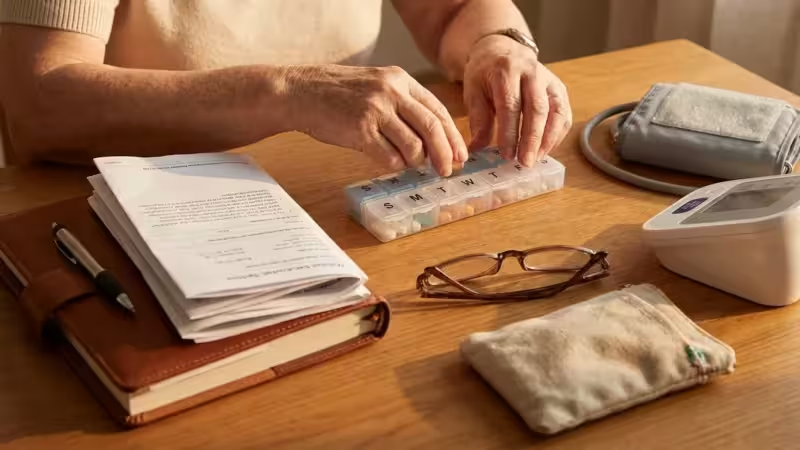
- Medications: Some prescriptions and over-the-counter drugs can cause dizziness, drowsiness, or confusion, impacting your stability. Always discuss side effects with your doctor.
- Home hazards: Loose rugs, clutter, poor lighting, and lack of grab bars in bathrooms create unsafe environments.
- Foot problems: Painful feet, ill-fitting shoes, or nerve damage can affect your gait and balance.
- Chronic health conditions: Conditions like arthritis, Parkinson’s disease, stroke, diabetes, and heart disease can impact strength, sensation, and coordination.
- Low blood pressure: A sudden drop in blood pressure when standing up (orthostatic hypotension) can lead to lightheadedness and falls.
Preparing for Your Balance Exercise Routine
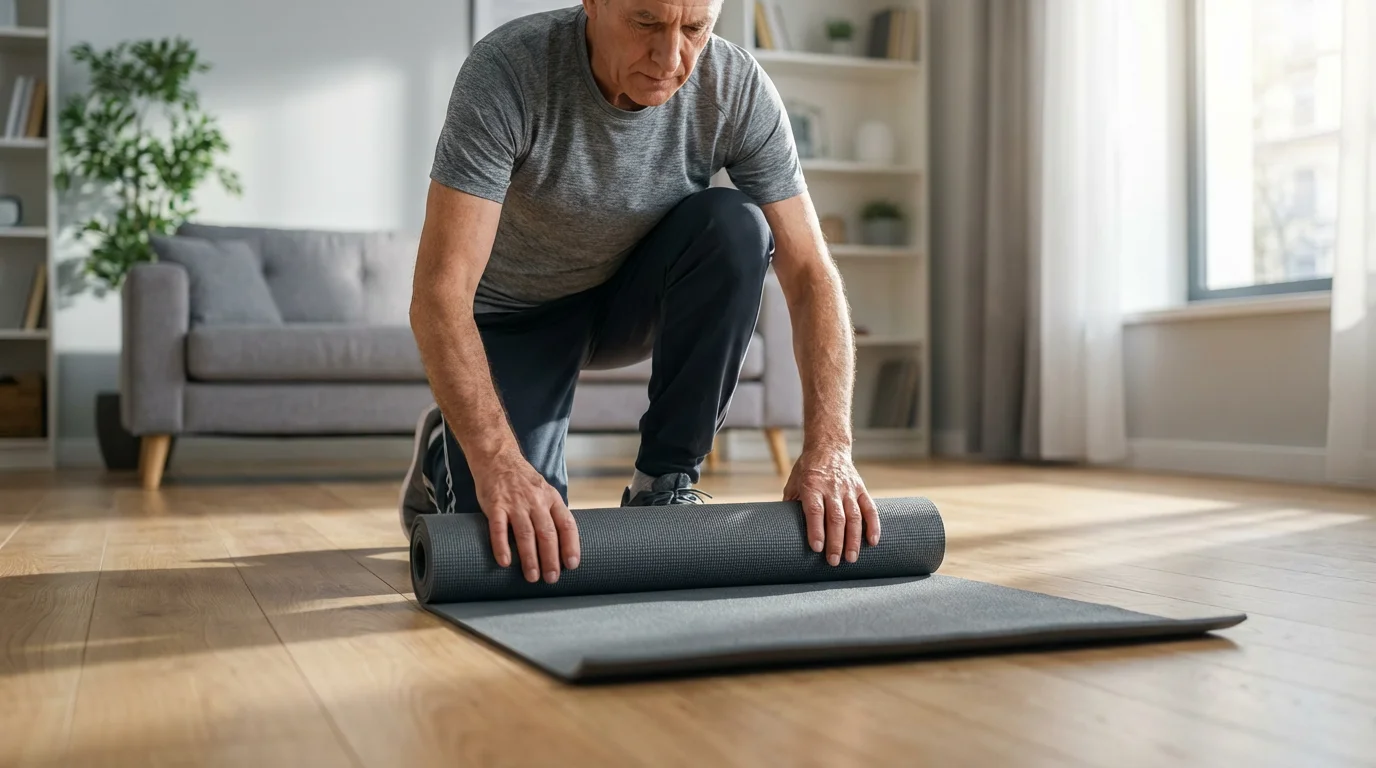
Before you begin any new exercise program, consult your doctor. This ensures the exercises are safe and appropriate for your individual health needs. Your doctor can advise you on any limitations or modifications necessary. Once you have their approval, you can prepare your space and yourself.
Follow these essential preparation steps:
- Talk to your doctor: Discuss your current health, any medications you take, and your fitness goals. They can provide personalized advice.
- Wear appropriate footwear: Choose sturdy, non-slip shoes that provide good support. Avoid going barefoot or wearing loose slippers.
- Find a safe space: Select a clear, well-lit area free from clutter. Ensure you have a sturdy chair, counter, or wall nearby for support if you feel unsteady.
- Stay hydrated: Drink water before, during, and after your exercises, especially if you feel warm.
- Listen to your body: Start slowly and gradually increase duration and intensity. Stop if you feel pain, dizziness, or unusual discomfort.
- Consider a partner: If you are concerned about your stability, ask a family member or friend to be present during your initial sessions.
Simple Balance Exercises You Can Do at Home
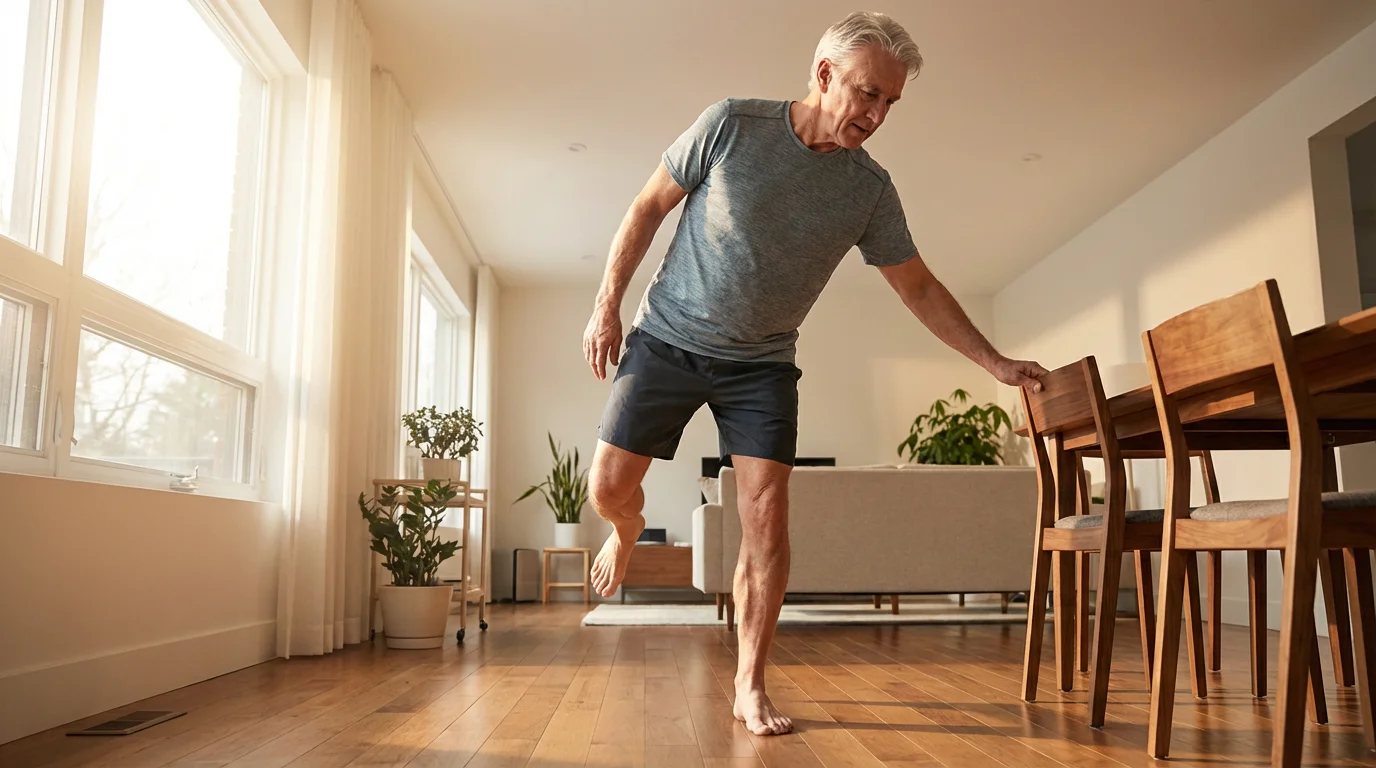
These balance exercises require no special equipment and you can easily perform them in your home. Aim to do these exercises most days of the week, gradually increasing your hold times and repetitions as your balance improves. Remember to always have a stable support nearby.
1. Heel-to-Toe Walk
This exercise challenges your static and dynamic balance, mimicking how you walk. It helps improve coordination and strengthens the muscles crucial for stable movement.
- Stand tall with one hand resting lightly on a wall or counter for support.
- Place the heel of one foot directly in front of the toes of the other foot, so they are touching or nearly touching.
- Shift your weight forward onto your front foot, then bring your back foot forward to place its heel in front of the other foot.
- Imagine walking on a tightrope, moving slowly and deliberately.
- Perform 10-20 steps forward. Rest, then repeat in the opposite direction if comfortable.
2. Standing Marches
Standing marches improve your ability to balance on one leg, a fundamental skill for walking and navigating uneven surfaces. It also strengthens your hip flexors.
- Stand behind a sturdy chair, holding onto the back for support.
- Shift your weight slightly to one foot.
- Slowly lift the opposite knee towards your chest, aiming for a 90-degree angle at your hip.
- Hold this position for 5-10 seconds, keeping your standing leg slightly bent, not locked.
- Slowly lower your foot to the floor.
- Repeat 8-12 times on each leg.
3. Single-Leg Stand
This exercise directly targets your ability to balance on one leg, which is vital for stepping, turning, and recovering from stumbles. Start with support and gradually reduce your reliance.
- Stand near a wall or sturdy counter, placing one hand on it for support.
- Slowly lift one foot a few inches off the floor.
- Hold the position for 10-15 seconds.
- Lower your foot slowly.
- Repeat 5-10 times on each leg.
- As you improve, try holding for longer or removing your hand from the support.
4. Side Leg Raises
Side leg raises strengthen your hip abductor muscles, which are crucial for hip stability and preventing your body from swaying too much when you walk. Strong hips directly contribute to better balance.
- Stand tall behind a sturdy chair, holding onto the back with both hands.
- Keep your body upright and your core engaged.
- Slowly lift one leg out to the side, keeping it straight but not locked.
- Lift only as high as you can without tilting your torso.
- Hold for 1-2 seconds, then slowly lower your leg.
- Perform 10-15 repetitions on each side.
5. Wall Push-Ups
While not a direct balance exercise, wall push-ups build upper body and core strength, which contributes to overall stability. A stronger core helps you maintain an upright posture and control your movements.
- Stand facing a wall, about arm’s length away.
- Place your palms flat on the wall, shoulder-width apart, at chest height.
- Slowly bend your elbows, leaning your body towards the wall. Keep your body straight from head to heels.
- Push back to the starting position, extending your arms.
- Perform 10-15 repetitions.
“An ounce of prevention is worth a pound of cure.” This age-old wisdom perfectly applies to fall prevention. Regular exercise is your best defense.
Strength Training to Support Your Balance
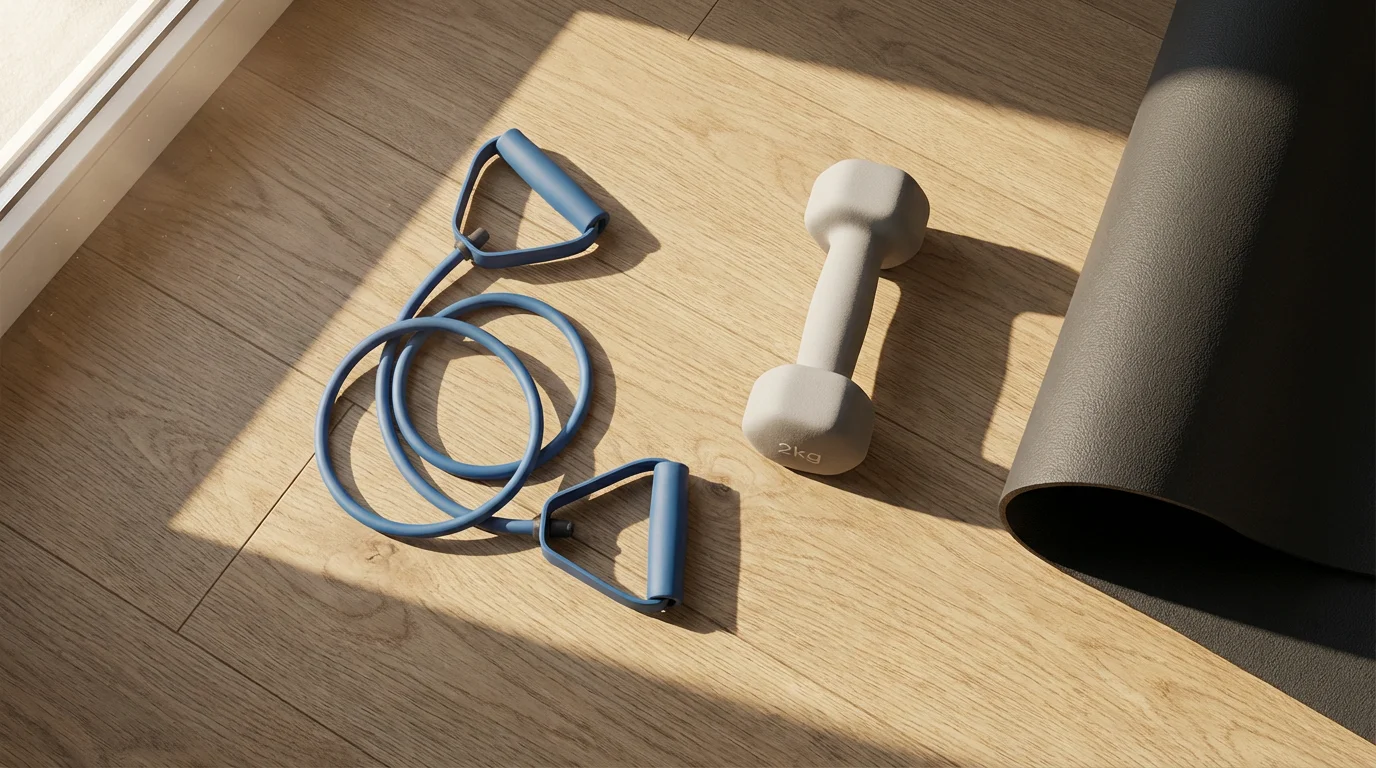
Balance training is most effective when paired with strength training. Strong muscles provide the foundation for good balance and stability. Focusing on your legs, core, and back muscles will significantly enhance your ability to maintain equilibrium and recover from trips. You do not need heavy weights to build strength. Bodyweight exercises or light resistance bands work wonderfully.
Consider integrating these simple strength exercises:
- Chair Stands: Sit in a sturdy chair, then stand up without using your hands, and slowly sit back down. This builds leg and glute strength.
- Calf Raises: Stand holding onto a support, slowly lift onto the balls of your feet, then lower. This strengthens calf muscles vital for walking.
- Bridges: Lie on your back with knees bent, feet flat. Lift your hips off the floor, engaging your glutes and core. This strengthens your glutes and lower back.
- Bicep Curls with light weights or resistance bands: Stronger arms help you use assistive devices if needed and contribute to overall functional strength.
Aim for 2-3 strength training sessions per week, allowing a day of rest between sessions for muscle recovery.

Integrating Balance Exercises into Your Daily Life
You do not need dedicated gym time to improve your balance. Look for opportunities to incorporate balance challenges throughout your day. Consistency creates the best results. Small, frequent efforts add up to significant improvements over time.
Try these ideas to integrate fall prevention exercises into your routine:
- While brushing your teeth: Try standing on one leg for 30 seconds, then switch legs. Hold onto the counter if needed.
- Waiting in line: Practice standing heel-to-toe or gently shifting your weight from side to side.
- Doing dishes: Stand on one leg for short periods while washing or drying items.
- Watching TV: Perform standing marches or side leg raises during commercial breaks.
- Walking: Consciously focus on your gait, trying to walk heel-to-toe when safe, and picking up your feet clearly.
Remember, the goal is to make these movements a natural part of your day, building strength and stability without it feeling like a chore.
Beyond Exercise: Holistic Fall Prevention Strategies
While balance exercises are fundamental, fall prevention involves a broader approach. Addressing other risk factors creates a safer living environment and enhances your overall well-being. A comprehensive strategy covers your home, your health, and your habits.
Implement these strategies for a holistic approach:
- Review your medications: Regularly discuss your medications with your doctor or pharmacist. They can identify drugs that might cause dizziness or drowsiness and suggest alternatives or dosage adjustments.
- Get your vision checked: Schedule annual eye exams. Keep your glasses prescription up-to-date. Poor vision can make it difficult to spot hazards.
- Maintain good foot health: Wear supportive, non-skid shoes that fit well. Address any foot pain or conditions with a podiatrist.
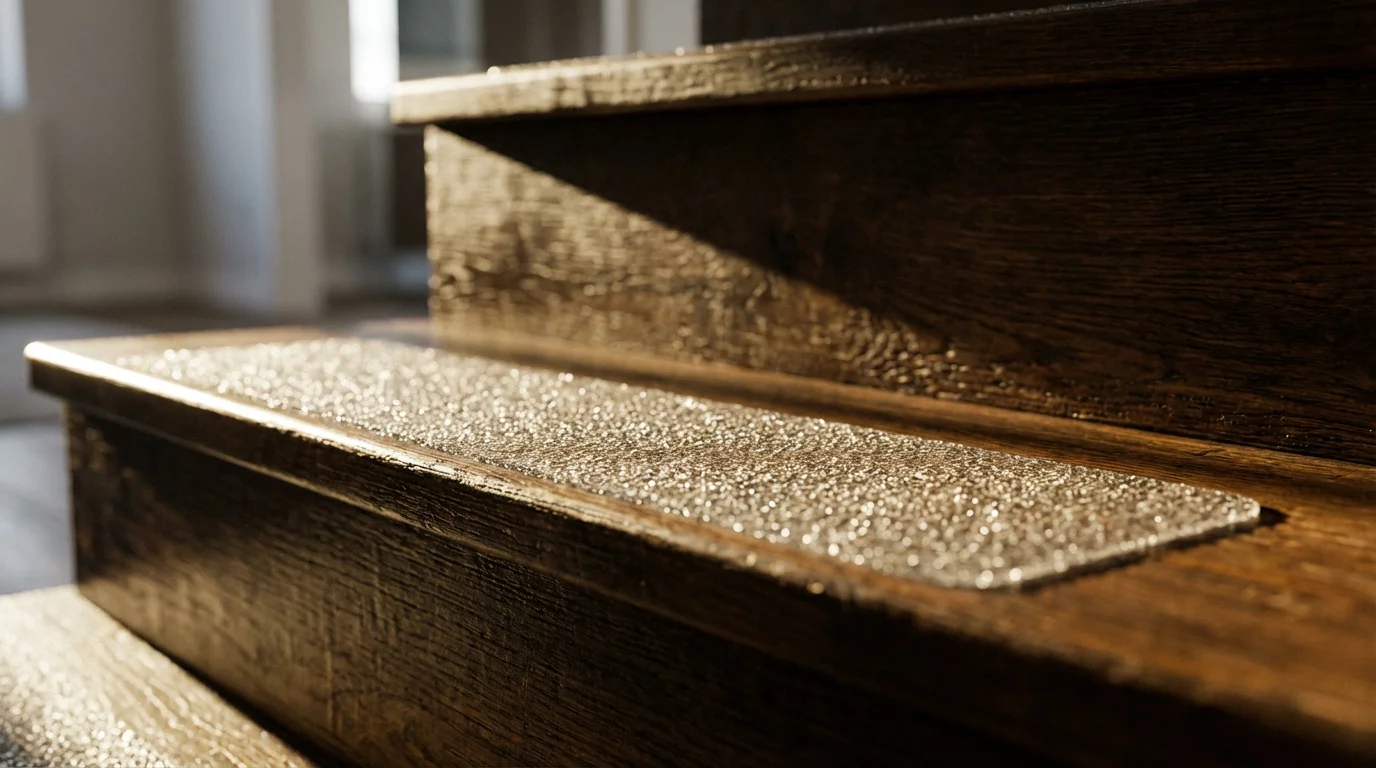
- Make your home safer: Remove tripping hazards like loose rugs and clutter. Improve lighting, especially on stairs and pathways. Install grab bars in bathrooms and stair railings.
- Stay hydrated and nourished: Proper hydration and a balanced diet support muscle function and energy levels, reducing fatigue that can impact balance.
- Limit alcohol intake: Alcohol impairs judgment and coordination, increasing your risk of falling.
- Manage chronic conditions: Work closely with your healthcare provider to effectively manage conditions such as diabetes, arthritis, or heart disease. These conditions can significantly affect your balance and strength.
- Use assistive devices if recommended: If your doctor suggests a cane or walker, use it. These tools provide valuable support and enhance your stability.
When to Talk to Your Doctor About Balance Concerns
Proactive communication with your healthcare provider is essential for your safety and health. Do not wait for a fall to occur before seeking medical advice. If you experience any new or worsening balance issues, or if you have already fallen, schedule an appointment promptly. Your doctor can help determine the underlying cause and recommend appropriate interventions.
You should contact your doctor if you experience:
- Frequent dizziness or lightheadedness.
- A feeling of unsteadiness or “wooziness” when walking or standing.
- Any unexplained falls, even if minor.
- Changes in your gait or difficulty lifting your feet.
- New numbness, tingling, or weakness in your legs or feet.
- Vision changes that affect your stability.
- Concerns about your medications and their impact on balance.
Your doctor can perform assessments, adjust medications, or refer you to specialists like a physical therapist, who can provide personalized exercises and fall prevention strategies. A physical therapist offers tailored guidance to address your specific needs and challenges.
Frequently Asked Questions
What are the best exercises to improve balance for seniors?
The best balance exercises for seniors include activities that challenge your stability, such as single-leg stands, heel-to-toe walks, standing marches, and side leg raises. Incorporating strength training for your legs and core, like chair stands and calf raises, also significantly supports overall balance. Consistency is key, so choose exercises you can perform regularly.
How often should seniors do balance exercises?
Aim to perform balance exercises most days of the week, ideally 3-5 times. Short, consistent sessions of 10-15 minutes are more effective than infrequent, long workouts. Gradually increase the duration and intensity as your balance improves, always listening to your body and using support when needed.
Can walking alone improve balance and prevent falls?
Walking is an excellent form of exercise and contributes to overall fitness, but it primarily works on dynamic balance. While beneficial, walking alone may not sufficiently challenge your static balance or strengthen specific muscles needed for fall prevention. Supplementing your walks with targeted balance exercises, like single-leg stands, offers more comprehensive protection against falls.
What are the signs of poor balance in seniors?
Signs of poor balance in seniors include frequently feeling unsteady or wobbly, needing to hold onto furniture or walls while walking, stumbling or tripping often, having difficulty standing up from a chair, and experiencing dizziness or lightheadedness. If you notice these signs, discuss them with your doctor promptly to address potential underlying causes.
Is it ever too late to start improving my balance?
It is never too late to start improving your balance. Your body maintains the capacity to adapt and strengthen at any age. Even modest improvements in muscle strength and coordination can significantly reduce your risk of falls and enhance your quality of life. Begin with simple exercises and gradually challenge yourself under safe conditions, always consulting your healthcare provider first.
Are there any specific stretches that help with balance?
While not direct balance exercises, stretches that improve flexibility in your ankles, hips, and spine can indirectly support balance by increasing your range of motion. Examples include ankle circles, hip flexor stretches, and gentle hamstring stretches. Improved flexibility allows for more fluid movement and can prevent stiffness that contributes to unsteadiness. Always stretch gently and within a comfortable range of motion.
Disclaimer: This article is for informational purposes only and does not constitute medical advice. The information provided is not intended to diagnose, treat, cure, or prevent any disease. Always consult with your healthcare provider before making any changes to your diet, exercise routine, medications, or health regimen. If you’re experiencing a medical emergency, call 911 immediately.







Leave a Reply