
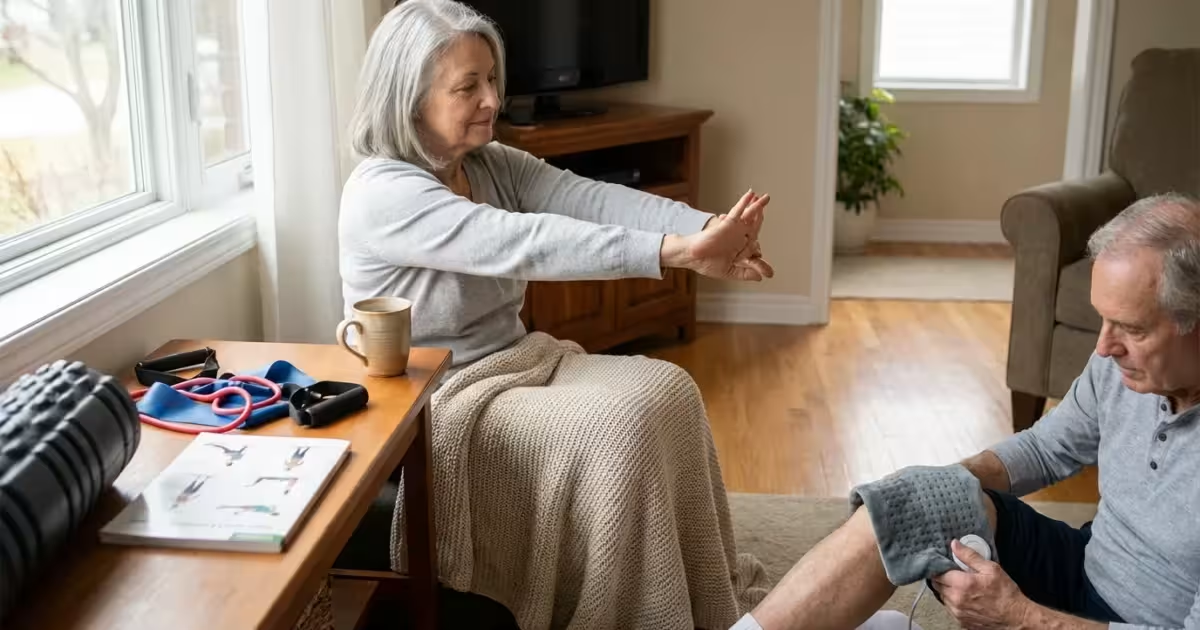
Arthritis affects millions of seniors, presenting daily challenges that impact quality of life. You may experience stiffness, swelling, and chronic discomfort in your joints. However, managing arthritis pain effectively means you can maintain an active and fulfilling lifestyle. This guide provides practical strategies and actionable insights to help you take charge of your joint health.
Living with arthritis does not mean resigning yourself to constant pain. Modern medicine, lifestyle adjustments, and proactive self-management offer numerous ways to reduce symptoms and improve mobility. Empower yourself with knowledge and apply these tips to enhance your overall well-being.

Understanding Arthritis: What You Need to Know
Arthritis is not a single disease. It encompasses more than 100 different conditions affecting joints, the tissues surrounding them, and other connective tissues. Understanding your specific type of arthritis forms the first step in effective pain management.
The most common forms impacting seniors include osteoarthritis and rheumatoid arthritis. Osteoarthritis, often called “wear-and-tear” arthritis, results from the breakdown of cartilage cushioning your bones. Rheumatoid arthritis, an autoimmune disease, involves your immune system mistakenly attacking healthy joint tissue.
Your doctor provides a precise diagnosis, which guides your treatment plan. They consider your symptoms, medical history, physical examination, and imaging tests. Knowing your type of arthritis helps you understand the disease progression and the most appropriate interventions.

The Cornerstone of Pain Management: Medical Guidance
Working closely with your healthcare team remains paramount for effective arthritis pain management. Your primary care physician serves as your first point of contact. They coordinate your care and refer you to specialists when necessary.
Managing long-term conditions often involves financial planning, so it is helpful to start budgeting for healthcare costs early in retirement.
Rheumatologists specialize in diagnosing and treating arthritis and other musculoskeletal conditions. They offer advanced treatment options and help you develop a comprehensive care plan. Other specialists, such as physical therapists, occupational therapists, and pain management specialists, also play crucial roles.
Always communicate openly with your doctors about your symptoms, pain levels, and any challenges you face. They adjust your treatment plan based on your feedback and progress. Your active participation in your care plan leads to better outcomes.
Gentle Movement and Exercise for Joint Health
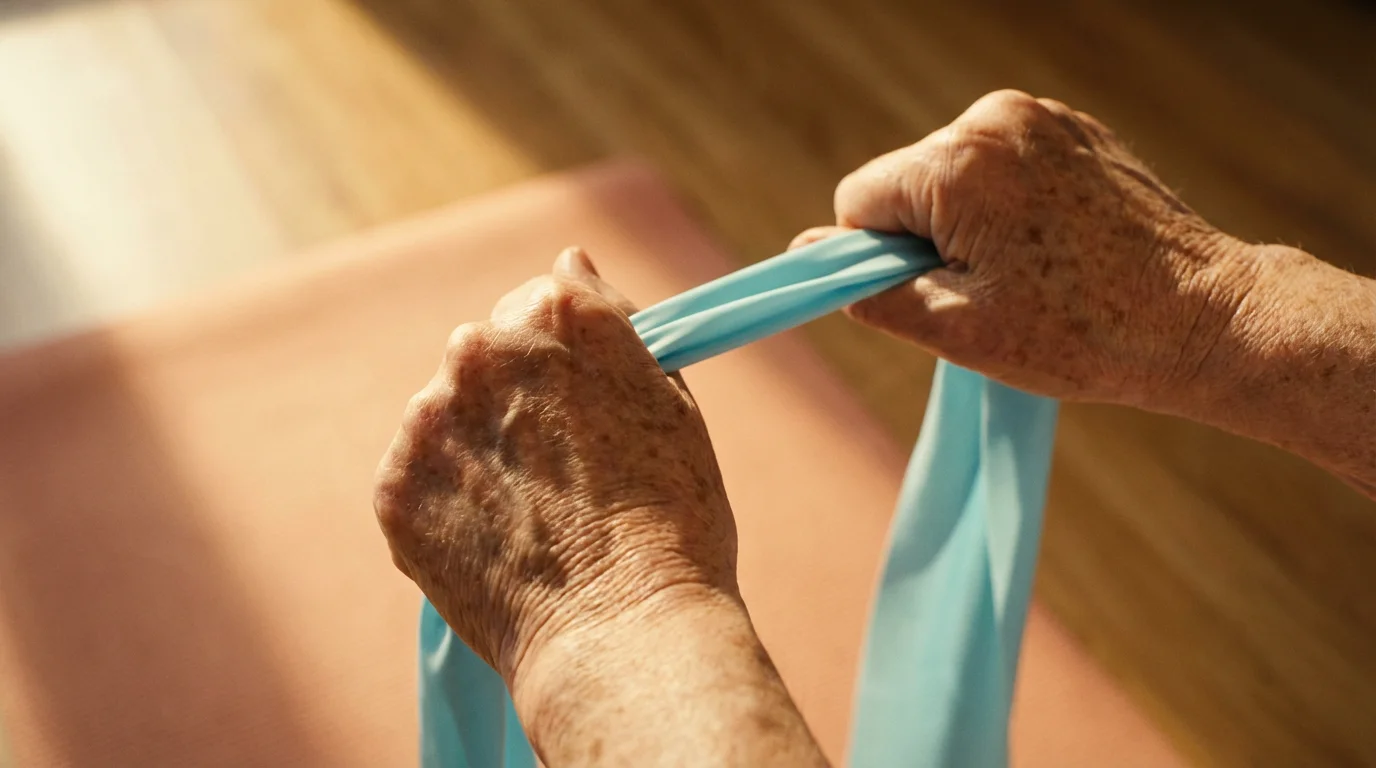
You might think exercise harms painful joints, but regular, appropriate physical activity offers significant benefits for managing arthritis pain. It strengthens the muscles around your joints, increases flexibility, and reduces stiffness. Exercise also helps maintain a healthy weight, which lessens stress on your joints.
If balance becomes an issue during your walks, choosing the right walking aid can provide the support needed to stay mobile and safe.
The National Institute on Aging highlights the importance of staying active as you age. Consistent movement can improve your balance and reduce your risk of falls. You also gain increased energy levels and an improved mood.
Consult your doctor or a physical therapist before starting any new exercise program. They help you develop a safe and effective routine tailored to your specific condition and abilities. Focus on low-impact activities that minimize joint stress.
- Walking: A great way to stay active, walking improves cardiovascular health and joint flexibility. Start with short durations and gradually increase your pace and distance.
- Swimming or Water Aerobics: The buoyancy of water supports your body weight, reducing stress on your joints. This allows for a greater range of motion and less pain during exercise.
- Cycling: Stationary bikes offer a controlled, low-impact workout that strengthens leg muscles. Adjust the resistance to a comfortable level.
- Tai Chi and Yoga: These practices combine gentle movements, stretching, and mindful breathing. They improve flexibility, balance, and reduce stress, contributing to pain relief.
- Strength Training: Use light weights or resistance bands to build muscle around your joints. Stronger muscles provide better support and protection for your joints.
Listen to your body during exercise. Stop if you experience sharp or increasing pain. Warm up thoroughly before exercising and cool down with gentle stretches afterward.

Nutritional Strategies to Support Your Joints
What you eat significantly impacts inflammation and overall joint health. Adopting an anti-inflammatory diet helps reduce arthritis pain and supports your well-being. Focus on whole, unprocessed foods and limit items known to promote inflammation.
Maintaining a nutrient-rich diet doesn’t have to be expensive, as there are many ways to enjoy healthy eating on a budget by choosing seasonal Produce.
Maintaining a healthy weight also alleviates pressure on weight-bearing joints like your knees and hips. Even a modest weight loss reduces strain and improves mobility. Work with a registered dietitian if you need guidance on healthy eating and weight management.
The Academy of Nutrition and Dietetics emphasizes consuming a variety of nutrients for optimal health. A balanced diet provides essential vitamins and minerals that support bone and joint health.
Consider incorporating these foods into your daily diet:
- Omega-3 Fatty Acids: Found in fatty fish like salmon, mackerel, and sardines, these healthy fats possess strong anti-inflammatory properties. You can also find them in flaxseeds and walnuts.
- Fruits and Vegetables: Rich in antioxidants, these foods combat inflammation. Opt for colorful options like berries, leafy greens, broccoli, and bell peppers.
- Whole Grains: Choose whole grains such as oats, brown rice, and quinoa over refined grains. They provide fiber and nutrients that help reduce inflammation.
- Nuts and Seeds: Almonds, walnuts, chia seeds, and flaxseeds offer healthy fats, fiber, and antioxidants. These contribute to overall joint support.
- Olive Oil: Extra virgin olive oil contains compounds that may reduce inflammation similarly to nonsteroidal anti-inflammatory drugs (NSAIDs).
Avoid highly processed foods, sugary drinks, red meat, and saturated fats, as they can increase inflammation. Prioritize hydration by drinking plenty of water throughout the day.

Medication Management and Pain Relief Options
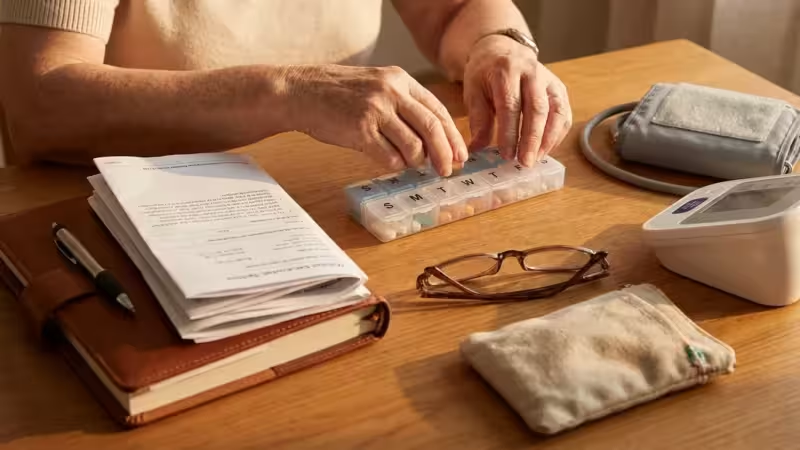
Medications often play a vital role in managing arthritis pain. Your doctor prescribes treatments based on your type of arthritis, pain levels, and overall health. Adhering to your prescribed medication schedule remains crucial for effectiveness.
Over-the-counter (OTC) pain relievers offer initial relief for mild to moderate pain. Nonsteroidal anti-inflammatory drugs (NSAIDs), like ibuprofen and naproxen, reduce both pain and inflammation. Acetaminophen helps manage pain but does not reduce inflammation.
For more severe symptoms, your doctor may prescribe stronger medications. These can include prescription NSAIDs, corticosteroids to reduce inflammation, or disease-modifying antirheumatic drugs (DMARDs) for rheumatoid arthritis. Biologics represent another class of advanced medications for specific types of inflammatory arthritis.
Discuss all your medications, including OTC drugs, supplements, and herbal remedies, with your doctor. This prevents potential interactions and ensures your treatment plan is safe and effective. You must understand the proper dosage and potential side effects of each medication.
“Take care of your body. It’s the only place you have to live.”

Exploring Alternative and Complementary Therapies
Many seniors find relief through alternative and complementary therapies when combined with conventional medical treatments. These approaches aim to reduce pain, improve function, and enhance overall well-being. Always discuss any alternative therapies with your doctor to ensure they are safe and appropriate for your condition.
These therapies complement your existing medical plan, providing additional tools for pain management. They can offer comfort and support without replacing prescribed treatments.
- Heat and Cold Therapy: Applying heat, such as warm baths or heating pads, relaxes stiff muscles and increases blood flow. Cold packs or ice reduces swelling and numbs pain. Experiment to find what works best for you.
- Massage Therapy: Gentle massage around affected joints improves circulation and reduces muscle stiffness and pain. Seek a licensed massage therapist with experience working with arthritis patients.
- Acupuncture: This traditional Chinese medicine technique involves inserting thin needles into specific points on the body. Some studies suggest it can reduce chronic arthritis pain.
- Mind-Body Techniques: Practices like meditation, mindfulness, and deep breathing exercises help you cope with chronic pain. They reduce stress, which can sometimes exacerbate pain.
- Topical Creams and Gels: Over-the-counter creams containing ingredients like capsaicin or menthol can provide localized pain relief. Apply them directly to the affected joints.
Research the efficacy and safety of any therapy you consider. Prioritize methods with some evidence of benefit and minimal risk. Your healthcare provider offers guidance on reputable practitioners and effective options.
Adapting Your Home and Daily Routine
Making small adjustments to your home and daily activities significantly reduces stress on your joints and helps manage arthritis pain. These adaptations promote independence and make everyday tasks easier.
Focus on ergonomics, which involves designing environments and products to fit people. Simple changes around your home can prevent unnecessary strain and discomfort. Consider assistive devices that help you perform tasks with less effort.
Pacing yourself throughout the day helps conserve energy and prevents flare-ups. You avoid overexertion by breaking tasks into smaller steps and taking frequent rests. Learn to recognize your body’s limits and respect them.
Here are practical strategies for adapting your daily life:
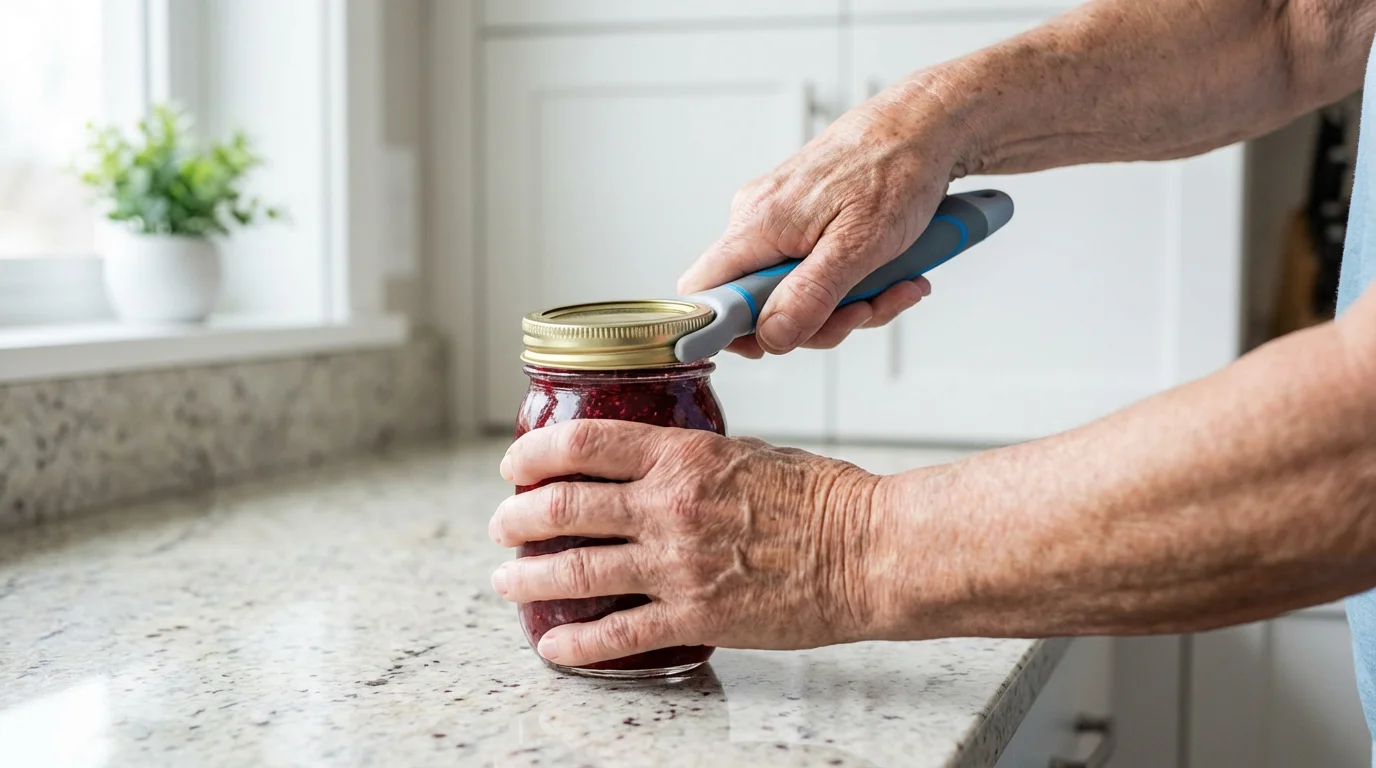
- Use Ergonomic Tools: Choose kitchen utensils with large, easy-to-grip handles. Consider jar openers and reachers to avoid straining.
- Install Grab Bars: In bathrooms, grab bars near the toilet and in the shower provide support and prevent falls. This enhances safety and confidence.
- Elevate Furniture: Use risers to increase the height of chairs, beds, or sofas. This makes sitting down and standing up easier, reducing joint stress.
- Wear Supportive Footwear: Choose shoes with good cushioning and support. Avoid high heels or flimsy footwear that can put extra pressure on your knees and hips.
- Simplify Dressing: Opt for clothing with elastic waistbands, velcro closures, or zippers that are easy to manipulate. Dressing aids can also be helpful.
- Plan and Prioritize: Schedule demanding tasks for times when your energy levels are highest. Alternate between light and heavy activities.
An occupational therapist offers personalized advice on adapting your home and routines. They help you find creative solutions to daily challenges, improving your comfort and independence.

When to See a Doctor for Arthritis Pain
While many strategies help manage arthritis pain at home, certain symptoms warrant a prompt visit to your doctor. Recognizing these signs ensures you receive timely medical attention and prevent potential complications.
Delaying evaluation can sometimes lead to worsening conditions or irreversible joint damage. Your doctor assesses changes in your symptoms and adjusts your treatment plan accordingly.
Consult your healthcare provider if you experience any of the following:
- Sudden Increase in Pain: A significant, unexplained worsening of your usual arthritis pain requires immediate attention.
- New Joint Involvement: If new joints become painful, swollen, or stiff, especially symmetrically (e.g., both wrists), seek medical advice.
- Severe Swelling or Redness: Noticeable swelling, warmth, or redness around a joint could indicate infection or an inflammatory flare.
- Fever or Chills: If joint pain accompanies fever, chills, or general malaise, this might signal an infection requiring urgent treatment.
- Difficulty Moving a Joint: Any sudden loss of range of motion or inability to move a joint normally needs medical evaluation.
- Pain Interfering with Daily Activities: If your arthritis pain consistently prevents you from performing essential daily tasks or enjoying your hobbies, discuss it with your doctor.
Do not hesitate to contact your doctor or specialist with concerns. Your healthcare team is there to support you in managing your joint health effectively.

Navigating Healthcare and Support Systems
Understanding your healthcare options and accessing support systems empowers you in your arthritis journey. Medicare provides comprehensive coverage for many seniors, but navigating its complexities requires knowledge.
Medicare Part A covers inpatient hospital stays, skilled nursing facility care, hospice care, and some home health care. Medicare Part B covers doctor’s services, outpatient care, medical supplies, and preventive services. This includes visits to rheumatologists, physical therapists, and occupational therapists. Medicare.gov provides detailed information on what your plan covers.
You also have choices like Medicare Advantage Plans (Part C), which offer an alternative to Original Medicare. These plans often include additional benefits like prescription drug coverage and vision or dental care. Medicare Part D provides prescription drug coverage, which is essential for many arthritis medications.
Beyond insurance, consider joining local or online arthritis support groups. Connecting with others who understand your experiences offers emotional support, practical tips, and a sense of community. Organizations like the Arthritis Foundation provide valuable resources and educational materials.
Explore telehealth options for routine follow-ups or medication adjustments. Many healthcare providers offer virtual appointments, making care more accessible and convenient. Discuss this option with your doctor.
Frequently Asked Questions
What is the best way to manage arthritis pain naturally?
Managing arthritis pain naturally involves several key strategies. Regular low-impact exercise, such as walking, swimming, or tai chi, strengthens muscles and improves joint flexibility. Adopting an anti-inflammatory diet rich in omega-3 fatty acids, fruits, and vegetables helps reduce systemic inflammation. Additionally, applying heat or cold packs to affected joints and practicing mind-body techniques like meditation can offer significant relief without medication. Always discuss natural remedies with your doctor to ensure they complement your overall treatment plan.
Can diet really affect arthritis pain?
Yes, diet can significantly affect arthritis pain and inflammation. Foods rich in antioxidants and omega-3 fatty acids, such as berries, leafy greens, and fatty fish, help reduce inflammation in the body. Conversely, a diet high in processed foods, sugary drinks, and unhealthy fats can increase inflammation, potentially worsening arthritis symptoms. Maintaining a healthy weight through balanced nutrition also reduces stress on weight-bearing joints. The Academy of Nutrition and Dietetics offers guidance on healthy eating for various health conditions.
What are effective treatments for arthritis in seniors?
Effective treatments for arthritis in seniors often involve a multi-faceted approach. This typically includes prescribed medications like NSAIDs or disease-modifying antirheumatic drugs (DMARDs) to control pain and inflammation. Physical therapy helps improve joint function and strength. Lifestyle modifications, such as regular gentle exercise and weight management, play a crucial role. For some, alternative therapies like acupuncture or massage can provide additional relief. Your doctor tailors a treatment plan to your specific type of arthritis and overall health needs.
How do I know if my arthritis pain requires a doctor’s visit?
You should see a doctor for arthritis pain if you experience a sudden, significant increase in pain, new joint involvement, or severe swelling, redness, or warmth around a joint. If your pain is accompanied by fever or chills, or if it significantly interferes with your ability to perform daily activities, seek medical advice promptly. These symptoms could indicate an infection, an inflammatory flare, or a need to adjust your current treatment plan. Early intervention helps prevent further joint damage.
Does Medicare cover arthritis treatments?
Yes, Medicare generally covers many essential arthritis treatments. Medicare Part B covers outpatient services, including doctor visits, physical therapy, and occupational therapy, as well as some durable medical equipment. Medicare Part D provides coverage for prescription drugs used to manage arthritis pain and inflammation. If you have a Medicare Advantage Plan (Part C), it will cover everything Original Medicare covers and may offer additional benefits. You should review your specific plan details or visit Medicare.gov for comprehensive coverage information.
What kind of exercise is safe for someone with arthritis?
Safe exercises for individuals with arthritis focus on low-impact activities that minimize joint stress while improving flexibility, strength, and endurance. Excellent options include swimming or water aerobics, which provide buoyancy support, and cycling on a stationary bike. Gentle activities like walking, tai chi, and yoga also enhance balance and range of motion. Strength training with light weights or resistance bands strengthens muscles around the joints. Always consult your doctor or a physical therapist before starting a new exercise regimen to ensure it is appropriate for your specific condition.
Disclaimer: This article is for informational purposes only and does not constitute medical advice. The information provided is not intended to diagnose, treat, cure, or prevent any disease. Always consult with your healthcare provider before making any changes to your diet, exercise routine, medications, or health regimen. If you’re experiencing a medical emergency, call 911 immediately.








Leave a Reply