
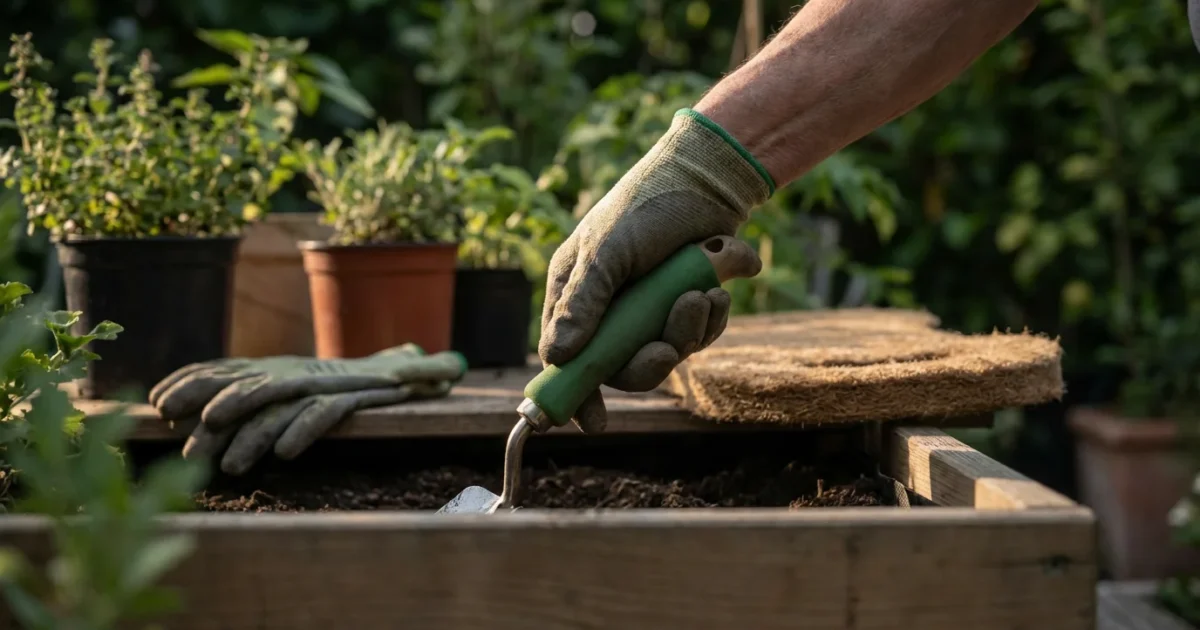
Gardening offers immense joy and satisfaction, providing a wonderful way to stay active, connect with nature, and enjoy the fruits, vegetables, or flowers of your labor. Many seniors find continued pleasure in their gardens, but physical changes can sometimes make traditional gardening a challenge. You do not need to give up your passion. This guide empowers you with practical strategies and adaptive solutions, helping you create a truly senior-friendly garden that remains accessible and enjoyable for years to come. You can continue to cultivate beauty and bounty in your outdoor space, adapting your approach to fit your evolving needs.
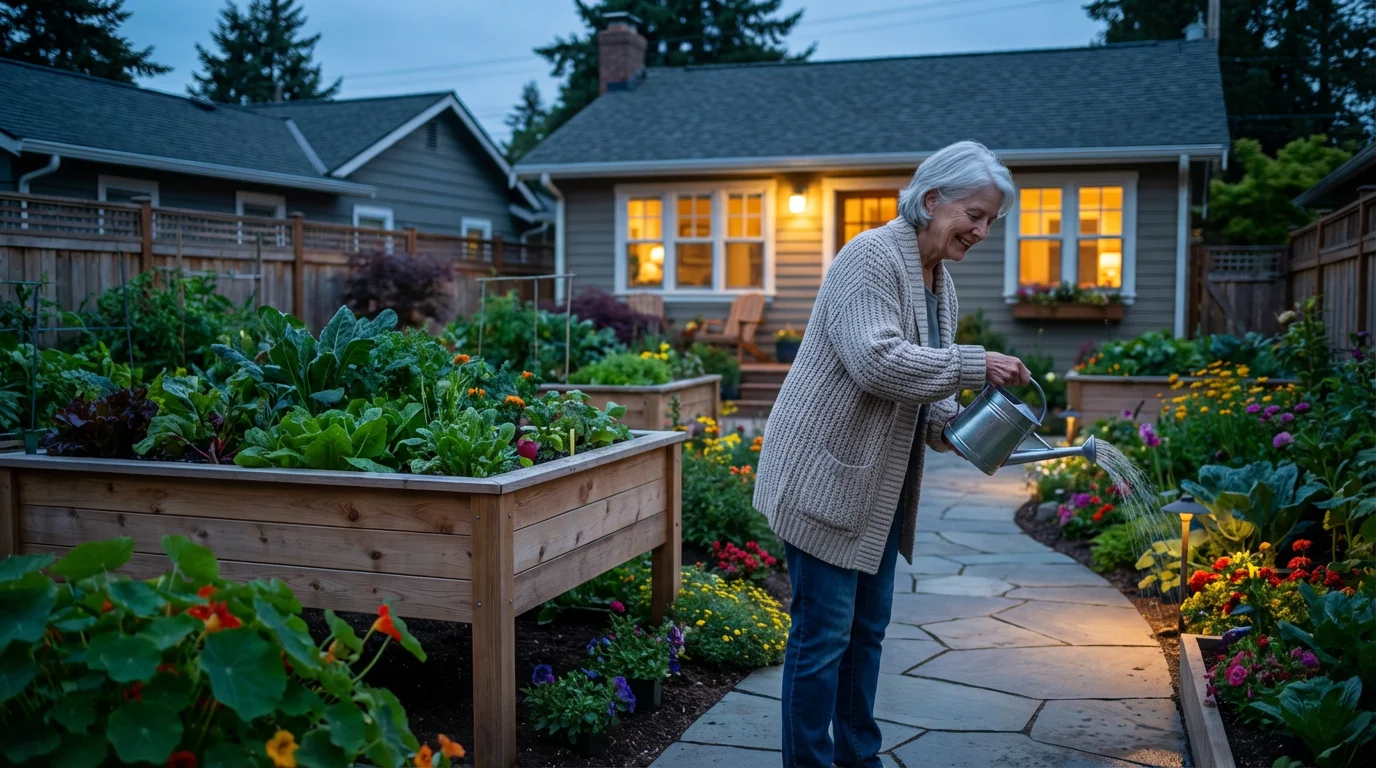
The Joys and Benefits of Accessible Gardening
Maintaining an accessible garden delivers numerous physical and mental benefits. Regular light activity, such as weeding or planting, improves flexibility, strength, and cardiovascular health. Sunshine exposure helps your body produce Vitamin D, vital for bone health and mood regulation.
Beyond the physical, gardening offers significant mental health advantages. It reduces stress, fosters a sense of purpose, and provides a calming connection to the natural world. Nurturing plants from seed to harvest gives you a great sense of accomplishment. An accessible garden ensures you can continue to reap these rewards comfortably and safely.
Designing Your Senior-Friendly Garden Space
Creating a senior-friendly garden begins with thoughtful design. Focus on minimizing bending, kneeling, and heavy lifting, while maximizing comfort and accessibility. Consider your current mobility and any potential future changes as you plan. This proactive approach ensures your garden remains a source of joy, not strain.
Raised Garden Beds
Raised garden beds are perhaps the most impactful modification for senior gardening. They bring the soil up to a comfortable working height, reducing the need to stoop or kneel. You can customize them to suit your specific needs.
- Optimal Height: Aim for a bed height between 18 and 36 inches. A 24-inch height often works well for most individuals to sit on the edge or work from a standing position. For wheelchair users, a height of 24 to 31 inches allows you to comfortably work underneath the bed.
- Width: Keep beds narrow, ideally no more than 3-4 feet wide, allowing you to reach the center easily from either side without overstretching.
- Materials: Use durable, rot-resistant materials like cedar, redwood, composite lumber, or even stone and brick. Avoid treated lumber if you are growing edible plants directly in contact with the wood.
- Seating Edges: Design beds with a wide, sturdy top edge, at least 6-8 inches, to provide a comfortable place to sit while gardening.
Costs for materials for a basic 4×8 foot raised bed range from $50 for untreated pine to $300-$500 for cedar or composite lumber. Pre-made kits can cost $150-$700 depending on size and material.
Container Gardening
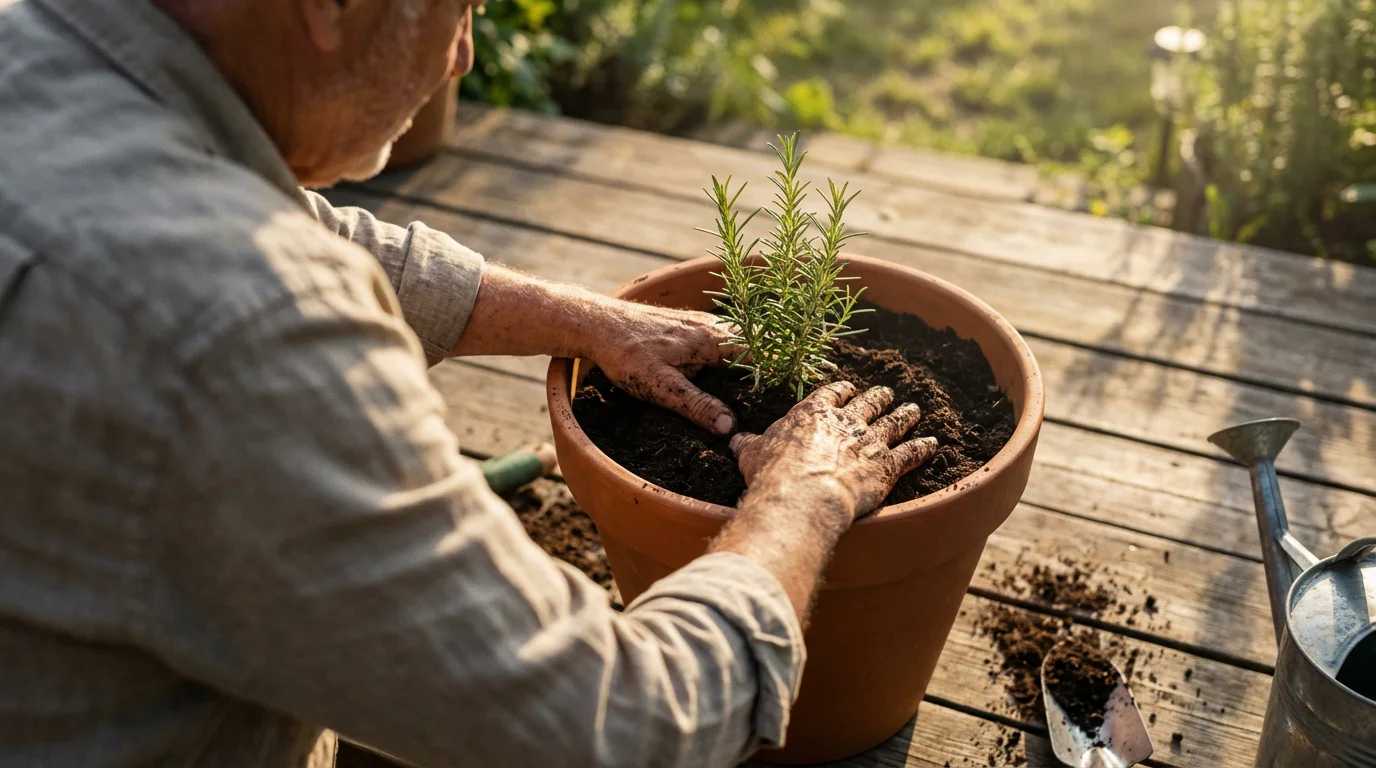
Container gardening offers incredible flexibility. You can place pots, tubs, and grow bags on patios, decks, or even indoors, keeping plants within easy reach. Choose lightweight containers or those with wheels for easy repositioning.
- Variety: Grow almost anything in containers, from herbs and vegetables to flowers and small shrubs.
- Mobility: Place containers on wheeled caddies so you can move them easily for sun exposure, shelter, or simply to change the garden layout.
- Accessibility: Elevate containers on stands or benches to reduce bending.
Vertical Gardens and Hanging Baskets
Vertical gardening maximizes space and brings plants up to eye level, perfect for herbs, strawberries, or leafy greens. Hanging baskets also add beauty and keep plants off the ground. Ensure hanging baskets are at an accessible height for watering and maintenance, or use pulley systems for easy lowering.
Pathways and Accessibility
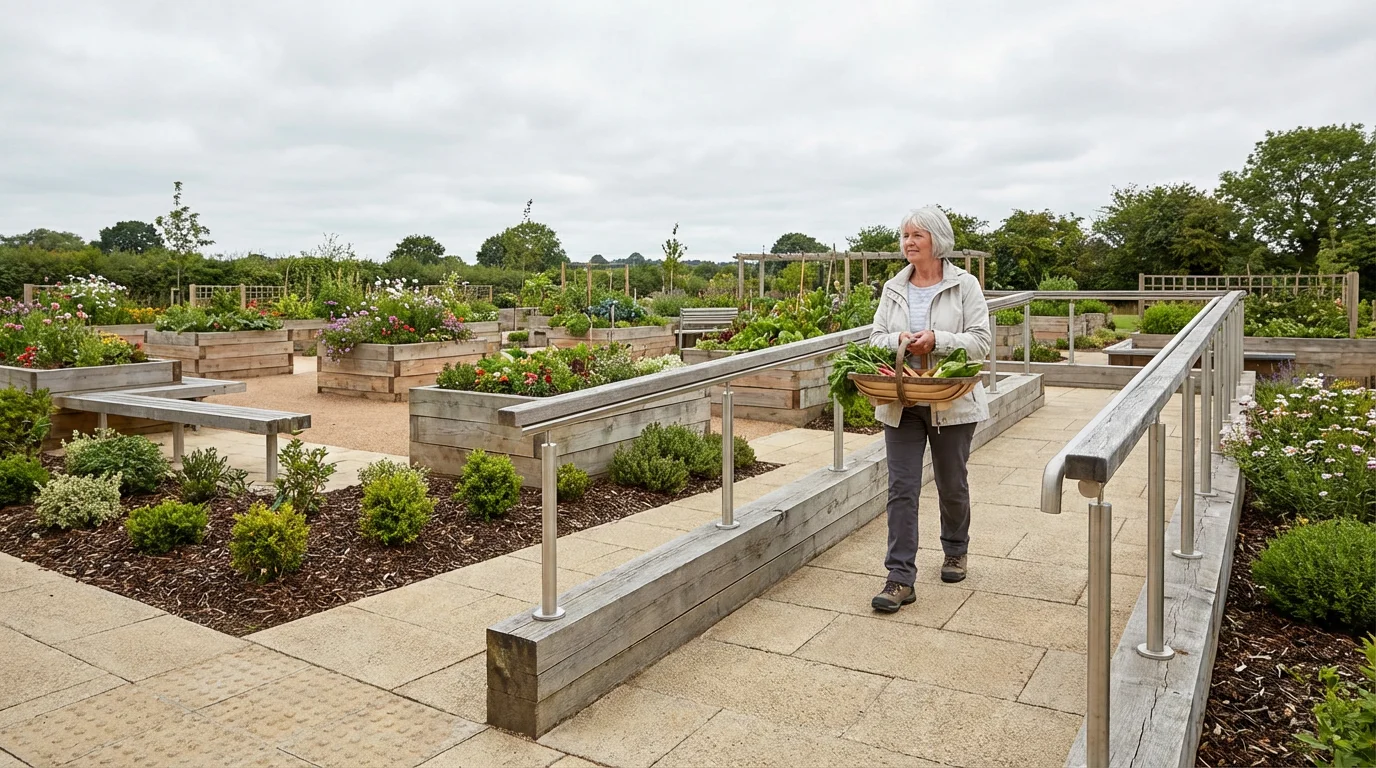
Ensure your garden pathways are wide, level, and non-slip. A minimum width of 36 inches accommodates most walkers, while 48 inches provides comfortable clearance for wheelchairs.
- Surfaces: Choose firm, smooth surfaces like pavers, concrete, or finely crushed gravel. Avoid loose gravel, stepping stones, or uneven flagstones, which pose tripping hazards.
- Edges: Clearly define path edges to prevent accidental stepping into garden beds.
- Ramps: If your garden has elevation changes, install gentle ramps instead of steps.
Strategic Seating and Workstations
Place benches, chairs, or even a sturdy garden stool strategically throughout your garden. This provides frequent resting spots, allowing you to pace yourself and avoid fatigue. A dedicated potting bench at a comfortable standing or sitting height can also make seed starting and repotting much easier.
Choosing Adaptive Gardening Tools for Comfort and Efficiency
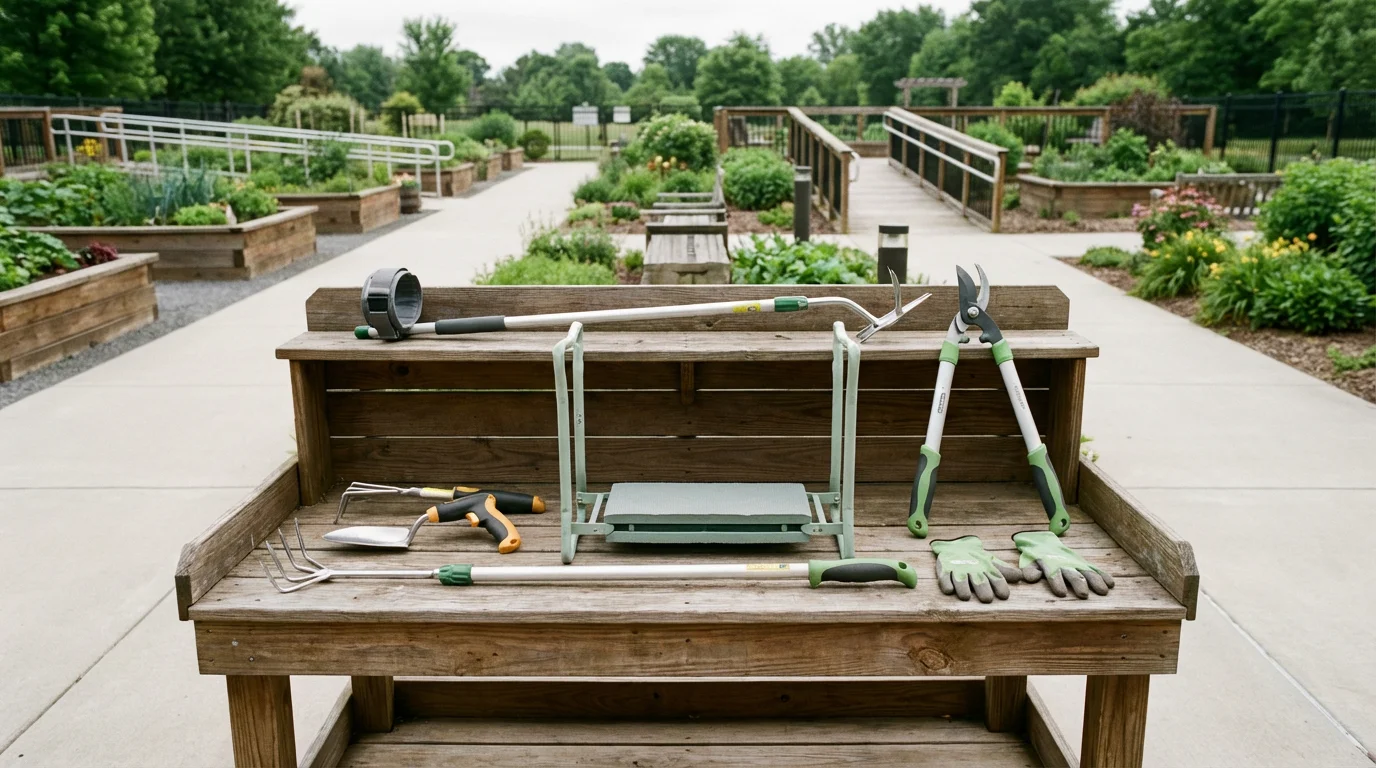
Adaptive tools are game-changers for senior gardening, designed to reduce strain, improve grip, and increase leverage. Investing in a few key pieces transforms your gardening experience. You will find that these tools enhance your efficiency and minimize discomfort. What are the best adaptive gardening tools? The best tools are those that fit your hands, reduce effort, and support your body.
- Ergonomic Hand Tools: Look for trowels, cultivators, and weeders with large, cushioned, non-slip handles. These designs reduce strain on wrists and fingers. Many feature angled handles to keep your wrist in a neutral position.
- Long-Handled Tools: Tools with extended handles for weeding, cultivating, or planting eliminate the need for bending and kneeling. Examples include long-handled hoes, cultivators, and reacher grabbers.
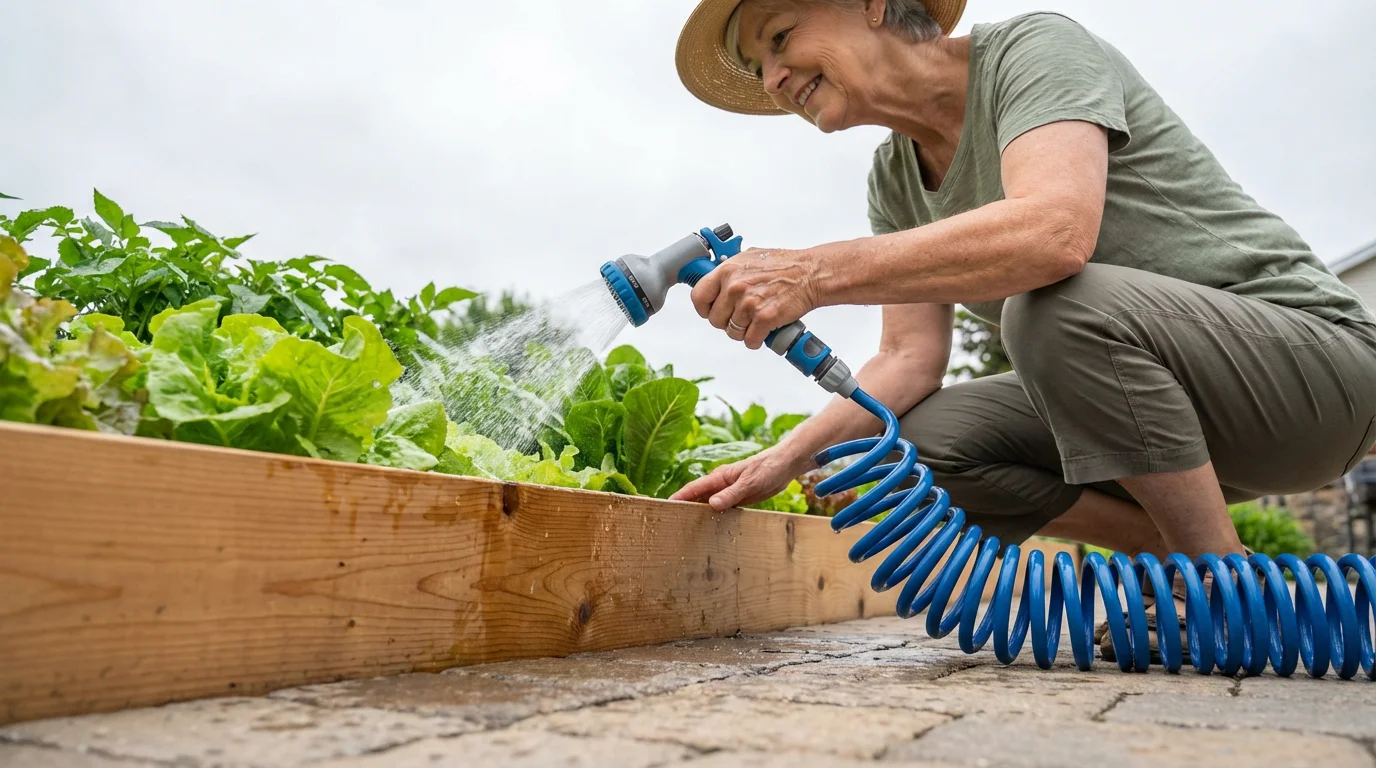
- Lightweight Hoses and Wands: Choose lightweight, kink-resistant hoses or expandable hoses that are easier to maneuver. Attach a watering wand with an on/off switch and multiple spray patterns to water plants without constant hand squeezing.
- Rolling Garden Seats or Kneelers: A rolling garden seat allows you to move easily along garden beds while sitting, reducing leg and back strain. A garden kneeler with handles provides support when getting up and down, and often flips over to become a comfortable seat.
- Pruning Shears and Loppers: Select pruners with ratcheting mechanisms or spring-loaded designs that multiply your cutting power, requiring less hand strength. Long-handled loppers extend your reach for branches.
- Automatic Seed Sowers and Planters: These tools simplify the process of planting small seeds, eliminating the need for precise finger dexterity. Some models can create holes, drop seeds, and cover them in one motion.
- Garden Carts and Wagons: A sturdy garden cart or wagon with pneumatic tires makes transporting soil, tools, and harvested produce much easier than carrying heavy loads.
Expect to spend $15-$60 per ergonomic or adaptive hand tool, with rolling garden seats or carts ranging from $50-$150. These are often one-time investments that provide lasting benefit.
Smart Planting Strategies and Plant Selection
Your choice of plants and how you plant them significantly impacts the ease of your senior gardening efforts. Focus on low-maintenance varieties and techniques that minimize repetitive tasks.
Choose Easy-Care Plants
Select plants known for their resilience and minimal demands. This reduces time spent on pest control, disease management, and elaborate pruning.
- Native Plants: Native species are often well-adapted to your local climate and soil, requiring less water and fewer interventions.
- Drought-Tolerant Plants: Reduce watering frequency with plants like sedum, coneflowers, lavender, and many ornamental grasses.
- Disease and Pest Resistant Varieties: Look for cultivars specifically bred for resistance to common diseases or pests in your area.
- Slow-Growing Plants: Minimize pruning tasks by choosing plants with a slower growth habit.
- Perennials: Plant perennials that return year after year, reducing the need for annual replanting.
Simplify Planting and Harvesting
Implement techniques that make the planting and harvesting processes less strenuous.
- Seed Tapes and Pelleted Seeds: Seed tapes offer pre-spaced seeds, eliminating tedious thinning. Pelleted seeds are larger and easier to handle.
- Larger Seeds: Opt for larger vegetable seeds like beans, peas, corn, and squash, which are easier to grasp and plant than tiny carrot or lettuce seeds.
- “Pick-and-Come-Again” Varieties: Choose vegetables and herbs that you can harvest continuously, like bush beans, leafy greens, and cherry tomatoes, rather than those that produce one large crop all at once.
- Easy-Harvest Plants: Grow plants where the fruit or flowers are easily accessible. Bush varieties of cucumbers and squash are often easier to manage than vining types. Consider staking or caging tomatoes to keep fruit off the ground.
Efficient Watering and Irrigation Solutions
Watering can be a demanding task, especially in larger gardens. Implement systems that automate or simplify the process, conserving water and your energy.
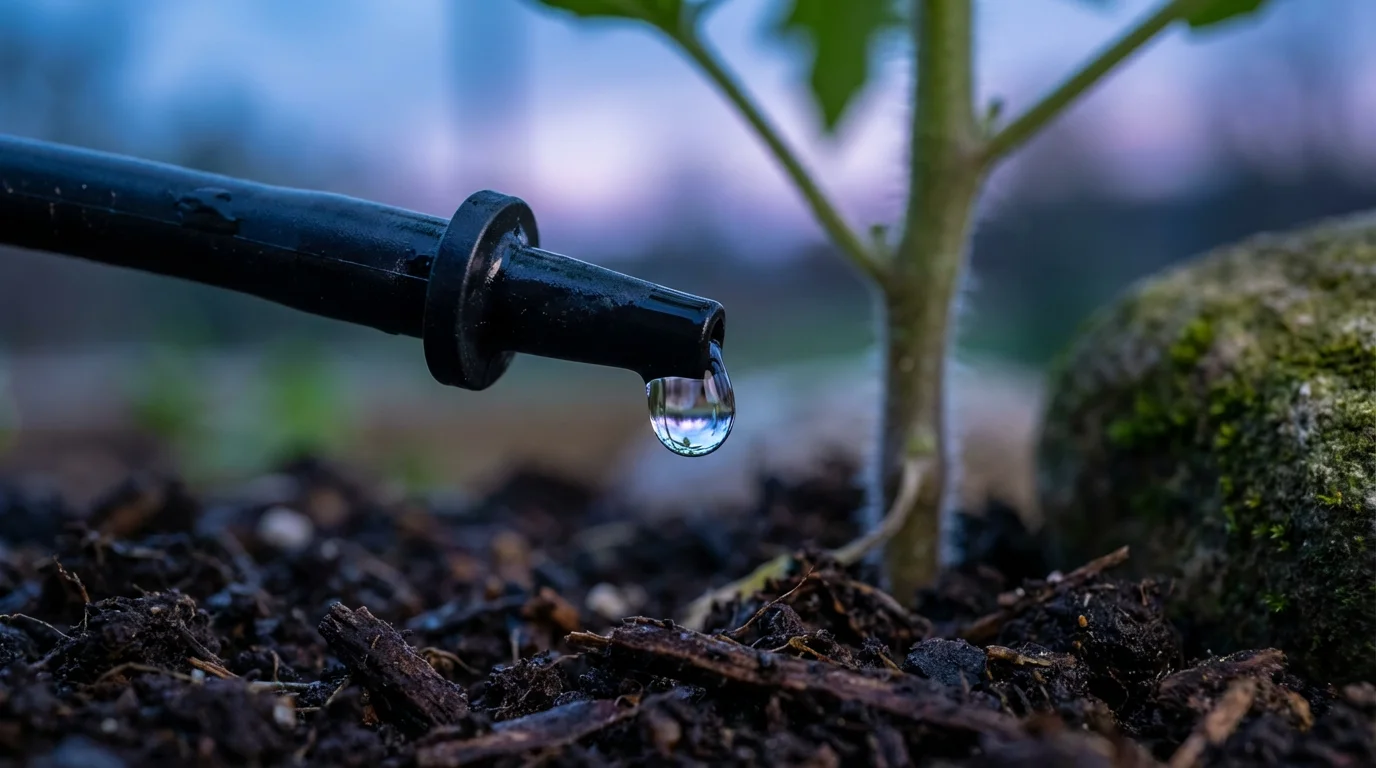
- Soaker Hoses and Drip Irrigation: These systems deliver water slowly and directly to the plant roots, minimizing evaporation and runoff. They save water and reduce the need for you to stand with a hose. You can often connect them to a timer for full automation.
- Self-Watering Planters: These containers have a built-in reservoir that feeds water to the plant roots, extending the time between waterings. They are especially useful for container gardens.
- Lightweight Hoses and Hose Reels: Invest in a lightweight, kink-resistant garden hose that is easy to pull and maneuver. A wall-mounted or wheeled hose reel makes tidying up effortless.
- Watering Wands with Shut-Off Valves: As mentioned in adaptive tools, a watering wand allows you to reach plants comfortably from a standing position. A shut-off valve on the handle prevents you from needing to walk back to the spigot.
- Rain Barrels: Collect rainwater for your garden, reducing your water bill and providing plants with naturally soft water. Place them strategically for easy access.
Simplified Garden Maintenance Tips
Effective maintenance keeps your garden healthy and beautiful without requiring excessive effort. Streamline your routines to spend more time enjoying your garden and less time working on it.
- Mulching: Apply a thick layer of mulch (2-4 inches) over your garden beds. Mulch suppresses weeds, retains soil moisture, and moderates soil temperature. This dramatically reduces weeding and watering chores. Use materials like wood chips, straw, or shredded leaves.
- Weed Barriers: Lay down landscape fabric or cardboard under mulch in new beds to provide an extra layer of weed suppression.
- Pruning at the Right Time: Prune plants during their dormant season or immediately after flowering, reducing the need for frequent touch-ups. Use bypass pruners for clean cuts and to minimize plant damage.
- Strategic Deadheading: Deadhead spent flowers to encourage new blooms, but consider leaving some for seed or for their attractive seed heads in fall and winter. This balances effort with aesthetic appeal.
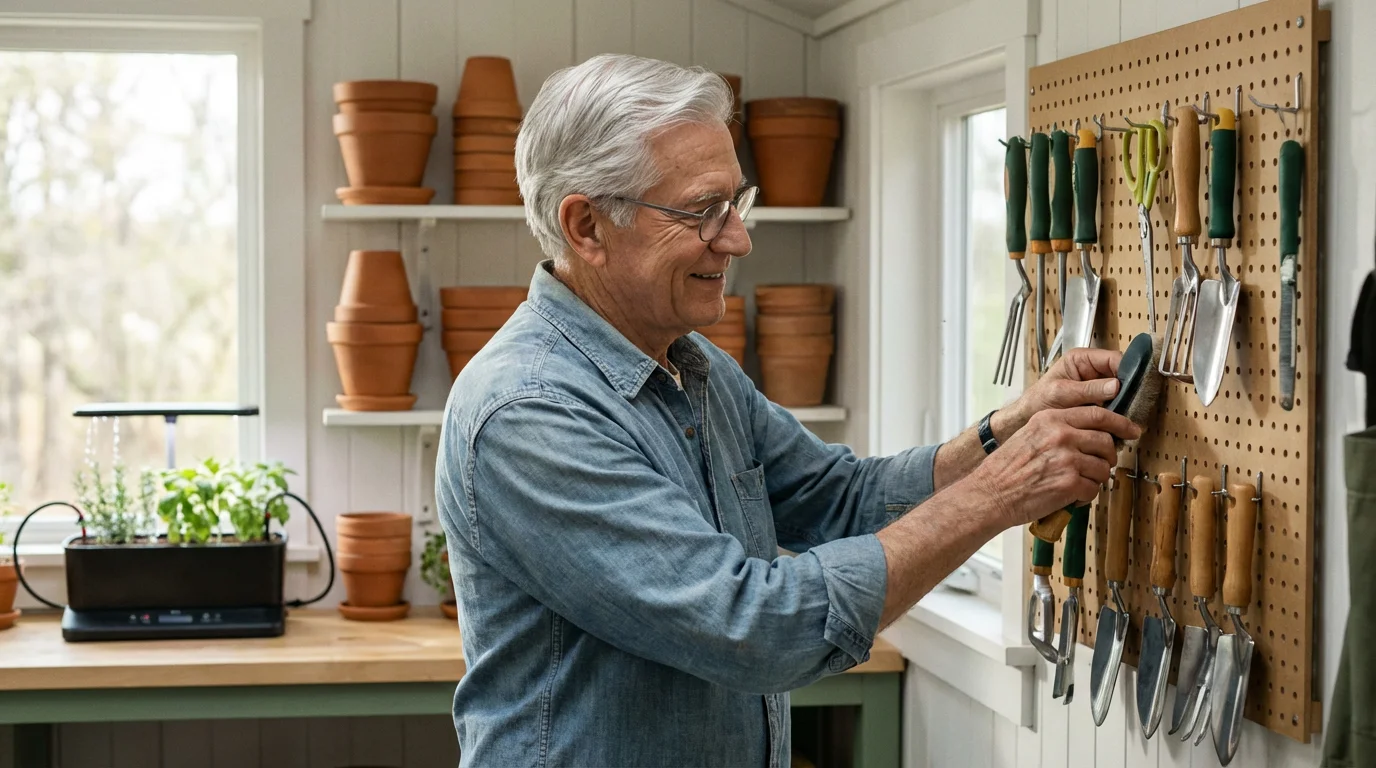
- Tool Maintenance: Keep your tools clean and sharp. Sharp tools work more efficiently, requiring less force and reducing the risk of injury. Wipe down tools after each use and sharpen pruners regularly.
- Pace Yourself: Break gardening tasks into smaller, manageable segments. Work for 20-30 minutes, then take a break. Listen to your body and avoid overexertion.
Safety First: Preventing Falls and Injuries
Your garden should be a sanctuary, not a hazard zone. Implementing simple safety measures protects you from common gardening injuries and ensures a safe, enjoyable experience.
“An ounce of prevention is worth a pound of cure.”
This wisdom applies especially well to garden safety. Proactive steps make all the difference.
- Clear Pathways: Regularly clear pathways of debris, hoses, tools, and fallen leaves that can cause trips. Ensure paths are well-lit if you garden at dawn or dusk.
- Proper Footwear: Wear sturdy, closed-toe shoes with non-slip soles. Avoid open-toed shoes or sandals, which offer no protection from tools or falling objects.
- Sun Protection: Protect yourself from the sun’s harmful UV rays. Wear a wide-brimmed hat, sunglasses, and long sleeves. Apply broad-spectrum sunscreen with at least SPF 30, even on cloudy days.
- Stay Hydrated: Keep a bottle of water nearby and drink frequently, especially on warm days. Dehydration can lead to fatigue and dizziness, increasing fall risk.
- Lift Safely: When lifting heavy bags of soil or pots, bend at your knees, not your back. Use a garden cart or ask for help with truly heavy items.
- Chemical Safety: If you use fertilizers or pesticides, read and follow all instructions carefully. Wear gloves, eye protection, and long sleeves. Store chemicals in their original containers, out of reach of children and pets.
- Emergency Preparedness: Keep a phone with you, especially if gardening alone. Consider a medical alert device for immediate help if you experience a fall or injury. The Centers for Disease Control and Prevention (CDC) offers valuable resources on falls prevention, emphasizing environmental modifications and personal safety strategies to minimize risks. You can find more information about preventing falls at the CDC website.
- Tool Safety: Always use tools for their intended purpose. Store sharp tools in a secure place when not in use.
When to Seek Professional Help for Your Garden
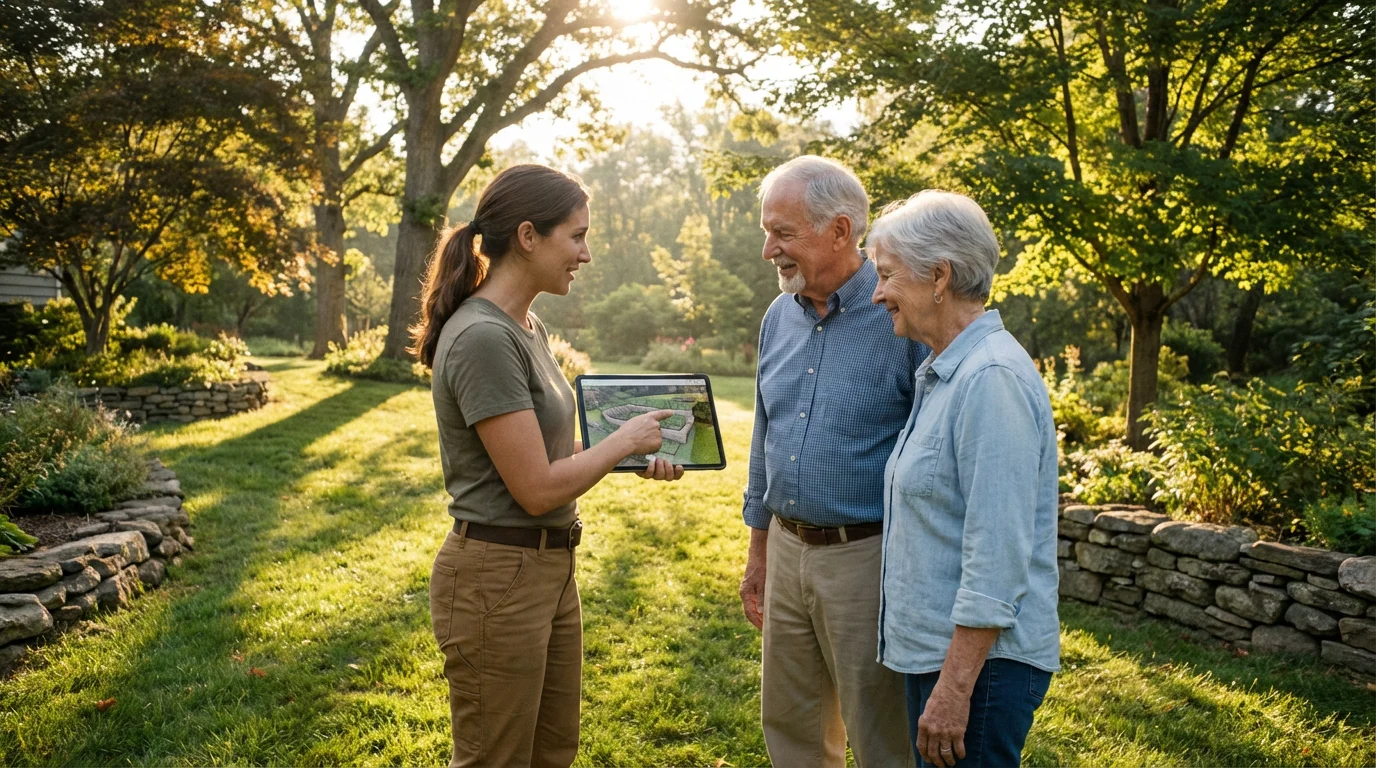
While many senior gardening modifications are DIY-friendly, some projects benefit from professional expertise. Recognizing when to call a professional ensures safety, saves time, and achieves optimal results.
Consider professional help for tasks that:
- Require Heavy Lifting or Construction: Building large, intricate raised beds, installing extensive paving, or moving significant amounts of soil can be physically demanding and pose injury risks. A professional landscaper or handyman has the equipment and expertise to handle these tasks safely and efficiently.
- Involve Electrical or Plumbing Work: If you plan to install permanent outdoor lighting, an automatic irrigation system, or outdoor spigots, hire a licensed electrician or plumber. Improper installation can be dangerous and costly.
- Need Specialized Design: For a complete garden redesign that incorporates universal design principles or specific accessibility features, a landscape architect or garden designer with experience in accessible gardens can create a custom plan tailored to your needs.
- Are Physically Too Demanding: Some ongoing maintenance tasks, like extensive tree pruning, large-scale weeding, or preparing new garden beds, may become too strenuous. A local gardener or yard service can take on these tasks, allowing you to enjoy the lighter aspects of gardening.
- Involve Pest or Disease Identification and Treatment: If you encounter persistent pest problems or plant diseases you cannot identify or treat effectively, an arborist or horticulturalist can offer expert advice and solutions.
Professional landscaping or handyman services typically charge $50-$150 per hour, or they may offer project-based quotes. A landscape designer might charge $500-$5,000+ for a full garden plan, depending on complexity. These investments pay off by creating a safer, more enjoyable, and sustainable garden space.
Frequently Asked Questions
What is the ideal height for a raised garden bed for seniors?
The ideal height for a raised garden bed typically ranges from 18 to 36 inches. A 24-inch height often provides a comfortable working level for standing or sitting on the edge, while 24 to 31 inches allows wheelchair users to easily work underneath. Adjust this based on your personal height and mobility needs.
How can I garden if I use a wheelchair?
If you use a wheelchair, focus on designing your garden with wide, level pathways (at least 48 inches wide) and raised beds that allow knee clearance beneath them. A height of 24-31 inches for raised beds is usually ideal. Consider vertical gardens and hanging baskets placed at an accessible height, along with lightweight, long-handled adaptive tools to extend your reach.
Are there specific plants that are easier for seniors to grow?
Yes, select low-maintenance and easy-harvest plants. Consider native plants, drought-tolerant varieties like sedum or lavender, and disease-resistant cultivars. For vegetables, choose “pick-and-come-again” types like bush beans, leafy greens, or cherry tomatoes, and use larger seeds for easier handling.
How do I protect myself from sun and heat while gardening?
Protect yourself by wearing a wide-brimmed hat, sunglasses, and long sleeves. Apply broad-spectrum sunscreen with at least SPF 30. Stay hydrated by drinking plenty of water, and try to garden during cooler parts of the day, such as early morning or late afternoon, to avoid peak heat.
What are some signs I might need professional help in my garden?
Consider professional help if tasks require heavy lifting, intricate construction, electrical or plumbing work, or if they consistently cause you physical strain or fatigue. If you need a comprehensive accessible garden design or ongoing strenuous maintenance, professional gardeners or landscapers can provide valuable assistance.
Disclaimer: This article is for informational purposes only. Home modifications, safety equipment, and services mentioned may vary in availability and suitability for individual circumstances. For significant home modifications, consult with qualified professionals. For health-related safety concerns, consult with healthcare providers.




Leave a Reply