
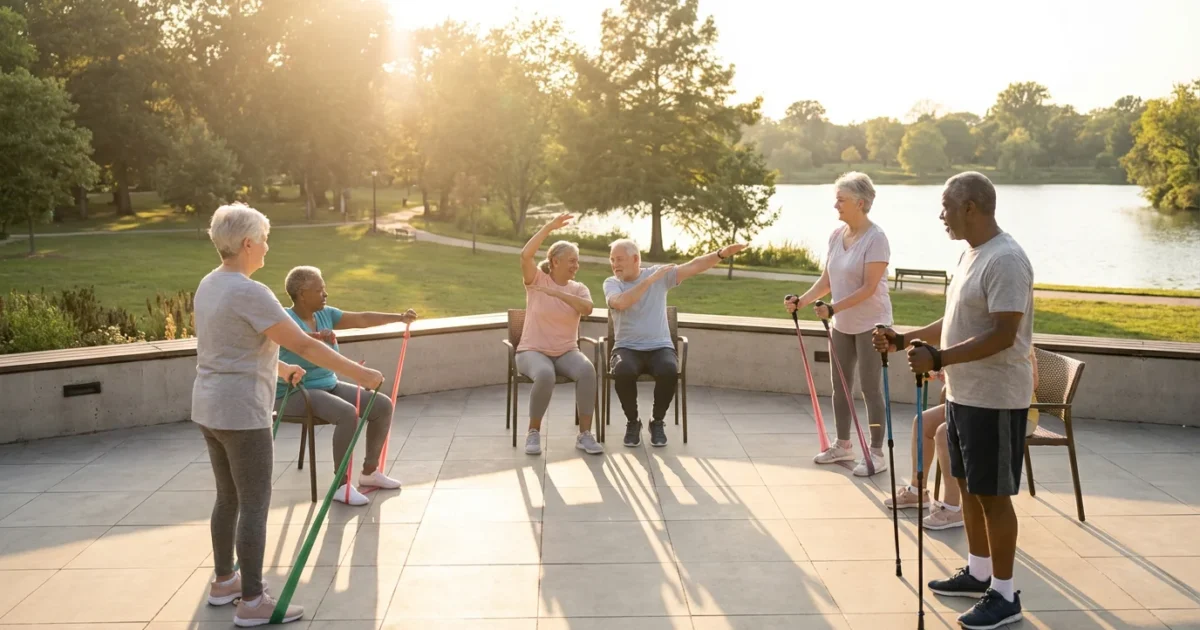
Maintaining your independence and enjoying daily life comfortably relies significantly on your physical well-being. Regular physical activity helps you move with greater ease, manage household tasks, and participate in hobbies you love. You do not need expensive gym memberships or complex routines to reap these benefits. Simple, safe exercises performed consistently at home make a remarkable difference in your strength, balance, and overall energy.
This guide provides practical, actionable insights for incorporating physical activity into your routine. You will learn about effective exercises that support daily living, safety precautions, and how to make movement a natural part of your day. We focus on strategies that empower you to stay active and confident in your own home.

Why Daily Movement Matters for Your Independence
Staying physically active directly impacts your ability to live independently and comfortably. Regular movement strengthens your muscles, improves your balance, and boosts your overall stamina. These benefits translate directly into easier daily activities, helping you avoid reliance on others for simple tasks.
Consider the common challenges seniors face, such as difficulty opening jars, standing up from a chair, or walking without feeling unsteady. Exercise directly addresses these issues. You build the strength necessary to lift groceries, maintain stability while reaching for items, and confidently navigate your home. Data from the National Institute on Aging consistently shows that older adults who remain active experience better health outcomes and a higher quality of life.
Regular physical activity significantly reduces your risk of falls. Falls are a leading cause of injury among older adults, often leading to serious health complications and a loss of independence. By strengthening your legs and core, and improving your balance, you actively work to prevent these incidents. This proactive approach helps you stay safe and self-reliant.
Movement also enhances your cognitive function and mood. Physical activity increases blood flow to the brain, supporting memory and problem-solving skills. It also releases endorphins, natural mood lifters that can alleviate feelings of stress or anxiety. You feel more energetic and positive, which makes managing your daily life more enjoyable.

Understanding Safe Exercise Guidelines for Seniors
Starting a new exercise routine requires a thoughtful approach, focusing on safety and consistency. You want to build sustainable habits that support your health without risking injury. Understanding basic exercise guidelines helps you establish an effective and safe program.
The Centers for Disease Control and Prevention (CDC) recommends that older adults aim for at least 150 minutes of moderate-intensity aerobic activity each week. You can break this down into 30 minutes, five days a week, or even shorter 10-minute sessions throughout the day. This level of activity helps maintain heart health, manage weight, and improve endurance.
In addition to aerobic exercise, the CDC advises muscle-strengthening activities at least two days a week. These exercises should work all major muscle groups: legs, hips, back, abdomen, chest, shoulders, and arms. Strength training maintains muscle mass, which naturally declines with age, and supports your bone density.
Always listen to your body. Exercise should never cause sharp pain. If you feel discomfort, stop the activity and rest. You can modify exercises to match your current fitness level, gradually increasing repetitions or duration as you get stronger. Consistency over intensity is key for long-term success and safety.
Begin each exercise session with a 5-10 minute warm-up. Light aerobic activity, like marching in place or arm circles, prepares your muscles and joints for movement. Finish with a 5-10 minute cool-down, incorporating gentle stretches to improve flexibility and prevent muscle stiffness. This structured approach helps prevent injuries and maximizes your workout benefits.
Building Strength: Simple Home Workouts
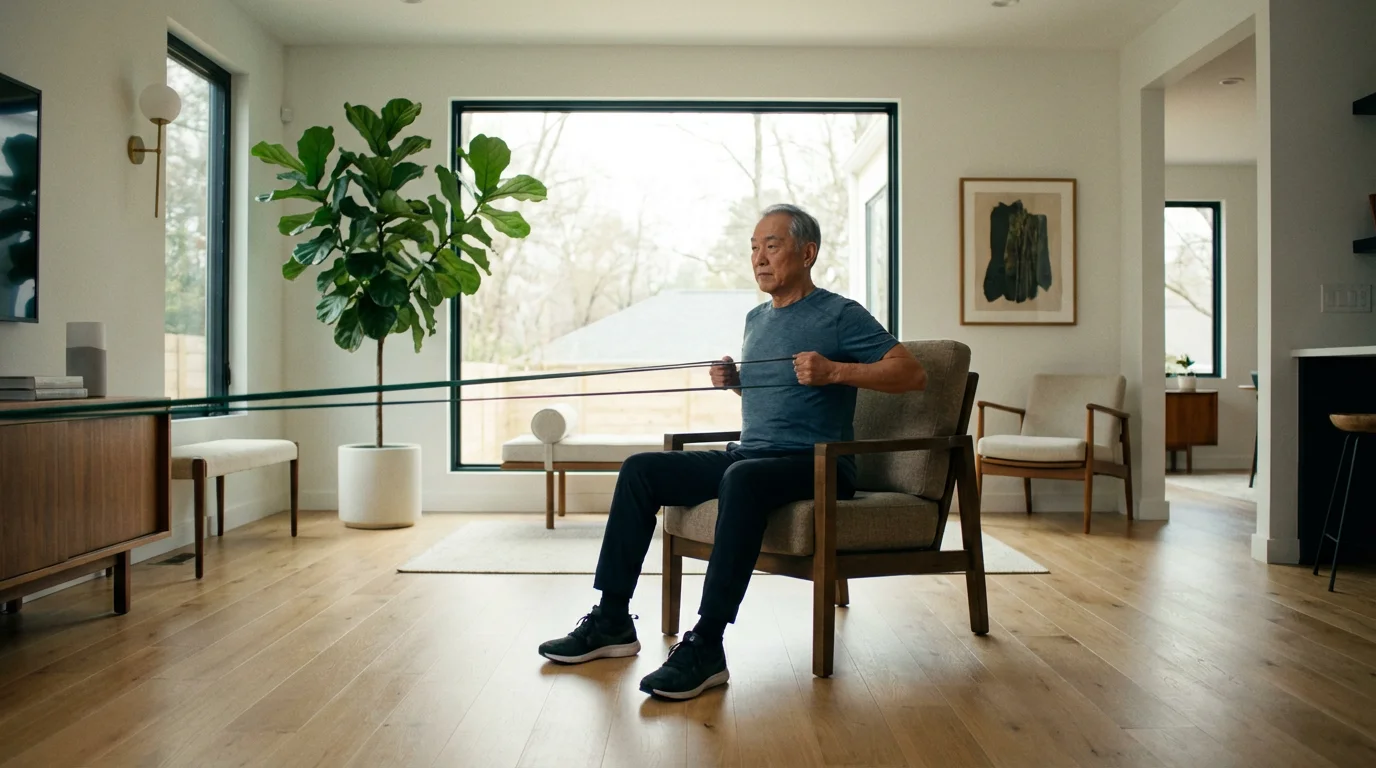
Strength training is crucial for maintaining muscle mass, improving bone density, and making everyday tasks easier. You do not need heavy weights or special equipment to build strength effectively. Many exercises use your own body weight or common household items as resistance.
Start with light resistance and focus on proper form to prevent injury. As you get stronger, you can gradually increase repetitions or the amount of resistance. Perform 8-12 repetitions of each exercise, aiming for 2-3 sets, 2-3 times per week.
Here are some simple, effective strength exercises you can do at home:
- Chair Stands:
- Sit tall in a sturdy chair with your feet flat on the floor, hip-width apart.
- Lean slightly forward, engaging your core.
- Push through your heels to stand up slowly, without using your hands if possible.
- Slowly lower yourself back down to the chair, stopping just before you sit fully, then repeat.
- This exercise strengthens your legs and helps with standing up from seated positions.
- Wall Push-Ups:
- Stand facing a wall, about an arm’s length away.
- Place your palms flat on the wall at shoulder height and width.
- Slowly bend your elbows, bringing your chest closer to the wall.
- Push back to the starting position.
- This strengthens your chest and arm muscles, useful for pushing doors or moving furniture.
- Bicep Curls with Household Items:
- Hold a light weight in each hand, such as a can of soup or a small water bottle.
- Stand or sit with your arms at your sides, palms facing forward.
- Keeping your elbows close to your body, slowly curl the weights up towards your shoulders.
- Slowly lower them back down.
- This strengthens your biceps, making it easier to lift and carry items.
- Leg Lifts (Seated or Standing):
- For seated: Sit in a sturdy chair, extend one leg straight out in front of you, keeping your knee straight and foot flexed. Hold briefly, then slowly lower.
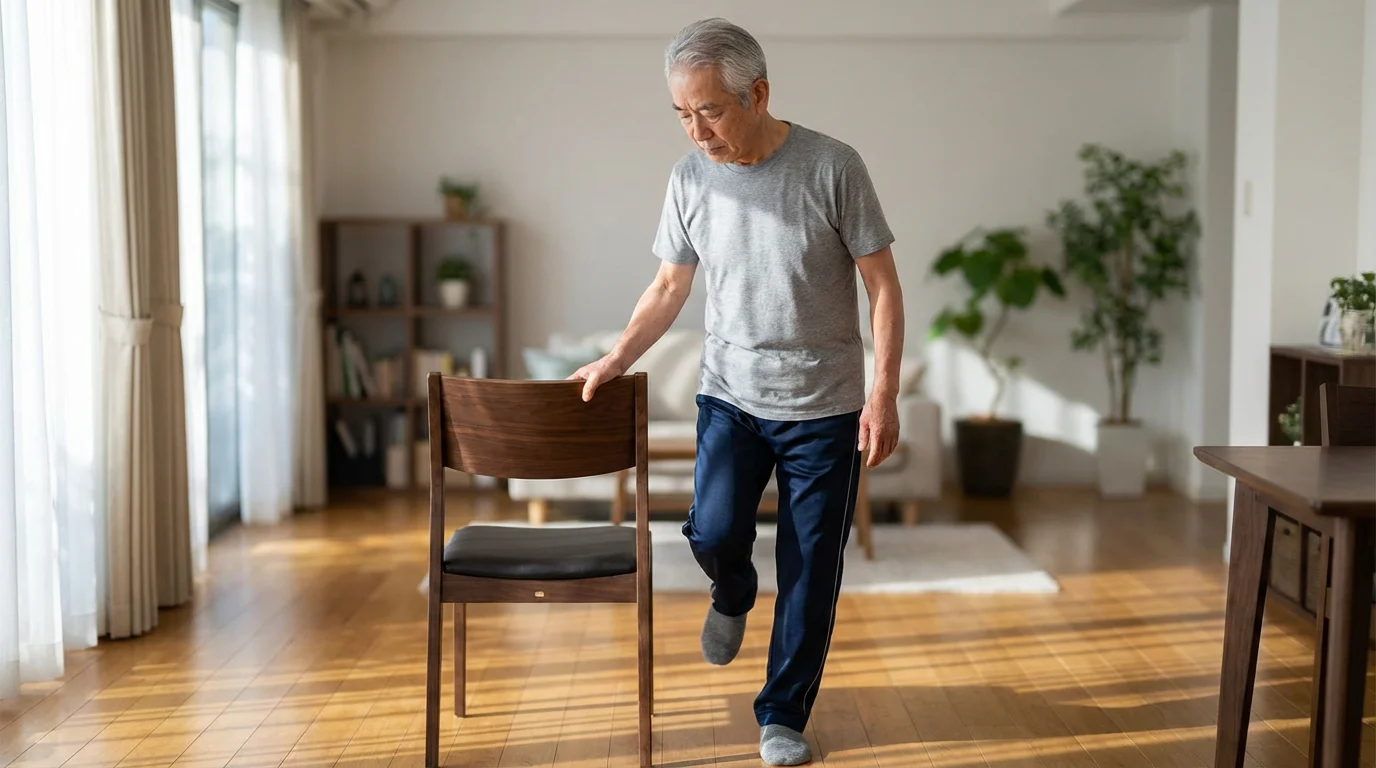
- For standing (use a chair for support): Stand tall, slowly lift one leg straight back behind you, engaging your gluteal muscles. Keep your back straight. Hold briefly, then lower.
- This strengthens your quadriceps (front of thighs) or glutes (buttocks), improving walking and stair climbing.
- Calf Raises:
- Stand behind a sturdy chair, holding onto it for support.
- Slowly raise yourself up onto the balls of your feet, lifting your heels as high as comfortable.
- Hold for a second, then slowly lower your heels back down.
- This strengthens your calf muscles, crucial for balance and walking efficiency.
Improving Balance and Flexibility for Fall Prevention
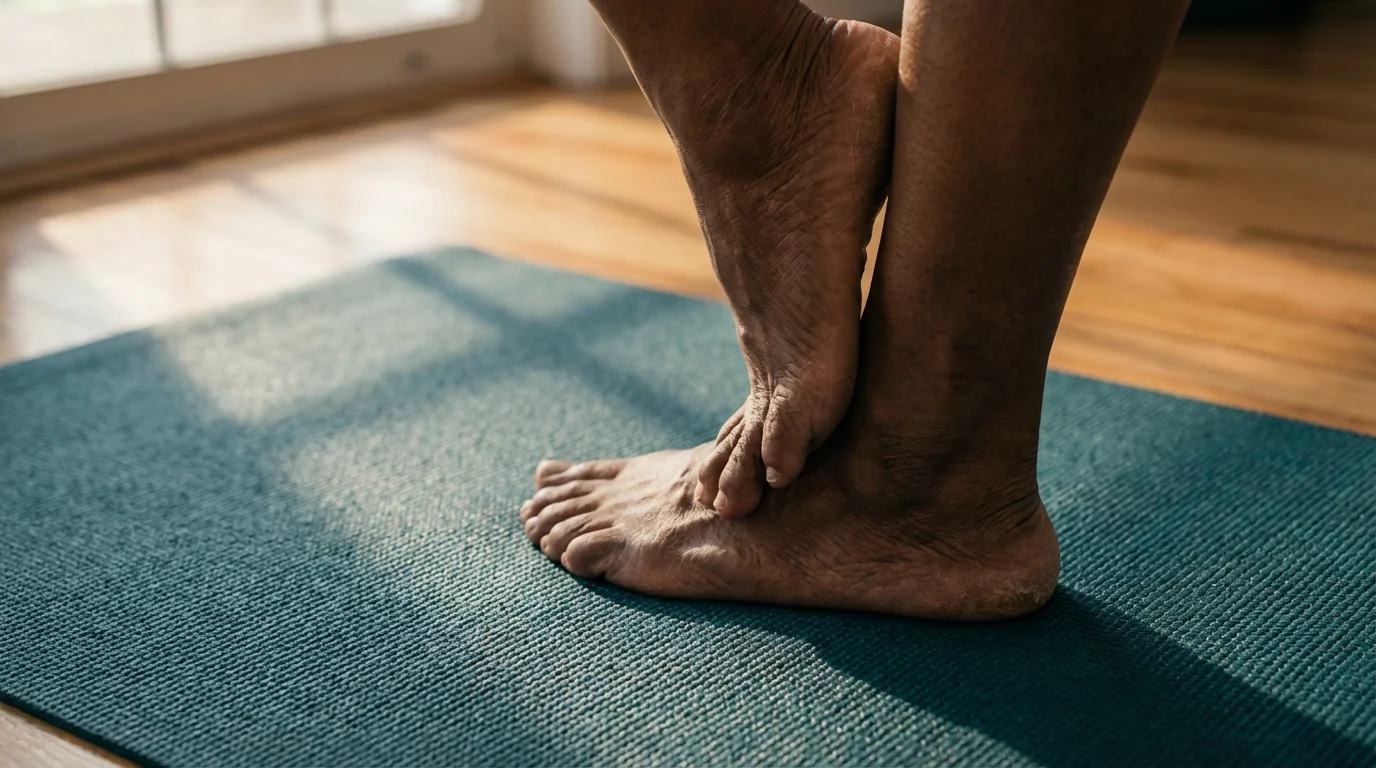
Balance and flexibility are paramount for preventing falls, which is a major concern for many seniors. Improving these areas helps you navigate uneven surfaces, recover from stumbles, and maintain stability. Incorporate these exercises into your routine several times a week. Always perform balance exercises near a wall or sturdy furniture so you can grab support if needed.
The CDC’s Falls Prevention initiative highlights balance training as a critical component for reducing fall risk. You significantly enhance your safety and confidence by consistently practicing these movements.
Here are practical exercises to boost your balance and flexibility:
- Heel-to-Toe Walk:
- Stand tall, placing the heel of one foot directly in front of the toes of the other foot, as if walking on a tightrope.
- Walk for 10-20 steps, maintaining your balance.
- Keep your gaze forward, not at your feet.
- This challenges your balance and proprioception (your body’s sense of position).
- Single-Leg Stand (with support):
- Stand behind a sturdy chair or near a wall, holding on lightly for support.
- Slowly lift one foot a few inches off the floor.
- Hold this position for 10-30 seconds, then switch legs.
- As your balance improves, try reducing your reliance on support.
- This directly strengthens the stabilizing muscles in your legs and core.
- Arm Circles:
- Stand or sit tall with your arms extended out to your sides at shoulder height.
- Make small circles with your arms, moving forward for 10-15 repetitions, then backward for 10-15 repetitions.
- This improves shoulder flexibility and mobility.
- Ankle Rotations:
- Sit in a chair, lift one foot slightly off the floor.
- Slowly rotate your ankle in circles, first clockwise, then counter-clockwise, for 10-15 repetitions each way.
- Switch to the other foot.
- This improves ankle flexibility and circulation, important for stable walking.
- Gentle Hamstring Stretch:
- Sit on the edge of a chair, extending one leg straight out with your heel on the floor and toes pointing up.
- Keeping your back straight, gently lean forward from your hips until you feel a stretch in the back of your thigh.
- Hold for 20-30 seconds, then switch legs.
- This improves flexibility in your hamstrings, which can affect posture and ease of movement.

Boosting Cardiovascular Health with Low-Impact Aerobics
Cardiovascular exercise, often called aerobic exercise, strengthens your heart and lungs, improves circulation, and boosts your stamina. You feel less fatigued during daily activities and experience better energy levels. Low-impact aerobic activities are gentle on your joints while still providing excellent heart health benefits.
Aim for at least 150 minutes of moderate-intensity aerobic activity per week. You know you are at a moderate intensity if you can talk but not sing during the activity. Break this down into manageable chunks throughout your day.
Here are effective low-impact aerobic options for seniors:
- Brisk Walking: This is one of the easiest and most effective forms of exercise. You can walk outdoors in your neighborhood or indoors at a mall or even around your home. Invest in comfortable, supportive walking shoes.
- Marching in Place: If outdoor walking is not an option, march vigorously in place in your living room. Lift your knees high and pump your arms to elevate your heart rate.
- Chair Aerobics: Many exercises can be adapted for a seated position. March your feet, do arm pumps, or perform seated punches to get your heart rate up without standing. Online videos or community programs often offer structured chair exercise classes.
- Dancing: Put on your favorite music and dance. This is an enjoyable way to get your heart rate up, improve coordination, and boost your mood. You can dance alone or with a partner.
- Water Walking or Aerobics: If you have access to a pool, walking in water provides excellent resistance and support, making it very gentle on your joints. Water aerobics classes are also a fun, effective option.
You can make aerobic exercise more enjoyable by finding an activity you genuinely like. Invite a friend to walk with you, listen to an audiobook while marching, or explore different types of music for dancing. Consistency is easier to achieve when you enjoy the process.
Incorporating Physical Activity into Your Daily Routine
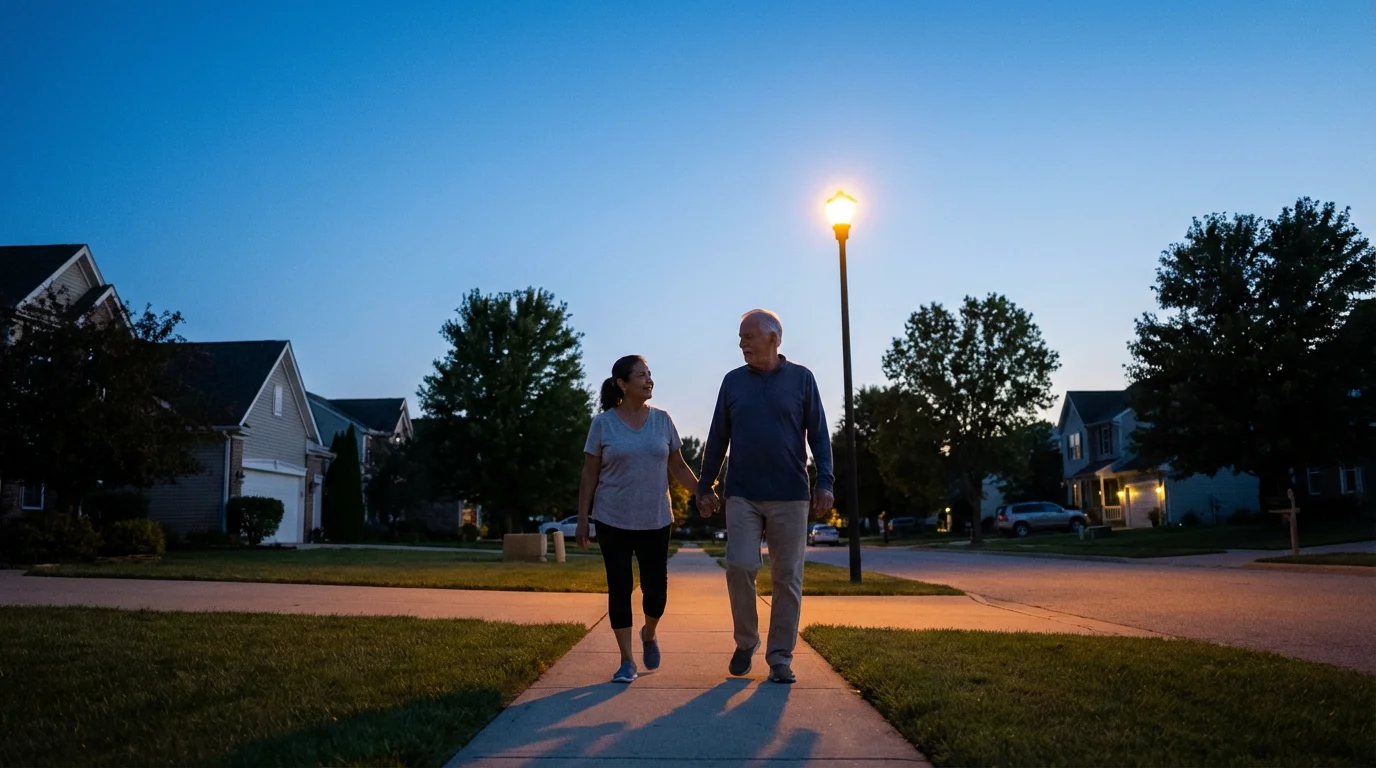
You do not always need to designate a specific “workout” time to be active. Integrating movement into your daily routine makes physical activity feel natural and less like a chore. Small changes accumulate into significant health benefits over time, enhancing your overall physical activity.
Look for opportunities throughout your day to move more. Each choice to be active, however small, contributes to your strength, balance, and energy. This approach ensures you meet daily physical activity recommendations more easily.
Consider these simple ways to weave more movement into your everyday life:
- Gardening and Yard Work: Raking leaves, weeding, planting flowers, or mowing the lawn (if safe and manageable) are excellent forms of physical activity. They involve bending, stretching, and light lifting.
- Housework: Cleaning your home, vacuuming, dusting, and doing laundry involve a surprising amount of movement. Turn on some music and make it an active chore.
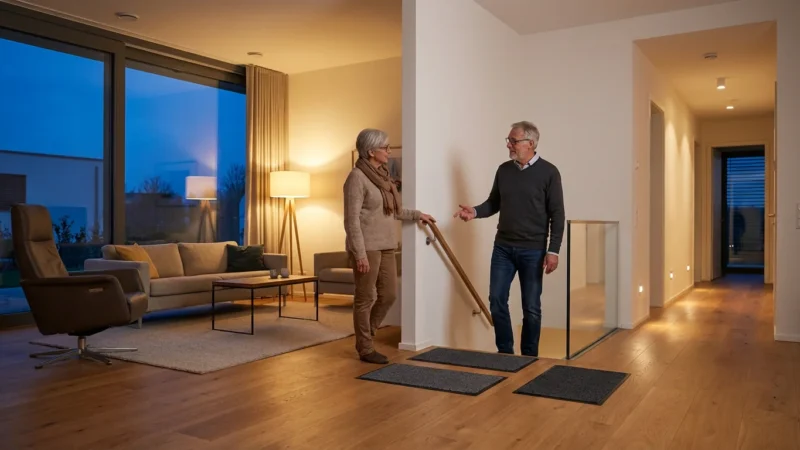
- Take the Stairs: If you have stairs in your home or access to them elsewhere, choose them over an elevator or escalator whenever possible. Take your time and use handrails for safety.
- Walk More: Park further away from store entrances, walk to the mailbox, or take an extra lap around your home. Even short bursts of walking add up.
- Stand While You Wait: Instead of sitting while waiting for an appointment, standing in line, or talking on the phone, choose to stand. You engage core and leg muscles.
- Active Hobbies: Engage in hobbies that involve movement, such as walking with your pet, playing with grandchildren, or exploring local parks.
Make a conscious effort to break up long periods of sitting. Set a timer to remind yourself to stand up and move around for a few minutes every hour. This simple habit can improve circulation and reduce stiffness.
“An ounce of prevention is worth a pound of cure.” — Benjamin Franklin
This wisdom applies perfectly to maintaining physical activity. Proactive movement now prevents many physical challenges later, supporting your long-term independence.
Essential Safety Tips for Your Home Workouts
Your home provides a convenient and private space for exercise, but safety must always come first. You want to ensure your exercise environment supports your movements and prevents accidents. Follow these critical safety tips for any home workout.
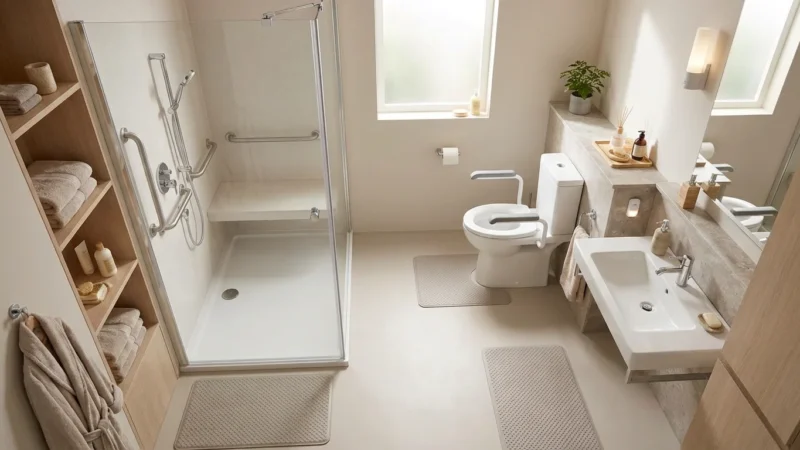
First, always ensure your exercise area is clear of clutter. Remove rugs, cords, or furniture that could trip you. You need sufficient space to move freely without bumping into anything. A clear path around your workout spot allows you to perform exercises safely and effectively.
Wear appropriate footwear. Sturdy, supportive athletic shoes provide stability and cushioning, reducing the risk of slips or falls. Avoid exercising in socks, bare feet (unless specifically for balance exercises on a non-slip surface), or loose slippers.
Stay hydrated by drinking water before, during, and after your workout, especially if you feel warm or perform longer sessions. Dehydration can lead to dizziness and fatigue, increasing your risk of injury. Keep a water bottle easily accessible.
Pay close attention to your body’s signals. If you experience sharp pain, dizziness, chest discomfort, or extreme shortness of breath, stop immediately. Do not push through pain. Rest and assess your condition. If symptoms persist or worsen, seek medical attention.
Use proper form for each exercise. Incorrect form can strain muscles and joints. If you are unsure about an exercise, watch reputable online tutorials or consult a physical therapist. It is better to perform fewer repetitions correctly than many repetitions with poor form.
Consider using a sturdy chair for support during balance exercises or when you need a rest. Place it against a wall to prevent it from sliding. You can also perform many exercises, such as bicep curls or leg lifts, while seated for added stability. Your safety is paramount, and these precautions help you exercise confidently.
When to Consult Your Doctor or a Physical Therapist
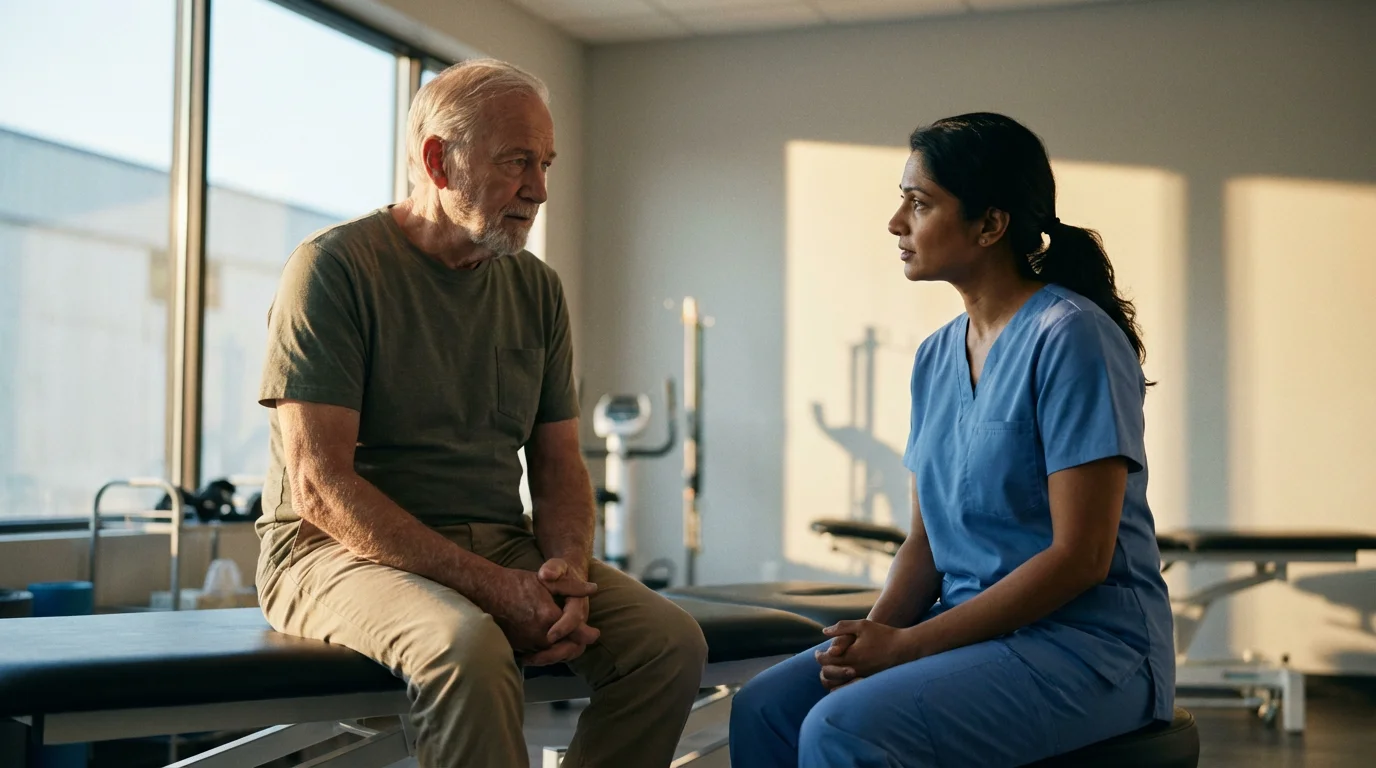
While simple home exercises offer tremendous benefits, knowing when to seek professional guidance is crucial for your safety and well-being. Your healthcare provider or a physical therapist can offer personalized advice, especially if you have underlying health conditions.
Before starting any new exercise program, particularly if you have chronic conditions such as heart disease, diabetes, arthritis, or a history of falls, consult your doctor. They can assess your overall health, identify any limitations, and recommend appropriate activities. Your doctor can also advise on any modifications needed for specific exercises.
A physical therapist is an excellent resource for developing a tailored exercise plan. They can:
- Assess Your Mobility: A physical therapist evaluates your strength, balance, and flexibility to identify areas needing improvement.
- Create a Personalized Program: They design exercises specifically for your needs, factoring in any injuries or chronic conditions. This ensures maximum benefit with minimal risk.
- Teach Proper Form: They demonstrate and correct your exercise technique, helping you perform movements safely and effectively.
- Address Specific Concerns: If you experience persistent pain, significant balance issues, or difficulty performing certain movements, a physical therapist can diagnose the cause and provide targeted interventions.
- Guide Progression: They help you safely advance your exercises as you get stronger, ensuring continuous improvement without overexertion.
You should also consult your doctor if you experience new or worsening pain, persistent dizziness, unexpected fatigue, or any unusual symptoms during or after exercise. These symptoms warrant professional evaluation to rule out any serious issues and adjust your activity level accordingly. Prioritizing professional input ensures your exercise journey remains safe and beneficial.
Frequently Asked Questions
What are some safe exercises for seniors?
Safe exercises for seniors typically include low-impact activities focusing on strength, balance, and flexibility. Examples are chair stands, wall push-ups, bicep curls with light weights, heel-to-toe walks, single-leg stands with support, and brisk walking. You can perform these exercises at home with minimal equipment, concentrating on proper form and listening to your body.
How much exercise do seniors need daily?
Seniors should aim for at least 30 minutes of moderate-intensity aerobic activity most days of the week, totaling 150 minutes weekly. Additionally, incorporate muscle-strengthening activities at least two days a week, working all major muscle groups. You can break down these recommendations into shorter, manageable segments throughout the day. Consistency is more important than intense, infrequent workouts.
Can I start exercising if I have never been active before?
Yes, you can absolutely start exercising even if you have never been active. Begin slowly with gentle movements and low repetitions, gradually increasing intensity and duration as your body adapts. Always consult your doctor before starting any new exercise program, especially if you have underlying health conditions. Focus on building a consistent routine, even if it starts with just 5-10 minutes of movement daily.
What if I have joint pain?
If you experience joint pain, choose low-impact exercises that minimize stress on your joints. Activities like chair exercises, water aerobics, and gentle stretching are often good options. You may need to modify exercises or reduce your range of motion. Consult your doctor or a physical therapist for personalized advice on managing joint pain during exercise and for specific recommendations.
How can I stay motivated to exercise regularly?
Staying motivated often comes down to making exercise enjoyable and consistent. Set realistic goals, find an activity you like, and incorporate it into your daily routine. Consider exercising with a friend, listening to music or podcasts, or tracking your progress to see how far you have come. Remember that every bit of movement contributes to your independence and well-being.
Disclaimer: This article is for informational purposes only. Home modifications, safety equipment, and services mentioned may vary in availability and suitability for individual circumstances. For significant home modifications, consult with qualified professionals. For health-related safety concerns, consult with healthcare providers.




Leave a Reply