
Maintaining independence and a fulfilling life as you age involves more than just managing your home and health. It also means staying connected. Social isolation, the objective lack of social contact and interaction, can significantly impact your well-being. You deserve a vibrant, engaged life, and this article provides practical strategies to help you achieve it. We empower you with actionable steps to strengthen your community ties and enrich your daily experience.

Understanding Social Isolation: More Than Just Being Alone
Social isolation differs from loneliness. Loneliness is a subjective, often painful, feeling of lacking connection, while social isolation describes an objective state where you have minimal social contact. You can feel lonely in a crowd, or perfectly content being alone. However, chronic social isolation carries significant health risks, even for those who prefer solitude.
Research consistently shows that social isolation is a serious public health concern, particularly for older adults. For example, the National Institute on Aging highlights how social isolation and loneliness pose serious health risks for older adults. These risks include increased likelihood of premature death, dementia, heart disease, stroke, and depression. A meta-analysis published in the journal PLOS Medicine highlighted that lacking social connection poses health risks comparable to smoking 15 cigarettes a day.
Recognizing these profound risks empowers you to take proactive steps for a healthier, happier life. Maintaining a robust social network acts as a protective factor, bolstering both your mental and physical resilience. This proactive approach helps you preserve your independence and enhance your overall quality of life.

The Power of Connection: Why Active Engagement Matters for Your Health
Active community involvement and strong social ties offer numerous, well-documented benefits. Your mental and physical health both improve significantly when you feel connected and engaged. Engaging with others keeps your mind sharp, elevates your mood, and even encourages healthier lifestyle choices. You become part of a larger network that supports your well-being.
Consider the tangible advantages that stem from active participation:
- Improved Mood and Emotional Well-being: Social interaction releases endorphins and oxytocin, natural mood lifters that reduce feelings of sadness and anxiety. Feeling valued by others significantly boosts your self-esteem and overall happiness.
- Enhanced Cognitive Function: Regular conversations, group activities, and learning opportunities stimulate your brain. This mental engagement helps maintain and even improve memory, problem-solving skills, and cognitive flexibility, potentially reducing the risk of cognitive decline.
- Better Physical Health Outcomes: Socially active individuals often engage in more physical activity, adhere better to medical advice, and maintain healthier diets. A strong social network can also provide practical support during health challenges, leading to faster recovery times.
- Stronger Sense of Purpose: Contributing to a group, participating in a cause, or mentoring others fosters a deep sense of value and meaning in your life. This purpose acts as a powerful motivator and contributes to a greater overall life satisfaction.
- Increased Resilience to Stress: A strong support network provides emotional backing during difficult times. Knowing you have people to rely on helps you navigate life’s inevitable challenges more effectively, reducing the detrimental impact of stress on your health.
These combined benefits directly contribute to your ability to maintain independence and enjoy life to the fullest. Active engagement is not just about fun; it is a fundamental pillar of healthy aging.
Finding Your Tribe: Community Groups and Senior Centers
Local senior community groups and dedicated senior centers offer a rich tapestry of opportunities. These hubs provide a welcoming environment where you can meet like-minded individuals, learn new skills, and participate in various activities. Many communities operate these centers, often managed by local government departments or non-profit organizations, with a focus on senior well-being.
To start your search for groups and centers in your area, follow these practical steps:
- Contact Your Local Government: Call your city or county’s parks and recreation department, or the specific division for aging services. They maintain comprehensive lists of local programs, facilities, and upcoming events tailored for seniors.
- Utilize Online National Resources: The Eldercare Locator, a public service of the U.S. Administration for Community Living, offers a powerful tool. You can search by zip code or city to find area agencies on aging, senior centers, and other local organizations offering support and activities in your immediate vicinity. This is an excellent starting point for discovering resources.
- Check Community Boards and Publications: Libraries, local grocery stores, community centers, and even faith-based organizations often display flyers for local senior activities. Many towns also have free community newspapers or online event calendars that list opportunities.
- Ask Friends, Neighbors, and Healthcare Providers: Word-of-mouth recommendations can uncover hidden gems. Your primary care physician or local pharmacists might also be aware of senior-friendly programs or support groups.
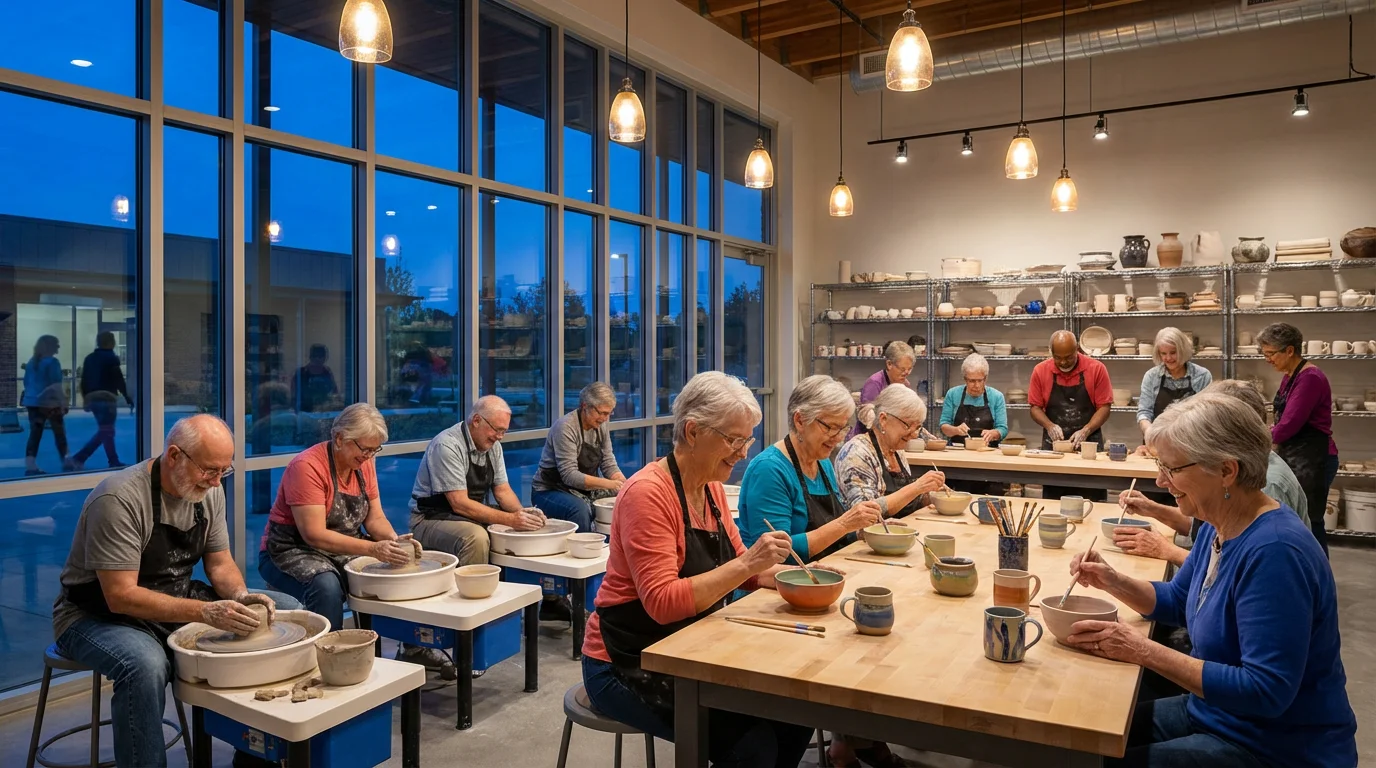
Most senior centers offer a remarkably diverse range of activities. You can find options covering everything from arts and crafts like painting or pottery to educational seminars, current events discussions, card games (bridge, euchre), fitness classes (chair yoga, Zumba Gold), and even organized day trips to local attractions. Many activities are free or have a minimal fee, typically under $10 per session, making them highly accessible for any budget. This makes senior centers excellent resources for preventing social isolation and fostering community involvement.

Embrace New Hobbies and Learning Opportunities
Learning something new keeps your mind engaged, provides a sense of accomplishment, and offers fresh avenues for social connection. Many educational institutions and community organizations offer classes specifically tailored for older adults. These opportunities range from artistic endeavors and musical pursuits to technology skills and foreign languages. You might rediscover a long-forgotten passion or ignite a completely new one.
Consider these practical avenues for expanding your horizons and connecting with others through learning:
- Community Colleges and Universities: Many offer auditing options or special senior rates for specific classes. You can explore subjects from history and literature to computer skills and photography. Some institutions, like Osher Lifelong Learning Institutes (OLLI), specifically design programs for older learners, fostering vibrant communities.
- Local Libraries: Libraries are invaluable community hubs. They host book clubs, writing workshops, poetry readings, and lectures on a wide array of topics. Many also provide free access to online learning platforms and resources, allowing you to learn from home while still participating in online discussions or virtual groups.
- Adult Education Programs: Check with your local school district or community organizations for adult education courses. These can include practical skills like cooking, gardening, home repair, or even financial planning. These courses often bring together people with similar practical goals.
- Art and Music Schools: Local art studios offer painting, sculpting, or drawing classes. Community music schools or cultural centers host choirs, instrument lessons, or music appreciation groups. Engaging creatively is a powerful way to connect.
- Online Learning Platforms: Websites like Coursera, edX, or even YouTube offer thousands of free and paid courses on virtually any topic imaginable. While primarily individual learning, many platforms feature online forums and discussion groups that foster a sense of community among learners.
Starting a new hobby or taking a class gives you a built-in common ground to connect with others. Even if an initial class or group has a fee—for example, a multi-week pottery class might cost $100-$200 for materials and instruction—the long-term benefits to your well-being, including new skills and lasting friendships, often far outweigh the investment. These opportunities are key to preventing social isolation and enriching your daily life.
Volunteer Your Time: Make a Difference and Connect
Volunteering offers a powerful, two-fold approach to combat social isolation while making a tangible impact in your community. Giving back creates a profound sense of purpose and provides structured opportunities for consistent social interaction. You meet new people who share your values, forming meaningful connections and expanding your social circle.
“An ounce of prevention is worth a pound of cure.”
This wisdom applies strongly to preventing social isolation. Volunteering is a proactive step that delivers immense personal rewards, enhancing your mental and emotional health. You contribute to a cause you care about and simultaneously enrich your own life by fostering new relationships and staying active.
Explore these diverse potential volunteering avenues that match your interests and skills:
- Local Hospitals or Clinics: Assist with administrative tasks, greet visitors, provide companionship to patients, or help with gift shop operations.
- Schools or Libraries: Tutor children, read to students, mentor young adults, or assist with shelving and organizing at the library. You might help with after-school programs or special events.
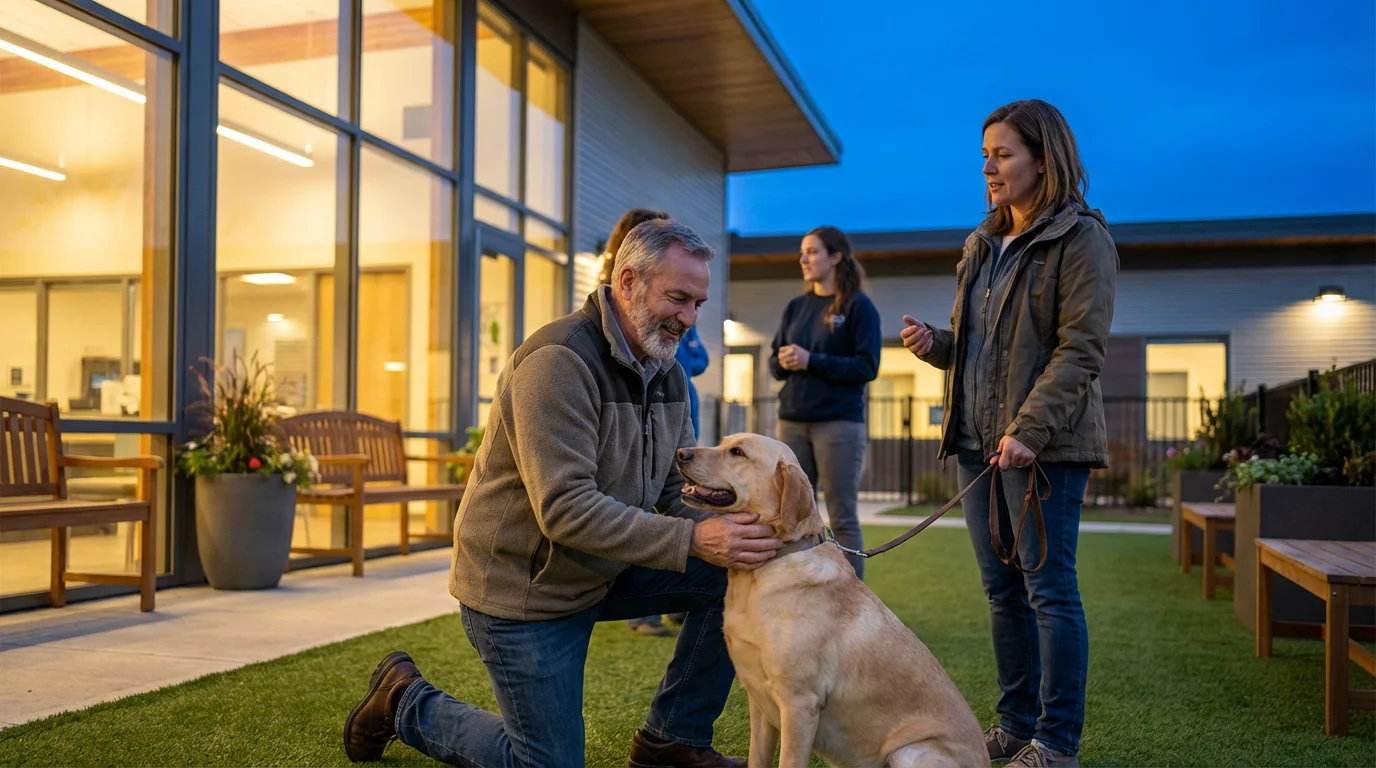
- Animal Shelters or Rescues: Walk dogs, cuddle cats, assist with shelter maintenance, or help with adoption events. This provides emotional benefits from interaction with animals as well as people.
- Food Banks or Soup Kitchens: Prepare and serve meals, sort donations, assist with distribution, or help manage inventory. These roles are vital to community well-being.
- Environmental Groups: Participate in local park cleanups, trail maintenance, community gardening projects, or educational outreach programs about conservation.
- Senior Peer Programs: Offer companionship to other seniors who may be homebound, isolated, or need support navigating services. This creates direct, impactful connections.
- Museums or Cultural Centers: Serve as a docent, provide administrative support, or assist with event planning and execution.
- Community Event Support: Help organize or staff local festivals, fundraisers, or charity runs.
Many volunteer opportunities require minimal time commitment, perhaps a few hours a week, allowing flexibility with your schedule. Most are free to participate, although some organizations may require a background check, which might involve a small, reimbursable fee. The experience of contributing often far surpasses any minor inconvenience or cost, providing invaluable social benefits and a deep sense of fulfillment.

Leveraging Technology for Connection
Technology offers incredible tools to stay connected, especially if mobility challenges or geographical distance limit your ability to participate in in-person activities. Video calls, social media, and online communities bridge distances and foster daily interaction. Do not let unfamiliarity prevent you from exploring these powerful resources; a little patience opens up a world of connection.
Consider these practical ways to integrate technology into your social life:
- Video Calls: Platforms like Zoom, Skype, or FaceTime allow you to see and speak with family and friends across the globe. Schedule regular video calls with loved ones, especially grandchildren, to maintain close relationships and feel more present in their lives.
- Social Media Platforms: Facebook, Instagram, or Nextdoor provide avenues to connect with family, reconnect with old friends, and engage with local community members. Join groups focused on your specific interests—gardening, cooking, local history—to find online companions and discussion partners.
- Online Forums and Communities: Many websites host forums dedicated to specific hobbies, health conditions, or life stages. These platforms offer a safe and supportive space to share experiences, ask questions, and offer advice to others facing similar circumstances. Examples include forums for specific medical conditions or travel enthusiasts.
- Email and Messaging Apps: Simple communication tools like email or WhatsApp keep you in touch with daily updates from friends and family. They allow for quick, informal exchanges that maintain a sense of ongoing connection.
- Online Gaming: Casual online games, particularly those that are turn-based or cooperative, offer a fun and engaging way to interact with others. Many games have built-in chat features, providing both entertainment and social connection with fellow players.
If you feel overwhelmed by technology, seek assistance. Many senior centers offer free basic computer and internet classes. Your local library may also provide one-on-one tech support sessions by appointment. Adult children or grandchildren can also help set up devices and patiently walk you through the basics. A basic tablet or smartphone can cost from $100 to $500, but provides invaluable access to connection, potentially on a monthly plan of $20-$50. Investing in learning these skills is an investment in preventing social isolation and maintaining an active mind.
Staying Active and Mobile: Physical Engagement for Social Benefits
Physical activity boosts your mood and provides excellent opportunities for social interaction. Many fitness programs specifically cater to seniors, ensuring exercises are safe, effective, and adapted to various ability levels. Staying mobile directly enables you to participate more readily in community life, reducing barriers to engagement. Regular exercise also improves balance, strength, and flexibility, which are critical for independent living.
Engaging in physical activities with a social component:
- Walking Groups: Many communities organize walking clubs, often meeting at local parks, malls, or community tracks. These offer a chance to exercise outdoors or indoors and chat with fellow walkers, providing both physical and social benefits.
- Senior Fitness Classes: Look for classes like chair yoga, water aerobics, low-impact strength training, or Tai Chi at your local YMCA, community center, or senior center. These classes are designed to be safe and effective, and they often foster a strong sense of camaraderie among participants who share similar fitness goals.
- Dance Classes: Ballroom dancing, line dancing, or even Zumba Gold (a lower-impact version of Zumba) provide a fun, active, and highly social outlet. Learning new steps and moving to music with partners or groups is an invigorating way to connect.
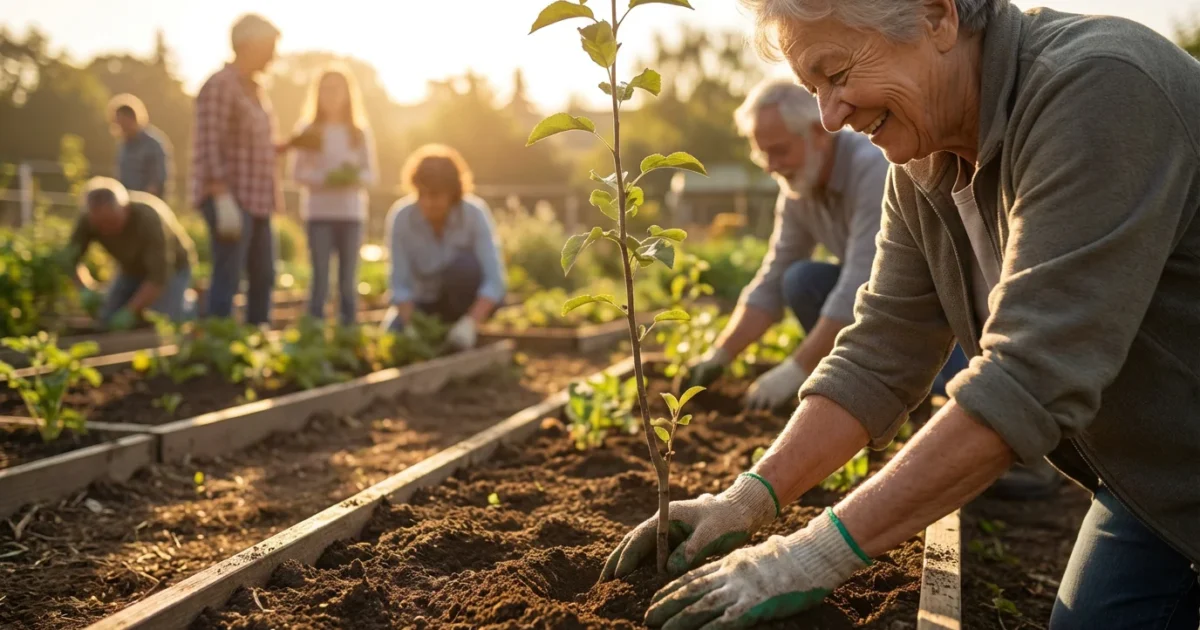
- Gardening Clubs or Community Gardens: If you enjoy gardening, joining a community garden or gardening club gets you outdoors, provides light physical activity, and connects you with others who share your passion for plants and nature.
- Organized Sports Leagues: Consider joining a golf league, bocce ball league, pickleball group, or even bowling league. These organized sports offer competitive and social play, often followed by social gatherings, strengthening bonds between teammates.
Membership fees for gyms or community centers vary, typically ranging from $30-$80 per month. However, many Medicare Advantage plans include fitness benefits like SilverSneakers or Renew Active, which cover memberships at participating facilities for eligible individuals. These programs significantly reduce or even eliminate costs, making regular physical activity and social engagement more accessible. Prioritizing your physical health directly enhances your opportunities for social connection, actively preventing social isolation.
Overcoming Barriers to Engagement
Several factors can prevent you from participating in social activities. Recognizing these barriers helps you proactively find solutions. You might face challenges related to transportation, persistent health issues, financial constraints, or even personal apprehension. Addressing these challenges head-on empowers you to re-engage with your community and maintain your desired level of independence.
Implement these strategies for overcoming common barriers to social engagement:
- Transportation Challenges:
- Ride-Sharing Services: Companies like Uber or Lyft offer convenient, on-demand transportation. Many now offer options tailored for older adults, such as phone booking services or partnerships with senior organizations, for those who prefer not to use a smartphone app directly.
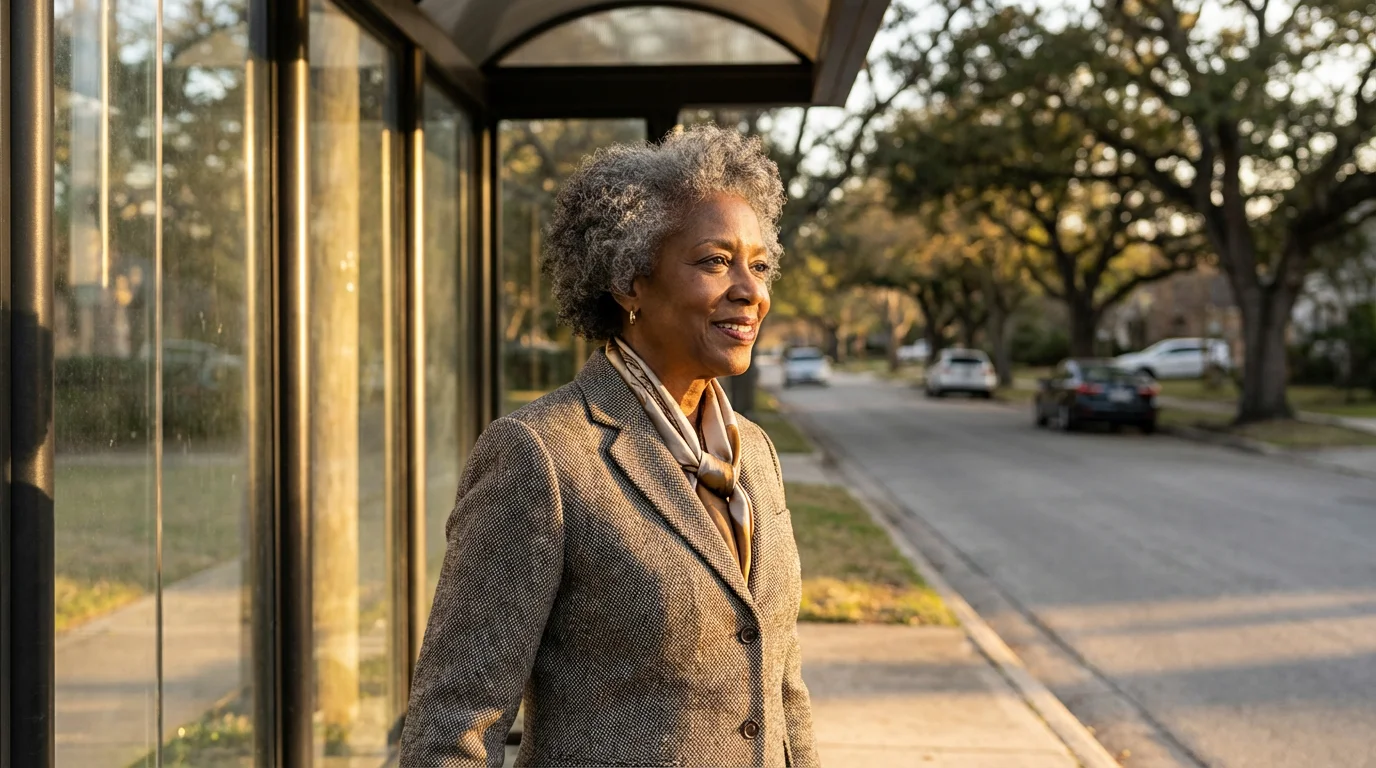
- Public Transit: Familiarize yourself with local bus or train routes. Many public transportation systems offer significant senior discounts or specialized paratransit services for those with mobility limitations. Contact your local transit authority for details and eligibility.
- Volunteer Driver Programs: Some non-profit organizations or senior centers organize volunteer drivers to assist seniors with medical appointments, grocery shopping, and social outings. Check with your local senior center or Area Agency on Aging for these valuable services.
- Car-pooling: Coordinate with friends, neighbors, or fellow participants who attend the same events or classes. Sharing rides reduces costs and offers an immediate social connection.
- Health Concerns and Mobility Limitations:
- Communicate Your Needs: Inform activity organizers about any mobility or health limitations you have. Many programs actively adapt activities to accommodate various abilities, offering seated options or slower paces.
- Consult Your Doctor: Discuss suitable activities with your healthcare provider. They can offer personalized guidance on safe participation levels and recommend specific exercises or programs that align with your health status.
- Start Small and Gradually Increase: Begin with less strenuous activities or shorter durations. Gradually increase your involvement as your stamina and confidence improve. Small steps lead to significant progress.
- Explore Accessible Venues: Prioritize venues that offer ramps, elevators, accessible restrooms, and easy parking.
- Financial Constraints:
- Seek Free Activities: Libraries, public parks, and many senior centers offer numerous free events, classes, and social gatherings. Take advantage of these readily available resources.
- Inquire About Senior Discounts: Always ask about senior rates or discounts for classes, events, museum admissions, or memberships. Many organizations offer reduced fees as a standard practice.
- Look for Scholarships or Subsidies: Some community organizations or educational institutions offer financial assistance or scholarships for programs. Do not hesitate to inquire about these options if cost is a barrier.
- Shyness, Social Anxiety, or Fear of the Unknown:
- Bring a Friend: Attending an event or class with a familiar face can significantly reduce initial anxiety and make it easier to meet new people.
- Start with Familiar Settings: Begin with activities in places where you already feel comfortable, such as your local library, community center, or place of worship.
- Focus on Shared Interests: Joining a group based on a hobby or interest you genuinely enjoy provides an immediate conversation starter and common ground, making interactions feel more natural.
- Set Small Goals: Aim to talk to one new person per event, or attend for a specific amount of time. Celebrate small victories.
You have many options and resources available to navigate these challenges. Proactively seeking solutions and being open to new approaches makes a significant difference in your ability to maintain a rich, connected social life and prevent social isolation. Do not underestimate your capacity to overcome these hurdles.

Supporting Loved Ones in Preventing Social Isolation
Adult children, family members, and caregivers play a crucial and often indispensable role in helping seniors stay connected and engaged. Your support can empower a senior to overcome barriers, discover new avenues for engagement, and maintain their social well-being. You act as a facilitator, offering practical assistance, encouragement, and understanding.
Consider these practical and empathetic ways you can support seniors in your life:
- Offer Reliable Transportation: Drive them to medical appointments, social events, visits with friends, or community center activities. Consistent and dependable transportation removes a major barrier for many seniors.
- Research and Present Local Programs: Investigate senior centers, classes, volunteer opportunities, and local events in their area. Share this information in an inviting way, highlighting aspects you know they might enjoy. Help them with registration or making initial inquiries.
- Facilitate Technology Use: Set up video calling apps, social media accounts, or online learning platforms on their devices. Patiently teach them how to use these tools, practicing together and troubleshooting any issues. Consider “senior-friendly” devices or apps for easier navigation.
- Encourage and Suggest New Hobbies: Based on their past interests or latent curiosities, suggest activities they might enjoy. Offer to try a new class or attend an initial meeting with them to ease any apprehension.
- Prioritize Regular Visits and Calls: Consistent personal visits, phone calls, or video chats provide direct social contact and strengthen your bond. These regular interactions are a fundamental part of their social network.
- Connect with Other Family Members and Friends: Actively encourage phone calls, letters, or visits from other relatives and their long-time friends. Help coordinate these connections, especially if distance is a factor.
- Listen Actively and Respect Their Choices: Pay attention to their feelings, preferences, and concerns regarding social activities. Do not push them into something they genuinely dislike or are not ready for. Respect their autonomy and their pace.
- Assist with Practical Arrangements: Help organize their home to make it more accessible for visitors, or manage household tasks that free up their time and energy for social outings.
- Be a Source of Positive Reinforcement: Acknowledge their efforts to engage. Celebrate small successes, like attending a new class or making a new friend. Your encouragement is powerful.
Your active, thoughtful involvement makes a profound difference in a senior’s ability to combat social isolation. Remember, the goal is always to empower their independence and enhance their quality of life, not to replace their agency or make decisions for them. Your support helps them build their own engaged and vibrant community.
Frequently Asked Questions
How can I prevent social isolation as a senior if I have limited mobility?
Even with limited mobility, you have many excellent options for preventing social isolation. Technology offers video calls, social media, and online communities that connect you globally from home. Look for senior centers with accessible facilities or programs like chair yoga and seated exercises. Many organizations offer volunteer roles that you can perform from home, such as phone support or administrative tasks. Additionally, many communities offer paratransit services or volunteer driver programs to assist with transportation to accessible locations, enabling you to participate in in-person activities.
What are some local senior community groups I can join?
Local senior community groups vary by area, but common and accessible examples include senior centers, local branches of national organizations like AARP, community recreation clubs, and faith-based groups. Libraries often host book clubs, writing workshops, and educational lectures. Community colleges may offer senior-specific classes. To find specific groups and activities near you, use resources like the Eldercare Locator, contact your city’s parks and recreation department, or check local newspapers and community boards. You can also ask friends or neighbors for recommendations.
Are most senior activities expensive?
No, many senior activities are very low-cost or even free. Senior centers frequently offer free or donation-based programs, which include social gatherings, games, and educational sessions. Libraries provide free access to books, internet, computer classes, and various workshops. Volunteer opportunities cost nothing and provide immense social rewards. For activities with fees, such as some specialized classes or gym memberships, always inquire about senior discounts or financial assistance programs. Many Medicare Advantage plans also cover fitness memberships through programs like SilverSneakers or Renew Active, significantly reducing or eliminating your expenses.
How do I start building new friendships after experiencing a loss or moving to a new area?
Starting new friendships takes courage and effort, but it is very achievable. Begin by joining groups or activities based on shared interests; this provides an immediate common ground for conversation. Participating in a book club, a walking group, a volunteer organization, or a class gives you regular opportunities to interact with the same people. Be open and friendly; make eye contact, smile, and strike up conversations with others in these settings. Offer to exchange contact information or suggest meeting for coffee or lunch after an activity. Consistency matters, so keep showing up and engaging. Remember, friendships often develop gradually through repeated positive interactions.
How can adult children help their parents prevent social isolation without being overbearing?
Adult children can help by offering practical support and encouragement without taking over. Start by listening to your parents’ preferences and concerns about social activities. Offer to help with transportation or research local senior programs and share the information with them. Facilitate technology use by setting up video calls or teaching them social media basics. Encourage new hobbies or activities without forcing them. Regular visits and phone calls from you are also vital. The goal is to empower their independence by providing tools and support, allowing them to choose their level of engagement and build their own social connections.
Disclaimer: This article is for informational purposes only. Home modifications, safety equipment, and services mentioned may vary in availability and suitability for individual circumstances. For significant home modifications, consult with qualified professionals. For health-related safety concerns, consult with healthcare providers.




Leave a Reply