

Preparing for emergencies means securing your independence and well-being. A well-stocked emergency kit provides peace of mind and essential resources when unforeseen events disrupt daily life. Whether you face a power outage, a natural disaster, or a severe storm, having a plan and a kit ready ensures you can manage effectively until help arrives or normal services resume.
This comprehensive guide helps you assemble a robust emergency kit tailored to your needs. We cover everything from basic survival items to critical documents and personal considerations, empowering you to maintain safety and comfort in any emergency situation.

Why Emergency Preparedness is Crucial for Seniors
Emergency preparedness becomes increasingly important as we age. Seniors often face unique challenges during disasters, including potential mobility issues, reliance on specific medications, and a greater need for assistance. Proactive planning directly enhances your safety and your ability to remain independent during a crisis.
When services are disrupted, a well-equipped kit ensures you have access to necessities. It reduces stress and provides a sense of control during chaotic times. Thinking ahead protects your health and your home.
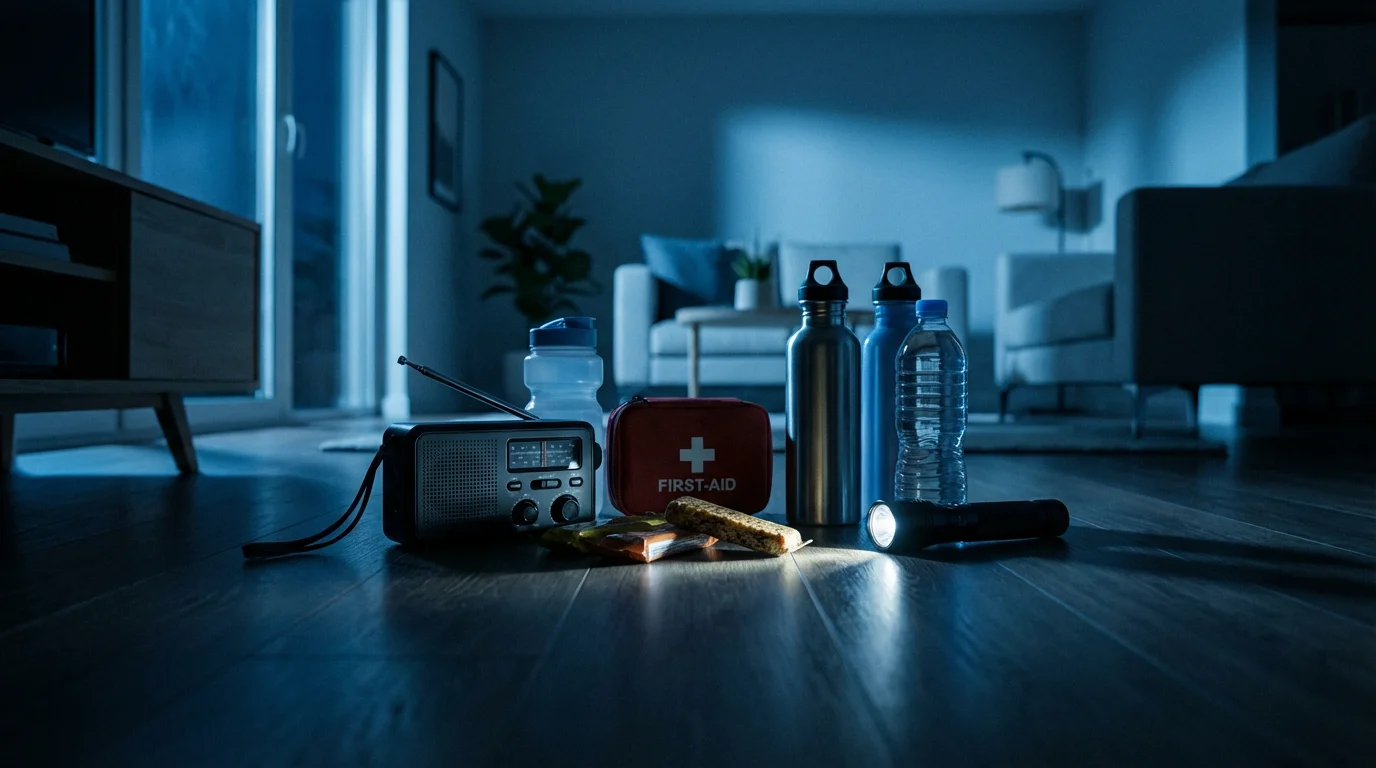
The Foundation of Your Emergency Kit: Essentials for Survival
Your emergency kit serves as your lifeline, containing items you cannot live without for at least 72 hours, ideally longer. Focus on essentials that sustain life and provide basic comfort. Gather these items in an easy-to-carry container, such as a sturdy backpack or storage bin.
Water: Your Most Critical Resource
Access to clean drinking water is paramount. Store at least one gallon of water per person, per day, for a minimum of three days. Remember, this includes water for hydration, basic hygiene, and cooking.
Consider these options for your water supply:
- Bottled water: Purchase commercially bottled water with a clear expiration date.
- Water purification tablets: These can make questionable water sources safe to drink, but always follow instructions carefully.
- Portable water filter: A personal water filter straw or pump can also provide safe drinking water from various sources.
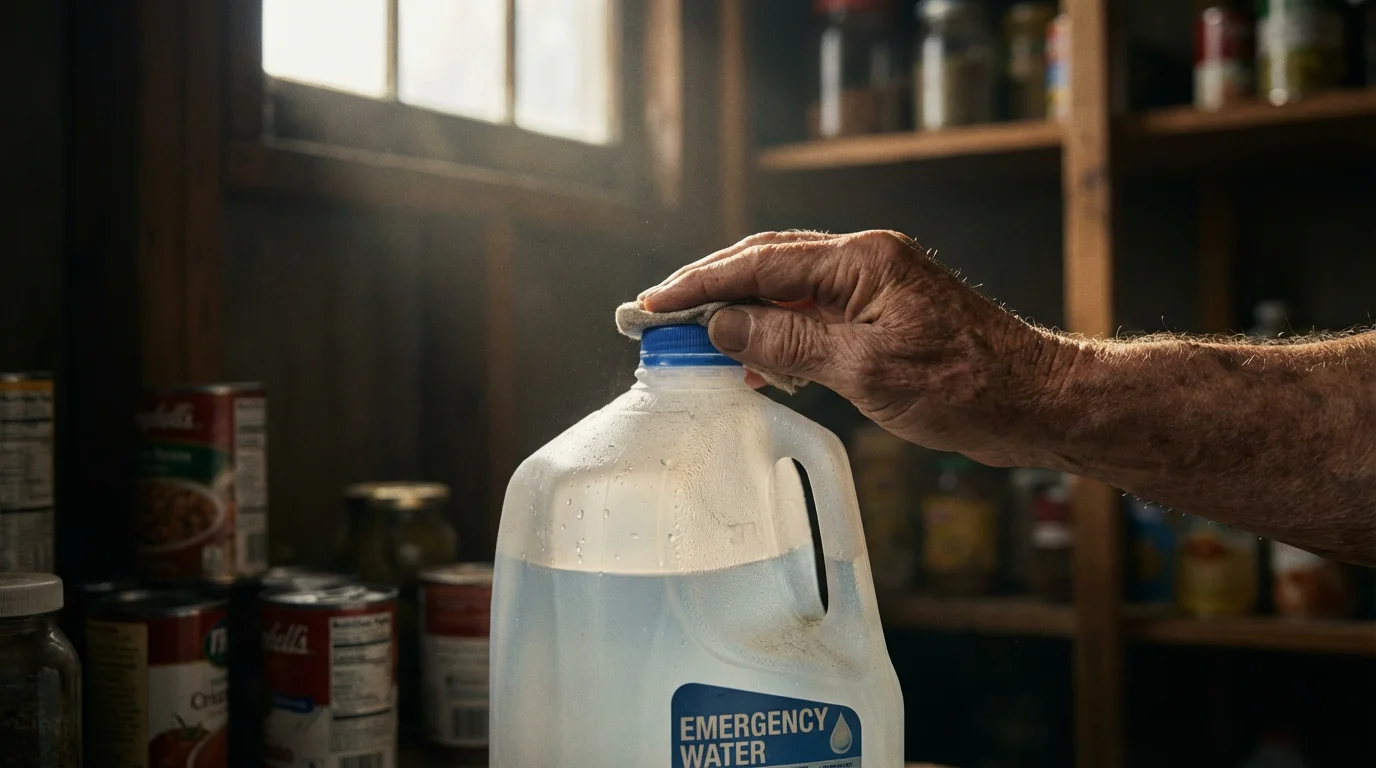
Rotate your stored water every six months to ensure freshness and safety.
Non-Perishable Food Supply
Choose foods that require no cooking, refrigeration, or special preparation. Select items you enjoy eating and that provide good nutritional value. Aim for a three-day supply per person, or more if possible.
Essential food items include:
- Canned goods: Beans, vegetables, fruits, and meats are excellent choices. Ensure you have a manual can opener.
- Protein bars and granola bars: These offer quick energy and are easy to store.
- Dried fruit and nuts: A nutritious and energy-dense option.
- Peanut butter or other nut butters: A good source of protein and healthy fats.
- Crackers and whole-grain cereals: Provide carbohydrates for energy.
Check expiration dates quarterly and replace items as needed.
First Aid Supplies
A comprehensive first aid kit addresses minor injuries and medical emergencies. You can purchase a pre-assembled kit or build your own.
Your first aid kit should contain:
- Bandages: Various sizes for cuts and scrapes.
- Antiseptic wipes and rubbing alcohol: For cleaning wounds.
- Antibiotic ointment: To prevent infection.
- Pain relievers: Over-the-counter options like acetaminophen or ibuprofen.
- Gauze pads and medical tape: For larger wounds or sprains.
- Scissors and tweezers: For cutting tape or removing splinters.
- Hand sanitizer: For hygiene when water is scarce.
- Any personal allergy medication: If you have specific sensitivities.
Regularly review your first aid kit to replace expired medications and restock used items.
Lighting and Communication
During a power outage, reliable lighting and communication tools are essential. You need to see your surroundings and connect with loved ones or emergency services.
Include these critical items:
- Flashlights: At least two, with extra batteries. Consider LED flashlights for longer battery life.
- Headlamps: Frees your hands for other tasks.
- Battery-powered or hand-crank radio: For receiving emergency broadcasts and weather alerts.
- Portable power bank: Fully charged, to recharge your cell phone and other small electronic devices.
- Whistle: For signaling for help, especially if you have mobility limitations.
Store batteries separately from devices to prevent corrosion and test them regularly.
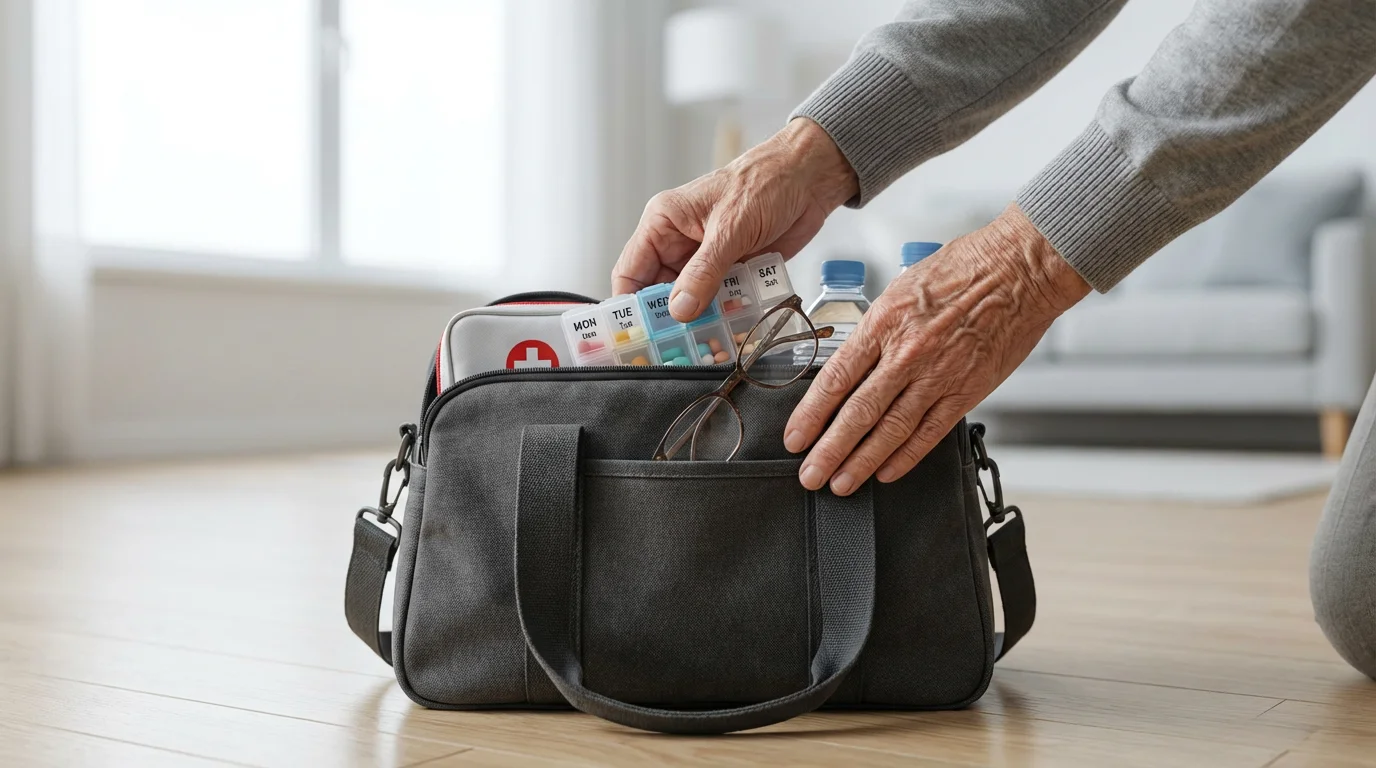
Tailoring Your Kit: Special Considerations for Seniors
Your emergency kit must reflect your individual health and daily living requirements. Personalizing your kit ensures your specific needs are met during a crisis.
Medications and Medical Devices
This is perhaps the most critical section for seniors. Create a separate, waterproof bag for all essential health-related items.
Include:
- Prescription medications: A seven-day supply, if possible, along with a list of medications, dosages, and prescribing doctors. Discuss with your doctor how to safely store extra medication.
- Over-the-counter medications: Daily essentials like antacids, laxatives, and any specific pain relief you regularly use.
- Medical alert device: Ensure it is charged and accessible, with a backup power source if applicable.
- Hearing aids and extra batteries: Crucial for communication.
- Eyeglasses and a spare pair: Essential for reading, navigation, and safety.
- Mobility aids: If space permits, include a collapsible cane or walker.
- Oxygen tanks or other medical equipment: Work with your healthcare provider to plan for power outages or evacuation.
- Glucose monitor and supplies: If you manage diabetes.
“An ounce of prevention is worth a pound of cure.” Taking the time to organize your medical supplies now can save lives later.
Hygiene and Sanitation
Maintaining personal hygiene is important for comfort and health, even in emergencies.
Your kit should contain:
- Moist towelettes or wet wipes: For personal cleaning.
- Hand sanitizer: Alcohol-based for killing germs.
- Toilet paper: A small, compact roll.
- Feminine hygiene products: If applicable.
- Garbage bags and plastic ties: For waste disposal and sanitation.
- Soap and shampoo: Small travel-sized bottles.
- Toothbrush and toothpaste.
- Change of clothes: Pack comfortable, seasonal clothing and sturdy shoes.
- Warm blanket or sleeping bag: For warmth, especially in colder climates.
- Duct tape: A versatile tool for repairs.
- Work gloves: For protecting your hands.
- Pen and paper: For notes or leaving messages.
- Entertainment: Books, puzzle books, or playing cards can help pass the time and reduce stress.
- Cash: Small denominations for purchases if electronic systems are down. Aim for at least $100.
- Food and water: A three-day supply.
- Leash, collar, and tags: With up-to-date identification.
- Medications: Any prescription drugs your pet needs.
- Copy of vaccination records: In a waterproof bag.
- Pet carrier: If you need to evacuate.
- Favorite toy or blanket: For comfort.
- Identification: Driver’s license, passport, birth certificate.
- Medical information: Health insurance cards, Medicare/Medicaid cards, list of medical conditions, allergies, and doctors’ contact information.
- Financial records: Bank account numbers, credit card information (with issuer contact numbers), property deeds, and investment statements.
- Insurance policies: Homeowner’s/renter’s, auto, health, and life insurance policies with contact information for agents.
- Legal documents: Power of attorney, will, advance directives.
- Family contacts: Emergency contacts, out-of-state contacts, and close relatives.
- Inventory of valuables: Photos or a written list of significant possessions.
- Establish an out-of-state contact: During local emergencies, it may be easier to call someone outside the affected area. All family members should know this person’s contact information.
- Designate meeting places: Choose a primary meeting place directly outside your home for sudden emergencies, like a fire. Also, select a secondary meeting place outside your neighborhood if you cannot return home.
- Understand local alert systems: Sign up for emergency alerts from your local government. Many communities offer text or email notifications.
- Know evacuation routes: Familiarize yourself with primary and alternate evacuation routes from your home and community.
- Practice your plan: Review your plan with family members or caregivers periodically. This helps everyone remember their roles and responsibilities.
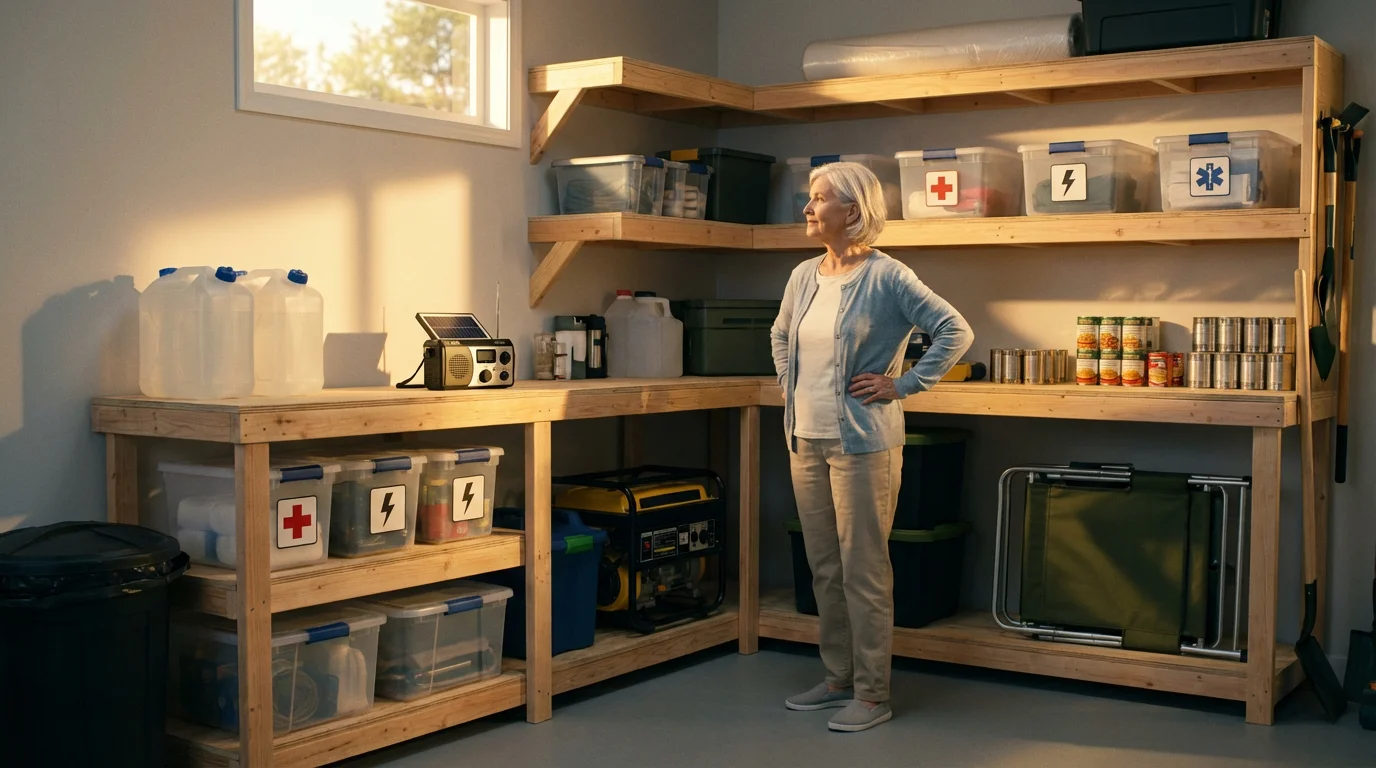
- Choose an accessible location: Store your kit in a place you can easily reach, even if you have mobility limitations. Common spots include a closet near an exit, under a bed, or in the garage. Consider having smaller, grab-and-go bags in different locations, like your bedroom or car.
- Use appropriate containers: Waterproof, durable containers or backpacks protect contents from damage and make transportation easier. Label your containers clearly.
- Perform regular checks: Review your kit every six months, for example, when daylight saving time changes. This ensures food and water have not expired, batteries are fresh, and medications are current.
- Rotate perishable items: Replace food and water before their expiration dates. Use older items in your daily meals and restock with new ones.
- Update documents: Replace copies of documents if any information changes, such as new insurance policies or contact numbers.
- Check clothing: Ensure any clothing packed still fits and is appropriate for the current season.
- Start with essentials: Prioritize water, a basic first aid kit, and essential medications. You can assemble these for an estimated cost of $50-$100.
- Build gradually: Add a few non-perishable food items each time you grocery shop. This spreads the cost over several weeks or months.
- Repurpose household items: You may already own many useful items, such as flashlights, blankets, and basic tools.
- Look for sales: Purchase items like batteries, canned goods, and bottled water when they are on sale.
- Estimate costs: A basic kit for one person can range from $150-$300, depending on quality and specific needs. A more comprehensive kit, including a full range of medical supplies and documents, might cost $300-$500 or more.
- Home safety assessment: Conduct regular checks for trip hazards, ensure adequate lighting, and install smoke and carbon monoxide detectors. Falls prevention is a key component of senior safety; the CDC provides valuable resources on preventing falls, including tips on making your home safer.
- Emergency contacts near phones: Post a list of emergency numbers, including family, doctors, and local services, in a prominent location near all phones.
- Fire safety: Have a fire extinguisher readily available and know how to use it. Practice fire escape routes from your home.
- Neighbors and community: Establish a network with trusted neighbors who can check on you during an emergency. Participate in community emergency preparedness programs.
- Power outage planning: If you rely on medical equipment that requires electricity, discuss backup power options with your utility company or healthcare provider. A small generator or portable battery station might be an option.
Comfort and Miscellaneous Items
These items enhance your well-being and can make a difficult situation more bearable.
Consider adding:
Pet Supplies (If Applicable)
Your furry companions rely on you, too. Ensure their needs are covered in your emergency plans.
For pets, include:

Important Documents and Financial Preparedness
Protecting your vital records ensures you can rebuild and access necessary services after an emergency. Store these documents in a waterproof, fireproof, and easy-to-carry bag.
Key documents to include (copies, not originals):
Consider digitizing these documents and storing them on an encrypted USB drive, kept with your kit. Alternatively, use a secure cloud storage service that you can access from a friend’s or family member’s computer.
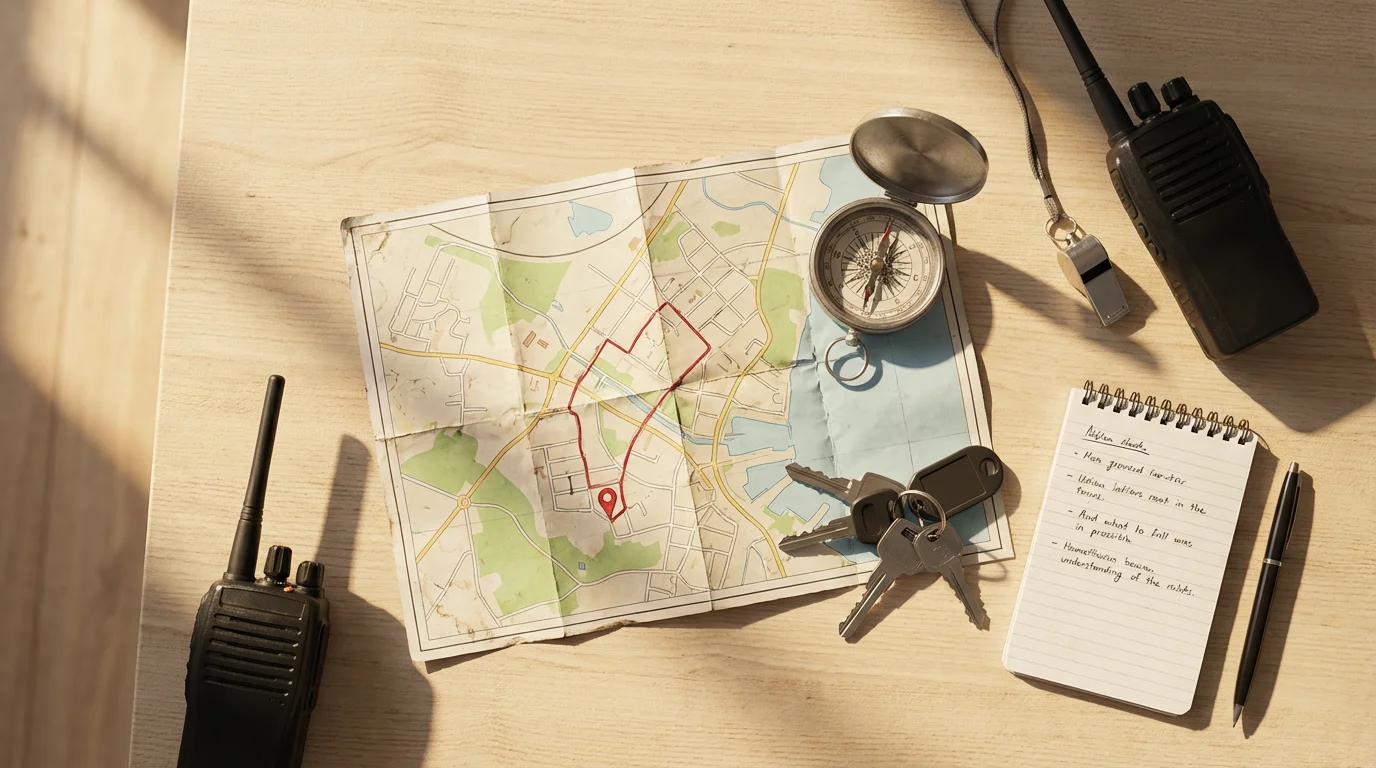
Creating a Communication and Evacuation Plan
A kit is only one part of emergency preparedness. Knowing how to communicate and where to go provides crucial guidance during a crisis.
Develop a family emergency plan:
The National Institute on Aging offers valuable resources on emergency preparedness for older adults, providing comprehensive guidance beyond just the kit. You can explore more at their website for broader aging-in-place strategies.
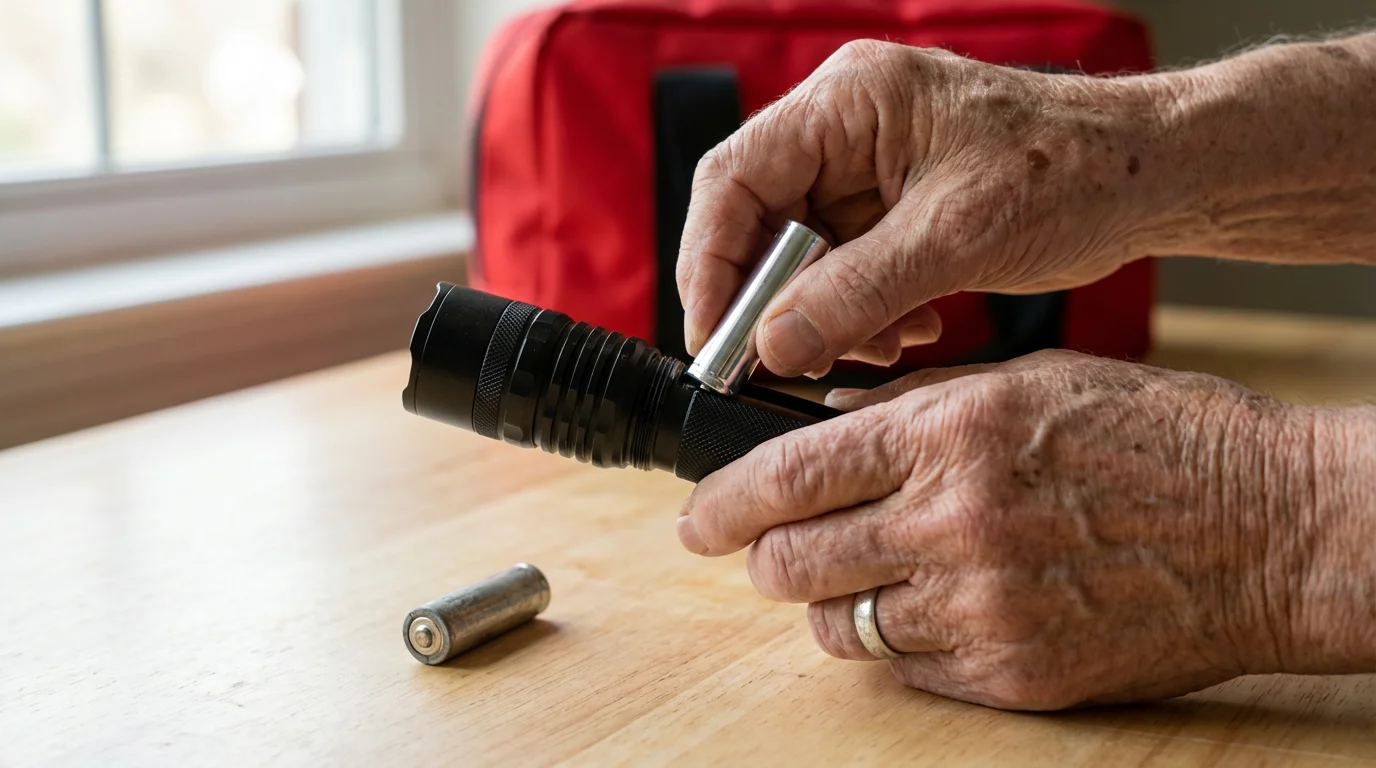
Storing and Maintaining Your Emergency Kit
An emergency kit is only effective if it is accessible and up-to-date. Proper storage and regular maintenance are vital.
Follow these storage and maintenance guidelines:
Budgeting for Your Preparedness
Building a comprehensive emergency kit can seem daunting, but you do not need to purchase everything at once. A phased approach makes preparedness affordable and manageable.
Consider these budgeting strategies:
Think of this as an investment in your safety and peace of mind. Small, consistent efforts yield significant preparedness over time.
Beyond the Kit: Additional Senior Safety Measures
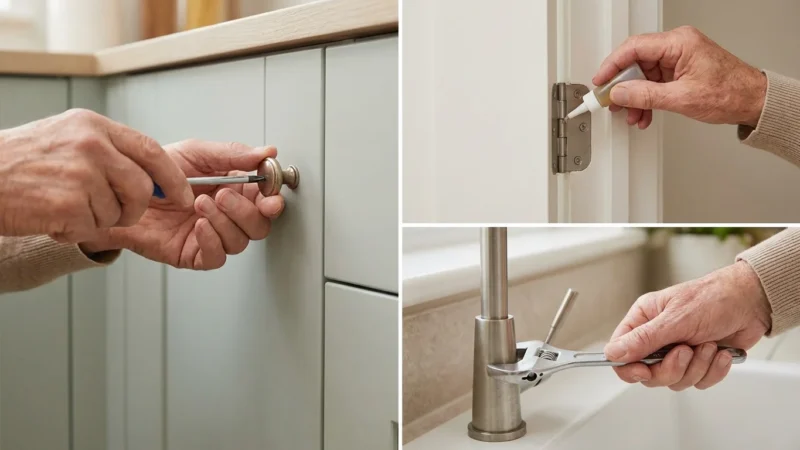
While your emergency kit is crucial, comprehensive safety involves broader home and personal preparedness. Many home modifications and safety habits reduce risks and enhance your ability to live independently during daily life and emergencies.
Consider these additional measures:
These proactive steps significantly contribute to your overall senior safety and daily well-being.
Frequently Asked Questions
What is the most important item in an emergency kit?
Water is the single most critical item. Without access to clean drinking water, your ability to survive and maintain health rapidly diminishes. Aim for at least one gallon per person, per day, for a minimum of three days.
How often should I check my emergency kit?
You should check your emergency kit at least every six months. A simple way to remember is to do it when daylight saving time changes in spring and fall. This ensures food and water are not expired, batteries work, and medications are current.
Can I build an emergency kit on a budget?
Yes, absolutely. You do not need to buy everything at once. Start with essential items like water, a basic first aid kit, and necessary medications. Then, gradually add non-perishable food items, lighting, and communication tools over time, perhaps adding a few items during each grocery shopping trip.
Should I include copies of sensitive documents in my kit?
Yes, include waterproof copies of critical documents such as identification, medical information, insurance policies, and contact lists. Store them in a secure, waterproof, and fireproof bag within your kit. Consider digitizing these for an encrypted USB drive or secure cloud storage as a backup.
What if I have special medical needs or use durable medical equipment?
If you have special medical needs or use equipment like oxygen tanks, consult your healthcare provider or medical supply company. They can help you create a personalized emergency plan, including strategies for backup power, medication storage, and evacuation procedures tailored to your specific situation.
Disclaimer: This article is for informational purposes only. Home modifications, safety equipment, and services mentioned may vary in availability and suitability for individual circumstances. For significant home modifications, consult with qualified professionals. For health-related safety concerns, consult with healthcare providers.






Leave a Reply