
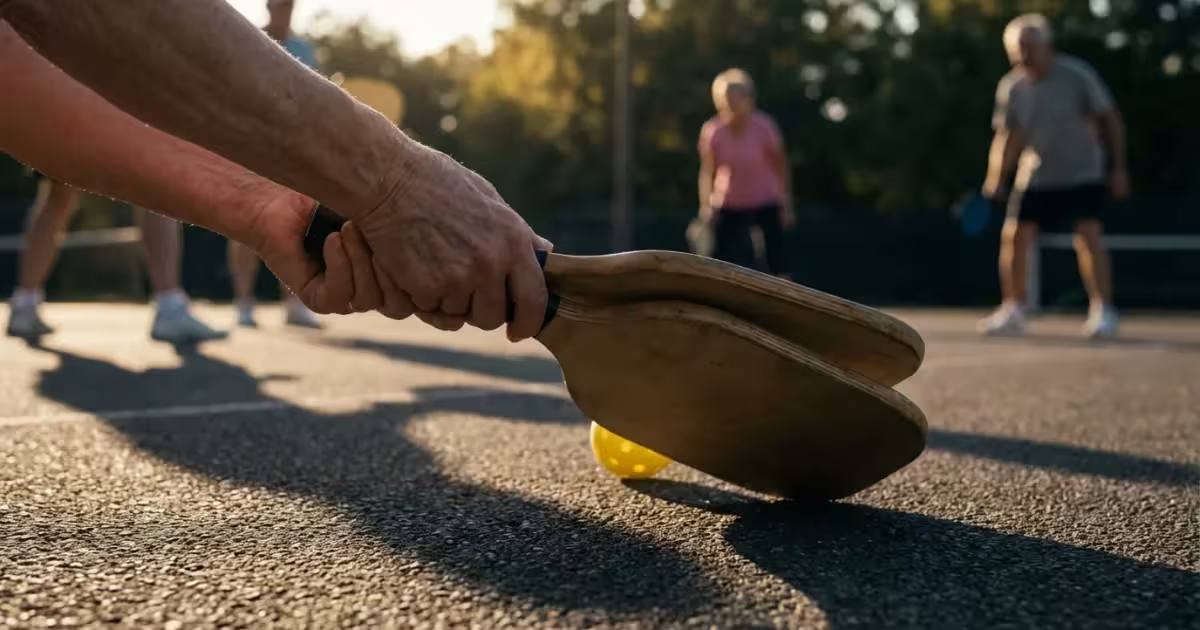
Embracing an active and social lifestyle becomes increasingly important as you navigate your senior years. You want activities that challenge you without excessive strain, foster new friendships, and bring genuine joy. Pickleball, a dynamic paddle sport, perfectly fits this description. It offers a fantastic blend of physical activity, mental engagement, and vibrant social interaction, making it an ideal pursuit for seniors looking to enhance their quality of life.
This comprehensive guide helps you explore the world of pickleball. We will cover everything from understanding the game’s fundamentals and essential equipment to maximizing its health benefits and forging new connections. Prepare to discover why millions of seniors worldwide are falling in love with this accessible and engaging sport.
Discovering Pickleball: More Than Just a Game
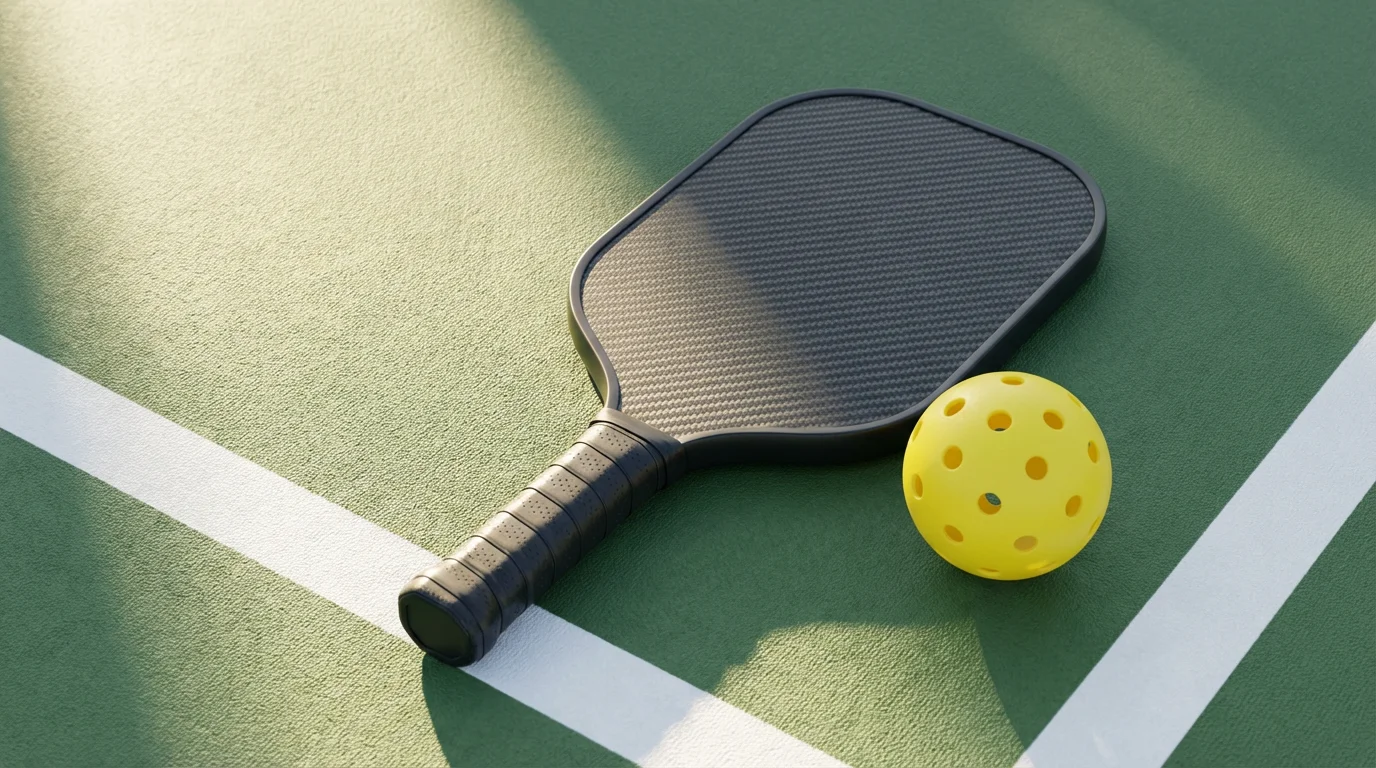
Pickleball combines elements of tennis, badminton, and ping-pong into a unique and accessible sport. Played on a badminton-sized court with a modified tennis net, a solid paddle, and a plastic ball, it appeals to a wide range of ages and fitness levels. The smaller court size and underhand serve make it less physically demanding than tennis, yet it still provides an excellent workout.
The game originated in 1965 on Bainbridge Island, Washington. Its creators sought a sport that families could play together, regardless of age or athletic ability. This founding principle continues to define pickleball’s inclusive nature today, making it particularly popular among the senior demographic. You find welcoming communities eager to teach newcomers the ropes.
The Health Benefits of Playing Pickleball
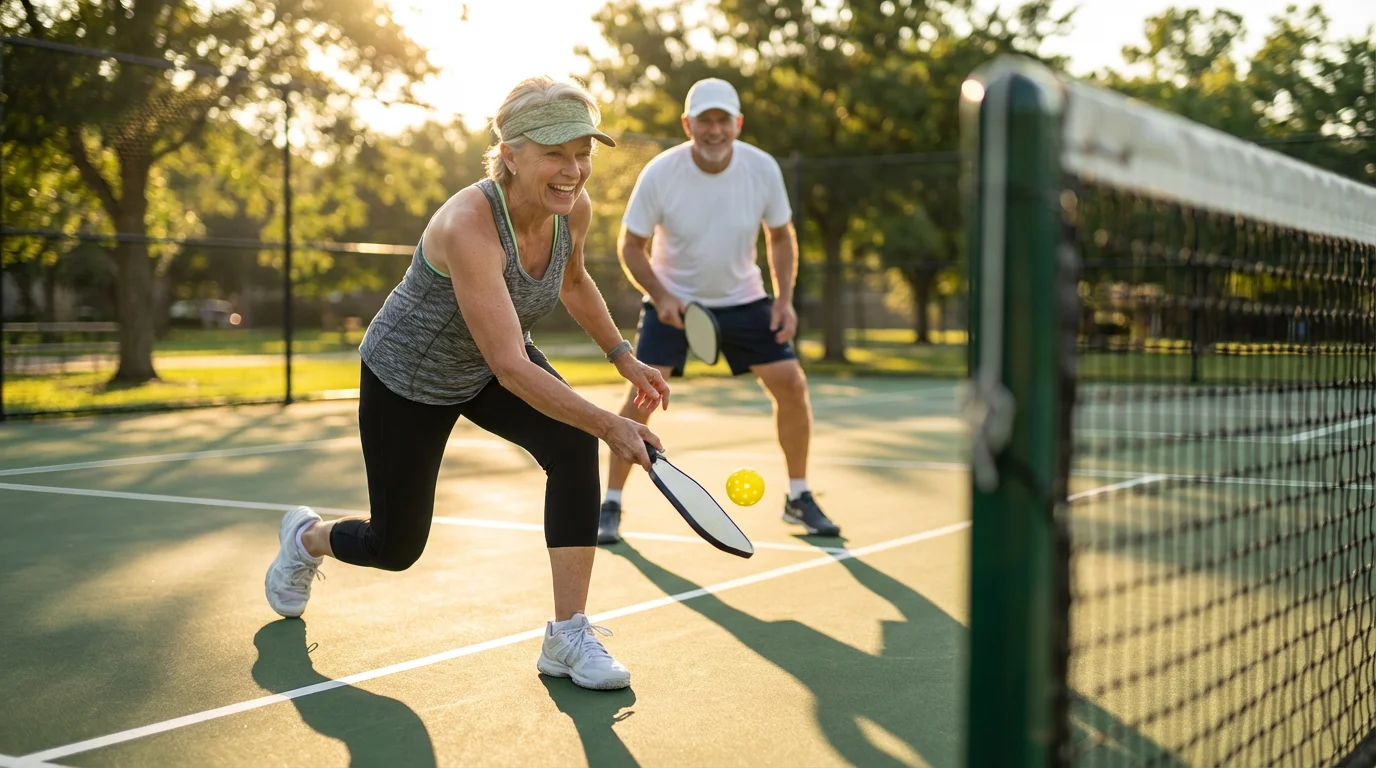
Engaging in regular physical activity is crucial for maintaining your health and independence as you age. Pickleball offers a multitude of health benefits that directly address common senior fitness goals. It provides a full-body workout without the high impact associated with other racquet sports.
Physical Advantages
Pickleball significantly boosts your physical well-being. The continuous movement, short bursts of activity, and quick directional changes contribute to improved cardiovascular health. You strengthen your heart and lungs, reducing the risk of heart disease and other chronic conditions.
- Cardiovascular Health: Regular play elevates your heart rate, improving blood circulation and endurance.
- Balance and Agility: The sport demands quick reactions and precise footwork, enhancing your balance and reducing fall risk.
- Coordination: Hand-eye coordination improves dramatically as you track the ball and execute shots.
- Muscle Strength: Core, arm, and leg muscles engage during play, building functional strength.
- Weight Management: An hour of pickleball can burn hundreds of calories, assisting with weight control.
- Bone Density: Weight-bearing exercise, like pickleball, helps maintain and improve bone density, combating osteoporosis.
Mental and Emotional Well-being
Beyond the physical, pickleball offers substantial cognitive and emotional benefits. The strategic nature of the game keeps your mind sharp, while the social aspect combats feelings of isolation. This combination creates a powerful positive impact on your overall mental health.
- Cognitive Function: You constantly strategize, anticipate opponents’ moves, and adapt your play, keeping your brain active.
- Stress Reduction: Physical activity is a proven stress reliever, and the fun of pickleball makes it an enjoyable escape.
- Mood Enhancement: Exercise releases endorphins, natural mood boosters that can alleviate symptoms of depression and anxiety.
- Social Connection: The game fosters interaction and community, which is vital for mental health and combating loneliness.
Many seniors report significant improvements in their overall happiness and energy levels after incorporating pickleball into their routines. Data consistently shows that active seniors experience higher levels of life satisfaction and maintain cognitive function longer than their sedentary counterparts.
Finding Your Court: How to Learn to Play Pickleball
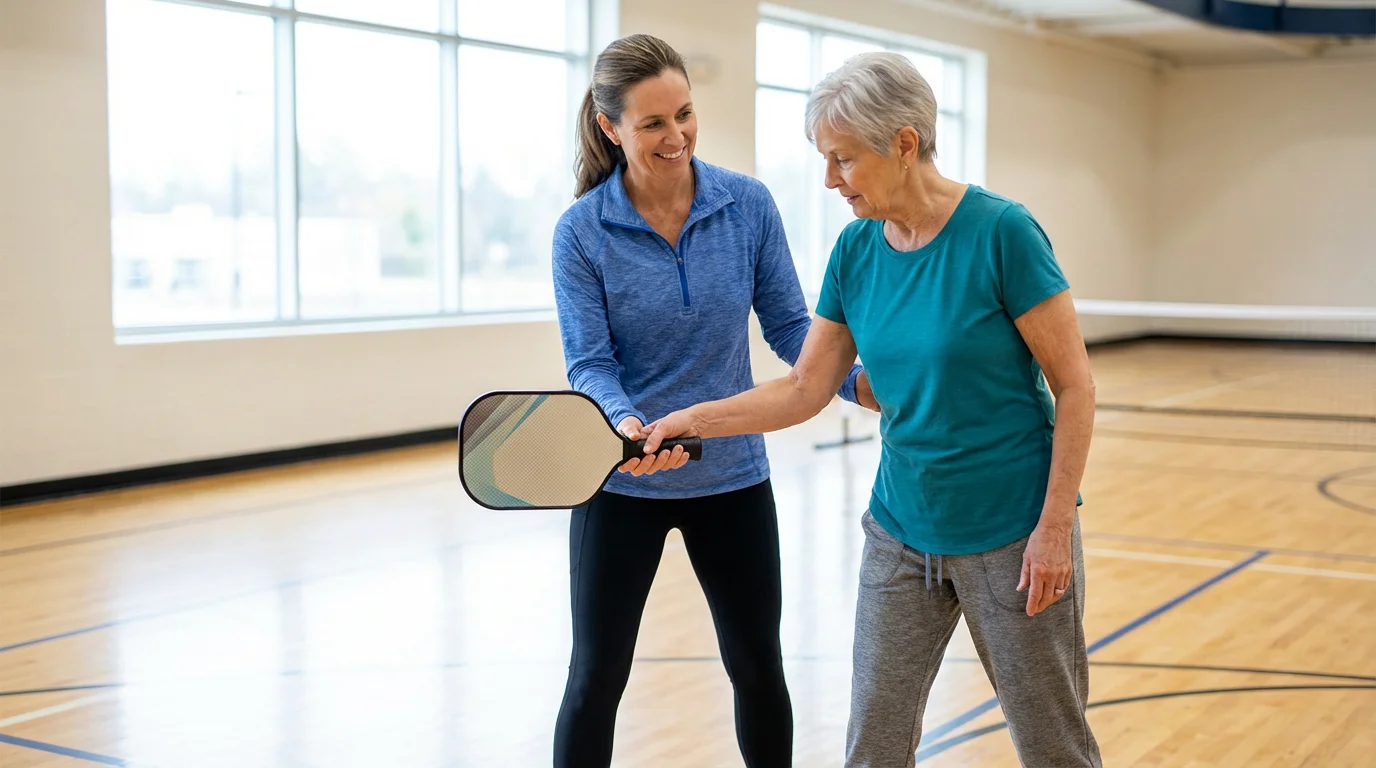
You might wonder, “how to learn to play pickleball?” The good news is that it is remarkably easy to get started. Its rapid growth means courts and communities are widely available, making your entry into the sport straightforward and welcoming.
Locating Pickleball Courts
Start by checking local resources. Many communities now feature dedicated pickleball courts, or shared courts lined for multiple sports. You can often find information through these avenues:
- Community Centers: Often host open play sessions and introductory clinics.
- YMCAs/JCCs: These organizations frequently offer pickleball programs and indoor courts.
- Senior Centers: Many centers now recognize pickleball’s popularity and provide access or information.
- Parks and Recreation Departments: Check your local city or county parks department website for public court locations and schedules.
- Online Resources: Websites like USA Pickleball offer a court finder tool to locate facilities near you.
Getting Started: Lessons and Guidance
While you can certainly learn by watching and joining casual games, a structured approach offers advantages. Consider these options to build your skills confidently:
- Introductory Clinics: Many clubs and centers offer short, affordable clinics for beginners. These teach fundamental rules, basic shots, and court positioning.
- Private or Group Lessons: If you prefer more personalized instruction, look for certified pickleball instructors in your area. Group lessons can also be a fun way to learn with others.
- Observe and Ask: Attend open play sessions at a local court. Observe experienced players, and do not hesitate to ask friendly players for tips or guidance. Pickleball communities are generally very welcoming.
- Online Tutorials: YouTube hosts numerous excellent tutorials covering everything from serving to advanced strategies. Use these as supplementary learning tools.
The best way to learn is by doing. Do not be intimidated; most players are thrilled to see new faces and share their love for the game. Many places even offer loaner paddles for your first few visits.
Essential Gear for Pickleball Players
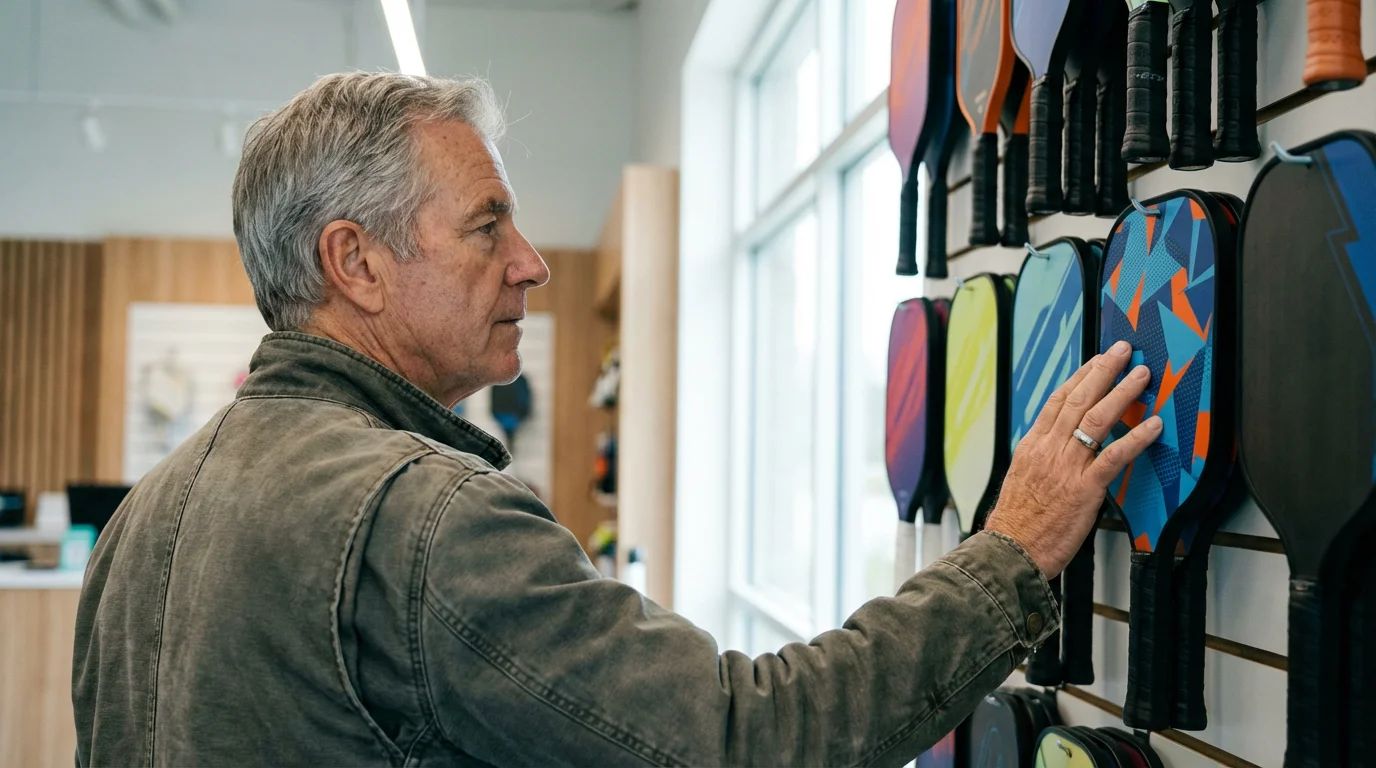
One of pickleball’s attractive qualities is its minimal equipment requirements. You do not need expensive gear to get started. However, investing in a few key items enhances your comfort, safety, and performance on the court.
Paddles
Pickleball paddles differ significantly from tennis racquets. They are smaller, solid, and typically made from composite materials. When choosing a paddle, consider these factors:
- Material: Common materials include wood (most affordable, heavier), composite (fiberglass/graphite, balanced), and carbon fiber (lightweight, powerful). Composite or carbon fiber paddles offer better control and feel.
- Weight: Paddles range from 6 to 14 ounces. Lighter paddles (7-8 oz) offer quicker swings and more control, while heavier paddles (8.5+ oz) provide more power. Many seniors prefer mid-weight paddles (7.5-8.5 oz) for a good balance.
- Grip Size: Like tennis racquets, grip size matters for comfort and injury prevention. Most paddles come in standard grip sizes, but ensure it feels comfortable in your hand.
- Cost: Beginner paddles start around $30-$50, while advanced models can exceed $150. Start with an affordable option and upgrade as your skills develop.
Balls
Pickleball uses unique plastic balls with holes. There are distinct types for indoor and outdoor play:
- Outdoor Balls: Heavier, harder, and have smaller holes. They resist wind better and provide a faster game.
- Indoor Balls: Lighter, softer, and have larger holes. They offer more bounce and a slower pace, suitable for indoor environments.
Ensure you use the correct ball for your playing environment to optimize your experience.
Footwear
Proper footwear is perhaps the most critical piece of equipment for preventing injuries. You need shoes designed for court sports, offering lateral support and good grip.
- Court Shoes: These shoes provide excellent ankle support and stability for side-to-side movements, which are frequent in pickleball.
- Running Shoes: Avoid running shoes, as they primarily offer forward cushioning and lack the necessary lateral stability, increasing your risk of ankle injuries.
- Comfort and Fit: Ensure your shoes fit well, providing cushioning and support without being too tight.
Apparel and Accessories
Comfortable clothing that allows for a full range of motion is essential. Consider these additional items:
- Athletic Clothing: Lightweight, moisture-wicking fabrics keep you cool and dry.
- Hat or Visor: Protects your face from the sun during outdoor play.
- Sunglasses: Essential for outdoor courts to reduce glare.
- Water Bottle: Staying hydrated is crucial, especially during longer sessions.
- Sunscreen: Apply sunscreen generously before outdoor play to protect your skin.
Mastering the Basics: Rules and Strategy
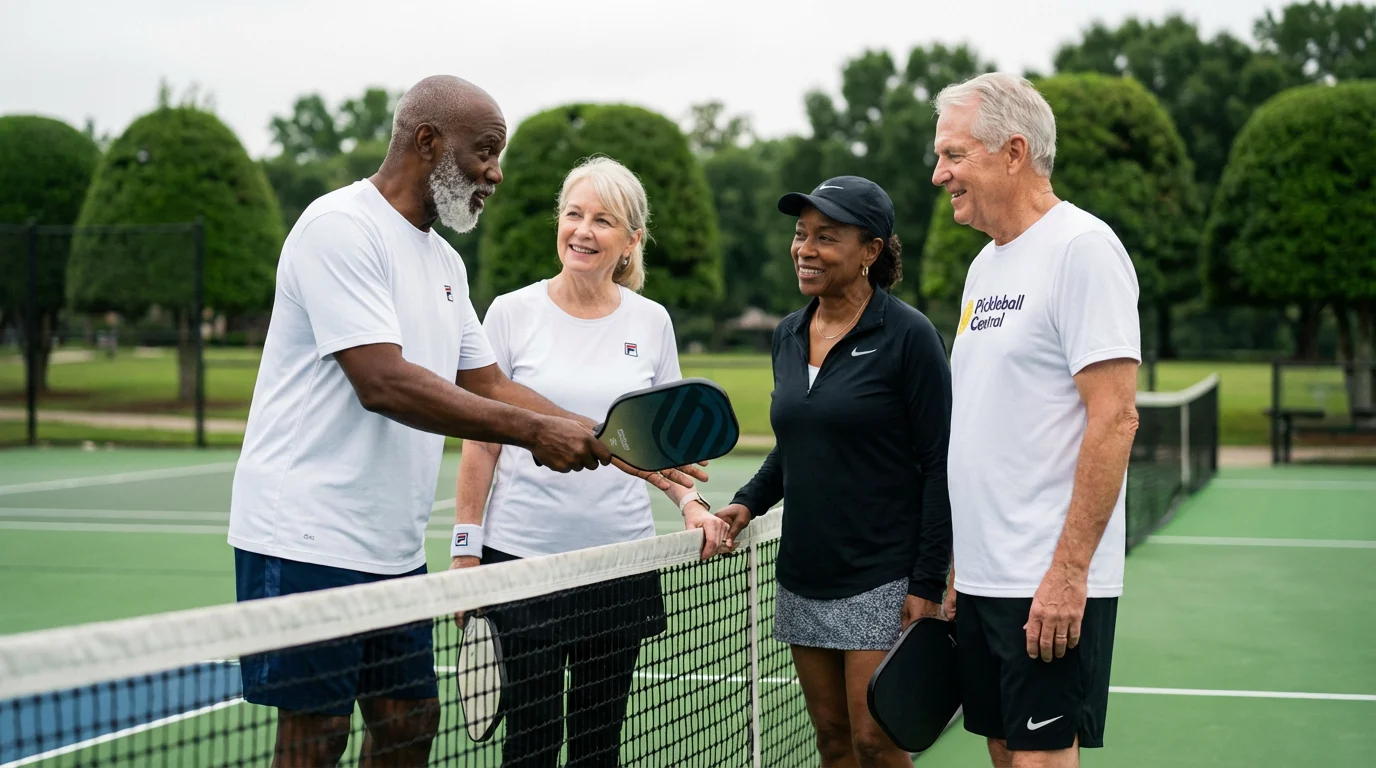
Pickleball’s rules are straightforward, allowing you to grasp the fundamentals quickly. However, understanding basic strategy elevates your game and makes it even more enjoyable. This tutorial focuses on the core elements you need to know.
Core Rules to Remember
The game is typically played to 11 points, win by 2. Only the serving team can score points. Here are the most important rules:
- The Serve: The server must hit the ball underhand, making contact below the waist. The paddle head must be below the wrist. The serve travels diagonally across the net to the opponent’s service court.
- Double-Bounce Rule: After the serve, the ball must bounce once on the receiver’s side, and then once on the server’s side, before either team can hit it out of the air (volley). This rule ensures rallies and prevents an immediate power advantage.
- The Kitchen (Non-Volley Zone): This is the area seven feet from the net on both sides. Players cannot volley the ball while standing in the kitchen or on the kitchen line. You can enter the kitchen to hit a ball that has bounced, but you must exit before hitting another volley.
- Scoring: Only the serving team scores a point. If the serving team commits a fault, they lose the serve. In doubles, both players on a team serve before the serve goes to the opposing team (except for the very first serve of the game).
These four rules form the backbone of the game. Mastering them allows you to play competently and enjoyably.
Basic Strategy for Doubles Play
Pickleball is most commonly played as doubles, offering more social interaction and less ground to cover. Effective strategy focuses on positioning, soft shots, and communication.
- Get to the Kitchen Line: After the ball has bounced twice (due to the double-bounce rule), your primary goal should be to get both you and your partner to the non-volley zone line. This position gives you the best angle to hit down on the ball.
- Dinking: A dink is a soft shot hit with an open paddle face that lands just over the net in the opponent’s kitchen. Dinking keeps the ball low, preventing your opponents from hitting aggressive volleys. It is a cornerstone of strategic pickleball.
- Communication: Always talk to your partner. Call out “mine,” “yours,” or “out.” This prevents confusion and improves teamwork.
- Patience: Do not try to hit a winner on every shot. Wait for the opportune moment, often created by a weaker shot from your opponent, to hit a more aggressive ball.
- Aim for Opponents’ Feet: When at the kitchen line, aim your shots low at your opponents’ feet. This makes it difficult for them to return the ball effectively.
You develop a natural feel for the game as you play more. Focus on consistency and placement over power initially. This approach leads to more successful rallies and a greater understanding of the sport.
Building Connections: Pickleball as a Social Sport
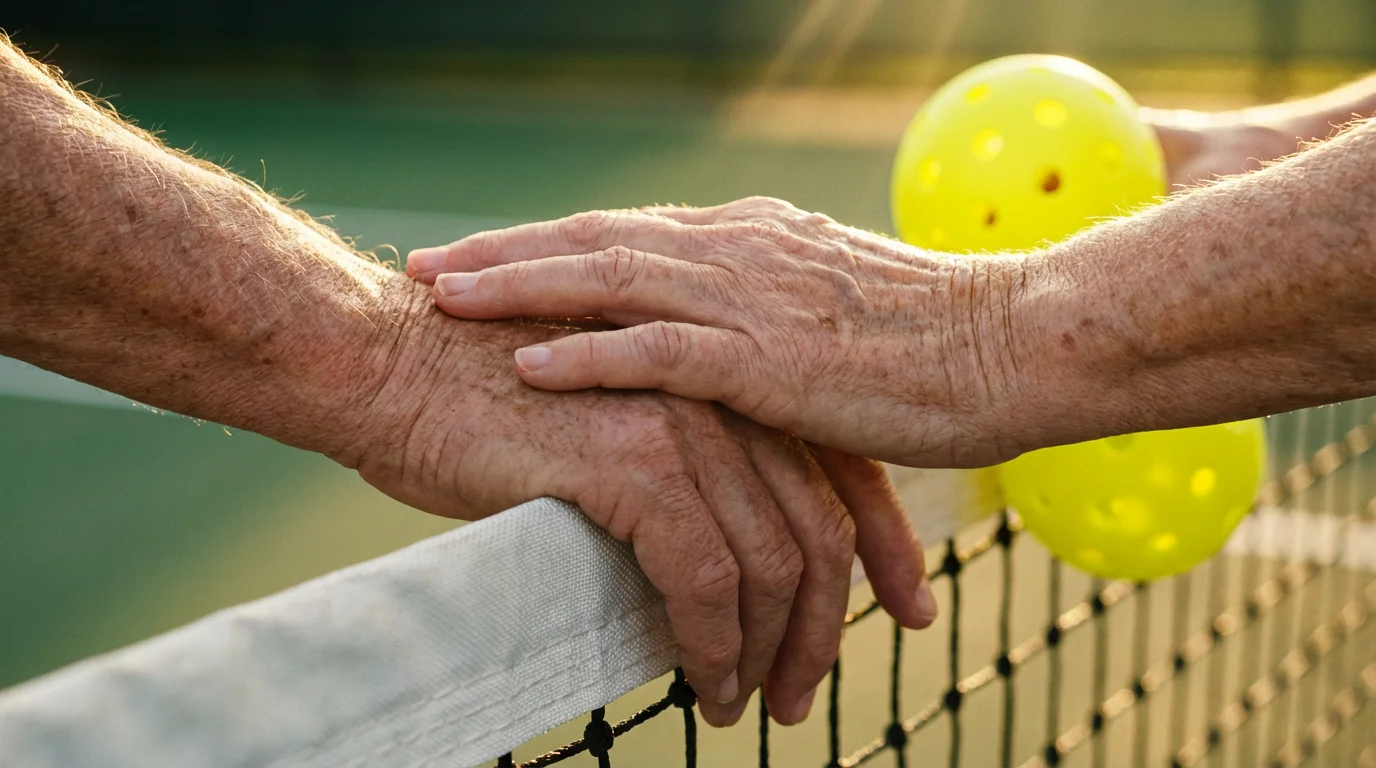
One of pickleball’s most celebrated attributes, particularly for seniors, is its incredible capacity for fostering social interaction. It goes far beyond physical exercise, becoming a vibrant community hub where friendships blossom and spirits lift. This strong social component addresses a significant need for many seniors, providing engaging opportunities to connect.
The Community Aspect
Pickleball courts often feel like neighborhood gatherings. The shorter games and quick rotation of players in open play sessions mean you interact with many different people in a short amount of time. This informal structure naturally encourages conversation and camaraderie. You are not just playing a game; you are participating in a social event.
- Welcoming Atmosphere: New players consistently report feeling welcomed and supported by existing pickleball communities.
- Instant Friendships: Shared laughter, friendly competition, and common interest quickly forge new bonds.
- Diverse Playing Partners: Open play allows you to play with various partners and opponents, expanding your social circle.
- Post-Game Socializing: Many groups gather for coffee, lunch, or simply chat after playing, further cementing relationships.
Overcoming Isolation
Retirement can sometimes bring about feelings of isolation, especially if your social network centered around work. Pickleball offers a potent antidote. It provides a structured, regular opportunity for engaging with others, giving you something to look forward to and a sense of belonging.
Life is about connections. Pickleball builds them, one friendly game at a time.
The inherent joy and camaraderie of the game are palpable. You will find yourself laughing, encouraging others, and celebrating successes, all while getting a fantastic workout. This holistic experience makes pickleball more than just a pastime; it becomes a cornerstone of an enriched, social life.
Staying Safe and Preventing Injuries
While pickleball is generally considered a low-impact sport, preventing injuries remains paramount, especially for seniors. Taking proactive steps ensures you can enjoy the game safely and continue playing for years to come. Your health and well-being always come first on the court.
Pre-Game Preparation
Proper preparation significantly reduces your risk of strain or injury. Never skip these crucial steps:
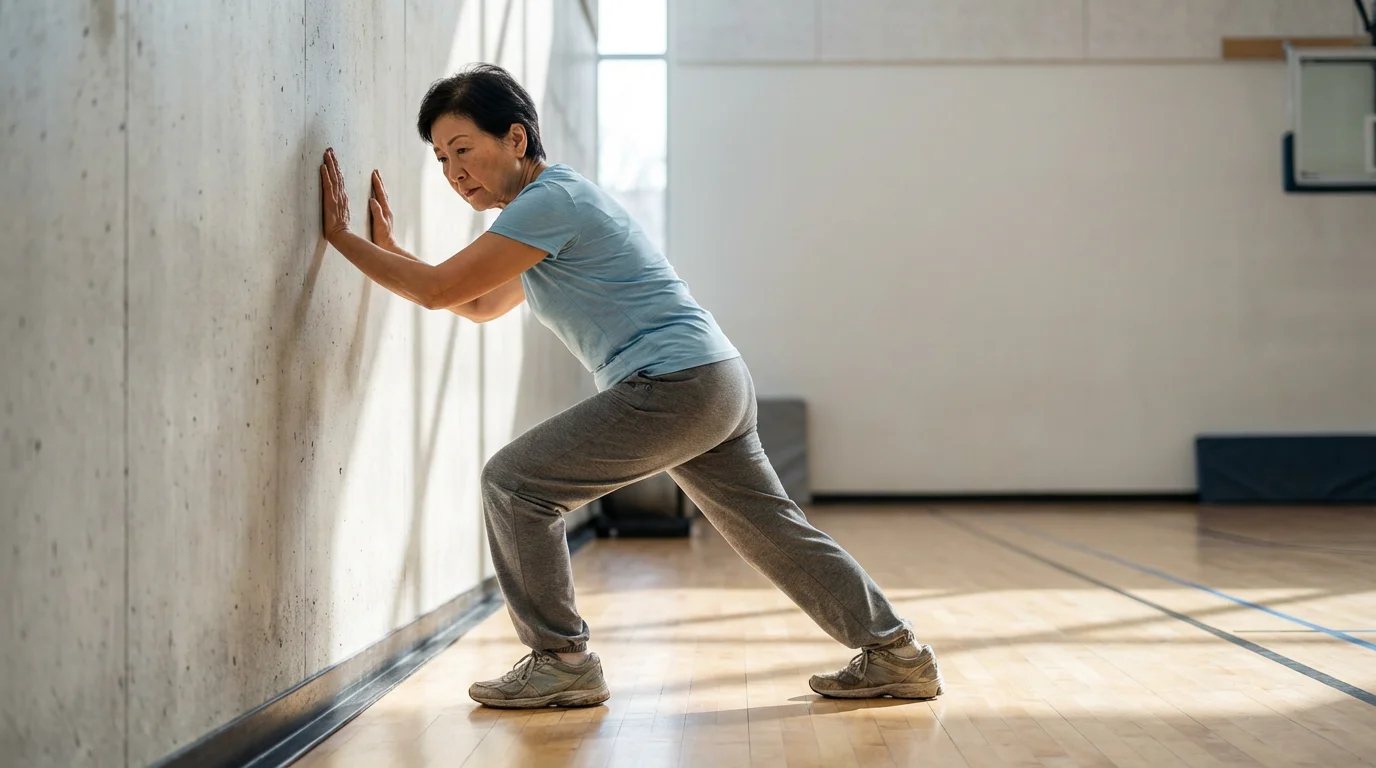
- Warm-Up: Before stepping onto the court, perform 5-10 minutes of light cardio and dynamic stretches. This includes arm circles, leg swings, torso twists, and light jogging or walking. A proper warm-up prepares your muscles and joints for activity.
- Hydration: Drink water before, during, and after play. Dehydration can lead to fatigue, muscle cramps, and decreased performance. Carry a water bottle and take regular sips, particularly when playing outdoors.
- Listen to Your Body: Pay attention to any aches or pains. Do not push through significant discomfort. It is better to rest or take a break than risk a more serious injury.
During Play Considerations
Even during the game, conscious choices enhance your safety:
- Appropriate Footwear: As mentioned, wear court shoes designed for lateral movement and support. This prevents slips, trips, and ankle sprains.
- Sun Protection: If playing outdoors, wear sunscreen (SPF 30 or higher), a hat or visor, and sunglasses to protect your skin and eyes from harmful UV rays.
- Know Your Limits: While it is inspiring to push yourself, understand your personal physical boundaries. If you feel overly fatigued or experience pain, take a break.
- Pace Yourself: Do not feel pressured to play every game back-to-back, especially when starting. Alternate playing with resting to conserve energy and reduce strain.
Post-Game Recovery
Your recovery process is just as important as your warm-up:
- Cool-Down: After playing, perform 5-10 minutes of static stretching. Focus on major muscle groups used, such as hamstrings, quadriceps, calves, and shoulders. Hold each stretch for 20-30 seconds.
- Hydrate and Refuel: Continue drinking water and consider a light snack to replenish electrolytes and energy stores.
Consult Your Healthcare Provider
Before starting any new exercise regimen, especially if you have pre-existing health conditions, consult your doctor. They can offer personalized advice and ensure pickleball is a safe and suitable activity for you. For more general health information, you may refer to resources like the CDC Travelers’ Health recommendations, which often include advice on staying healthy while active.
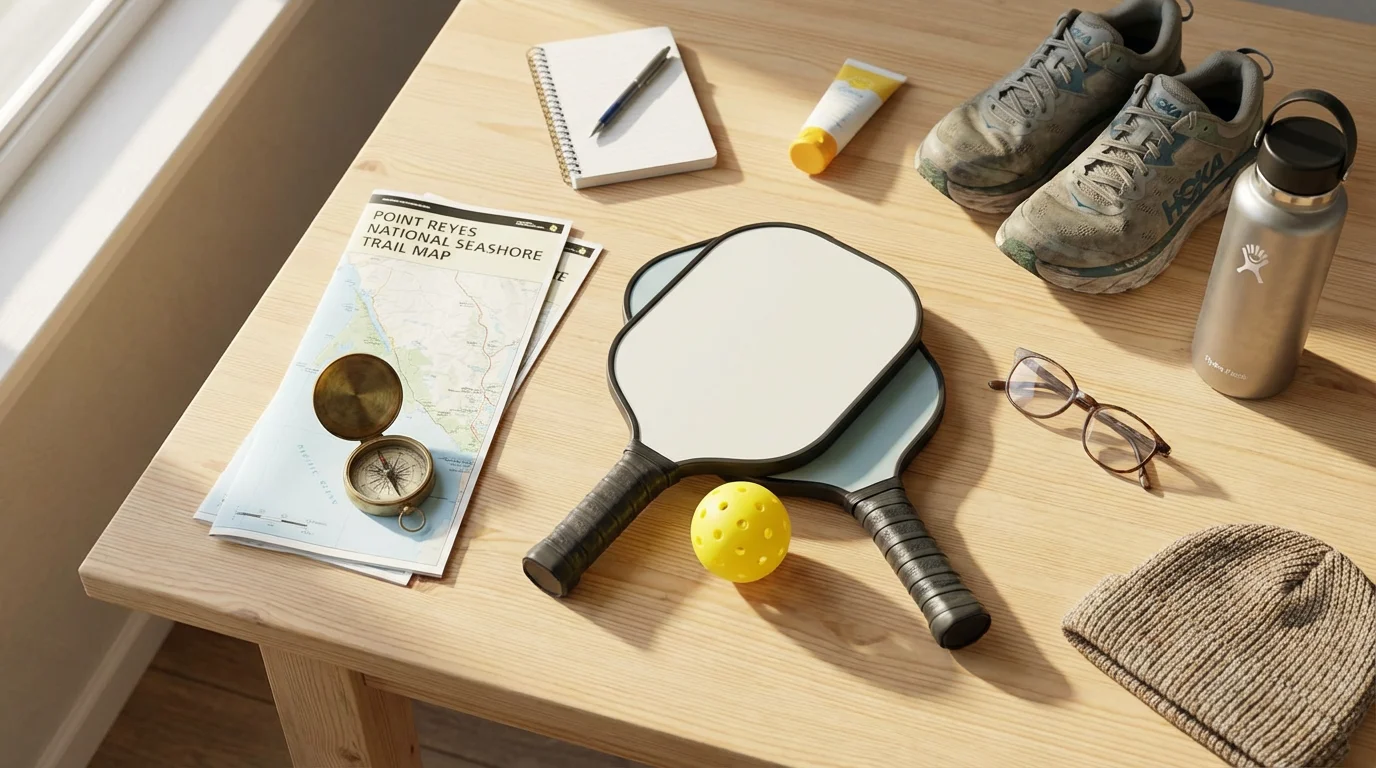
Beyond the Court: Expanding Your Active Lifestyle
While pickleball itself provides an excellent foundation for an active and social lifestyle, consider it a gateway to even more fulfilling experiences. Embracing an adventurous mindset means looking for ways to integrate physical activity, social engagement, and lifelong learning into all aspects of your life. Pickleball enhances your mobility and confidence, preparing you for other pursuits.
Complementary Activities
Think about activities that complement your pickleball routine, building on similar skills or offering different benefits:
- Walking or Hiking: Improve endurance and explore local parks or trails. This strengthens your leg muscles, beneficial for court movement.
- Yoga or Tai Chi: Enhance flexibility, balance, and mindfulness, all of which improve your pickleball game and reduce injury risk.
- Swimming: A low-impact, full-body workout that improves cardiovascular health and muscle tone without stressing your joints.
- Cycling: Builds leg strength and stamina, offering a different form of cardio.
- Group Fitness Classes: Explore classes tailored for seniors, focusing on strength, balance, or low-impact aerobics.
Embracing New Hobbies and Travel
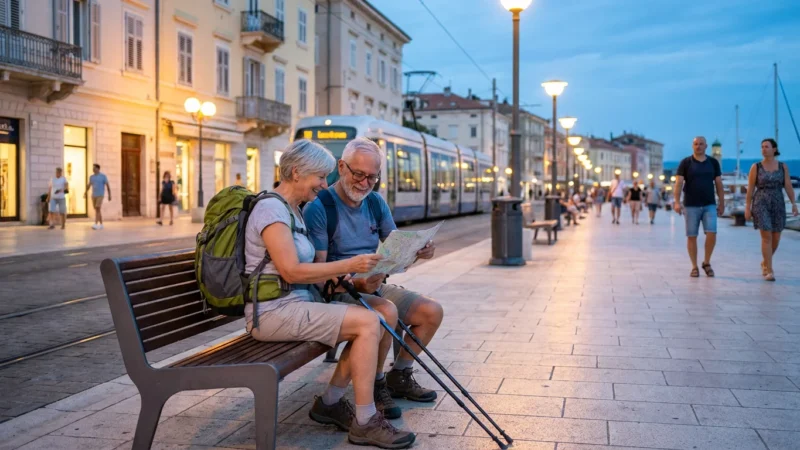
Your newfound energy and social connections from pickleball can inspire you to try other hobbies or embark on travel adventures. Many senior travelers prioritize active itineraries and opportunities to meet new people.
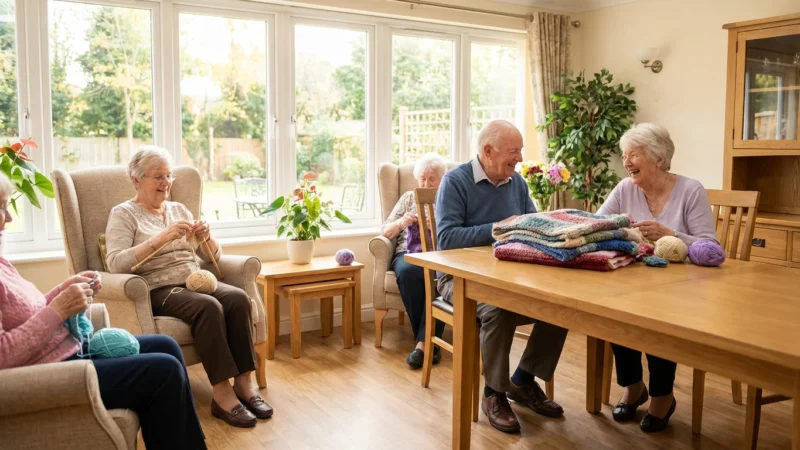
- Volunteer Work: Contribute to your community, meet new people, and stay engaged.
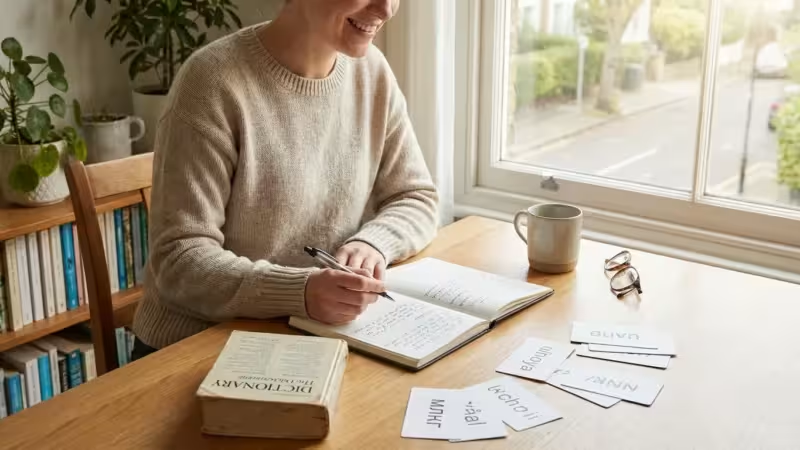
- Learning a New Skill: Take up painting, a musical instrument, or a language class. Keep your mind stimulated.
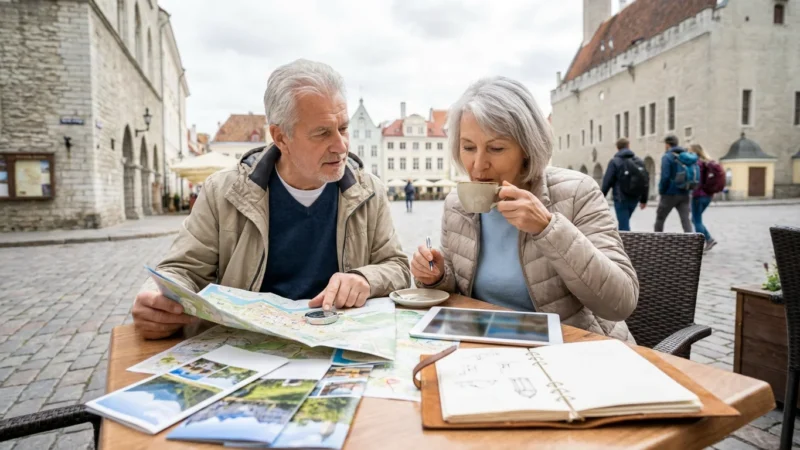
- Travel Opportunities: With improved fitness and social confidence, consider organized tours or cruises tailored for active seniors. Organizations like AARP Travel offer resources for planning senior-friendly trips that often include options for staying active. You might even find pickleball courts on some cruise ships or at resorts.
Your journey with pickleball is just one part of a larger picture of living life to the fullest. The principles of active engagement, social connection, and continuous learning apply to all areas of your life, ensuring vibrant and rewarding senior years.
Frequently Asked Questions
What are the primary health benefits of playing pickleball for seniors?
Pickleball offers numerous health benefits for seniors. It improves cardiovascular health, enhances balance and agility, strengthens muscles, and boosts hand-eye coordination. Mentally, it keeps your brain sharp with strategic play and reduces stress, while the social aspect combats loneliness, improving overall mood and cognitive function.
How easy is it for a complete beginner to learn to play pickleball?
Pickleball is remarkably easy for beginners of all ages, including seniors. Its rules are simple, the court is smaller than tennis, and the underhand serve is less strenuous. Most communities offer introductory clinics or open play sessions where experienced players are happy to teach you the basics. You can often learn the fundamentals in just one or two sessions.
What essential equipment do I need to start playing pickleball?
To start playing pickleball, you primarily need three things. First, a pickleball paddle, typically a composite or graphite paddle weighing between 7.5 to 8.5 ounces for a good balance of power and control. Second, pickleball balls, either indoor or outdoor specific. Third and most importantly, court shoes that provide good lateral support to prevent ankle injuries. Comfortable athletic clothing and a water bottle are also highly recommended.
Is pickleball suitable for seniors with mobility issues?
Pickleball is often adaptable for seniors with some mobility issues. While it involves movement, the smaller court means less running than tennis. Many players adjust their style to focus on strategy and shot placement rather than speed. It is always wise to consult your doctor before starting any new physical activity, and then you can discuss modifications or limitations with local pickleball instructors to ensure safe and enjoyable play.
How can I find a pickleball community or lessons in my area?
Finding a pickleball community is easier than ever due to its growing popularity. Start by checking your local community centers, YMCAs, senior centers, or parks and recreation departments. Many have dedicated courts or host introductory programs. Online resources, such as the USA Pickleball website, also offer court finder tools to help you locate facilities and groups in your vicinity. Do not hesitate to visit local courts during open play and introduce yourself; pickleball communities are known for their welcoming nature.
Disclaimer: This article is for informational purposes only. Travel conditions, prices, and policies change frequently. We encourage readers to verify current information directly with travel providers, check travel advisories, and consult with healthcare providers about any health concerns before traveling.



Leave a Reply