
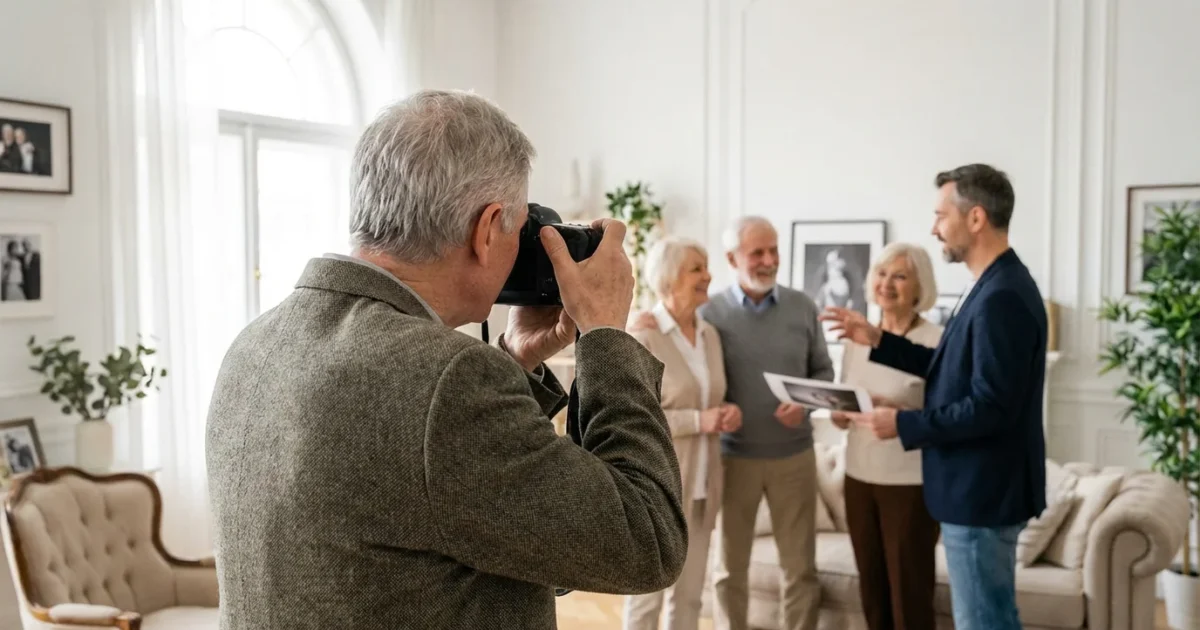
Photography offers a powerful way to connect with the world around you, preserve precious memories, and express your unique perspective. Whether you are new to retirement with newfound free time or a seasoned adventurer seeking a rewarding hobby, learning photography opens up a world of creative possibilities. This guide provides actionable steps and practical advice, empowering you to explore digital photography and capture life’s beautiful moments with confidence and joy.
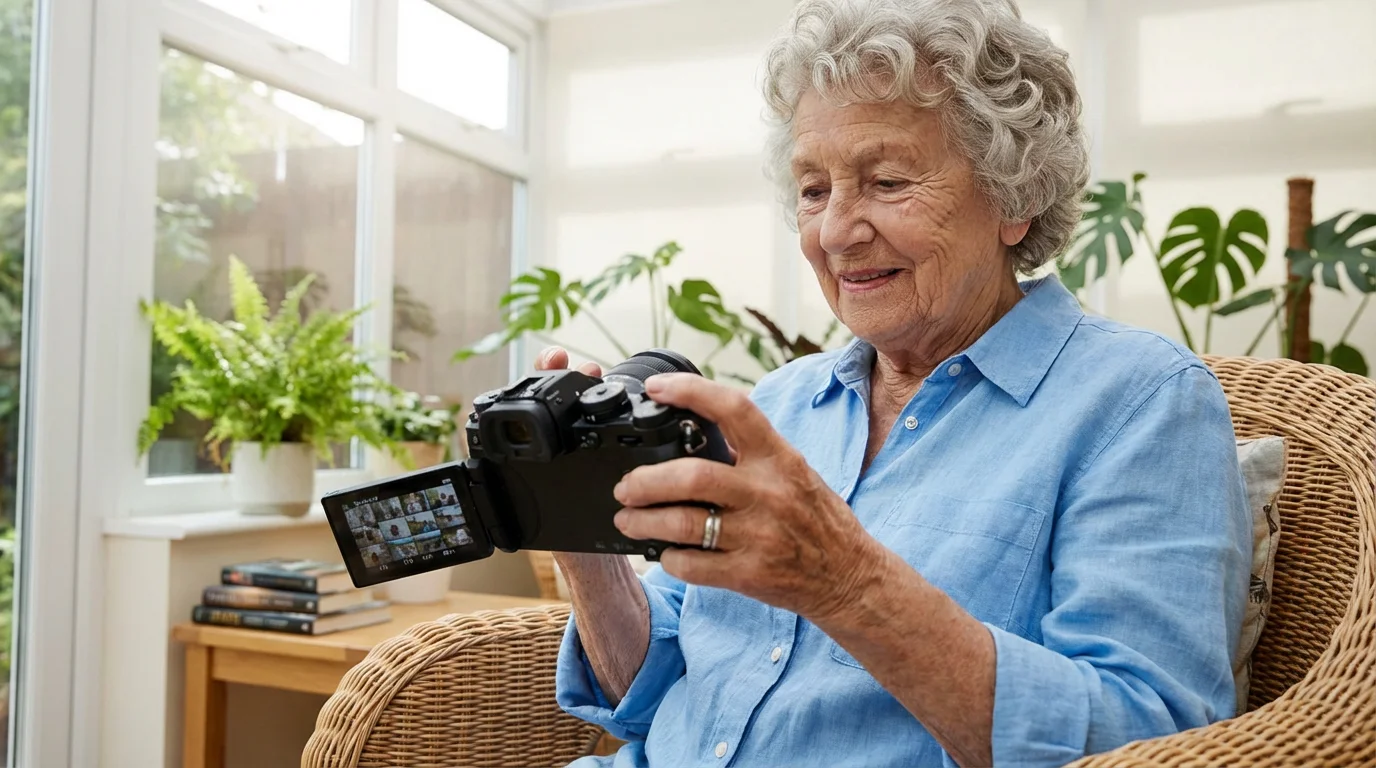
Embracing Your Photographic Journey
You possess a lifetime of experiences and a unique viewpoint. Photography becomes a wonderful outlet for channeling that perspective, allowing you to tell stories without words. Engaging with this art form keeps your mind active, encourages exploration, and fosters connections with people and places. Think of your camera as a passport to deeper engagement with the world.
Many seniors find immense satisfaction in photography, transforming everyday scenes into works of art. This hobby offers flexibility, allowing you to pursue it from the comfort of your home, during local excursions, or on grand international adventures. It encourages you to observe details, appreciate beauty, and create lasting visual legacies for yourself and your loved ones.
The world is a book, and those who do not travel read only one page. — Saint Augustine
Photography extends this wisdom, allowing you to not only read the pages but also to illustrate them. It cultivates patience and an appreciation for the present moment.
Choosing Your First Camera: Simplicity Meets Power
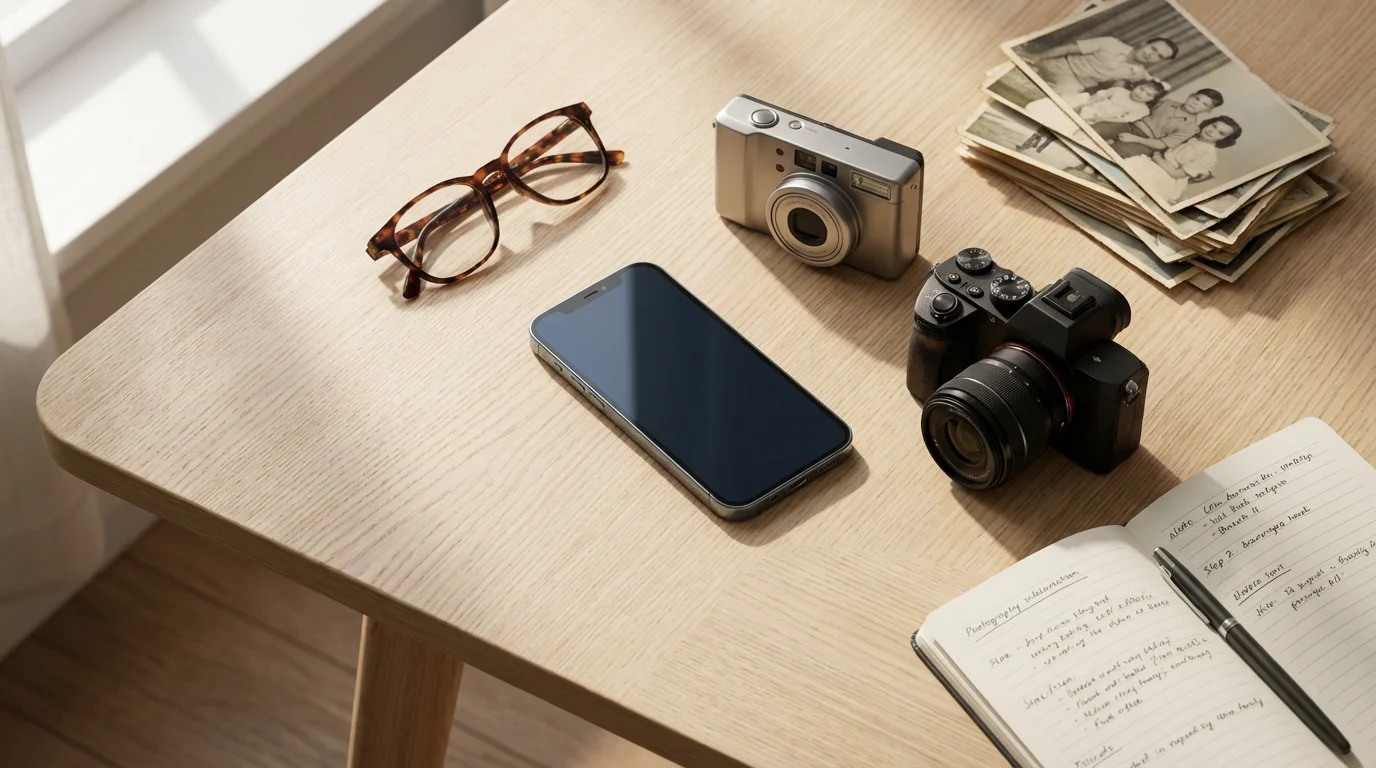
The question of “what are the best cameras for seniors?” often arises. The best camera is truly the one you will use most often and feel comfortable operating. Today’s technology offers incredible quality across various price points and complexity levels. Your budget, intended use, and comfort with technology guide this decision.
Smartphones: Your Pocket-Sized Powerhouse
Modern smartphones offer exceptional camera quality, making them an ideal starting point for many. You likely already own one, eliminating the need for an additional purchase. Their portability means you always have a camera ready. Advanced models feature multiple lenses, optical zoom, and sophisticated processing that rival dedicated cameras from just a few years ago. Learning the camera features on your phone provides a fantastic foundation in digital photography.
- Pros: Always with you, intuitive interface, instant sharing, excellent image quality for most uses.
- Cons: Limited optical zoom, smaller sensors can struggle in very low light, less manual control.
Compact Digital Cameras (Point-and-Shoot)
For those seeking a step up from a smartphone without the complexity of interchangeable lenses, a compact digital camera offers a great balance. These cameras typically feature larger sensors than smartphones, better optical zoom capabilities, and dedicated physical controls. They remain relatively small and easy to carry, often fitting into a jacket pocket or small bag.
- Entry-level compacts: Affordable, simple operation, good image quality. Prices typically range from $100-$300.
- Advanced compacts: Feature larger sensors, brighter lenses, and more manual controls. These can cost $400-$800, offering near-DSLR quality in a smaller package.
Mirrorless Cameras: Versatility and Quality
Mirrorless cameras combine the image quality of DSLRs with a more compact design. They offer interchangeable lenses, allowing you to adapt to various photographic situations. Many seniors appreciate their lighter weight compared to traditional DSLRs, making them easier to carry on longer excursions or during travel. These cameras provide extensive manual control, ideal for those who wish to delve deeper into photography techniques.
- Pros: Excellent image quality, interchangeable lenses, advanced features, generally lighter than DSLRs.
- Cons: Can be more expensive, a wider array of settings requires a steeper learning curve.
Digital Single-Lens Reflex (DSLR) Cameras
DSLRs remain popular for their robust build, excellent battery life, and vast selection of lenses. While often bulkier and heavier than mirrorless options, their optical viewfinders provide a direct, clear view of your subject. They offer unparalleled control and image quality, making them a favorite among serious enthusiasts. Consider a DSLR if you prioritize maximum control and don’t mind the size.
- Pros: Superb image quality, vast lens selection, robust construction, long battery life.
- Cons: Larger and heavier, potentially intimidating for beginners due to many controls.
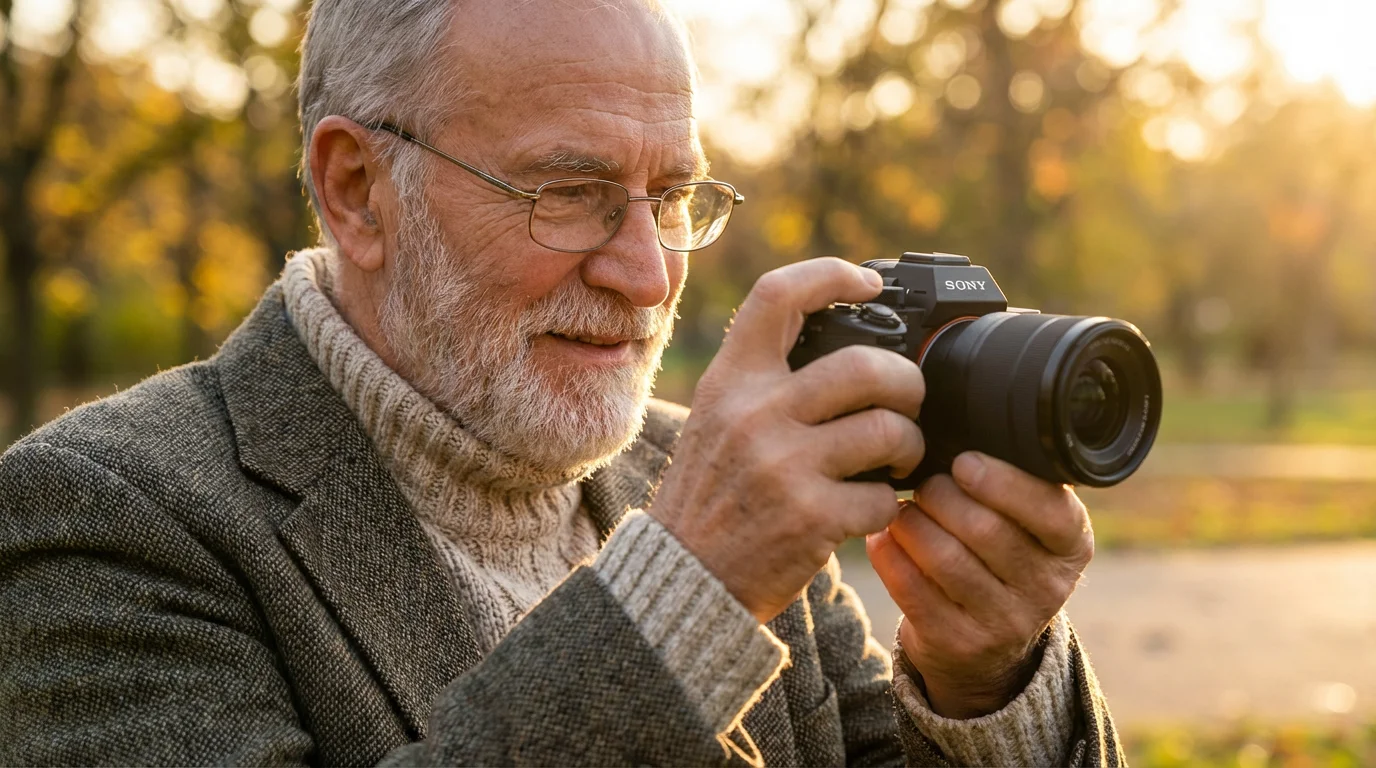
Mastering Digital Photography Basics
You can quickly grasp the fundamentals of “how can seniors learn photography basics?” by focusing on a few core concepts. Understanding these will significantly improve your photos, regardless of the camera you use. Start by experimenting with each setting and observing its effect.
Understanding Your Camera Modes
Most cameras offer various modes beyond simple “auto.” Familiarizing yourself with these modes unlocks greater creative control:
- Automatic Mode: The camera makes all decisions, ideal for quick snaps.
- Program Mode (P): The camera sets aperture and shutter speed, but you control other settings like ISO and flash.
- Aperture Priority Mode (Av/A): You set the aperture (controls depth of field), and the camera selects the shutter speed. Great for controlling background blur.
- Shutter Priority Mode (Tv/S): You set the shutter speed (controls motion blur), and the camera selects the aperture. Perfect for freezing action or showing movement.
- Manual Mode (M): You control everything—aperture, shutter speed, and ISO. This offers maximum creative freedom.
Focusing Your Lens
Sharpness is paramount in photography. Learn how your camera focuses. Most cameras have an autofocus system; you often press the shutter button halfway down to lock focus. For subjects like portraits, ensure the eyes are sharp. On smartphones, simply tap the screen on your desired focus point.
Exposure Triangle: ISO, Aperture, Shutter Speed
These three settings work together to determine your photo’s brightness, or exposure. Adjusting one often requires adjusting another to maintain proper exposure.
- ISO: Determines your camera’s sensitivity to light. Lower ISOs (100-400) produce cleaner images with less digital noise, best in bright light. Higher ISOs (800+) allow shooting in dimmer conditions but can introduce graininess.
- Aperture: Controls the amount of light entering the lens and the depth of field (how much of your image is in focus). A smaller f-number (e.g., f/2.8) means a wide aperture, more light, and a shallow depth of field (blurry background). A larger f-number (e.g., f/16) means a narrow aperture, less light, and a deep depth of field (more in focus).
- Shutter Speed: Dictates how long the camera’s shutter remains open. Fast shutter speeds (e.g., 1/1000 sec) freeze motion, ideal for sports. Slow shutter speeds (e.g., 1/30 sec or longer) capture motion blur, excellent for flowing water or light trails.
Essential Photography Concepts for Stunning Shots
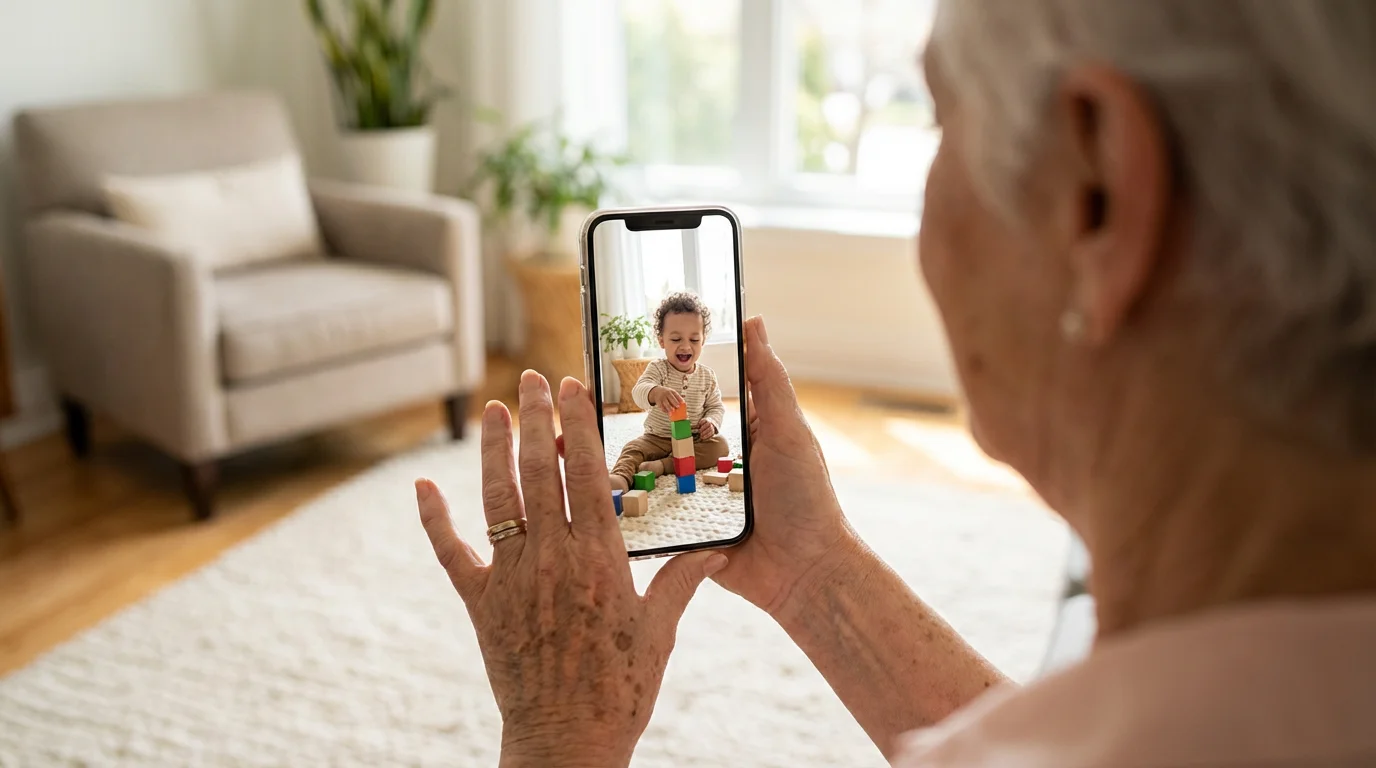
Beyond technical settings, understanding compositional elements elevates your images from snapshots to captivating photographs. These principles apply whether you are using a smartphone or a professional camera. You can practice these concepts with any subject, from a grandchild’s smile to a majestic landscape.
Composition: Arranging Your Elements
Composition refers to how you arrange elements within your frame. Strong composition guides the viewer’s eye and creates visual harmony.
- Rule of Thirds: Imagine your frame divided into nine equal sections by two horizontal and two vertical lines. Place your main subject or points of interest along these lines or at their intersections. This creates a more balanced and engaging image than simply centering everything.
- Leading Lines: Use natural or artificial lines (roads, fences, rivers) to draw the viewer’s eye into and through the photograph, leading towards your main subject.
- Framing: Use elements within the scene (doorways, tree branches, windows) to create a “frame” around your subject, adding depth and context.
- Symmetry and Patterns: Look for repeating elements or symmetrical scenes. These create pleasing, harmonious visuals. Conversely, breaking a pattern can create a powerful point of interest.
Lighting: The Soul of Photography
Light is the single most important element in photography. It sculpts your subject, creates mood, and dictates the overall feel of your image. Understanding how light interacts with your subject transforms your photos.
- Golden Hour: The hour after sunrise and the hour before sunset provide soft, warm, directional light. This light is incredibly flattering for portraits and landscapes, creating long shadows and rich colors.
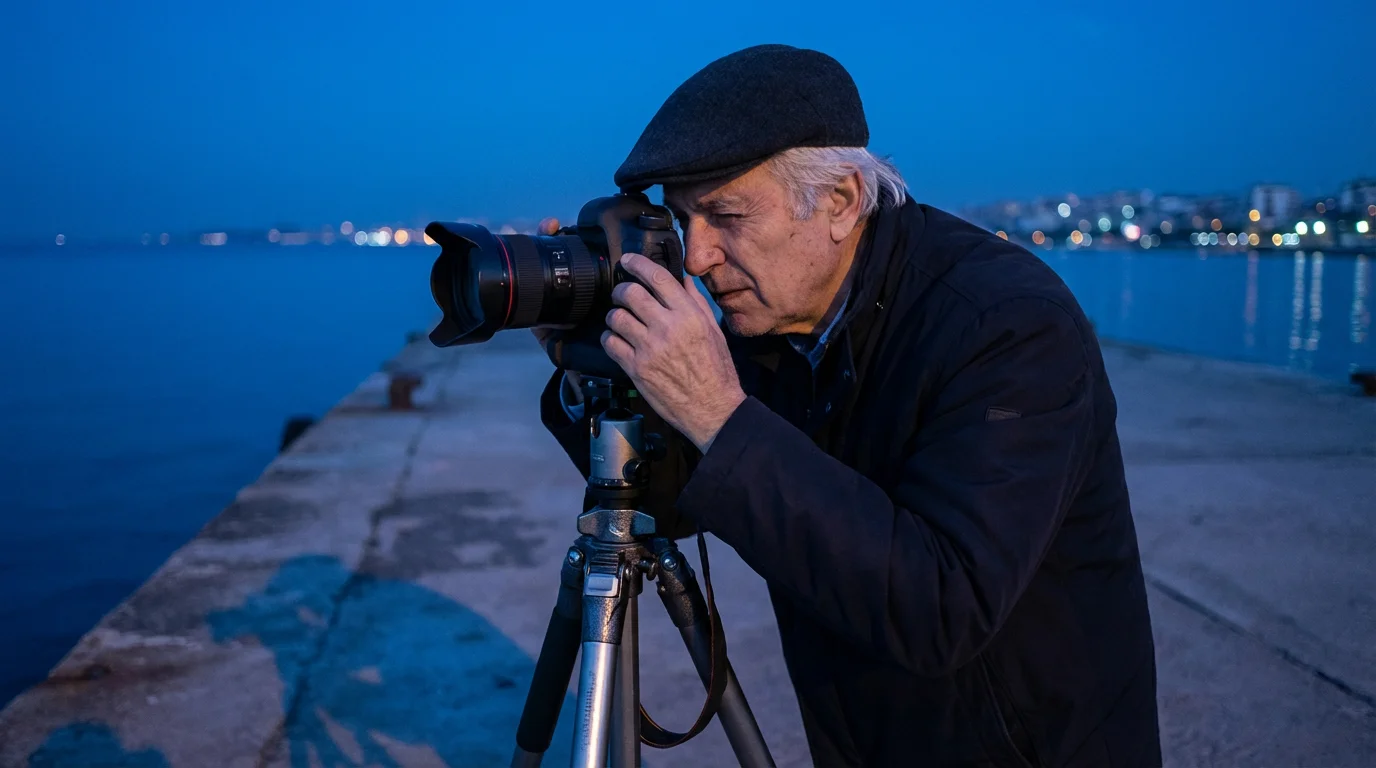
- Blue Hour: The period just before sunrise or after sunset, when the sun is below the horizon but residual light bathes the sky in deep blues and purples. Excellent for cityscapes and twilight scenes.
- Overcast Days: Cloudy skies act like a giant softbox, diffusing harsh sunlight. This creates soft, even light perfect for portraits and close-up subjects, minimizing harsh shadows.
- Backlighting: When the light source is behind your subject, it can create dramatic silhouettes or a beautiful “rim light” effect around your subject’s edges.
Perspective: Seeing Differently
Changing your perspective dramatically alters your photos. Most people shoot from eye level. Experiment by getting low to the ground, climbing a short ladder, or shooting through objects. This simple change adds immediate interest and originality to your images.
Exploring Photography Genres and Subjects
Once you grasp the basics, you can apply your skills to various photographic genres. “Senior Hobbies” often involve exploring new interests, and photography offers a boundless array of subjects. You can specialize in one area or enjoy experimenting with many. Consider what truly excites you visually.
Travel Photography
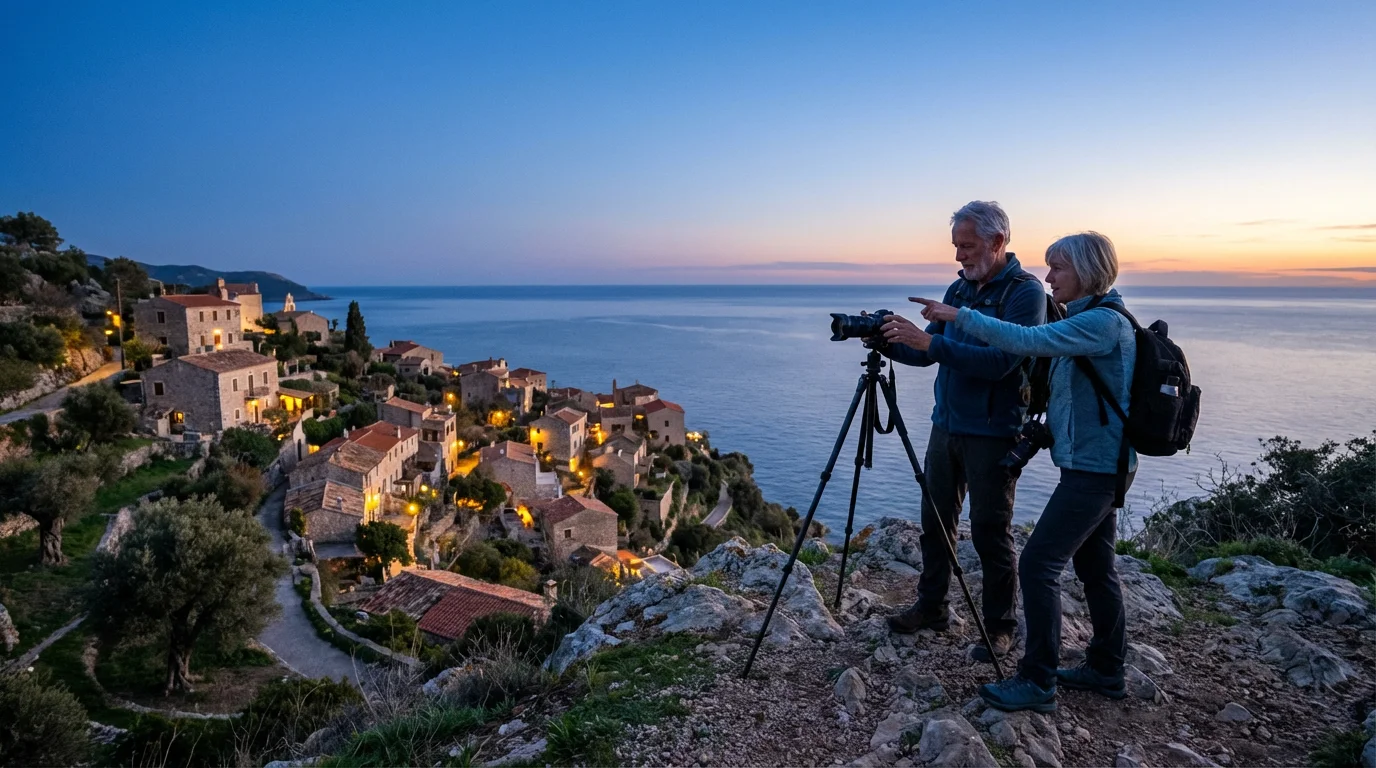
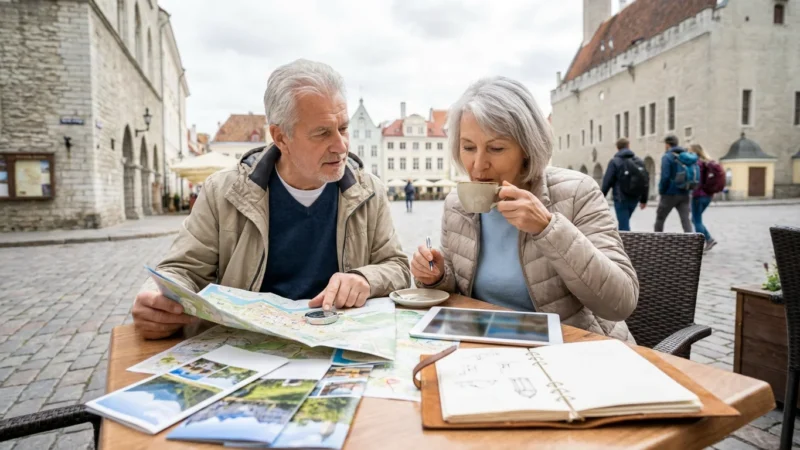
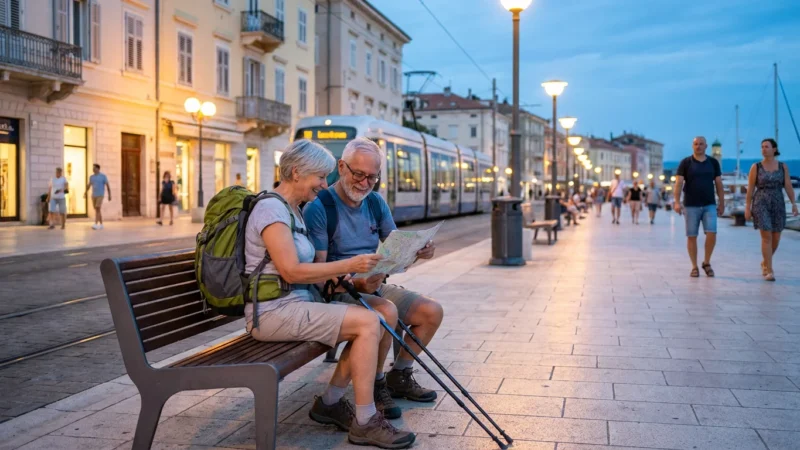
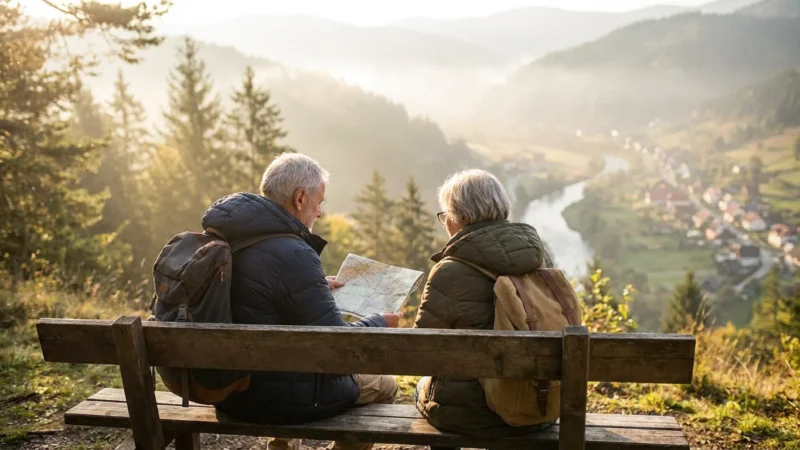
Capturing the essence of new places is a favorite for many seniors. Travel photography documents your adventures, from grand landscapes to intricate cultural details. Prioritize portability when choosing gear. Research your destinations for prime photo spots. Always respect local customs and ask permission before photographing people.
- Tips for travel photography:
- Pack light but bring essential accessories like extra batteries and memory cards.
- Wake up early or stay out late for the best light (golden and blue hours).
- Look beyond the obvious landmarks; capture local life, street scenes, and food.
- Utilize wide-angle lenses for expansive landscapes and telephoto lenses for distant wildlife or architectural details.
- Consider a small tripod for stable shots in low light or for self-portraits.
Many organizations, like Road Scholar, offer educational tours that include photography workshops, combining travel with skill development.
Nature and Landscape Photography
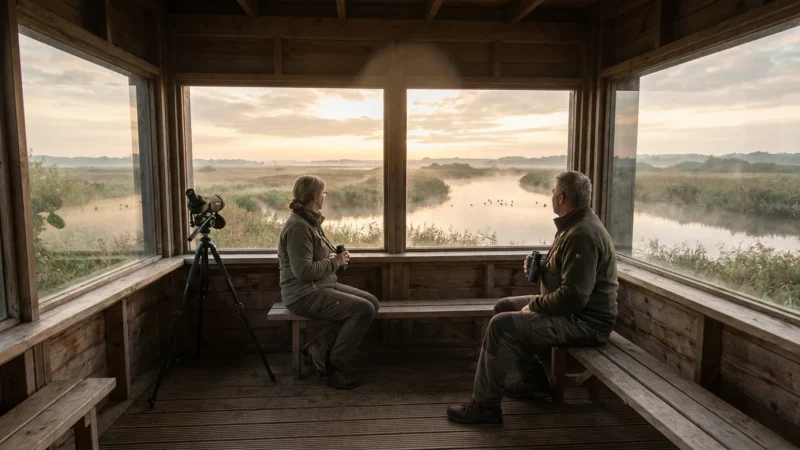
From towering mountains to intricate flora, nature provides endless inspiration. This genre often requires patience and an appreciation for natural light. You do not need to travel far; your local park or garden offers rich opportunities.
- Focus on composition: leading lines, foreground interest, and the rule of thirds.
- Experiment with different times of day to capture varied moods.
- Look for reflections in water, interesting cloud formations, or patterns in leaves.
Portrait Photography
Photographing people, whether family, friends, or strangers, is incredibly rewarding. Portraits capture personality, emotion, and connection. Seek out natural light, perhaps near a window or in open shade outdoors. Engage with your subject, make them comfortable, and capture genuine expressions.
- Use a wider aperture (smaller f-number) to create a blurry background and make your subject stand out.
- Focus on the eyes for a compelling portrait.
- Experiment with different angles and poses to find what works best.
Street Photography and Documentary
If you enjoy observing humanity, street photography might appeal to you. This genre involves capturing candid moments of everyday life in public spaces. It requires quick reflexes, discretion, and an eye for storytelling. For safety, always be aware of your surroundings.
Macro Photography
Macro photography reveals the hidden beauty of tiny subjects, like insects, flowers, or textures. You need a specialized macro lens or an attachment for your existing lens. This genre encourages meticulous observation and a steady hand.
Editing Your Photos: Enhancing Your Vision
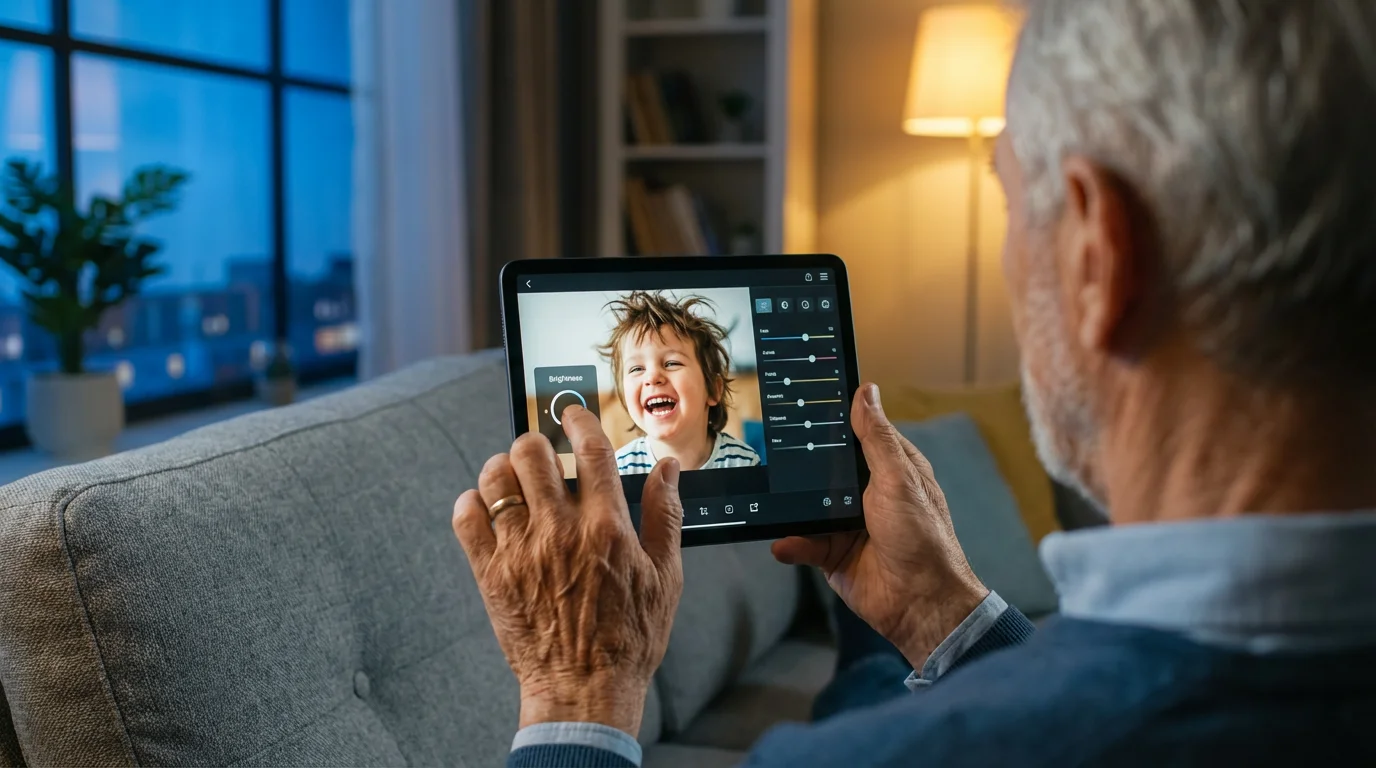
Editing is a crucial part of the digital photography process. It helps you refine your images, correct imperfections, and bring out your artistic vision. You do not need expensive, complicated software to make significant improvements. Many intuitive options exist for beginners.
Smartphone Editing Apps
If you primarily shoot with your smartphone, numerous free and low-cost apps offer powerful editing capabilities:
- Google Photos: Often pre-installed, offers basic adjustments, filters, and cropping.
- Snapseed: A free, Google-owned app with professional-level editing tools in an accessible interface.
- Adobe Lightroom Mobile: A robust app for more serious mobile photographers, with advanced features and cloud syncing (some features require a subscription).
These apps allow you to adjust exposure, contrast, color, sharpness, and crop your images. They provide an excellent starting point for learning post-processing techniques.
Desktop Editing Software
For those using dedicated cameras, or who prefer working on a larger screen, desktop software offers more control:
- Adobe Lightroom Classic/CC: Industry standard, excellent for organizing and editing large volumes of photos. It has a subscription model.
- Affinity Photo: A powerful, one-time purchase alternative to Adobe Photoshop, offering advanced editing features.
- GIMP (GNU Image Manipulation Program): A free, open-source alternative for image manipulation, with a steeper learning curve but extensive capabilities.
- Your Camera Manufacturer’s Software: Many camera brands provide basic editing software for free with your camera purchase.
Start with simple adjustments: improve brightness, adjust contrast, and crop to enhance composition. With practice, you will develop your own editing style.

Sharing Your Work and Connecting with Others
The joy of photography often extends to sharing your creations and connecting with a community. Sharing your work provides valuable feedback, inspires others, and solidifies your passion. You do not need to be a professional to enjoy this aspect of the hobby.
Online Platforms and Social Media
Numerous online platforms allow you to display your photos to a wider audience. Choose platforms that suit your comfort level and goals.
- Family and Friends: Share photos directly through messaging apps, private online albums, or email.
- Facebook/Instagram: Excellent for sharing with a broad social circle and discovering other photographers.
- Flickr/500px: Communities dedicated to photography, where you can get constructive criticism and inspiration from serious photographers.
- Creating a Personal Website: If you become more serious, a simple website or blog allows you to curate your portfolio.
Local Photography Clubs and Workshops
Joining a local photography club connects you with fellow enthusiasts. These clubs often host meetings, photo walks, critiques, and guest speakers. It is a fantastic way to learn from experienced photographers, gain new perspectives, and make friends. Many community centers and camera stores offer beginner workshops that provide hands-on learning.
Printing and Displaying Your Art
Seeing your images in print offers a different kind of satisfaction. Print your favorite photos and display them in your home, create photo books, or give them as gifts. High-quality prints preserve your memories in a tangible form. Many online services offer affordable printing, from standard prints to canvases and metal prints.
Photography for Health and Well-being
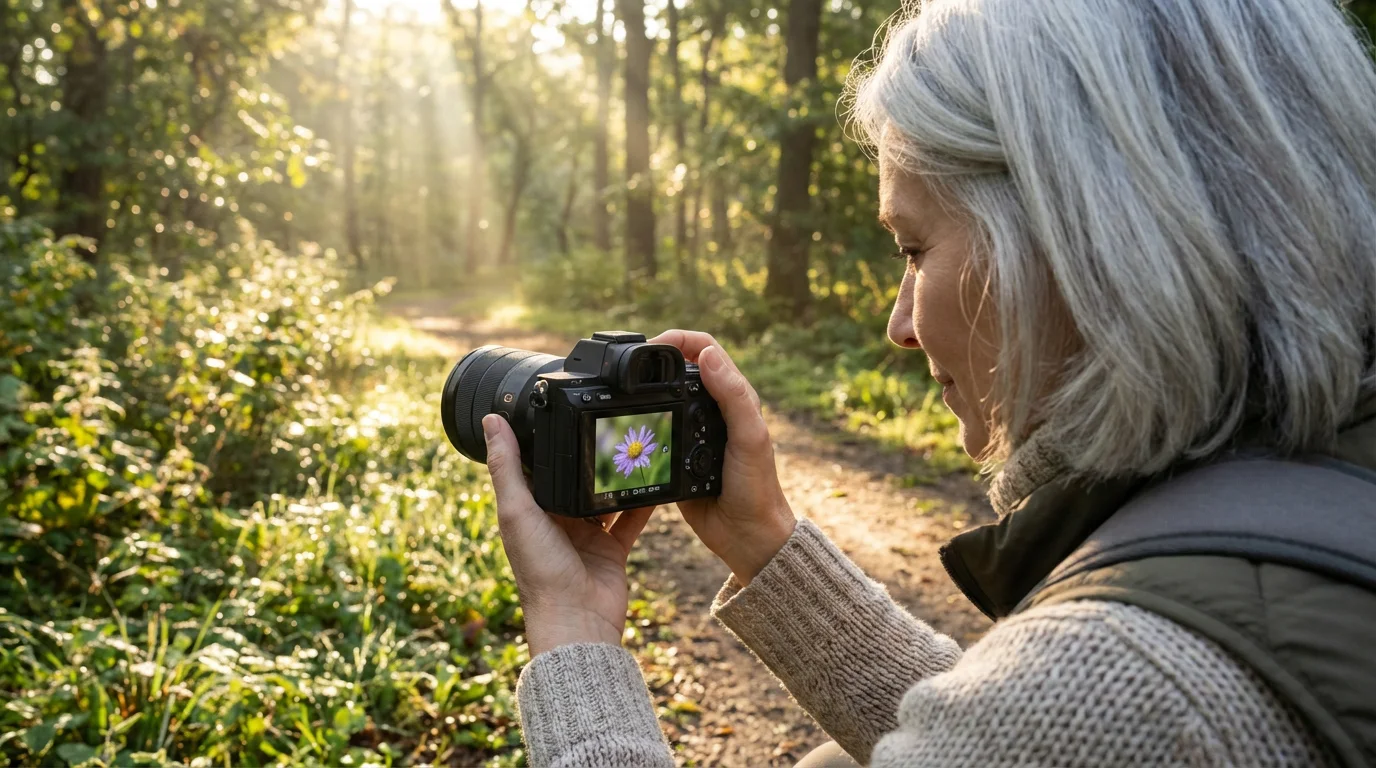
Engaging in photography offers significant benefits beyond creating beautiful images. This “Senior Hobby” actively contributes to your physical and mental well-being, enriching your life in multiple dimensions. It fosters a sense of purpose and discovery.
Photography encourages you to get out and explore, keeping you physically active. Whether you are walking through a park, hiking a trail for a scenic view, or simply strolling through a neighborhood, your camera motivates movement. This engagement combats sedentary lifestyles and contributes to better cardiovascular health and mobility. You might find yourself more inclined to visit local attractions or travel further afield, all with your camera as your companion.
Mentally, photography stimulates cognitive function. It involves problem-solving, planning, and creative thinking. You analyze light, compose scenes, and make technical adjustments, all of which keep your brain sharp. The process of searching for interesting subjects trains your observational skills, making you more attuned to the details of your surroundings. This mindful engagement reduces stress and promotes a sense of calm. The satisfaction of capturing a beautiful moment or mastering a new technique provides a significant boost to your self-esteem and overall happiness.
Furthermore, photography offers a powerful tool for self-expression. It allows you to communicate feelings, ideas, and stories in a visual language. This creative outlet can be incredibly therapeutic, providing an avenue to process emotions and connect with your inner world. Sharing your work and receiving positive feedback reinforces these benefits, fostering social connection and a sense of belonging.
Advanced Tips and Continuing Your Learning
Your photographic journey is a continuous path of discovery. You can always learn new techniques, experiment with different styles, and refine your vision. Here are ways to deepen your skills and maintain your passion.
Learn From Online Resources
The internet offers a treasure trove of free and paid learning opportunities:
- YouTube Tutorials: Search for specific camera models or techniques. Many professional photographers share valuable insights.
- Online Courses: Websites like Skillshare, Coursera, or Udemy offer structured photography courses for all levels, often at affordable prices.
- Photography Blogs and Websites: Many photography experts share tips, reviews, and inspiration through their blogs.
Experiment with Accessories
As you progress, consider accessories that enhance your creative control:
- Tripod: Essential for sharp images in low light, long exposures, and self-portraits.
- Remote Shutter Release: Prevents camera shake when using a tripod.
- Filters: Polarizing filters reduce glare and enhance colors; neutral density filters allow for longer exposures in bright light.
- External Flash: Provides more control over lighting than your camera’s built-in flash.
- Different Lenses: Experiment with wide-angle, telephoto, and prime lenses to discover new perspectives and effects.
Practice Regularly and Reflect
Consistent practice remains the most effective way to improve. Take your camera with you often. Review your photos critically, noting what works and what does not. Do not be afraid to make mistakes; they are part of the learning process. Keep a photo journal, noting settings and observations, to track your progress and identify areas for improvement.
Photography is a journey, not a destination. Embrace the learning process, enjoy the act of creating, and celebrate every moment you capture. Your unique perspective makes your photos invaluable.
Frequently Asked Questions
How can seniors overcome mobility challenges for photography?
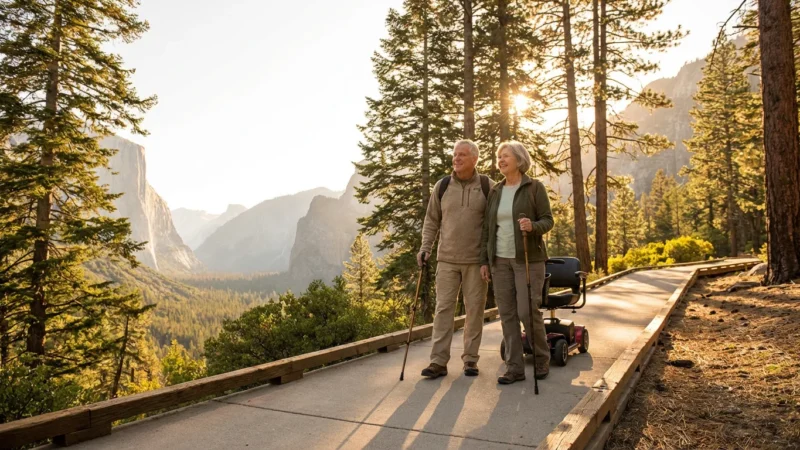
You can still pursue photography joyfully, even with mobility challenges. Focus on accessible locations like botanical gardens, museums, or even your own backyard. Lightweight cameras and tripods reduce strain. Consider street photography from a bench or car. Many photographers find creative limitations actually enhance their vision, prompting them to look for unique compositions within their reach. Additionally, explore macro photography or still life in your home.
What is the most user-friendly camera for a senior beginner?
For most senior beginners, a modern smartphone or a high-quality compact digital camera offers the best balance of ease of use and excellent image quality. Smartphones are incredibly intuitive, as you likely already use one. Compact cameras, like those from Canon, Sony, or Panasonic, often feature simple “auto” modes, larger buttons, and dedicated controls that are easy to understand. They provide a step up in zoom and low-light performance without overwhelming complexity. Consider handling a few models in person to find one that feels comfortable in your hands.
Are there senior-specific photography classes or groups?
Yes, many communities offer photography classes tailored for seniors. Check with your local senior center, community college, or art school for courses designed to introduce “digital photography” basics. Local camera stores often host beginner workshops. Photography clubs, which you can find through online searches or community boards, also welcome new members and provide a supportive learning environment. These groups often cover everything from “how can seniors learn photography basics?” to advanced techniques.
Is photography an expensive hobby for seniors?
Photography can be as affordable or as expensive as you choose. Starting with your smartphone makes it essentially free, leveraging equipment you already own. Entry-level compact digital cameras typically cost $100-$300, providing a significant upgrade without a huge investment. While professional-grade cameras and lenses can run into thousands, you do not need them to create stunning images. Focus on learning composition and light with accessible gear first. Later, you can gradually invest in equipment as your passion grows, making it a manageable expense over time.
Disclaimer: This article is for informational purposes only. Travel conditions, prices, and policies change frequently. We encourage readers to verify current information directly with travel providers, check travel advisories, and consult with healthcare providers about any health concerns before traveling.

Leave a Reply