
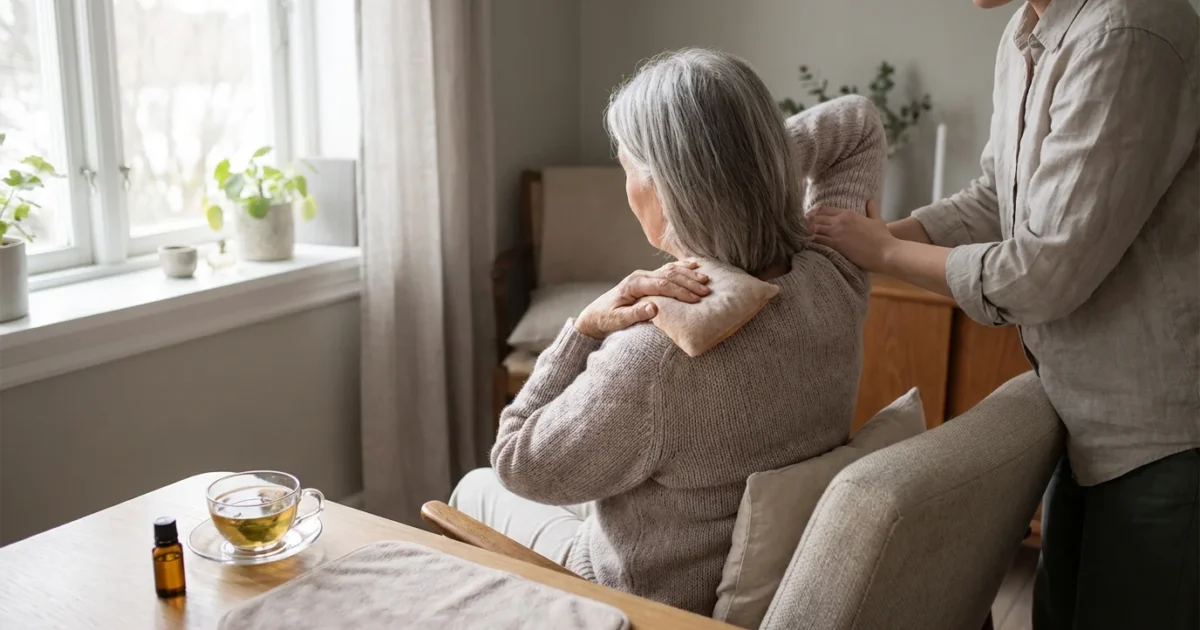
Living with pain can significantly impact your quality of life, especially as you age. Many seniors seek effective ways to manage discomfort without relying solely on medication. This article explores a range of non-pharmaceutical strategies, offering practical and actionable insights to help you take charge of your pain management. You can discover natural pain relief methods for seniors and learn how to manage chronic pain without medication, empowering you to live more comfortably and actively.

Understanding Pain in Later Life
Pain often becomes a more frequent companion as we age. This can range from acute pain, which is sudden and short-lived, to chronic pain, which persists for three months or longer. Chronic pain affects approximately 50% of older adults, significantly impacting daily activities and mental well-being.
Managing chronic pain presents unique challenges for seniors. Pharmaceutical interventions often come with potential side effects, drug interactions, and the risk of dependence. Exploring alternative therapies offers you valuable avenues for pain relief with fewer associated risks. These methods help improve your quality of life by addressing the root causes and symptoms of discomfort through holistic approaches.

Movement and Exercise for Pain Relief
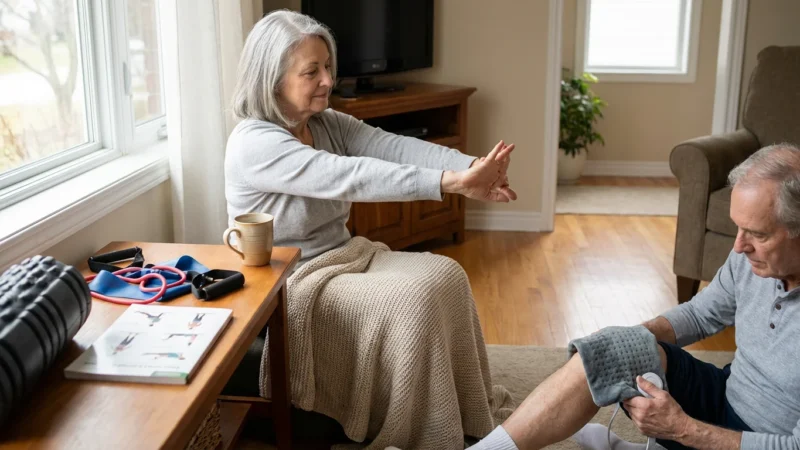
Regular physical activity is a cornerstone of effective pain management. Exercise strengthens muscles, improves joint flexibility, and releases endorphins, which are natural pain relievers. Even gentle movement can make a significant difference in reducing chronic pain.
Consulting your doctor or a physical therapist before starting any new exercise regimen is crucial. They can help you develop a safe and effective plan tailored to your specific needs and health conditions. You can start slowly and gradually increase intensity as your body adapts.
Here are some recommended exercises for seniors seeking pain relief:
- Walking: A low-impact activity that improves circulation, joint mobility, and mood. Aim for 30 minutes most days of the week, even in shorter increments.
- Swimming or Water Aerobics: The buoyancy of water reduces stress on joints, making it ideal for individuals with arthritis or other joint pain. Water exercises build strength and improve flexibility.
- Yoga and Tai Chi: These practices combine gentle movements, stretching, and mindful breathing. They enhance balance, flexibility, and muscle strength while reducing stress, which often exacerbates pain.
- Strength Training: Using light weights, resistance bands, or your own body weight helps build muscle around painful joints. Stronger muscles provide better support, reducing strain and discomfort.
- Cycling: Stationary bikes offer a low-impact way to improve cardiovascular health and strengthen leg muscles. Adjust the seat and handlebars for proper ergonomics.
Consistency is key when using exercise for pain relief. You will likely notice gradual improvements in your pain levels and overall well-being.
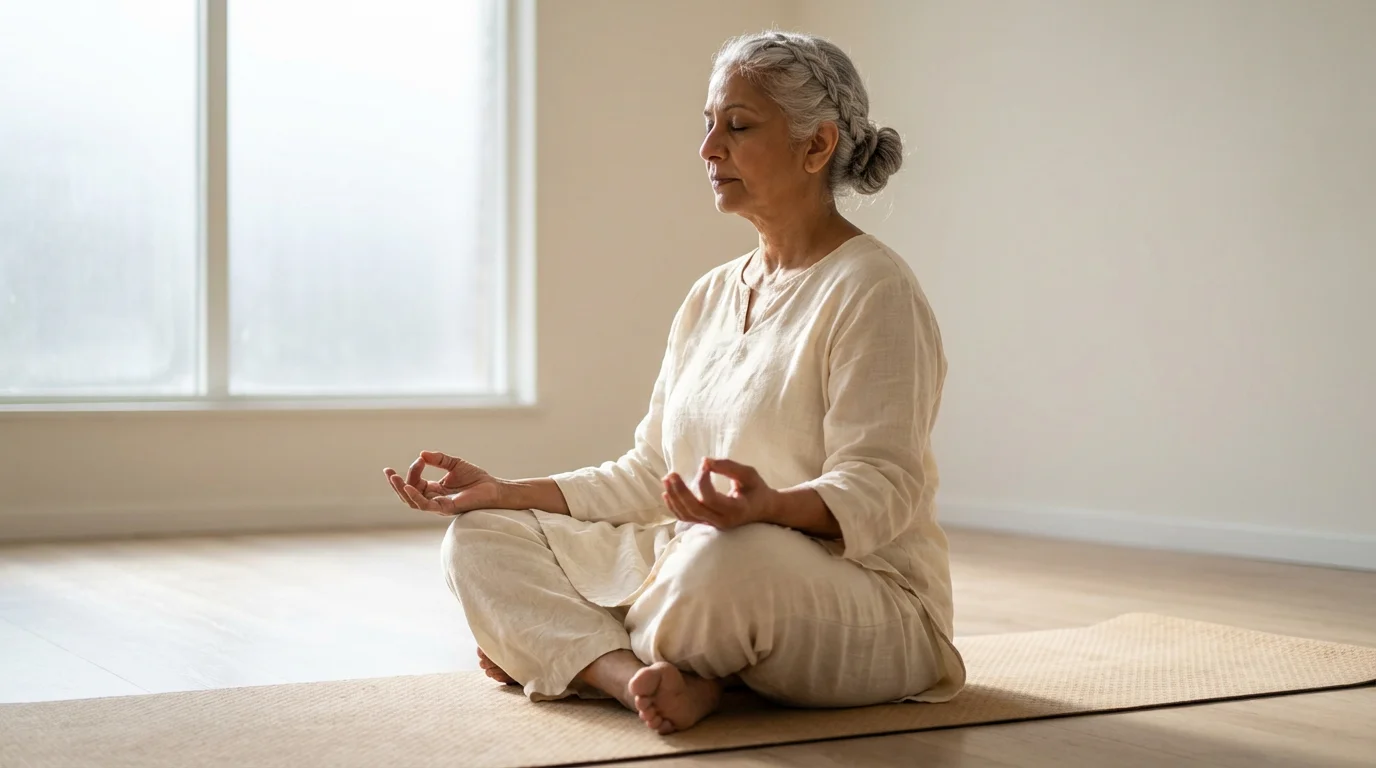
Mind-Body Techniques to Alleviate Discomfort
The connection between your mind and body plays a powerful role in how you experience pain. Mind-body techniques help you alter your perception of pain, reduce stress, and promote relaxation, leading to significant discomfort reduction. These strategies train your brain to respond differently to pain signals.
Implementing these practices can empower you to manage chronic pain without medication. Many resources are available online and in your community to guide you. For example, the National Institutes of Health (NIH) emphasizes the value of these approaches in pain management.
Consider these effective mind-body strategies:
- Meditation and Mindfulness: Focusing on the present moment and observing thoughts and sensations without judgment can reduce pain intensity. Regular practice helps you develop a greater sense of control over your pain response.
- Deep Breathing Exercises: Slow, deep breaths activate your parasympathetic nervous system, promoting relaxation and reducing muscle tension. Practice diaphragmatic breathing several times a day.
- Guided Imagery: This technique involves focusing your mind on positive mental images, such as a peaceful scene or sensations of comfort. It can distract you from pain and evoke a relaxation response.
- Biofeedback: With biofeedback, you learn to control involuntary bodily functions like heart rate, muscle tension, and skin temperature. Sensors provide real-time feedback, helping you gain conscious control over physiological responses that contribute to pain.
- Cognitive Behavioral Therapy (CBT): A therapist helps you identify and change negative thought patterns and behaviors related to pain. CBT equips you with coping strategies, reduces pain catastrophizing, and improves your ability to function despite pain.
These techniques require practice, but their benefits extend beyond pain relief to overall mental and emotional well-being.

Nutritional Approaches and Anti-Inflammatory Diets
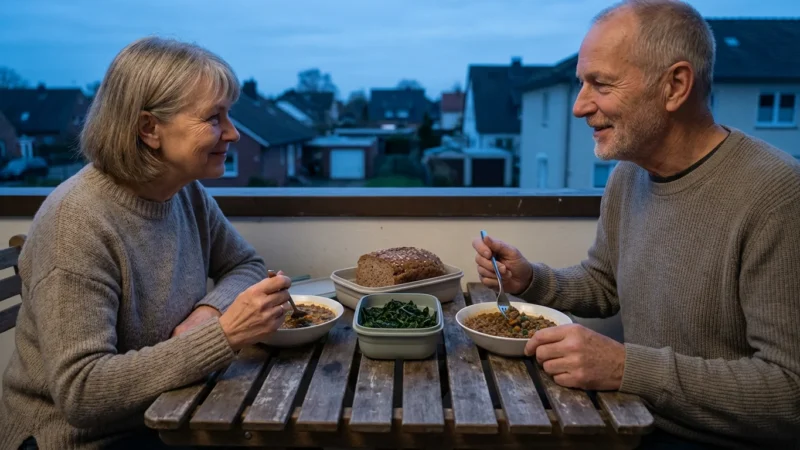
What you eat significantly impacts inflammation in your body, a major contributor to many types of chronic pain, especially in conditions like arthritis. Adopting an anti-inflammatory diet can reduce systemic inflammation, thereby easing your pain. This approach focuses on nutrient-dense whole foods.
Eating a balanced diet also helps you maintain a healthy weight. Excess weight places additional stress on joints, worsening conditions like osteoarthritis. The Academy of Nutrition and Dietetics provides excellent resources on healthy eating for seniors.
Incorporate these foods into your diet for anti-inflammatory benefits:
- Fruits and Vegetables: Rich in antioxidants and phytochemicals, these combat inflammation. Aim for a wide variety of colorful produce, such as berries, leafy greens, broccoli, and bell peppers.
- Omega-3 Fatty Acids: Found in fatty fish (salmon, mackerel, sardines), flaxseeds, chia seeds, and walnuts, omega-3s are powerful anti-inflammatory agents. They help reduce the production of inflammatory compounds.
- Whole Grains: Choose oats, brown rice, quinoa, and whole wheat products over refined grains. Whole grains provide fiber and nutrients that help reduce inflammation.
- Lean Proteins: Opt for poultry, fish, beans, and lentils. These provide essential amino acids without contributing to inflammation.
- Healthy Fats: Avocado, olive oil, and nuts contain monounsaturated and polyunsaturated fats that support overall health and have anti-inflammatory properties.
- Spices: Turmeric (with black pepper for absorption), ginger, and garlic possess natural anti-inflammatory compounds. Incorporate them into your cooking regularly.
Limit or avoid processed foods, sugary drinks, red and processed meats, and trans fats. These items can trigger and exacerbate inflammatory responses in your body. Staying well-hydrated by drinking plenty of water also supports joint health and overall bodily functions.

Complementary Therapies for Targeted Relief
Beyond lifestyle changes, several complementary therapies offer targeted pain relief. Many seniors find significant benefits from these methods, which often work synergistically with conventional care. Discussing these options with your doctor ensures they align with your health profile.
These alternative therapies can often provide effective chronic pain management without medication, offering a holistic approach to your well-being. You might find a combination of therapies works best for your specific type of pain.
Consider these complementary approaches:
- Acupuncture: This ancient Chinese practice involves inserting thin needles into specific points on the body. It helps release natural pain-killing endorphins and can be effective for conditions like back pain, osteoarthritis, and headaches.
- Massage Therapy: Therapeutic massage reduces muscle tension, improves circulation, and promotes relaxation. It can alleviate pain from muscle spasms, stiffness, and nerve compression. Different types of massage, like deep tissue or Swedish, cater to various needs.
- Chiropractic Care: Chiropractors focus on musculoskeletal health, particularly the spine. Adjustments can improve spinal alignment, reducing nerve irritation and pain, especially for back and neck issues. Always choose a licensed and experienced practitioner.
- Heat and Cold Therapy: Applying heat (heating pads, warm baths) can relax stiff muscles and increase blood flow, while cold packs reduce inflammation and numb painful areas. Alternate between the two or use what feels most effective for your pain.
- Topical Pain Relief: Creams, gels, and patches containing ingredients like capsaicin, menthol, or lidocaine can provide localized pain relief. Capsaicin, derived from chili peppers, works by depleting substance P, a neurotransmitter that transmits pain signals.
- Transcutaneous Electrical Nerve Stimulation (TENS): A small, battery-operated device delivers low-voltage electrical current through electrodes placed on the skin. TENS can block pain signals and stimulate endorphin production, offering temporary but effective relief.
Remember that the effectiveness of these therapies varies from person to person. What works for one individual might not work for another. Experimentation, under professional guidance, is often necessary.
The Importance of Quality Sleep
Sleep and pain share a complex, bidirectional relationship. Poor sleep can amplify pain sensitivity, while chronic pain often disrupts sleep. Breaking this cycle is crucial for effective pain management. Prioritizing restful sleep acts as a powerful natural pain relief method for seniors.
Aim for 7-9 hours of quality sleep per night. If you consistently struggle with sleep, discuss it with your healthcare provider. They can assess for underlying sleep disorders. The National Institute on Aging offers comprehensive advice on improving sleep as you age.
Improve your sleep quality with these strategies:
- Maintain a Consistent Sleep Schedule: Go to bed and wake up at roughly the same time each day, even on weekends. This helps regulate your body’s natural sleep-wake cycle.
- Create a Relaxing Bedtime Routine: Wind down with activities like reading, taking a warm bath, or listening to calm music. Avoid screen time (phones, tablets, TV) at least an hour before bed.
- Optimize Your Sleep Environment: Ensure your bedroom is dark, quiet, and cool. Invest in a comfortable mattress and pillows that support your body properly.
- Limit Caffeine and Alcohol: Avoid caffeine late in the day and limit alcohol consumption, especially close to bedtime. Both can disrupt sleep cycles.
- Stay Active During the Day: Regular exercise can promote better sleep, but avoid strenuous workouts too close to bedtime.
- Manage Evening Fluid Intake: Reduce fluids before bed to minimize nighttime bathroom trips, which can interrupt sleep.
Prioritizing sleep directly contributes to your body’s ability to heal and manage pain.
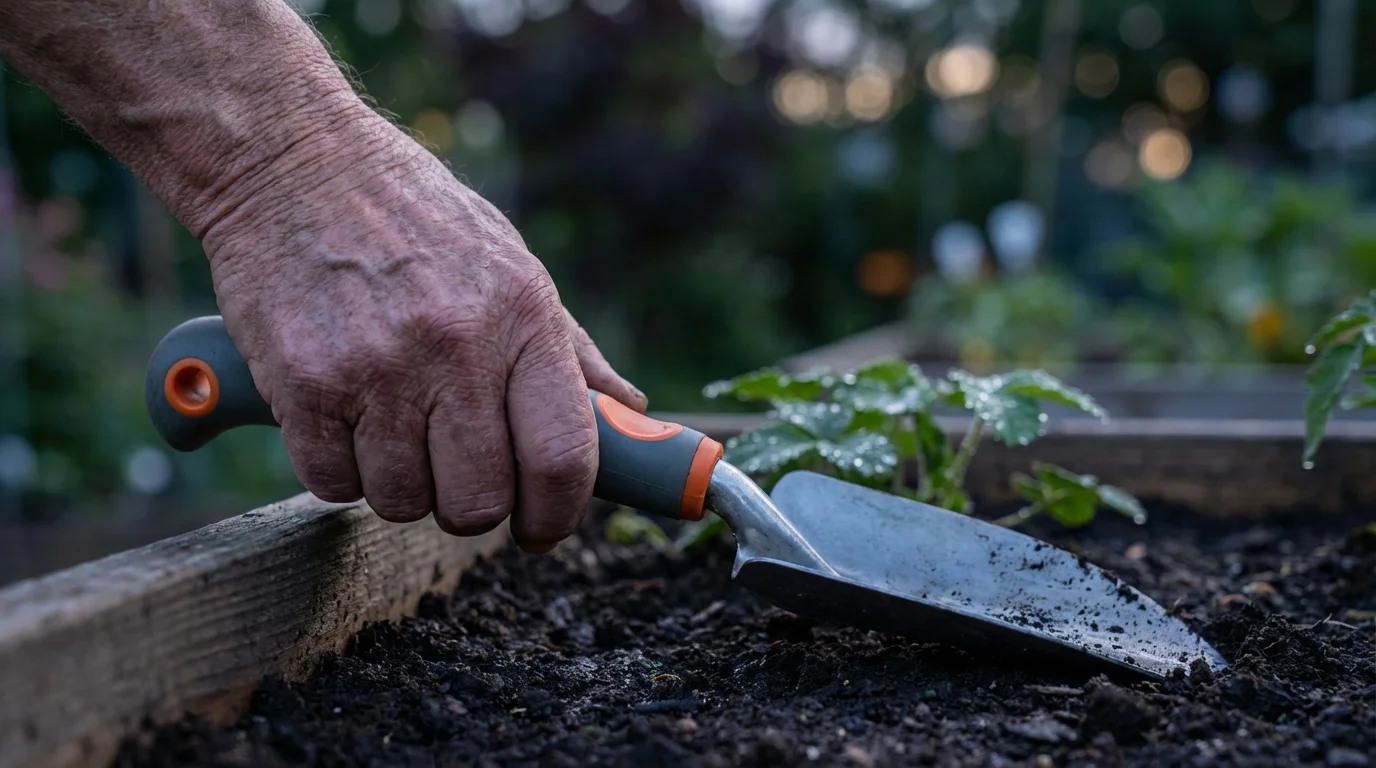
Lifestyle Adjustments and Ergonomics
Small changes in your daily habits and environment can significantly reduce strain and discomfort, contributing to better pain management. These practical adjustments empower you to adapt your surroundings to better support your body. Good ergonomics minimize physical stress on your joints and muscles.
You can proactively manage chronic pain without medication by being mindful of your posture and movements. These subtle shifts can prevent pain flare-ups and improve overall comfort.
Consider these helpful lifestyle and ergonomic modifications:
- Maintain Good Posture: Be mindful of your posture while sitting, standing, and walking. A neutral spine alignment reduces stress on your back and neck. Use supportive chairs and avoid slouching.
- Use Ergonomic Furniture and Tools: Adjust your workstation, if applicable, to support proper posture. Use tools with ergonomic handles to reduce strain on your hands and wrists.
- Incorporate Assistive Devices: Walkers, canes, or grab bars can provide support, improve balance, and reduce the burden on painful joints. Discuss appropriate devices with a physical therapist.
- Pace Yourself: Avoid overdoing activities, even those you enjoy. Break down tasks into smaller, manageable chunks and take frequent breaks. Listen to your body’s signals and rest when needed.
- Manage Stress: Stress often exacerbates pain. Incorporate stress-reducing activities like hobbies, spending time with loved ones, or practicing mindfulness. Managing stress supports overall pain relief.
- Maintain a Healthy Weight: As mentioned, excess weight puts additional strain on joints, especially in the knees, hips, and lower back. Even a modest weight loss can significantly reduce pain and improve mobility.
- Wear Supportive Footwear: Choose shoes with good arch support and cushioning. Proper footwear distributes weight evenly and absorbs shock, reducing impact on your joints.
These adjustments help create a more pain-friendly environment and routine, allowing you to engage more fully in your daily life.
When to See a Doctor
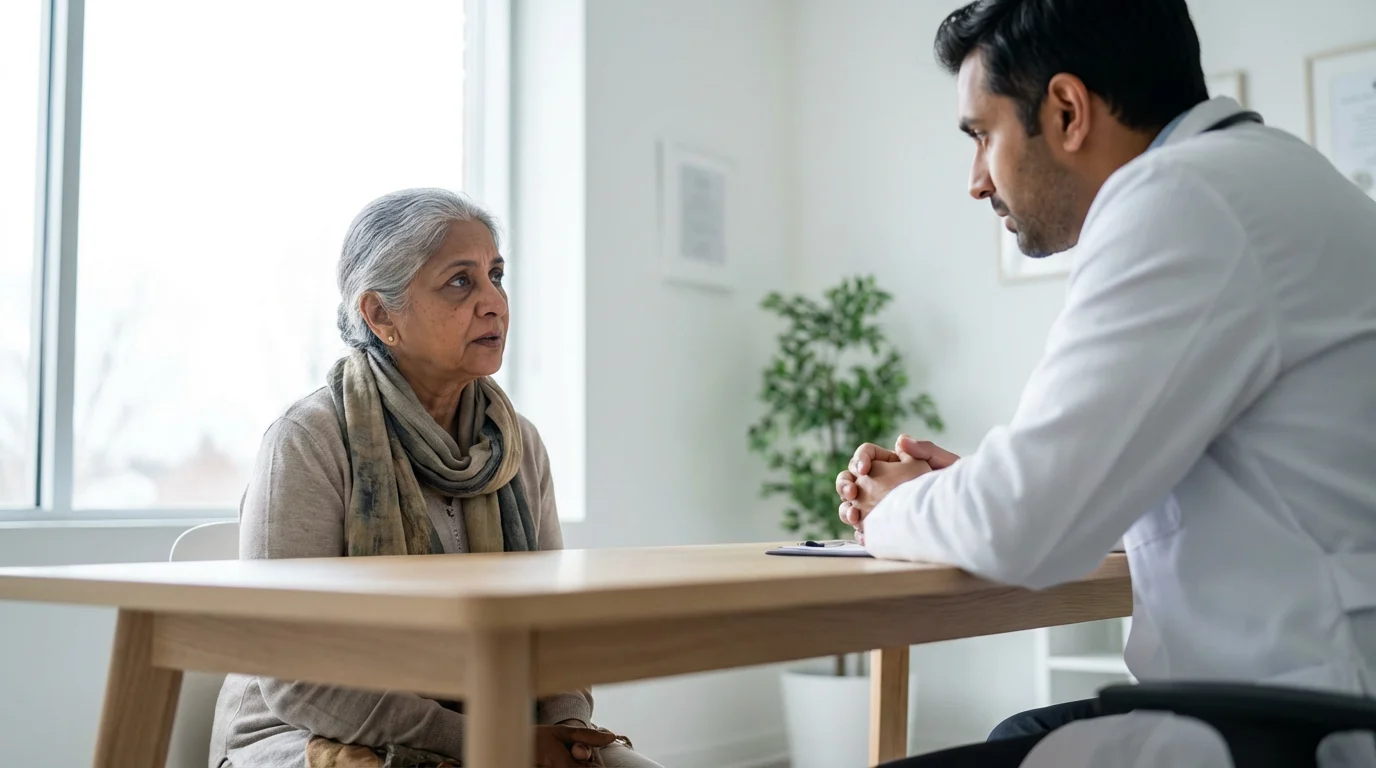
While non-pharmaceutical pain management strategies offer powerful relief, knowing when to consult a healthcare professional is crucial. Persistent or worsening pain often indicates an underlying issue that requires medical diagnosis and treatment. Delaying medical evaluation can sometimes lead to more severe problems.
You should always seek professional medical advice for new, severe, or unexplained pain. Your doctor can accurately diagnose the cause of your discomfort and rule out serious conditions. They also help you develop an integrated pain management plan.
Consult your doctor if you experience any of the following:
- Sudden, Severe Pain: Especially if it occurs without an apparent injury or cause.
- Pain that Worsens or Does Not Improve: Despite using home remedies or non-pharmaceutical strategies, your pain persists or escalates.
- New or Unexplained Symptoms: Such as numbness, tingling, weakness, swelling, redness, fever, or unintended weight loss accompanying your pain.
- Pain that Disrupts Daily Life: When pain prevents you from sleeping, working, or performing essential activities.
- Concerns about Medication Side Effects: If you are currently taking pain medication and experience adverse reactions or side effects.
- Pain that Spreads: When localized pain starts to radiate to other parts of your body.
Always communicate openly with your healthcare provider about your pain and any strategies you are trying. They are your best resource for personalized guidance.
Partnering with Your Healthcare Team
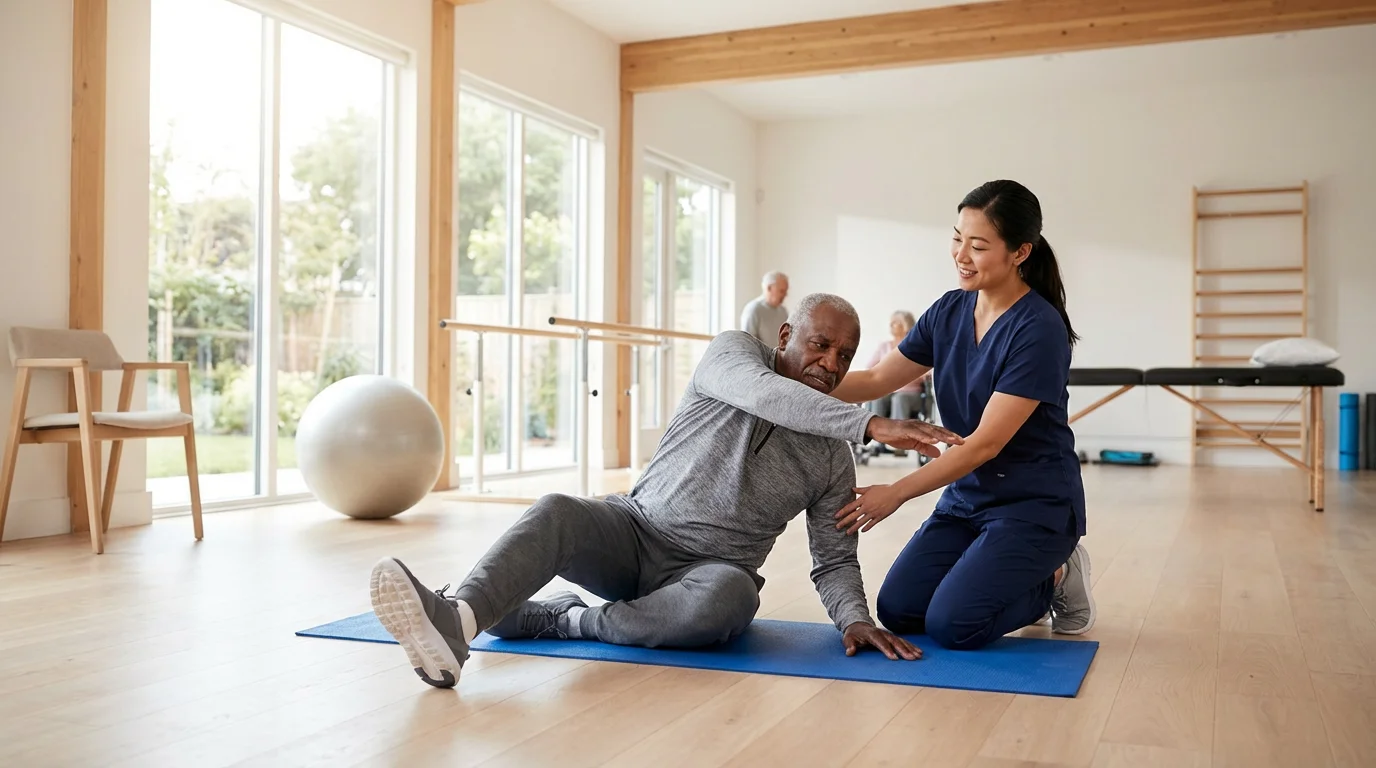
Effective pain management often involves a collaborative approach between you and your healthcare team. Your doctors, physical therapists, occupational therapists, and even nutritionists play vital roles in developing a comprehensive plan tailored to your needs. This team can help you navigate alternative therapies for chronic pain, ensuring safety and efficacy.
Open communication is essential. Clearly articulate your pain levels, how it impacts your life, and which non-pharmaceutical options you are interested in exploring. This helps your team provide the most effective recommendations and coordinate care. Medicare.gov offers information on coverage for various therapies, which your doctor can help you understand.
Here is how you can effectively partner with your healthcare team:
- Be Prepared for Appointments: Write down your symptoms, questions, and any non-pharmaceutical methods you have tried. Document the frequency, intensity, and triggers of your pain.
- Discuss All Your Medications: Inform your doctor about all prescription drugs, over-the-counter medications, supplements, and herbal remedies you take. This helps prevent dangerous interactions.
- Ask About Referrals: Inquire about referrals to specialists like physical therapists, pain management clinics, or registered dietitians. These professionals offer specialized expertise in non-pharmaceutical approaches.
- Explore Integrated Plans: Work with your doctor to create an integrated pain management plan that combines conventional and non-pharmaceutical strategies. This holistic approach often yields the best results.
- Provide Feedback: Share your experiences with different therapies. This feedback helps your team adjust your plan and find what works best for you.
- Understand Your Treatment Options: Ask questions until you fully understand your diagnosis, treatment options, and the rationale behind your care plan. Knowledge empowers you to make informed decisions.
Taking an active role in your healthcare decisions and maintaining a strong partnership with your providers is the most effective way to manage your pain and improve your overall well-being.
Frequently Asked Questions
What is the most effective natural pain relief method for seniors?
The most effective method varies significantly among individuals, depending on the type and cause of pain. Many seniors find a combination of regular, gentle exercise (like walking or Tai Chi), mind-body practices (such as mindfulness or meditation), and an anti-inflammatory diet highly effective. Consulting your doctor helps determine the best starting point for your specific condition.
Can diet truly impact chronic pain?
Yes, diet plays a significant role in chronic pain management. An anti-inflammatory diet, rich in fruits, vegetables, omega-3 fatty acids, and whole grains, can reduce systemic inflammation in your body. This reduction often translates to decreased pain, particularly in conditions like arthritis. Avoiding processed foods and excessive sugar also helps.
How can I manage chronic pain without medication if I have multiple health conditions?
Managing chronic pain with multiple health conditions requires a careful, integrated approach with your healthcare team. Non-pharmaceutical options like physical therapy, gentle exercise, stress reduction techniques, and dietary changes are often safer and complement existing treatments. Always discuss any new pain management strategy with your doctor to ensure it does not interfere with your other health conditions or medications.
Are alternative therapies like acupuncture covered by Medicare?
Medicare coverage for alternative therapies varies. Original Medicare (Parts A and B) generally covers acupuncture for chronic lower back pain. Coverage for other alternative therapies, such as massage therapy or chiropractic care, depends on whether they are deemed medically necessary and if they are performed by a covered provider. Medicare Advantage plans (Part C) may offer broader coverage for these services. Always check with your specific plan or visit Medicare.gov for the most current information.
How long does it take for non-pharmaceutical methods to provide pain relief?
The timeline for pain relief from non-pharmaceutical methods varies. Some techniques, like heat/cold therapy or deep breathing, can offer immediate, temporary relief. Lifestyle changes, such as exercise and dietary modifications, often require several weeks or months of consistent practice to show significant, lasting improvements. Mind-body practices also deepen in effectiveness over time with regular engagement. Patience and consistency are crucial for long-term benefits.
What role does stress play in chronic pain?
Stress significantly impacts chronic pain. When you experience stress, your body releases hormones that can increase inflammation and muscle tension, making existing pain feel worse. Stress also amplifies your pain perception. Incorporating stress-reduction techniques like meditation, mindfulness, and adequate sleep into your routine can reduce both stress and your experience of pain.
Disclaimer: This article is for informational purposes only and does not constitute medical advice. The information provided is not intended to diagnose, treat, cure, or prevent any disease. Always consult with your healthcare provider before making any changes to your diet, exercise routine, medications, or health regimen. If you’re experiencing a medical emergency, call 911 immediately.





Leave a Reply