

Maintaining independence means managing your daily health with confidence. For many seniors, medications play a crucial role in staying healthy and active. However, keeping track of multiple prescriptions, understanding dosages, and remembering refill schedules can feel overwhelming. You deserve a system that simplifies this process, reduces stress, and enhances your safety.
This guide provides practical strategies and tools for effective medication management. We empower you with actionable insights to keep your medications organized, safely stored, and taken correctly. Whether you manage your own medications or help a loved one, these steps will build a robust routine for peace of mind.

Understanding Your Medications: The First Step to Control
You cannot manage what you do not fully understand. Take an active role in knowing every medication you take, including prescriptions, over-the-counter drugs, vitamins, and supplements. This forms the bedrock of safe medication management. Keep a comprehensive list accessible to you and your healthcare providers.
Gather vital information for each item you take. This proactive approach prevents errors and supports effective communication with your doctor and pharmacist.
- Create a Master List: Compile a single document listing every medication. Include the medication name, dosage, frequency, prescribing doctor, and what it treats.
- Know the “Why”: Understand the purpose of each medication. Why are you taking it? How does it help your condition?
- Recognize Side Effects: Discuss potential side effects with your doctor or pharmacist. Know which ones require immediate attention and which are common and manageable.
- Understand Interactions: Ask about possible interactions between your medications, supplements, and even certain foods or alcohol.
- Review Regularly: Schedule a periodic review of your medication list with your doctor, perhaps annually or during routine check-ups. They can identify unnecessary medications or potential conflicts.
A clear understanding empowers you. This knowledge protects your health and gives you confidence in your daily routine.
Mastering Organization with Pill Organizers
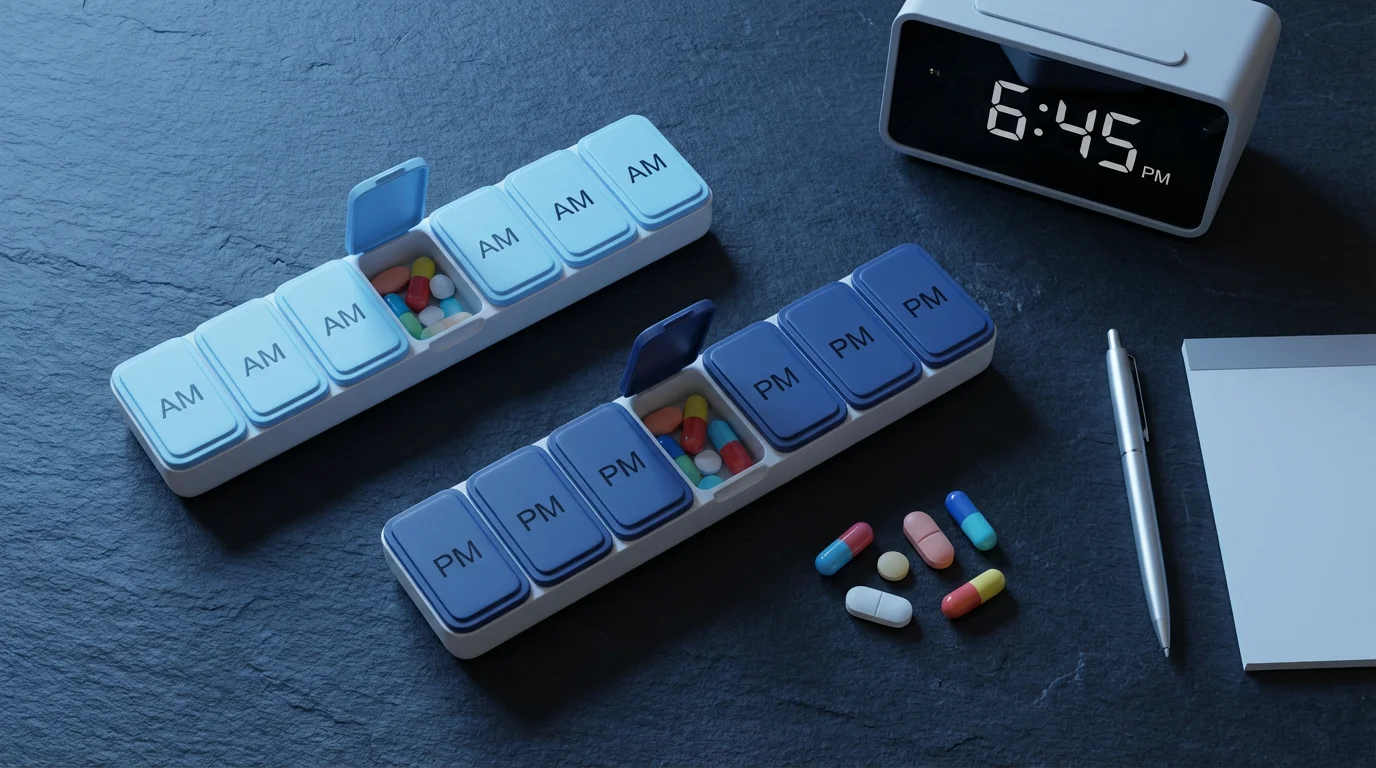
One of the most effective strategies for `medication management` involves using a pill organizer. These simple devices dramatically reduce the chance of missed doses or accidental double-dosing. They serve as a visual reminder and streamline your daily routine, answering the question, “How can seniors manage their medications effectively?”
Pill organizers come in various styles to suit different needs. Consider your medication schedule and dexterity when choosing one.
- Daily Pill Boxes: These feature compartments for each day of the week, often divided into morning, noon, evening, and night slots. They are ideal for straightforward daily regimens. You fill them once a week.
- Monthly Pill Organizers: Larger units hold 31 individual daily boxes. These suit those who prefer to fill their organizer once a month, reducing weekly preparation time.
- Automatic Pill Dispensers: These smart devices offer advanced features. They dispense pills at pre-programmed times, often with an audible alarm and a flashing light. Some even connect to an app to alert caregivers if a dose is missed. Expect costs ranging from $50 for basic models to $300 for advanced, app-connected versions.
- Travel Pill Organizers: Compact and secure options designed for short trips or carrying daily doses on the go.
When choosing a pill organizer, prioritize ease of use. Ensure the compartments open and close easily, even with arthritic hands. Clear labeling and distinct colors can also enhance usability.
Tech-Savvy Reminders for Medication Adherence
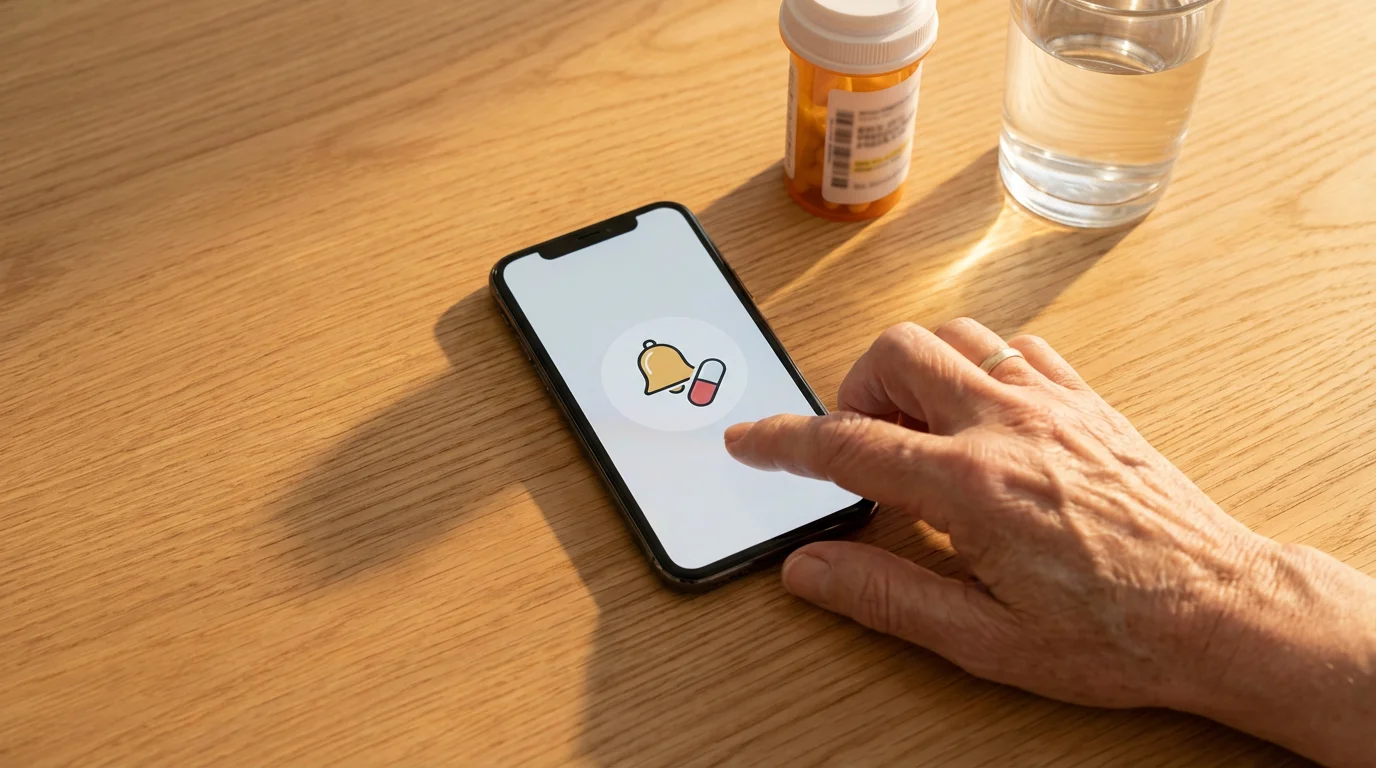
Technology offers powerful tools to support your `prescription safety` and adherence. Beyond physical pill organizers, digital reminders provide timely prompts and tracking capabilities. These tools help answer, “What are the best medication reminder apps?”
Integrating technology into your medication routine provides an extra layer of security and convenience. Explore these options to find what works best for you.
- Smartphone Reminder Apps: Many apps, free and paid, allow you to input your medication schedule. They send push notifications, often with custom sounds, at dose times. Some popular features include medication journaling, refill reminders, and interaction warnings. Examples include “Medisafe” or “MyTherapy.” Most are free, with premium features costing $5-10 per month.
- Smart Pill Dispensers: As mentioned, these devices combine physical organization with digital reminders. They often lock until the correct dose time, preventing early or late access. Some even have remote monitoring capabilities for caregivers.
- Smart Speakers: Devices like Amazon Echo or Google Home can set medication reminders with voice commands. Simply say, “Alexa, remind me to take my blood pressure medication at 8 AM daily.” This is a hands-free, easy-to-use option if you already own such a device.
- Wearable Tech: Some smartwatches or fitness trackers offer medication reminder functions, buzzing gently on your wrist at scheduled times.
Remember to choose a technology solution that aligns with your comfort level and technical proficiency. The goal is to make medication management simpler, not more complicated. Test a few options to see which interface feels most intuitive for you.
Safe Storage and Disposal Practices
Proper storage and disposal of medications protect their efficacy and prevent accidental ingestion or environmental harm. Your home environment affects your `prescription safety`. Keep all medications in their original containers, which include important labeling about dosage and expiration.
Follow these guidelines for safe storage and responsible disposal.
- Store in a Cool, Dry Place: Most medications require storage away from heat, light, and moisture. Avoid keeping them in the bathroom medicine cabinet, as humidity from showers can degrade pills. A kitchen cabinet or dresser drawer works better.
- Keep Out of Reach of Children and Pets: Even if you do not have children living with you, grandchildren or visiting pets can encounter medications. Use child-resistant caps and store medicines in high, locked cabinets if necessary.
- Check Expiration Dates: Regularly review your medications for expiration dates. Expired medications can lose potency or even become harmful.
- Never Share Medications: Your prescriptions are specifically for you. Sharing them with others is illegal and potentially dangerous.
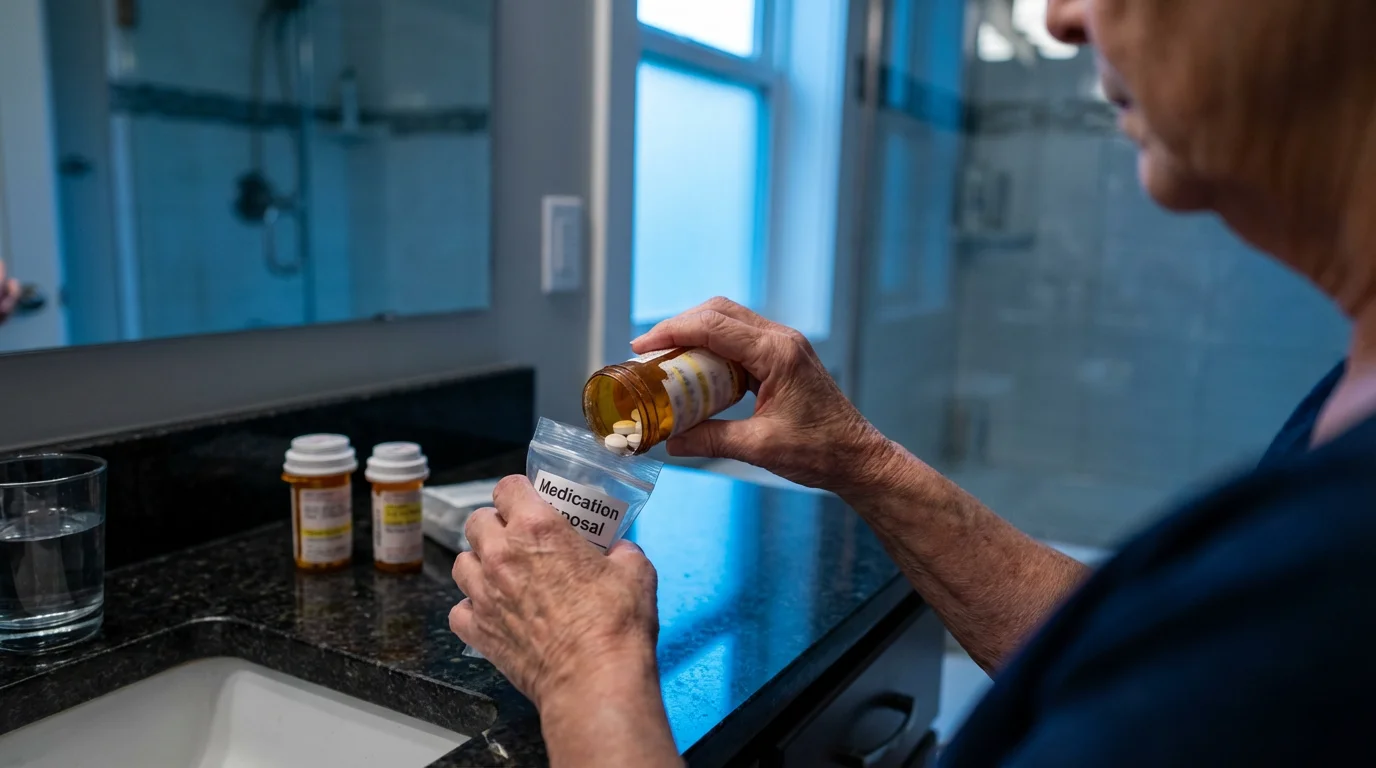
- Responsible Disposal: Do not flush medications down the toilet or throw them in the trash. Many communities offer drug take-back programs or pharmacies that accept unused medications. If no take-back program exists, mix pills with an unappealing substance like dirt or coffee grounds, place in a sealed bag, and then discard in household trash. Remove all personal information from prescription labels first. The National Institute on Aging provides additional guidance on medication safety and disposal. You can find resources on their website at nia.nih.gov/health/aging-place.
Safe handling practices contribute significantly to your overall well-being and the safety of your home.

Optimizing Refills and Pharmacy Communication
Managing refills proactively prevents gaps in your medication supply, a crucial aspect of `medication management`. Establishing a good relationship with your pharmacy and healthcare team simplifies this process. You can create a seamless system that ensures you always have the medications you need, when you need them.
Follow these steps to streamline your refill process and maintain open communication.
- Set Up Automatic Refills: Many pharmacies offer automatic refill services. They prepare your prescription before you run out, often notifying you when it is ready for pick-up or delivery. This eliminates the need for you to remember to call or log in.
- Coordinate Prescriptions: Ask your doctor and pharmacist to synchronize your refill dates. This means all your prescriptions become due around the same time, allowing for one monthly pharmacy visit instead of multiple trips.
- Use Mail-Order Pharmacies: For long-term maintenance medications, mail-order pharmacies can be convenient and often cost-effective. They deliver medications directly to your home. Check with your insurance provider about coverage for this option.
- Communicate Changes Promptly: Inform your pharmacist and doctor immediately about any changes to your medication regimen, new over-the-counter drugs you start, or any adverse reactions you experience.
- Ask Questions: Do not hesitate to ask your pharmacist questions. They are a valuable resource for understanding dosages, potential side effects, and correct usage. This builds your `prescription safety` knowledge.
Proactive management of refills and clear communication prevent medication shortages and ensure continuity of care.

Navigating Potential Medication Risks and Side Effects
Even with diligent `medication management`, risks can arise from side effects or interactions. Seniors often take multiple medications, increasing the potential for adverse events. You must recognize potential dangers and take steps to mitigate them.
Here are strategies to address common medication risks.
- Monitor for Side Effects: Be vigilant for new or worsening symptoms after starting a new medication or changing a dose. Keep a simple journal to track any unusual feelings or physical changes. Report these promptly to your doctor. Common side effects can include dizziness, drowsiness, confusion, or stomach upset.
- Understand Interaction Warnings: Pay close attention to warnings from your doctor or pharmacist about food, drink, or other drug interactions. For example, some blood thinners interact with certain leafy green vegetables, while grapefruit juice can affect several medications.
- Avoid the “Start and Stop” Cycle: Do not stop taking a prescribed medication without consulting your doctor, even if you feel better. Abruptly discontinuing some drugs can lead to serious health complications.
- Be Cautious with Over-the-Counter (OTC) Medications: OTC drugs can interact with your prescriptions or have their own side effects. Always inform your doctor or pharmacist about all OTC products and supplements you use.
- Guard Against Duplicate Medications: Sometimes, doctors prescribe different brand-name and generic drugs that contain the same active ingredient. Your pharmacist should catch these, but double-check your medication list if you receive new prescriptions. This vigilance helps maintain your `prescription safety`.
Your awareness is your best defense against potential medication complications. Empower yourself by staying informed and communicating openly with your healthcare team.
“An ounce of prevention is worth a pound of cure.”
This timeless wisdom applies strongly to medication management. Proactive steps prevent many issues before they start.

When to Seek Professional Medication Support
While you can manage many aspects of your medications independently, situations arise where professional help is invaluable. Recognizing these moments empowers you to seek the right support for your safety and well-being. This becomes a key part of answering, “How can seniors manage their medications effectively?”
Consider these scenarios when professional assistance provides significant benefits.
- Complex Regimens: If you take many medications, or if your schedule involves intricate timing (e.g., before/after meals, specific intervals), a professional can help simplify and organize.
- Frequent Medication Changes: When your doctor frequently adjusts dosages or adds new medications, a pharmacist or a home health aide specializing in medication management can help you stay on track and prevent errors.
- Memory Challenges: If you or a loved one experiences memory loss or cognitive decline, forgetting doses or taking too much becomes a significant risk. Professional caregivers or medication reconciliation services can provide direct supervision or sophisticated reminder systems.
- Difficulty with Pill Organizers: Some individuals struggle with dexterity to open pill bottles or fill organizers. A home health aide can assist with weekly organization.
- Medication Reconciliation Services: After a hospital stay or a visit to a new specialist, a medication reconciliation review ensures all doctors know your current medication list, preventing dangerous overlaps or omissions. Pharmacists often perform this service.
- In-Home Caregivers: For comprehensive support, a part-time or full-time caregiver can assist with medication reminders, administration, and monitoring for side effects. Costs vary widely by region and level of care, typically ranging from $25-40 per hour for non-medical in-home care.
Do not view seeking help as a sign of weakness. Instead, consider it a smart, proactive choice to enhance your `prescription safety` and maintain your independence securely. Professionals offer expertise that complements your personal efforts.
Frequently Asked Questions
What is the most common medication error seniors make?
The most common error seniors make involves forgetting to take a dose or accidentally taking an extra dose. This often stems from a complex medication schedule or a lack of a clear organizational system. Using pill organizers and setting reminders significantly reduces these errors.
How often should I review my medications with my doctor?
You should review your entire medication list with your primary care physician at least once a year, or more frequently if you experience significant health changes, hospitalizations, or new prescriptions from specialists. This helps prevent polypharmacy, which means taking too many medications, and identifies potential interactions.
Are generic medications as effective as brand-name ones?
Yes, generic medications are generally as effective as brand-name ones. The Food and Drug Administration (FDA) requires generic drugs to have the same active ingredient, strength, dosage form, and route of administration as their brand-name counterparts. They must also demonstrate bioequivalence, meaning they act the same way in the body. Generics offer a cost-effective alternative without compromising safety or efficacy.
Can my pharmacist help me understand my medications better?
Absolutely. Your pharmacist is a highly accessible and knowledgeable healthcare professional. They can explain dosages, potential side effects, drug interactions, and proper administration techniques. Do not hesitate to ask them questions about your prescriptions or over-the-counter medications. They play a vital role in `prescription safety`.
What should I do if I forget to take a dose of my medication?
If you forget a dose, check the medication’s instructions or call your pharmacist or doctor for guidance. Never take a double dose to “catch up” unless specifically instructed by a healthcare professional, as this can be dangerous. Your pharmacist can provide precise advice based on the specific medication.
Disclaimer: This article is for informational purposes only. Home modifications, safety equipment, and services mentioned may vary in availability and suitability for individual circumstances. For significant home modifications, consult with qualified professionals. For health-related safety concerns, consult with healthcare providers.




Leave a Reply