
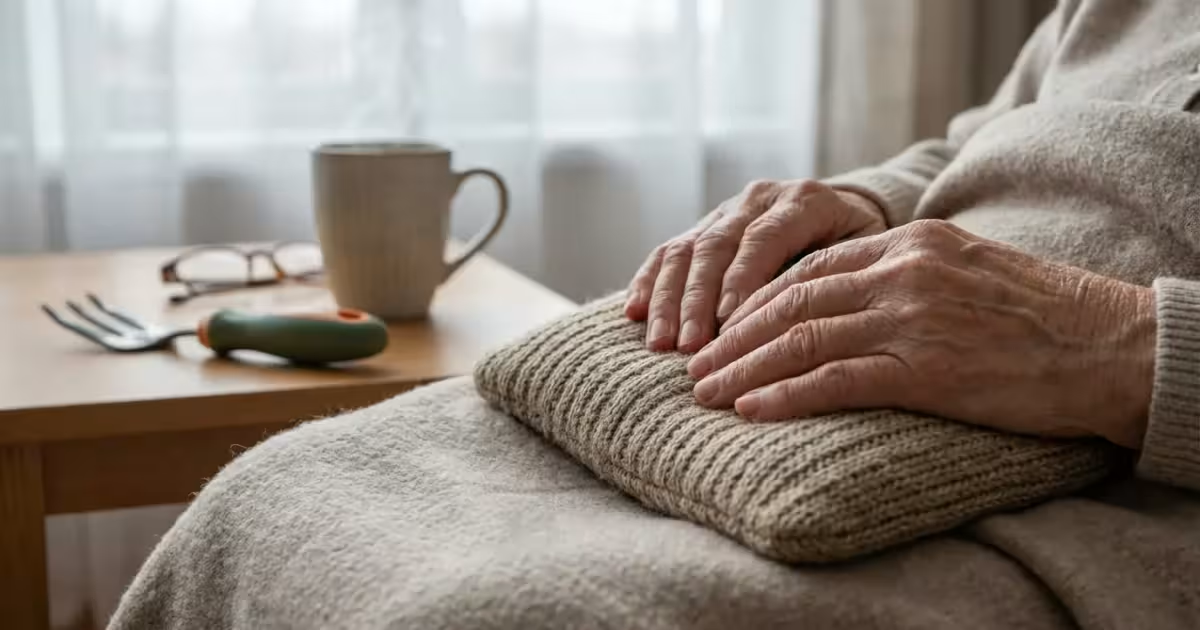
Living with chronic pain can feel like an uphill battle, affecting your daily activities, mood, and overall independence. This persistent discomfort, often lasting more than three to six months, presents unique challenges as you age. However, you possess the power to manage chronic pain effectively, improving your senior health and regaining control over your life.
This comprehensive guide offers practical, actionable strategies tailored for seniors. Whether you experience ongoing back pain, arthritis, neuropathy, or other conditions, you will discover tools and techniques to reduce discomfort, enhance mobility, and boost your quality of life. We focus on empowering you with knowledge and practical steps, allowing you to live comfortably and safely in your own home.

Understanding Chronic Pain: What You Need to Know
Chronic pain is more than just a lingering ache. It is a complex condition involving your nervous system, often influencing your sleep, mood, and ability to perform daily tasks. Recognizing the nature of your pain is the first step toward effective pain management.
For seniors, chronic pain frequently stems from conditions such as osteoarthritis, nerve damage, back problems, and fibromyalgia. It can also arise from past injuries or surgeries. The key difference from acute pain, which is temporary, is its persistence, sometimes without a clear, ongoing physical cause.
Knowing your pain type helps your doctor determine the most appropriate treatment. Keep a pain journal to track when your pain occurs, its intensity, and what makes it better or worse. This detailed information is invaluable for your healthcare team.

Collaborating with Your Healthcare Team for Effective Pain Management
An effective pain management plan requires a partnership with your doctor and other healthcare professionals. They can help you understand your options and tailor treatments to your specific needs. Your primary care physician is an excellent starting point, but you may also benefit from specialists.
If mobility is a challenge, you can also use telehealth to consult with specialists from the comfort of your own home.
Consider consulting with various experts who offer a holistic approach to pain relief. This team approach ensures you receive comprehensive care addressing all aspects of your well-being.
Your pain management team might include:
- Pain Specialists: Doctors with expertise in diagnosing and treating complex pain conditions. They can offer specialized injections, nerve blocks, or advanced therapies.
- Physical Therapists: These professionals design exercise programs to improve strength, flexibility, and mobility, reducing pain and preventing future injuries.
- Occupational Therapists: They teach you how to modify daily tasks and use adaptive equipment to conserve energy and minimize discomfort.
- Psychologists or Counselors: Chronic pain can affect mental health. These experts provide coping strategies, stress reduction techniques, and support for managing the emotional toll of pain.
- Pharmacists: They can review your medications to prevent interactions and ensure you use them safely and effectively.
How can seniors manage chronic pain effectively? Open communication with your team is paramount. Be honest about your pain levels, medication side effects, and how pain impacts your life. Do not hesitate to ask questions about your treatment plan.

Non-Medicinal Approaches to Relieve Discomfort
Many seniors seek alternatives to medication for pain relief, or ways to supplement their prescribed treatments. What are some non-medicinal pain relief options? A wide range of strategies exist, offering safe and effective ways to reduce discomfort without relying solely on pills.
Many seniors find that the benefits of mindfulness and meditation include a reduction in the perceived intensity of chronic pain and lower stress levels.
These methods can often be integrated into your daily routine, providing ongoing comfort and enhancing your overall well-being. They empower you to take an active role in your pain management journey.
Heat and Cold Therapy
Applying heat or cold can provide significant relief for various types of pain. Heat therapy, such as warm baths, heating pads, or warm compresses, relaxes muscles and increases blood flow, easing stiffness. Cold therapy, using ice packs or gel packs, reduces inflammation and numbs sore areas, making it effective for acute flare-ups or swelling.
Always use a barrier, like a towel, between your skin and the heat or cold source to prevent burns or frostbite. Limit applications to 15-20 minutes at a time.
Topical Pain Relievers
Creams, gels, and patches containing ingredients like menthol, capsaicin, or lidocaine can offer localized pain relief. These products work directly on the affected area, providing targeted comfort without systemic effects.
Most topical pain relievers are available over-the-counter and cost between $5 and $20 per tube or patch. Always read the instructions carefully and test a small area of skin first for any reaction.
Transcutaneous Electrical Nerve Stimulation (TENS) Units
TENS units are small, battery-operated devices that deliver low-voltage electrical currents through electrodes placed on the skin. This electrical stimulation can block pain signals and trigger the release of endorphins, your body’s natural painkillers.
These units are non-invasive and can provide temporary relief for muscle and joint pain. A basic TENS unit costs approximately $30-$50, with more advanced models ranging higher. Your doctor or physical therapist can advise if a TENS unit is appropriate for you and how to use it safely.
Acupuncture and Acupressure
These ancient practices involve stimulating specific points on the body to alleviate pain. Acupuncture uses fine needles, while acupressure applies pressure with fingers or devices. Both aim to restore energy balance and reduce discomfort.
Many people find relief from chronic back pain, headaches, and osteoarthritis with these therapies. A typical acupuncture session can cost $75-$150, though some insurance plans may offer coverage. Consult a licensed practitioner.
Massage Therapy
Therapeutic massage can reduce muscle tension, improve circulation, and promote relaxation, all of which contribute to pain relief. A trained massage therapist can target specific areas of discomfort.
Look for therapists specializing in medical or therapeutic massage. A single session can cost $60-$120. Regular massage, when affordable, can be a valuable part of your pain management strategy.
Integrating Gentle Movement and Exercise into Your Routine
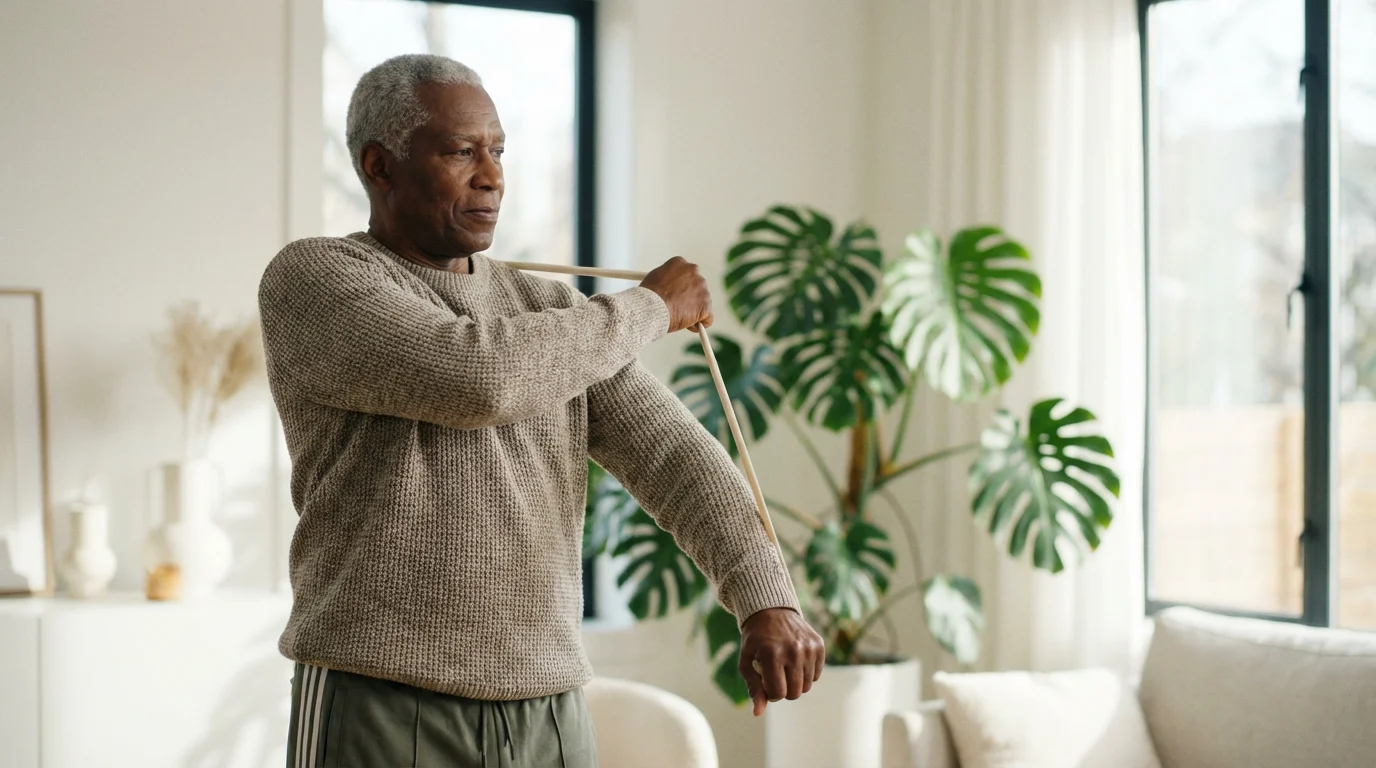
Despite the presence of pain, staying physically active is one of the most powerful tools for chronic pain management. Regular, gentle exercise strengthens muscles, improves flexibility, and boosts circulation, all contributing to reduced discomfort. It also releases endorphins, which are natural pain relievers and mood enhancers.
To stay active safely, choosing the right walking aid can help maintain your balance and reduce pressure on painful joints.
Starting slowly and listening to your body is crucial. Do not push through sharp pain. Work with your doctor or a physical therapist to develop an exercise plan suitable for your specific condition and fitness level.
Consider these gentle activities:
- Walking: Even short, regular walks can improve joint flexibility and overall stamina. Start with 10-15 minutes a day and gradually increase the duration.
- Water Aerobics or Swimming: The buoyancy of water reduces stress on joints, making it an ideal environment for exercise if you have arthritis or joint pain. Many community centers offer senior-specific water classes.
- Chair Yoga or Tai Chi: These practices focus on slow, controlled movements, deep breathing, and mindfulness. They enhance balance, flexibility, and reduce stress, which can indirectly alleviate pain. Many online resources and local classes are available.
- Stretching: Gentle stretches maintain range of motion and prevent stiffness. A physical therapist can provide specific stretches for your painful areas.
- Resistance Band Exercises: These provide light resistance to strengthen muscles without putting excessive strain on joints. Bands are inexpensive, often costing $10-$20 for a set.
The goal is consistent, gentle movement, not intense workouts. Aim for at least 30 minutes of moderate-intensity activity most days of the week, broken into shorter segments if needed.

Optimizing Your Home Environment for Comfort and Safety
Your home should be a sanctuary, a place where you feel safe and comfortable, especially when managing chronic pain. Thoughtful modifications can significantly reduce physical strain, prevent falls, and create a more pain-friendly living space. This also helps with aging in place modifications, promoting long-term independence.
AARP’s HomeFit Guide provides excellent recommendations for making your home more accessible and safer as you age. Consider changes that minimize bending, reaching, lifting, and prolonged standing.
Ergonomic Adjustments for Daily Tasks
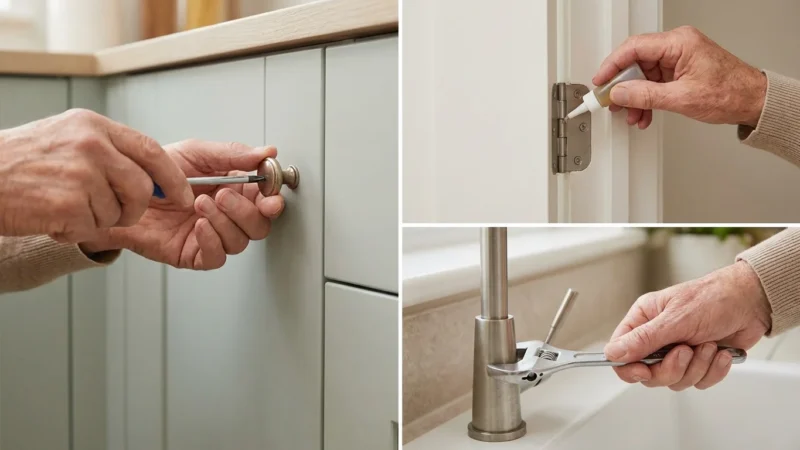
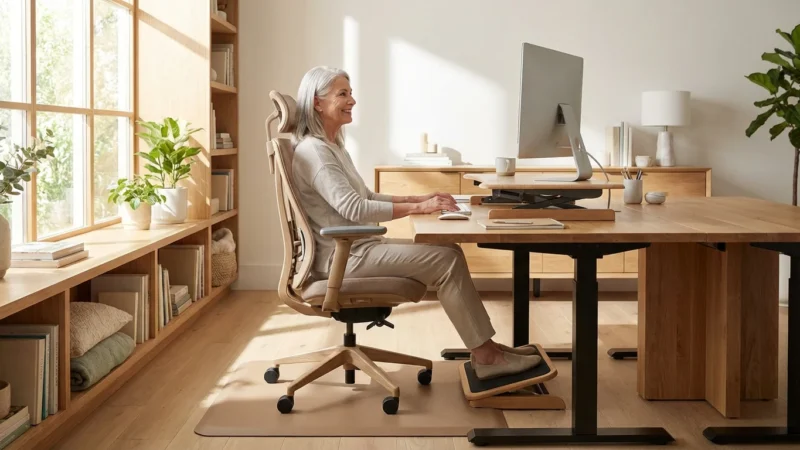
Simple changes to how you perform tasks can reduce pain. Adjust your workspace, kitchen, or bathroom to suit your height and mobility. Use ergonomic tools that require less grip strength or repetitive motion.
- Kitchen Aids: Invest in ergonomic kitchen utensils with larger handles, jar openers, and lightweight pots and pans. A utility cart or wheeled trolley can transport items, saving trips and reducing carrying strain. (Cost: $10-$50 per item).
- Seating: Ensure your chairs, sofas, and recliners offer good lumbar support and are easy to get in and out of. Consider a lift-assist recliner if standing up is particularly difficult. (Cost: $300-$1000+ for a lift chair).
- Bedding: A supportive mattress and pillows are crucial for quality sleep and reducing morning stiffness. Consider mattress toppers for added comfort.
Fall Prevention Measures
Chronic pain can affect balance and gait, increasing fall risk. Addressing potential hazards in your home is vital for your safety. According to the CDC, falls are a leading cause of injury among older adults. Many falls are preventable with simple home modifications.
- Clear Pathways: Remove clutter, loose rugs, and electrical cords from walkways. Ensure furniture arrangements allow for easy movement.
- Improve Lighting: Install brighter light bulbs, add nightlights in hallways and bathrooms, and ensure stairwells are well-lit. Consider motion-activated lights.
- Install Grab Bars: Place grab bars in the shower or bathtub, and next to the toilet. These provide crucial support when transferring and can prevent dangerous slips. (Cost: $20-$100 per bar, installation extra).
- Non-Slip Surfaces: Use non-slip mats in the bathroom and consider non-slip treads on stairs.
- Handrails: Ensure sturdy handrails are installed on both sides of staircases.
Temperature Control and Comfort
Maintaining a comfortable home temperature helps manage certain pain conditions, particularly arthritis. Ensure your heating and cooling systems work efficiently. Consider smart thermostats for easy adjustment. Energy.gov offers advice on improving your home’s energy efficiency, which can help regulate temperatures more effectively.
Use blankets, throws, or warm socks to keep painful joints warm, or cool compresses during flare-ups. A warm bath can be particularly soothing for aching muscles.
Nutrition and Hydration: Fueling Your Body for Pain Relief
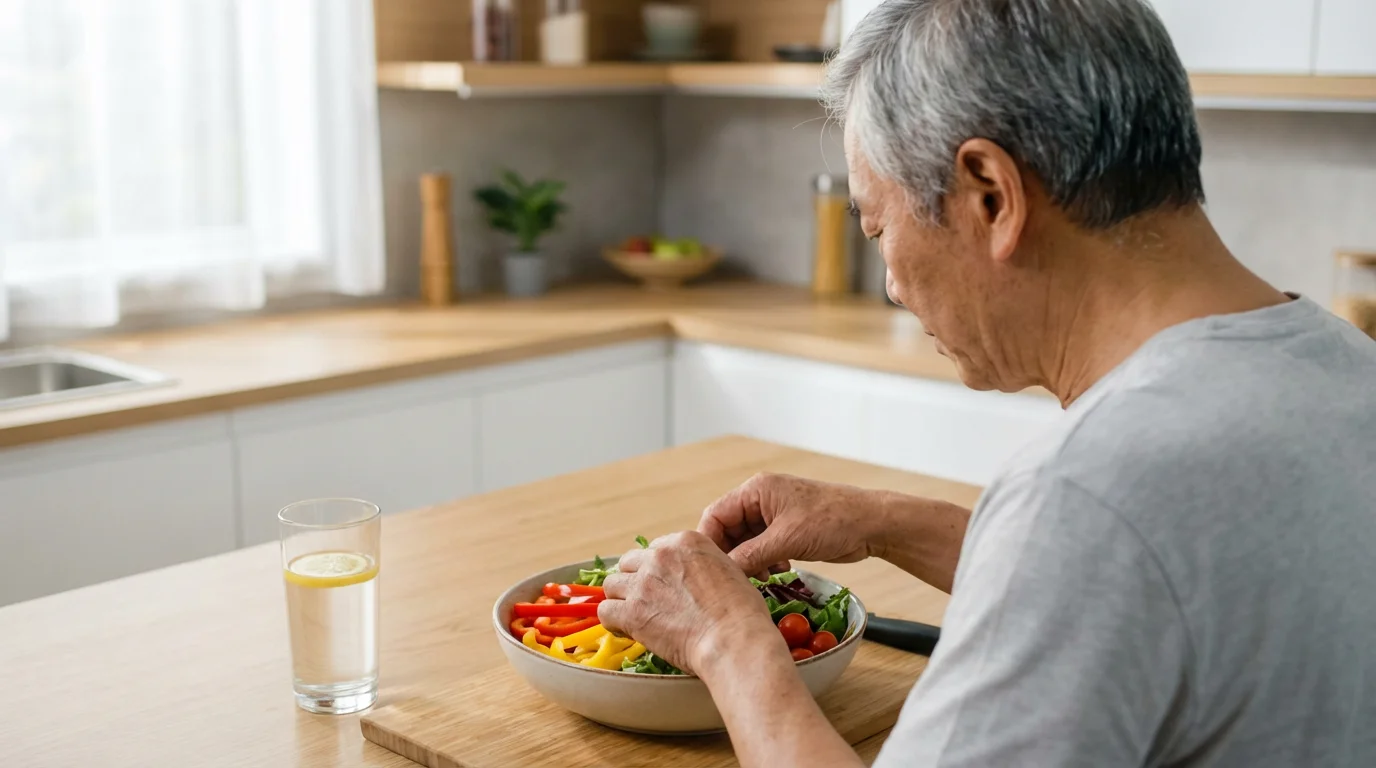
The food you eat plays a significant role in your body’s inflammatory response and overall health. A balanced, nutrient-rich diet can help reduce inflammation, support joint health, and provide the energy you need to manage pain and stay active. Adequate hydration is equally important for joint lubrication and overall bodily function.
Focus on an anti-inflammatory diet rich in whole foods, similar to the Mediterranean diet. This approach emphasizes certain food groups while limiting others.
Foods to Embrace:
- Omega-3 Fatty Acids: Found in fatty fish (salmon, mackerel, sardines), flaxseeds, and walnuts. Omega-3s have powerful anti-inflammatory properties.
- Fruits and Vegetables: Abundant in antioxidants, which protect cells from damage and reduce inflammation. Aim for a variety of colors. Berries, leafy greens, broccoli, and peppers are excellent choices.
- Whole Grains: Foods like oats, brown rice, and quinoa provide fiber and nutrients that support overall health and stable blood sugar, which can impact inflammation.
- Lean Proteins: Chicken, turkey, beans, lentils, and tofu provide essential amino acids for tissue repair and muscle maintenance without contributing to inflammation.
- Herbs and Spices: Turmeric, ginger, garlic, and cayenne pepper possess natural anti-inflammatory and pain-relieving properties. Incorporate them into your cooking.
Foods to Limit or Avoid:
- Processed Foods: Often high in unhealthy fats, sugar, and artificial ingredients that can promote inflammation.
- Sugary Drinks and Sweets: Excess sugar can worsen inflammation and contribute to weight gain, putting more stress on joints.
- Red and Processed Meats: Some studies suggest a link between high consumption of these meats and increased inflammation.
- Refined Grains: White bread, white rice, and pastries offer little nutritional value and can lead to blood sugar spikes.
Staying Hydrated:
Water is essential for nearly every bodily function, including lubricating joints and helping nutrients reach your cells. Dehydration can exacerbate pain and fatigue. Aim to drink at least eight glasses of water daily, unless your doctor advises otherwise due to a medical condition.
Keep a water bottle handy throughout the day. Infuse water with fruit or herbs for added flavor if you find plain water unappealing. Herbal teas also contribute to your fluid intake.

Mind-Body Techniques for Managing Pain and Stress
Chronic pain affects not only your body but also your mind and emotional well-being. Stress, anxiety, and depression can amplify pain signals, creating a vicious cycle. Mind-body techniques help you regain a sense of control by teaching you how to respond to pain differently, rather than simply reacting to it. These practices emphasize the powerful connection between your thoughts, emotions, and physical sensations.
Incorporating these techniques can reduce pain perception, improve mood, and enhance your coping abilities.
Mindfulness and Meditation
Mindfulness involves focusing on the present moment without judgment. Meditation practices, including guided imagery or breath-focused meditation, can train your mind to observe pain without getting overwhelmed by it. This can reduce the intensity of pain signals and foster a sense of calm.
Many free apps and online resources offer guided meditations specifically for chronic pain. Even 5-10 minutes a day can make a difference.
Deep Breathing Exercises
Simple deep breathing can activate your body’s relaxation response, lowering heart rate, blood pressure, and muscle tension. When you breathe deeply, you send a signal to your brain to calm down, which can help reduce your perception of pain.
Try diaphragmatic breathing: lie down or sit comfortably, place one hand on your chest and the other on your abdomen. Inhale slowly through your nose, feeling your abdomen rise. Exhale slowly through your mouth. Repeat for several minutes.
Yoga and Tai Chi
As mentioned in the exercise section, yoga and Tai Chi are not just physical activities, they are also profound mind-body practices. They combine gentle movements with focused breathing and meditation, promoting both physical flexibility and mental tranquility. These practices can significantly reduce stress and improve your body’s ability to cope with pain.
Cognitive Behavioral Therapy (CBT)
CBT is a type of talk therapy that helps you identify and change negative thought patterns and behaviors related to pain. A therapist teaches you coping skills, relaxation techniques, and ways to challenge thoughts that worsen your pain experience. CBT has strong evidence supporting its effectiveness in chronic pain management.
A typical CBT session can cost $100-$250, but many insurance plans cover mental health services. Consult your doctor for a referral to a qualified therapist.
Biofeedback
Biofeedback training teaches you to control involuntary bodily functions, such as heart rate, muscle tension, and skin temperature, using visual or auditory feedback from sensors. By learning to relax specific muscles or alter physiological responses, you can reduce pain and stress.
This technique often requires several sessions with a trained professional. Costs can vary significantly, often $50-$200 per session, and insurance coverage varies.
“The greatest wealth is health.” — Virgil

When to Explore Advanced Therapies and Professional Support
While many non-medicinal strategies offer significant relief, some chronic pain conditions may require more advanced interventions. It is important to know when to seek specialized care beyond your primary healthcare provider. Your doctor can help you navigate these options and determine if they are suitable for your situation.
Do not hesitate to ask for a referral to a pain specialist if your current treatments are not providing adequate relief or if your pain severely impacts your daily functioning. These specialists have expertise in a broader range of therapeutic approaches.
Specialized Medical Procedures:
- Nerve Blocks: Injections of local anesthetics or steroids near specific nerves can temporarily block pain signals. These are often used for localized pain, such as in the back, neck, or joints. (Cost: $500-$1500 per injection, often covered by insurance).
- Radiofrequency Ablation: This procedure uses heat generated by radio waves to destroy nerve fibers that are sending pain signals. It can provide longer-lasting relief than nerve blocks for certain conditions. (Cost: $1,000-$3,000 per procedure, usually covered by insurance).
- Spinal Cord Stimulation (SCS): For severe, persistent pain that has not responded to other treatments, an SCS device surgically implanted near the spinal cord delivers mild electrical pulses to interfere with pain signals. (Cost: $15,000-$30,000 for device and surgery, typically covered by insurance for qualifying conditions).
Rehabilitation Programs:
Some hospitals and clinics offer comprehensive pain rehabilitation programs. These multidisciplinary programs combine physical therapy, occupational therapy, psychological counseling, and education to help you manage pain and improve function. They are intensive but can provide long-term benefits for complex pain conditions.
These programs can be expensive, ranging from several thousand dollars to tens of thousands, but are often covered by Medicare or private insurance, especially if medically necessary and prescribed by a doctor.
Alternative and Complementary Therapies:
Beyond the common non-medicinal approaches, other therapies might be considered under medical guidance. These include therapeutic ultrasound, specific dietary supplements, or herbal remedies. Always discuss these with your doctor, as some supplements can interact with medications or have adverse effects.
Choosing the right advanced therapy involves a thorough evaluation by a pain specialist, who will consider your specific condition, overall health, and personal preferences.

Building a Support System: You Are Not Alone
Living with chronic pain can sometimes feel isolating, but you do not have to face it alone. Building a strong support system, including family, friends, and support groups, can significantly improve your emotional well-being and help you cope with the daily challenges of pain. Connecting with others who understand your experience provides validation and practical advice.
Communicating with Loved Ones:
Help your family and friends understand what you are going through. Explain how your pain affects you physically and emotionally. Be specific about what kind of support you need, whether it is help with household tasks, transportation, or simply a listening ear. Adult children helping parents can benefit from these conversations, understanding how best to offer assistance.
Resources like the National Institute on Aging offer advice on how families can support older adults with chronic conditions. Clear communication prevents misunderstandings and fosters empathy.
Joining Support Groups:
Support groups, both in-person and online, connect you with others who live with chronic pain. Sharing experiences, coping strategies, and successes can be incredibly empowering. These groups provide a safe space to express your feelings and gain valuable insights.
Look for local pain support groups through hospitals, community centers, or pain clinics. Online forums also offer a convenient way to connect from home. The Eldercare Locator can help you find local resources and support services in your community.
Professional Emotional Support:
If you find yourself struggling with anxiety, depression, or feelings of hopelessness due to chronic pain, consider professional emotional support. A therapist or counselor specializing in chronic illness can provide tools and strategies to manage the psychological impact of pain.
This is not a sign of weakness, but a proactive step towards holistic health. Mental health is just as important as physical health in managing chronic pain effectively.
Remember, a robust support network provides emotional comfort and practical assistance. It helps reinforce the message that managing chronic pain is a journey, and you have companions along the way.
Frequently Asked Questions
What is the most effective way for seniors to manage chronic pain?
The most effective approach for seniors to manage chronic pain involves a multi-faceted strategy. This typically includes a combination of medical supervision, non-medicinal therapies like physical therapy and mind-body techniques, gentle exercise, ergonomic home adjustments, and a healthy diet. A personalized plan developed with your healthcare team is essential for optimal senior health.
Are there any natural remedies for chronic pain that seniors should consider?
Natural remedies for chronic pain can include dietary changes focusing on anti-inflammatory foods, using heat and cold therapy, incorporating anti-inflammatory herbs and spices like turmeric and ginger into your diet, and practicing mindfulness or meditation. Always consult your doctor before trying new natural remedies, especially if you take other medications, to ensure they are safe and appropriate for your condition.
How can I stay active with chronic pain without making it worse?
Staying active with chronic pain requires a gentle, gradual approach. Focus on low-impact activities like walking, water aerobics, chair yoga, or Tai Chi. Always start with short durations and low intensity, gradually increasing as your body adapts. Listen to your body, avoid pushing through sharp pain, and work with a physical therapist to develop an exercise program tailored to your pain condition and mobility level.
When should a senior seek specialized medical care for chronic pain?
A senior should seek specialized medical care for chronic pain when initial treatments from their primary doctor do not provide adequate relief, when pain significantly interferes with daily activities or quality of life, or if new symptoms develop. A pain specialist can offer advanced diagnostic tools and a wider range of treatment options, including specialized injections, nerve blocks, or rehabilitation programs.
What role does diet play in chronic pain management for seniors?
Diet plays a significant role in chronic pain management by influencing inflammation levels in your body. An anti-inflammatory diet, rich in fruits, vegetables, whole grains, lean proteins, and omega-3 fatty acids, can help reduce pain and support overall health. Conversely, diets high in processed foods, sugar, and unhealthy fats can exacerbate inflammation and worsen pain. Staying well-hydrated is also crucial for joint health and bodily function.
Disclaimer: This article is for informational purposes only. Home modifications, safety equipment, and services mentioned may vary in availability and suitability for individual circumstances. For significant home modifications, consult with qualified professionals. For health-related safety concerns, consult with healthcare providers.






Leave a Reply