

Your home represents a significant asset and a sanctuary, especially in your senior years. Protecting it with homeowners insurance is essential, but the cost can feel substantial, particularly on a fixed income. Many seniors overlook the myriad of discounts available to them, leaving hundreds, even thousands, of dollars on the table each year. Taking proactive steps to review your policy and explore savings opportunities empowers you to stretch your retirement dollars further without compromising vital protection.
Reducing these recurring costs allows you to allocate more of your budget to other essentials, such as affordable cell phone plans tailored for seniors.
You possess unique advantages as a senior homeowner that often translate into lower insurance premiums. Insurers frequently reward stability, experience, and safety-conscious behavior. This guide outlines practical, actionable strategies and specific discounts you can pursue today to significantly lower your homeowners insurance costs.

Understanding Your Homeowners Insurance Policy
Before seeking discounts, understand the core components of your homeowners insurance policy. This knowledge helps you identify where savings are possible without sacrificing necessary coverage. Your policy typically covers the structure of your home, your personal belongings, liability for accidents on your property, and additional living expenses if you need to relocate temporarily after a covered loss.
This review is also a good time to ensure that any specialized equipment in your ergonomic home office is properly valued in your personal property coverage.
Each component carries a cost. You want to ensure you have adequate coverage for rebuilding your home and replacing your possessions. However, you also want to avoid paying for coverage you do not need. A clear understanding enables a productive conversation with your insurance provider.

Age-Based and Senior-Specific Discounts
Many insurance companies recognize seniors as a lower-risk group, often leading to specific age-related discounts. You have likely accumulated years of homeownership experience, demonstrating stability and responsible property management. Insurers value this predictability.
Securing these insurance savings is a vital part of investing in retirement using low-risk strategies to preserve your nest egg.
Begin by asking your current provider if they offer a “senior discount” or “retired discount.” You typically qualify once you reach a certain age, often 55 or 60. This simple question can result in immediate savings.
Here are common senior-specific discounts to inquire about:
- Age Discount: Many insurers offer a direct percentage discount once you reach 55, 60, or 65. This can reduce your premium by 5% to 10% annually. For example, if your premium is $1,800 per year, a 10% age discount saves you $180.
- Retired Discount: Some companies provide a discount if you are fully retired. Retired individuals typically spend more time at home, which can deter theft and allow for quicker responses to minor incidents like leaks. This could mean another 2% to 5% off your premium.
- Homeowner Stability Discount: While not strictly senior-specific, long-term homeowners often receive discounts. You have likely owned your home for many years, demonstrating consistent property upkeep.
Always confirm the specific age and eligibility requirements with your insurer. Different companies have different criteria, so checking with a few providers maximizes your chances.
Fortifying Your Home: Safety and Security Discounts
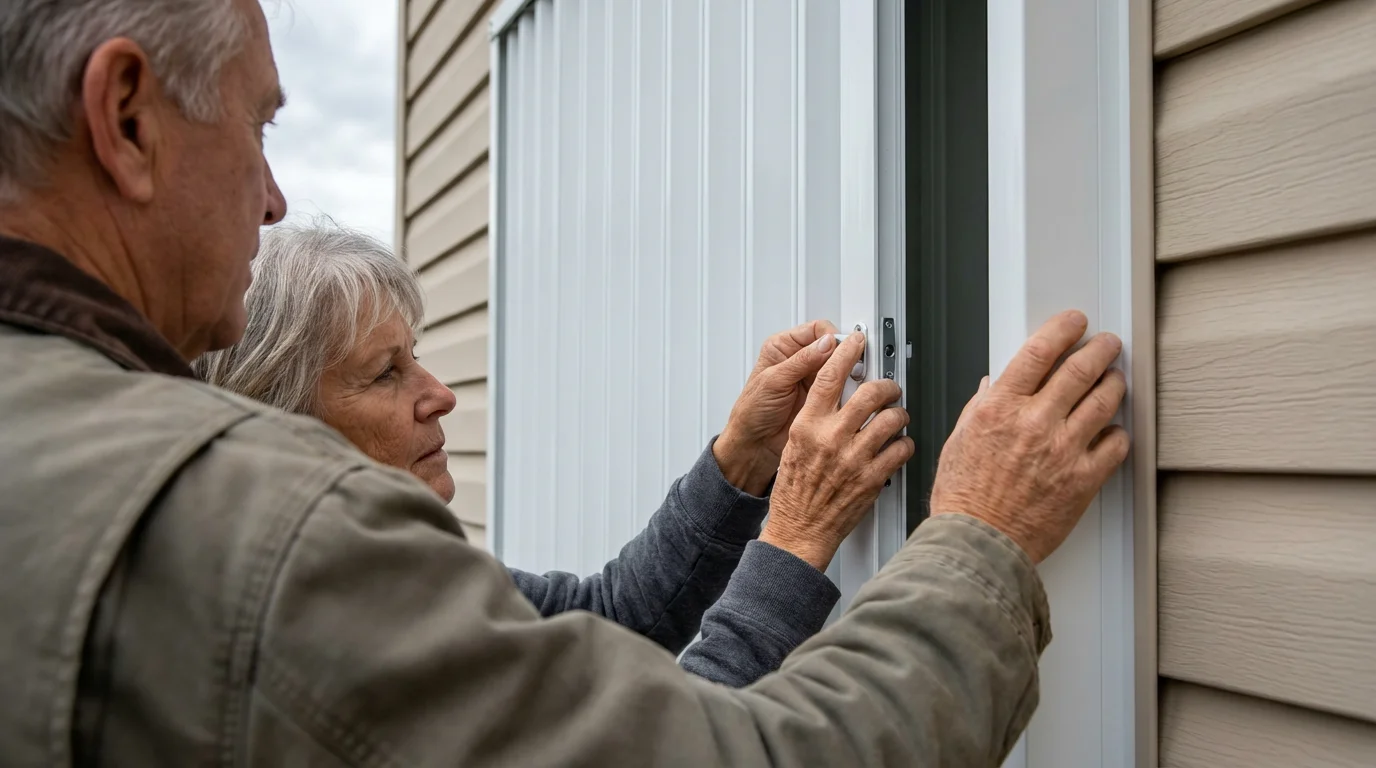
Insurers reward homeowners who take steps to make their homes safer and more secure. Reduced risk of theft, fire, or damage directly translates into fewer claims for the insurance company. You can invest in these improvements knowing they not only protect your home but also lower your premiums.
In addition to alarm systems, decluttering your home can proactively remove fire hazards and improve overall safety.
Along with security upgrades, taking steps toward fall prevention at home ensures your environment remains safe and manageable as you age.
The average savings from these discounts can vary widely but often range from 5% to 20% depending on the specific upgrades. You are making your home safer for yourself while reducing your financial burden.
Consider these upgrades for potential discounts:
- Alarm Systems: A professionally monitored security system can significantly reduce theft risk. Many insurers offer a 5% to 15% discount for these systems. Simply installing deadbolts on all exterior doors can also qualify you for a small discount.
- Smoke Detectors and Fire Alarms: Most homes have basic smoke detectors, but interconnected or monitored fire alarm systems can lead to further savings. These systems ensure earlier detection, minimizing fire damage. You might see a 2% to 5% reduction.
- Sprinkler Systems: An automatic fire sprinkler system offers excellent protection against fire damage. Installing one can yield substantial discounts, sometimes 10% to 20%. While a larger investment, the long-term savings and enhanced safety are significant.
- Smart Home Technology: Devices like smart doorbells, smart locks, and water leak sensors contribute to security and early problem detection. Some insurers now offer discounts for homes equipped with these modern safeguards. For instance, a smart water sensor detecting a leak early prevents extensive water damage, a common claim.
- Weatherproofing and Storm Shutters: If you live in an area prone to severe weather, installing hurricane shutters or impact-resistant windows reduces your risk of wind damage. Insurers in these regions frequently offer discounts for such protections.
Provide proof of installation to your insurer, such as receipts or certification from the installation company. They will likely add the discount to your policy.

Loyalty and Bundling: Rewards for Sticking Around
Insurance companies value customers who commit to them for multiple policies or for many years. You build a relationship with your insurer, and they often reward that loyalty with premium reductions. These strategies are some of the easiest ways to secure savings without making physical home modifications.
You can apply similar savings strategies to your entertainment budget by exploring streaming services as an alternative to expensive cable bundles.
Bundling your insurance policies can lead to the most substantial discounts available. You streamline your insurance management while keeping more money in your pocket.
Focus on these loyalty and bundling opportunities:
- Multi-Policy Discounts (Bundling): The most common and often largest discount comes from purchasing multiple policies from the same insurer. If you have your auto insurance with one company and homeowners insurance with another, investigate bundling them. Companies frequently offer 15% to 25% off your total premium for combining policies. For example, if your combined auto and home premiums are $3,000 annually, bundling could save you $450 to $750.
- Long-Term Customer Discount: Some insurers reward customers who stay with them for several years. After 3, 5, or 10 years, you might automatically qualify for a loyalty discount of 2% to 5%. Always ask if you are eligible based on your tenure.
- Claim-Free Discount: Maintaining a good claims history, meaning you have not filed many claims over a certain period, can also result in a discount. This rewards your careful home management and reduces the insurer’s payout risk.
Regularly review your insurance portfolio to see if bundling makes financial sense for you. Sometimes, a different company may offer a slightly lower combined rate even after discounts, so it always pays to compare.

Maintaining Your Home: Discounts for Reduced Risk
Insurers assess the overall risk profile of your home. A well-maintained property with updated systems presents less risk of expensive claims. By investing in certain home improvements, you not only enhance your living environment but also make your home more appealing to insurers.
While performing routine maintenance, consider adapting your bathroom with accessibility features that prevent accidents and reduce long-term liability risks.
These improvements demonstrate proactive maintenance, which can prevent costly structural failures or significant damage. Discuss any major home improvements with your insurance agent to see if they qualify for a discount.
Consider these home improvements for potential savings:
- Roof Upgrades: A newer roof, especially one made with impact-resistant materials, significantly reduces the risk of leaks and storm damage. Many insurers offer discounts for roofs that are less than 10 or 15 years old, or for specific materials. This could result in a 5% to 10% discount on your premium.
- Plumbing and Electrical System Updates: Older homes with outdated plumbing or electrical systems carry a higher risk of leaks, fires, or other failures. Updating these systems can lead to discounts. For example, replacing old knob-and-tube wiring or galvanized pipes with modern alternatives can lower your premium.
- Non-Smoking Discount: If no one in your household smokes, you might qualify for a non-smoking discount. This reduces the risk of accidental fires caused by smoking materials.
- Gated Community or Neighborhood Watch Discount: Living in a gated community or an area with an active neighborhood watch program can sometimes qualify you for a small discount, as these initiatives deter crime.
Keep thorough records of all home improvements, including dates and costs. These documents serve as proof for your insurance provider and can be crucial during a claim.

Adjusting Your Policy: Strategic Savings
Beyond discounts, you can directly influence your premium by strategically adjusting aspects of your policy. These adjustments involve weighing your comfort with risk against potential savings. Reviewing your coverage limits and deductibles ensures you are paying for what you truly need.
When reviewing or modifying your policy, always remain vigilant against financial scams targeting seniors that may use fake insurance deals as a hook.
For even more home-related savings, consider checking if you are eligible to lower your property taxes through senior exemptions in your area.
This is an area where personalized advice can be very beneficial. Talk to your insurance agent about how these changes impact your out-of-pocket costs in the event of a claim.
Here are policy adjustments that can lead to savings:
- Increase Your Deductible: Your deductible is the amount you pay out of pocket before your insurance coverage kicks in. Choosing a higher deductible, for instance, increasing it from $500 to $1,000 or $2,500, can significantly lower your annual premium. You might save 10% to 25% or more. Ensure you have emergency savings set aside to cover this higher deductible if a claim arises.
- Review Personal Property Coverage: As you age, you may have downsized or accumulated fewer high-value items. Reassess the value of your personal belongings. You might be over-insured for contents, especially if you no longer own many expensive electronics or jewelry. Adjusting this coverage downward can reduce your premium.
- Remove Unnecessary Riders: Over time, your needs change. You might have riders for specific items you no longer own, or coverage for risks no longer present. For example, if you sold your expensive art collection, you can remove that scheduled personal property coverage. Ensure you are not paying for superfluous protections.
- Maintain a Good Credit Score: In many states, insurers use credit scores to help determine premiums. A good credit score often indicates financial responsibility and can lead to lower rates. If your score has improved, it is worth checking if this impacts your premium.
Before making any changes, understand the implications. A higher deductible means you pay more upfront during a claim. Ensure your emergency fund can comfortably cover this amount.
“It’s not about how much money you make, but how much you keep.”

Shopping Around for the Best Rates
Even with all available discounts, staying with the same insurer for decades can mean you are missing out on better deals. The insurance market is competitive, with companies constantly adjusting their rates and discount offerings. You should regularly compare quotes from multiple providers to ensure you receive the most competitive price.
This proactive approach puts you in control and ensures you do not overpay for your homeowners insurance. You might find a company that offers a combination of discounts perfectly suited to your situation.
Follow these steps to effectively shop for rates:
- Gather Your Current Policy Information: Have your existing policy declaration page handy. This details your current coverage limits, deductibles, and any endorsements. This information ensures you compare apples to apples when getting new quotes.
- Contact Multiple Insurers: Do not limit yourself to just one quote. Reach out to at least three to five different insurance companies. Some insurers specialize in certain demographics or types of homes, potentially offering better rates for seniors.
- Work with an Independent Agent: Independent insurance agents work with multiple companies and can shop around on your behalf. They understand the various discounts available from different providers and can help you find the best value without the hassle of contacting each company yourself.
- Leverage Online Comparison Tools: Many websites allow you to enter your information once and receive multiple quotes. While convenient, always verify the details directly with the chosen insurer before purchasing a policy.
- Re-evaluate Every 1-3 Years: Your insurance needs and the market change. Make it a habit to compare quotes every one to three years, even if you are happy with your current provider. This ensures you always pay the lowest possible premium for your coverage.
Remember, the cheapest policy is not always the best. Prioritize adequate coverage and a reputable insurer with good customer service. You want peace of mind knowing your home is fully protected.

Important Considerations and Pitfalls to Avoid
While saving money is a priority, you must avoid mistakes that could leave your home underinsured or expose you to financial risk. Your homeowners insurance protects your most valuable asset. Smart savings require careful consideration.
Always prioritize sufficient coverage over minimal premiums. A small savings now could lead to devastating financial loss later if a major event occurs.
Keep these critical points in mind:
- Do Not Under-Insure Your Home: Ensure your dwelling coverage adequately reflects the cost to rebuild your home in today’s market, not its market value. Construction costs fluctuate. Rebuilding can often be more expensive than selling prices suggest.
- Read the Fine Print: Understand what your policy covers and, more importantly, what it excludes. Some policies have specific exclusions for certain types of damage, like floods or earthquakes, requiring separate policies. Always ask about limitations.
- Review Your Policy Annually: Your life circumstances, home value, and property improvements can change. Annually review your policy with your agent to ensure your coverage remains appropriate and you are still receiving all eligible discounts.
- Beware of Scams: Be cautious of unsolicited offers for extremely low-cost insurance that seem too good to be true. Scammers target seniors with fraudulent insurance products. Always verify an insurer’s legitimacy with your state’s insurance department. The FTC Scam Alerts website offers valuable information on common fraud schemes.
- Do Not Drop Essential Coverage: While adjusting coverage can save money, avoid dropping vital protections like liability coverage. A personal liability claim could be financially ruinous without proper insurance.
Your goal is to find the sweet spot: maximum protection for the lowest possible premium. This balance ensures your peace of mind and financial security.
Frequently Asked Questions
What is the typical age to qualify for a senior discount on homeowners insurance?
Most insurance companies begin offering senior discounts once you reach ages 55, 60, or 65. The specific age threshold varies by insurer, so it is important to directly ask your provider about their age-related discount policies. You might find a significant percentage off your annual premium.
How much can I save by bundling my homeowners and auto insurance?
Bundling your homeowners and auto insurance policies with the same provider can lead to substantial savings, often ranging from 15% to 25% on your total combined premiums. For example, if your combined premiums are $3,000 per year, bundling could save you $450 to $750 annually. This is one of the most effective ways to reduce your insurance costs.
Should I increase my deductible to lower my premium?
Increasing your deductible is a common strategy to lower your annual premium, potentially saving you 10% to 25% or more. For instance, raising your deductible from $500 to $1,000 can significantly reduce your monthly payments. Before doing so, ensure you have an adequate emergency fund to cover the higher deductible if you need to file a claim. You want to avoid financial strain during an unexpected event.
What types of home safety improvements qualify for discounts?
Many home safety and security improvements can earn you discounts. These include installing a professionally monitored security system, interconnected smoke detectors, automatic fire sprinkler systems, and even smart home devices like water leak sensors. Upgrades that reduce the risk of fire, theft, or water damage are generally favored by insurers. Always provide proof of installation for these improvements.
How often should I shop around for new homeowners insurance quotes?
You should shop around for new homeowners insurance quotes every one to three years. The insurance market is dynamic, with rates and discount offerings constantly changing. Regularly comparing quotes from multiple providers ensures you are always getting the most competitive rate for your coverage, even if you are satisfied with your current insurer.
Can a good credit score impact my homeowners insurance rates?
Yes, in most states, insurers consider your credit-based insurance score when calculating your homeowners insurance premiums. A good credit score often indicates financial responsibility and can lead to lower rates. If your credit score has improved recently, contact your insurer to see if this change could result in a lower premium.
You have the power to reduce your homeowners insurance costs significantly. By actively seeking out discounts, making strategic home improvements, and regularly comparing rates, you protect your valuable asset without overspending. Take action today to review your policy and speak with your insurer. Every dollar saved on insurance is a dollar you can keep for yourself, contributing to a more comfortable and secure retirement.
Disclaimer: This article is for informational purposes only and does not constitute financial, tax, or legal advice. Discounts, programs, and savings opportunities may vary by location and are subject to change. We encourage readers to verify current offers and consult with qualified financial professionals for personalized advice.









Leave a Reply