
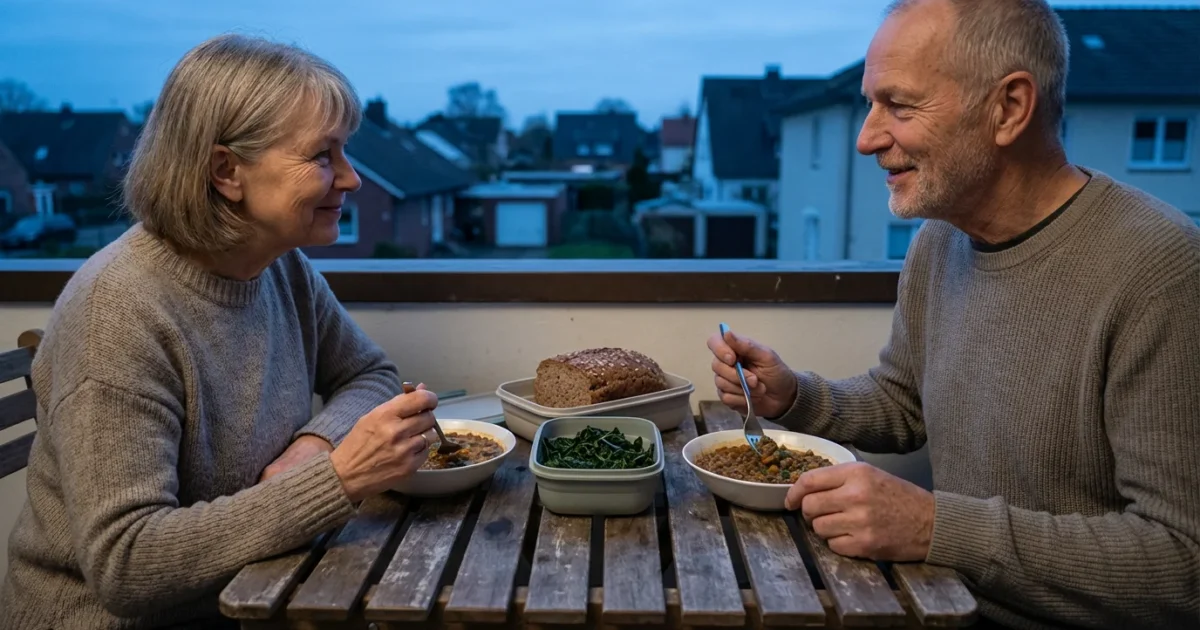
Eating well is a cornerstone of good health at any age, and it becomes even more vital as you get older. You can maintain your energy levels, support your immune system, and manage chronic conditions effectively through proper nutrition. Many seniors face unique challenges, including fixed incomes or rising grocery costs. However, a limited budget does not mean you must compromise on eating nutritious meals. Smart strategies and careful planning allow you to enjoy healthy and delicious food without breaking the bank.
This article provides practical, actionable insights on how to eat well on a budget. You will discover the best cheap healthy foods for seniors and learn how to implement effective shopping and cooking strategies. Take charge of your nutritional well-being, even with financial constraints, by using these tips.

Why Healthy Eating Matters as You Age
As you age, your body experiences significant changes. These changes affect your nutritional needs and how your body processes food. Eating a balanced diet plays a critical role in promoting longevity and maintaining your quality of life.
Eating habits also play a surprising role in your sleep quality; learn more about improving senior sleep through dietary and lifestyle changes.
A nutrient-rich, anti-inflammatory diet is also a vital component of managing chronic pain and improving overall mobility as you age.
Proper senior nutrition helps you manage your weight, strengthens your bones, and supports cognitive function. It also boosts your immune system, making you more resilient to illness. According to the National Institute on Aging, good nutrition can help lower your risk for many chronic diseases, including heart disease, type 2 diabetes, and some cancers. Prioritize your diet to secure these vital health benefits.
You might also notice changes in appetite or metabolism. This makes choosing nutrient-dense foods even more important. Focus on foods that provide maximum nutritional value for fewer calories, ensuring you get the vitamins, minerals, and protein your body needs.
Core Principles of Budget-Friendly Nutrition
Eating well on a budget requires a strategic approach. You can maximize your food dollars without sacrificing nutrition by adopting a few core principles. These principles help you make smarter choices at the grocery store and in your kitchen.
Managing your daily expenses effectively allows you to focus more energy on low-risk retirement investments to preserve your wealth.
Start by shifting your mindset from expensive, processed convenience foods to wholesome, basic ingredients. These staple items often cost less and offer more nutritional benefits. They also provide versatility for various meals.
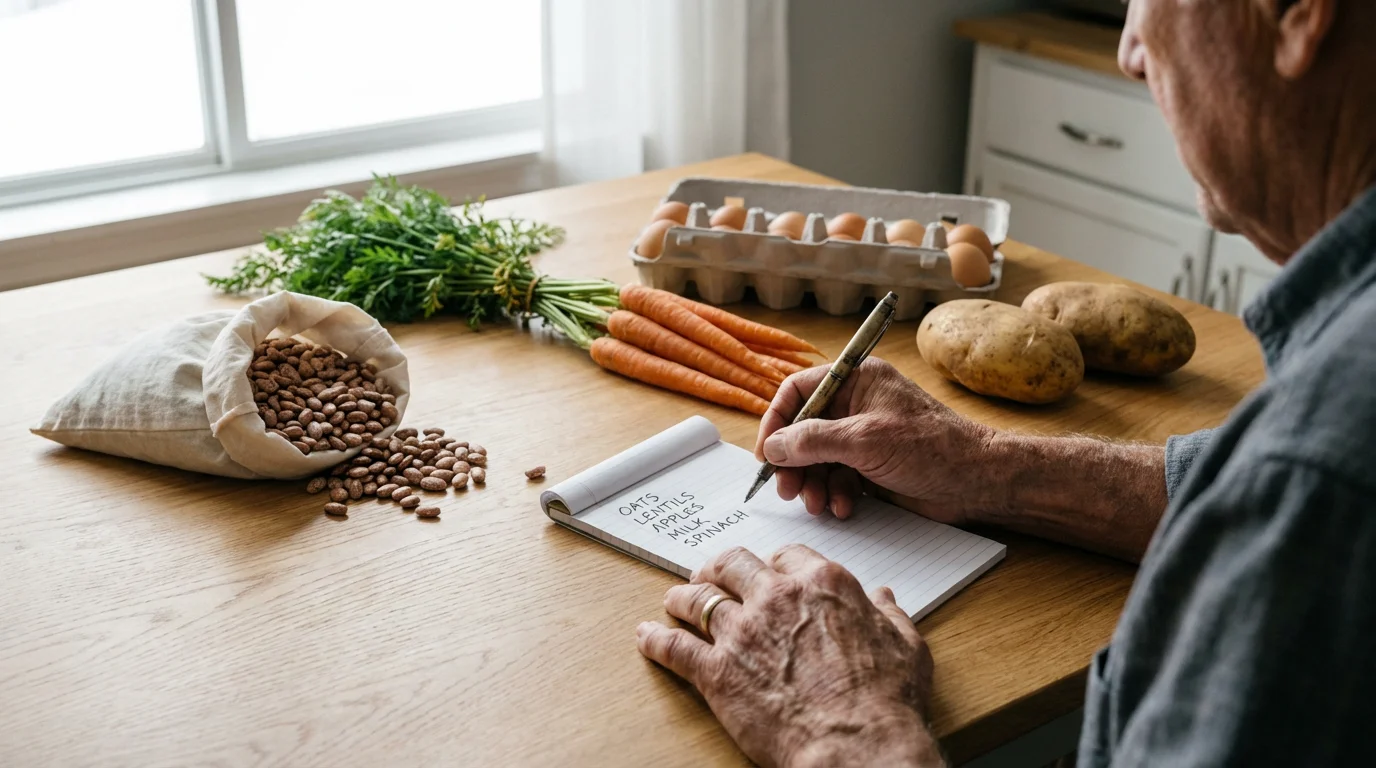
- Plan Your Meals: Create a weekly meal plan before you shop. This helps you buy only what you need, reducing food waste and impulse purchases. Consider what you have on hand and build meals around those ingredients first.
- Make a Shopping List: Stick strictly to your list at the grocery store. This prevents buying unnecessary items and keeps you focused on your planned meals.
- Cook at Home: Preparing meals yourself is almost always cheaper and healthier than eating out or buying pre-made foods. You control the ingredients and portion sizes, which benefits both your wallet and your health.
- Embrace Staples: Focus on affordable, nutrient-rich staples like beans, lentils, rice, oats, eggs, and seasonal produce. These form the foundation of many healthy and inexpensive meals.
Best Cheap Healthy Foods for Seniors
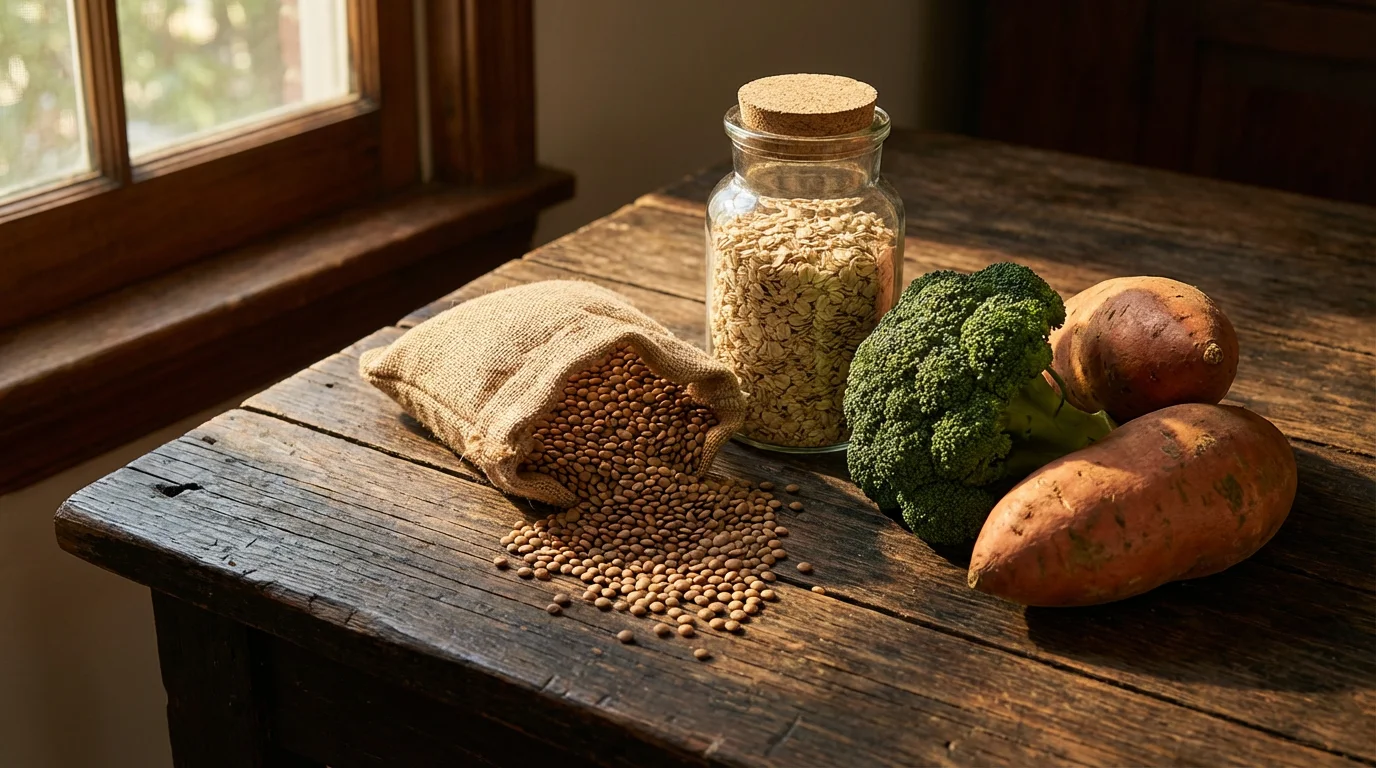
Discovering what are the best cheap healthy foods for seniors empowers you to build a robust diet. Many incredibly nutritious foods come at a low cost. Integrate these items into your regular grocery list to ensure you receive essential nutrients without overspending.
To further your knowledge, you can explore free online learning resources that offer classes on nutrition and healthy cooking.
When making significant changes to your diet, it is also important to understand potential drug interactions between certain foods and your medications.
These foods are versatile, allowing for a wide array of delicious and healthy recipes. They provide protein, fiber, vitamins, and minerals crucial for senior health. Look for these items in their most basic forms to maximize savings.
- Legumes: Beans and Lentils
- Dried beans (black beans, pinto beans, kidney beans) and lentils offer excellent protein, fiber, and iron. They are incredibly affordable, especially when bought in bulk.
- Canned versions are convenient, but rinse them thoroughly to reduce sodium.
- Eggs
- Eggs are a complete protein source and very budget-friendly. They offer choline, important for brain health.
- Enjoy them scrambled, boiled, poached, or in omelets for any meal of the day.
- Whole Grains
- Oats, brown rice, whole wheat pasta, and whole grain bread provide fiber and sustained energy. They are filling and economical.
- Look for store brands to save even more on these pantry staples.
- Seasonal and Frozen Produce
- Buying fruits and vegetables when they are in season makes them much cheaper and often tastier. Visit local farmers markets for good deals.
- Frozen fruits and vegetables are picked at peak ripeness, locking in nutrients, and often cost less than fresh out-of-season options. They also reduce waste because you use only what you need.
- Canned Fish
- Canned tuna, salmon, and sardines are affordable sources of lean protein and omega-3 fatty acids. These healthy fats support heart and brain health.
- Choose varieties packed in water to minimize extra fat and calories.
- Root Vegetables and Cabbage
- Potatoes, sweet potatoes, carrots, onions, and cabbage store well and are very inexpensive. They provide vitamins, minerals, and fiber.
- These vegetables form excellent bases for soups, stews, and roasted dishes.
- Dairy and Alternatives
- Milk, yogurt, and cottage cheese provide calcium and protein. Store brands often offer significant savings.
- Consider plant-based alternatives like fortified soy or almond milk if preferred, but compare prices carefully.
“An ounce of prevention is worth a pound of cure.”
Smart Shopping Strategies to Save Money
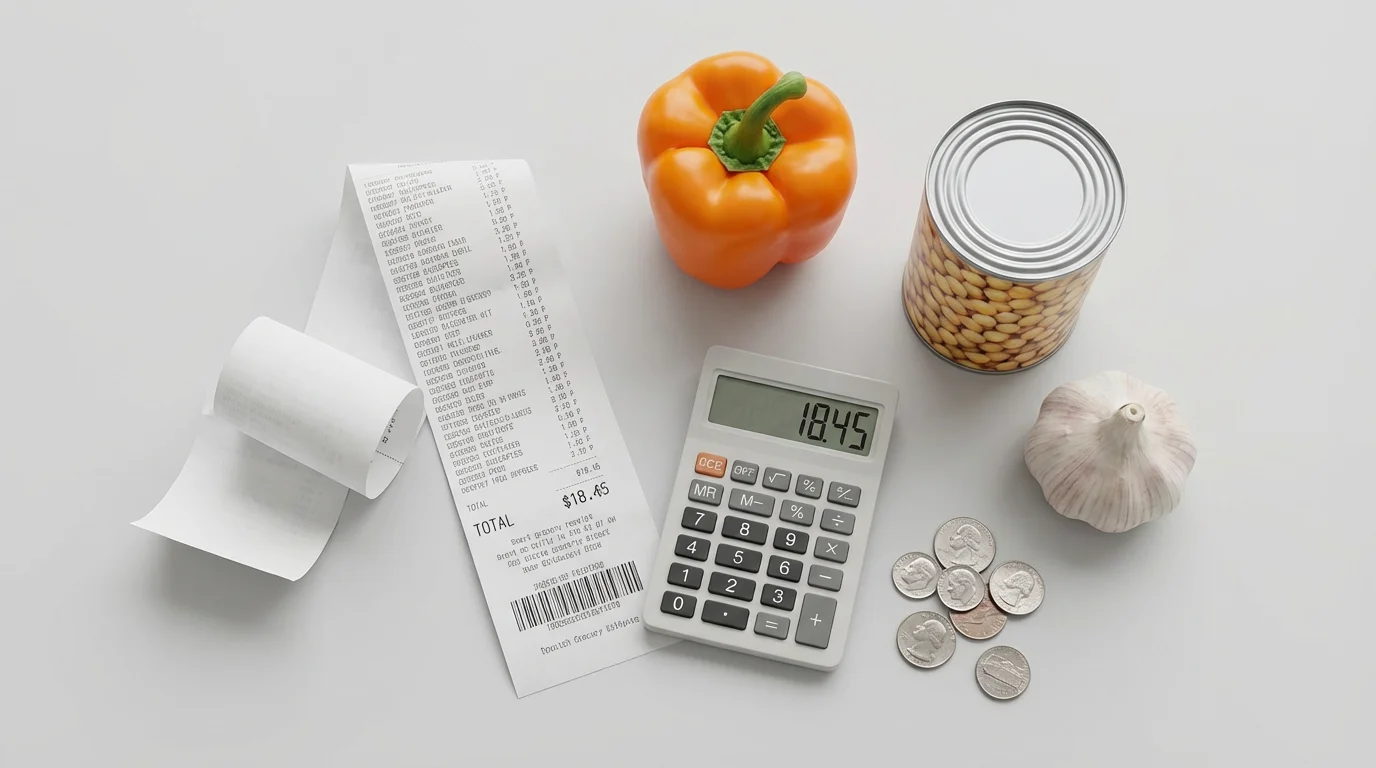
How can seniors eat healthy on a limited budget effectively? The answer often lies in smart shopping. Mastering grocery store tactics allows you to stretch your food budget further without compromising on nutritional quality. Every dollar you save on groceries is a dollar you can use elsewhere, or simply keep.
While you are focusing on saving at the grocery store, make sure you also know how to protect yourself from financial scams that can drain your retirement funds.
Just as you look for grocery savings, finding the best cell phone plans for seniors on a budget can further stretch your monthly income.
Implement these strategies consistently to see real savings over time. Patience and a proactive approach will transform your grocery shopping experience. You will gain confidence in your ability to manage expenses while maintaining a healthy diet.
- Compare Unit Prices: Always check the unit price (price per ounce, pound, or serving) displayed on shelf tags. Larger packages might seem cheaper, but their unit price might be higher than smaller options.
- Buy Store Brands: Generic or store-brand products often contain the same quality ingredients as name brands but cost significantly less. Give them a try; you might be surprised by their quality.
- Look for Sales and Coupons: Browse weekly grocery store flyers for sales on items you regularly use. Clip digital or paper coupons for extra savings.
- Shop the Perimeter of the Store: The outer aisles typically house fresh produce, dairy, and lean proteins, which are often the healthiest choices. Avoid the highly processed, more expensive items found in the center aisles.
- Limit Processed Foods: Pre-cut vegetables, flavored rice mixes, and ready-to-eat meals carry a premium price for convenience. Buying whole ingredients and preparing them yourself saves money and reduces unhealthy additives.
- Join Loyalty Programs: Most grocery stores offer loyalty cards or apps that provide member-exclusive discounts and personalized offers. Sign up and use them every time you shop.
- Consider Farmers’ Markets: Towards the end of the market day, some vendors might offer discounts on produce to avoid packing it up. You also support local farmers.
- Batch Cook Grains and Legumes: Cook a large batch of brown rice, quinoa, or dried beans once a week. Divide and freeze portions for quick meals later, saving on more expensive canned versions.
Easy and Economical Meal Ideas & Healthy Recipes
Crafting delicious and healthy recipes on a budget is simpler than you might think. Focus on versatile ingredients and straightforward preparations. These ideas help you create satisfying meals that are both nourishing and cost-effective.
Saving money on daily essentials like groceries allows you to allocate more funds toward rewarding experiences like budget-friendly senior travel.
The key is to combine your budget-friendly staples in creative ways. These meal concepts require minimal cooking skills and time, making them ideal for seniors. Enjoy the process of creating meals that fuel your body and delight your taste buds.
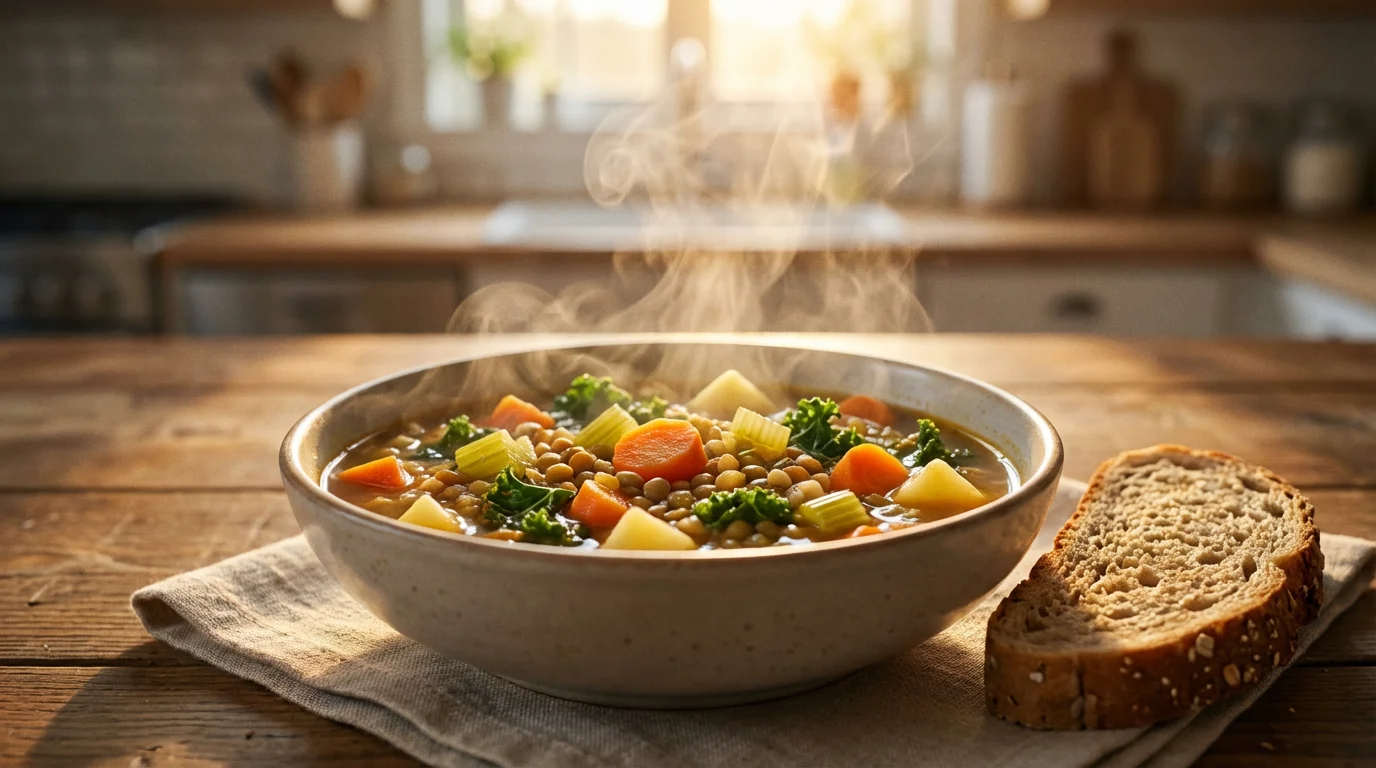
- Hearty Lentil Soup:
- Combine dried lentils (very cheap), diced carrots, celery, onions, canned diced tomatoes, and vegetable broth. Season with herbs like thyme and bay leaf.
- This soup provides fiber and protein, and it is incredibly filling. Make a large batch for multiple meals.
- Egg and Vegetable Scramble:
- Sauté any leftover vegetables you have (spinach, peppers, onions) with a couple of eggs.
- Serve with a slice of whole-grain toast. This quick meal works for breakfast, lunch, or a light dinner.
- Oatmeal with Frozen Berries:
- Cook rolled oats with water or milk. Stir in a handful of frozen berries (they thaw quickly in the warm oats).
- Add a sprinkle of cinnamon or a few chopped nuts for extra flavor and nutrition. A truly economical and nutrient-dense breakfast.
- Bean and Rice Bowls:
- Cook brown rice. Top with canned black beans (rinsed), salsa, and a sprinkle of cheese or a dollop of plain yogurt.
- Add chopped avocado or a fried egg if your budget allows for more healthy fats or protein.
- Tuna or Salmon Patties:
- Mix canned tuna or salmon (packed in water) with a beaten egg, breadcrumbs (from stale bread), and chopped onion or celery. Form into patties and pan-fry.
- Serve with a side of steamed frozen vegetables or a simple green salad. This is a great way to use inexpensive canned fish.
- Sheet Pan Roasted Vegetables:
- Chop a variety of root vegetables (potatoes, carrots, sweet potatoes, onions) and sturdy vegetables like broccoli or bell peppers.
- Toss with a little olive oil, salt, pepper, and herbs. Roast on a sheet pan until tender and slightly caramelized. You can add chicken sausage or canned chickpeas for protein.
Making the Most of Leftovers and Batch Cooking
Maximizing your food’s potential is a powerful way to save money and reduce waste. Leftovers and batch cooking are not just convenient, they are central to healthy eating on a budget. You save time, effort, and money by preparing larger quantities of food once.
Shared meals can also be a wonderful way to combat senior loneliness by inviting friends over for a budget-friendly dinner.
Sharing these home-cooked meals with friends is also a wonderful way of building connections and finding purpose in your community.
Embrace the art of transforming yesterday’s meal into today’s new dish. This approach ensures you always have a healthy option readily available, reducing the temptation for expensive takeout. You also reduce the emotional and financial strain of daily meal preparation.
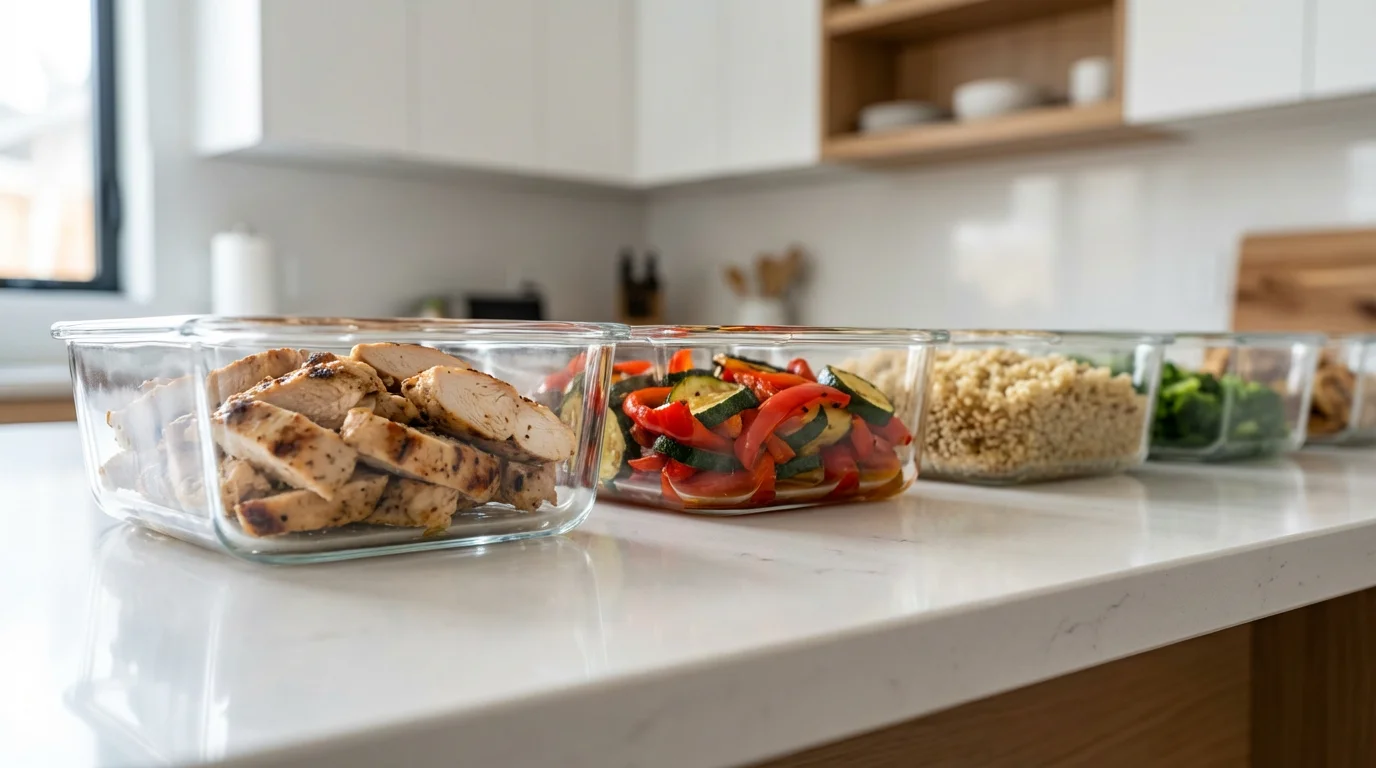
- Plan for Leftovers: When you cook, consciously make extra portions. For example, if you cook a whole chicken, plan to use the leftover meat for sandwiches, salads, or a stir-fry later in the week.
- Proper Storage is Key: Invest in airtight containers to keep food fresh in the refrigerator for 3-4 days. Label containers with the date to keep track.
- Freeze Portions: Soups, stews, chilis, cooked grains, and even some casseroles freeze exceptionally well. Divide larger batches into single-serving portions before freezing. This provides quick, healthy meals on demand.
- Repurpose Ingredients:
- Roast Chicken: Leftover chicken can become chicken salad, quesadillas, or a topping for pasta.
- Cooked Grains: Extra brown rice can transform into a fried rice dish, a base for a grain bowl, or added to soups.
- Cooked Vegetables: Blend steamed vegetables into a creamy soup, or add them to an omelet or frittata.
- Stock Rotation: When storing new items, bring older items to the front. This “first in, first out” method helps prevent food from expiring and going to waste.
Senior Nutrition Programs and Resources
Many valuable programs and resources exist to help seniors access nutritious food, especially if you face significant budget constraints. You do not have to navigate these challenges alone. These resources can significantly improve your access to healthy food options.
Explore the options available in your community. These programs aim to support your well-being by ensuring you have consistent access to healthy meals. Taking advantage of these services can greatly enhance your ability to eat well.
- Supplemental Nutrition Assistance Program (SNAP): Formerly known as food stamps, SNAP provides financial assistance for purchasing groceries. Many seniors are eligible but do not realize it. Visit your local social services agency or the National Council on Aging website to learn more about eligibility and how to apply.
- Meals on Wheels: This program delivers nutritious meals directly to the homes of seniors who have difficulty leaving their homes or preparing meals. It often provides both hot and cold meal options and offers a valuable social connection.
- Senior Centers: Many local senior centers offer congregate meal programs, providing low-cost or free nutritious lunches in a social setting. They often include transportation options.
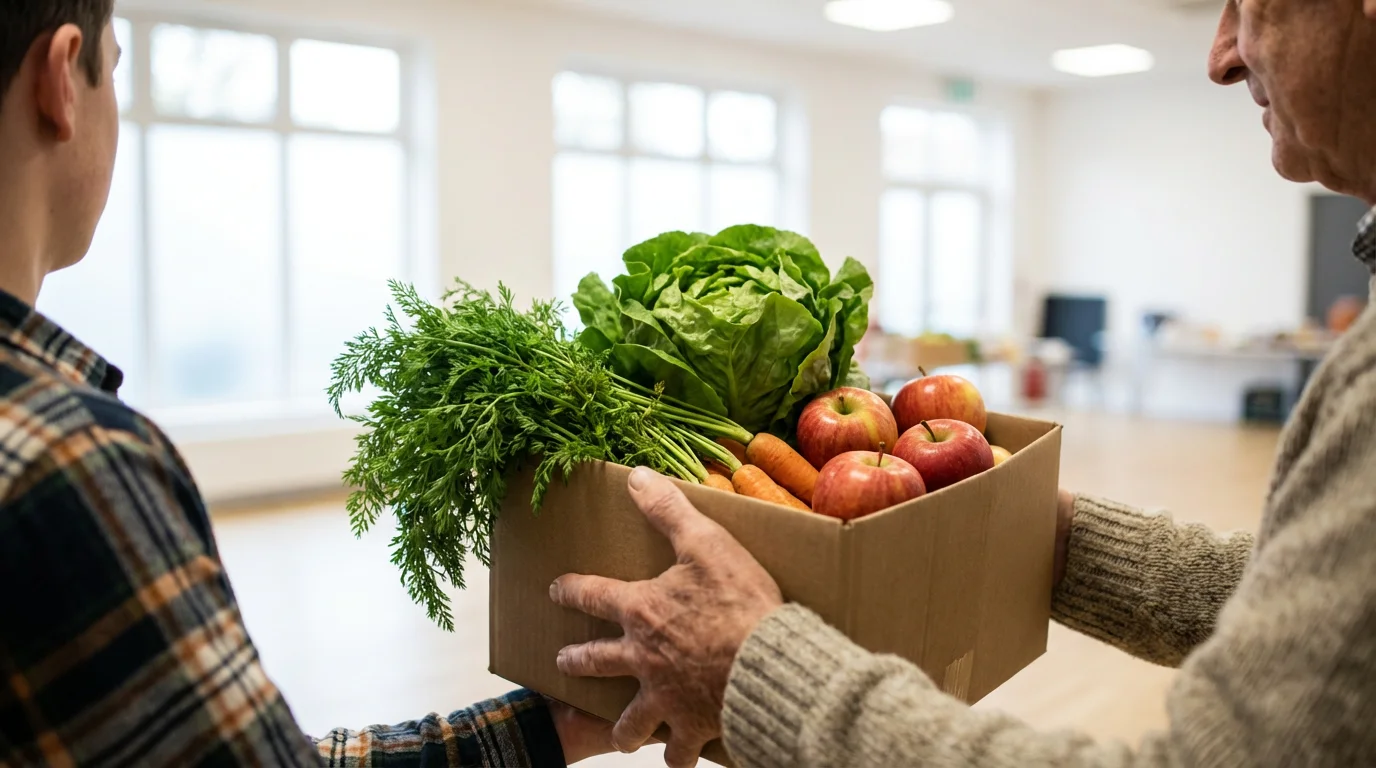
- Food Banks and Pantries: Local food banks and pantries distribute groceries to individuals and families in need. They frequently have specific programs or hours dedicated to seniors.
- Farmers Market Nutrition Programs (FMNP): Some states offer programs that provide low-income seniors with coupons to purchase fresh fruits, vegetables, honey, and herbs at farmers markets. Check with your state’s Department of Agriculture.

Navigating Dietary Needs on a Budget
Managing specific dietary needs or chronic conditions while adhering to a budget adds another layer of complexity. However, it is entirely feasible to meet these needs without overspending. Prioritize your health by making informed choices tailored to your requirements.
Always consult your healthcare provider or a registered dietitian for personalized dietary advice. They can help you create a meal plan that addresses your health conditions and fits your budget. Your doctor can offer guidance on managing conditions like diabetes or heart disease with budget-friendly foods.
- Diabetes Management: Focus on whole, unprocessed foods with a low glycemic index. Legumes, whole grains, and non-starchy vegetables are excellent budget-friendly choices. Control portion sizes carefully.
- Heart Health: Emphasize lean proteins, healthy fats, and fiber-rich foods. Canned fish (packed in water), beans, oats, and plenty of fruits and vegetables support cardiovascular health. Limit processed foods high in sodium and unhealthy fats. The American Heart Association offers many helpful resources for heart-healthy eating.
- High Blood Pressure: Reduce sodium intake by cooking from scratch and limiting processed foods. Focus on fresh or frozen vegetables, fruits, and lean proteins. Use herbs and spices for flavor instead of salt.
- Digestive Health: Increase fiber intake with whole grains, fruits, and vegetables. Drink plenty of water. Cooked lentils and beans are great sources of dietary fiber.
- Bone Health: Incorporate calcium-rich foods like low-fat dairy products, fortified plant milks, and dark leafy greens. Vitamin D is also crucial; look for fortified foods or discuss supplements with your doctor.
Maintaining communication with your healthcare team ensures your dietary choices align with your health goals. They can provide guidance on how to substitute ingredients or adjust recipes to meet specific requirements without financial strain.
Frequently Asked Questions
What are the cheapest sources of protein for seniors?
The cheapest and most nutritious protein sources for seniors include dried beans and lentils, eggs, canned tuna or salmon (packed in water), chicken thighs, and ground turkey. These options provide high-quality protein essential for muscle maintenance and overall health without a high cost. Look for sales on these items and buy in bulk when possible.
How can I get enough fruits and vegetables on a limited budget?
To get enough fruits and vegetables on a limited budget, prioritize seasonal produce, which is often cheaper and fresher. Utilize frozen fruits and vegetables, as they are picked at peak ripeness, nutritious, and can be more economical than fresh out-of-season options. Also, consider root vegetables like potatoes, carrots, and onions, which are inexpensive and store well.
Is it safe to eat expired food to save money?
No, it is generally not safe to eat food past its expiration date. “Best by” or “sell by” dates indicate peak quality, while “use by” or “expiration” dates relate to food safety. Consuming expired food can lead to foodborne illness. To save money, focus on preventing food waste through meal planning, proper storage, and using ingredients before they expire, rather than consuming potentially unsafe items.
What are some healthy snacks for seniors on a budget?
Budget-friendly healthy snacks for seniors include hard-boiled eggs, a piece of fruit (like an apple or banana), a handful of nuts (bought in bulk), plain yogurt, or a small bowl of oatmeal. These snacks provide nutrients and satiety without high costs. You can also prepare vegetable sticks with a small portion of hummus or peanut butter for added protein and fiber.
How can I make healthy meals taste good without expensive ingredients?
Enhance the flavor of healthy, budget-friendly meals by using herbs, spices, and aromatics. Garlic, onions, dried herbs (oregano, basil, thyme), and spices (cumin, paprika, chili powder) add depth without significant cost. A squeeze of lemon juice or a splash of vinegar can brighten flavors. Also, roasting vegetables brings out their natural sweetness, making them more appealing.
Are frozen meals a good option for budget-conscious seniors?
Some frozen meals can be budget-friendly and convenient, but you must read labels carefully. Many contain high levels of sodium, unhealthy fats, and preservatives. Opt for frozen meals with clear ingredient lists, lower sodium content, and a good balance of vegetables, lean protein, and whole grains. Preparing your own bulk meals and freezing them yourself offers a healthier and often cheaper alternative.
Disclaimer: This article is for informational purposes only and does not constitute medical advice. The information provided is not intended to diagnose, treat, cure, or prevent any disease. Always consult with your healthcare provider before making any changes to your diet, exercise routine, medications, or health regimen. If you’re experiencing a medical emergency, call 911 immediately.








Leave a Reply