

Maintaining good health and independence throughout your senior years often starts with what you eat. Your dietary choices significantly impact your energy levels, cognitive function, immune system strength, and overall well-being. Focusing on a balanced diet helps you prevent common age-related conditions, manage existing ones, and enjoy a vibrant life. This guide offers practical, actionable advice to empower you with the knowledge to make smart food choices every day.

Understanding Your Changing Nutritional Needs
As you age, your body experiences several physiological changes that influence your nutritional requirements. Your metabolism often slows down, meaning you may need fewer calories to maintain your weight. However, your need for certain vitamins and minerals can actually increase. This shift means that every calorie you consume should be packed with nutrients.
Staying proactive about your health also includes sensory wellness, such as coping with hearing loss to stay engaged and communicative during social meals.
For many seniors, appetite may decrease, making it harder to get adequate nutrition from fewer meals. Reduced physical activity can also contribute to lower calorie needs. Despite these changes, maintaining muscle mass, bone density, and a strong immune system remains critically important. Making informed food choices directly supports these vital functions.

Key Nutrients for Senior Health
Focusing on specific nutrients helps support your health goals. Understanding which nutrients are most important and where to find them empowers you to make better food choices. You can proactively protect your body and mind by prioritizing these essentials.
Maintaining a balanced intake of these nutrients can also play a supportive role in managing chronic pain and improving your overall daily comfort.
Consider these vital nutrients:
- Protein: Essential for maintaining muscle mass, repairing tissues, and supporting a healthy immune system. You need enough protein to stay strong and active.
- Fiber: Promotes digestive health, helps regulate blood sugar, and can lower cholesterol. Fiber also contributes to a feeling of fullness.
- Calcium and Vitamin D: Critical for strong bones and preventing osteoporosis. Your body’s ability to absorb these nutrients can decline with age.
- Vitamin B12: Important for nerve function and red blood cell production. Seniors often have difficulty absorbing B12 from food.
- Potassium: Supports heart health and helps maintain healthy blood pressure. Many fruits and vegetables provide excellent sources of potassium.
- Healthy Fats: Monounsaturated and polyunsaturated fats, found in foods like avocados and nuts, support brain health and reduce inflammation. These fats are vital for cell function.
Ensuring you get sufficient amounts of these nutrients helps you maintain your strength, vitality, and cognitive sharpness. You can make targeted food choices to meet these needs.

Building a Balanced Plate: Dietary Guidelines
Creating a balanced meal involves incorporating a variety of food groups to ensure you receive all necessary nutrients. Think of your plate as an opportunity to combine different colors, textures, and flavors. This approach makes eating enjoyable and ensures comprehensive nutrition.
An organized kitchen environment, which can be improved by decluttering your home, makes the process of preparing these healthy plates much more efficient.
The general dietary guidelines for seniors emphasize nutrient-dense foods. Focus on whole, unprocessed foods whenever possible. Limiting added sugars, unhealthy fats, and excessive sodium also benefits your long-term health.
A balanced plate for seniors typically looks like this:
- Half your plate with fruits and vegetables: Opt for a colorful array. Dark leafy greens, berries, oranges, and broccoli are particularly nutrient-rich.
- One-quarter of your plate with lean protein: Choose options like fish, poultry, beans, lentils, eggs, or lean meat.
- One-quarter of your plate with whole grains: Include foods like oats, brown rice, quinoa, and whole-wheat bread. These provide sustained energy and fiber.
- Include low-fat dairy or alternatives: Yogurt, milk, or fortified plant-based milk contribute calcium and vitamin D.
This structure provides a simple framework for building healthy meals. Adjust portion sizes based on your individual calorie needs and activity levels.
What Are the Best Diets for Senior Health?
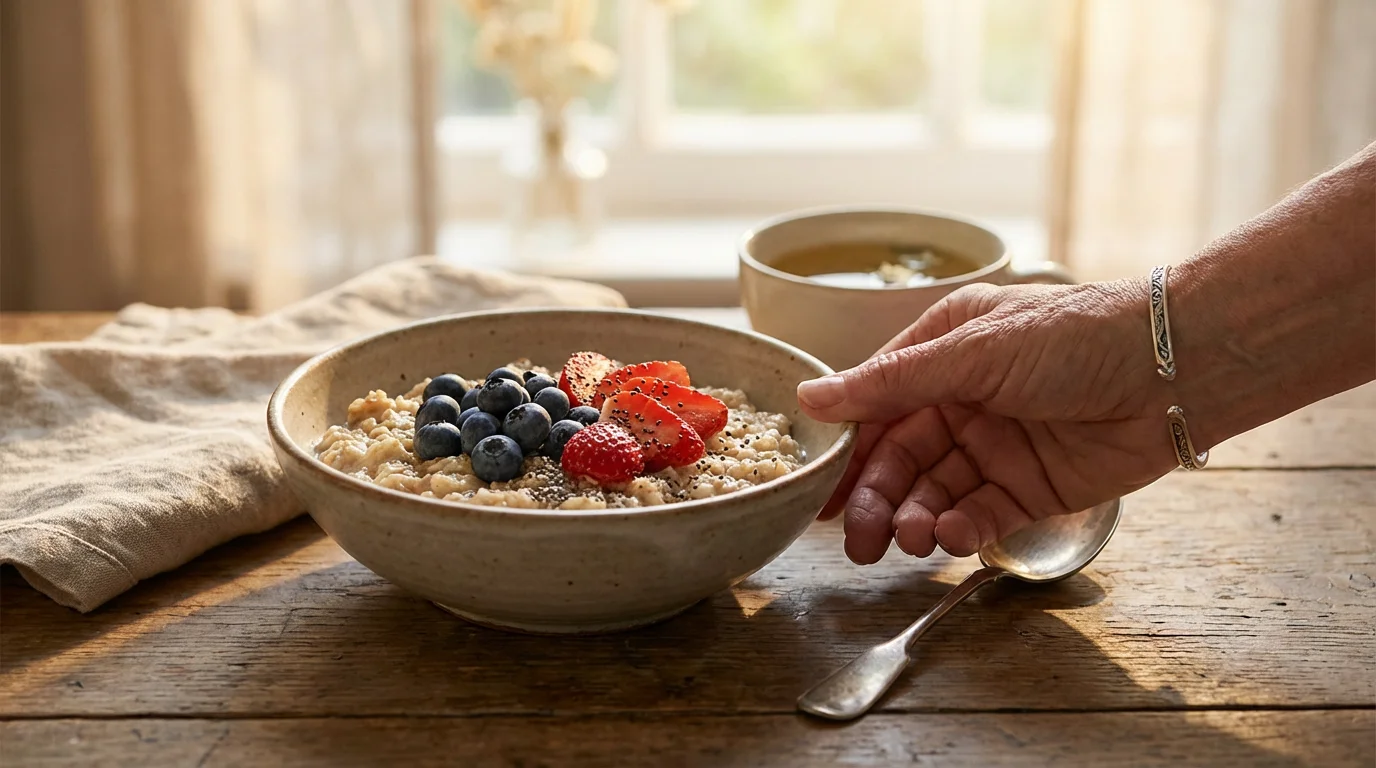
No single “best” diet fits everyone, but several dietary patterns consistently show benefits for senior health. These approaches focus on whole foods and nutrient density, aligning well with your changing nutritional needs. You can adapt these principles to suit your preferences and health requirements.
If you have specific medical concerns that require professional advice, you might consider using telehealth services to consult with a nutritionist from the comfort of your home.
Here are some highly recommended dietary approaches:
- The Mediterranean Diet: This eating pattern emphasizes fruits, vegetables, whole grains, legumes, nuts, seeds, and olive oil as the primary fat source. It includes moderate amounts of fish and poultry, with limited red meat and sweets. The Mediterranean diet is linked to reduced risk of heart disease, stroke, and improved cognitive function.
- DASH Diet (Dietary Approaches to Stop Hypertension): Originally designed to lower blood pressure, the DASH diet is rich in fruits, vegetables, whole grains, and low-fat dairy products. It limits foods high in saturated fat, cholesterol, and sodium. This diet effectively supports heart health and reduces the risk of related conditions.
- Flexitarian Diet: This approach is primarily vegetarian, but it allows for occasional inclusion of meat, poultry, and fish. It emphasizes plant-based proteins, whole grains, fruits, and vegetables. The flexitarian diet offers flexibility while promoting a high intake of beneficial plant foods.
These dietary patterns are not restrictive; they offer diverse food choices and are sustainable long-term. You can find what works best for your taste and lifestyle by exploring these options. The National Institute on Aging provides further guidance on healthy eating for older adults, emphasizing nutrient-rich choices. You can find more information through resources like the National Institute on Aging.

Hydration is Crucial for Overall Well-being
Often overlooked, adequate hydration plays a fundamental role in your overall health. Your body relies on water for every vital function, from regulating body temperature to transporting nutrients and flushing out waste. Dehydration can lead to fatigue, dizziness, confusion, and even increase your risk of falls.
If you experience dizziness or mobility challenges despite staying hydrated, ensure you are choosing the right walking aid to maintain your independence safely.
As you age, your sense of thirst may diminish, making it harder to recognize when you need to drink more fluids. Certain medications can also affect your hydration status. Therefore, actively planning your fluid intake is important.
Tips for staying well-hydrated:
- Drink water regularly: Aim for 6-8 glasses of water throughout the day. Keep a water bottle handy as a visual reminder.
- Eat water-rich foods: Many fruits and vegetables, such as watermelon, cucumbers, oranges, and strawberries, contain a high percentage of water.
- Limit dehydrating beverages: Caffeinated drinks and alcohol can act as diuretics, causing your body to lose more fluid. Enjoy them in moderation.
- Consider other fluids: Herbal teas, diluted fruit juices, and broths also contribute to your fluid intake.
Making hydration a conscious effort helps you maintain energy, cognitive function, and digestive health. Your body will thank you for consistent fluid intake.
Practical Meal Planning and Preparation
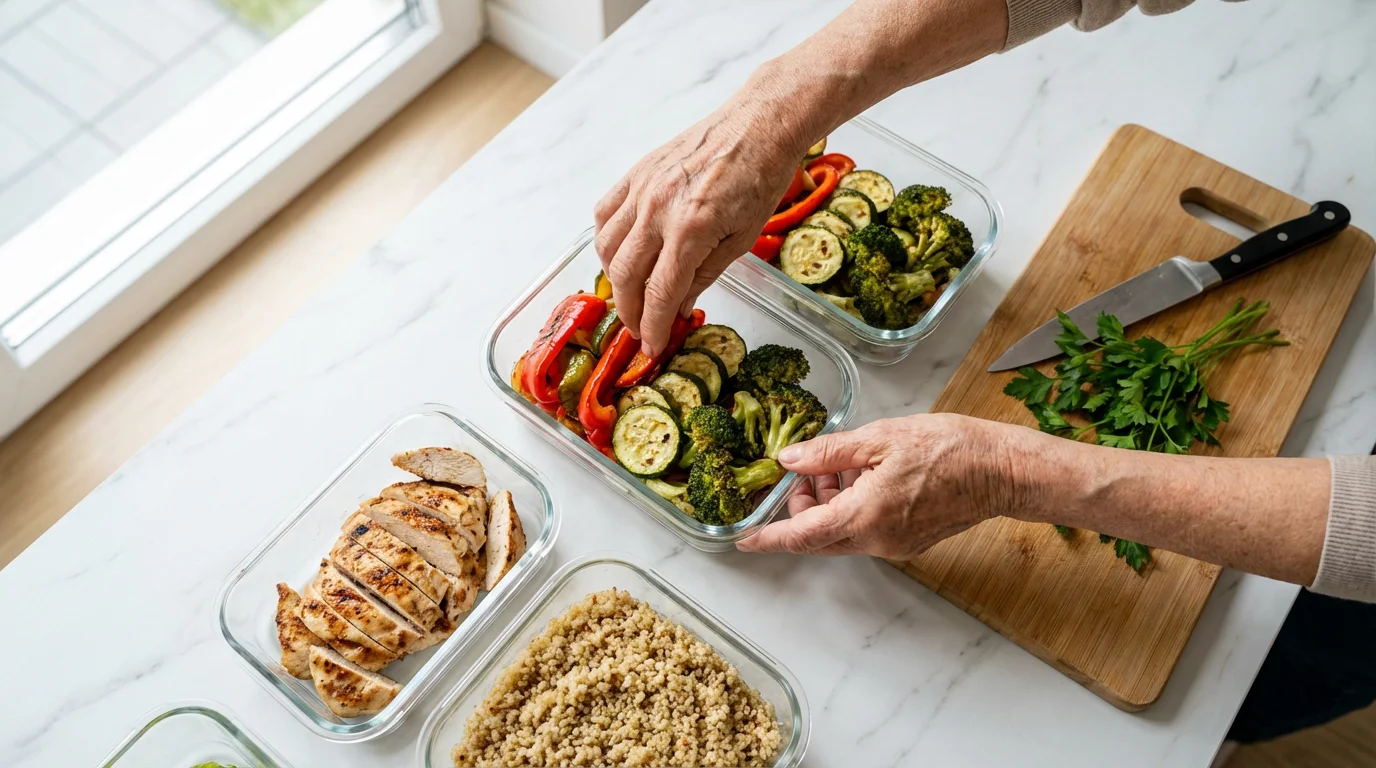
Effective meal planning and preparation simplify healthy eating, making it less daunting and more enjoyable. A well-thought-out plan saves you time, reduces waste, and helps you stick to your nutritional goals. Even small steps in planning can make a big difference.
Sharing a home-cooked meal with friends or neighbors is also a wonderful way of building social connections and finding joy in your daily routine.
Consider these practical strategies:
- Plan your meals weekly: Decide what you will eat for breakfast, lunch, and dinner for the week ahead. This allows you to create an efficient grocery list.
- Shop smart: Buy fresh produce in season for better flavor and value. Purchase frozen fruits and vegetables for convenience and year-round availability.
- Prep in advance: Wash and chop vegetables, cook a batch of grains, or portion out snacks at the beginning of the week. This makes meal assembly much faster during busy days.
- Utilize kitchen tools: A slow cooker or instant pot can prepare nutritious meals with minimal effort. Food processors can quickly chop ingredients.
- Cook in bulk: Prepare larger portions of meals like stews, soups, or casseroles. Freeze individual servings for quick, healthy meals on demand.
- Explore meal delivery services: If cooking becomes challenging, consider meal delivery services designed for seniors. Many offer nutritious, balanced meals tailored to specific dietary needs.
Effective planning removes the guesswork from healthy eating and helps you consistently make nutritious choices. You will feel more organized and confident in your kitchen.

How Much Protein Should Seniors Consume Daily?
Protein is a critical nutrient for seniors, playing a vital role in maintaining muscle mass, strength, and overall physical function. Research suggests that older adults may need more protein than younger adults to counteract age-related muscle loss, known as sarcopenia. You can prevent weakness and maintain independence by prioritizing protein intake.
Current recommendations for healthy older adults typically suggest a protein intake of 1.0 to 1.2 grams of protein per kilogram of body weight per day. For example, if you weigh 150 pounds (approximately 68 kg), you would aim for about 68 to 82 grams of protein daily. It is beneficial to distribute this protein intake evenly throughout your meals.
Excellent sources of lean protein include:
- Lean Meats: Skinless chicken, turkey, lean beef, or pork.
- Fish: Salmon, tuna, cod, or mackerel. These also provide beneficial omega-3 fatty acids.
- Eggs: A complete protein source, versatile and easy to prepare.
- Dairy Products: Greek yogurt, cottage cheese, milk, or fortified plant-based milk.
- Legumes: Beans, lentils, and chickpeas are excellent plant-based protein and fiber sources.
- Nuts and Seeds: Almonds, walnuts, chia seeds, and pumpkin seeds offer protein and healthy fats.
Meeting your daily protein needs supports muscle health, boosts your immune system, and helps with recovery from illness or injury. You can integrate these protein-rich foods into your daily diet to support your strength and vitality.

Addressing Common Dietary Challenges
Seniors often face unique challenges that can impact their ability to maintain healthy eating habits. Recognizing these hurdles allows you to find effective solutions and maintain your nutritional intake. You can overcome these obstacles with practical strategies.
Common challenges and solutions:
- Loss of Appetite:
- Eat smaller, more frequent meals throughout the day.
- Focus on nutrient-dense foods in every bite.
- Make meals visually appealing and flavorful.
- Try liquid nutritional supplements if food intake is severely low.
- Changes in Taste and Smell:
- Experiment with herbs, spices, lemon juice, or vinegar to enhance flavor without adding excess salt.
- Vary your meal choices to keep things interesting.
- Chewing and Swallowing Difficulties:
- Choose soft foods that are easy to chew, such as cooked vegetables, ground meats, fish, scrambled eggs, and yogurt.
- Moisten dry foods with gravies or sauces.
- Consult with a healthcare professional or speech therapist if swallowing becomes consistently difficult.
- Medication Interactions:
- Always discuss your diet with your doctor or pharmacist when starting new medications.
- Be aware of specific food interactions, such as grapefruit with certain cholesterol-lowering drugs, or vitamin K with blood thinners.
- Digestive Issues:
- Increase fiber intake gradually through whole grains, fruits, and vegetables to aid digestion.
- Drink plenty of water to help fiber work effectively.
- Consider probiotics found in yogurt or fermented foods.
- Budget Constraints:
- Plan meals around sales and seasonal produce.
- Buy in bulk when items are on sale and freeze portions.
- Utilize affordable protein sources like beans, lentils, eggs, and canned fish.
- Look for assistance programs if needed, such as senior meal programs or food banks.
Proactive strategies help you navigate these common dietary challenges. You can maintain consistent, healthy eating habits by finding solutions that fit your individual needs.
“Eating well is a form of self-respect. It empowers you to live independently and vibrantly.”

Smart Snacking for Energy and Nutrients
Snacking can be a valuable part of a healthy diet for seniors, providing an opportunity to boost nutrient intake and maintain energy levels between meals. Rather than relying on empty calories, choose snacks that offer real nutritional benefits. You can support your health and avoid energy dips by making smart choices.
Healthy snack ideas:
- Fresh Fruit: An apple with a slice of cheese, a banana, or a handful of berries provides vitamins, fiber, and natural sugars for quick energy.
- Yogurt: Plain Greek yogurt with a few berries or a sprinkle of nuts offers protein and calcium.
- Nuts and Seeds: A small handful of almonds, walnuts, or pumpkin seeds provides healthy fats, protein, and fiber.
- Vegetable Sticks with Hummus: Carrots, celery, or bell pepper strips dipped in hummus offer fiber and protein.
- Hard-Boiled Eggs: An excellent source of protein, easy to prepare in advance.
- Whole-Grain Crackers with Avocado: A good source of fiber and healthy fats.
- Cottage Cheese: Provides protein and calcium, pairs well with fruit.
Thoughtful snacking helps you meet your daily nutritional needs and keeps you feeling satisfied. You can prevent overeating at main meals by choosing nutrient-dense options.

When to Seek Professional Guidance
While these guidelines offer a strong foundation for healthy eating, sometimes individual circumstances require personalized advice. A healthcare professional can provide tailored recommendations based on your unique health profile. You should not hesitate to seek expert support when necessary.
Consider consulting a professional if you experience:
- Unexplained Weight Loss or Gain: Significant changes in weight can indicate underlying health issues or nutritional deficiencies.
- Persistent Digestive Problems: Chronic constipation, diarrhea, or other digestive discomfort might benefit from a dietary assessment.
- New or Worsening Health Conditions: Dietary adjustments can significantly impact conditions like diabetes, heart disease, or kidney disease.
- Difficulty Managing Your Diet Due to Illness or Medication: Complex medical situations often require expert nutritional guidance.
- Concerns About Nutrient Deficiencies: If you suspect you are not getting enough of certain vitamins or minerals.
Your doctor can offer initial advice and refer you to a registered dietitian. A registered dietitian is a food and nutrition expert who can create a personalized meal plan tailored to your health needs, preferences, and lifestyle. They provide invaluable support in navigating complex dietary requirements. You can feel confident in your nutritional journey with professional guidance.
Frequently Asked Questions
Is it really necessary for seniors to eat differently than younger adults?
Yes, seniors often need to adjust their eating habits. While many healthy eating principles remain the same, your body’s metabolism slows, and your caloric needs generally decrease. However, your requirements for certain nutrients, like protein, calcium, and Vitamin D, may increase or become harder to absorb. Focusing on nutrient-dense foods ensures you get sufficient vitamins and minerals from fewer calories.
How can I ensure I get enough fiber without causing digestive upset?
To increase fiber intake smoothly, add fiber-rich foods gradually to your diet. Start with small portions of whole grains, fruits, vegetables, and legumes. Crucially, increase your water intake simultaneously. Water helps fiber move through your digestive system, preventing constipation and discomfort. Listen to your body and adjust the amount as needed.
What are some easy ways to boost protein in my meals?
Boosting protein is simple. Add a spoonful of Greek yogurt to your breakfast oats, mix lentils into soups or stews, top salads with grilled chicken or chickpeas, include eggs in various meals, or snack on cottage cheese. Even small additions throughout the day can significantly increase your protein intake and support muscle health.
Are dietary supplements necessary for seniors?
While a balanced diet should ideally provide all necessary nutrients, supplements can be beneficial for some seniors. Factors like reduced appetite, absorption issues, or certain medications can lead to deficiencies. Common supplements include Vitamin B12, Vitamin D, and calcium. Always discuss any potential supplements with your doctor before starting them to ensure they are safe and appropriate for your individual needs.
Disclaimer: This article is for informational purposes only. Home modifications, safety equipment, and services mentioned may vary in availability and suitability for individual circumstances. For significant home modifications, consult with qualified professionals. For health-related safety concerns, consult with healthcare providers.









Leave a Reply