
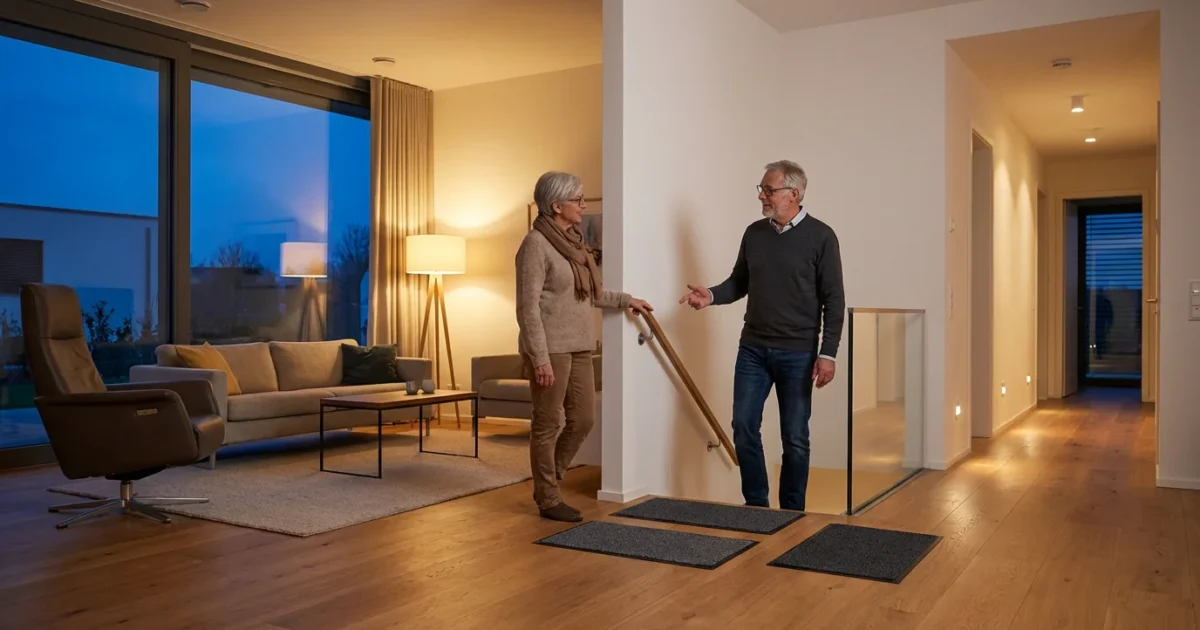
Maintaining your independence and comfort at home requires a proactive approach to safety. Falls represent a significant concern for older adults, but you have the power to create an environment that minimizes these risks. This article provides practical, actionable insights to help you identify and address common hazards throughout your living space. By implementing strategic modifications and adopting safer habits, you enhance your home’s security and empower yourself to live confidently.
Practicing mindfulness and meditation can help you stay present and focused, further reducing the chance of an accidental misstep.
Your home should be a sanctuary, a place where you feel secure and comfortable in every room. Taking steps now to prevent falls improves your overall quality of life and supports your long-term independence. You invest in your well-being by transforming potential dangers into areas of assurance.
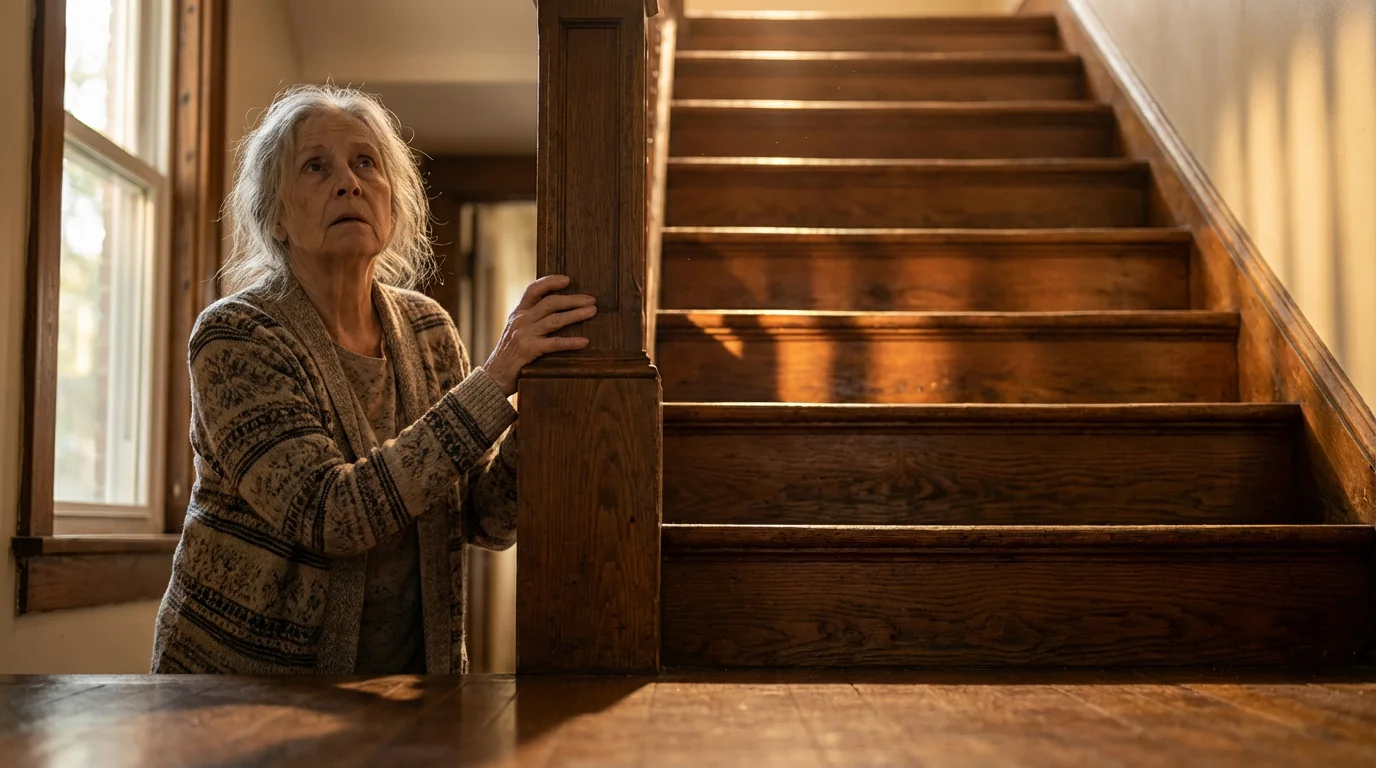
Understanding Your Fall Risk: Why Falls Happen
Falls are a leading cause of injury among older adults. Each year, millions of seniors experience falls, resulting in serious injuries like hip fractures, head traumas, and sprains. The Centers for Disease Control and Prevention reports that one in four older adults falls annually, yet fewer than half tell their doctor. Understanding the common factors contributing to falls allows you to take targeted preventative measures.
Properly managing diabetes is also important, as blood sugar fluctuations can lead to dizziness and instability.
Beyond home hazards, choosing the right walking aid can provide the extra support needed to navigate your living space with confidence.
Since physical discomfort can impact your balance, managing arthritis pain is a crucial step in maintaining stability and preventing sudden stumbles.
You can identify many risk factors within your own home and daily routines. These often include physical changes that come with aging, such as decreased balance, muscle weakness, and vision problems. However, environmental hazards frequently contribute to these incidents, making your living space a critical area for improvement.
An ounce of prevention is worth a pound of cure.
Consider these common reasons for falls in your home:
- Slippery Surfaces: Wet floors in the bathroom, polished hardwood, or loose rugs create unstable footing.
- Poor Lighting: Dimly lit hallways, stairwells, or rooms make it difficult to see obstacles and navigate safely.
- Clutter: Objects left on floors, crowded pathways, or excessive furniture create trip hazards.
- Lack of Support: Absence of grab bars in bathrooms, handrails on stairs, or stable furniture for support.
- Inappropriate Footwear: Loose slippers, high heels, or socks without treads reduce stability and grip.
- Uneven Surfaces: Raised thresholds, worn carpets, or cracks in outdoor walkways pose tripping risks.
Addressing these risks directly strengthens your home safety plan. Your goal is to simplify your environment and ensure every step you take feels secure.
Safe Pathways and Optimal Lighting: Preventing Trips
Clear pathways and sufficient lighting are fundamental to fall prevention. Many falls happen simply because someone cannot see an obstacle or misjudges a step. You can make significant improvements with thoughtful adjustments to your home layout and lighting fixtures.
Beyond clear paths, medication safety is a key preventative measure, as some prescriptions can impact your coordination.
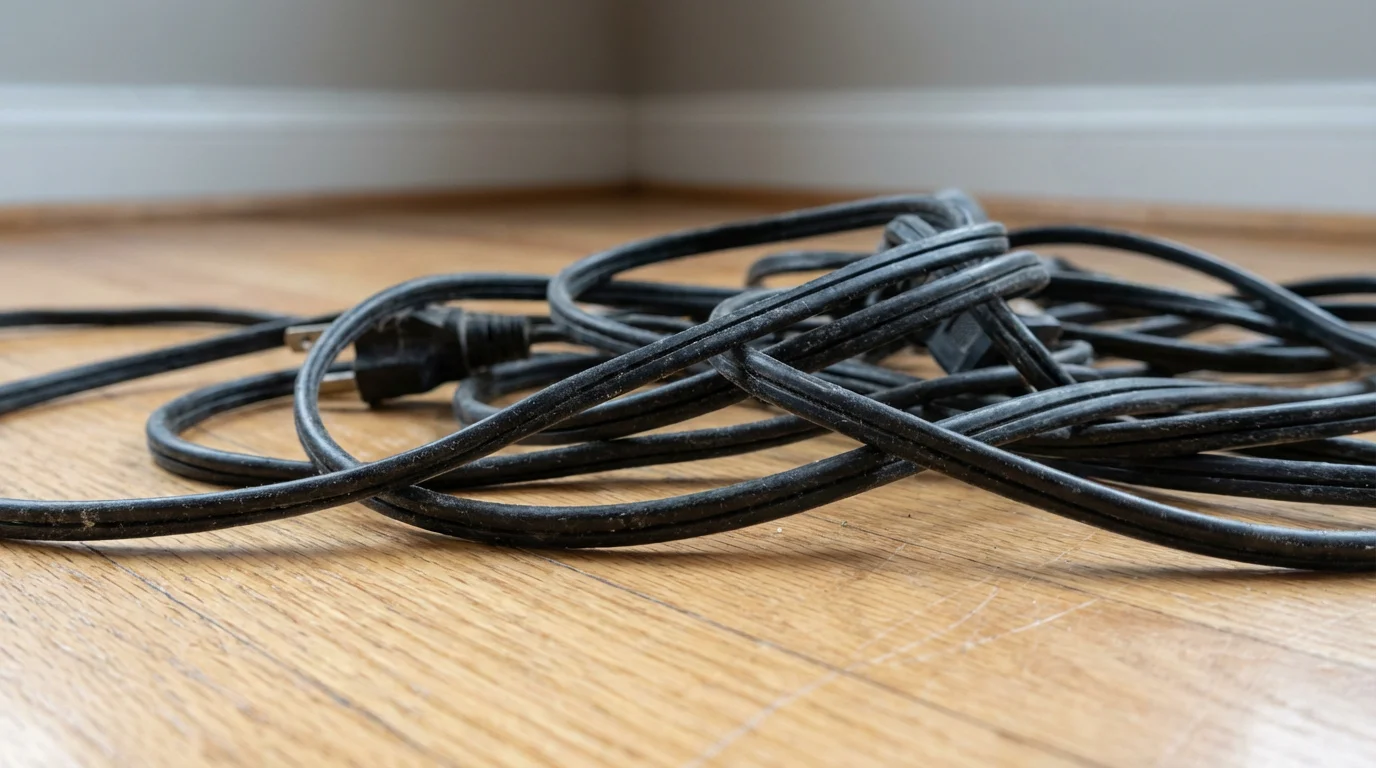
Begin by decluttering all walking areas. Remove stacks of magazines, loose cords, and small furniture items that block your path. Ensure every room has a designated space for items, preventing them from accumulating on the floor. This simple step immediately reduces trip hazards.
Consider these actions for creating safe pathways:
- Remove Throw Rugs: Loose rugs are notorious for causing trips. Consider removing them entirely, or secure them firmly to the floor with non-slip backing or double-sided tape.
- Manage Cords: Gather electrical cords and wires. Use cord covers or secure them along baseboards to prevent tripping. Never run cords under rugs.
- Keep Paths Clear: Maintain clear walking paths at least 36 inches wide. Rearrange furniture to ensure easy movement between rooms.
- Repair Floor Hazards: Fix loose floorboards, raised tiles, or worn carpets promptly. Even minor imperfections can lead to a fall.
Proper lighting allows you to see clearly, especially when navigating unfamiliar areas or during nighttime trips to the bathroom. You need bright, uniform illumination without creating glare.
Enhance your home’s lighting with these recommendations:
- Increase Wattage: Use the highest safe wattage light bulbs for lamps and fixtures. Consult a qualified electrician if you are unsure about your home’s wiring capacity.
- Add Task Lighting: Supplement general room lighting with task lighting in areas like kitchens and reading nooks.
- Install Nightlights: Place automatic nightlights in hallways, bedrooms, and bathrooms. These provide crucial visibility for nighttime movements.
- Ensure Adequate Stair Lighting: Install bright lights at the top and bottom of stairs. Consider motion-activated lights or continuous illumination.
- Reduce Glare: Use frosted bulbs or lampshades to diffuse light. Position lamps to avoid shining directly into your eyes.
The AARP HomeFit Guide offers excellent strategies for optimizing lighting and creating accessible pathways, providing comprehensive advice for your living space.
Bathroom Safety Essentials: Preventing Slips and Falls
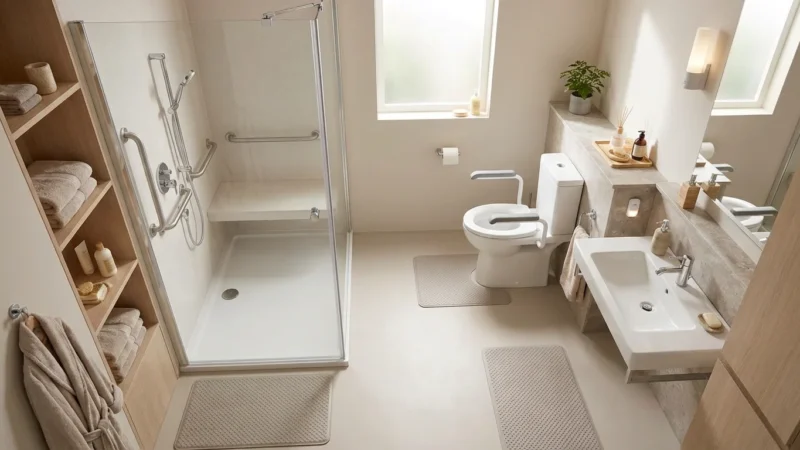
Bathrooms pose some of the highest fall risks in any home due to wet, slippery surfaces and confined spaces. You can significantly reduce these dangers with targeted modifications. Prioritizing bathroom safety creates a more secure and comfortable experience for your daily routines.
Maintaining sensory awareness, including addressing hearing loss, helps you stay more attuned to your environment while navigating smaller spaces.
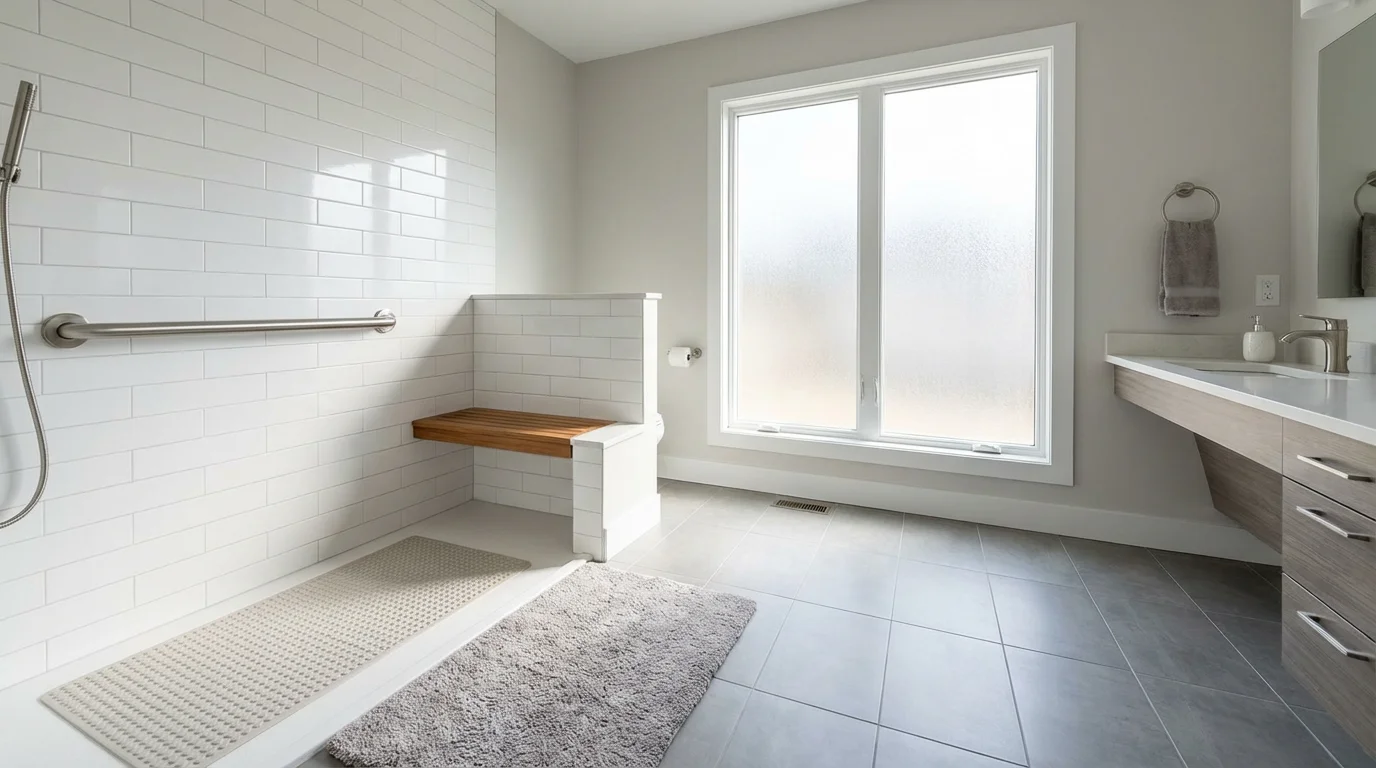
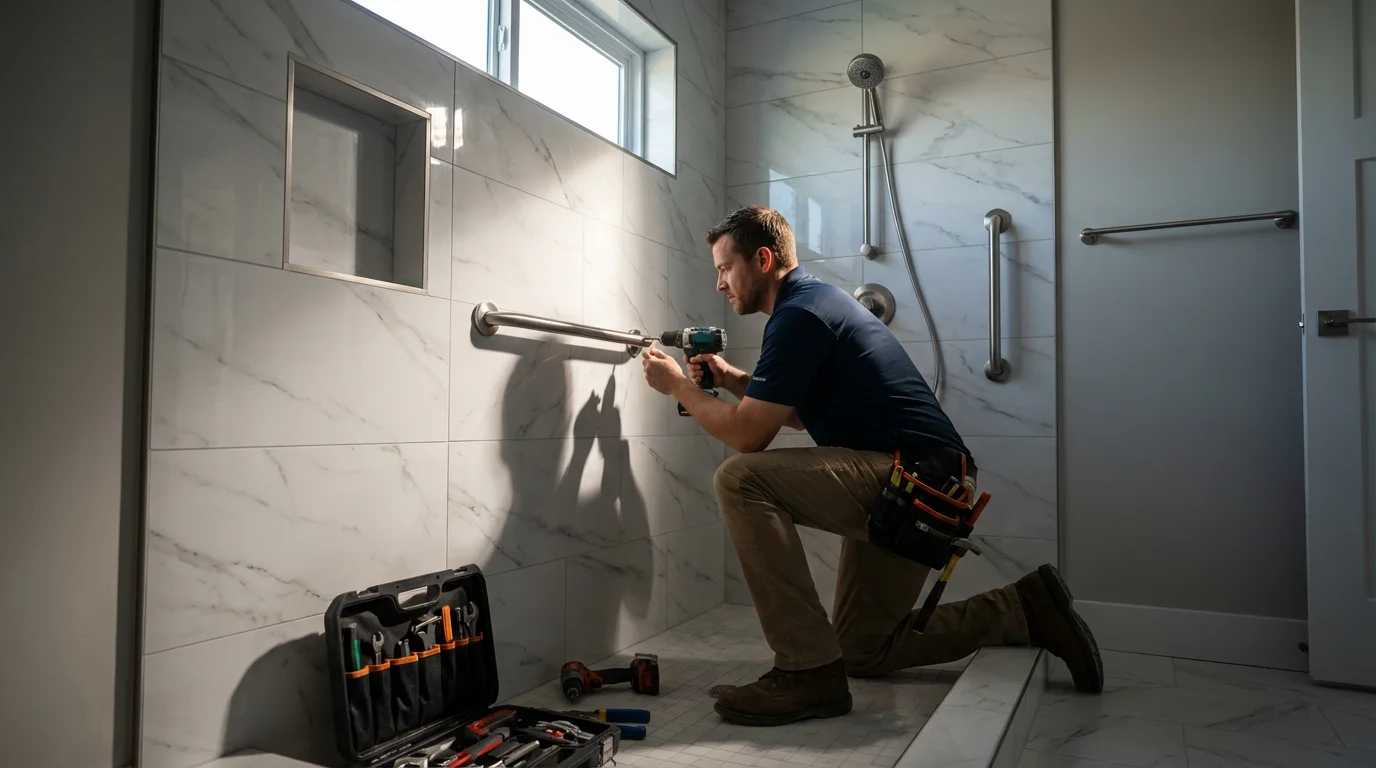
Installing grab bars is a fundamental step. Do not rely on towel bars for support; they cannot bear your weight. Professional installation ensures grab bars are securely mounted into wall studs, providing reliable support when you stand, sit, or transfer.
Consider these essential bathroom safety improvements:
- Install Grab Bars: Place grab bars inside the shower or tub, next to the toilet, and near the bathroom entrance if space allows. Costs range from $20-$100 per bar, with professional installation adding $75-$200 per bar.
- Use Non-Slip Mats: Place non-slip mats or strips inside the shower or tub. A non-slip bath mat outside the shower absorbs water and provides a stable surface. Choose mats with strong suction cups or rubberized backing.
- Elevate Toilet Seats: A raised toilet seat makes sitting down and standing up easier, reducing strain and the risk of losing balance. Basic models cost $20-$50, while professional installation for permanent fixtures ranges from $100-$300.
- Shower Chairs or Benches: Use a shower chair or transfer bench if standing for long periods in the shower causes fatigue or instability. These cost $30-$150.
- Improve Lighting: Ensure bright, even lighting in the bathroom, especially around the shower and toilet. Install a nightlight for nighttime visits.
Small changes here make a big difference in preventing serious accidents. Your comfort and safety during personal care routines are paramount.
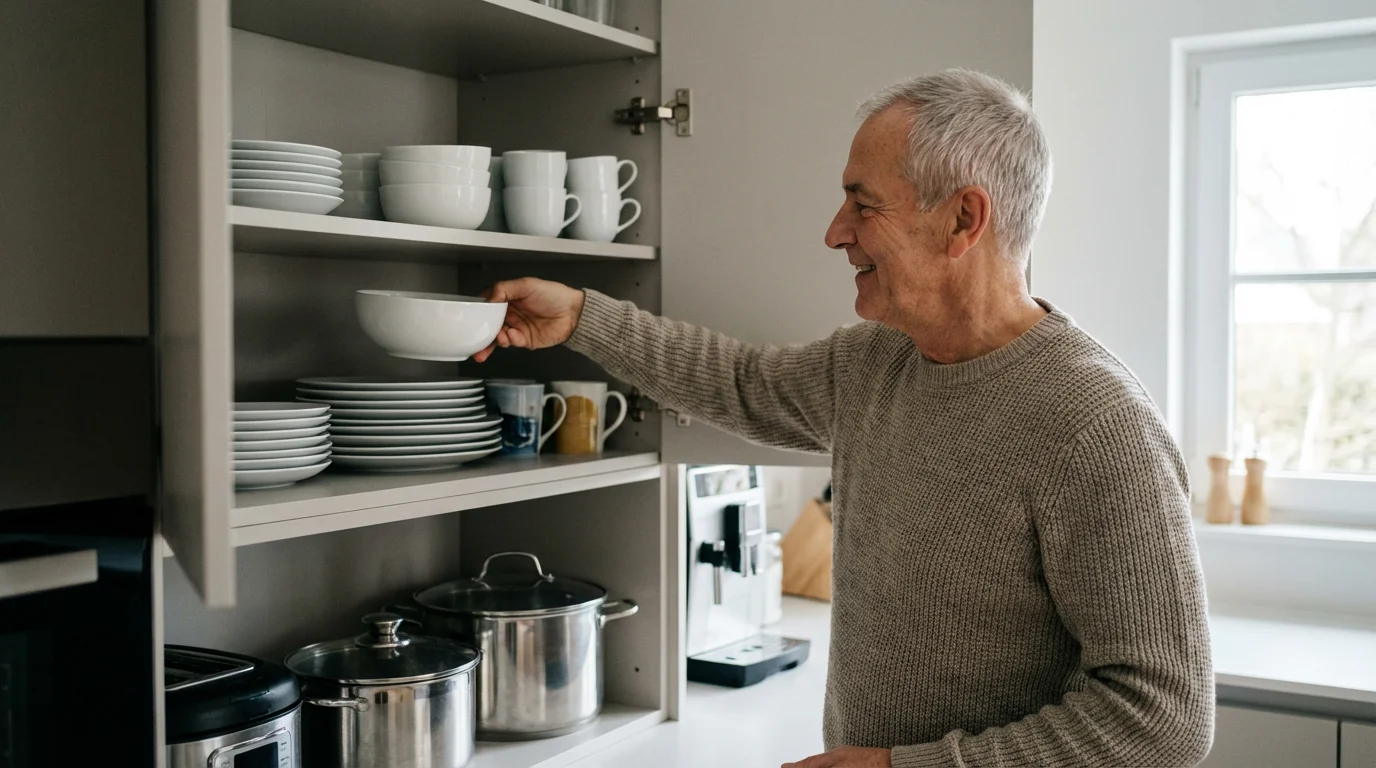
Kitchen Accessibility and Organization: Managing Daily Tasks
The kitchen is a central hub of activity, involving bending, reaching, and carrying items. These movements can increase your fall risk if the space is not organized thoughtfully. You can make your kitchen safer and more efficient with some strategic adjustments.
Focus on keeping frequently used items within easy reach. Minimize the need to use step stools or to stretch precariously for supplies. A well-organized kitchen reduces the effort and potential instability involved in meal preparation and cleanup.
Implement these tips for a safer, more accessible kitchen:
- Store Essentials at Waist Level: Keep plates, cups, cooking utensils, and pantry staples between waist and shoulder height. Move heavier items to lower cabinets.
- Use Reaching Aids: Invest in a long-handled gripper or a step stool with a sturdy handle if you need to access higher shelves occasionally. Always choose a step stool with wide, non-slip steps.
- Ensure Adequate Lighting: Brighten your kitchen with overhead lights and under-cabinet lighting. This improves visibility for chopping, reading labels, and navigating the space.
- Maintain Clear Aisles: Keep kitchen floors free of clutter, rugs, and spills. Clean up spills immediately to prevent slips.
- Organize Pantry and Refrigerator: Group similar items together and label shelves for easy identification. Avoid overcrowding, which can lead to items falling out.
- Use Non-Slip Flooring: Consider non-slip mats in high-traffic areas or near the sink. Ensure any floor mats lie completely flat.
By streamlining your kitchen and making it easier to access what you need, you reduce strain and improve your stability during everyday tasks.
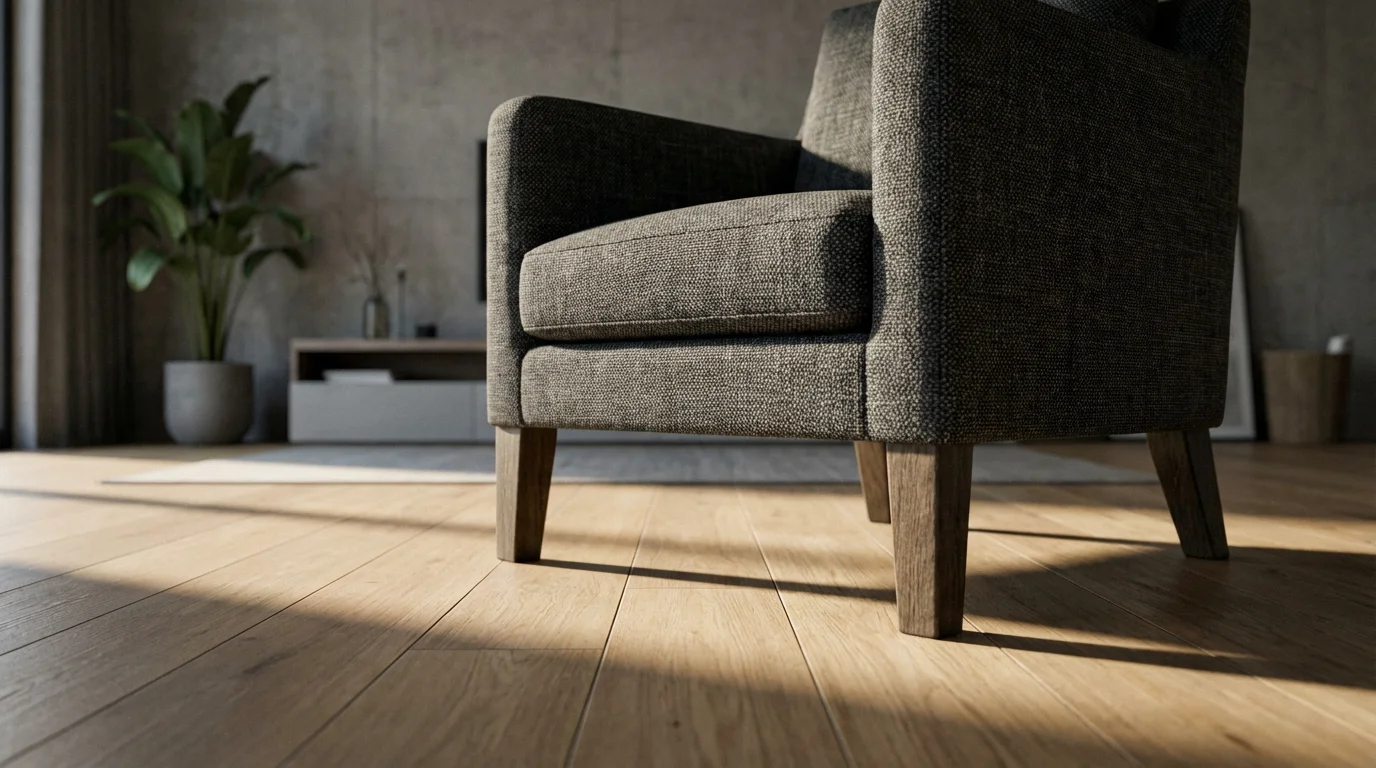
Bedroom and Living Area Modifications: Enhancing Stability
Your bedroom and living room are spaces for relaxation, but they also require attention to fall prevention. You spend a significant amount of time here, making it crucial to ensure comfort and safety are paramount. Thoughtful arrangement and specific aids can transform these areas.
Additionally, improving your rest ensures you are more alert and stable during nighttime movements around the house.
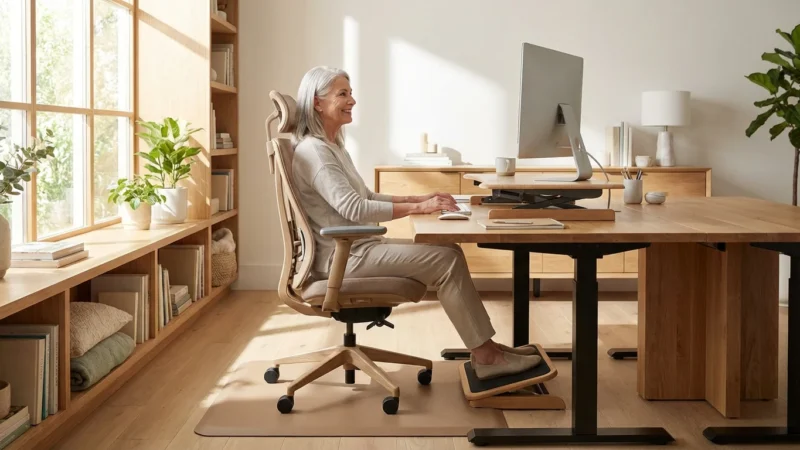
For those who spend time at a desk, creating a comfortable and ergonomic home office ensures that your workspace is designed for maximum safety and support.
Ensure your furniture is stable and supportive. Avoid items that wobble or do not provide firm leverage when you sit down or stand up. The height of your bed and seating can significantly impact ease of movement.
Enhance stability in your bedroom and living areas with these strategies:
- Adjust Bed Height: Ensure your bed height allows your feet to rest flat on the floor when sitting on the edge. This provides leverage when standing. Adjusting bed risers cost $20-$50, or you might consider a different mattress and box spring combination.
- Add Bed Rails: Install sturdy bed rails on one or both sides of your bed for assistance with getting in and out, especially if you have mobility challenges. These typically cost $50-$150.
- Use Supportive Seating: Choose chairs and sofas that are firm and have armrests. Armrests provide support when you sit down and stand up. Reclining chairs with power lift assistance offer significant help for standing and cost $500-$1,500.
- Clear Pathways: Maintain clear paths between furniture. Remove small side tables, footstools, or decorative items that might obstruct your movement.
- Adequate Lighting: Place lamps strategically to illuminate the entire room. Ensure you have a lamp or switch accessible from your bed for nighttime visibility.
- Install Grab Bars (Optional): If you find yourself needing extra support near a specific armchair or by the bed, a wall-mounted grab bar can offer security.
These modifications help you move confidently and comfortably within your personal spaces, minimizing the risk of a fall.
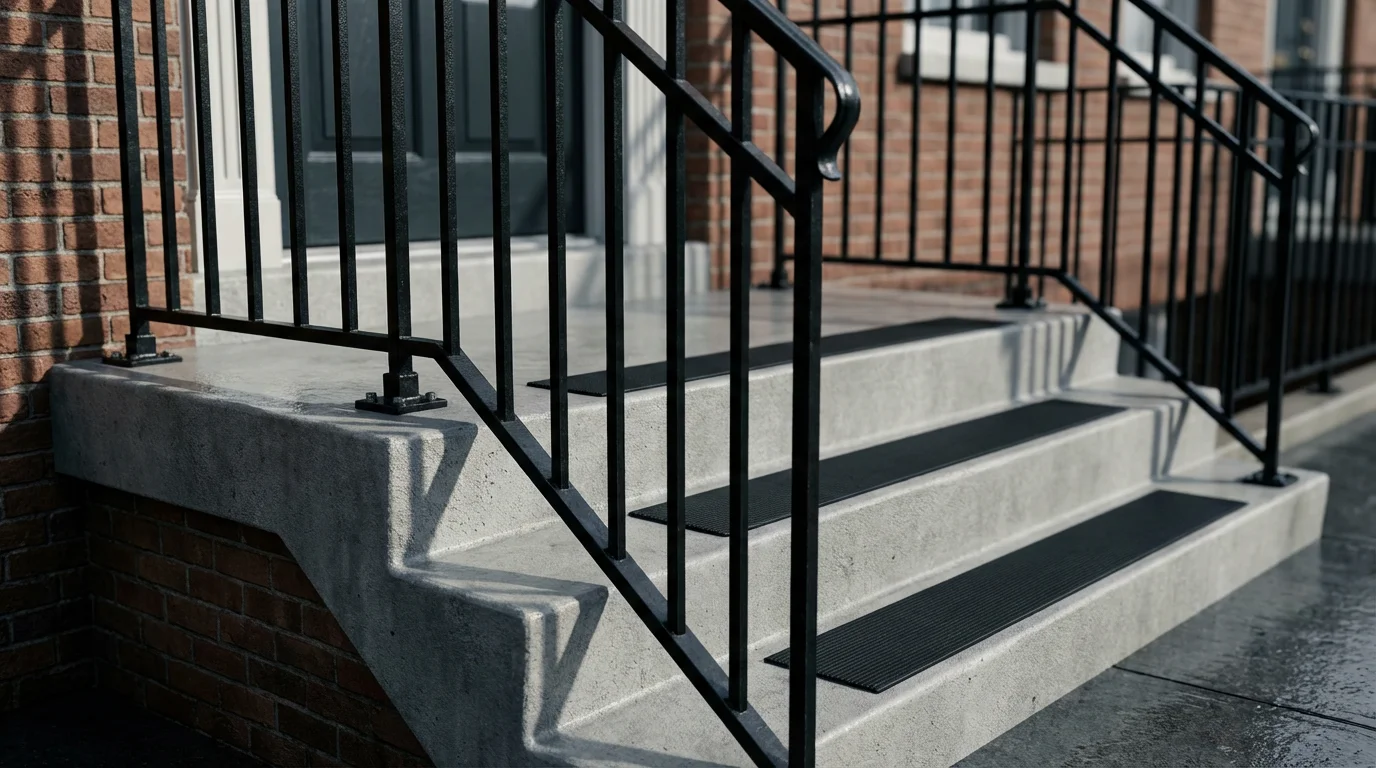
Outdoor Spaces and Entryways: Securing Your Home Exterior
Your home’s exterior and entryways are often overlooked areas for fall prevention. Yet, uneven sidewalks, slippery steps, and inadequate lighting can pose significant risks. You can extend your home safety measures beyond the front door, ensuring secure access and navigation outdoors.
Begin by inspecting all walkways, steps, and railings. Look for cracks, loose paving stones, or worn surfaces. Addressing these issues immediately prevents potential trips and falls. A well-maintained exterior contributes to your overall sense of security.
Implement these steps to secure your outdoor spaces:
- Repair Walkways and Driveways: Fix cracks, potholes, or uneven surfaces on your paths and driveway. Smooth out any abrupt changes in elevation. Professional repair costs vary widely based on the extent of damage, ranging from a few hundred dollars for minor patches to thousands for full resurfacing.
- Install and Maintain Handrails: Ensure all stairs, both inside and outside, have sturdy handrails on both sides. Check existing handrails for looseness and reinforce them if necessary. Handrail installation costs vary from $100 for a simple grab bar to over $1,000 for custom railing systems.
- Improve Exterior Lighting: Install bright, weather-resistant lights at all entrances, along pathways, and over stairs. Consider motion-activated lights for convenience and added security. Solar-powered pathway lights offer an easy, cost-effective solution, starting at $20-$50 for a set.
- Manage Landscaping: Keep shrubs and plants trimmed back from walkways to prevent obstruction. Clear leaves, snow, and ice promptly from paths and steps.
- Use Non-Slip Surfaces: Apply non-slip paint or tape to outdoor steps, especially if they become slick when wet.
- Ensure Door Thresholds are Low: Minimize raised thresholds at entryways. If a threshold is necessary, ensure it has a gentle slope.
By securing your outdoor environment, you create a seamless transition between your home and the wider world, promoting continued activity and independence.
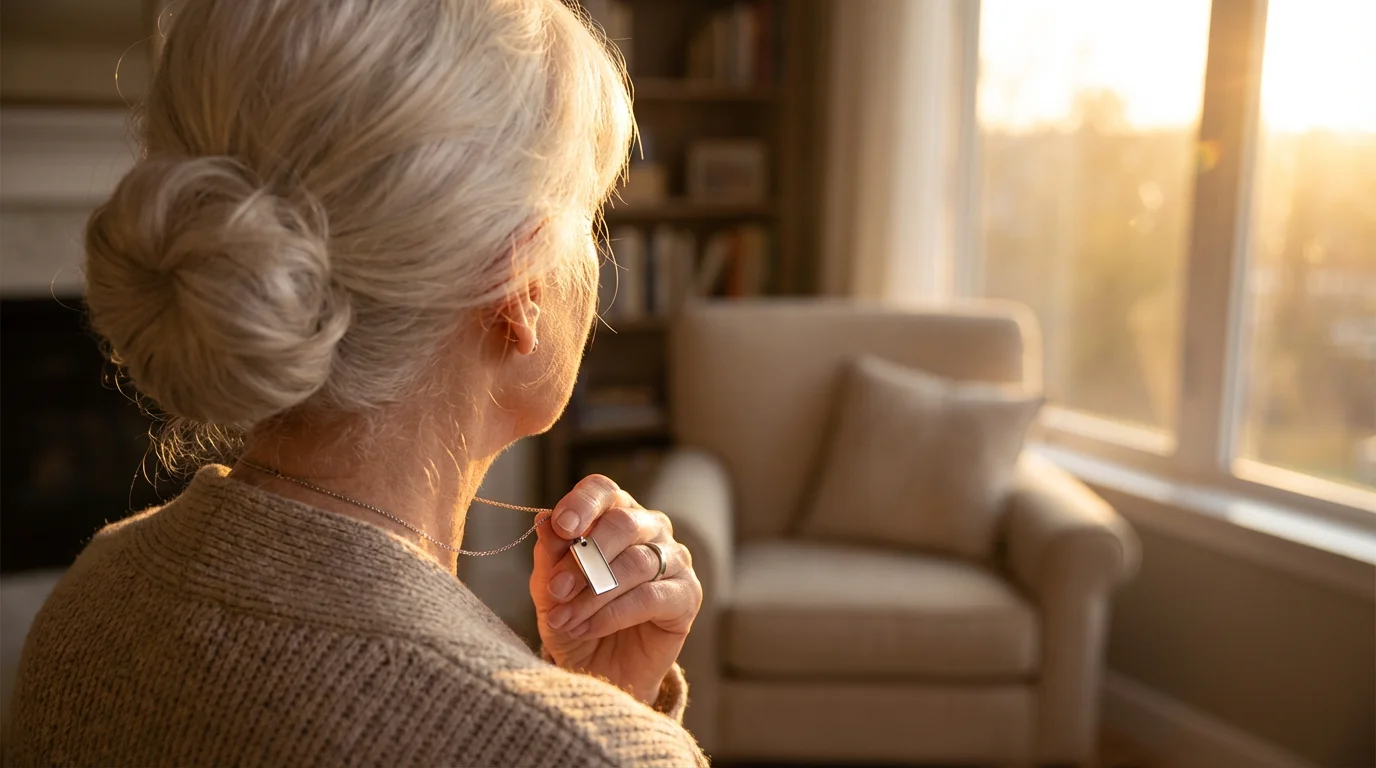
Leveraging Technology for Fall Prevention: Smart Devices
Technology offers powerful tools to enhance your safety and provide peace of mind, both for you and your family. These devices do not replace physical modifications, but they add an extra layer of protection, particularly in emergency situations. You can integrate various smart devices to support your fall prevention strategy.
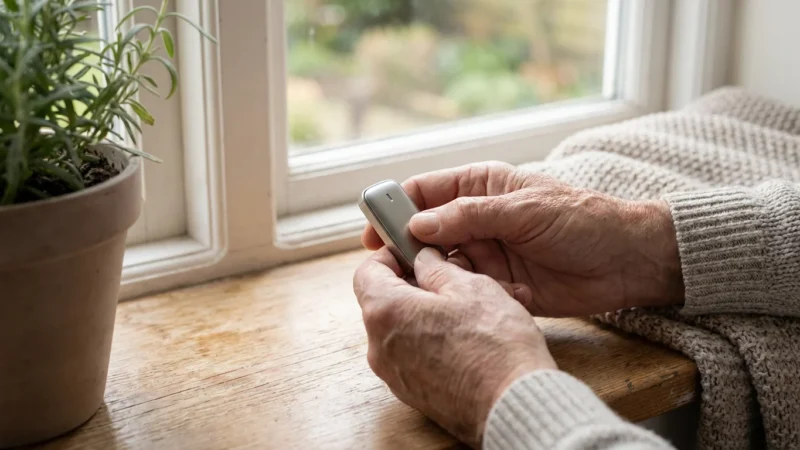
Medical alert systems are perhaps the most well-known technological aid for fall prevention. These systems provide immediate access to help with the press of a button, whether you experience a fall or another emergency. Many newer models even feature automatic fall detection.
Explore these technological solutions:
- Medical Alert Systems: These devices, often worn as pendants or bracelets, connect you to an emergency response center 24/7. Some models offer GPS tracking and automatic fall detection. Monthly monitoring fees typically range from $20-$50, with no significant upfront equipment cost for leased units.
- Smart Lighting Systems: Automate your home’s lights to turn on at dusk, respond to motion, or follow a schedule. This ensures you never walk into a dark room. Smart bulbs cost $10-$30 each, with hubs costing $50-$100.
- Video Doorbells: While primarily for security, a video doorbell allows you to see and speak to visitors without opening the door, preventing potential trips or rushing to answer. These cost $100-$300.
- Smart Speakers: Devices like Amazon Echo or Google Home can control smart lights, play music, set reminders, and make calls with voice commands. This reduces the need to physically move around for various tasks. They cost $30-$100.
- Home Monitoring Systems: Basic systems can include sensors that detect unusual activity or lack of activity, alerting family members if you do not follow your usual routine. These vary widely in cost from DIY kits at $150 to professionally installed systems costing thousands.
Integrating these technologies empowers you to maintain your independence with an added layer of security. They offer practical support, helping you live more comfortably and safely.
When to Call Professionals: Expert Help for Home Safety
While many fall prevention strategies involve simple DIY adjustments, certain modifications require professional expertise. Recognizing when to call a professional ensures the work is done safely, correctly, and up to code. You gain peace of mind and reliable results by engaging skilled tradespeople.
Consider seeking professional assistance for projects involving electrical work, plumbing, significant structural changes, or installations that require specific tools and knowledge. Attempting complex tasks yourself could lead to inadequate safety features or even further hazards.
Consult a professional for these types of home safety projects:
- Grab Bar Installation: While some grab bars are DIY-friendly, professional installation ensures they are securely anchored into wall studs, especially in tile or fiberglass showers. Occupational therapists or certified aging-in-place specialists can also advise on optimal placement.
- Ramp Installation: Building a permanent outdoor ramp requires careful planning for slope, materials, and local building codes. Professionals ensure accessibility and safety.
- Major Bathroom Modifications: Projects such as installing a curbless shower, widening doorways, or repositioning plumbing fixtures require experienced plumbers and contractors.
- Electrical Upgrades: Adding new outlets, installing specialized lighting circuits, or upgrading your electrical panel to support new appliances requires a licensed electrician.
- Stairlift Installation: Stairlifts are complex mechanical systems that must be installed precisely for safety and functionality. This is a job for specialized technicians.
- Significant Flooring Changes: Replacing carpeting with non-slip hard flooring or repairing extensive damage to existing floors benefits from professional installation for a smooth, even surface.
You can find qualified professionals through referrals, local home improvement associations, or organizations like the Eldercare Locator, which helps connect you with services for older adults.
Budgeting for Safety Modifications: Practical Cost Guidance
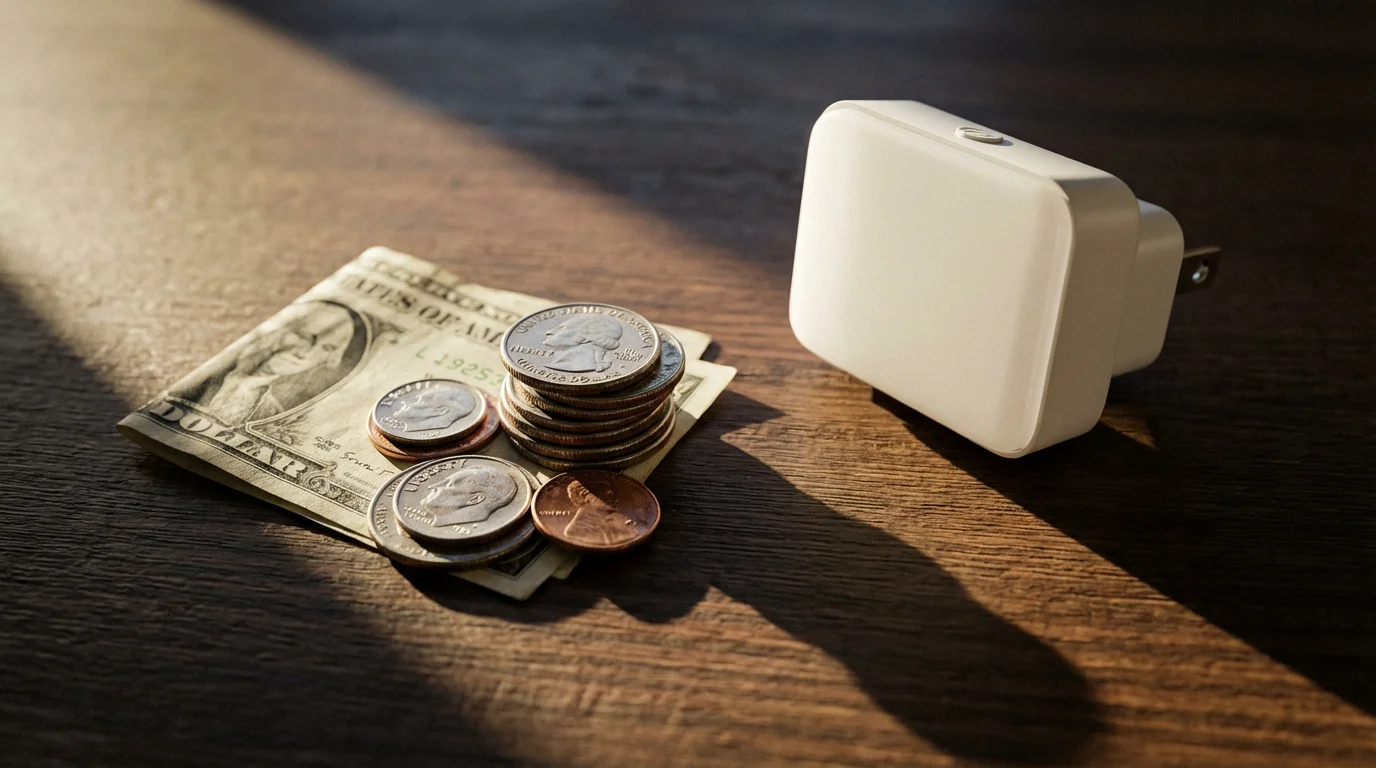
Investing in home safety is an investment in your long-term independence and well-being. Costs for fall prevention modifications vary widely, depending on the scope of work and whether you choose DIY or professional services. You can approach these expenses strategically, budgeting for both immediate needs and future plans.
Many simple, high-impact changes come with minimal costs, while major renovations naturally require a larger financial commitment. Understanding potential expenses helps you prioritize and plan effectively.
Here is a general cost breakdown for common fall prevention measures:
- Low-Cost Solutions (Under $100):
- Non-slip bath mats, rug tape: $10-$40
- Nightlights, brighter bulbs: $5-$30 each
- Cord covers, cable organizers: $10-$30
- Reaching aids, basic step stools: $15-$50
- Mid-Range Modifications ($100-$1,000):
- Grab bars (including professional installation): $95-$300 per bar
- Raised toilet seats (permanent models with installation): $100-$300
- Shower chairs/benches: $30-$150
- Medical alert systems (monthly monitoring, plus initial device if purchased): $20-$50/month
- Minor floor repairs: $100-$500, depending on materials and labor
- Higher-Cost Investments ($1,000+):
- Walk-in shower or curbless shower installation: $3,000-$10,000+
- Stairlift installation: $2,000-$5,000+
- Wheelchair ramp installation: $1,000-$4,000+ (depending on materials and length)
- Major re-flooring projects: $1,500-$5,000+ for a medium-sized area
You may find financial assistance programs through local government agencies, veterans’ benefits, or non-profit organizations focused on aging. Some home insurance policies might offer discounts or coverage for certain safety improvements. Discuss your options with a financial advisor or explore resources from organizations like the National Institute on Aging for support in aging in place.
Frequently Asked Questions
How can I prevent falls in my home?
You prevent falls by implementing a combination of strategies. Start by decluttering pathways, ensuring all areas have bright and even lighting, and installing grab bars in bathrooms. Use non-slip mats in wet areas and secure any loose rugs. Regular exercise also strengthens balance and coordination.
What are the best home safety devices for fall prevention?
The best home safety devices include securely installed grab bars in bathrooms and near toilets, sturdy handrails on all staircases, and effective non-slip mats for showers and tubs. Medical alert systems with fall detection capabilities provide critical emergency support. Automatic nightlights in hallways and bedrooms also offer essential visibility.
Should I remove all rugs from my home?
You do not necessarily need to remove all rugs. Focus on securing them. If you have throw rugs, ensure they have non-slip backing or firmly attach them to the floor with rug tape. However, removing small, loose throw rugs in high-traffic areas or at the top or bottom of stairs is often the safest choice.
How often should I review my home for fall hazards?
You should review your home for fall hazards at least once a year, or more frequently if your mobility or vision changes. Conduct a thorough room-by-room check, paying close attention to lighting, clear pathways, and secure flooring. Involve a family member or friend for a fresh perspective.
Can regular exercise help reduce my risk of falling?
Yes, regular exercise significantly reduces your risk of falling. Activities that improve balance, strength, and flexibility, such as walking, tai chi, and specific balance exercises, are highly beneficial. Consult your doctor or a physical therapist to develop an exercise routine tailored to your needs and abilities.
Disclaimer: This article is for informational purposes only. Home modifications, safety equipment, and services mentioned may vary in availability and suitability for individual circumstances. For significant home modifications, consult with qualified professionals. For health-related safety concerns, consult with healthcare providers.

Leave a Reply