
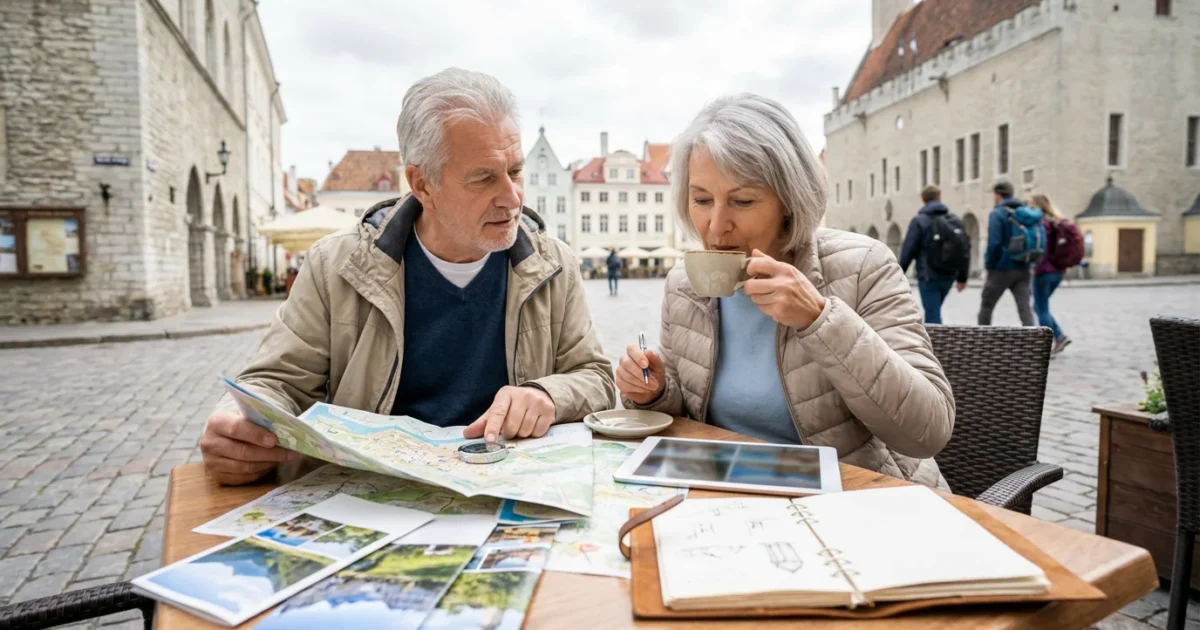
Europe presents an extraordinary tapestry of history, culture, and natural beauty, offering senior travelers unparalleled experiences. Imagine strolling through ancient Roman forums, sipping coffee at a Parisian cafe, or cruising along Norway’s stunning fjords. These dreams are entirely within your reach. This guide empowers you with practical, actionable steps to plan your ideal European adventure, ensuring comfort, safety, and unforgettable memories.
To ensure a stress-free departure, you might want to handle some basic home maintenance for seniors to keep your residence in top shape while you are away.
Planning a trip to Europe requires careful consideration, especially regarding accessibility, pace, and budget. You can customize your journey to match your unique interests and needs. Whether you dream of a vibrant city escape, a tranquil countryside retreat, or a historical deep dive, Europe welcomes you with open arms and endless possibilities.
Why Europe Beckons Senior Travelers
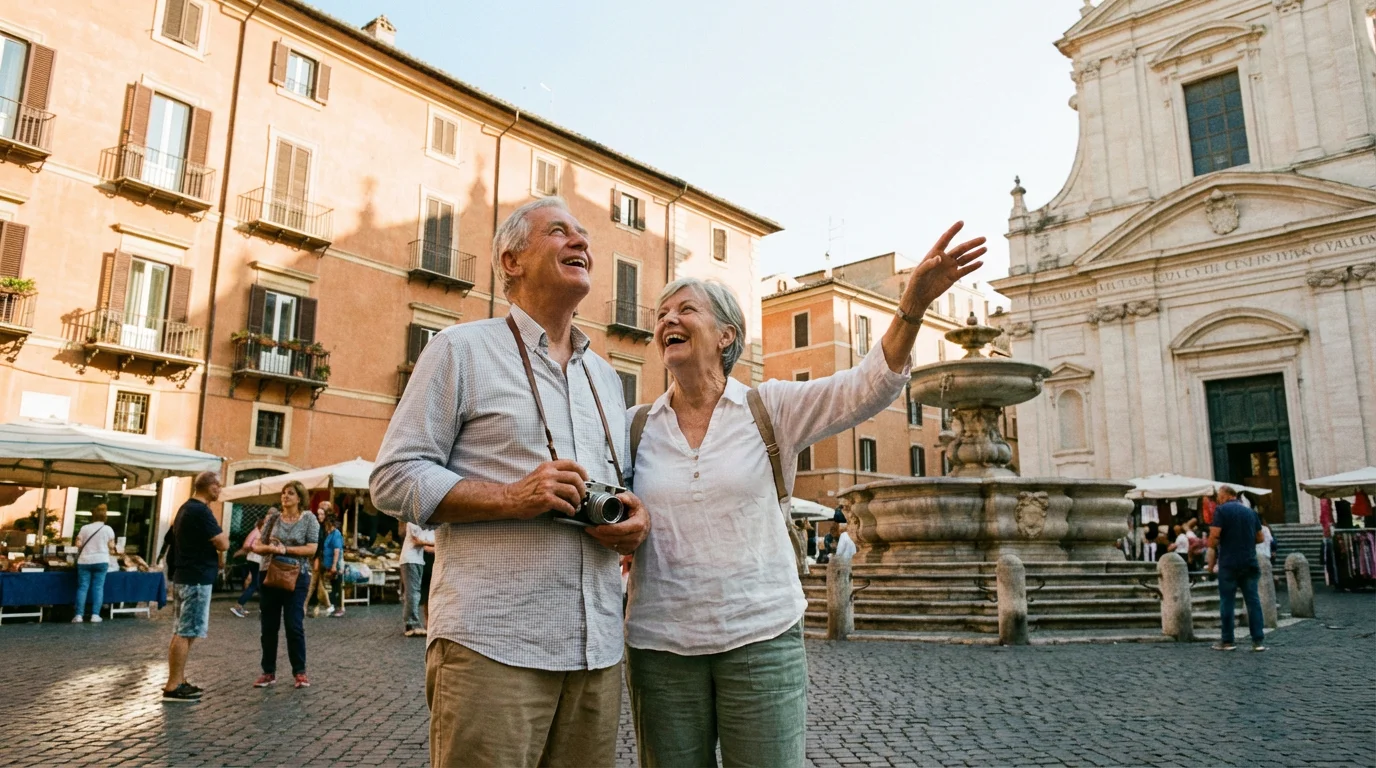
Europe holds a timeless appeal for travelers of all ages, offering a rich blend of history, art, and natural beauty. For seniors, this continent provides an exceptional opportunity to explore at a comfortable pace, delve into lifelong interests, and create new memories. You discover diverse cultures, savor exquisite cuisines, and witness iconic landmarks.
For those concerned about solitary journeys, understanding strategies for building connections can help you find community through group tours or shared experiences.
Incorporating the benefits of mindfulness and meditation into your daily routine can help you stay present and truly savor the beauty of each new location.
The continent’s well-developed infrastructure supports easy travel, with efficient public transport, varied accommodation options, and a strong focus on tourism. Many European cities cater to a slower pace, featuring pedestrian-friendly zones, accessible attractions, and a welcoming atmosphere. You find historical sites and vibrant cultural scenes in seamless harmony.
The world is a book, and those who do not travel read only one page. — Saint Augustine
Traveling in Europe allows you to engage with the world in a profound way. Imagine attending a cooking class in Italy, tracing your ancestry in Ireland, or enjoying a classical music concert in Vienna. These enriching experiences expand your horizons and contribute to a fulfilling retirement.

Crafting Your European Adventure: Initial Planning Steps
Successful Europe travel begins with thoughtful planning. You identify your priorities, define your travel style, and establish a realistic timeline. A well-organized approach ensures a smoother and more enjoyable journey.
Additionally, reviewing a guide on home security for seniors can give you peace of mind that your home is well-protected while you explore the globe.
If an international journey feels too ambitious for now, starting with affordable weekend getaways is a great way to build your travel confidence.
Consider the duration of your trip and the time of year. Shoulder seasons (April-May and September-October) often offer pleasant weather, fewer crowds, and more affordable prices. High season (June-August) brings vibrant energy but also higher costs and larger crowds.
Here are the initial steps to plan a trip to Europe:
- Define Your Vision: Determine what kind of experience you desire. Do you prefer vibrant cities, relaxing coastal towns, or scenic mountain landscapes?
- Set Your Budget: Establish a clear financial framework for your trip. This helps you choose destinations and activities that align with your spending comfort.
- Choose Your Travel Companions: Decide if you travel solo, with a partner, family, or as part of an organized group. Each option offers distinct advantages.
- Research Destinations: Explore potential cities and regions. Consider factors like language, local transportation, and specific interests such as art, history, or cuisine.
- Check Passport and Visa Requirements: Ensure your passport remains valid for at least six months beyond your intended return date. Verify if your nationality requires a visa for any European countries you plan to visit.
- Book Flights Strategically: Start monitoring flight prices several months in advance. Utilize flight comparison websites to find the best deals. Consider flying into one city and out of another to maximize your exploration.
Early planning provides peace of mind and often secures better rates for flights and accommodations. You then enjoy a more relaxed and fulfilling adventure.

Selecting Your European Destination: Accessibility and Appeal
Europe boasts an incredible array of destinations, each offering a unique charm. For seniors, choosing what are accessible European destinations often involves prioritizing ease of mobility, public transport, and comfortable pacing. Many cities make significant efforts to improve accessibility.
If mobility is a concern, researching strategies for managing chronic pain ensures you can comfortably enjoy everything from museum walks to scenic vistas.
For those who enjoy the great outdoors, you might also be interested in exploring accessible national parks that offer breathtaking scenery with senior-friendly amenities.
Consider these popular and accessible European destinations:
- Amsterdam, Netherlands: Flat terrain and an excellent public transport system, including trams and canal boats, make Amsterdam highly accessible. Many museums provide wheelchair access. You explore world-class museums and picturesque canals with ease.
- Lisbon, Portugal: While hilly in parts, Lisbon offers extensive accessible trams, funiculars, and elevators, including the iconic Santa Justa Lift. You find many accessible hotels and restaurants. The city’s vibrant culture and delicious food are easily enjoyed.
- London, England: London’s extensive underground system (the Tube) continues to improve accessibility, with many stations now step-free. Its iconic black cabs also accommodate wheelchairs. You enjoy world-class theatre, museums, and historical sites.
- Rome, Italy: Rome presents a mix of ancient charm and modern convenience. While cobblestones appear in some areas, major attractions like the Colosseum and Vatican Museums offer accessible routes. You experience millennia of history.
- Paris, France: Paris continues its efforts to become more accessible, particularly with newer metro lines and accessible bus routes. Major museums like the Louvre offer excellent accessibility. You indulge in art, fashion, and culinary delights.
- Barcelona, Spain: Barcelona’s modern infrastructure includes a highly accessible metro system and wide, flat promenades. You enjoy Gaudi’s architecture and beautiful beaches with ease.
- Cruises along the Rhine or Danube: River cruises offer an excellent way to see multiple European countries without constant packing and unpacking. The ships are typically very accessible, and you enjoy scenic views from the comfort of your cabin or the deck.
Research specific attractions and their accessibility features before your visit. Many popular sites now publish detailed information on their websites regarding ramps, elevators, and accessible restrooms. This ensures you choose destinations aligning with your mobility needs.
Budgeting for Europe: Smart Savings and Deals
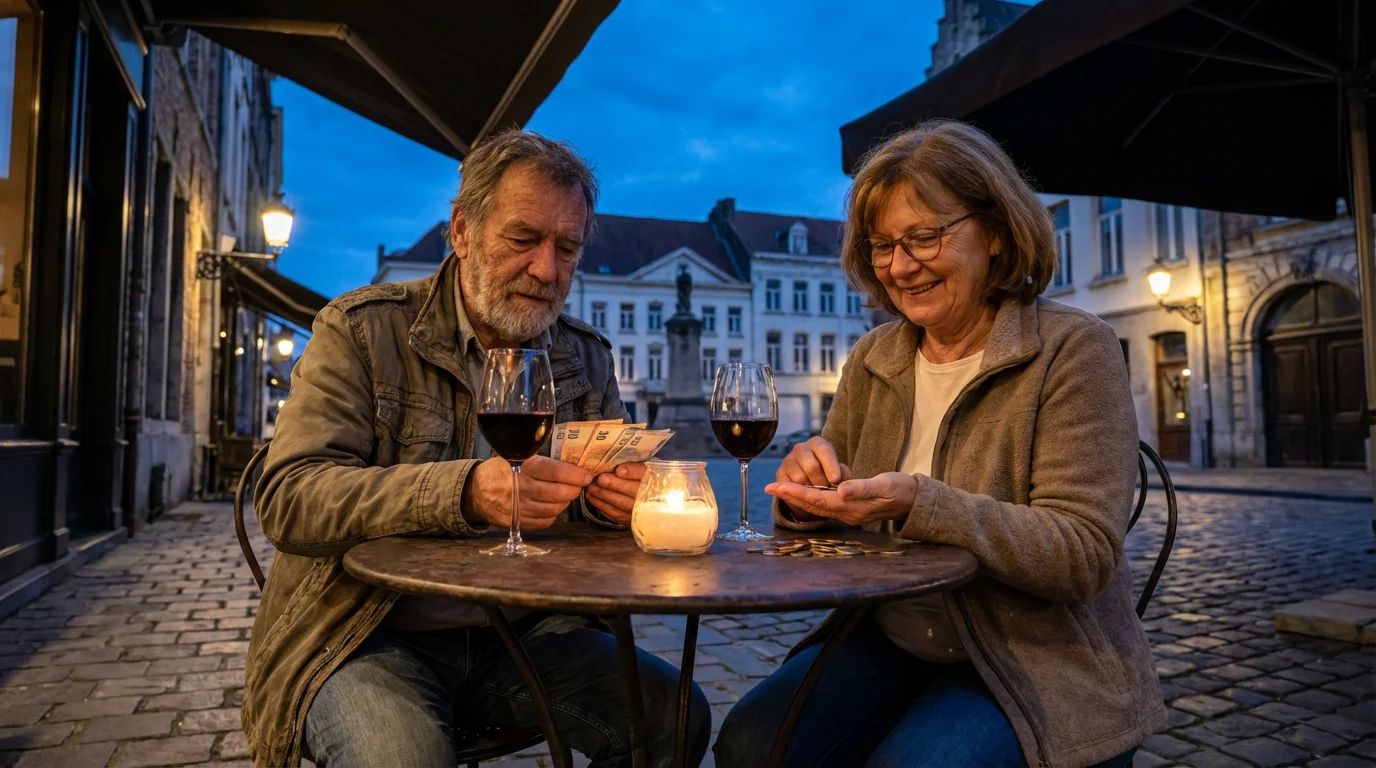
Europe travel does not have to break the bank. Smart budgeting and strategic planning unlock significant savings. You find numerous travel discounts and deals available, especially for seniors.
By following healthy eating habits for seniors, you will have more energy to explore everything from the Swiss Alps to the streets of Madrid.
While searching for the best deals, it is vital to remain vigilant against common financial scams that often target elderly travelers with fraudulent offers.
On average, a comfortable senior trip to Europe can range from $2,500 to $6,000+ per person for a two-week journey, depending on your travel style, destinations, and chosen amenities. This estimate includes flights, accommodation, food, activities, and local transportation. Mid-range travel often averages around $3,500-$4,500.
Implement these strategies to optimize your European travel budget:
- Travel During Shoulder Seasons: Flights and hotels often cost less in spring and fall. You enjoy pleasant weather without peak season prices.
- Utilize Senior Discounts: Many airlines, train services (especially Eurail passes), museums, and attractions offer discounts for travelers aged 60 or 65+. Always ask about senior rates. Organizations like AARP Travel also provide members with valuable discounts on hotels, cruises, and car rentals. You find beneficial savings through these programs.
- Book Accommodation with Kitchenettes: Self-catering apartments or hotels with kitchen facilities allow you to prepare some meals, saving significantly on restaurant costs.
- Embrace Public Transportation: Europe’s public transport systems are efficient and often more economical than taxis or ride-shares. Consider multi-day passes in cities.
- Look for Package Deals and Senior Tours: Companies like Road Scholar specialize in educational and cultural senior tours, often bundling flights, accommodation, activities, and guides for a comprehensive price. These can offer excellent value and convenience. You gain enriching experiences with everything managed for you.
- Eat Like a Local: Explore local markets for fresh produce and picnic supplies. Enjoy “plat du jour” (dish of the day) specials at local eateries, which often provide excellent value.
- Free Activities: Many European cities offer free walking tours, public parks, and free admission days to museums or galleries. You experience culture without spending a fortune.
Careful budgeting empowers you to enjoy Europe extensively without financial stress. You allocate resources to experiences that truly matter to you.

Travel Logistics: Transportation and Accommodation
Navigating Europe becomes seamless with a clear understanding of its excellent transportation networks and diverse accommodation options. You choose methods that best suit your pace and comfort level.
Proper rest is vital for recovery, and learning how to get a better night’s rest can make a significant difference in how you feel each day.
Carrying a senior-friendly tablet can be a game-changer for managing your digital tickets and researching local attractions while traveling.
Before you depart, ensure you have one of the best cell phone plans for international roaming to stay connected with family and use maps on the go.
Getting Around Europe
Europe offers an unparalleled rail network, connecting major cities and charming towns. Trains provide a comfortable, scenic, and often efficient way to travel between destinations. You enjoy ample legroom and stunning views, avoiding airport hassles. Consider purchasing a Eurail Pass if you plan extensive train travel across multiple countries.
Within cities, public transport like buses, trams, and subways (metros) offers convenient and affordable access to attractions. Always validate your tickets to avoid fines. Renting a car suits specific itineraries, especially if you explore rural areas or regions poorly served by public transport. However, navigating narrow streets, parking, and understanding local driving rules require careful consideration.
Choosing Your Accommodation
Europe provides a vast range of accommodation, from charming boutique hotels to serviced apartments and guesthouses. You select options that cater to your comfort and accessibility needs.
- Hotels: Look for hotels with elevators, ground-floor rooms, or accessible bathrooms if mobility is a concern. Many hotels offer senior discounts.
- Apartment Rentals: Websites like Airbnb or Booking.com offer apartments with kitchens, providing more space and the option to self-cater. Verify accessibility features directly with the host.
- Guesthouses and B&Bs: These smaller, often family-run establishments offer a more personal experience. Confirm any stairs or mobility challenges before booking.
- All-Inclusive Resorts: While less common in city centers, all-inclusive resorts in popular tourist regions (e.g., coastal Spain, Greece) offer convenience, with meals and activities included.
Always read reviews regarding noise levels, location, and specific amenities. Choosing accommodation near public transport hubs simplifies your daily excursions.

Health, Safety, and Insurance for Your European Trip
Prioritizing your health and safety ensures a worry-free European journey. You take proactive steps to protect yourself and manage potential issues effectively. This preparation forms a crucial part of your travel plan.
Pre-Travel Health Checks and Vaccinations
Schedule a visit with your doctor several weeks before your trip. Discuss your travel itinerary and any pre-existing medical conditions. Your doctor advises on necessary vaccinations and prescriptions, ensuring you carry an adequate supply of any essential medications. The CDC Travelers’ Health website provides country-specific health recommendations and alerts.
Carry a copy of your prescriptions and a letter from your doctor detailing your medical conditions and necessary medications. Keep medications in their original packaging and in your carry-on luggage. You ensure easy access and compliance with airline regulations.
Travel Insurance and Medical Concerns
Comprehensive travel insurance is non-negotiable for a European trip. You protect your investment against unforeseen events such as trip cancellations, lost luggage, or medical emergencies. Look for policies offering robust medical coverage, including emergency evacuation and repatriation. Verify that the policy covers pre-existing conditions, if applicable.
When selecting a policy, pay close attention to:
- Medical Coverage Limits: Ensure coverage for hospital stays, doctor visits, and prescription medications.
- Emergency Evacuation: This covers the cost of transporting you to appropriate medical facilities or back home.
- Trip Cancellation/Interruption: Reimburses non-refundable expenses if your trip changes due to covered reasons.
- Baggage Loss/Delay: Provides compensation for lost or delayed luggage.
Document your insurance policy number and emergency contact information. You keep this information readily accessible, both digitally and as a physical copy.
Staying Safe in Europe
Europe generally offers safe travel, but exercising common sense precautions enhances your security. You remain aware of your surroundings and protect your valuables.
- Be Aware of Pickpockets: Especially in crowded tourist areas and on public transport. Use a cross-body bag or money belt, and keep valuables secure.
- Secure Your Valuables: Use hotel safes for passports, extra cash, and expensive jewelry.
- Emergency Numbers: Know the local emergency number (112 in most of Europe).
- Inform Others: Share your itinerary with a trusted friend or family member at home.
- Stay Connected: Consider purchasing a local SIM card or an international roaming plan for your phone.
The U.S. Department of State Travel website offers country-specific advisories and safety information. You consult these resources for current conditions and recommendations.
Embracing Accessible Europe: Mobility and Comfort
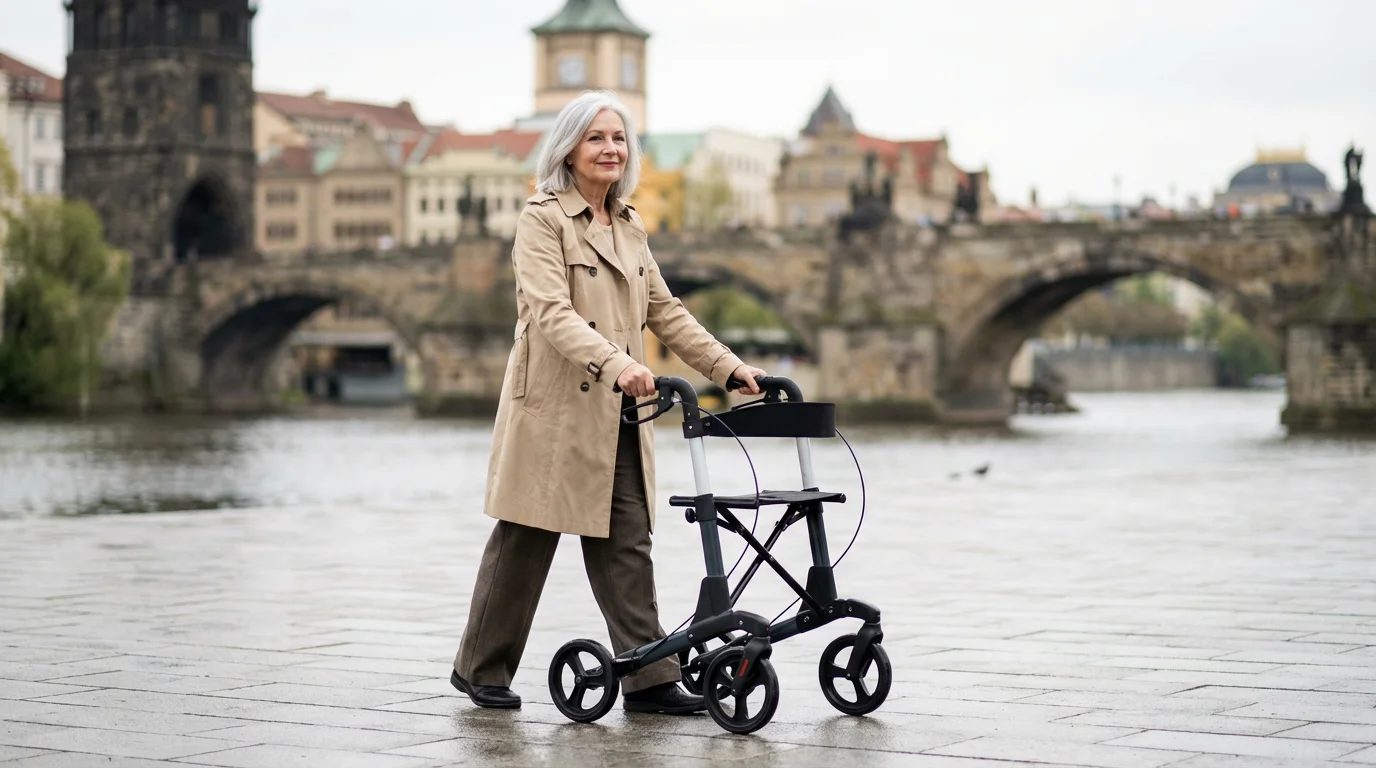
Accessibility significantly impacts your travel experience. Europe makes substantial efforts to accommodate travelers with diverse mobility needs. You find an increasing number of resources and services designed to ensure comfortable and barrier-free exploration.
When planning, actively seek out information regarding accessibility. Many tourism boards now publish dedicated guides for travelers with disabilities. You also find specialized travel agencies focusing on accessible Europe travel.
Here are practical tips for ensuring mobility and comfort:
- Choose Accessible Accommodations: Specifically request accessible rooms, confirming details like roll-in showers, grab bars, and elevator access. Pictures and direct communication with the hotel often clarify these features.
- Research Public Transport Accessibility: Major cities increasingly feature accessible buses and metro lines. Websites for public transport systems detail accessible routes and stations. Look for low-floor buses and trains with ramps.
- Consider Mobility Aids: If you use a wheelchair, walker, or scooter, check airline policies for transporting these devices. Renting equipment locally at your destination often provides convenience and avoids airline handling issues.
- Pace Yourself: Europe offers endless sights, but avoid over-scheduling. Build rest days into your itinerary or plan for shorter, less strenuous excursions. You enjoy your experiences more when you are not rushed or fatigued.
- Utilize Accessible Tours: Many tour operators offer walking tours or bus tours specifically designed for individuals with limited mobility. These tours often focus on accessible routes and provide comfortable pacing.
- Pre-Book Assistance: If you require assistance at airports or train stations, pre-book this service well in advance with your airline or rail provider. You ensure help is available upon arrival.
- Cobblestone Considerations: Many historic European cities feature cobblestone streets. Plan routes that prioritize smoother surfaces. Comfortable, supportive footwear is essential for walking.
Embracing these strategies allows you to experience the beauty and culture of Europe without unnecessary obstacles. You focus on enjoyment and discovery.

Solo or Group Travel: Finding Your European Pace
Deciding between solo travel for seniors or organized group tours impacts your entire European experience. Both options offer distinct advantages. You choose the travel style that best aligns with your preferences, independence, and desire for companionship.
Solo Travel for Seniors
Solo travel offers unparalleled freedom and flexibility. You set your own itinerary, explore at your own pace, and indulge solely in your interests. Many seniors find solo travel incredibly empowering and a wonderful way to meet new people and challenge themselves.
Tips for successful solo senior travel:
- Prioritize Safety: Always inform someone of your itinerary. Stay in well-lit, reputable areas. Trust your instincts.
- Stay Connected: Carry a fully charged phone and a portable power bank. Learn a few key phrases in the local language.
- Choose Solo-Friendly Destinations: Cities known for safety and easy public transport, such as Vienna, Switzerland, or Scandinavia, often suit solo travelers well.
- Embrace Social Opportunities: Stay in guesthouses, participate in local classes, or join day tours. These activities provide opportunities to connect with others.
Group Tours and Organized Travel
Group tours remove the stress of planning logistics, offering a convenient and social way to explore Europe. Reputable companies like Road Scholar specialize in educational tours for seniors, providing expert guides, pre-arranged itineraries, and comfortable accommodations. You gain companionship and shared experiences.
Advantages of group tours:
- Logistics Handled: Transportation, accommodation, and often meals are pre-arranged.
- Expert Guidance: Knowledgeable guides enhance your understanding of local culture and history.
- Built-in Companionship: You travel with like-minded individuals, fostering new friendships.
- Enhanced Safety: Group travel often provides an added layer of security and support.
Cruises and All-Inclusive Vacations: River cruises through Europe offer a luxurious and convenient option. You unpack once and enjoy scenic journeys between charming towns and cities. Ocean cruises provide similar benefits for exploring coastal regions. All-inclusive resorts, typically found in specific regions like the Mediterranean coast, bundle accommodation, meals, drinks, and activities, offering a stress-free experience. These options minimize daily decision-making, allowing you to relax and enjoy.
Consider your comfort level with independence versus guided experiences. Both solo adventures and group expeditions offer fulfilling ways to discover Europe.

Packing Smart for Europe: Essentials for Every Season
Packing efficiently ensures comfort and convenience throughout your European journey. You prioritize versatile, lightweight items and adhere to airline baggage restrictions. Smart packing minimizes stress and allows for easier movement.
Consider the season and the specific activities you plan. Layers are always key in Europe, as weather can change quickly. You find yourself prepared for various temperatures and conditions.
Here’s a comprehensive packing list for your Europe travel:
- Documents and Valuables:
- Passport and visa (if required)
- Copies of passport, ID, and important documents (digital and physical)
- Travel insurance policy information
- Flight, hotel, and tour confirmations
- Credit/debit cards and a small amount of local currency
- Medical alert tags or bracelets
- Clothing:
- Comfortable walking shoes (essential!)
- Versatile layers (t-shirts, long-sleeved tops, sweaters, light jacket)
- Rain jacket or umbrella
- Swimsuit (if visiting coastal areas or hotels with pools)
- Dressier outfit for evenings or special occasions
- Undergarments and socks
- Health and Personal Care:
- All prescription medications (in original containers, with doctor’s note)
- Basic first-aid kit (band-aids, pain relievers, antiseptic wipes)
- Any necessary mobility aids
- Travel-sized toiletries
- Sunscreen and insect repellent
- Hand sanitizer
- Electronics and Gadgets:
- Universal travel adapter and converter
- Phone and charger
- Portable power bank
- Camera (optional)
- E-reader or tablet
- Miscellaneous:
- Small daypack or cross-body bag
- Reusable water bottle
- Snacks for flights and excursions
- Eyeglasses/contact lenses and solution
- Travel pillow and eye mask
Remember, less is often more. You avoid heavy luggage, making transfers and walking far more enjoyable. Check baggage allowances for your airline before packing to prevent unexpected fees. The TSA Travel Tips website offers guidance on what you can carry onto flights.
Frequently Asked Questions
What is the best time of year for seniors to travel to Europe?
The shoulder seasons (April-May and September-October) generally offer the best balance for senior travelers. You experience pleasant weather, fewer crowds, and often more affordable prices for flights and accommodations. Summer (June-August) brings more crowds and higher temperatures, while winter can be charming but offers fewer daylight hours and cooler weather.
Do I need a special visa for Europe as a senior traveler?
Most U.S. citizens do not need a visa for stays up to 90 days within the Schengen Area (most of Western Europe). However, always verify specific requirements for your nationality and the countries you plan to visit, as regulations can change. Your passport must be valid for at least six months beyond your planned departure date from Europe.
How can I make my European trip more accessible?
Prioritize destinations known for accessibility, such as cities with flat terrain or excellent accessible public transport (e.g., Amsterdam, Barcelona). You book accommodations specifically advertising accessible rooms. Plan your itinerary to allow for a slower pace and incorporate rest days. Research specific attractions for their accessibility features before your visit. Consider accessible tours or river cruises for easier navigation between locations.
Is it safe for seniors to travel solo in Europe?
Yes, solo travel in Europe is generally safe for seniors. Many European countries boast low crime rates and excellent infrastructure. You enhance safety by choosing well-traveled routes, staying in reputable accommodations, and being aware of your surroundings, especially in crowded tourist areas. Informing a trusted contact about your itinerary and staying connected with a local SIM card also adds to your security.
What type of travel insurance should seniors consider for Europe?
Seniors should prioritize comprehensive travel insurance that includes robust medical coverage, emergency evacuation, and trip cancellation/interruption benefits. You ensure the policy covers pre-existing medical conditions, if applicable. A policy with high medical limits and emergency transport provisions offers crucial peace of mind for international travel.
Disclaimer: This article is for informational purposes only. Travel conditions, prices, and policies change frequently. We encourage readers to verify current information directly with travel providers, check travel advisories, and consult with healthcare providers about any health concerns before traveling.







Leave a Reply