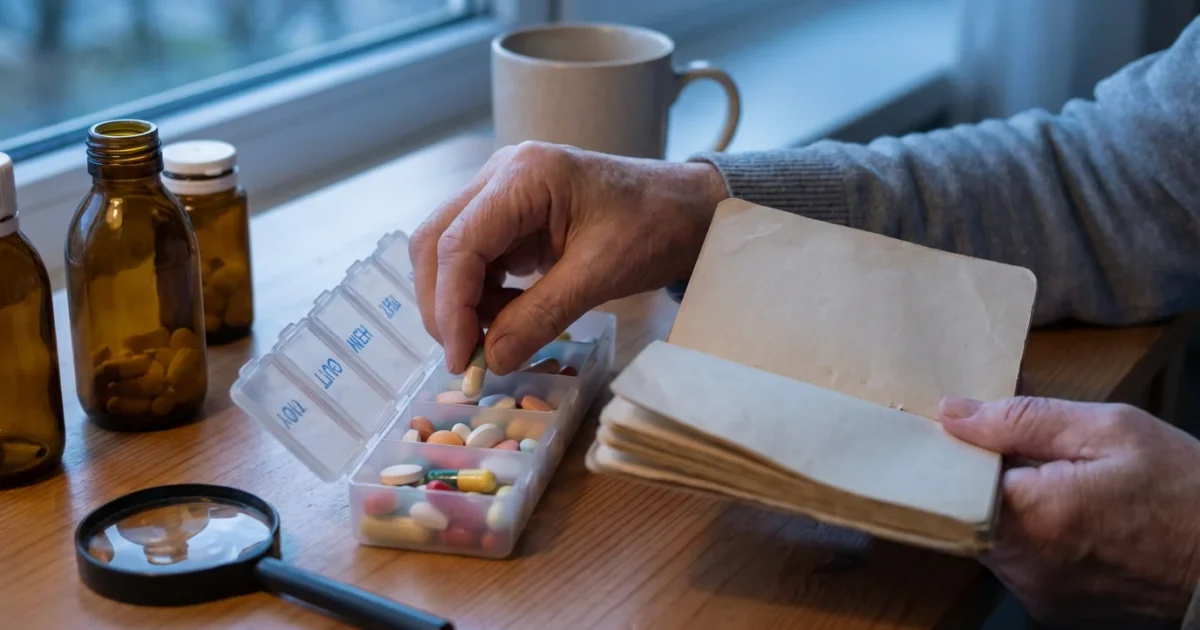
As you age, managing your health often involves taking various medications. Prescriptions, over-the-counter drugs, and even herbal supplements can all play a vital role in your well-being. However, combining these can sometimes lead to dangerous drug interactions. Understanding how to prevent these interactions is crucial for your medication safety and overall health.
This guide empowers you with practical knowledge and actionable steps. You will learn to navigate your medications with confidence, reducing risks and ensuring your treatments work effectively. Taking charge of your medication regimen safeguards your health.
Understanding Drug Interactions: What Are They?
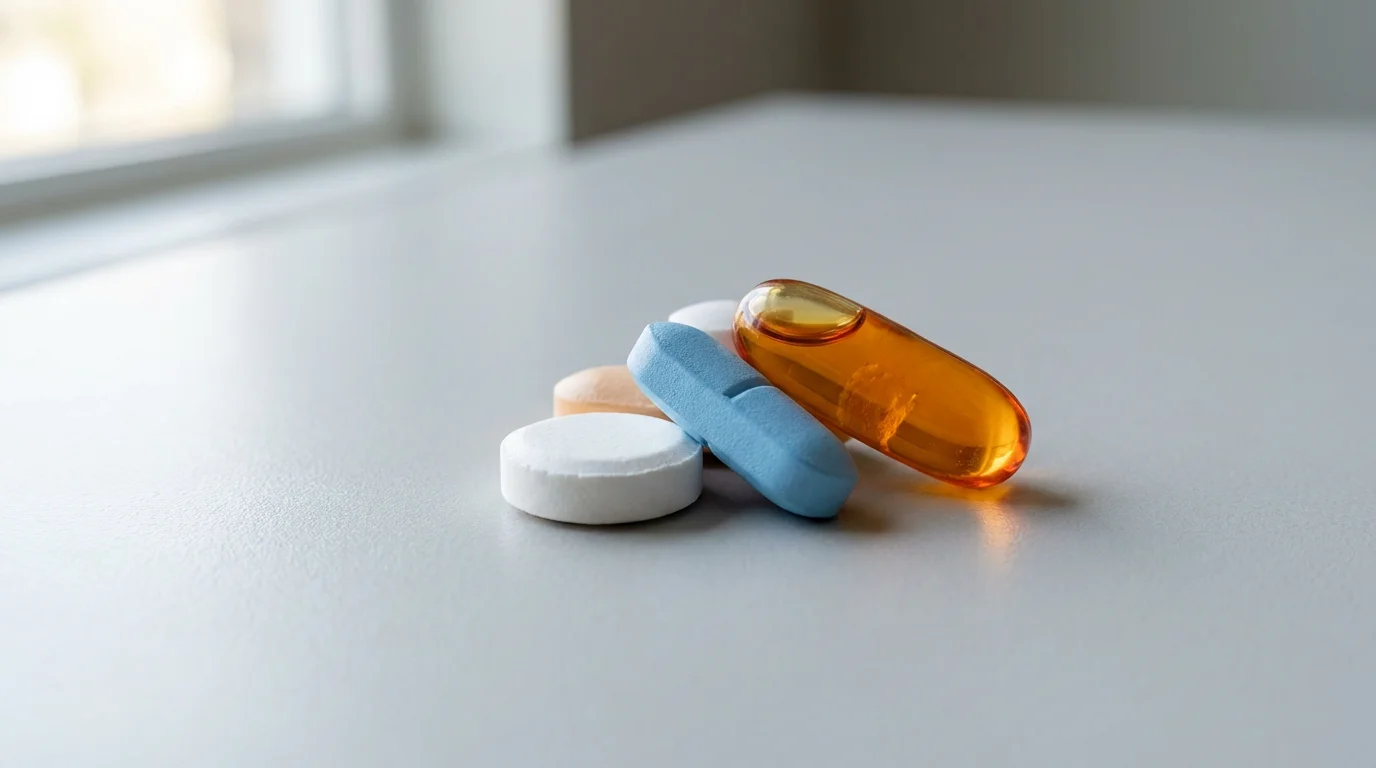
A drug interaction occurs when one medication changes the effect of another medication, food, or supplement. This alteration can make your drugs less effective, increase their potency, or cause unexpected side effects. Your body processes multiple substances simultaneously, creating complex biochemical reactions.
Gaining health knowledge through free online learning resources can empower you to ask better questions during your medical appointments.
Avoiding medication errors is not just about safety; it is also a vital part of budgeting for healthcare costs by preventing unnecessary hospital visits.
These interactions are not always harmful, but many carry significant health risks. Some interactions might simply cause mild discomfort, while others can be life-threatening. Recognizing the potential for interaction protects your health.
Why Seniors Face Higher Risk of Drug Interactions
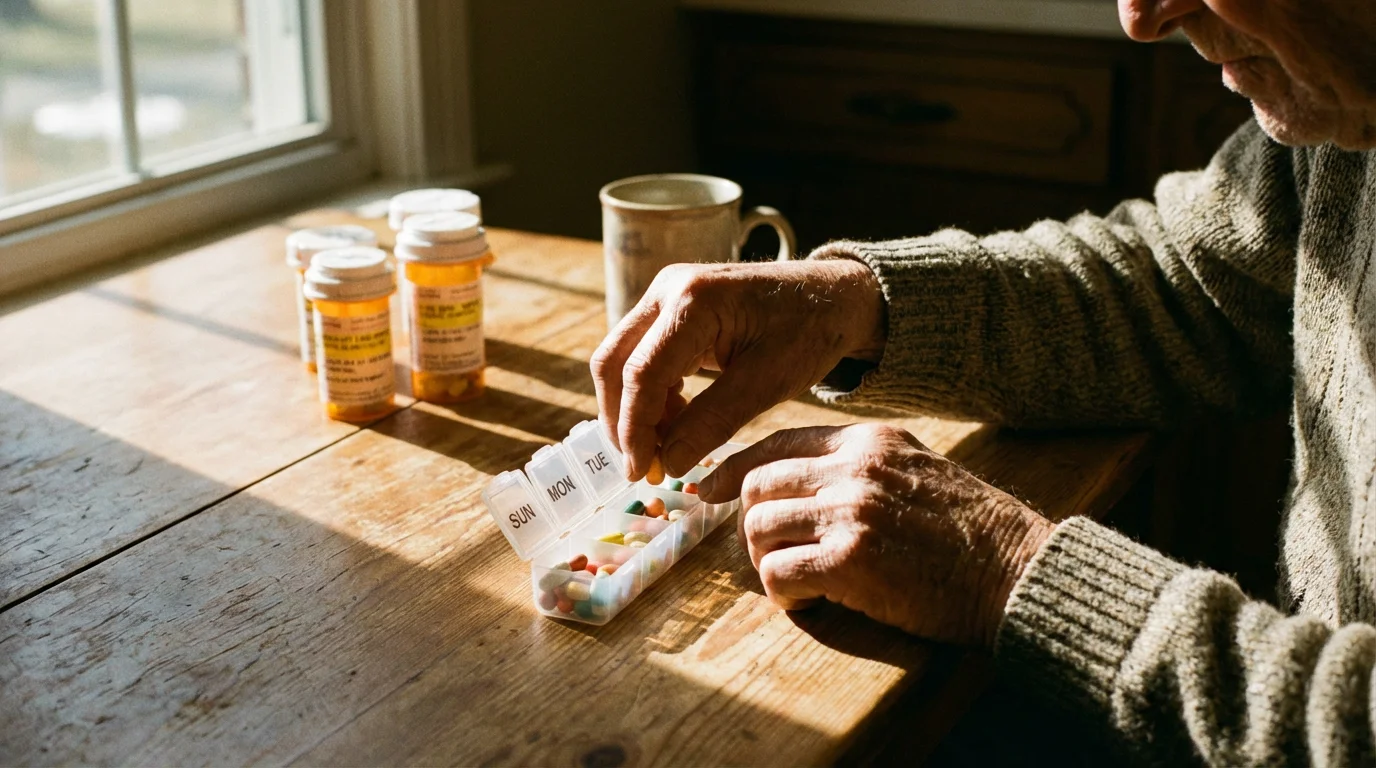
Seniors face a higher risk of drug interactions due to several factors unique to aging. You often take multiple medications for various chronic conditions, a practice known as polypharmacy. Your body also changes how it processes drugs over time.
Modern solutions like telehealth services can also help you consult with specialists more easily to ensure all your prescriptions are being monitored.
The National Institute on Aging highlights several reasons for this increased risk:
- Multiple Medications: Many seniors manage several chronic conditions like heart disease, diabetes, or arthritis. Each condition often requires its own prescription, increasing the number of drugs you take daily.
- Changes in Body Metabolism: As you age, your liver and kidneys may not work as efficiently. These organs play a crucial role in breaking down and eliminating medications from your body. Slower processing means drugs stay in your system longer, potentially accumulating to toxic levels.
- Increased Sensitivity: Your body can become more sensitive to the effects of medications, even at standard doses. This heightened sensitivity makes you more susceptible to side effects and interactions.
- Prescription Cascading: Sometimes, doctors prescribe a new medication to treat a side effect caused by an existing drug. This creates a cycle where more drugs are added, further increasing interaction potential.
- Using Multiple Pharmacies/Doctors: Seeing several specialists or using different pharmacies can lead to a lack of coordinated care. One provider might not know all the medications another has prescribed, creating gaps in your medication safety net.
Understanding these factors empowers you to be more vigilant about your medication regimen.
Common Types of Drug Interactions
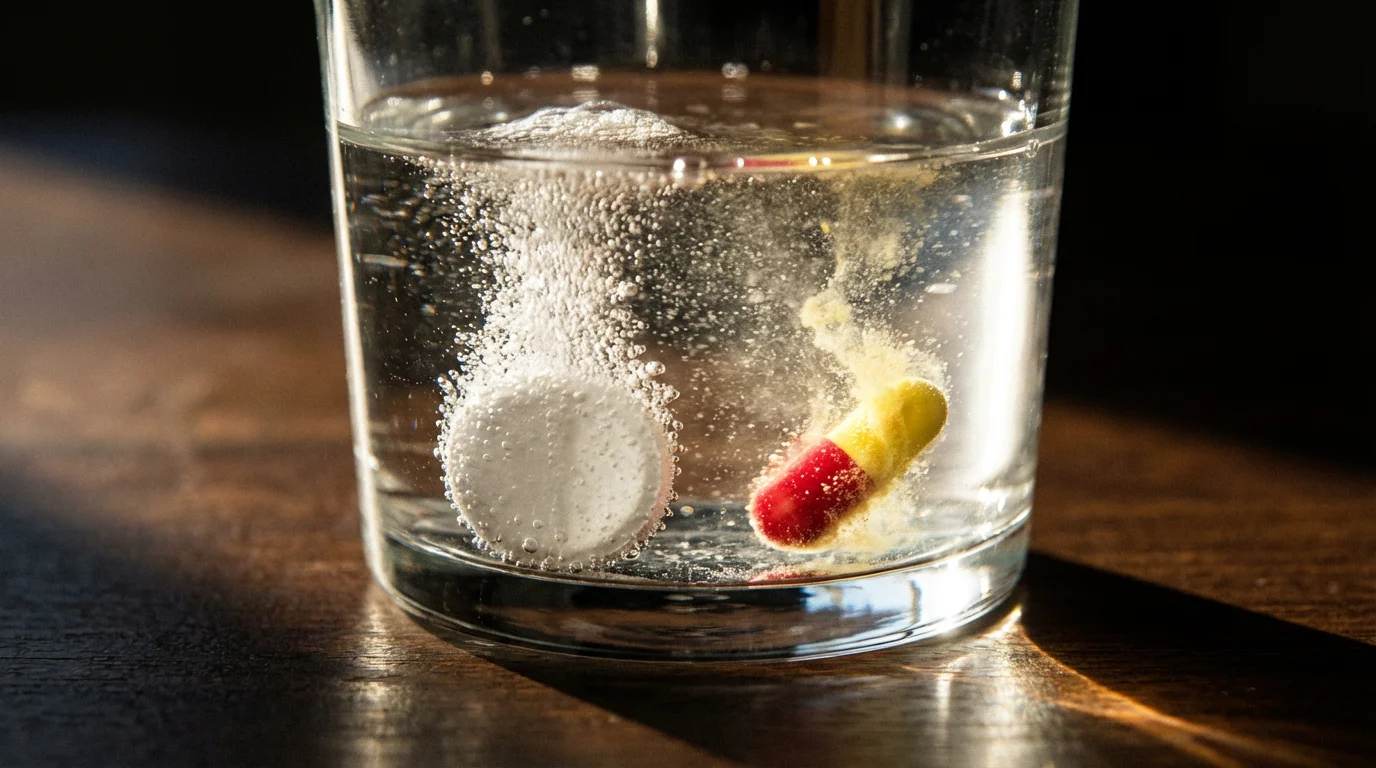
Drug interactions fall into a few main categories. Knowing these types helps you identify potential issues and discuss them with your healthcare provider.
- Drug-Drug Interactions: This is the most common type. One prescription or over-the-counter (OTC) medication interacts with another. For example, taking certain blood thinners with aspirin can significantly increase your risk of bleeding.
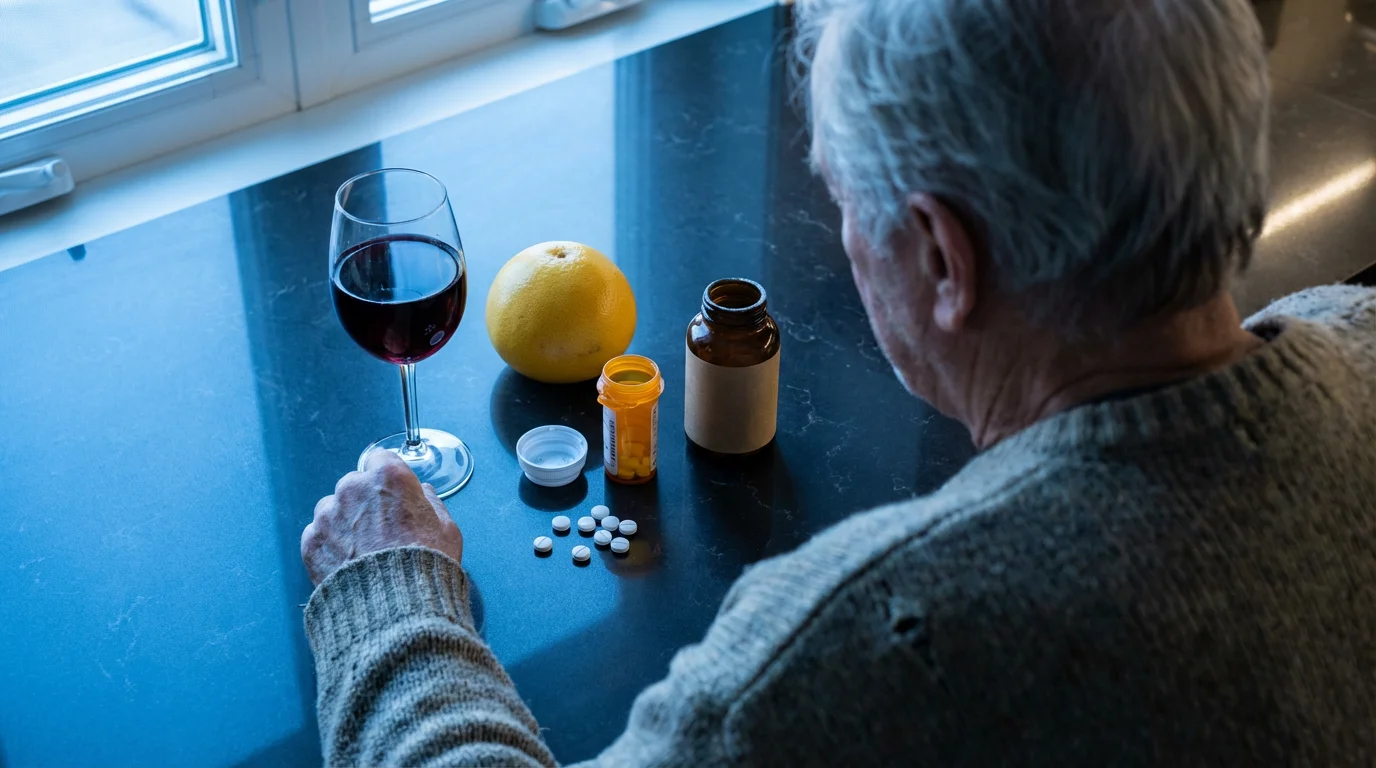
- Drug-Food Interactions: Certain foods and beverages can affect how your body absorbs, metabolizes, or excretes medications. Grapefruit juice is a well-known example; it can increase the concentration of some cholesterol-lowering drugs in your bloodstream, leading to stronger effects and potential toxicity.
- Drug-Supplement/Herbal Interactions: Herbal remedies and dietary supplements, though natural, are not always harmless. They contain active compounds that can interact with prescription medications. St. John’s wort, for instance, can reduce the effectiveness of birth control pills and antidepressants.
- Drug-Disease Interactions: An existing health condition can make certain medications unsafe or less effective. If you have kidney disease, for example, your doctor must carefully adjust doses of drugs eliminated by the kidneys to prevent accumulation and toxicity.
“An ounce of prevention is worth a pound of cure.”
This wisdom applies directly to medication safety. Proactive management reduces risks.
Dangerous Drug Combinations to Watch For
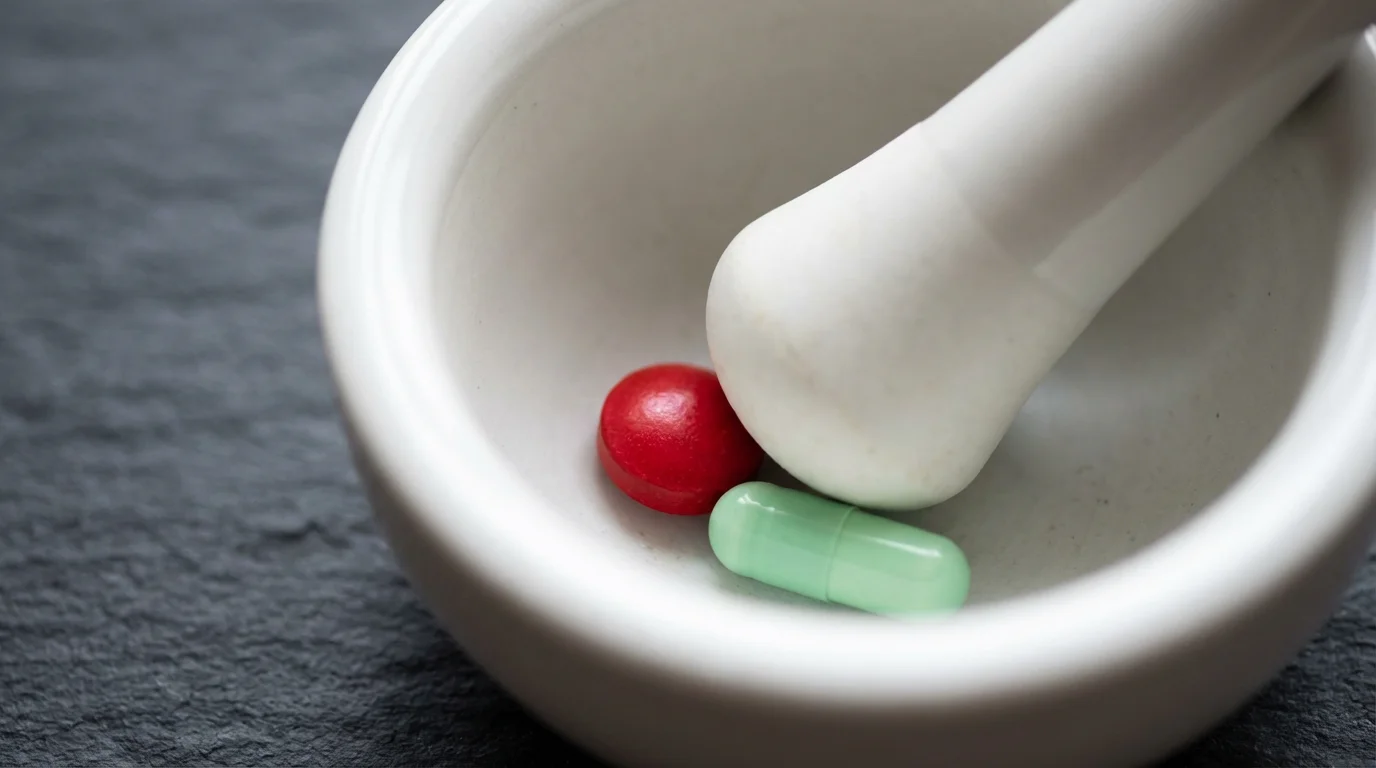
Knowing what medications should seniors avoid mixing is crucial. Many common drugs, when combined, create significant risks. Here are some categories of medications frequently involved in dangerous interactions:
- Blood Thinners (Anticoagulants) and NSAIDs: Medications like warfarin (Coumadin) or apixaban (Eliquis) help prevent blood clots. Taking nonsteroidal anti-inflammatory drugs (NSAIDs) such as ibuprofen (Advil, Motrin) or naproxen (Aleve) alongside them dramatically increases your risk of severe bleeding, including stomach bleeding.
- Statins and Grapefruit Juice: As mentioned, grapefruit juice can amplify the effects of certain statins (e.g., simvastatin, atorvastatin) used to lower cholesterol. This can lead to muscle pain and liver damage.
- Antihistamines and Sedatives/Alcohol: Many older antihistamines (like diphenhydramine, found in Benadryl) cause drowsiness. Combining them with other sedatives, anxiety medications (benzodiazepines), or alcohol intensifies sedation, increasing your risk of falls and impaired judgment.
- Diuretics and ACE Inhibitors/ARBs: These drugs manage blood pressure. Combining certain diuretics with ACE inhibitors (like lisinopril) or ARBs (like losartan) can lead to dangerously low blood pressure or kidney problems.
- Thyroid Hormones and Calcium/Iron Supplements: Levothyroxine (Synthroid) for an underactive thyroid interacts with calcium and iron supplements. These supplements can bind to the thyroid hormone, preventing its proper absorption. Take these at least four hours apart.
- Digoxin and Verapamil/Diltiazem: Digoxin strengthens heart contractions. Verapamil and diltiazem, used for blood pressure and heart rate control, can increase digoxin levels in your body, leading to toxicity.
Always review your complete medication list with your doctor and pharmacist. This helps identify and manage what medications should seniors avoid mixing.
Food, Supplements, and Alcohol: Hidden Interactions
Beyond drug-drug interactions, your daily diet and lifestyle choices profoundly impact medication effectiveness and safety. Be aware of how food, supplements, and alcohol interact with your prescriptions.
Finding ways to prepare nutritious meals on a budget allows you to maintain a healthy diet while avoiding the risks of unmonitored supplements.
Food Interactions
Specific foods can alter how your body handles medications. The most well-known example involves grapefruit and its juice, which affects many drugs. Other food interactions include:
- Vitamin K-Rich Foods: If you take warfarin, consistency in your intake of vitamin K-rich foods (like spinach, kale, broccoli, and other leafy green vegetables) is important. Sudden changes in vitamin K intake can affect warfarin’s blood-thinning ability.
- Dairy Products and Antibiotics: Calcium in milk and dairy products can interfere with the absorption of certain antibiotics, such as tetracyclines and fluoroquinolones. Take these antibiotics at least two hours before or six hours after consuming dairy.
- Tyramine-Rich Foods and MAOIs: Monoamine oxidase inhibitors (MAOIs), a type of antidepressant, can interact dangerously with foods high in tyramine (aged cheeses, cured meats, fermented products). This combination can cause a sudden, severe increase in blood pressure.
Supplement and Herbal Interactions
Many people believe herbal supplements are safe because they are “natural.” This is a misconception. Supplements contain active compounds that can interact with prescription drugs. For example:
- St. John’s Wort: Often used for depression, St. John’s wort can reduce the effectiveness of many medications. These include antidepressants, birth control pills, blood thinners, and drugs used to prevent organ transplant rejection.
- Ginseng: This popular supplement can interfere with blood thinners, diabetes medications, and some psychiatric drugs.
- Ginkgo Biloba: Known for cognitive benefits, ginkgo can increase the risk of bleeding when taken with blood thinners or NSAIDs.
- Garlic Supplements: High doses of garlic supplements can also enhance the effects of blood thinners, increasing bleeding risk.
Always inform your doctor about all supplements and herbal remedies you use.
Alcohol Interactions
Alcohol interacts with a vast number of medications, often intensifying side effects. Even small amounts of alcohol can be problematic for seniors due to changes in metabolism and increased sensitivity. Common risks include:
- Increased Drowsiness: Alcohol combined with sedatives, pain medications, antihistamines, or sleep aids can cause extreme drowsiness, dizziness, and impaired coordination. This significantly raises your risk of falls and accidents.
- Liver Damage: Taking alcohol with medications that are also processed by the liver, like acetaminophen (Tylenol) or some cholesterol-lowering drugs, increases your risk of liver damage.
- Stomach Bleeding: Alcohol irritates the stomach lining. Combining it with NSAIDs or blood thinners greatly increases the risk of stomach bleeding.
Discuss your alcohol consumption habits with your doctor. They can advise you on safe limits or suggest avoiding alcohol entirely with certain medications.
Practical Steps to Prevent Drug Interactions
You can take several proactive measures to ensure your medication safety and prevent dangerous interactions. Implementing these pharmacy tips significantly reduces your risk.
Practicing mindfulness and meditation can improve your focus, helping you stay diligent with a complex medication schedule.
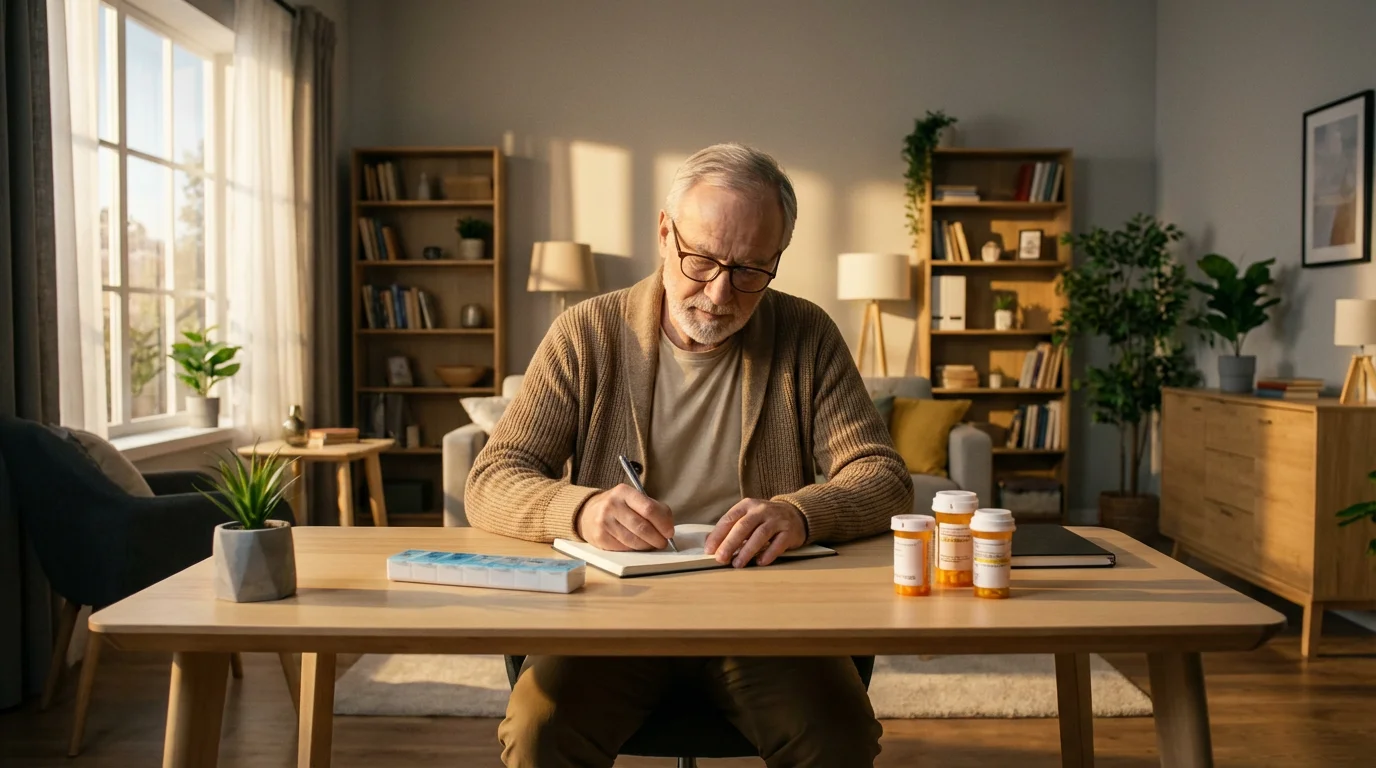
- Maintain an Up-to-Date Medication List: Keep a comprehensive list of every medication you take. Include prescriptions, over-the-counter drugs, vitamins, supplements, and herbal remedies. Note the dosage, frequency, and reason for taking each item. Update this list every time a medication changes.
- Share Your Full Medication List: Provide this complete list to every doctor, specialist, and pharmacist you see. This ensures they have a full picture of your regimen and can spot potential drug interactions. Do not assume your doctors communicate with each other effectively.
- Use One Pharmacy: Whenever possible, fill all your prescriptions at a single pharmacy. This allows the pharmacist to maintain a complete medication profile for you and identify potential interactions automatically. They serve as a crucial last line of defense for medication safety.
- Read Labels Carefully: Always read the instructions and warning labels on all your medications. These labels often contain important information about potential interactions with food, alcohol, or other drugs. Ask your pharmacist if anything is unclear.
- Ask Questions: Do not hesitate to ask your doctor or pharmacist specific questions about potential interactions. Some key questions include:
- Can I take this medication with my other prescriptions?
- Are there any foods, drinks, or supplements I should avoid?
- What are the common side effects, and what should I do if I experience them?
- What is this medication for, and how should I take it?
- Understand Generic vs. Brand Names: Generic medications contain the same active ingredients as their brand-name counterparts. If you take both a brand-name drug and a generic that contains the same active ingredient, you could accidentally double-dose. Understand what active ingredients are in your medications.
- Dispose of Unused Medications Properly: Keeping old or expired medications creates opportunities for accidental use or confusion. Follow guidelines for proper disposal, often available from your pharmacy or local waste management.

Your Personal Medication Record: A Key Tool
Creating and maintaining a personal medication record is one of the most effective strategies for preventing drug interactions. This document serves as a central reference for you and your healthcare team, ensuring everyone has accurate information.
Many seniors find that choosing the right tablet makes it easier to use apps that track dosages and potential side effects.
Your medication record should include:
- Medication Name: Both brand and generic names.
- Dosage: The strength of the medication (e.g., 10 mg, 500 mg).
- Frequency: How often you take it (e.g., once daily, twice a day).
- Time of Day: Specific instructions, such as “with food” or “at bedtime.”
- Reason for Taking: Why your doctor prescribed or recommended it.
- Prescribing Doctor: The name of the healthcare provider who prescribed it.
- Start and Stop Dates: Especially for temporary medications.
- Allergies and Sensitivities: A clear list of any known allergies or adverse reactions.
- Vaccination Record: Keep track of your immunizations as well.
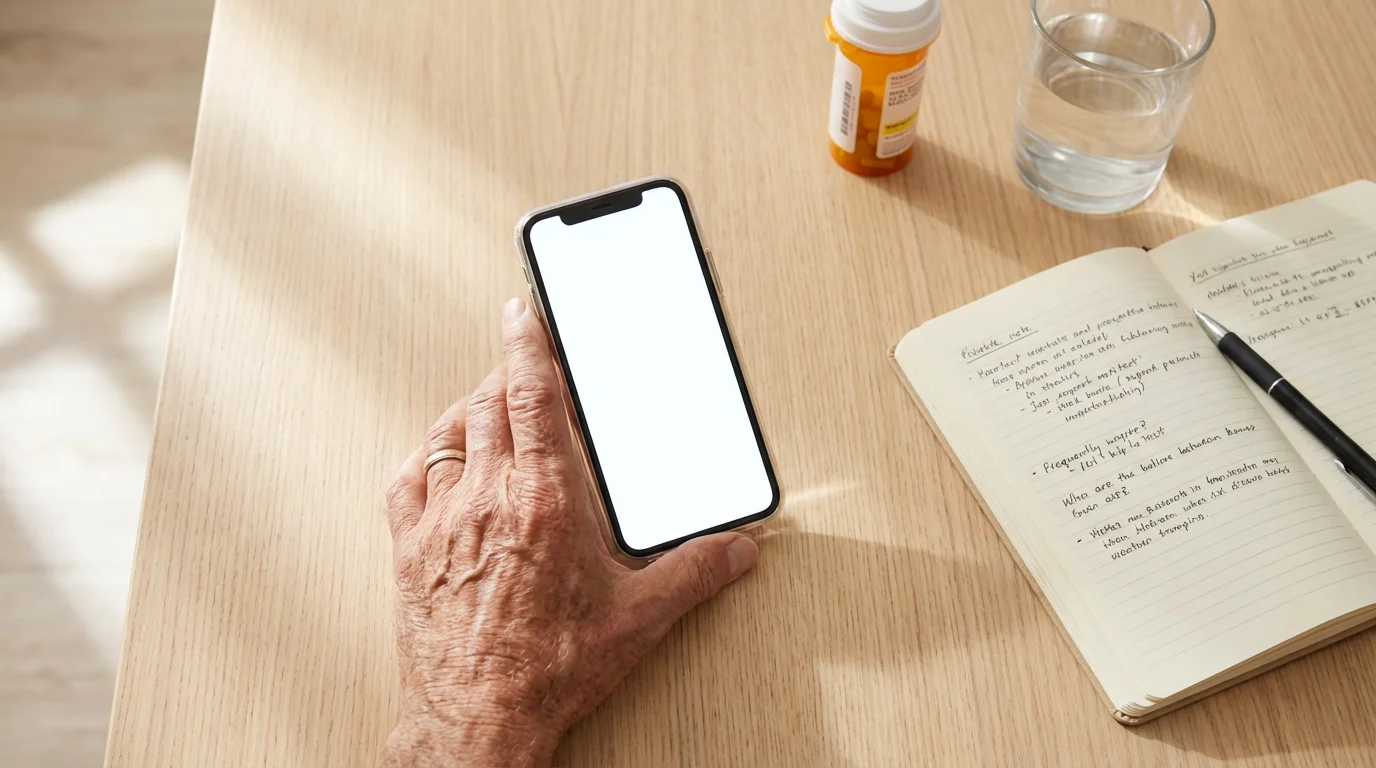
Carry a copy of this record with you, especially when visiting doctors or traveling. You can use a simple notebook, a printed form, or a dedicated app on your smartphone. Regular updates are critical for its accuracy and usefulness in managing your medication safety.
When to Seek Professional Advice
While proactive steps help, knowing when to consult a healthcare professional is paramount for medication safety. Always prioritize speaking with your doctor or pharmacist about any concerns you have.
Clear communication with your pharmacist is vital, and coping with hearing loss effectively ensures you don’t miss important safety instructions.
Contact your doctor or pharmacist if you experience any of the following:
- New or Worsening Side Effects: Any unexpected symptoms or a change in existing side effects after starting a new medication or supplement.
- Unusual Symptoms: Dizziness, confusion, excessive drowsiness, nausea, vomiting, or changes in heart rate, especially if they begin after a medication change.
- Concerns About Effectiveness: If a medication does not seem to be working as expected to manage your condition.
- Planning to Add New Medications or Supplements: Before starting any new prescription, over-the-counter drug, herbal remedy, or dietary supplement.
- Changes in Your Health Condition: A new diagnosis or a worsening of an existing condition might require a medication review.
- Using Multiple Doctors or Pharmacies: Schedule a comprehensive medication review with one primary doctor or pharmacist to consolidate your records.
- Difficulty Managing Your Medications: If you find it challenging to keep track of your doses, times, or which pills to take.
Do not stop taking any prescribed medication without consulting your doctor first. Suddenly stopping certain drugs can cause severe health problems. Your healthcare providers are your best resources for navigating complex medication regimens and ensuring your overall well-being. Take action by communicating openly with them.
Frequently Asked Questions
What is the most common medication seniors accidentally mix?
Many seniors unintentionally mix over-the-counter pain relievers, particularly NSAIDs like ibuprofen, with prescription blood thinners. This combination significantly increases the risk of serious bleeding. Always check active ingredients on all medications, including OTCs.
How can I make sure all my doctors know about my medications?
Create a comprehensive, up-to-date list of all your medications, including prescriptions, OTCs, and supplements. Bring this list to every doctor’s appointment. Also, inform all your providers that you use one primary pharmacy, encouraging them to send all prescriptions there.
Are all drug interactions serious?
No, not all drug interactions are serious. Some may cause mild discomfort or a slight decrease in effectiveness. However, many interactions can lead to severe side effects, hospitalization, or even death. Always take the potential for interactions seriously and discuss any concerns with your healthcare provider.
Can food really interact with my medications?
Yes, certain foods can significantly interact with medications. Grapefruit juice, for example, impacts how your body processes several drugs, including some for cholesterol, blood pressure, and anxiety. Vitamin K-rich foods can alter the effect of blood thinners like warfarin. Always ask your pharmacist about food restrictions for your prescriptions.
What is polypharmacy, and why is it a concern for seniors?
Polypharmacy refers to the use of multiple medications, often five or more, by a single patient. It is common among seniors managing several chronic conditions. Polypharmacy increases the risk of drug interactions, side effects, and medication non-adherence. Regular medication reviews with your doctor or pharmacist help manage these risks.
Where can I get reliable information about drug interactions?
Your pharmacist is an excellent first resource. You can also consult reliable online sources such as MedlinePlus.gov, a service of the U.S. National Library of Medicine, or discuss your concerns with your doctor. Always use trusted, evidence-based sources for health information.
Disclaimer: This article is for informational purposes only and does not constitute medical advice. The information provided is not intended to diagnose, treat, cure, or prevent any disease. Always consult with your healthcare provider before making any changes to your diet, exercise routine, medications, or health regimen. If you’re experiencing a medical emergency, call 911 immediately.







Leave a Reply