
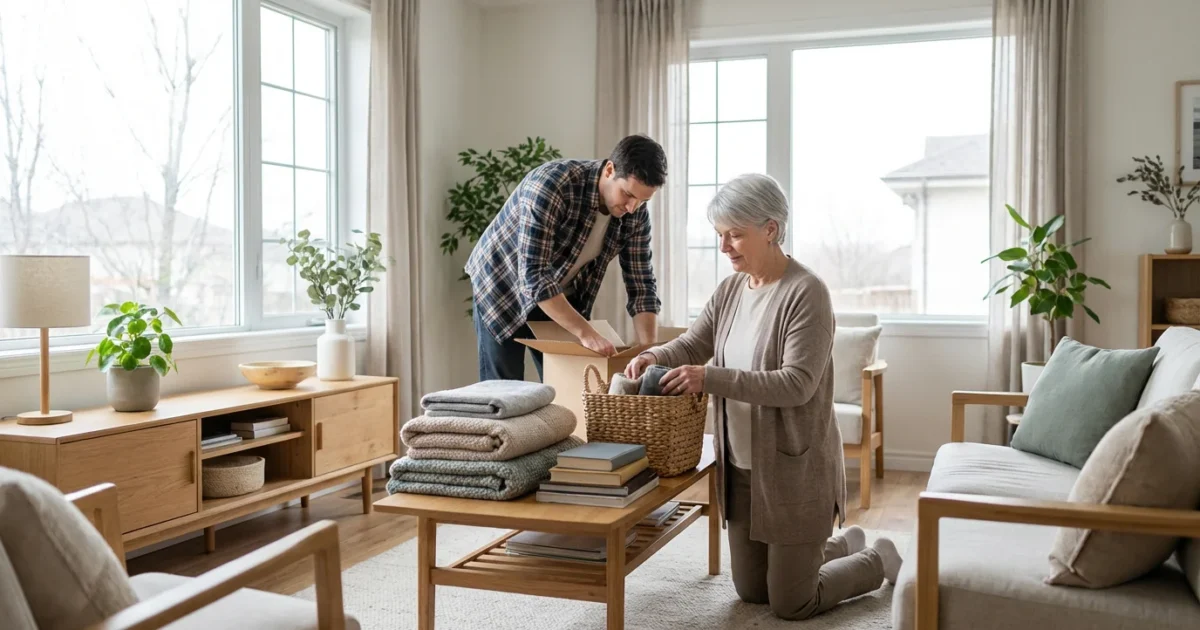
Living independently in your home brings comfort and a sense of accomplishment. As you navigate daily life, your home should support your well-being, not create obstacles. A cluttered environment, however, can silently undermine your safety and peace of mind. Research indicates that trips and falls are a leading cause of injury among older adults, and home clutter significantly contributes to these risks. By proactively managing home clutter, you prevent falls, reduce stress, and maintain a functional, enjoyable living space. This guide provides actionable decluttering tips and strategies to help you achieve a safer, more peaceful home. You deserve to live comfortably and securely in your cherished space.
Improving your property’s safety by removing hazards can also help you qualify for homeowners insurance discounts for seniors.

Why Decluttering Matters for Senior Safety and Well-being
Decluttering offers far more than just a tidy appearance. It directly impacts your safety, health, and overall quality of life. For seniors, a clear home reduces common hazards that often lead to serious injuries.
Reducing the physical obstacles in your home is also a vital component of managing chronic pain and preserving your energy.
Organizing your space is also a supportive way of managing arthritis pain by reducing the physical effort required to move through your home.
Reduces Fall Risks Significantly
The Centers for Disease Control and Prevention (CDC) reports that over 3 million older adults visit emergency departments for fall-related injuries each year. Obstacles such as loose rugs, stacks of newspapers, or extension cords hidden under furniture create dangerous tripping hazards. Removing these items forms a primary defense against falls, protecting your physical health and independence.
Enhances Mental Clarity and Reduces Stress
A cluttered environment often translates to a cluttered mind. Piles of belongings can cause feelings of overwhelm, anxiety, and stress. A well-organized, spacious home promotes a sense of calm and clarity, allowing you to focus on activities you enjoy. It reduces the cognitive load of searching for items and managing disorder.
Improves Accessibility and Navigation
Imagine navigating your home with ease, knowing where everything is and having clear pathways. Decluttering achieves this by opening up walkways and ensuring essential items are readily accessible. This becomes particularly important if your mobility changes, allowing you to move freely without bumping into furniture or reaching precariously.
Simplifies Cleaning and Maintenance
Less clutter means less to clean around, making household chores quicker and easier. Dust and allergens accumulate on unused items, impacting air quality. A decluttered home is easier to keep hygienic, contributing to better respiratory health. This also frees up your time and energy for more enjoyable pursuits.

Getting Started: Your Decluttering Mindset and Plan
Approaching a decluttering project effectively requires a positive mindset and a clear strategy. Avoid feeling overwhelmed by breaking the task into manageable steps. Remember, this process improves your safety and comfort, not diminishes your possessions.
If you are dealing with loneliness, inviting a friend to help you sort through items can provide social connection and support.
You might also find that practicing the benefits of mindfulness helps you stay grounded during the emotional process of letting go of belongings.
Embrace a Positive and Practical Mindset
Consider decluttering an act of self-care and empowerment. You are taking control of your environment to make it safer and more enjoyable. Focus on the benefits of open space, reduced stress, and increased safety rather than dwelling on the items you decide to part with.
“An ounce of prevention is worth a pound of cure.”
Set Realistic Goals
Do not expect to declutter your entire home in a single weekend. This is a marathon, not a sprint. Setting small, achievable goals prevents burnout and celebrates progress.
* Start with one small area: a single drawer, a shelf, or a corner of a room.
* Allocate short, focused sessions: work for 30 minutes, then take a break.
* Prioritize high-traffic areas first: hallways, entryways, and the kitchen.
Involve Family or Trusted Helpers
Decluttering can be a physically and emotionally demanding process. Enlist the help of adult children, trusted friends, or a professional organizer. They provide practical assistance, objective opinions, and emotional support. Communicate your goals clearly and empower them to assist you respectfully.
Gather Your Decluttering Supplies
Prepare your workspace before you begin. Having the right tools makes the process more efficient.
* Strong trash bags for items to discard.
* Donation boxes for items to give away.
* Labels and markers to identify box contents.
* Cleaning supplies to wipe down surfaces as you go.
* A “relocate” box for items that belong elsewhere in the home.
Essential Decluttering Strategies for Every Room
Applying consistent strategies across your home helps you make decisions efficiently. These methods streamline the process and minimize decision fatigue.
Implement the “Four-Box Method”
This popular strategy simplifies the decision-making process. Designate four distinct areas or boxes for items as you go through them.
- Keep: Items you regularly use, love, or truly need.
- Donate/Sell: Items in good condition that you no longer need but someone else could use.
- Recycle/Trash: Items that are broken, expired, or have no further use. Ensure proper disposal for hazardous materials.
- Relocate: Items that belong in a different room or area of your home.
Ask Yourself Key Questions for Each Item
As you pick up each item, ask yourself these questions to guide your decision:
* “Have I used this in the past year?” (Adapt timeline for seasonal items)
* “Do I love this, or does it hold significant sentimental value?”
* “Does this item contribute to my safety or comfort, or does it create a hazard?”
* “Do I have duplicates of this item?”
* “Is this item broken or expired, and does it need to be discarded?”
Focus on High-Traffic Areas First
Prioritizing areas where you move most frequently yields immediate safety benefits. Clear pathways in hallways, entryways, and main living areas quickly reduce fall risks. Tackle these spaces before moving to less critical areas.
Start Small, Stay Focused
Resist the urge to pull everything out of a closet at once. Work on one shelf, one drawer, or one small section at a time. This approach prevents overwhelming your space and your mind. Complete one mini-project before moving to the next.

Targeting Clutter Hotspots: Specific Room Strategies
Certain areas of your home tend to collect more clutter than others. Addressing these hotspots with specific strategies helps create a safer, more organized living environment.
An organized inventory of your canned goods and staples is essential for healthy eating on a budget and preventing food waste.
Clearing out bedroom clutter can reduce anxiety and help you get a better night’s rest in a more serene environment.
Keeping your kitchen counters and pantry organized makes it much easier to maintain healthy eating habits for seniors every day.
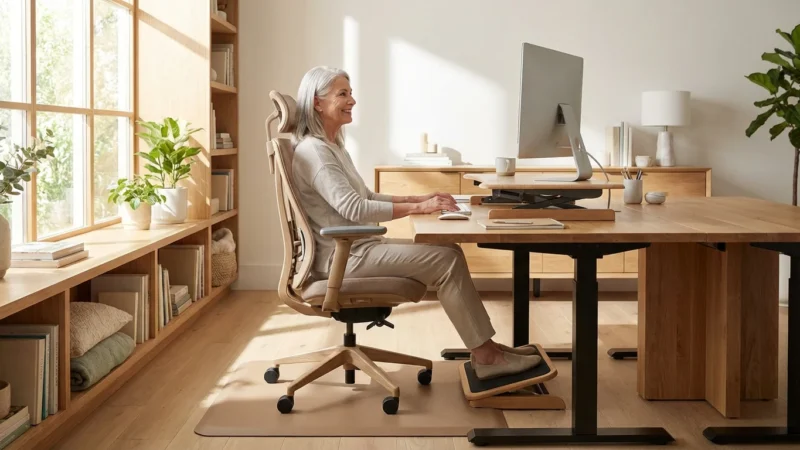
In the living area, ensure that any desk space is cleared of paper piles by creating a comfortable and ergonomic home office setup.
Ensuring wide, clear paths throughout these areas is especially important if you are currently choosing the right walking aid for mobility support.
Living Room and Family Room
This central gathering space often accumulates decorative items, books, and electronics.
* Clear Walkways: Ensure a clear path around furniture. Move small side tables or floor lamps if they obstruct movement.
* Manage Cords: Secure all electrical cords with cable ties or cord covers to prevent tripping. Avoid running cords under rugs.
* Minimize Throw Rugs: Consider removing throw rugs, which are significant trip hazards. If you must keep them, use non-slip backing.
* Books and Magazines: Keep only current reads on end tables. Store others neatly on shelves or consider donating older issues.
* Decorative Items: Limit knick-knacks to a few cherished pieces to simplify dusting and reduce visual clutter.
Kitchen
The kitchen often holds an abundance of gadgets, pantry items, and small appliances.
* Clear Countertops: Remove all but essential daily-use items from counters. Store small appliances in cabinets when not in use.
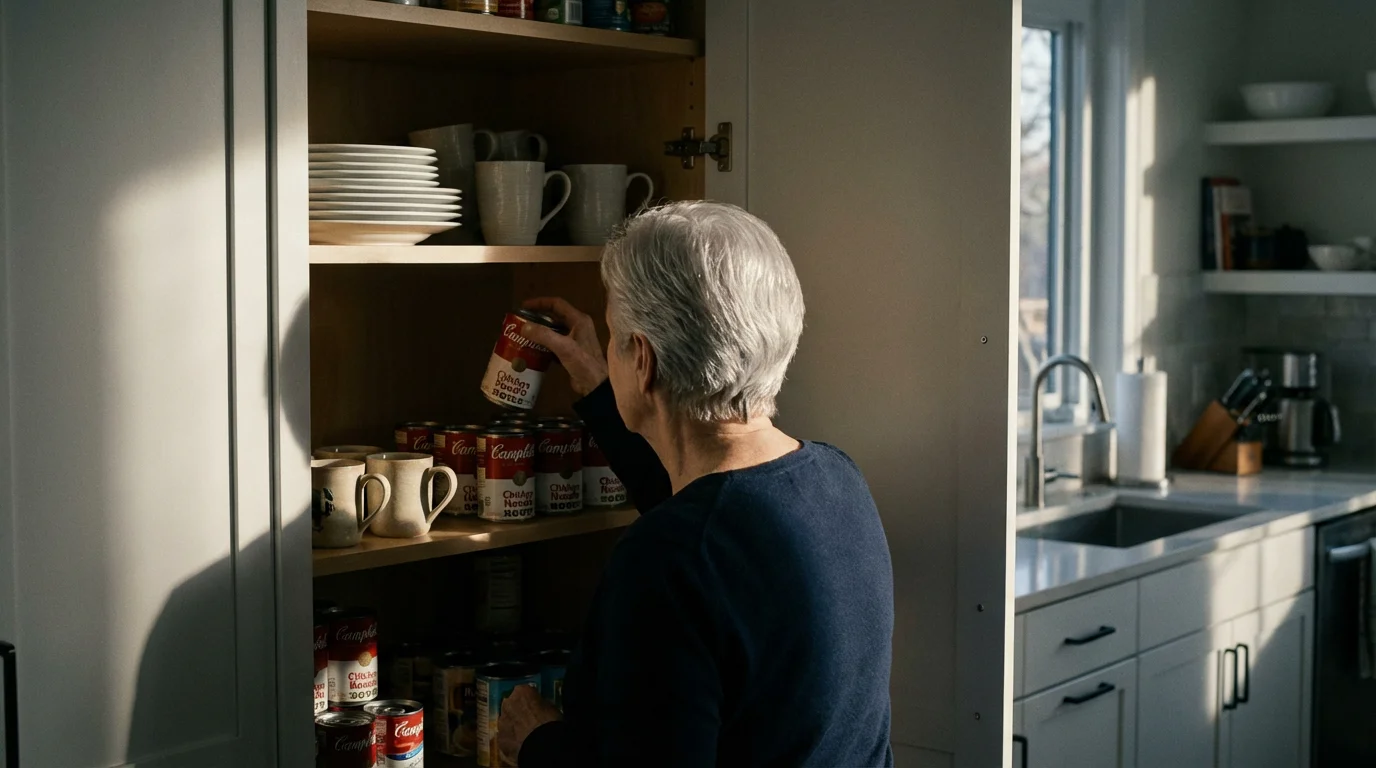
* Pantry and Refrigerator: Check expiration dates on food items. Donate unopened, non-perishable goods that you will not use. Organize shelves for easy access and visibility.
* Dishes and Cookware: Keep only the dishes, pots, and pans you regularly use. Store heavy items on lower shelves to avoid reaching overhead.
* Under the Sink: Safely store cleaning supplies, ensuring childproof locks if children visit. Dispose of old, hazardous chemicals appropriately.
Bedroom
Your bedroom should be a sanctuary for rest, not a storage unit.
* Clothing: Go through your wardrobe seasonally. Donate clothes you have not worn in over a year or those that no longer fit. Consider a capsule wardrobe approach.
* Nightstands: Keep only essential items like a lamp, tissues, and current reading material. Use drawers for small personal items.
* Under the Bed: Avoid storing too much under the bed, as this can make cleaning difficult and attract dust. If you do use under-bed storage, use sturdy containers with wheels.
* Medications: Store all medications securely in a cabinet, away from humidity and direct sunlight. Dispose of expired medications safely through take-back programs or pharmacies.
Bathroom
Bathrooms can quickly become cluttered with toiletries and cleaning supplies.
* Medicine Cabinet: Regularly check expiration dates on medications and dispose of them properly. Keep only current prescriptions and frequently used over-the-counter items.
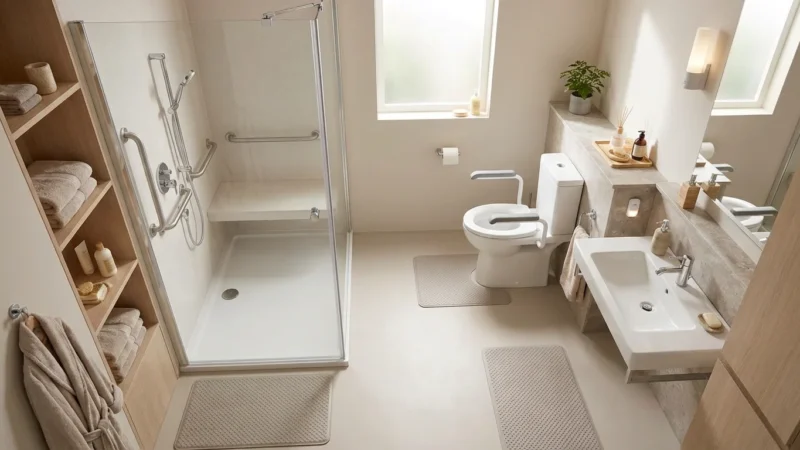
* Countertops: Limit items on countertops to soap and a toothbrush holder. Store other toiletries in drawers or cabinets.
* Shower/Tub: Use a shower caddy to keep soaps and shampoos organized and off the tub floor, preventing slips.
* Linen Closet: Keep only the towels and linens you use. Fold them neatly and store them in an accessible manner.
Hallways and Stairs
These are critical pathways where even minor clutter poses a significant fall risk.
* Clear Paths: Ensure hallways and stairways remain completely clear of shoes, boxes, bags, or decorative items.
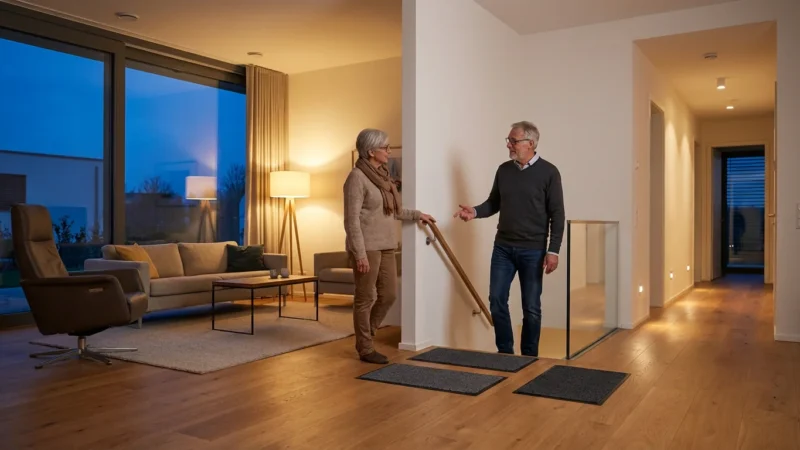
* Secure Handrails: Confirm all handrails are securely fastened and easily gripped.
* Adequate Lighting: Install bright, clear lighting in all hallways and stairwells. Consider motion-sensor lights for added safety.
Garage and Basement
These areas often become repositories for forgotten items.
* Tools and Equipment: Organize tools on pegboards or in designated toolboxes. Store larger equipment safely.
* Hazardous Materials: Properly dispose of old paints, chemicals, and automotive fluids. Check with your local waste management for hazardous waste collection days.
* Storage: Use sturdy shelving units to keep items off the floor. Label boxes clearly for easy identification.
Making Decisions: What to Keep, Donate, Sell, or Discard
Parting with possessions, especially those with sentimental value, can be challenging. Approach these decisions with thoughtfulness and practicality.
Navigating Sentimental Items
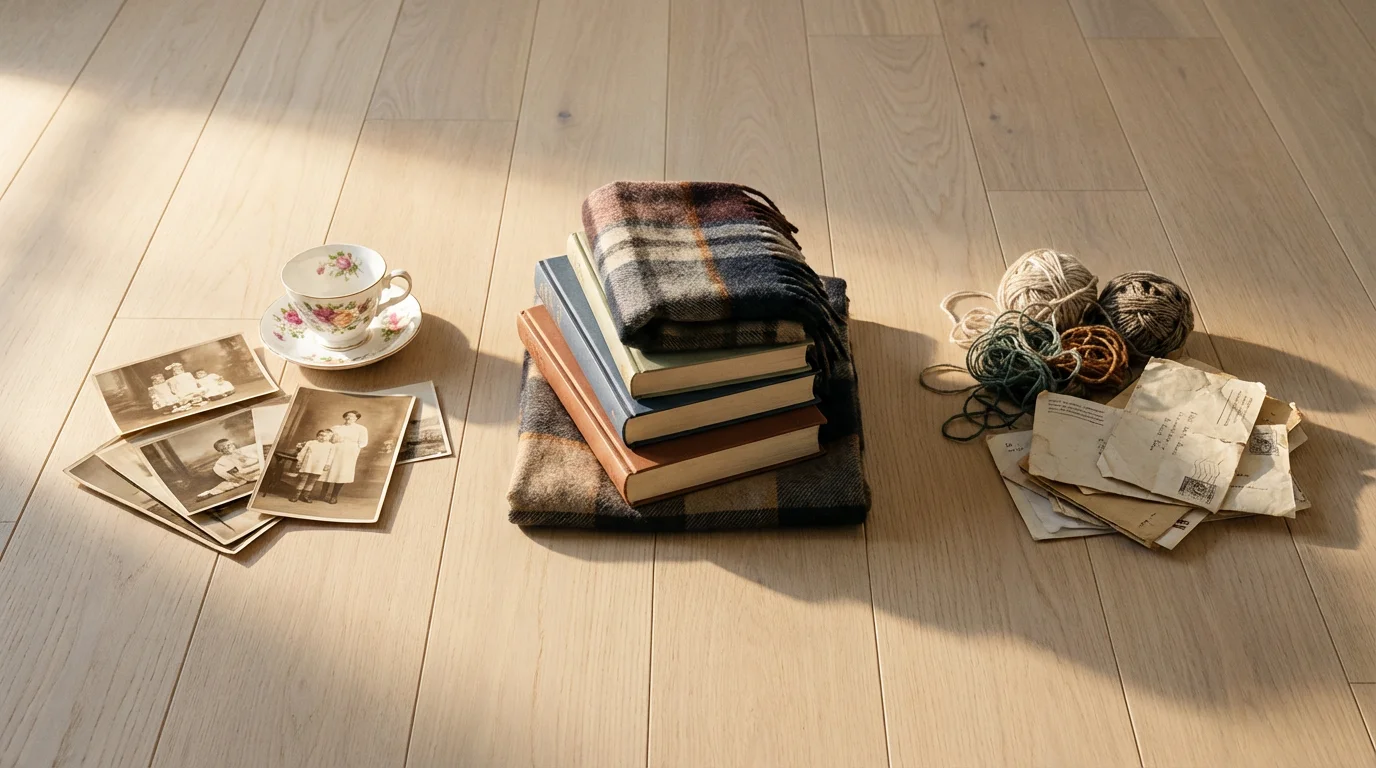
These are often the hardest items to address. You do not need to keep everything to cherish a memory.
* Photograph and Digitize: Take photos of cherished items you decide not to keep. Create a digital album to preserve the memory without the physical item.
* Pass Down Heirlooms: Talk to family members about items they might genuinely cherish. Passing them on allows the item to be loved and used.
* Create a “Memory Box”: Designate one box for truly irreplaceable mementos. Limit yourself to what fits in this single box.
Donating and Selling Items
Giving items a second life can be a rewarding part of decluttering.
* Donation Centers: Many charities accept gently used clothing, household goods, and furniture. Research local options like Goodwill, Salvation Army, or specific senior charities. Confirm their acceptance policies before dropping off.
* Consignment Shops/Online Marketplaces: For higher-value items or collectibles, consider selling them through consignment shops or online platforms. This may require more effort but can generate some income.
* Estate Sales: If you are planning a significant downsize, an estate sale company can manage the sale of many items at once. They typically charge a percentage of the sales.
Responsible Disposal of Discarded Items
Ensuring proper disposal protects the environment and your privacy.
* Shred Important Documents: Protect yourself from identity theft by shredding old bank statements, medical records, and other sensitive documents. Many communities offer free shredding events.
* Hazardous Waste: Never pour chemicals down the drain or throw them in regular trash. Look for local hazardous waste collection sites or events for items like old paint, batteries, and electronics.
* E-Waste: Dispose of old electronics, like computers and cell phones, responsibly. Many retailers offer recycling programs. The Consumer Product Safety Commission (CPSC) provides guidance on safe disposal practices.
Organizing Your Space for Long-Term Safety and Convenience
Decluttering is the first step, but effective organization creates lasting safety and ease. Think about how you use your space and arrange items to support those actions.
Create Designated Homes for Everything
Once you decide what to keep, assign a specific place for each item. This eliminates piles and the “where did I put that?” frustration. When you are done using something, return it to its home.
Utilize Smart Storage Solutions
Invest in practical storage tools that enhance accessibility and visibility.
* Clear Containers: Use transparent bins for pantry items, craft supplies, or garage items. You see contents at a glance, avoiding unnecessary searching.
* Labels: Label boxes and containers clearly. This is especially helpful for less frequently used items stored in attics or basements.
* Drawer Dividers: Keep smaller items, like utensils, office supplies, or toiletries, neatly separated in drawers.
* Vertical Storage: Maximize space with shelving units, wall-mounted racks, or over-the-door organizers. This keeps items off the floor.
Ensure Accessibility and Ergonomics
Organize items based on how often you use them and your physical capabilities.
* Frequent Use at Reach: Store frequently used items between knee and shoulder height. Avoid excessive bending, squatting, or reaching on tiptoes.
* Heavy Items Low: Place heavier items on lower shelves or in bottom drawers to prevent strain when lifting.
* Adequate Lighting: Good lighting helps you see what you are reaching for, preventing mishaps. Install brighter bulbs, task lighting in work areas, and nightlights in hallways.
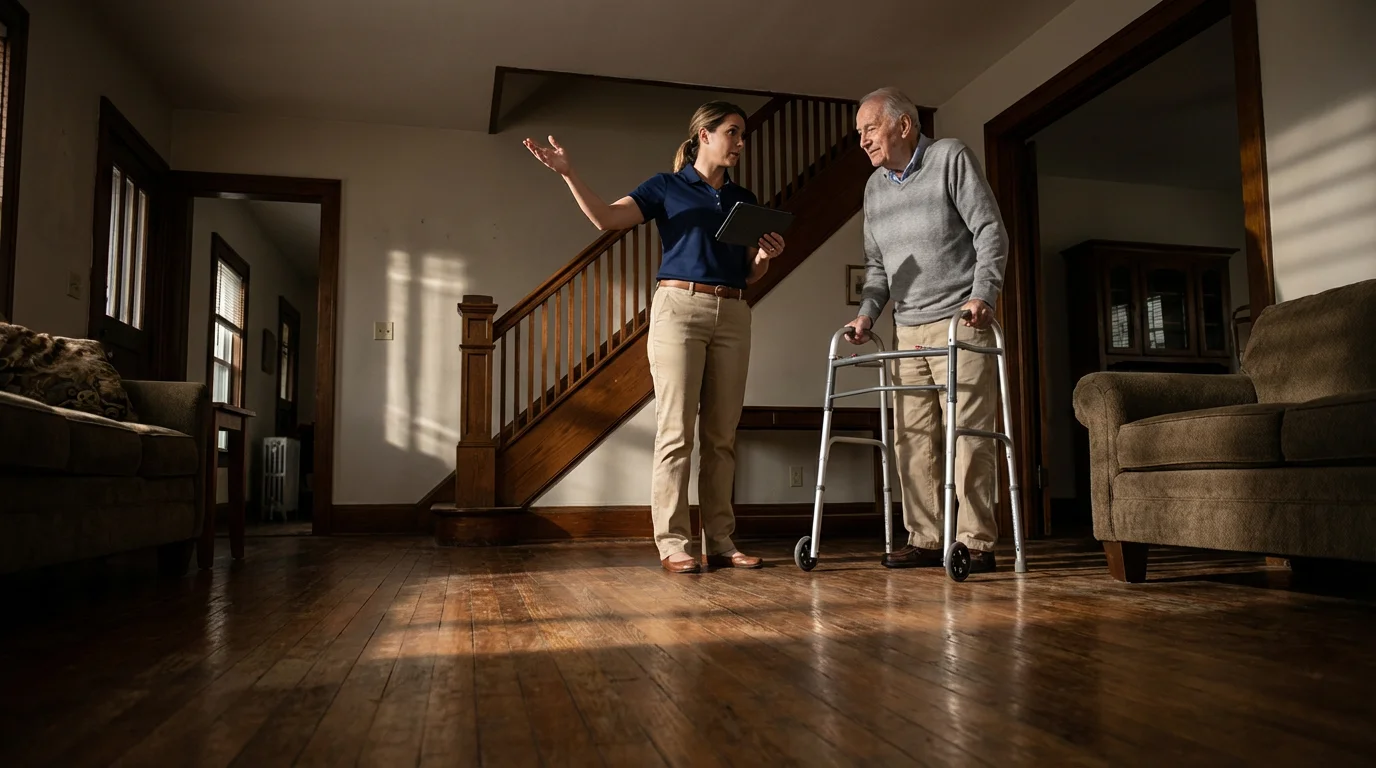
* Clear Pathways: Maintain at least 36 inches of clear width for pathways, especially in high-traffic areas, to accommodate walkers or wheelchairs if needed. The National Council on Aging (NCOA) emphasizes clear pathways as a core fall prevention strategy.
When to Call a Professional: Getting Expert Help
Sometimes, the task of decluttering or making home modifications feels too large to tackle alone. Do not hesitate to seek professional assistance. These services are designed to help you maintain your independence safely.
Professional Organizers
These experts specialize in creating functional, organized spaces. They offer objective advice, hands-on help, and strategies tailored to your needs. They help you make tough decisions about what to keep and what to let go of.
* What they do: Help sort through belongings, create storage systems, and offer emotional support during the process.
* Estimated Cost: Professional organizers typically charge between $50 to $150 per hour, depending on location and experience. Some offer package deals for larger projects.
Junk Removal Services
For large volumes of items you decide to discard, a junk removal service saves you time and effort. They come to your home, remove unwanted items, and dispose of them responsibly.
* What they do: Haul away furniture, appliances, debris, and general unwanted items. They often separate recyclables.
* Estimated Cost: Prices vary widely based on the volume of items and your location, ranging from $100 for a small load to $500 or more for a full truckload.
Senior Move Managers
If decluttering is part of a larger plan to downsize or move, a senior move manager offers comprehensive support. They manage the entire process, from decluttering and packing to setting up your new home.
* What they do: Coordinate all aspects of a senior relocation, including decluttering, organizing, packing, arranging movers, and unpacking.
* Estimated Cost: Costs vary significantly based on services required and location, often ranging from $1,500 to $5,000+ for full-service moves. You can find accredited professionals through organizations like the National Association of Senior and Specialty Move Managers. The Eldercare Locator provides resources for finding assistance in your area.
Handyperson Services
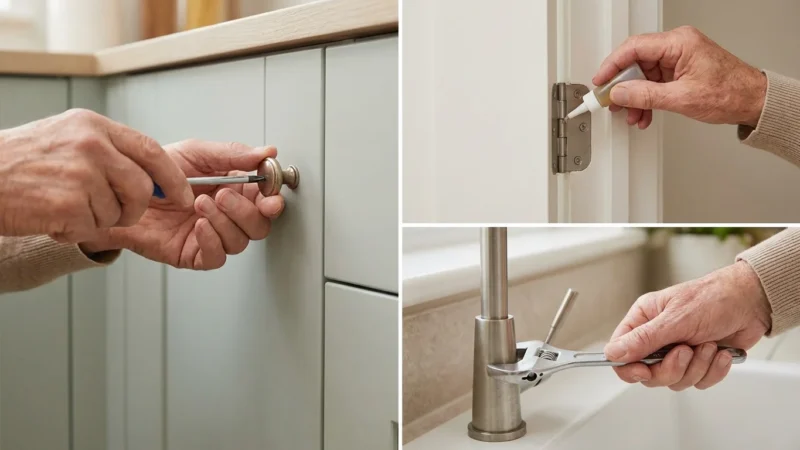
A handyperson can help with tasks like securing loose handrails, installing shelving, or mounting grab bars in bathrooms, which are crucial for home safety after decluttering.
* What they do: Minor home repairs, installations, and safety modifications.
* Estimated Cost: Handypersons typically charge $50 to $100 per hour, plus material costs.
Family and Friends
Never underestimate the value of support from loved ones. They can offer practical help, a sounding board, and encouragement. Clearly communicate your needs and appreciate their contributions.
Maintaining a Clutter-Free Home: Ongoing Habits
Decluttering is not a one-time event, it is an ongoing process. Establishing simple daily and weekly habits helps you keep your home safe, organized, and peaceful long-term.
Adopt the “One In, One Out” Rule
For every new item you bring into your home, commit to removing an old item of the same type. For example, if you buy a new sweater, donate an old one. This prevents new clutter from accumulating.
Implement Daily Tidy-Ups
Spend 10-15 minutes each day putting things back in their designated spots. This prevents small messes from turning into overwhelming piles. Do a quick tidy before bed each night.
* Put away clean laundry.
* Return books and magazines to shelves.
* Wipe down kitchen counters.
* Organize mail and papers immediately.
Schedule Seasonal Reviews
Set aside time a few times a year, perhaps with the change of seasons, to review specific areas of your home. This is a good opportunity to:
* Go through seasonal clothing.
* Check pantry expiration dates.
* Review medicine cabinet contents.
* Tidy up gardening tools or holiday decorations.
Be Mindful of New Purchases
Before buying new items, especially decorative ones, consider if you truly need or love them. Ask yourself where the item will live in your home and if it aligns with your goal of a clutter-free, safe environment.
Digitalize When Possible
Reduce physical paper clutter by embracing digital alternatives.
* Sign up for online billing and statements.
* Scan important documents and save them to a cloud service or external hard drive.
* Store photos digitally rather than printing every single one.
By integrating these habits into your routine, you ensure your home remains a haven of safety and comfort. You empower yourself to live independently and enjoy your space to its fullest.
Frequently Asked Questions
What should I do if my home feels overwhelmingly cluttered?
Start incredibly small. Pick one drawer or one shelf, and commit to clearing only that small space. Set a timer for 15-20 minutes and work only during that time. Celebrate this small victory before moving to another small area. Involving a trusted friend or professional organizer can also provide invaluable support and guidance when facing an overwhelming task.
How do I handle sentimental items that I do not use but find hard to let go of?
You do not need to keep every physical item to preserve a memory. Consider these options: photograph the item and create a digital memory album, ask family members if they would cherish the item, or designate one “memory box” for your most treasured keepsakes. This approach allows you to honor the memory without accumulating physical clutter.
How often should I declutter my home to maintain safety and peace?
A major decluttering effort might happen every few years, but maintaining a clutter-free home works best with ongoing, smaller efforts. Commit to a 10-15 minute daily tidy-up and conduct seasonal reviews for specific areas like wardrobes or pantries. This prevents clutter from building up again.
Can decluttering really prevent falls in my home?
Yes, absolutely. Decluttering is one of the most effective strategies for fall prevention. Removing tripping hazards like loose rugs, electrical cords, stacks of papers, and furniture from walkways creates clear, safe paths. The National Institute on Aging emphasizes that a clutter-free environment significantly reduces the risk of falls, allowing you to move through your home more securely.
What if my family disagrees with my decluttering choices or wants to keep items I want to discard?
This is a common challenge. Open communication is key. Explain your reasons for decluttering, focusing on safety, ease of living, and your desire for a comfortable home. Involve them in the process by asking if they would like to keep specific items that hold sentimental value for them. Set clear boundaries for what stays in your home versus what they might take for their own.
Disclaimer: This article is for informational purposes only. Home modifications, safety equipment, and services mentioned may vary in availability and suitability for individual circumstances. For significant home modifications, consult with qualified professionals. For health-related safety concerns, consult with healthcare providers.





Leave a Reply