

You deserve restful, restorative sleep every night. As you age, your sleep patterns often change, leading to confusion and frustration. Many seniors incorrectly believe sleep problems are an unavoidable part of getting older. This article addresses common myths about senior sleep, offers evidence-based facts, and provides practical, actionable strategies to help you achieve better sleep quality and truly take charge of your rest.
Mental health is also a factor; for example, dealing with loneliness can reduce the nighttime anxiety that often prevents seniors from falling asleep.

Myth 1: You Need Less Sleep as You Age
Many people believe that as you get older, your body requires less sleep. This is a pervasive misconception. The National Institute on Aging clearly states that your need for sleep remains constant throughout adulthood, typically 7-9 hours per night. What often changes is the quality and structure of that sleep, not the quantity needed.
Furthermore, managing chronic pain effectively is vital, as persistent physical discomfort often interrupts the deeper stages of restorative sleep.
Research indicates that older adults spend less time in deep, restorative sleep stages, such as slow-wave sleep and REM sleep. This shift can lead to feeling less refreshed, even after spending what seems like adequate time in bed. You might also wake up more frequently during the night, leading to fragmented sleep.
Prioritizing 7-9 hours of quality sleep daily is crucial for your physical and mental health. Adequate sleep supports cognitive function, strengthens your immune system, and helps manage chronic conditions. Do not accept less sleep as an inevitable consequence of aging.
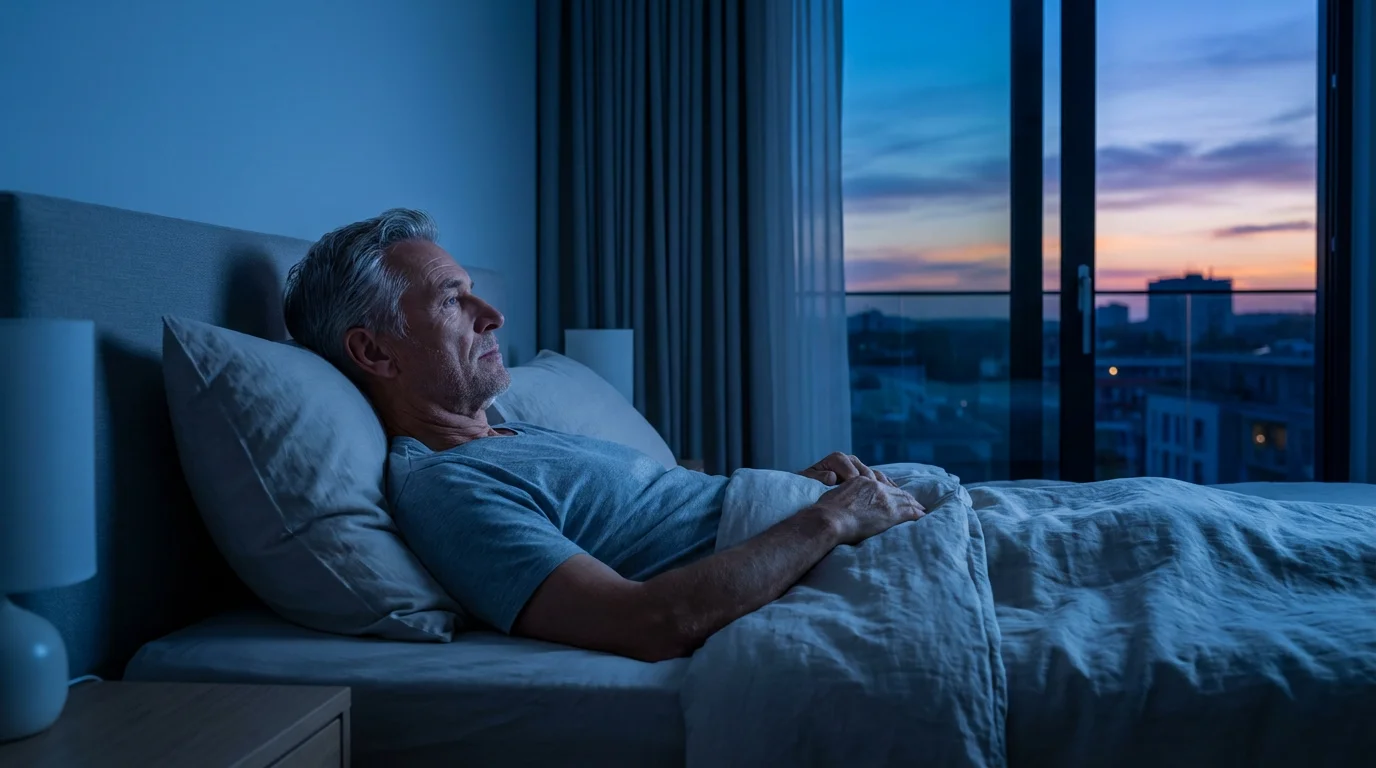
Myth 2: Napping Fully Replaces Lost Nighttime Sleep
Strategic napping can offer benefits, such as improved alertness, performance, and mood. However, a long or late afternoon nap does not fully compensate for insufficient nighttime sleep, and it can actually disrupt your ability to fall asleep later. Naps cannot replace the comprehensive restorative processes that occur during a full night of sleep.
Your body has an internal clock, known as the circadian rhythm, which regulates your sleep-wake cycle. Long or poorly timed naps can throw this rhythm off balance. You might find yourself more awake in the evening and struggling to fall asleep at your usual bedtime. This perpetuates a cycle of poor nighttime sleep and increased daytime fatigue.
If you enjoy napping, consider these guidelines for effective, non-disruptive naps:
- Keep naps short: Aim for 20-30 minutes. This provides a boost without entering deep sleep, which can cause grogginess upon waking.
- Nap early in the day: Schedule your nap for the early afternoon, well before 3:00 PM. Napping later can interfere with your nighttime sleep.
- Create a relaxing environment: Find a quiet, dark, and comfortable place for your nap.
- Use naps strategically: If you feel a dip in energy, a short power nap can be beneficial. Do not rely on them to cover chronic sleep debt.

Myth 3: Snoring is Just a Normal, Harmless Part of Aging
While snoring can occur more frequently with age, it is not always harmless. Loud, chronic snoring can be a symptom of a serious medical condition called sleep apnea, specifically obstructive sleep apnea (OSA). With OSA, your breathing repeatedly stops and starts during sleep. This causes oxygen levels in your blood to drop, straining your heart and other organs.
It is also worth noting that coping with hearing loss might make you more sensitive to certain environmental vibrations or disturbances that disrupt your rest.
Untreated sleep apnea carries significant health risks for seniors. It can increase your risk for:
- High blood pressure (hypertension)
- Heart attack
- Stroke
- Diabetes
- Daytime fatigue and impaired cognitive function
- Increased risk of accidents due to drowsiness
If you or your partner notice loud, frequent snoring accompanied by gasping, choking, or pauses in breathing, you should consult your doctor. A sleep study can diagnose sleep apnea, and effective treatments exist, such as continuous positive airway pressure (CPAP) therapy or oral appliances. Addressing snoring can significantly improve your overall health and quality of life.

Myth 4: Alcohol or Sedatives Are the Best Sleep Aids
Many people mistakenly believe that a “nightcap” or over-the-counter sedatives are effective solutions for poor sleep. While alcohol initially makes you feel drowsy, it fragments your sleep later in the night. It suppresses REM sleep, a crucial stage for memory consolidation and mood regulation. As the alcohol wears off, you often experience awakenings and disrupted sleep.
Similarly, many over-the-counter sleep aids contain antihistamines, which can have side effects in older adults. These include daytime drowsiness, dizziness, confusion, and an increased risk of falls. Long-term use can also reduce their effectiveness, leading to reliance without solving the underlying sleep problem.
Prescription sleep medications can be appropriate for short-term use under a doctor’s supervision. However, they are not a long-term solution. Many carry risks of dependence, rebound insomnia, and side effects like memory problems or daytime impairment, particularly in older adults. Your healthcare provider can guide you on the safest and most effective approaches if medication becomes necessary.

Myth 5: You Cannot Improve Your Sleep Quality After 60
This myth undermines your ability to take control of your health. While sleep patterns do change with age, you possess significant power to improve your sleep quality. Many sleep challenges seniors face stem from lifestyle habits, environmental factors, or treatable medical conditions. You are not destined to suffer from poor sleep.
Implementing consistent sleep hygiene practices, addressing underlying health issues, and making informed lifestyle choices can lead to substantial improvements. Do not dismiss poor sleep as “just part of aging.” Instead, approach it as a challenge you can actively manage and overcome. Many strategies prove highly effective for improving sleep quality after 60.
Consider the cumulative impact of small, consistent changes. Even minor adjustments to your daily routine can yield noticeable improvements in how well you sleep and how refreshed you feel each morning. Empower yourself with knowledge and action.

Understanding Your Changing Sleep Patterns
Your body’s sleep architecture evolves over time. As you age, you experience several natural shifts in your sleep patterns. Recognizing these changes helps you address them effectively, rather than viewing them as insurmountable obstacles. You gain insight into why your sleep might feel different now compared to your younger years.
Common changes include:
- Reduced deep sleep: You spend less time in the most restorative stages of sleep. This makes you feel less refreshed even after sleeping for what seems like enough hours.
- More frequent awakenings: You might wake up more often during the night, either fully or briefly. These awakenings can be due to various factors, including needing to use the restroom, pain, or environmental disturbances.
- Earlier bedtime and wake-up times: Your circadian rhythm often shifts forward, causing you to feel sleepy earlier in the evening and wake up earlier in the morning.
- Increased sleep fragmentation: Your sleep becomes less continuous, with more interruptions. This fragmentation prevents you from cycling through sleep stages efficiently.
These natural shifts do not mean you cannot achieve good sleep. They highlight the importance of adopting tailored strategies to support your body’s changing needs. Focusing on sleep quality, not just quantity, becomes paramount.

Cultivating Healthy Sleep Hygiene Habits
Sleep hygiene refers to the practices and habits necessary for good nighttime sleep quality and full daytime alertness. Establishing a consistent, healthy sleep routine is one of the most effective ways to improve your sleep. You gain control over factors that directly influence your ability to fall asleep and stay asleep.
Your environment should also feel secure; reviewing your home security can provide the mental ease necessary to drift off without worry.
Many seniors find that practicing mindfulness and meditation for wellbeing is an excellent way to quiet the mind and prepare the body for deep rest.
Implement these practical sleep hygiene strategies:
- Maintain a consistent sleep schedule: Go to bed and wake up at the same time every day, even on weekends. Consistency reinforces your body’s sleep-wake cycle.
- Create a comfortable sleep environment: Ensure your bedroom is dark, quiet, and cool. Use blackout curtains, earplugs, or a white noise machine if necessary. The ideal temperature for sleep is typically between 60-67 degrees Fahrenheit.
- Limit screen time before bed: The blue light emitted by phones, tablets, and computers can interfere with melatonin production, the hormone that helps you sleep. Avoid screens for at least an hour before bedtime.
- Develop a relaxing pre-sleep routine: Engage in calming activities before bed, such as reading a book, taking a warm bath, listening to quiet music, or practicing gentle stretches. This signals to your body that it is time to wind down.
- Avoid large meals, caffeine, and alcohol close to bedtime: Digestion can disrupt sleep. Caffeine is a stimulant that can stay in your system for hours. Alcohol, while initially sedating, leads to fragmented sleep.
- Manage light exposure: Get plenty of natural light during the day, especially in the morning. This helps regulate your circadian rhythm. In the evening, dim your lights.
These habits form the foundation of good `Sleep Hygiene` and significantly contribute to `Insomnia Relief` by training your body and mind for consistent rest. Remember, consistency is key to seeing results.

Nutrition and Exercise for Quality Sleep
Your diet and physical activity levels profoundly impact your sleep quality. Making thoughtful choices in these areas can support healthier sleep patterns. You empower your body to prepare for and sustain restful slumber.
Adopting healthy eating habits is crucial, as the timing and content of your meals can significantly influence how well your body transitions into sleep.
Improving your rest doesn’t have to be expensive, as there are many ways to focus on healthy eating on a budget to support your physical health.
Optimal Nutrition for Restful Nights
What you eat, and when you eat it, plays a role in `Senior Sleep`. Focus on a balanced diet rich in whole foods. Consider these nutritional tips:
- Eat a balanced diet: Include plenty of fruits, vegetables, whole grains, and lean proteins. A diet lacking in essential nutrients can disrupt sleep.
- Magnesium-rich foods: Magnesium contributes to muscle relaxation and nerve function, which supports sleep. Excellent sources include leafy greens, nuts, seeds, and whole grains.
- Tryptophan-containing foods: Tryptophan is an amino acid that converts to serotonin and then to melatonin. Turkey, chicken, eggs, cheese, nuts, and seeds are good sources.
- Limit refined sugars and processed foods: These can lead to energy spikes and crashes that disrupt your internal clock.
- Stay hydrated: Drink enough water throughout the day, but reduce fluid intake closer to bedtime to minimize nighttime bathroom trips.
Exercise: A Powerful Sleep Aid
Regular physical activity is one of the most potent, natural ways to improve `how to improve sleep quality after 60`. It helps you fall asleep faster, sleep more deeply, and wake up feeling more refreshed. Your body benefits from the energy expenditure and the subsequent need for rest.
Consider these exercise guidelines:
- Engage in regular moderate exercise: Aim for at least 150 minutes of moderate-intensity aerobic activity, such as brisk walking, swimming, or cycling, spread throughout the week.
- Incorporate strength training: Two days a week of strength training helps maintain muscle mass and can further enhance sleep.
- Time your workouts wisely: Exercise vigorously too close to bedtime can be stimulating. Finish intense workouts at least a few hours before you plan to sleep. Morning or early afternoon exercise is often ideal.
- Include flexibility and balance exercises: Yoga or Tai Chi can improve sleep by reducing stress and promoting relaxation.
Always consult your doctor before starting any new exercise regimen, especially if you have chronic health conditions. They can help you develop a safe and effective plan.

When to See a Doctor About Your Sleep
While many sleep issues respond well to lifestyle changes, some problems indicate an underlying medical condition requiring professional intervention. You should not hesitate to discuss persistent sleep difficulties with your healthcare provider. Your doctor can assess your symptoms, rule out serious conditions, and recommend appropriate treatments. This proactive approach ensures you receive the best possible care for `why do seniors sleep less` effectively.
Make an appointment with your doctor if you experience any of the following:
- Persistent difficulty falling or staying asleep: If `Insomnia Relief` seems elusive for several weeks or months, despite trying various home remedies and sleep hygiene improvements.
- Loud, chronic snoring with pauses in breathing: These symptoms strongly suggest sleep apnea, which requires medical diagnosis and treatment.
- Excessive daytime sleepiness: Feeling drowsy, fatigued, or needing to nap frequently during the day, even after what you perceive as enough sleep.
- Unusual leg sensations or movements: Restless legs syndrome (RLS) or periodic limb movement disorder (PLMD) can severely disrupt sleep.
- Trouble concentrating or memory issues: Chronic sleep deprivation impacts cognitive function, mood, and overall quality of life.
- Anxiety or depression related to sleep: If your sleep problems significantly affect your mental health.
- Side effects from sleep medications: If you are taking sleep aids and experiencing unwanted side effects.
Your doctor can perform an evaluation, which might include reviewing your medical history, conducting a physical exam, and potentially ordering a sleep study. They might also refer you to a sleep specialist for further assessment. Remember, seeking professional help is a sign of taking charge of your health, not a sign of weakness.
“Take care of your body. It’s the only place you have to live.”
This wisdom underscores the importance of addressing sleep, a fundamental pillar of health. You build a stronger foundation for your well-being by prioritizing restful nights.
Frequently Asked Questions
What is the best way to fall asleep quickly?
Creating a consistent bedtime routine helps signal to your body that it is time to sleep. Engage in relaxing activities like reading or a warm bath, ensure your bedroom is dark and cool, and avoid screens for an hour before bed. Deep breathing exercises or meditation can also calm your mind.
Can diet truly affect my sleep?
Yes, your diet significantly impacts sleep. Avoiding heavy meals, caffeine, and alcohol close to bedtime is crucial. Consuming foods rich in magnesium and tryptophan, such as leafy greens, nuts, and turkey, can support better sleep by promoting relaxation and melatonin production.
Is it normal to wake up several times during the night as an older adult?
While frequent awakenings can be more common with age due to changes in sleep architecture, they are not always normal or healthy. Waking up often can be a sign of underlying issues like sleep apnea, restless legs syndrome, or poor sleep hygiene. If it significantly impacts your daytime function, consult your doctor.
How can I avoid needing to use the bathroom so often at night?
Reduce fluid intake in the late evening, especially alcohol and caffeinated beverages, as these act as diuretics. Ensure you empty your bladder completely before bed. If frequent urination persists and disrupts your sleep, discuss it with your doctor, as it could indicate a treatable medical condition.
What if I have tried all the sleep hygiene tips and still cannot sleep?
If consistent `Sleep Hygiene` practices do not improve your sleep after several weeks, it is essential to consult your healthcare provider. You might have an underlying medical condition, such as sleep apnea or insomnia, that requires specific diagnosis and treatment. Your doctor can recommend a sleep specialist or further testing.
Are there natural remedies that actually work for senior sleep issues?
Some natural remedies, like melatonin supplements, valerian root, or chamomile tea, show promise for certain individuals. However, their effectiveness varies, and they can interact with other medications. Always discuss any natural remedies with your doctor before trying them, to ensure safety and appropriate dosage, especially with other `Medication Management` considerations.
Disclaimer: This article is for informational purposes only and does not constitute medical advice. The information provided is not intended to diagnose, treat, cure, or prevent any disease. Always consult with your healthcare provider before making any changes to your diet, exercise routine, medications, or health regimen. If you’re experiencing a medical emergency, call 911 immediately.








Leave a Reply