

Living an independent, fulfilling life as you age often brings many joys and new freedoms. However, it can also present challenges, and for many seniors, feelings of loneliness can emerge. Loneliness is a common human experience, not a sign of weakness. It impacts millions of older adults, affecting both emotional health and physical well-being. Recognizing these feelings and actively pursuing strategies to build social connections and find purpose can dramatically enhance your quality of life.
This article provides practical, actionable insights and resources to help you or an older loved one combat feelings of loneliness. You will discover effective ways to reach out, engage with your community, and cultivate meaningful relationships, ensuring your later years are filled with connection and joy.

Understanding Senior Loneliness and Its Impact
Loneliness in older adults often stems from various life changes, including retirement, the loss of a spouse or friends, adult children moving away, or reduced mobility. You might find your social circle shrinking, or daily routines shifting in ways that limit spontaneous interactions.
Incorporating daily practices like mindfulness and meditation can also help mitigate the emotional stress of isolation.
Additionally, addressing physical challenges like hearing loss can remove barriers to effective communication and help you feel more comfortable in social settings.
Experiencing loneliness impacts more than just your mood. Research indicates that chronic loneliness can negatively affect senior well-being, increasing risks for conditions such as heart disease, stroke, anxiety, and depression. It can even impair cognitive function. Recognizing these potential impacts empowers you to take proactive steps toward building stronger social connections.

Proactive Steps to Forge New Connections
Building new connections requires intentional effort, but the rewards are profound. Start by identifying places and activities that align with your interests. You do not need to attend every event, but making a commitment to one or two new activities each week can create a powerful routine for engagement.
Consider these avenues for meeting new people:
- Senior Centers and Community Hubs: These centers often provide a wealth of activities, from fitness classes and card games to art workshops and educational seminars. Many also offer shared meals, creating natural opportunities for conversation.
- Local Libraries: Libraries host book clubs, author talks, computer classes, and various community events. They serve as quiet places for reading, but also as vibrant centers for learning and social interaction.
- Adult Education Classes: Explore courses at local colleges or community centers. You can learn a new language, pick up a skill like painting or pottery, or delve into history. Learning alongside others creates instant camaraderie.
- Faith-Based Organizations: Churches, synagogues, temples, and other religious groups often have active senior ministries, social gatherings, and volunteer opportunities. These communities provide a strong sense of belonging and support.
- Local Parks and Recreation Departments: Look for walking groups, gentle exercise classes, or nature clubs. Outdoor activities offer fresh air and shared experiences, fostering new friendships.
AARP’s HomeFit Guide, while focused on home modifications, also emphasizes the importance of community access for overall well-being. A community that supports social interaction plays a crucial role in combating loneliness.

Embracing Technology for Social Engagement
Technology offers incredible tools for bridging distances and staying connected. If you feel hesitant about using new devices or platforms, remember that many resources exist to help you learn. Start simple and gradually explore more options.
Beyond social connection, these same devices can be used for accessing healthcare remotely through convenient telehealth appointments.
As you become more active online, take time to learn how to protect yourself from financial scams that may target older users.
You can use technology to:
- Video Calls: Platforms like Zoom, FaceTime, or Google Meet allow you to see and speak with family and friends who live far away. Scheduling regular video calls can become a cherished part of your week.
- Social Media: Join Facebook groups dedicated to your hobbies, local community news, or specific interests. You can connect with people who share your passions, exchange tips, and even arrange in-person meetups.
- Online Forums and Communities: Many websites host forums for seniors to discuss a wide range of topics, from travel and gardening to health and current events. These provide a safe space to share experiences and find common ground.
- Email and Messaging Apps: Keeping up with friends and family through email or simple messaging apps like WhatsApp helps maintain consistent communication without the pressure of a phone call.
- Online Learning Platforms: Websites like Coursera or Osher Lifelong Learning Institutes (OLLIs) offer courses on countless subjects. Many include discussion forums, allowing you to interact with fellow students worldwide.
Consider asking a trusted family member or a local library staff member for help getting set up with these tools. Even basic digital literacy can open up a world of connection.
Finding Purpose Through Volunteering and Community Involvement
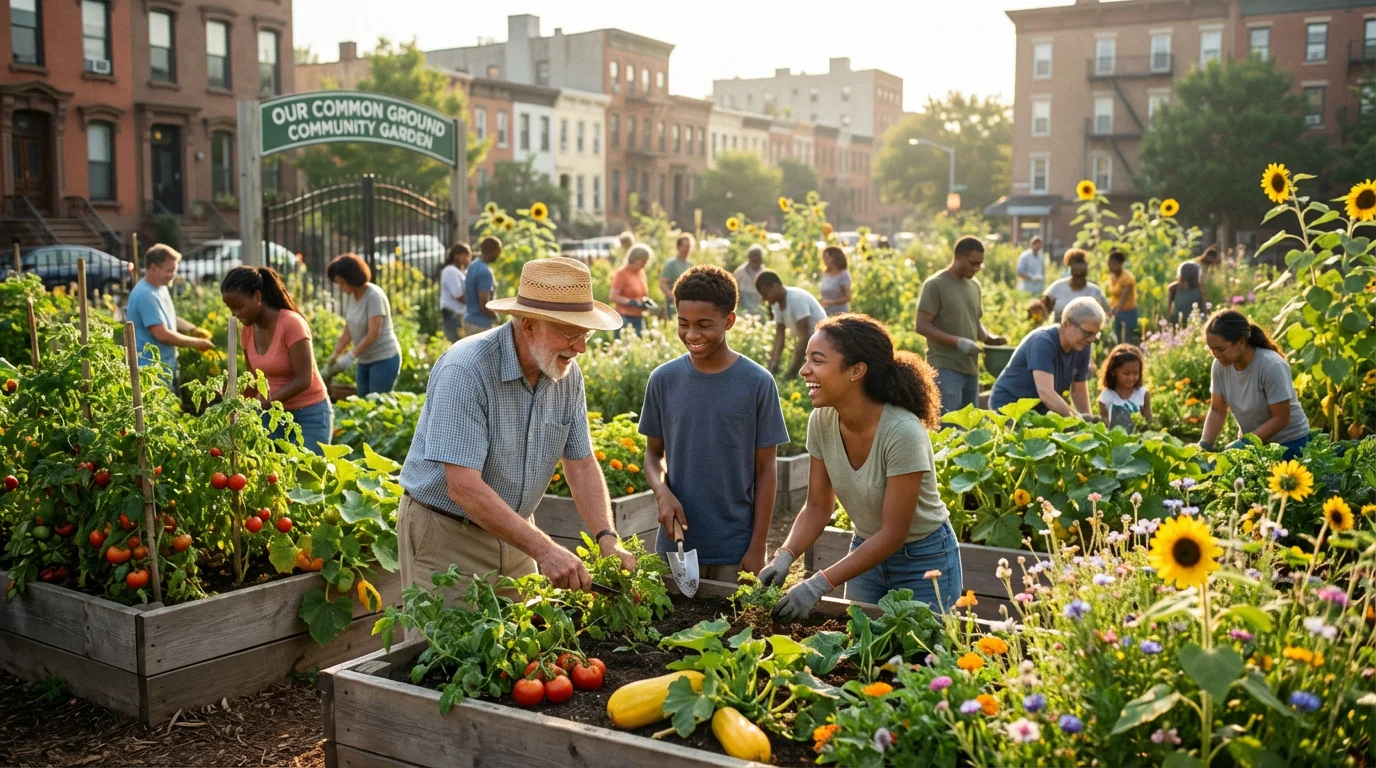
One of the most powerful antidotes to loneliness is finding a sense of purpose. Volunteering provides opportunities to contribute your skills, time, and wisdom, making a tangible difference in your community. It introduces you to like-minded individuals and creates a fulfilling routine. When asking, “What are some local volunteer opportunities available?” you will find many options.
Consider these volunteer roles:
- Local Hospitals or Healthcare Facilities: You can assist with administrative tasks, guide visitors, or offer companionship to patients.
- Schools or Libraries: Volunteer as a tutor, mentor, or help with events. Reading to children or helping with after-school programs provides immense satisfaction.
- Animal Shelters: If you love animals, walking dogs, playing with cats, or assisting with adoptions can be incredibly rewarding.
- Food Banks or Meal Delivery Services: Help sort donations, pack food boxes, or deliver meals to homebound individuals. This directly supports your community.
- Museums or Cultural Institutions: Serve as a docent, help with events, or assist with archival work.
- Environmental Organizations: Participate in park cleanups, trail maintenance, or community gardening projects.
Websites like the Eldercare Locator can help you find local resources and volunteer opportunities tailored for older adults. You contribute to society and simultaneously build your own social network and sense of meaning.

Cultivating Hobbies and Interest Groups
Reigniting old passions or discovering new ones provides an excellent pathway to connection. Hobbies give you something to discuss and share with others, naturally drawing you into social circles. Think about activities that genuinely interest you, rather than feeling obligated to pursue them.
Explore these types of groups:
- Book Clubs: Many libraries, bookstores, and community centers host book clubs. They offer structured discussions and a chance to meet people who love reading.
- Gardening Clubs: Share gardening tips, exchange plants, and work on community garden projects. These groups often involve outdoor activity and shared harvests.
- Crafting or Art Groups: Join groups for knitting, quilting, painting, pottery, or woodworking. Creating something together fosters a strong sense of community and shared accomplishment.
- Music or Choir Groups: If you enjoy music, joining a local choir or instrumental group can be both mentally stimulating and socially engaging.
- Fitness Classes: Look for senior-friendly exercise classes like water aerobics, yoga, tai chi, or walking groups. Exercising with others provides motivation and social interaction.
- Game Nights: Many community centers or private groups organize regular game nights for bridge, mahjong, chess, or board games. This offers a fun, low-pressure way to socialize.
These groups often become close-knit communities, providing consistent social interaction and friendships built on shared interests.

Strengthening Family and Friend Bonds
While making new connections is vital, nurturing existing relationships remains equally important. Sometimes, loneliness can stem from a decline in regular contact with people you already know and love. You can take the initiative to strengthen these bonds.
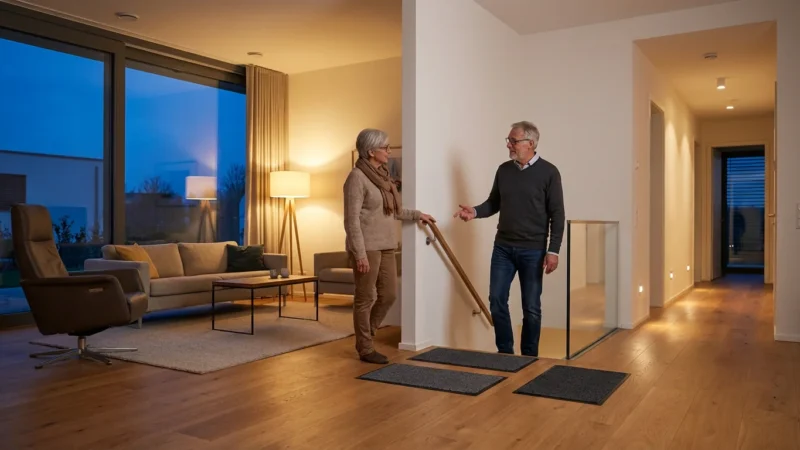
If you plan to host more often, decluttering your home can create a safer and more enjoyable space for your guests.
Practical steps include:
- Schedule Regular Check-ins: Plan weekly phone calls, video chats, or visits with family and close friends. Consistency helps maintain strong connections.
- Plan Outings: Suggest a casual lunch, a visit to a museum, a walk in the park, or a movie. Shared experiences create lasting memories and foster closeness.
- Host Small Gatherings: Invite a few friends over for coffee, a potluck dinner, or a game afternoon. Simple gatherings can be very meaningful.
- Write Letters or Cards: In a digital age, a handwritten note stands out. It shows thoughtfulness and can brighten someone’s day, often prompting a reply.
- Reconnecting with Old Friends: Use social media or mutual acquaintances to find friends you have lost touch with. A simple message can rekindle a valuable relationship.
“The best way to find yourself is to lose yourself in the service of others.” — Mahatma Gandhi

Maintaining Physical and Mental Well-being
Your overall health significantly influences your ability to engage socially and cope with feelings of loneliness. Prioritizing your physical and mental senior well-being creates a foundation for a more active and connected life.
Social isolation is also frequently linked to sleep disturbances, so understanding how to get a better night’s rest is vital for overall health.
Loneliness can sometimes worsen physical conditions, making it more difficult to manage chronic pain effectively.
In addition to physical activity, incorporating mindfulness and meditation into your daily routine can support your emotional resilience and mental clarity.
Consider these health practices:
- Regular Physical Activity: Even light exercise, such as walking, can boost your mood, increase energy, and provide opportunities for social interaction. Join a senior fitness class or a walking group.
- Healthy Nutrition: A balanced diet fuels your body and mind, helping you feel more energetic and resilient. Consider meal planning services if cooking becomes a challenge.
- Adequate Sleep: Good sleep hygiene improves your mood, concentration, and patience, making social interactions more enjoyable.
- Mindfulness and Relaxation Techniques: Practices like meditation, deep breathing, or gentle yoga can reduce stress and improve emotional regulation, helping you better manage feelings of loneliness.
- Engage Your Mind: Keep your brain active with puzzles, reading, learning new skills, or engaging in stimulating conversations. A sharp mind supports active social participation.
The National Institute on Aging offers extensive resources on maintaining health and well-being as you age, which can indirectly support your efforts to combat loneliness.

When to Seek Professional Support for Loneliness
While many strategies exist for building connections, sometimes feelings of loneliness can become overwhelming or persistent. If your loneliness leads to feelings of deep sadness, hopelessness, or affects your ability to perform daily tasks, it is crucial to seek professional help. Recognizing when you need support is a sign of strength, not weakness.
Consider reaching out to:
- Your Primary Care Physician: Discuss your feelings of loneliness and any associated symptoms. Your doctor can assess your overall health, rule out underlying medical conditions, and provide referrals to mental health professionals.
- Therapists or Counselors: A mental health professional can help you explore the root causes of your loneliness, develop coping strategies, and work through feelings of grief or depression that might accompany it.
- Support Groups: Joining a support group for specific challenges, such as bereavement, chronic illness, or caregiving, can connect you with others who understand your experiences and offer mutual support.
- Community Mental Health Services: Many communities offer affordable or free mental health services. Your local Area Agency on Aging or Eldercare Locator can help you find these resources.
- Crisis Hotlines: If you experience severe distress or suicidal thoughts, immediately contact a crisis hotline. Services like the National Suicide Prevention Lifeline (988) offer immediate support.
Remember, you do not have to navigate these feelings alone. Professional support provides tools and guidance to help you regain your sense of connection and purpose.
Frequently Asked Questions
How can seniors combat feelings of loneliness?
Seniors can combat loneliness by actively seeking out social opportunities. This includes joining clubs, volunteering, participating in community center activities, embracing technology for communication, and nurturing existing relationships. Focusing on a sense of purpose through meaningful engagement often reduces feelings of isolation.
What are some local volunteer opportunities available?
Local volunteer opportunities for seniors are diverse. You can volunteer at hospitals, libraries, schools, animal shelters, food banks, or local charities. Many community organizations also welcome help with events, administrative tasks, or mentoring programs. Check with your local senior center or use online resources like the Eldercare Locator to find specific opportunities.
Is it normal for seniors to feel lonely sometimes?
Yes, it is entirely normal for seniors to experience feelings of loneliness. Life transitions such as retirement, loss of loved ones, or changes in mobility can contribute to these feelings. Acknowledging loneliness as a common human emotion allows you to address it proactively and seek support when needed.
How can family members help a senior dealing with loneliness?
Family members can help by scheduling regular visits, phone calls, or video chats. Encourage participation in social activities, offer transportation to events, or help set up technology for communication. Listen actively to their feelings, validate their experiences, and offer support in finding community resources or professional help if needed.
Disclaimer: This article is for informational purposes only. Home modifications, safety equipment, and services mentioned may vary in availability and suitability for individual circumstances. For significant home modifications, consult with qualified professionals. For health-related safety concerns, consult with healthcare providers.








Leave a Reply