
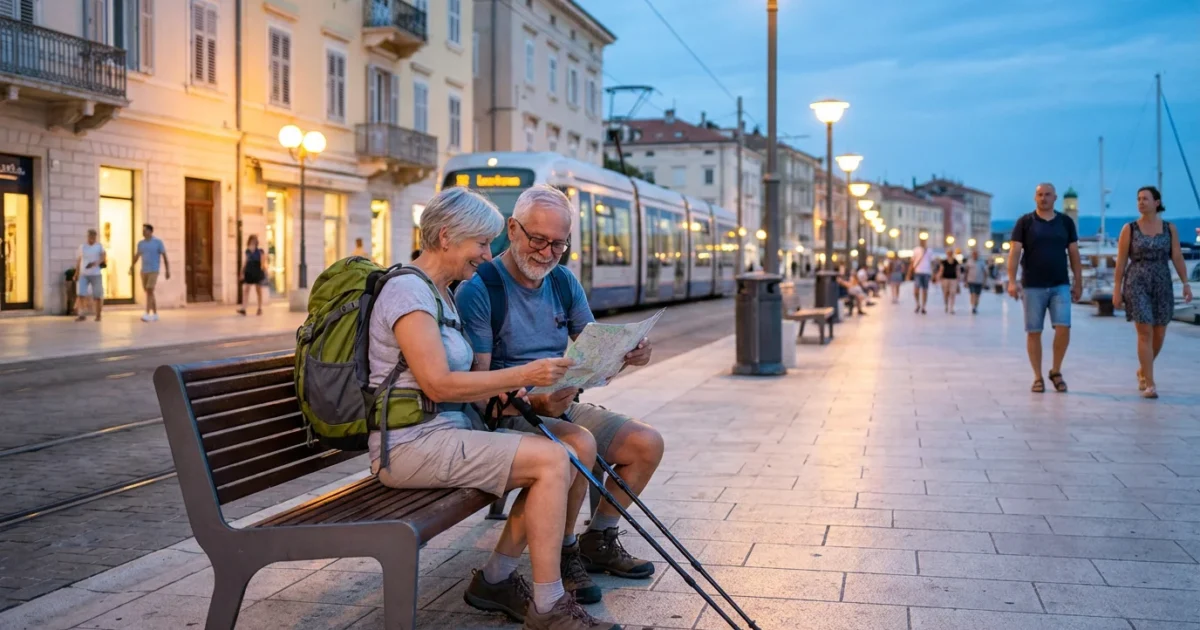
Retirement opens doors to new possibilities, and for many, that means exploring the world. Travel offers incredible enrichment, fresh perspectives, and lasting memories. You might think extensive travel requires a large budget, but smart planning allows you to embark on amazing adventures without overspending. This guide provides actionable strategies to help you unlock the joy of travel, maximize your savings, and experience life to the fullest on any budget.
For those who prefer a quicker pace or destinations closer to home, affordable weekend getaways are a great way to start exploring more frequently.
Embrace the freedom of your senior years. Whether you dream of serene beaches, vibrant cities, or stunning natural landscapes, affordable options exist. You can turn those travel aspirations into reality with a few clever approaches.

Planning Your Affordable Adventures
Successful budget travel begins with thoughtful planning. A well-researched itinerary saves you money, reduces stress, and enhances your overall experience. Consider what you truly want from your trip and how you can achieve it economically.
While searching for deals online, staying alert for financial scams targeting seniors is essential for keeping your travel savings secure.
Start by defining your travel goals. Do you seek relaxation, adventure, cultural immersion, or visiting family? Understanding your priorities helps you focus your research and allocate your budget effectively. Flexibility often leads to greater savings.
Follow these essential steps for effective planning:
- Set a Realistic Budget: Determine exactly how much you can comfortably spend. Include categories like transportation, accommodation, food, activities, and a contingency fund.
- Research Destinations Thoroughly: Look into the average costs of food, local transport, and attractions. Some cities offer incredible value, while others are consistently expensive.
- Define Your Travel Style: Do you prefer independent exploration, a structured group tour, or a relaxing cruise? Each option has different cost implications and senior travel options.
- Check Visa and Entry Requirements: Understand any fees or documents needed. This prevents last-minute expenses or delays.
- Consider Travel Companions: Traveling with friends or family can split costs on accommodation and transport, potentially saving you a significant amount.

Unlocking Senior Travel Discounts
One of the most powerful tools in your budget travel arsenal is the senior discount. Many businesses recognize the value of older travelers and offer special rates. Always ask about senior discounts, even if not explicitly advertised.
To stay connected and navigate your destination efficiently, ensure you have one of the best cell phone plans for seniors on a budget to avoid unexpected data charges.
Membership organizations provide some of the best discount programs. For instance, AARP Travel offers a vast array of discounts on hotels, car rentals, flights, cruises, and vacation packages. You can often find savings of 10-25% or more simply by being an AARP member.
Other valuable discount sources include:
- Airline Discounts: While fewer airlines offer blanket senior discounts now, check specific carriers or look for special promotions during booking.
- Hotel Chains: Most major hotel brands provide senior rates, often for guests 60 or 65 and older. Always inquire when booking or check their dedicated senior rates page online.
- Train and Bus Services: Amtrak, for example, offers a 10% discount on most fares for travelers 65 and older. Regional bus lines also frequently provide senior savings.
- Attractions and Entertainment: Museums, theaters, national parks, and theme parks widely offer discounted admission for seniors. The National Park Service sells a Lifetime Senior Pass for a one-time fee, providing access to all national parks and federal recreation lands for life.
- Cruise Lines: Many cruise operators feature special senior rates or promotions, particularly during off-peak seasons.
Remember to carry identification verifying your age, such as a driver’s license or passport, to claim these valuable discounts. These savings add up quickly, allowing you to stretch your travel budget significantly.

Smart Booking Strategies for Savings
How you book your trip can impact your expenses as much as where you go. Strategic booking techniques help you secure the best prices for flights, accommodations, and activities. Flexibility remains your greatest asset when seeking deals.
Consider the timing of your bookings. Airlines and hotels often use dynamic pricing, meaning prices fluctuate based on demand. Booking well in advance, usually 2-3 months for domestic travel and 3-6 months for international, often yields better rates.
INFOGRAPHIC: {“prompt”: “Bright, travel-themed, inviting infographic with clear information showing ‘The Savvy Senior Travel Checklist’ with icons for each item: 1. Research Senior Discounts (magnifying glass with ’65+’), 2. Book Off-Peak (calendar with ‘low season’), 3. Use Fare Alerts (bell icon), 4. Consider Package Deals (gift box), 5. Travel Insurance (shield with cross), 6. Pack Light (suitcase).”, “alt”: “Infographic: The Savvy Senior Travel Checklist featuring key steps for budget travel: research senior discounts, book off-peak, use fare alerts, consider package deals, get travel insurance, pack light.”}
Implement these smart booking strategies:
- Be Flexible with Dates: If possible, adjust your travel dates by a few days to avoid peak travel days like weekends or holidays. Mid-week travel often presents lower prices.
- Use Price Comparison Websites: Sites like Skyscanner, Google Flights, and Kayak help you compare airfares across multiple airlines. For hotels, use Booking.com or Expedia, but always cross-reference with the hotel’s direct website for senior discounts.
- Set Up Fare Alerts: Many travel websites allow you to set alerts for specific routes. You receive notifications when prices drop, ensuring you do not miss a deal.
- Consider Package Deals: Bundling flights and hotels or cruises with airfare often results in a lower overall cost than booking each component separately. Look for all-inclusive resort packages that cover meals and activities.
- Book Directly for Value-Adds: After finding a good price, check the airline or hotel’s direct website. They sometimes offer perks like free breakfast, upgraded rooms, or bonus loyalty points not available through third-party sites.
- Understand Travel Insurance: Especially for seniors, travel insurance offers vital protection against unexpected events like trip cancellations, medical emergencies, or lost luggage. Compare policies to find one that covers your specific needs and pre-existing conditions without breaking your budget.

Embracing Off-Peak and Shoulder Season Travel
Traveling during the peak season often means inflated prices, crowded attractions, and longer wait times. Shifting your travel dates to the off-peak or shoulder seasons offers significant advantages for budget-conscious seniors.
Off-peak refers to periods when tourist activity is lowest, typically due to weather or school holidays. Shoulder seasons are the periods immediately before and after the peak season. Both provide a more relaxed and affordable travel experience.
“The world is a book, and those who do not travel read only one page.” – Saint Augustine
Here are the compelling benefits of off-peak and shoulder season travel:
- Lower Prices: Airlines, hotels, and tour operators reduce their rates to attract visitors during less busy times. You can save hundreds on flights and accommodation.
- Fewer Crowds: Enjoy popular attractions without battling large groups. This creates a more authentic and intimate experience.
- Better Service: With fewer tourists, staff at hotels, restaurants, and attractions can provide more personalized attention.
- Milder Weather: Shoulder seasons often offer pleasant weather, avoiding the extreme heat or cold of peak summer or winter in many destinations.
- More Availability: You find more options for desirable hotels, tour slots, and restaurant reservations.
For example, visiting Europe in April-May or September-October provides comfortable weather and fewer crowds than the busy summer months. Similarly, Caribbean cruises often offer excellent deals outside of holiday periods and hurricane season.

Creative Accommodations for Budget Travel
Accommodation can consume a large portion of your travel budget. Exploring alternatives to traditional hotels helps you save money and often provides a more unique and local experience. You have many options beyond standard hotel rooms.
Regardless of the lodging you choose, managing arthritis pain properly is key to ensuring you can comfortably explore your destination.
Consider vacation rentals for longer stays or group trips. Sites like Airbnb, VRBO, and HomeAway offer apartments, houses, and rooms at various price points. These often include kitchens, allowing you to prepare some meals and save on dining out.
Explore these creative and budget-friendly accommodation types:
- Vacation Rentals: Ideal for families or groups, offering amenities like kitchens and multiple bedrooms, often at a lower per-night cost than multiple hotel rooms.
- Guesthouses and B&Bs: These smaller, independently owned establishments often provide a more personal touch and include breakfast, which saves on daily food costs.
- Hostels with Private Rooms: Modern hostels often feature private rooms with en-suite bathrooms, offering a budget-friendly option with social common areas, without requiring you to share dorms. Many cater to all ages.
- House Swapping or House Sitting: If you are comfortable exchanging homes with another traveler or caring for someone’s home and pets, these options provide free accommodation for extended periods.
- University Dorms: During summer breaks, some universities rent out their dorm rooms to travelers at very affordable rates, especially in college towns.
- RV Travel and Camping: For the adventurous senior, an RV allows you to bring your accommodation with you. Camping in national or state parks offers an incredibly inexpensive way to explore nature.
Always read reviews carefully and verify the location and accessibility of any accommodation choice. This ensures it meets your comfort and mobility needs.

Cost-Effective Transportation Options
Getting to and around your destination represents another significant travel expense. Choosing the right mode of transportation and booking smartly dramatically impacts your overall budget. Evaluate your options based on distance, time, and comfort.
When flying, look beyond major hub airports. Sometimes, flying into a smaller, regional airport nearby and taking ground transport to your final destination proves cheaper. Budget airlines also offer competitive fares, but be aware of extra fees for baggage, seat selection, and meals.
Consider these cost-effective transportation methods:
- Flights:
- Be flexible with travel dates and times. Mid-week, early morning, or late-night flights often cost less.
- Sign up for airline newsletters and fare alerts to catch sales.
- Consider budget airlines for short-haul flights, but factor in baggage and other fees.
- Use incognito mode when searching for flights to avoid price increases based on repeated searches.
- Train Travel:
- Amtrak offers scenic routes across the U.S. with senior discounts. It provides a relaxed way to travel without the hassle of airports.
- European rail passes can be excellent value for exploring multiple countries.
- Bus Travel:
- Intercity bus services like Greyhound or regional operators provide extremely affordable transportation between cities.
- They often offer senior discounts and are suitable for shorter distances.
- Road Trips:
- Driving allows maximum flexibility and often saves money, especially when traveling with companions to split gas costs.
- Rent an economical car and plan your route to minimize mileage and fuel consumption.
- Utilize free parking options where available.
- Local Public Transport:
- Once at your destination, embrace buses, subways, and trams. They are usually far cheaper than taxis or ride-shares.
- Many cities offer multi-day passes for tourists, and some have senior rates.
Remember to compare the total cost, including travel time and comfort, when selecting your transportation. A cheaper option that causes significant discomfort or delays might not be the best value.

Budget-Friendly Destinations for Seniors
Choosing an affordable destination is paramount for budget-friendly senior travel. Certain regions and cities consistently offer more value for your dollar without compromising on experience or safety. Both domestic and international options abound.
For domestic travel, consider the vast offerings of the United States. Our National Parks, accessible with a senior pass, provide unparalleled natural beauty and numerous free activities like hiking and wildlife viewing. Smaller cities and towns often have lower costs for dining and accommodation than major metropolitan areas.
Here are some top budget-friendly destinations:
- United States:
- National Parks: Yellowstone, Grand Canyon, Zion, and many others offer stunning landscapes, camping, and hiking. The Lifetime Senior Pass makes these incredibly affordable.
- Southeastern States: Florida (outside major tourist hubs), Georgia, and the Carolinas offer pleasant weather, charming towns, and coastal access at reasonable prices, especially in the shoulder seasons.
- Midwestern Cities: Kansas City, St. Louis, and Cleveland provide excellent museums, vibrant food scenes, and cultural attractions that are often free or low cost.
- International:
- Portugal: Offers a rich history, beautiful coastlines, delicious food, and friendly locals at a fraction of the cost of other Western European countries.
- Mexico: Beyond the major resorts, destinations like Oaxaca, Guanajuato, or Puebla provide authentic cultural experiences, stunning architecture, and very affordable living expenses.
- Southeast Asia (e.g., Vietnam, Thailand, Cambodia): Known for incredible value, you find delicious street food, inexpensive accommodations, and rich cultural experiences. Flights can be pricey, but once there, your daily expenses are minimal.
- Eastern Europe (e.g., Poland, Czech Republic, Hungary): Cities like Krakow, Prague, and Budapest boast majestic architecture, fascinating history, and vibrant arts scenes at significantly lower costs than Paris or Rome.
- Colombia: A rising star in South American travel, offering diverse landscapes, friendly people, and excellent value for money.
Always research the local currency exchange rates and the general cost of living in your chosen destination. This helps you gauge your potential expenses accurately.

Enhancing Your Trip with Free and Low-Cost Activities
A memorable trip does not require expensive excursions. Many of the richest travel experiences come from engaging with local culture and enjoying simple pleasures. Look for opportunities to immerse yourself without spending a fortune.
Walking tours, often free and tip-based, offer an excellent introduction to a city’s history and landmarks. Local markets provide a vibrant sensory experience and a chance to interact with residents. Pack a picnic to enjoy in a beautiful park, rather than always eating in restaurants.
Discover enriching activities that fit your budget:
- Explore Parks and Gardens: Many cities boast beautiful public parks, botanical gardens, and green spaces with free admission. Enjoy a leisurely stroll, people-watch, or read a book.
- Visit Free Museums and Galleries: Numerous world-class museums offer free admission or specific free days. Check local tourism websites for details.
- Attend Free Cultural Events: Look for free concerts, festivals, parades, or community gatherings. These offer genuine insight into local life.
- Take a Self-Guided Walking Tour: Use online resources or guidebooks to create your own walking route, discovering hidden gems at your own pace.
- Enjoy Beaches or Lakes: If your destination features water, spend time relaxing by the shore, swimming, or collecting shells. These are often free activities.
- Browse Local Markets: Farmers’ markets and flea markets provide an authentic glimpse into local life. You can often sample local produce or find unique souvenirs.
- Participate in Free Workshops or Lectures: Some libraries or community centers offer free events that align with your interests.
- Go Hiking or Biking: Explore natural trails or rent a bike for a day to discover the local landscape.

Managing Health and Safety on a Budget
Your health and safety remain paramount, regardless of your budget. Smart planning ensures you enjoy your trip without unnecessary risks or unexpected medical costs. Prioritize these considerations for peace of mind.
Before any trip, schedule a visit with your doctor. Discuss your travel plans, any necessary vaccinations, and how to manage your medications while away. The CDC’s Travelers’ Health website provides country-specific health recommendations.
Crucial health and safety tips for senior travelers:
- Travel Insurance: Invest in comprehensive travel insurance that covers medical emergencies, trip cancellations, and evacuation. Look for policies specifically designed for seniors, which can cover pre-existing conditions.
- Medication Management: Pack all essential medications in your carry-on bag, along with copies of prescriptions and a doctor’s note. Keep medicines in their original containers.
- Hydration and Nutrition: Stay hydrated, especially in warm climates. Carry a reusable water bottle. Eat balanced meals to maintain energy levels.
- Comfortable Footwear: Good walking shoes are essential for exploring. Avoid new shoes that might cause blisters.
- Mobility Aids: If you use a cane or walker, ensure it is travel-friendly. Research the accessibility of your chosen destination and accommodations.
- Stay Informed: Be aware of local safety conditions and advisories. Register your trip with your country’s embassy or consulate if traveling internationally.
- Travel Security: The TSA Travel Tips provide useful information for navigating airport security efficiently. Keep valuables secure and avoid displaying large amounts of cash.
- Emergency Contacts: Carry a list of emergency contacts, including family, doctors, and your travel insurance provider.
Taking these preventative measures helps you enjoy your travels fully and safely, without worrying about potential pitfalls.
Frequently Asked Questions
How can seniors save on travel?
Seniors save on travel by leveraging senior discounts from AARP, AAA, hotels, airlines, and attractions. They also benefit from booking during off-peak seasons, utilizing budget accommodation options like vacation rentals, and choosing cost-effective transportation methods like trains or buses. Planning ahead and being flexible with dates significantly reduces costs.
What are the best travel discounts for seniors?
The best travel discounts for seniors typically include AARP and AAA member benefits for hotels, car rentals, and package deals. Many hotel chains offer specific senior rates, often for ages 60 or 65 and up. Amtrak provides a 10% senior discount, and the National Park Service’s Lifetime Senior Pass offers exceptional value for accessing federal recreation sites.
Are group tours a good option for budget-conscious seniors?
Yes, group tours can be an excellent option for budget-conscious seniors. Many specialized senior tour operators, like Road Scholar, offer all-inclusive packages that cover accommodation, transportation, meals, and activities. This consolidates costs and often provides better rates than booking individually, plus it offers convenience and built-in companionship.
Can I travel solo on a budget as a senior?
Absolutely. Solo senior travel on a budget is entirely possible and rewarding. Strategies include opting for accommodations like guesthouses or hostels with private rooms, utilizing public transport, eating at local markets, and focusing on destinations with a lower cost of living. Many travel companies also offer specific solo traveler deals or waive single supplements.
What are some budget-friendly destinations for seniors?
Budget-friendly destinations for seniors include U.S. National Parks, smaller cities in the American Midwest or Southeast, and international locales like Portugal, Mexico (outside major resorts), Southeast Asia (e.g., Vietnam, Thailand), and Eastern Europe (e.g., Poland, Hungary). These places offer rich experiences without the high price tags of more popular, expensive destinations.
Disclaimer: This article is for informational purposes only. Travel conditions, prices, and policies change frequently. We encourage readers to verify current information directly with travel providers, check travel advisories, and consult with healthcare providers about any health concerns before traveling.






Leave a Reply