
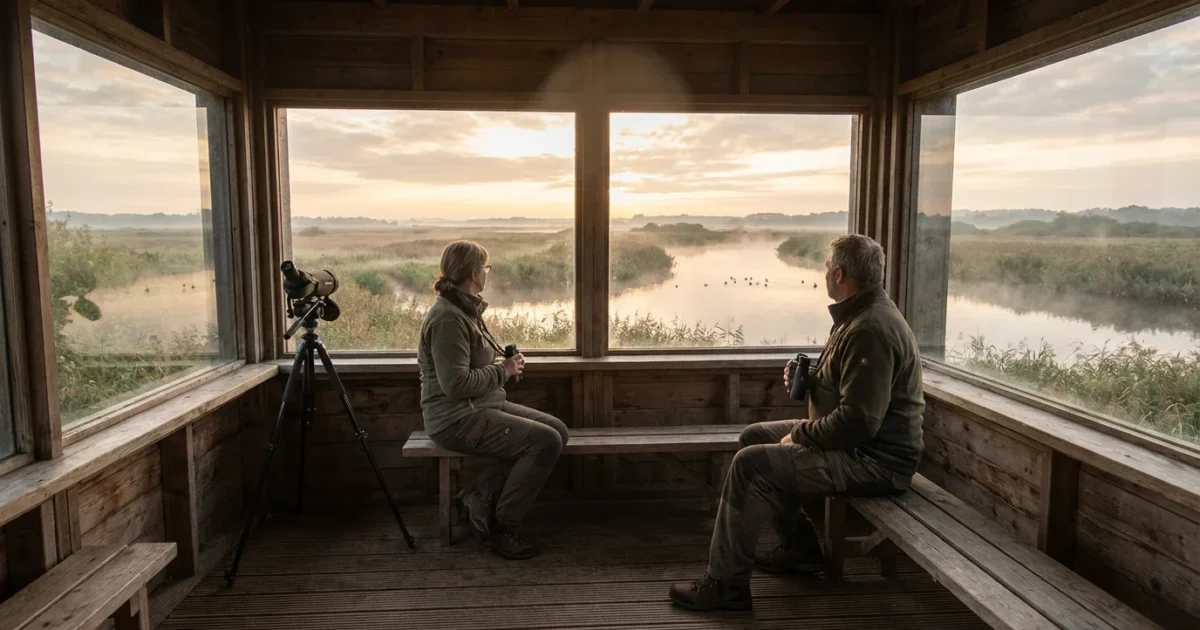
Discovering a new hobby in your senior years offers immense joy, mental stimulation, and a connection to the world around you. Birdwatching, a quiet yet profoundly rewarding pursuit, provides all these benefits and more. This accessible activity invites you to step outdoors, observe nature, and find peace in the simple act of watching our feathered friends. You do not need extensive training or expensive equipment to begin, just a curious spirit and a desire to explore.
Many seniors find birdwatching a perfect fit for their lifestyle, offering flexibility, gentle exercise, and opportunities for social interaction or quiet contemplation. Whether you have abundant free time in retirement or seek a calming escape from daily routines, learning how to start birdwatching as a senior? opens a world of wonder right in your own backyard or local park. This guide delivers practical steps and insights, ensuring you embark on your birdwatching journey with confidence and enthusiasm.
Why Birdwatching is Your Next Great Adventure
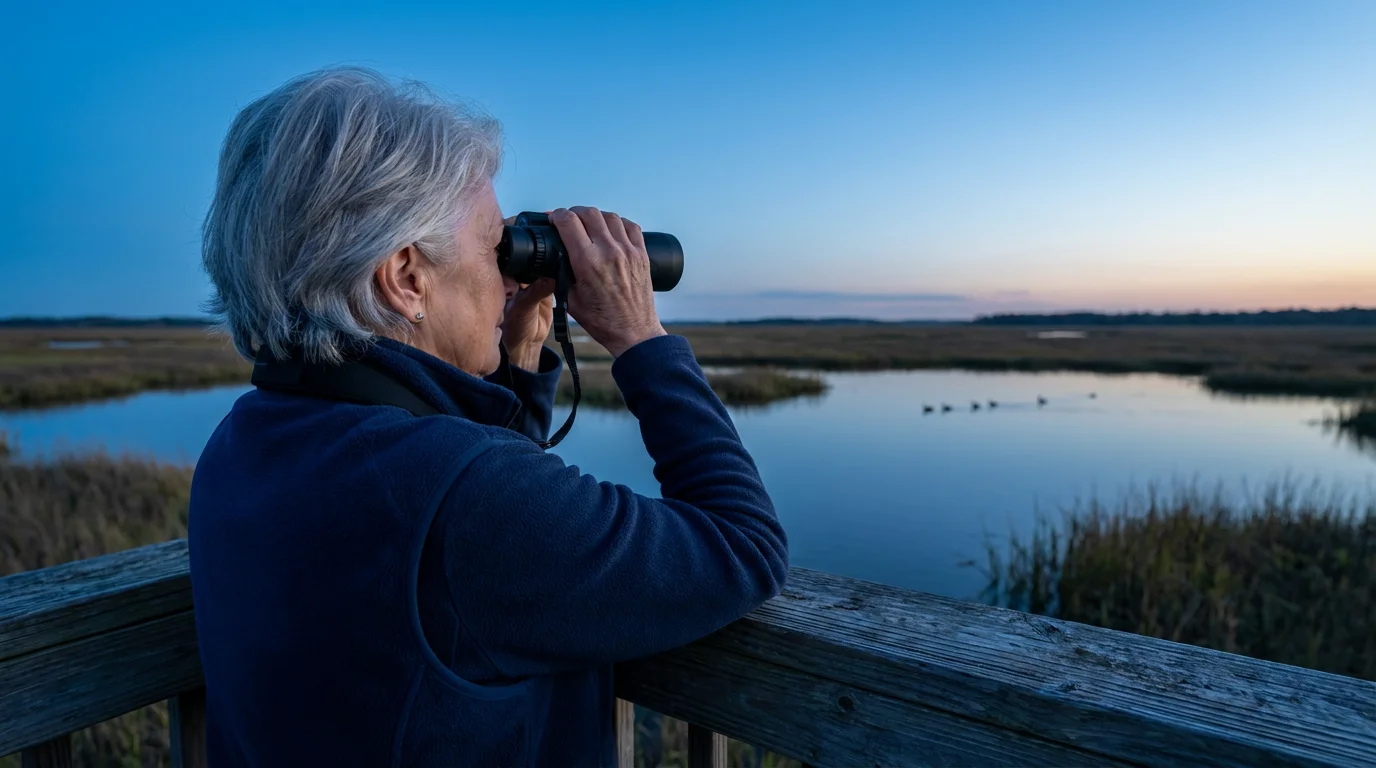
Birdwatching transcends a mere pastime; it is an enriching lifestyle choice that offers numerous benefits, especially for seniors. It encourages you to slow down, observe, and connect with the natural world. This outdoor hobby is more than just spotting birds; it is about engaging all your senses and appreciating the intricate beauty of ecosystems.
If you want to deepen your understanding of avian biology, you can find free educational resources that allow you to learn at your own pace from home.
For those days when the weather keeps you indoors, engaging in creative senior activities can provide similar mental stimulation and joy.
The advantages of embracing this senior nature activity are multifaceted. You gain physical benefits from walking and exploring various landscapes, which promotes cardiovascular health and mobility. Mental stimulation comes from identifying species, learning about their behaviors, and remembering their calls, keeping your mind sharp and engaged. Additionally, the quiet contemplation found in nature reduces stress and fosters a profound sense of well-being.
Birdwatching offers a flexible activity that suits various energy levels and interests. You can dedicate an entire day to exploring a wildlife refuge or spend a peaceful hour observing your backyard visitors. The pursuit connects you with a global community of enthusiasts, offering opportunities for social interaction through local clubs or guided tours. Ultimately, it inspires a greater appreciation for biodiversity and the environment.
Consider these compelling reasons to start your birdwatching journey:
- Promotes Physical Activity: Enjoy gentle walks in parks, along trails, or even around your neighborhood.
- Boosts Mental Acuity: Sharpen your observation skills, memory, and cognitive function as you learn about different species.
- Reduces Stress: Spending time in nature, focusing on birds, offers a calming, meditative experience.
- Fosters Social Connection: Join local birding groups, attend guided walks, and share your discoveries with others.
- Accessible for All Mobilities: Choose locations that match your mobility, from your patio to paved park paths.
- Affordable to Start: You can begin with minimal investment, making it a budget-friendly outdoor hobby.
Getting Started: Minimal Equipment You Need
Embarking on your birdwatching adventure does not require a large upfront investment. Many aspiring birders wonder, “how to start birdwatching as a senior?” The truth is, you only need a few key items to begin appreciating the avian world around you. Focus on functionality and comfort first, then upgrade as your passion grows.
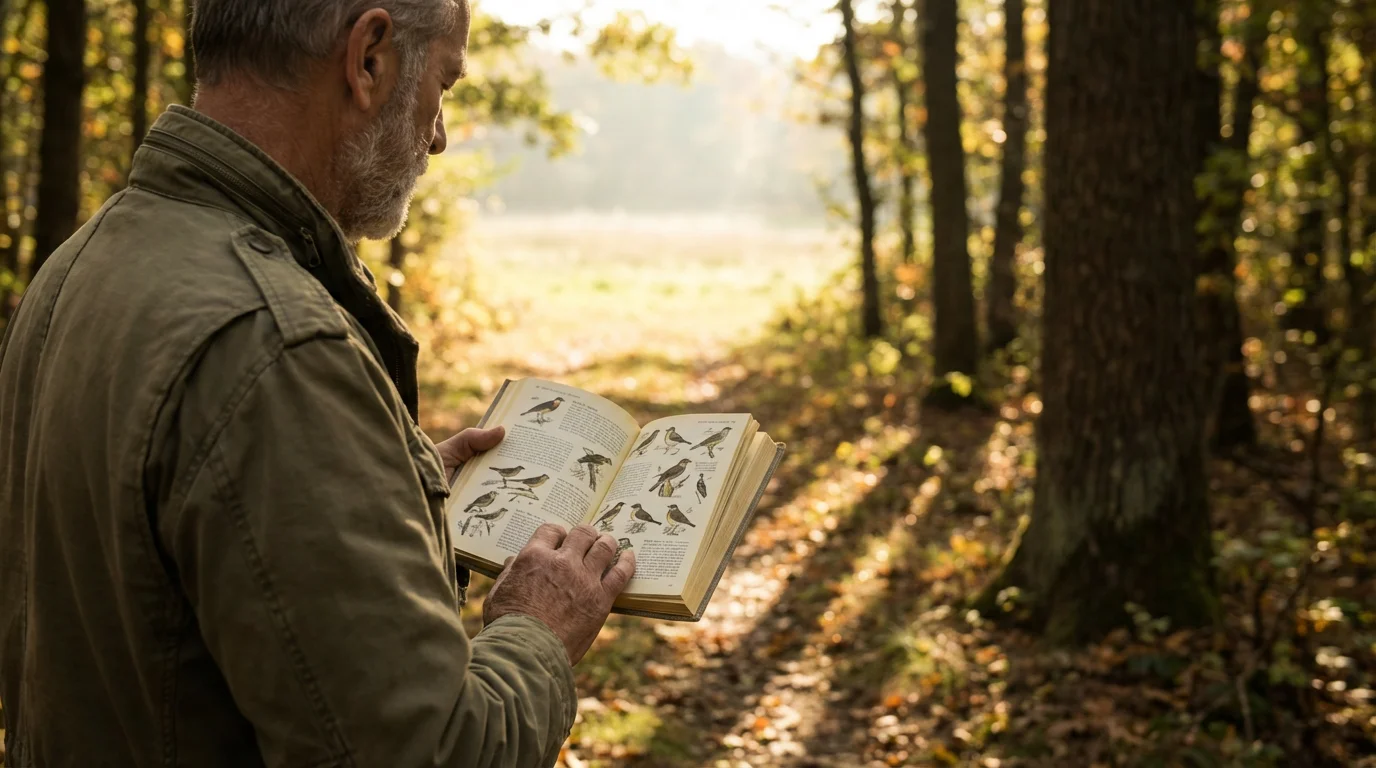
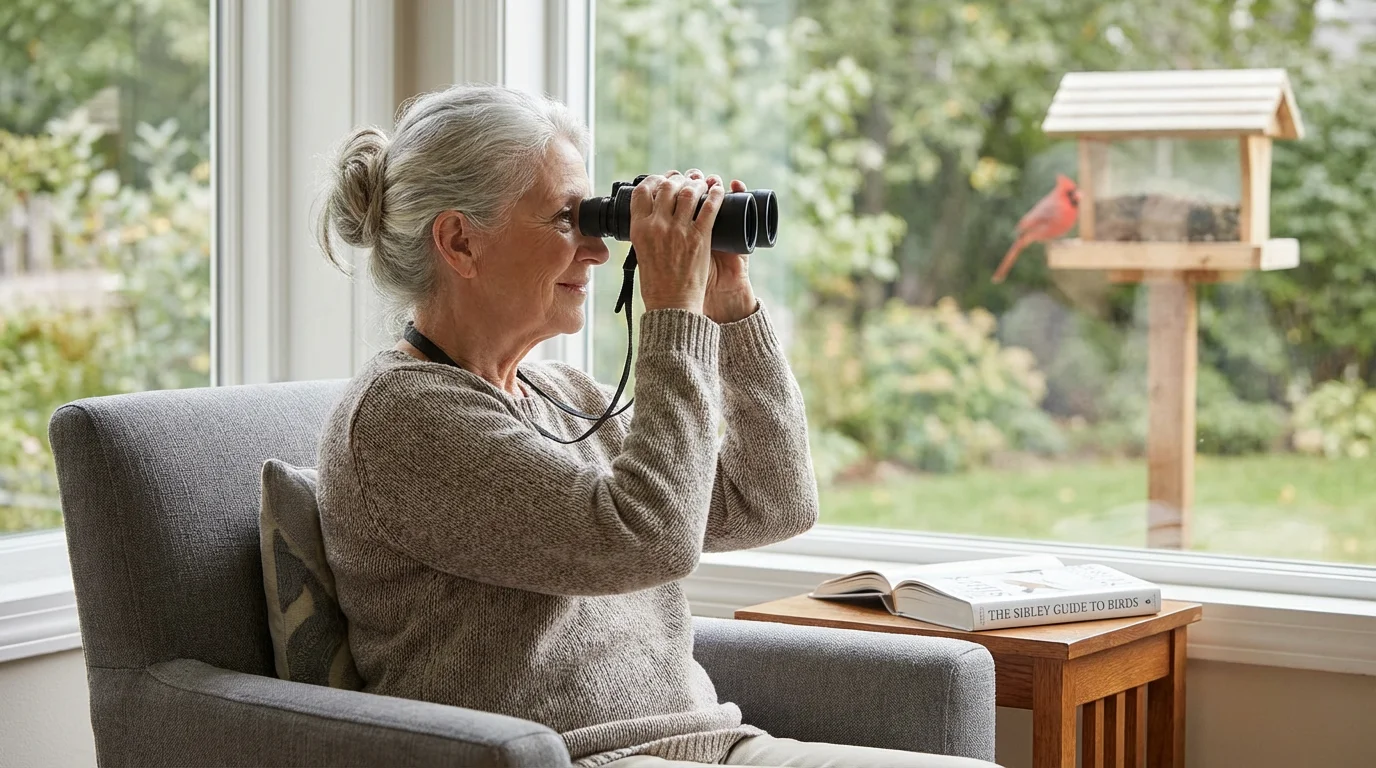
Your most important tools are your eyes and ears. Developing keen observation skills and learning to listen for distinct calls are fundamental. Beyond that, a good pair of binoculars makes a significant difference, bringing distant birds into clear view. A reliable field guide helps you identify what you see and hear, providing crucial information about species characteristics and habitats.
Do not feel overwhelmed by the vast array of specialized gear available. Start simple, allowing yourself to learn what works best for you and your local environment. Many experienced birdwatchers started with just these basics before expanding their toolkit. The goal is to get out there and observe, not to collect every piece of equipment.
Here is what you genuinely need to begin:
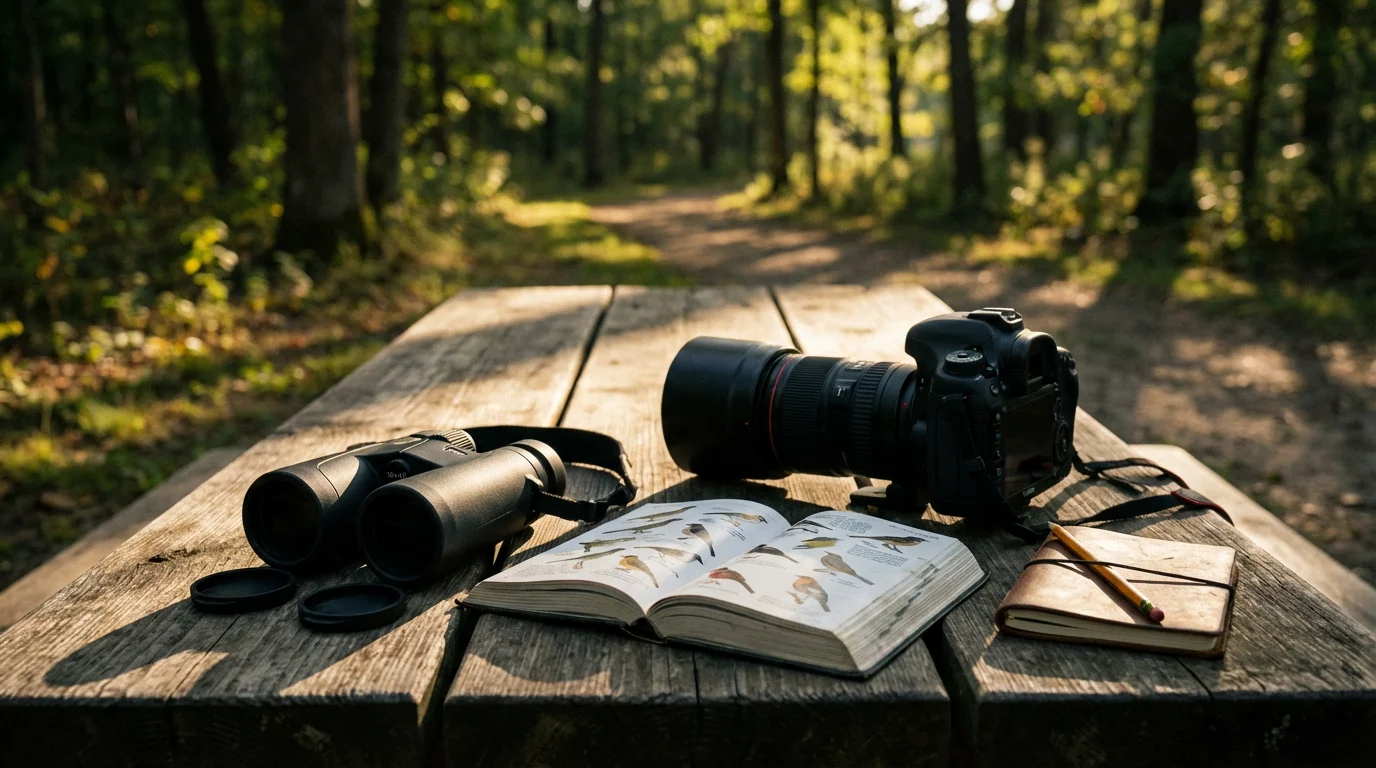
- A Pair of Binoculars: Essential for viewing birds up close. Look for models with 8×42 or 10×42 magnification, offering a good balance of power and field of view.
- A Regional Field Guide: Choose one specific to your area. It helps identify local species based on appearance, habitat, and behavior. Apps can also serve this purpose.
- Comfortable Walking Shoes: You will likely do some walking, so supportive and weather-appropriate footwear is key.
- A Notebook and Pen: For jotting down observations, sketches, and location details. This aids in identification and remembering your experiences.
These items form the foundation of your birdwatching kit. As you gain experience, you might discover preferences for different types of gear, but these basics will get you observing birds immediately.
Essential Birdwatching Gear: A Deeper Dive
Once you are comfortable with the basics, you might consider enhancing your experience with more specialized gear. Many seniors ask, “what are essential birdwatching equipment?” while developing their hobby. Investing in quality equipment can significantly improve your enjoyment and success in identifying birds, allowing you to see finer details and expand your observations.
A high-quality tablet for seniors can be an excellent addition to your kit, making it easy to run bird identification apps in the field.
Binoculars remain your primary tool. While 8×42 or 10×42 are popular choices, consider your specific needs. If you have unsteady hands, 8x magnification provides a wider, more stable image. For viewing birds at greater distances, 10x might be preferred. Always test binoculars before buying, ensuring they feel comfortable in your hands and provide clear, bright images. Optics brands like Nikon, Zeiss, or Vortex offer excellent clarity and durability across various price points.
Field guides have evolved, offering both traditional print and digital formats. Print guides are durable and do not rely on battery life, making them reliable in any outdoor setting. Digital apps, such as Merlin Bird ID by Cornell Lab of Ornithology or eBird, offer incredible convenience, often providing bird calls, range maps, and AI-powered identification. Many birders use a combination of both, appreciating the strengths of each format.
Here is a more comprehensive list of essential and recommended equipment:
- Binoculars: Invest in the best quality you can afford. Look for waterproof and fog-proof models for longevity.
- Field Guide (Print or App): A regional guide is critical. Apps like Merlin Bird ID are incredibly helpful for quick identification and learning calls.
- Spotting Scope (Optional): For serious birders observing waterfowl or shorebirds at extreme distances, a spotting scope on a tripod offers superior magnification.
- Camera (Optional): A camera with a telephoto lens allows you to capture memories and review details later for identification.
- Comfortable Backpack or Bag: To carry your gear, water, snacks, and any personal items.
- Portable Chair or Cushion: Especially useful if you plan to sit for extended periods in one spot.
- Sun Protection: A wide-brimmed hat, sunglasses, and reef-safe sunscreen are crucial for long hours outdoors.
- Weather-Appropriate Clothing: Layering is key, allowing you to adapt to changing temperatures and conditions.
- Water Bottle and Snacks: Stay hydrated and energized, particularly during longer excursions.
Remember, the best equipment is what you will actually use. Prioritize comfort and functionality to make your birdwatching experiences enjoyable and successful.
Where to Go Birdwatching: Finding Your Local Hotspots
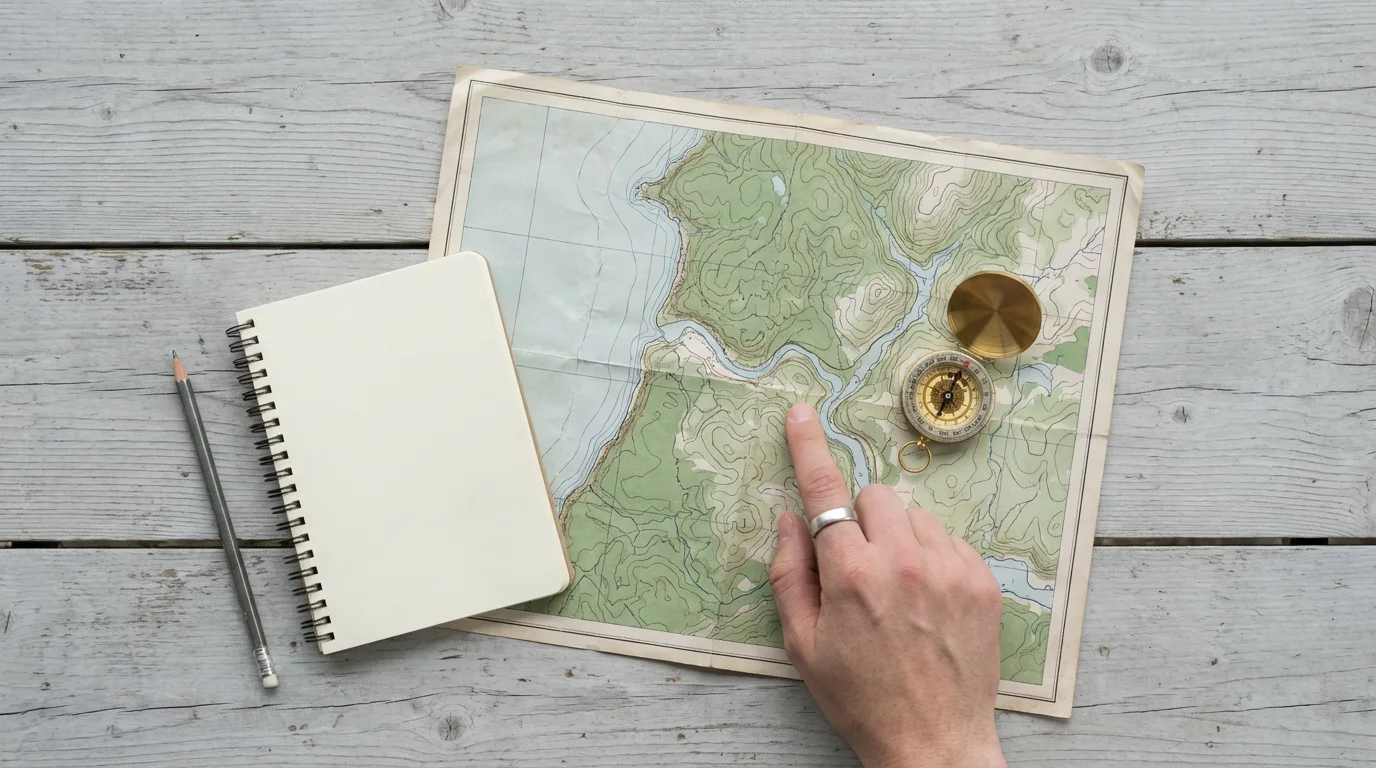
One of the most exciting aspects of birdwatching is the discovery of new places, both near and far. You might be surprised to find excellent birding opportunities right in your own community. Identifying good locations is a key step in how to start birdwatching as a senior?, ensuring you maximize your chances of seeing diverse species and enjoying the peaceful outdoor hobby.
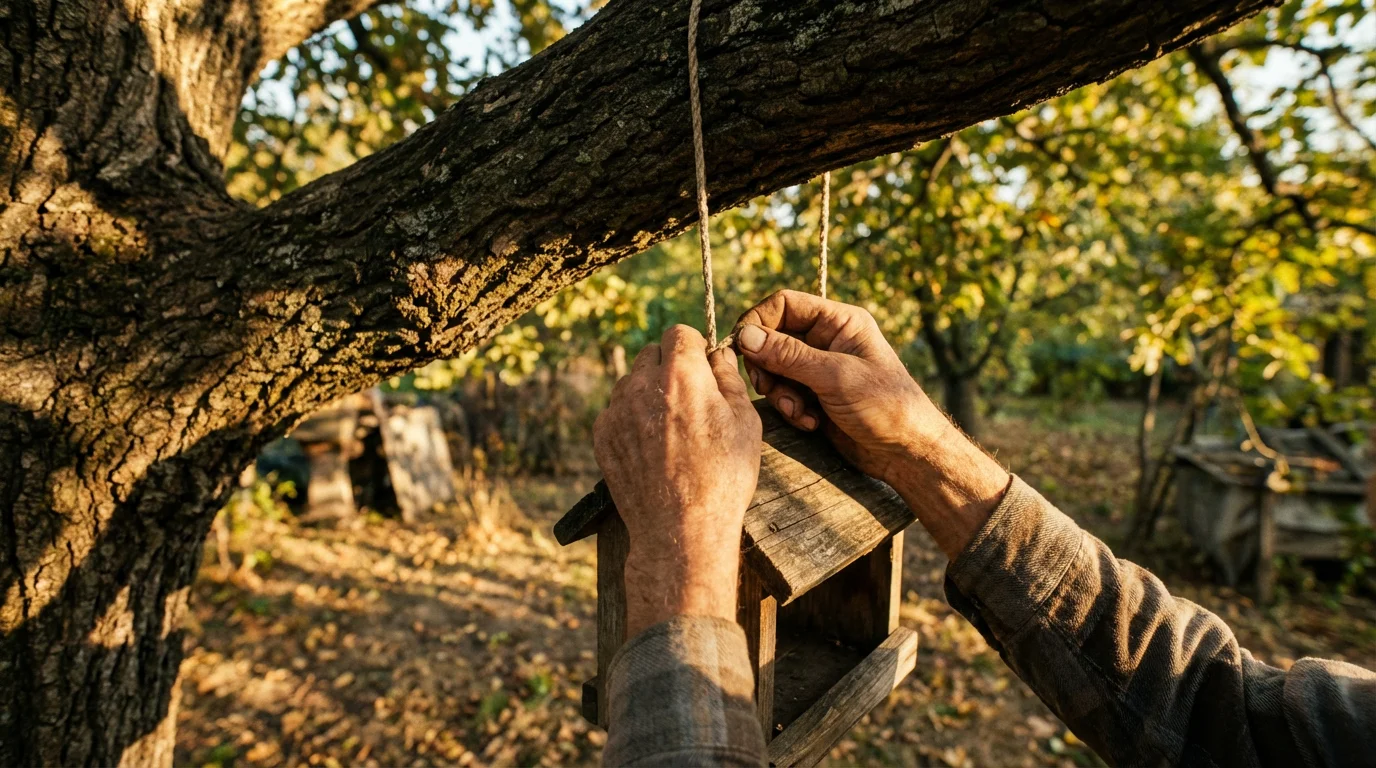
Your backyard can be a fantastic starting point. By adding a bird feeder, a bird bath, or planting native shrubs that provide food and shelter, you can attract a variety of birds directly to your window. Observing these visitors offers convenient, year-round enjoyment. For those looking to venture further, local parks and nature preserves are usually teeming with avian life.
Expand your search to include larger natural areas, such as state parks, national wildlife refuges, and even beaches or wetlands. These diverse ecosystems attract different bird species throughout the year, especially during migration seasons. Consulting local Audubon Society chapters or nature centers often provides invaluable information on prime birding locations and recent sightings.
Consider these types of locations for your next birdwatching outing:
- Your Own Backyard: Attract birds with feeders, baths, and native plants. This is the easiest and most accessible option.
- Local Parks and Green Spaces: Even urban parks can host a surprising number of bird species, especially during migration.
- Nature Preserves and Wildlife Sanctuaries: These protected areas are specifically managed to support wildlife, offering excellent birding opportunities.
- State and National Parks: Larger parks often feature diverse habitats and well-maintained trails. You can find detailed information on the National Park Service website.
- Wetlands, Lakes, and Coastlines: These areas are crucial for waterfowl, shorebirds, and migratory species.
- Cemeteries and Botanical Gardens: Often surprisingly good birding spots, offering mature trees and quiet environments.
Before you go, check accessibility features for trails and viewing platforms, ensuring they meet your mobility needs. Many parks now offer paved paths and benches, making them welcoming for all seniors.
Mastering the Basics: How to Spot and Identify Birds
The true heart of birdwatching lies in the art of observation and identification. It requires patience, a keen eye, and an understanding of what to look for. For those wondering how to start birdwatching as a senior?, developing these skills makes the outdoor hobby infinitely more rewarding. You will begin to see the world in a new, more detailed light.
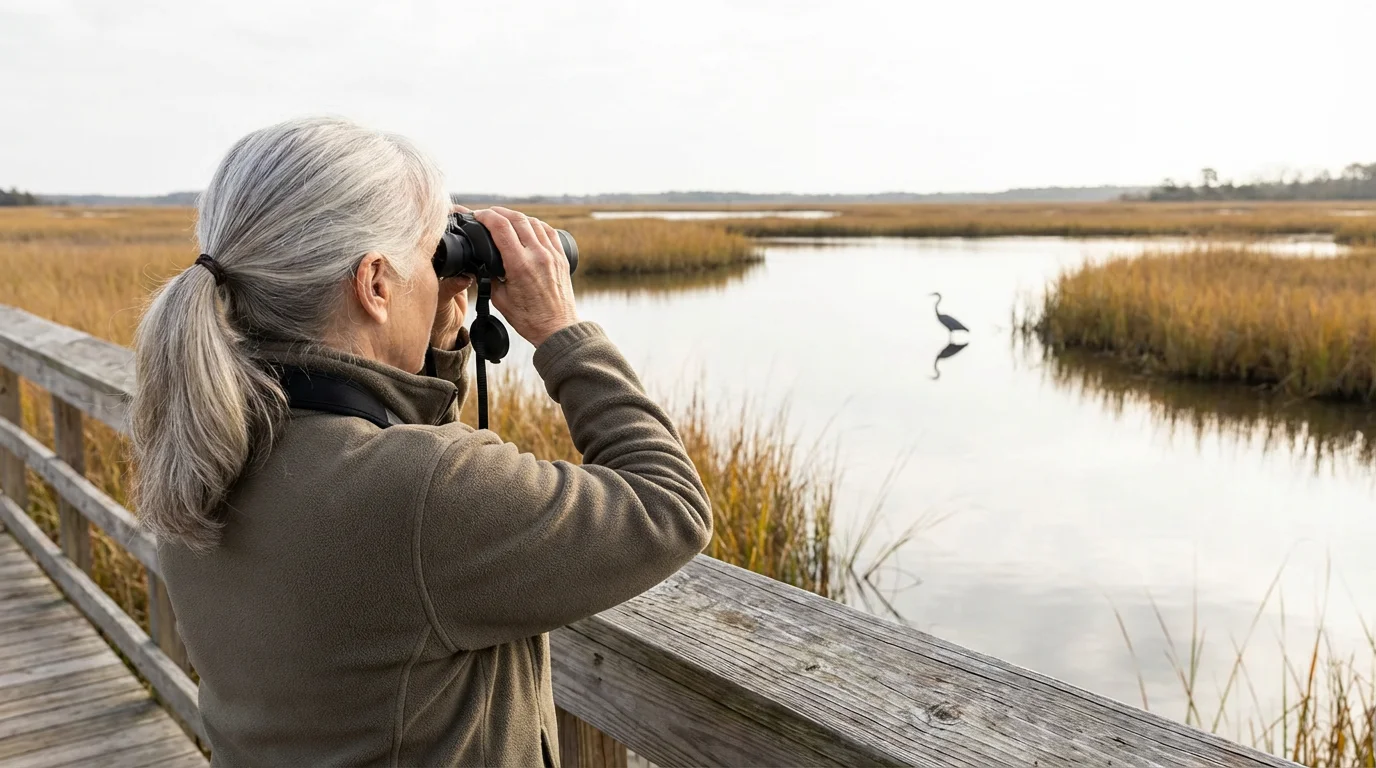
When you are out, prioritize quiet stillness. Birds are often more visible when you remain still and blend into the environment. Use your ears first; many birds are heard before they are seen. Learn to recognize common bird calls and songs in your area. Once you hear something, slowly scan the trees, bushes, and ground with your naked eye to locate the general area of the sound, then raise your binoculars.
Identifying a bird involves more than just seeing its color. Train yourself to observe a combination of features. Your field guide will typically categorize birds by these characteristics. Start by focusing on the most obvious features, then delve into the finer details as you gain confidence. Do not be discouraged if you cannot identify every bird immediately; it is part of the learning process.
Key identification points to focus on:
- Size and Shape: Is it sparrow-sized, robin-sized, or crow-sized? What is its overall body shape, tail length, and beak shape?
- Color Patterns: Note the primary colors and any distinctive markings, stripes, or patches on the head, wings, or breast.
- Behavior: Is it hopping on the ground, clinging to a tree trunk, soaring, or diving? How does it move and feed?
- Habitat: Is it in a forest, field, marsh, or your backyard? Knowing typical habitats helps narrow down possibilities.
- Voice/Song: Listen carefully to calls and songs. Many field guides and apps include audio clips.
- Flight Pattern: Does it fly in a straight line, undulate, or soar in circles?
Practice makes perfect. The more time you spend observing, the better you will become at quickly recognizing and identifying species. Keep a journal of your sightings to track your progress and remember unique encounters.
Ethical Birdwatching: Respecting Nature and Wildlife
As you delve deeper into this rewarding outdoor hobby, understanding and practicing ethical birdwatching becomes paramount. Your actions in the field directly impact the birds and their habitats. Responsible behavior ensures that you, and future generations, can continue to enjoy and protect these magnificent creatures. This commitment to respect is a core tenet of the senior nature experience.
The primary rule is always to prioritize the well-being of the birds. This means maintaining a respectful distance, minimizing disturbance, and leaving the environment exactly as you found it. Avoid startling birds or making sudden movements that might cause them stress or disrupt their feeding, nesting, or resting behaviors. Remember, you are a visitor in their home.
Furthermore, never attempt to “lure” birds closer using artificial means, such as playback devices of bird calls, especially during nesting season. While tempting for a better view or photo, this can stress birds, disrupt their mating rituals, and even expose them to predators. Your goal is to observe birds in their natural state, not to interfere with it.
Follow these ethical guidelines to be a responsible birdwatcher:
- Maintain a Respectful Distance: Use your binoculars to observe. If a bird changes its behavior because of your presence, you are too close.
- Avoid Disturbing Birds: Be quiet and move slowly. Never approach nests, fledglings, or feeding birds closely.
- Stay on Designated Paths: Protect sensitive habitats by not trampling vegetation or disturbing ground-nesting birds.
- Do Not Use Playback Devices: Playing bird calls can disrupt natural behaviors and stress birds.
- Leave No Trace: Pack out everything you pack in. Do not leave any trash, food scraps, or other items behind.
- Never Harass Wildlife: This includes chasing, touching, or intentionally startling birds.
- Respect Private Property: Always obtain permission before birdwatching on private land.
- Educate Yourself: Learn about the specific conservation concerns and sensitive species in the areas you visit.
By adhering to these principles, you contribute to the conservation of bird populations and ensure a positive experience for both yourself and the wildlife you cherish.

Enhancing Your Experience: Beyond the Binoculars
Birdwatching offers many avenues for deeper engagement once you master the basics. Beyond simply identifying birds, you can enrich your outdoor hobby through various activities that connect you with nature, science, and a community of like-minded individuals. This expands how to start birdwatching as a senior? into a lifelong passion.
Many birders find joy in photographing their sightings. With advancements in digital cameras, capturing stunning images of birds is more accessible than ever. Bird photography sharpens your observation skills and provides lasting memories. You do not need professional gear to start; even a smartphone with a good zoom can capture recognizable images for your journal.
Citizen science projects offer a unique way to contribute to real scientific research. Organizations like Cornell Lab of Ornithology’s eBird and Project FeederWatch rely on amateur observations to track bird populations, migration patterns, and habitat health. Your data, even from your backyard, helps scientists understand and protect birds globally. This participation adds a meaningful purpose to your senior nature explorations.
Consider these ways to deepen your birdwatching journey:
- Bird Photography: Document your sightings, improve your observational skills, and share your unique perspectives.
- Join a Local Birding Club: Connect with experienced birders, learn about local hotspots, and participate in group outings.
- Participate in Citizen Science: Submit your sightings to platforms like eBird or join projects like Project FeederWatch. Your contributions help conservation efforts.
- Learn Bird Songs and Calls: Expand your identification skills by recognizing birds by sound alone. Many apps offer audio libraries.
- Keep a Birding Journal: Document your sightings, observations, and reflections. This creates a personal record of your adventures.
- Volunteer: Contribute to local conservation efforts, such as habitat restoration or bird banding projects.
- Attend Bird Festivals: Many regions host annual bird festivals, offering guided walks, workshops, and opportunities to connect with the birding community.
Each of these activities adds a new dimension to your birdwatching, transforming it from a simple observation into a rich, interactive, and impactful experience.
Birdwatching for Travel: Exploring New Habitats
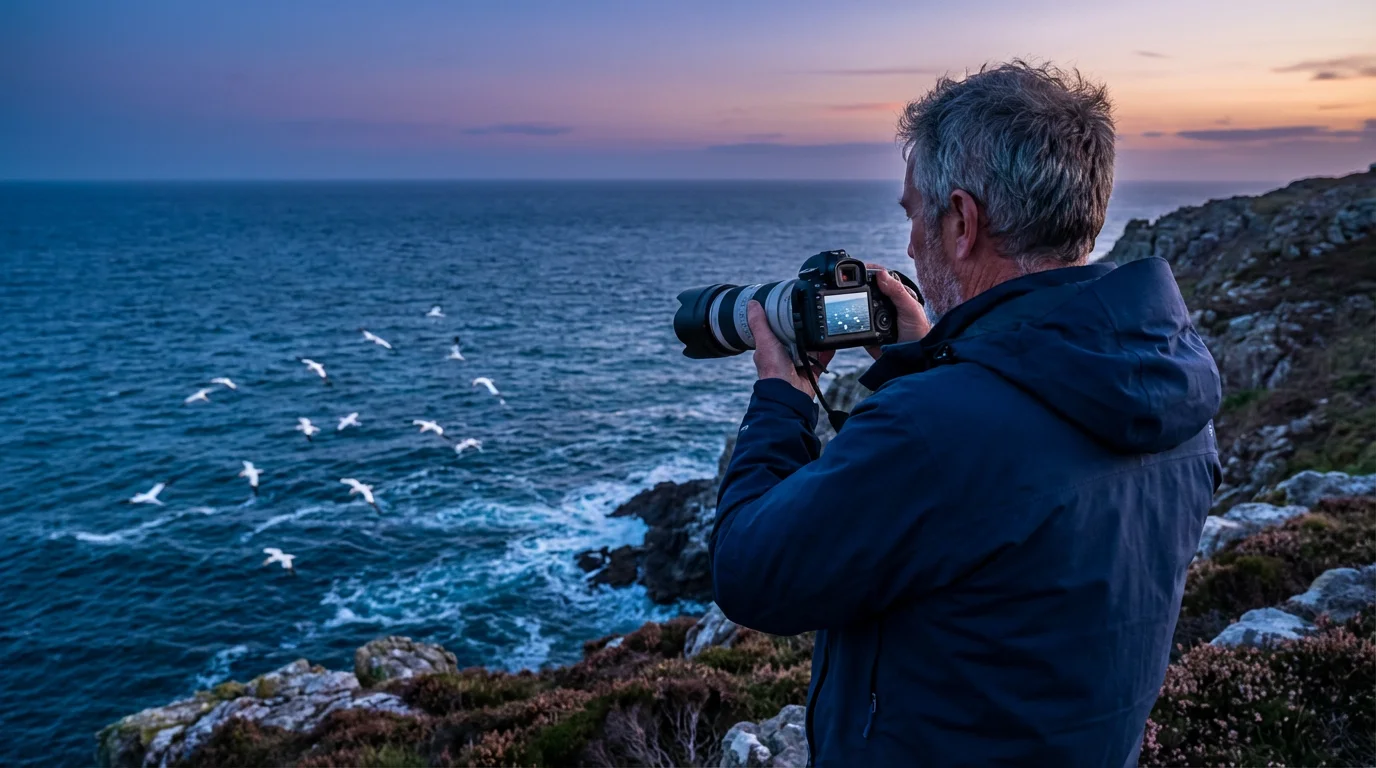
Birdwatching is not confined to your local area; it is a fantastic reason to travel and explore new destinations. For seniors who love to travel, integrating birding into your trips offers a unique lens through which to experience different cultures and ecosystems. It transforms a regular vacation into an exciting avian adventure, perfectly aligning with the spirit of an adventurous outdoor hobby.
If your passion for birding takes you across the ocean, a comprehensive senior travel planning guide can help you navigate international logistics with ease.
Planning birdwatching-focused travel involves researching destinations known for their diverse birdlife. Popular international hotspots include Costa Rica, Ecuador, and various regions in Africa, while domestically, places like the Rio Grande Valley in Texas, the Everglades in Florida, and the Pacific Northwest offer incredible opportunities. Consider seasonal migration patterns to visit when specific species are present.
When packing for birding travel, remember to include your essential gear: binoculars, a regional field guide or app, and comfortable hiking shoes. Light, neutral-colored clothing is often advisable to blend into the environment. Many travel companies specialize in birdwatching tours, providing expert guides and handling logistics, which can be an excellent option for seniors seeking organized travel.
Tips for planning your birding travel:
- Research Birding Hotspots: Look for destinations renowned for their avian diversity or specific target species.
- Consider Group Tours: Companies like Road Scholar offer educational tours that often include nature and wildlife components, perfect for a structured experience.
- Check Seasonal Migration: Plan your trip during peak migration times for the most spectacular sightings.
- Pack Appropriately: Always include your essential birdwatching equipment, comfortable footwear, and layered clothing.
- Utilize Senior Travel Discounts: Many airlines, hotels, and tour operators offer discounts for seniors. Check resources like AARP Travel for potential savings.
- Prioritize Comfort and Safety: Choose accommodations and transportation that suit your mobility and health needs.
- Engage Local Guides: Local birding guides possess invaluable knowledge of the area and can greatly enhance your experience.
Whether you choose a leisurely road trip to a national park or an international expedition, birdwatching adds a layer of depth and excitement to your travel plans, opening your eyes to the stunning biodiversity of the world.
Common Challenges and Solutions for Senior Birdwatchers
While birdwatching is a highly accessible and rewarding outdoor hobby, seniors may encounter specific challenges related to health, mobility, or equipment. Addressing these concerns proactively ensures your birdwatching experiences remain enjoyable and comfortable. Remember, adapting your approach allows you to continue pursuing your senior nature passion without limitations.
Mobility concerns are common, but they do not need to prevent you from birdwatching. Many parks and nature preserves feature accessible trails, boardwalks, and paved paths suitable for wheelchairs, walkers, or those who prefer easier terrain. Researching locations beforehand, perhaps using online maps or calling park offices, helps identify suitable spots. Carrying a lightweight, portable chair can provide much-needed rest during longer observation periods.
Eyesight and hearing changes can impact bird identification. For binoculars, consider models with larger objective lenses (e.g., 8×42 or 10×50) as they gather more light, providing a brighter image. Digital field guides with adjustable font sizes and audio playback of bird calls can be incredibly helpful. Furthermore, joining a birding group can compensate for individual sensory changes; one person might spot, another might hear, and together you identify.
Here are practical solutions to common challenges:
- Mobility:
- Choose parks with paved trails, accessible boardwalks, and benches.
- Utilize walking sticks or hiking poles for stability on uneven terrain.
- Carry a lightweight, portable stool or chair for resting.
- Consider birdwatching from your car in designated drive-through wildlife areas.
- Eyesight:
- Invest in high-quality binoculars with good light transmission (e.g., 8×42 or 10×50).
- Use digital field guides or apps with zoomable images and adjustable text size.
- Regularly clean your binocular lenses for optimal clarity.
- Hearing:
- Focus on visual cues for identification, relying on shape, size, and behavior.
- Utilize birding apps that offer audio playback of bird calls for familiarization.
- Birdwatch with a companion or group to benefit from shared auditory observations.
- Energy Levels:
- Plan shorter, more frequent outings instead of long, arduous trips.
- Go during cooler parts of the day, such as early morning or late afternoon.
- Always carry water and snacks to maintain energy and hydration.
- Budget:
- Start with basic, affordable gear and upgrade gradually.
- Utilize free resources like local parks, libraries for field guides, and online communities.
- Look for used equipment from reputable retailers or birding forums.
Your enthusiasm for birdwatching is the most important asset. By addressing potential hurdles with practical solutions, you ensure this peaceful outdoor hobby remains a source of immense enjoyment and exploration for years to come.
Frequently Asked Questions
Is birdwatching an expensive hobby to start?
No, birdwatching does not have to be expensive. You can begin with just a decent pair of binoculars and a free bird identification app on your smartphone. Many excellent birding spots, such as local parks and even your own backyard, are free to access. As your interest grows, you can invest in more specialized gear, but it is entirely optional.
Do I need to be an expert to identify birds?
Absolutely not. Everyone starts as a beginner. Learning bird identification is a gradual process that improves with practice. Start by recognizing common birds in your area, then slowly expand your knowledge. Field guides and apps like Merlin Bird ID are designed to help beginners, making the learning curve enjoyable and manageable.
What is the best time of day or year for birdwatching?
Early morning, shortly after sunrise, is often the best time for birdwatching. Birds are most active then, feeding and singing, making them easier to spot and hear. Late afternoon, before sunset, is also productive. Spring and fall migrations generally offer the most diverse and exciting birding opportunities as species travel between breeding and wintering grounds.
Is birdwatching safe for seniors, especially if I go alone?
Birdwatching can be very safe for seniors. Choose well-trafficked, familiar locations, especially when you are alone. Inform someone of your plans, including where you are going and when you expect to return. Carry a fully charged phone, water, and any necessary medications. Joining a local birding group or going with a companion also enhances safety and enjoyment.
How can I attract more birds to my backyard?
To attract birds to your backyard, provide food, water, and shelter. Install bird feeders with a variety of seeds, offer a clean bird bath, and plant native trees, shrubs, and flowers that provide natural food sources and nesting sites. Avoid using pesticides, which can harm birds and their food sources. A diverse, naturalized backyard becomes a welcoming haven for many species.
Disclaimer: This article is for informational purposes only. Travel conditions, prices, and policies change frequently. We encourage readers to verify current information directly with travel providers, check travel advisories, and consult with healthcare providers about any health concerns before traveling.







Leave a Reply