

Your cell phone connects you to family, friends, and emergency services. It helps you stay informed and entertained. Yet, monthly cell phone bills can become a significant expense, particularly on a fixed income. Many seniors overpay for services they do not fully utilize. This article provides practical, actionable insights to help you find the best cell phone plans tailored to your budget and needs, ensuring you stretch your dollars further without sacrificing connectivity.
Beyond mobile phones, many find that choosing the right tablet can further enhance their digital connectivity and ease of use.
You have many options to consider when looking for affordable cell phone plans. Understanding your usage patterns and exploring specific senior discounts or government assistance programs are crucial steps. This guide empowers you with the knowledge to make smart choices and potentially save hundreds of dollars each year on your mobile service.

Understanding Your Mobile Needs
Before you begin comparing plans, take an honest look at your current cell phone usage. Your ideal plan matches how you actually use your phone, preventing you from paying for unnecessary services. Most providers offer tools to check your past data, talk, and text usage.
Once you have the right data plan, you can also use your device to explore free online courses and broaden your horizons from anywhere.
Understanding your data usage is also vital if you plan on accessing healthcare remotely through telehealth apps and video calls.
Consider these key questions to define your needs:
- How much data do you use? Data allows you to browse the internet, check email, use social media, and stream videos when not connected to Wi-Fi. Many seniors use less than 5 GB of data per month, primarily relying on Wi-Fi at home.
- How often do you make calls? Unlimited talk plans are common, but if you rarely make calls, a plan with limited minutes might save you money.
- How many text messages do you send? Most plans include unlimited texting. If you only send a few texts, this feature may not be a primary concern.
Reviewing your last few monthly bills provides the most accurate picture. For instance, if your bill consistently shows you use 2 GB of data, avoid paying for a 20 GB or unlimited data plan. Many seniors find a 3-5 GB plan perfectly suits their needs, saving them $20 to $40 monthly compared to unlimited options.

Key Factors When Choosing a Senior Cell Phone Plan
Selecting the right cell phone plan involves more than just looking at the price tag. Evaluate several critical factors to ensure the plan truly serves your best interests. You want a plan that offers reliability, convenience, and value.
While comparing service costs, remember that you may also qualify for homeowners insurance discounts that help keep your overall housing budget in check.
A reliable phone connection is also the backbone of modern home security systems that keep you safe.
- Coverage and Network Reliability: A low price means little if you cannot make calls or access data where you live or travel. Major carriers like Verizon, AT&T, and T-Mobile offer extensive networks. Many budget providers, known as Mobile Virtual Network Operators (MVNOs), use these same networks. Always check coverage maps for your specific area before committing.
- Monthly Cost and Hidden Fees: Look beyond the advertised price. Ask about activation fees, taxes, regulatory fees, and potential overage charges. Some plans offer a flat rate, making budgeting easier. A plan advertised at $20 might end up costing $28 with all the additional fees.
- Customer Service: Easy access to helpful customer support is invaluable, especially if you encounter technical issues. Some budget carriers offer online-only support, which may not suit everyone. Look for providers with strong customer service ratings and multiple support channels.
- Senior-Specific Features: Some plans and devices cater specifically to seniors. These might include larger buttons, amplified sound, simplified interfaces, or dedicated emergency buttons. Consider these features if they enhance your user experience or safety.
- Data Rollover or Flexible Data Options: If your data usage varies, a plan that allows unused data to roll over to the next month or offers flexible top-ups can prevent you from paying for data you do not use or running out unexpectedly.

Major Carriers with Senior-Specific Plans
The three largest wireless carriers often provide discounted plans for older adults. These plans usually offer unlimited talk, text, and data, but may have age or residency restrictions. You typically need to verify your age, often 55 or 60 and older, to qualify for these discounts.
Managing your monthly wireless bill is just one part of effectively budgeting for healthcare costs and overall living expenses in retirement.
- T-Mobile: T-Mobile consistently offers some of the most competitive senior discounts. Their “Unlimited 55+” plans provide unlimited talk, text, and data at reduced rates. For example, a single line might cost around $40-$50 per month, while two lines could be $70-$90 total. These prices include taxes and fees, a significant advantage for budgeting.
- Verizon: Verizon’s 55+ Unlimited Plan is another strong option, though availability can be limited to specific states like Florida. This plan also provides unlimited talk, text, and data for a set monthly fee, often around $60-$70 for one line. Check your local Verizon store or website for eligibility in your area.
- AT&T: AT&T offers a “Senior Nation Plan” for those 65 and older. This plan focuses more on talk and text with limited data, often costing around $30 per month. It is ideal for individuals who primarily use their phone for calls and texts and rely on Wi-Fi for internet access. AT&T also provides AARP member discounts on specific plans and accessories, offering a 10% discount on qualified monthly service charges. Visit AARP Money to learn more about member benefits.
While these plans from major carriers often provide excellent network coverage, they can still be more expensive than alternatives. Compare them carefully with MVNOs to ensure you get the best value for your specific usage.
Mobile Virtual Network Operators (MVNOs): The Budget-Friendly Alternative
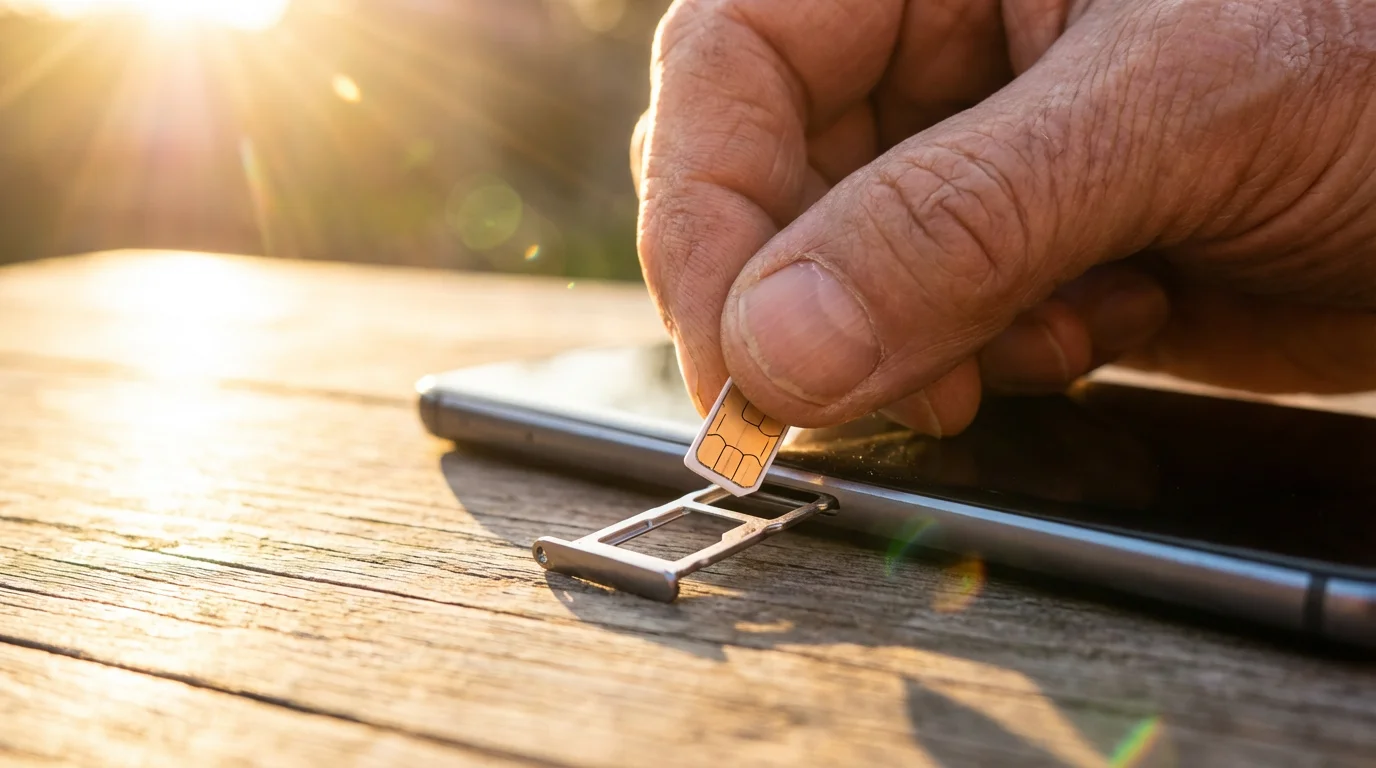
Mobile Virtual Network Operators, or MVNOs, are a fantastic way for seniors to save money on cell phone plans. MVNOs do not own their own cellular towers. Instead, they lease network access from major carriers like Verizon, AT&T, and T-Mobile, then resell the service at lower prices. This means you get the same reliable network coverage, but often at a fraction of the cost.
While searching for these deals, remember to stay vigilant against financial scams targeting seniors that often arrive via text or phone calls.
Many MVNOs offer flexible, no-contract plans, making it easy to switch if your needs change. They often target specific demographics, including seniors, with tailored plans and customer service.
- Consumer Cellular: This MVNO specifically targets seniors and is highly rated for customer service. They offer flexible plans starting around $20 per month for unlimited talk and text, with data options ranging from 1 GB to unlimited. Consumer Cellular uses AT&T and T-Mobile networks, providing broad coverage. They also offer AARP member discounts, giving you an additional 5% off monthly service charges.
- Mint Mobile: Mint Mobile operates on the T-Mobile network and offers significant savings if you pay for service in bulk (3, 6, or 12 months in advance). Their plans start as low as $15 per month for 5 GB of data, unlimited talk, and text when you purchase a 12-month plan. This is an excellent option if you are comfortable paying upfront and want to maximize your savings.
- Lively (formerly GreatCall): Lively focuses on senior safety and ease of use. Their phones often feature large buttons, a simplified menu, and a dedicated urgent response button. Plans bundle unlimited talk and text with various data options, often including health and safety services like nurse access and urgent care. Plans usually range from $20 to $50 per month, depending on the services included.
- Visible: Visible, owned by Verizon, offers simple, unlimited plans on the Verizon network. Their plans typically start around $25-$30 per month for unlimited talk, text, and data, including taxes and fees. This is a great choice if you need unlimited data and value the Verizon network’s reliability without the higher price tag of direct Verizon plans.
- Tello Mobile: Tello uses the T-Mobile network and offers highly customizable plans. You can mix and match talk, text, and data allowances to create a plan that perfectly fits your usage. For example, you might get unlimited talk and text with 2 GB of data for around $14 per month. This flexibility ensures you only pay for what you need.
“It’s not about how much money you make, but how much you keep.”

Senior Cell Phone Plan Comparison Table
This table provides a snapshot of popular plans suitable for seniors on a budget. Prices are approximate and can vary based on promotions, location, and specific data allowances. Always verify current offers directly with the provider.
| Provider | Typical Monthly Cost (Approx.) | Network Used | Key Features/Notes | Ideal For |
|---|---|---|---|---|
| T-Mobile (Unlimited 55+) | $40-$50 (1 line) | T-Mobile | Unlimited talk, text, data. Taxes & fees included. Age 55+. | Seniors needing unlimited data & nationwide coverage. |
| AT&T (Senior Nation) | $30 (1 line) | AT&T | Limited talk/text, basic data. Age 65+. AARP discounts available. | Seniors primarily using phone for calls/texts. |
| Verizon (55+ Unlimited) | $60-$70 (1 line) | Verizon | Unlimited talk, text, data. Limited availability by state. Age 55+. | Seniors needing strong Verizon network & unlimited data. |
| Consumer Cellular | $20-$50 (variable) | AT&T, T-Mobile | Flexible plans, excellent customer service. AARP discounts (5% off). | Seniors valuing flexibility & top-tier support. |
| Mint Mobile | $15-$25 (prepaid) | T-Mobile | Paid upfront (3, 6, 12 months). Data options 5GB-Unlimited. | Tech-savvy seniors comfortable with upfront payment. |
| Lively | $20-$50 (variable) | Verizon | Senior-focused phones & safety features (Urgent Response). | Seniors prioritizing safety features & simplified devices. |
| Visible | $25-$30 | Verizon | Unlimited talk, text, data. All-inclusive pricing. | Seniors needing unlimited data on Verizon’s network at low cost. |
| Tello Mobile | $10-$20 (customizable) | T-Mobile | Highly customizable plans for talk, text, data. | Seniors who want to precisely control usage & cost. |

Government Assistance Programs for Cell Phone Service
You may qualify for federal programs that significantly reduce the cost of phone or internet service. These programs help ensure essential connectivity for low-income individuals, including many seniors.
- Lifeline Program: This federal program provides a monthly discount on phone or internet service for qualifying low-income consumers. The discount can be up to $9.25 per month. You qualify if your income is at or below 135% of the Federal Poverty Guidelines or if you participate in certain federal assistance programs like Medicaid, Supplemental Nutrition Assistance Program (SNAP), or Supplemental Security Income (SSI).
- Affordable Connectivity Program (ACP): The ACP helps ensure that households can afford the broadband internet they need for work, school, healthcare, and more. Eligible households can receive a discount of up to $30 per month toward internet service, and up to $75 per month for households on qualifying Tribal lands. Many phone plans now bundle internet, so this discount can reduce your overall bill.
You can often apply for both Lifeline and ACP if you meet the eligibility criteria. These programs can effectively make your phone plan nearly free or very low cost. To check your eligibility and find providers in your area, visit USA.gov Benefits or BenefitsCheckUp, a service of the National Council on Aging (NCOA).
Applying for these programs involves a few steps:
- Confirm your eligibility based on income or participation in assistance programs.
- Find a participating phone or internet service provider in your area.
- Complete the application form provided by the Universal Service Administrative Company (USAC) or your chosen provider.
- Provide necessary documentation, such as proof of income or program participation.

Saving Even More: Smart Strategies
Beyond choosing the right plan, you can implement several smart strategies to further reduce your cell phone expenses. These tactics involve mindful usage and proactive management of your service.
Beyond mobile expenses, many seniors find significant relief by investigating ways to lower their property taxes through local exemptions.
- Utilize Wi-Fi Whenever Possible: When you are at home, a friend’s house, or a public place with free Wi-Fi, connect your phone to it. Using Wi-Fi for browsing, streaming, and app updates saves your cellular data, potentially allowing you to choose a plan with a smaller, cheaper data allowance.
- Track Your Data Usage: Most smartphones have built-in data usage monitors. Regularly check how much data you consume. Many carriers also offer apps or online portals where you can track your usage in real-time. This helps you avoid overage fees and confirms you are on the right data plan.
- Consider a Family or Multi-Line Plan: If you and your spouse, adult children, or other family members are on separate plans, you might save money by combining into a multi-line plan. Many carriers offer significant discounts per line when you add more users, even if they are not all seniors.
- Negotiate with Your Current Provider: Do not hesitate to call your current cell phone company and ask for a better deal. Explain that you are looking at competitive offers and ask if they can match or beat them. Loyalty sometimes gets rewarded with discounts or plan upgrades.
- Limit Background Data Usage: Many apps refresh and use data even when you are not actively using them. Adjust your phone’s settings to restrict background data for certain apps. This conserves your data allowance.
How to Switch Cell Phone Carriers
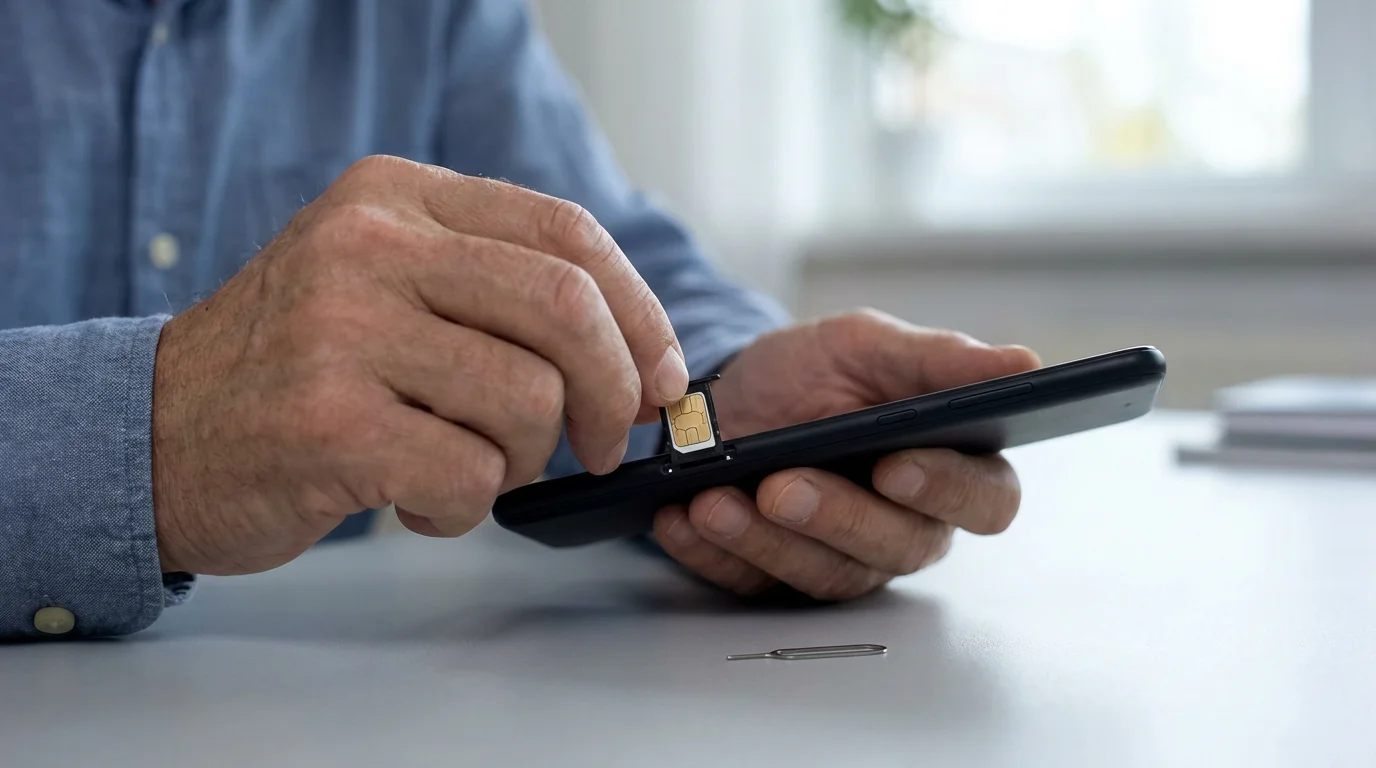
Switching cell phone carriers might seem daunting, but it is a straightforward process. Following these steps ensures a smooth transition and helps you avoid any interruptions in service. You can typically keep your existing phone number when switching providers.
After setting up your new service, it is a great time to ensure you are managing your finances online using the most secure methods available.
- Research and Choose Your New Plan: Thoroughly investigate new carriers and plans as discussed in previous sections. Confirm coverage in your area and understand all costs involved.
- Check Your Current Contract: Determine if you have an existing contract with your current provider and if any early termination fees apply. Many plans today are month-to-month, but some might still have contractual obligations.
- Unlock Your Phone: If you own your phone outright and purchased it from your current carrier, you may need to have it “unlocked.” An unlocked phone can work with any compatible carrier. Contact your current carrier for their unlocking policy, which often requires your account to be in good standing.
- Back Up Your Data: While not directly related to switching carriers, it is always a good practice to back up your phone’s data, contacts, and photos before making any major changes to your service.
- Order Your New Service: Once you select a new carrier, order your new SIM card or eSIM (electronic SIM) and follow their activation instructions. Many providers let you activate online or over the phone.
- Port Your Phone Number: During activation with your new carrier, you will have the option to “port” or transfer your existing phone number. Provide your current account number, password or PIN, and billing address. Do not cancel your old service until your number successfully transfers, as this can take a few hours to a few days. Your new carrier handles the cancellation of your old service once the number porting is complete.

Avoiding Common Pitfalls and Scams
While looking for better deals, remain vigilant against common pitfalls and scams. Unscrupulous individuals and companies often target seniors with deceptive offers. Protecting your finances and personal information is paramount.
- Hidden Fees and Fine Print: Always read the full terms and conditions of any plan before signing up. Look for activation fees, upgrade fees, regulatory fees, and data overage charges. Some companies advertise a low monthly rate, but additional fees significantly increase the final bill.
- Long-Term Contracts: Many modern plans are month-to-month, offering flexibility. Be wary of plans that require long-term contracts (e.g., 1-2 years), especially if they come with hefty early termination fees. Your needs may change, and flexibility provides peace of mind.
- Pressure Sales Tactics: Do not feel pressured into signing up for a plan immediately. High-pressure sales often indicate a less-than-ideal deal. Take your time, compare offers, and discuss options with a trusted family member or advisor.
- “Free Phone” Scams: Be skeptical of unsolicited offers for “free phones” that require personal information or upfront payments. Scammers often use these tactics to collect your data or enroll you in expensive, unwanted services. Legitimate offers usually come from reputable providers and clearly state any conditions.
- Phishing and Identity Theft: Be cautious of suspicious emails, texts, or calls claiming to be from your cell phone provider. They might ask for your account information, passwords, or Social Security number. Your carrier will rarely ask for sensitive information via insecure channels. Report any suspicious activity to the Federal Trade Commission (FTC) at consumer.ftc.gov/scams.
Frequently Asked Questions
What is an MVNO, and how do they save me money?
An MVNO, or Mobile Virtual Network Operator, is a company that provides cell phone service by leasing network access from major carriers like Verizon, AT&T, or T-Mobile. They save you money because they have lower overhead costs, passing those savings on to consumers through cheaper plans, often starting under $20 per month.
Can I keep my current phone number when I switch carriers?
Yes, you can almost always keep your current phone number when switching carriers, a process called “number porting.” You simply provide your new carrier with your existing account information, and they handle the transfer. Do not cancel your old service until the porting is complete.
Do I need a smartphone, or are there simpler senior-friendly phones?
You have choices for devices. While smartphones offer many features, several companies, like Lively and Consumer Cellular, offer simpler flip phones or basic smartphones designed for ease of use, with large buttons and simplified interfaces. Some even include dedicated emergency buttons.
What if I rarely use data but make many calls?
If you rarely use data but rely heavily on calls, look for plans with unlimited talk and text and a minimal data allowance (1-2 GB) or even talk-and-text-only plans. Many MVNOs, like Consumer Cellular or Tello Mobile, allow you to customize plans to fit this specific usage pattern, saving you money on unused data.
How do I find out if I qualify for government assistance programs like Lifeline or ACP?
You can check your eligibility for programs like Lifeline and the Affordable Connectivity Program by visiting websites such as USA.gov Benefits or BenefitsCheckUp. These resources provide detailed information on income requirements and qualifying federal assistance programs. Many phone providers also help you determine eligibility during the sign-up process.
Should I buy my phone outright or pay for it monthly?
Buying your phone outright, if you can afford it, often saves you money in the long run. Monthly phone payments, especially on newer models, add significantly to your bill. Many budget-friendly plans offer lower rates when you bring your own unlocked phone. Older or refurbished models can also offer excellent value when purchased outright.
Disclaimer: This article is for informational purposes only and does not constitute financial, tax, or legal advice. Discounts, programs, and savings opportunities may vary by location and are subject to change. We encourage readers to verify current offers and consult with qualified financial professionals for personalized advice.









Leave a Reply