

Aging brings unique challenges and opportunities for personal growth. Maintaining your physical and mental health becomes increasingly important as you navigate these later chapters of life. Many seniors seek practical strategies to enhance their overall wellbeing, reduce stress, and cultivate a sense of inner peace. Mindfulness meditation offers a powerful, evidence-based approach to achieving these goals, providing a pathway to greater mental clarity and improved quality of life.
You can actively take charge of your health by incorporating simple yet profound practices like mindfulness into your daily routine. This article explores how mindfulness meditation specifically improves senior wellbeing, offering practical insights and techniques you can start using today. We discuss its benefits for cognitive function, emotional resilience, and even physical health, empowering you to live more fully and consciously.
Understanding Mindfulness and Meditation
Mindfulness is the practice of intentionally bringing your attention to the present moment without judgment. It involves observing your thoughts, feelings, bodily sensations, and the surrounding environment with a calm, accepting awareness. Meditation serves as a formal practice to cultivate this state of mindfulness, often through focused breathing, body scans, or silent contemplation.
For seniors, embracing mindfulness meditation means learning to pause and acknowledge experiences as they unfold. This helps you gain perspective on daily challenges and appreciate the simple moments of life. Regular practice strengthens your ability to stay grounded, even amidst change or uncertainty.
The core principle is simple: pay attention, on purpose, to the present moment. This deliberate focus trains your mind to reduce wandering thoughts and worries about the past or future. You develop a greater capacity for peace and mental clarity through this consistent effort.

Unlocking Cognitive Benefits for Seniors
Many seniors worry about maintaining cognitive function as they age. Mindfulness meditation offers significant benefits for your brain health, actively working to sharpen your mental faculties. This practice directly addresses how mindfulness improves senior wellbeing by enhancing several key cognitive areas.
The mental clarity gained through these exercises can also help you stay vigilant against financial scams targeting seniors by allowing you to process information more calmly.
In addition to meditation, you can further stimulate your mind by exploring online learning resources tailored for older adults.
Research indicates that regular meditation can strengthen areas of the brain associated with memory, attention, and executive function. For example, studies have shown that long-term meditators often exhibit increased gray matter volume in regions linked to learning and memory. This suggests that mindfulness can help combat age-related cognitive decline.
You may find improvements in your ability to focus on tasks, recall information, and make decisions more clearly. The consistent practice of bringing your attention back to the present moment acts like a workout for your brain, strengthening neural pathways and improving overall cognitive resilience.
- Enhanced Focus: Mindfulness training improves your ability to concentrate and sustain attention, making daily tasks easier to manage.
- Improved Memory: Regular meditation may help protect against age-related memory loss and enhance your working memory.
- Greater Mental Clarity: You gain a clearer perspective on thoughts and situations, leading to better decision-making and problem-solving skills.
- Reduced Cognitive Decline: Some studies suggest meditation can slow the progression of cognitive impairment, supporting long-term brain health.
- Increased Processing Speed: The practice can help your brain process information more efficiently, improving overall mental agility.

Reducing Stress and Improving Emotional Resilience
Life can present stressors at any age, and seniors often face unique challenges such as grief, health concerns, or changes in living situations. Mindfulness meditation provides effective strategies for stress reduction, helping you navigate these experiences with greater calm and emotional strength.
Achieving true peace of mind also involves feeling safe in your environment, so reviewing tips for home security for seniors can complement your inner work.
When you practice mindfulness, you learn to observe your thoughts and feelings without getting caught up in them. This creates a healthy distance from overwhelming emotions, allowing you to respond thoughtfully rather than react impulsively. You develop a powerful tool for managing anxiety and worry.
Scientific studies consistently show that mindfulness meditation reduces levels of cortisol, the body’s primary stress hormone. Lower cortisol levels contribute to decreased anxiety, improved mood, and a greater sense of peace. This sustained reduction in stress significantly impacts your overall emotional wellbeing, fostering a more positive outlook on life.
“Peace comes from within. Do not seek it without.”
Developing emotional resilience means you can bounce back more effectively from setbacks. Mindfulness teaches you to accept difficult emotions without judgment, allowing them to pass rather than clinging to them. This acceptance builds an inner strength, equipping you to face life’s ups and downs with greater equanimity.
- Decreased Anxiety: Mindfulness helps quiet racing thoughts and reduces feelings of worry and apprehension.
- Lower Stress Hormone Levels: Regular practice can decrease cortisol, leading to a calmer physiological state.
- Improved Mood Regulation: You gain better control over emotional responses, fostering a more positive and stable mood.
- Enhanced Coping Skills: Mindfulness provides tools to handle challenging situations with greater composure and resilience.
- Reduced Feelings of Loneliness: By fostering self-awareness and self-compassion, mindfulness can alleviate feelings of isolation and promote inner connection.
Enhancing Physical Health Through Mindfulness
The mind and body are intricately connected, and mindfulness meditation’s benefits extend beyond mental and emotional health to positively impact your physical wellbeing. Stress reduction, a primary outcome of mindfulness, plays a critical role in supporting various bodily systems.
Staying present and aware of your surroundings is also a key component of fall prevention at home, helping you avoid accidents in your living space.
Chronic stress contributes to numerous physical ailments, including high blood pressure, sleep disturbances, and weakened immune function. By lowering stress hormones, mindfulness can help regulate blood pressure, improve cardiovascular health, and even boost your immune system. This directly contributes to a healthier, more robust body.
Furthermore, mindfulness can help you better manage chronic pain. Instead of fighting against pain, which often intensifies it, mindfulness teaches you to observe the sensation without judgment. This shift in perception can reduce the emotional distress associated with pain, making it more manageable. You gain a sense of agency over your experience, rather than feeling controlled by discomfort.
Many seniors also report improved sleep quality after incorporating mindfulness into their routines. By calming the mind before bed and releasing daily anxieties, you can fall asleep more easily and experience deeper, more restorative rest. Adequate sleep is fundamental for overall physical health, impacting everything from energy levels to cellular repair.
- Better Sleep Quality: Mindfulness helps calm the mind, making it easier to fall asleep and stay asleep.
- Lower Blood Pressure: Consistent stress reduction through meditation can contribute to healthier blood pressure levels.
- Pain Management: Mindfulness can alter your perception of chronic pain, reducing its emotional impact and making it more tolerable.
- Stronger Immune System: Reduced stress strengthens your body’s natural defenses, helping you stay healthier.
- Improved Cardiovascular Health: By lessening stress, mindfulness supports a healthier heart and circulatory system.
- Mindful Eating: Practicing mindfulness during meals can lead to healthier food choices and better digestion, as you become more attuned to your body’s hunger and fullness cues.
Simple Mindfulness Practices You Can Start Today
You do not need to be an expert meditator to experience the benefits of mindfulness. Simple, short practices can make a significant difference in your daily life. These basic techniques are excellent answers to “what are simple meditation techniques for seniors,” designed for accessibility and effectiveness.
Beyond formal meditation, engaging in a peaceful outdoor hobby like birdwatching can serve as an excellent form of moving mindfulness.
Before you begin, you may find that decluttering your home helps create a more serene environment conducive to meditation.
Starting with just a few minutes each day can gradually build your mindfulness muscle. Choose a quiet time and space where you feel comfortable and undisturbed. Consistency is more important than duration when you begin your mindfulness journey.
Mindful Breathing Exercise
This foundational practice helps you anchor your attention to the present moment.
- Find a Comfortable Position: Sit in a chair with your feet flat on the floor or lie down comfortably. Close your eyes gently if you wish.
- Notice Your Breath: Bring your attention to the sensation of your breath. Feel the air entering and leaving your body. Notice the rise and fall of your abdomen or chest.
- Observe Without Judgment: Do not try to change your breath. Simply observe it as it is, naturally.
- Gently Redirect Your Mind: It is normal for your mind to wander. When you notice your thoughts drifting, gently bring your attention back to your breath. There is no need for self-criticism.
- Continue for a Few Minutes: Start with 3-5 minutes and gradually increase the duration as you feel comfortable.
Body Scan Meditation
A body scan helps you become aware of physical sensations throughout your body.
- Lie Down or Sit Comfortably: Find a position where you can relax without falling asleep.
- Focus on Your Toes: Bring your attention to your toes. Notice any sensations, such as warmth, coolness, tingling, or pressure.
- Move Up Through Your Body: Slowly move your attention up through your feet, ankles, calves, knees, thighs, hips, abdomen, back, chest, arms, hands, neck, and finally, your head.
- Acknowledge Sensations: As you focus on each part, simply acknowledge whatever sensations arise without judgment. If you feel discomfort, simply observe it.
- Breathe into Sensations: Imagine your breath flowing into and out of each body part, releasing any tension on the exhale.
- Conclude: When you finish, gently bring your awareness back to the whole body and the room around you.
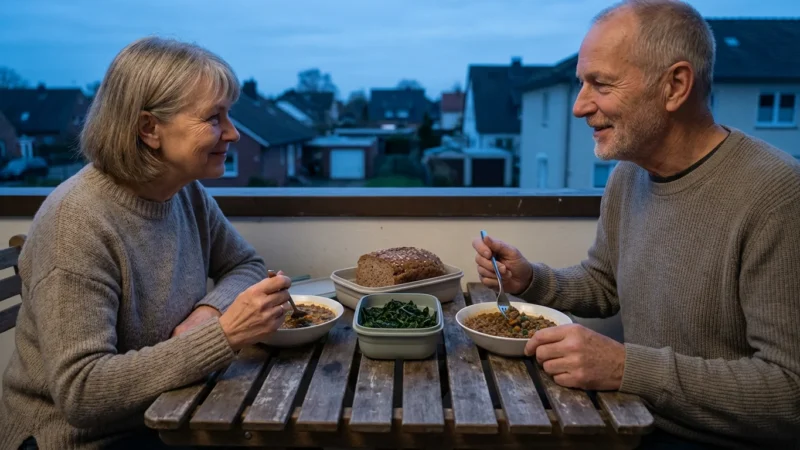
Mindful Eating
Transform your meals into an act of mindfulness.
- Engage Your Senses: Before eating, notice the colors, shapes, and aromas of your food.
- Take Small Bites: Chew slowly and deliberately. Notice the texture and flavor of each bite.
- Put Utensils Down: Pause between bites. This helps you recognize when you feel full.
- Avoid Distractions: Turn off the TV, put away your phone, and focus solely on your meal.
- Appreciate Your Food: Be grateful for the nourishment your food provides.
Integrating Meditation into Your Daily Routine
Consistency is key to experiencing the full benefits of mindfulness meditation. Integrating these practices into your daily life does not require large blocks of time. Even short, consistent efforts can create significant positive changes. You can weave mindfulness into many ordinary moments.
Think of mindfulness as a skill you develop, much like learning a new language or musical instrument. The more you practice, the more natural it becomes. Start small, perhaps with just five minutes of mindful breathing each morning. Gradually increase the duration as you feel more comfortable and notice the positive impacts.
You do not always need a formal meditation session. Moments of mindfulness can include paying full attention while drinking your morning coffee, feeling the water during your shower, or truly listening to a loved one speak. These micro-moments of awareness add up, helping you cultivate a more mindful approach to life.
- Morning Ritual: Start your day with 5-10 minutes of mindful breathing or a short body scan before you get out of bed. This sets a calm tone for the day.
- Walking Meditation: When you take a walk, pay attention to the sensation of your feet on the ground, the movement of your legs, and the sounds around you.
- Waiting Times: Use moments spent waiting in line or at appointments as opportunities for a brief mindful pause. Focus on your breath or the immediate environment.
- Nature Connection: Spend a few minutes mindfully observing nature. Notice the details of a tree, the patterns of clouds, or the sound of birds.
- Evening Reflection: Before bed, take a few minutes to reflect on your day with an attitude of gratitude and non-judgment. This can improve sleep.
- Set Reminders: Use a gentle alarm or a visual cue (like a sticky note) to remind yourself to take a mindful break during the day.
Many online resources and apps offer guided mindfulness meditation for seniors. The National Institute on Aging provides excellent information on healthy aging, including tips for mental and emotional wellbeing that complement mindfulness practices. You can explore their resources at nia.nih.gov for further guidance.

When to Seek Professional Guidance
Mindfulness meditation offers a wonderful tool for enhancing overall wellbeing and managing daily stressors. However, it serves as a complementary practice and not a replacement for professional medical or mental health care. You should always consult your healthcare provider for medical decisions and chronic health conditions.
If you experience persistent feelings of sadness, anxiety, hopelessness, or significant changes in mood or behavior, speak with your doctor. These symptoms may indicate an underlying condition that requires professional evaluation and treatment. Your doctor can help you determine the best course of action, which might include therapy, medication, or other interventions.
While mindfulness can help manage symptoms of depression and anxiety, it may not be sufficient on its own for severe mental health conditions. A qualified mental health professional can provide a diagnosis and develop a comprehensive treatment plan tailored to your specific needs. They can also help you integrate mindfulness practices safely and effectively into your overall care.
- Persistent Sadness or Hopelessness: If feelings of sadness or despair last for more than two weeks, consult your doctor.
- Overwhelming Anxiety or Panic Attacks: Seek professional help if you experience frequent, intense anxiety or panic.
- Significant Changes in Sleep or Appetite: Unexplained changes in sleep patterns or eating habits warrant medical attention.
- Loss of Interest in Activities: If you lose pleasure in hobbies or activities you once enjoyed, discuss this with a healthcare provider.
- Thoughts of Self-Harm: If you ever have thoughts of harming yourself, seek immediate professional help or call 911.
- Difficulty Functioning Daily: If mental health challenges significantly impair your ability to manage daily life, reach out to your doctor.
Consider discussing your interest in mindfulness with your doctor, especially if you have existing health conditions. They can offer personalized advice and ensure that mindfulness meditation aligns with your overall health plan. You remain empowered by making informed decisions about your health in consultation with trusted professionals.
Frequently Asked Questions
Can mindfulness meditation interfere with my medications?
Mindfulness meditation is a behavioral practice and generally does not directly interfere with medications. However, by reducing stress and improving sleep, it might subtly alter how your body responds to certain conditions or medications over time. For example, if meditation significantly lowers your blood pressure, your doctor might need to adjust blood pressure medication dosages. Always discuss your meditation practice with your healthcare provider to ensure it complements your treatment plan.
How long does it take to see benefits from mindfulness meditation?
Many people report feeling calmer and more focused after just a few sessions of mindfulness meditation. Significant, lasting benefits, such as reduced chronic stress, improved cognitive function, and enhanced emotional resilience, typically develop with consistent practice over several weeks to months. The key is regular engagement, even if only for short periods each day.
Is mindfulness meditation religious?
While mindfulness meditation has roots in ancient contemplative traditions, particularly Buddhism, its modern application in health and wellness is largely secular. It focuses on universal human experiences like attention, awareness, and compassion, making it accessible to people of all backgrounds, regardless of their religious beliefs or lack thereof. You can practice mindfulness without adopting any specific spiritual doctrine.
What if I cannot clear my mind during meditation?
The goal of mindfulness meditation is not to clear your mind completely, but rather to observe your thoughts without judgment. It is entirely normal for your mind to wander during meditation. When you notice thoughts arise, simply acknowledge them and then gently redirect your attention back to your anchor, such as your breath. This act of gently returning your focus is the core practice itself, strengthening your attention muscles over time. Do not criticize yourself for thinking; simply observe and return.
Are there any risks associated with mindfulness meditation for seniors?
For most seniors, mindfulness meditation is a safe and beneficial practice. There are generally no physical risks associated with it, especially with gentle, seated or lying practices. However, if you have a history of trauma or severe mental health conditions, discuss beginning a mindfulness practice with a mental health professional. In rare cases, intense meditation can bring up difficult emotions. A professional can guide you through these experiences safely.
Where can I find guided meditations specifically for seniors?
Numerous resources offer guided meditations tailored for seniors. Many apps, such as Headspace or Calm, include beginner-friendly programs. YouTube hosts many free guided meditations, often with titles like “mindfulness for seniors” or “meditation for relaxation.” Additionally, local community centers, senior centers, or yoga studios may offer in-person classes designed for older adults. You can also look for resources from reputable organizations that focus on healthy aging and stress reduction.
Disclaimer: This article is for informational purposes only and does not constitute medical advice. The information provided is not intended to diagnose, treat, cure, or prevent any disease. Always consult with your healthcare provider before making any changes to your diet, exercise routine, medications, or health regimen. If you’re experiencing a medical emergency, call 911 immediately.






Leave a Reply