
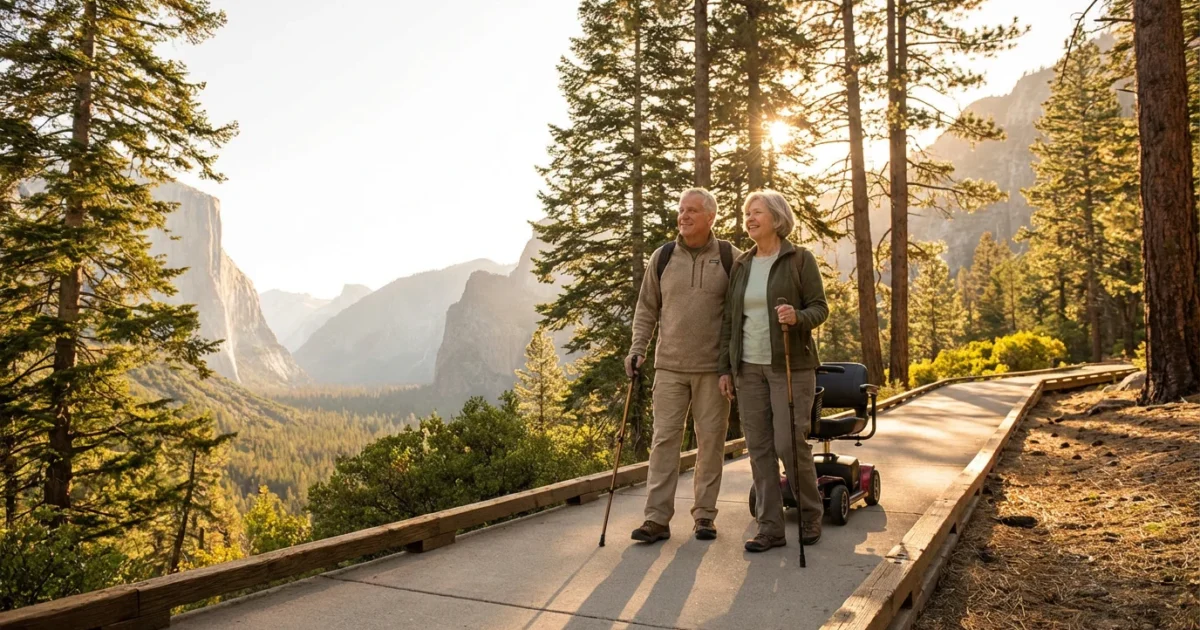
Exploring America’s National Parks offers breathtaking beauty, rich history, and profound tranquility. For seniors, these treasured landscapes provide an incredible opportunity to connect with nature, create lasting memories, and enjoy life’s adventures at your own pace. Many national parks have made significant strides in accessibility, ensuring that everyone, regardless of mobility level, can experience their wonders. This guide helps you navigate your options, plan comfortably, and discover what national parks are most accessible for your next journey.
These journeys also provide wonderful strategies for building connections with nature and fellow travelers alike.
Embracing the Great Outdoors: Why National Parks are Perfect for Seniors
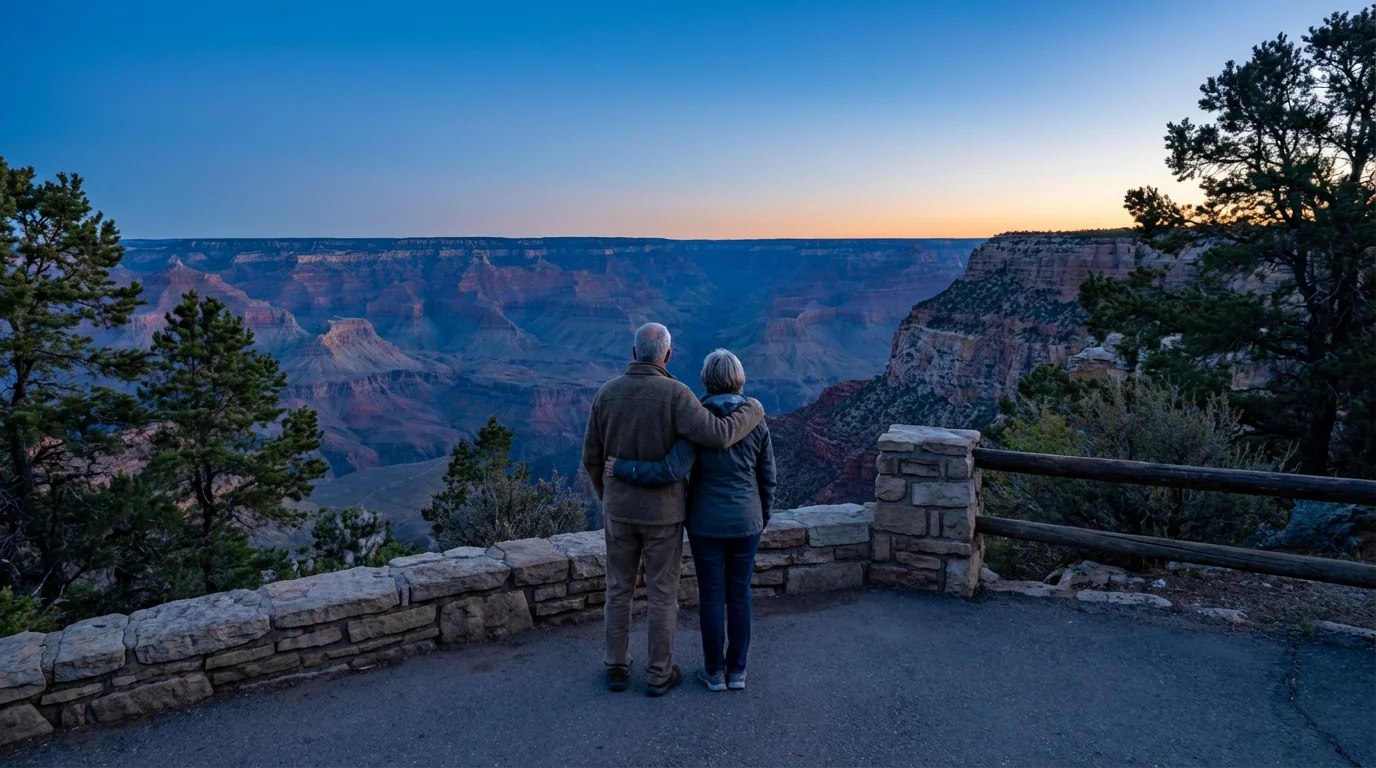
National Parks offer more than just scenic views; they provide a profound sense of peace and rejuvenation. For seniors, engaging with nature can boost physical activity, enhance mental well-being, and reduce stress. Imagine watching a sunset over a canyon or observing wildlife in its natural habitat. These experiences are invaluable.
Spending time in nature is one of several effective strategies for managing chronic pain and improving mobility.
Engaging in light outdoor activities is also a helpful way of managing arthritis pain while enjoying the fresh air.
You gain opportunities for gentle walks on paved paths, absorbing historical insights at visitor centers, and simply relaxing in stunning environments. Many seniors find renewed energy and inspiration through these excursions. The accessibility initiatives in these parks mean you do not need to be an avid hiker to enjoy the natural splendor.

Understanding National Park Accessibility: What to Look For
The National Park Service actively works to make its sites accessible to all visitors. This commitment means you can expect features designed to accommodate various mobility levels. Knowing what to look for helps you choose the best park for your needs.
While accessibility is key in parks, creating a safer living space at home is also vital for long-term independence.
While mobility is key outdoors, adapting your bathroom at home is another important step for safe senior living.
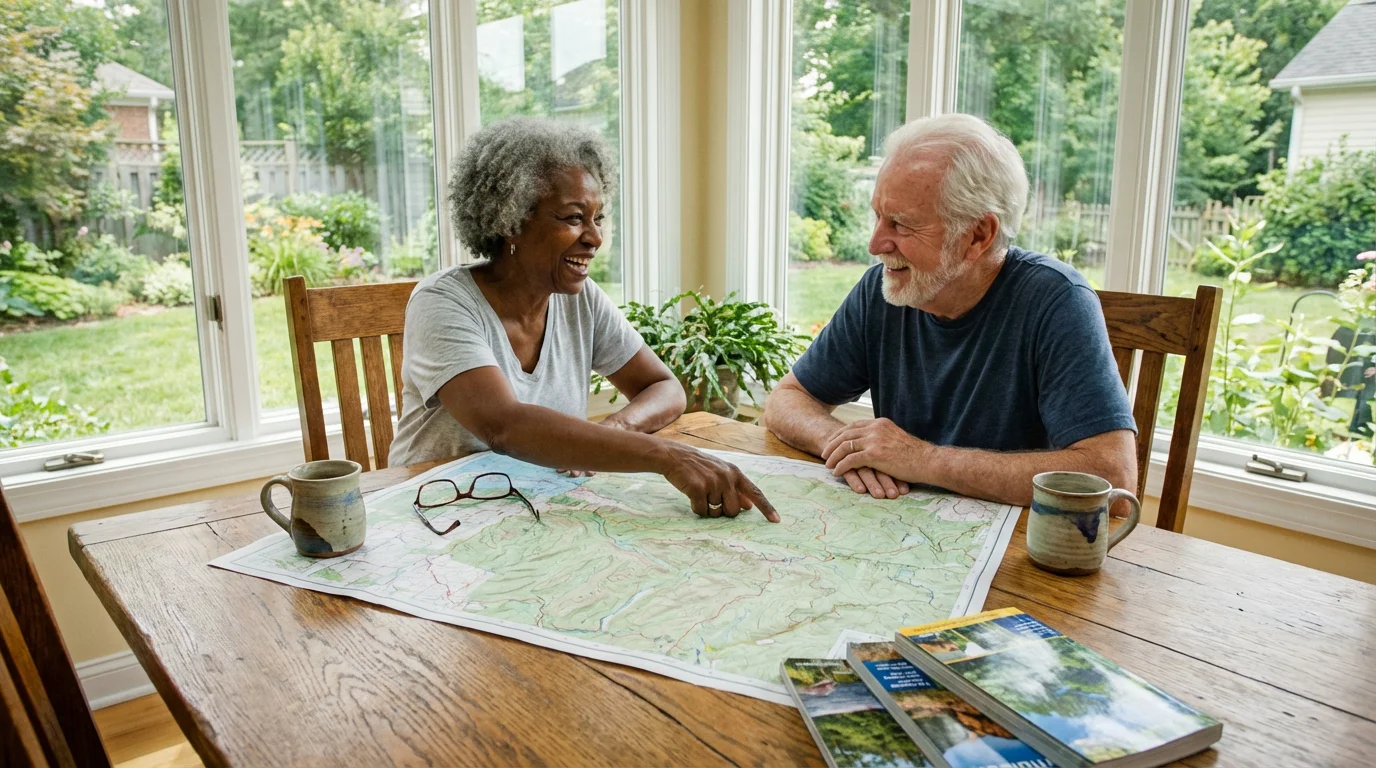
When researching a park, prioritize official park websites for the most up to date accessibility information. They detail specific trail conditions, facility access, and available services. Look for detailed maps that highlight accessible routes and amenities.
- Paved and Boardwalk Trails: Seek out parks with clearly marked, level, and well maintained accessible trails or boardwalks. These allow for easier navigation with wheelchairs, scooters, or walking aids.
- Accessible Visitor Centers: Most modern visitor centers offer ramps, automatic doors, accessible restrooms, and exhibits designed for various sensory and mobility needs. You can often watch orientation films with closed captions.
- Shuttle Services: Many popular parks utilize shuttle bus systems to reduce traffic and provide access to key viewpoints. Verify if these shuttles are wheelchair accessible and if they have designated stops near accessible attractions.
- Accessible Restrooms and Picnic Areas: Ensure that restrooms, picnic tables, and concession areas meet accessibility standards. This significantly enhances comfort during your visit.
- Ranger Programs: Check for ranger led programs that are accessible, such as campfire talks at amphitheaters with accessible seating or shorter, interpretive walks on paved surfaces.
- Accessible Lodging and Camping: If staying within the park, inquire about accessible hotel rooms or campsites with amenities like roll in showers and paved pads.

America the Beautiful: The Senior Pass and Its Value
One of the best benefits for senior travelers is the “America the Beautiful” National Parks and Federal Recreational Lands Senior Pass. This pass represents exceptional value and opens doors to countless adventures.
By saving on entry fees, you can better allocate your travel budget towards healthy eating and nutritious road-trip snacks.
Available to U.S. citizens or permanent residents aged 62 or over, this lifetime pass costs only $80. An annual Senior Pass is also available for $20. The pass grants you free admission to all National Parks and federal recreation sites that charge an entrance fee. It also provides a 50 percent discount on amenity fees like camping, swimming, boat launching, and specialized interpretive services.
Consider the savings: a single visit to Yellowstone National Park without the pass costs $35 per vehicle. With a lifetime Senior Pass, you pay nothing for entry for yourself and companions in the same vehicle. Over just a few visits, the pass pays for itself, making senior travel to national parks incredibly affordable. You can purchase the pass online, by mail, or at any federal recreation site that issues passes. Visit the National Park Service website for purchase details and more information.
Top Accessible National Parks for Senior Exploration
While many national parks offer some level of accessibility, certain parks truly excel, making them ideal for senior travel. These destinations provide a wealth of accessible viewpoints, trails, and services, ensuring you can experience their grandeur comfortably.
Staying active in these beautiful settings is an excellent way of managing diabetes while enjoying your journey.
These accessible destinations are ideal for affordable weekend getaways when you need a short break from the routine.
Grand Canyon National Park, Arizona
The South Rim of the Grand Canyon is a standout for accessibility. Its vast, paved Rim Trail stretches for miles, offering continuous, breathtaking views of the canyon with minimal elevation change. Many viewpoints, including Mather Point, Yavapai Geology Museum, and Grandview Point, feature accessible parking and paved paths directly to overlooks. The park’s shuttle system, which services the South Rim, is fully wheelchair accessible, allowing you to easily hop on and off at various scenic stops.
- Accessible Trails: The Rim Trail (portions) and paved paths around Yavapai Point.
- Shuttle Service: Free, accessible shuttles operate along the South Rim.
- Visitor Centers: Grand Canyon Visitor Center and Verkamp’s Visitor Center are accessible.
- Activities: Enjoy sunrise and sunset views, ranger talks, and the geology museum.
Yosemite National Park, California
Yosemite Valley, a U-shaped glacial valley, boasts an impressive array of accessible features. The Valley Loop Trail offers over 11 miles of paved and mostly flat pathways, perfect for strolling or rolling. You can reach iconic sights like Yosemite Falls, Bridalveil Fall, and parts of Mirror Lake with ease. The park’s shuttle system provides accessible transportation throughout the Valley, connecting major points of interest. The dramatic granite cliffs and giant sequoias are within reach.
- Accessible Trails: Portions of the Valley Loop Trail, Lower Yosemite Fall Trail, Cook’s Meadow Loop.
- Shuttle Service: Free, accessible shuttles operate within Yosemite Valley.
- Visitor Centers: Yosemite Valley Visitor Center is fully accessible.
- Activities: Photography, accessible picnic areas, ranger programs, admiring towering waterfalls.
Yellowstone National Park, Wyoming
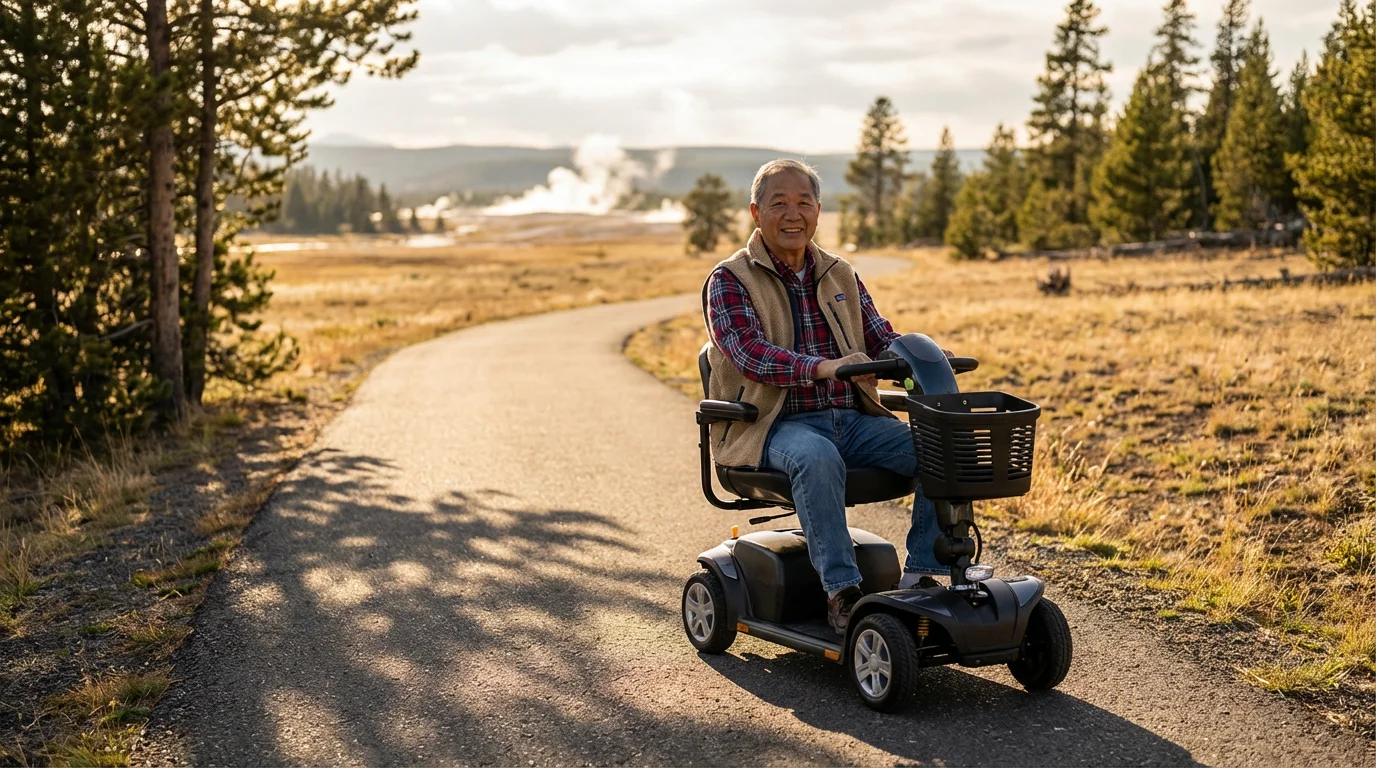
America’s first national park offers numerous accessible boardwalks and paved paths around its famous geysers and hot springs. The Upper Geyser Basin, home to Old Faithful, features extensive boardwalks that allow you to get close to these geothermal wonders. Many viewpoints, like those at Grand Prismatic Spring and Yellowstone Lake, have accessible parking and paved overlooks. Driving through the park’s scenic loops provides extensive opportunities for wildlife viewing from your vehicle.
- Accessible Trails: Old Faithful Geyser boardwalks, Grand Prismatic Spring boardwalk, Fountain Paint Pot Trail.
- Visitor Centers: Old Faithful Visitor Education Center and Canyon Visitor Education Center offer accessible facilities.
- Activities: Geyser viewing, wildlife watching, scenic drives, accessible picnic areas.
Acadia National Park, Maine
Acadia offers unique coastal beauty and a surprising level of accessibility. The historic carriage roads, built by John D. Rockefeller Jr., provide over 45 miles of gentle, gravel roads ideal for walking, biking, or wheelchair use with assistance. Many scenic overlooks along Park Loop Road have accessible parking and paved paths. Jordan Pond House offers accessible dining and beautiful views of the ponds and mountains. The Island Explorer bus system is wheelchair accessible, connecting you to various points of interest.
- Accessible Trails: Portions of the Carriage Roads, Ocean Path (some sections), Jordan Pond Path (some sections).
- Shuttle Service: Free, accessible Island Explorer buses operate seasonally.
- Visitor Centers: Hulls Cove Visitor Center is accessible.
- Activities: Coastal drives, accessible picnics, watching the sunrise at Cadillac Mountain (reservations often required).
Everglades National Park, Florida
For a unique wetland experience, Everglades National Park provides excellent accessibility to observe its diverse ecosystem. The Anhinga Trail and the Shark Valley Tram Road are prime examples. The Anhinga Trail is a paved and boardwalk trail, perfect for spotting alligators, turtles, and wading birds up close. At Shark Valley, you can take an accessible tram tour through the sawgrass prairie, or bike/roll the flat 15-mile loop. The visitor centers are well equipped for accessible travelers.
- Accessible Trails: Anhinga Trail (paved and boardwalk), Shark Valley Tram Road (paved).
- Tram Tours: Accessible tram tours available at Shark Valley.
- Visitor Centers: Ernest Coe Visitor Center and Shark Valley Visitor Center are accessible.
- Activities: Wildlife viewing, accessible boat tours (seasonal, verify availability), ranger programs.
Planning Your Accessible National Park Adventure
Careful planning ensures a smooth and enjoyable trip. Taking the time to research and prepare for your specific needs will enhance your experience significantly. Here are practical steps to guide you.
Planning also involves ensuring your home is safe while you’re away, so consider reviewing home security tips before you leave.
For those looking to travel further, our Europe travel planning guide provides tips for a smooth international trip.
- Research Thoroughly: Visit the official National Park Service website for the specific park you plan to visit. Look for sections on “Accessibility” or “Things to Do for Visitors with Disabilities.”
- Contact Park Rangers: Call the park directly. Rangers are an invaluable resource and can provide current conditions, personalized recommendations, and details on services not always listed online.
- Check for Reservations: Many parks require reservations for lodging, campsites, shuttle services, or popular attractions. Book well in advance, especially during peak season.
- Review Health Considerations: Consult your doctor about travel plans, especially if traveling to high altitude parks or areas with extreme temperatures. Discuss any necessary medical supplies or medications. The CDC Travelers Health website offers valuable guidance.
- Consider Travel Insurance: A comprehensive travel insurance policy can cover unexpected medical emergencies, trip cancellations, or delays. This provides peace of mind.
- Pack Smart: Create a checklist of essentials, including medications, comfortable clothing layers, sun protection, and any mobility aids you might need.
Packing for a National Park trip involves more than just clothes. Consider your comfort and convenience for varied activities and weather conditions.
- Layered Clothing: Park weather can change rapidly. Pack breathable layers that you can add or remove easily.
- Comfortable, Sturdy Shoes: Even on accessible paths, good footwear is essential for comfort and stability.
- Sun Protection: A wide brimmed hat, sunglasses, and high SPF sunscreen are crucial, especially at higher altitudes.
- Water Bottle: Stay hydrated. Many parks have water filling stations.
- Medications and First Aid: Carry all prescribed medications in their original containers, plus a basic first aid kit.
- Binoculars: Enhance your wildlife viewing experience.
- Camera: Capture the stunning landscapes and wildlife.
- Portable Power Bank: Keep your phone or other devices charged for navigation or emergencies.

Comfort and Convenience: How Seniors Can Travel Luxuriously
Traveling comfortably does not mean sacrificing adventure. It means optimizing your trip for ease, relaxation, and personalized experiences. Seniors can travel comfortably by leveraging services and accommodations designed for a more relaxed pace.
For many, this includes staying in accessible hotels or lodges inside or just outside the park, which minimize travel time to attractions. Consider a rental car equipped for your mobility needs. Many parks also offer accessible shuttle services, which allow you to leave your car and enjoy the scenery without parking hassles.
Guided tours can significantly enhance comfort. Companies like Road Scholar specialize in educational travel for older adults, often including accessible itineraries and transportation. They handle logistics, allowing you to focus on the experience. Look for tours that emphasize scenic drives, short walks, and comfortable lodging. Road Scholar offers various programs that highlight cultural and natural wonders, including many focused on national parks.
RV travel also offers a high degree of comfort and flexibility. You bring your accommodations with you, ensuring a familiar and accessible environment. Many national parks have accessible RV campsites. This option allows for spontaneous stops and the ability to cook your own meals, which can be beneficial for dietary needs.
“The world is a book, and those who do not travel read only one page.” — Saint Augustine

Making the Most of Your Park Visit: Tips for an Enjoyable Experience
Once you arrive, a few strategies can help you maximize your enjoyment and ensure a stress free trip. Remember, the goal is to experience the park at your own pace, soaking in every moment.
Do not feel pressured to see everything. Focus on a few key areas or activities that genuinely interest you. Allow ample time for rest and relaxation between activities. Rushing often diminishes the enjoyment of natural beauty.
- Pace Yourself: Plan shorter days with plenty of breaks. It is better to do a few things well than to try to cram too much in.
- Utilize Visitor Centers: Start your day at the visitor center. Rangers offer excellent advice on current conditions, accessible routes, and less crowded times to visit popular spots.
- Join Ranger Programs: Many parks offer accessible ranger led talks, walks, or campfire programs. These are a fantastic way to learn about the park’s history, geology, and wildlife.
- Early Bird or Late Owl: Visit popular overlooks or trails during early morning or late afternoon. Not only do you avoid crowds, but you also experience the best light for photography and often see more wildlife.
- Pack Snacks and Drinks: While concessions are available, having your own snacks and water ensures you stay energized and hydrated, especially if you find yourself away from facilities.
- Take Breaks: Find a scenic bench or picnic area and simply sit, observe, and absorb the natural surroundings.
Frequently Asked Questions
What national parks are most accessible for seniors with mobility challenges?
Parks like Grand Canyon South Rim, Yosemite Valley, Yellowstone, Acadia, and Everglades are renowned for their extensive accessible infrastructure. They offer paved paths, boardwalks, accessible visitor centers, and shuttle services designed to accommodate various mobility needs. Always check the specific park’s official website for the most up to date accessibility information.
How can seniors travel comfortably to national parks?
Seniors can travel comfortably by choosing accessible accommodations, utilizing park shuttle services, and considering guided tours that handle logistics. Planning a slower pace, packing light but effectively, and ensuring adequate rest also contribute significantly to a comfortable trip. RV travel provides a familiar, private, and accessible home base.
Is the National Park Senior Pass worth it?
Absolutely. For a one time fee of $80 for a lifetime pass (or $20 for an annual pass), the America the Beautiful Senior Pass grants free entry to all National Parks and federal recreation sites. It also offers a 50 percent discount on amenity fees like camping. The pass pays for itself quickly, offering incredible value for seniors who plan to visit national parks even a few times.
What should seniors consider for health and safety when visiting national parks?
Prioritize consulting your doctor before your trip, especially for parks at high altitudes or with extreme temperatures. Carry all necessary medications, stay hydrated, and dress in layers for changing weather. Inform park staff of any specific needs, and ensure someone knows your itinerary. Familiarize yourself with park safety guidelines regarding wildlife and emergency procedures.
Are there accessible activities beyond walking trails in national parks?
Yes, many parks offer a range of accessible activities. These include scenic drives with pullouts and accessible overlooks, ranger led talks and interpretive programs at accessible visitor centers or amphitheaters, accessible boat tours (in parks like Everglades or Olympic), and wildlife viewing from designated accessible areas. Museums and historical sites within parks are also often accessible.
Disclaimer: This article is for informational purposes only. Travel conditions, prices, and policies change frequently. We encourage readers to verify current information directly with travel providers, check travel advisories, and consult with healthcare providers about any health concerns before traveling.







Leave a Reply